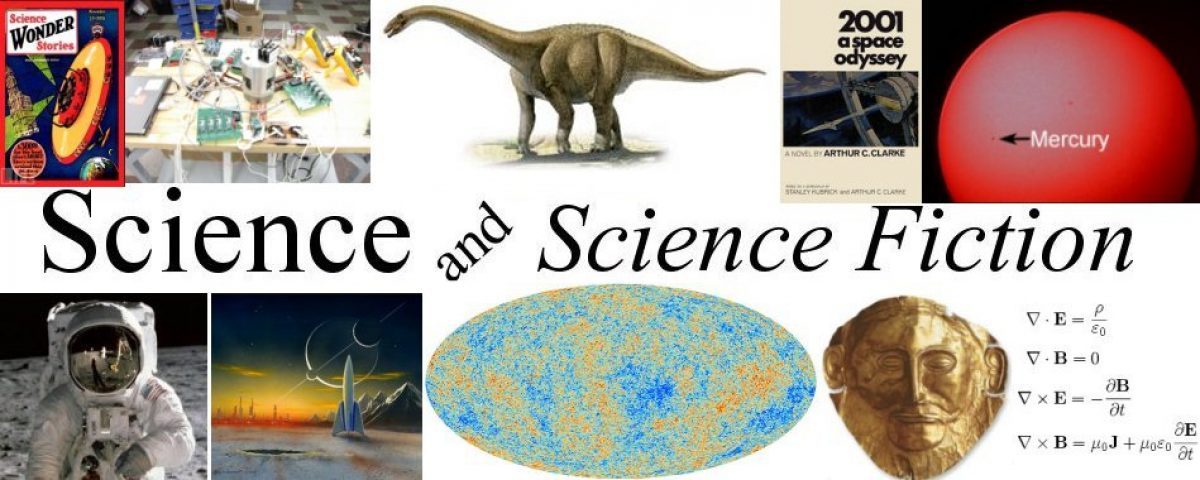
As I write this post hurricane Melissa has intensified from a category 1 to a category 5 in just about 24 hours, a rapid growth that had never been seen in any storm before the advent of global warming. Right now as I write this the storm is taking at direct aim at the island nation of Jamaica and all of the news programs are discussing the effect Melissa could have on the lives of people in its path.
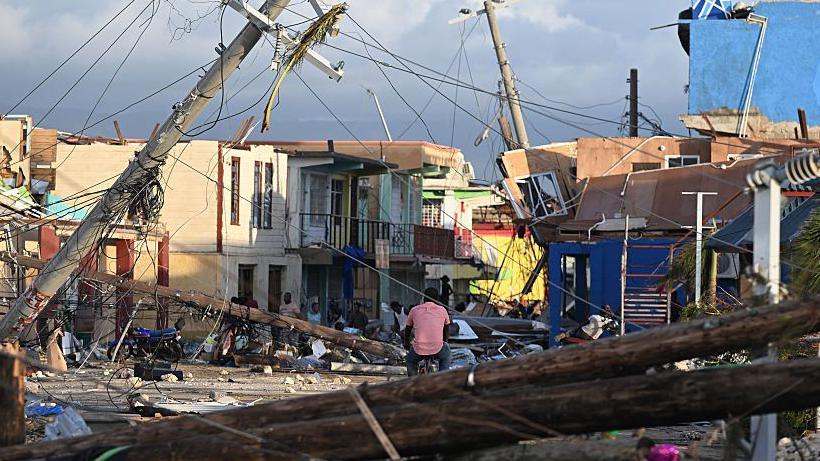
The harm that climate change is doing to our species is real and growing but what about the effects that it is having on the other creatures that live here on planet Earth? In this post I’ll be discussing the way that three different species of animal are adapting to global warming and it’s not always bad news, at least not for them. I’ll start with the most northerly species and work my way south.
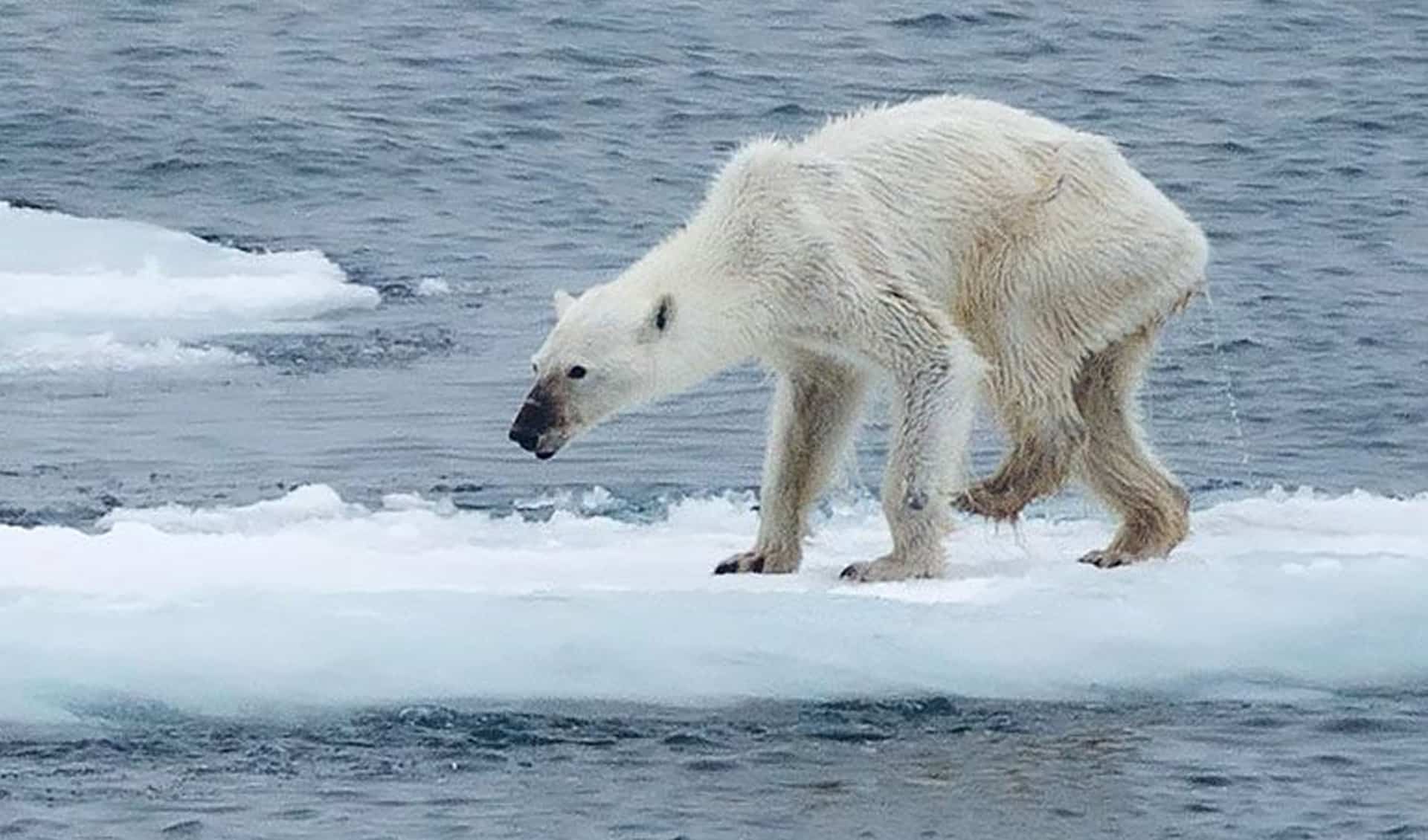
The island of Iceland is one of the very few places on Earth that are considered to be completely free of the insect pests mosquitoes, the other being Antarctica. Obviously both places are very cold but Iceland is also rather isolated and because of the nearby Gulf Stream, Iceland can have several periods of Ice-Thaw every year. That makes it difficult for any species of insect to both get to the island and to survive there for very long. Now, mosquitoes have been detected several times at the airport for Iceland’s capitol Reykjavik, stowaways on jets coming from other countries. Those invaders have never survived for long however, until now.
Amateur naturalist Bjorn Hjaltason, who lives in Kjós, a glacial valley to the southwest of the capital, commonly hangs wine soaked ropes outside of his home in order to capture and study Iceland’s moths. Just a few weeks ago Mr. Hjaltason noticed three flies on his ropes of a type that he had never seen before. Mr. Hjaltason sent his finds to the Iceland Institute of Natural History where the flies were identified as two females and one male of the mosquito species Culiseta annulata, a common pest in Europe and one of the most cold-resistant species of mosquito.

There’s no doubt as to why mosquitoes have suddenly been able to survive in Iceland, over the last twenty years the average temperature on the island has increased by more than one degree Celsius, that’s one degree over the entire year for the entire island. Just this past May Iceland recorded its highest ever temperature, 26.6ºC and the temperature remained above 20 degrees for ten consecutive days, another record. Just more evidence that, as the world’s temperatures warm species that we think of as tropical or temperate are moving northward.
The cold waters around Great Britain have been fished for thousands of years. A large part of the food eaten by the citizens of the UK today still consists of plaice, turbot and Dover sole harvested from the English Channel and the North Sea. Recently however fisherman along the English coast have been bringing up an unexpected catch, hundreds or thousands of octopodes, the correct plural for octopus.
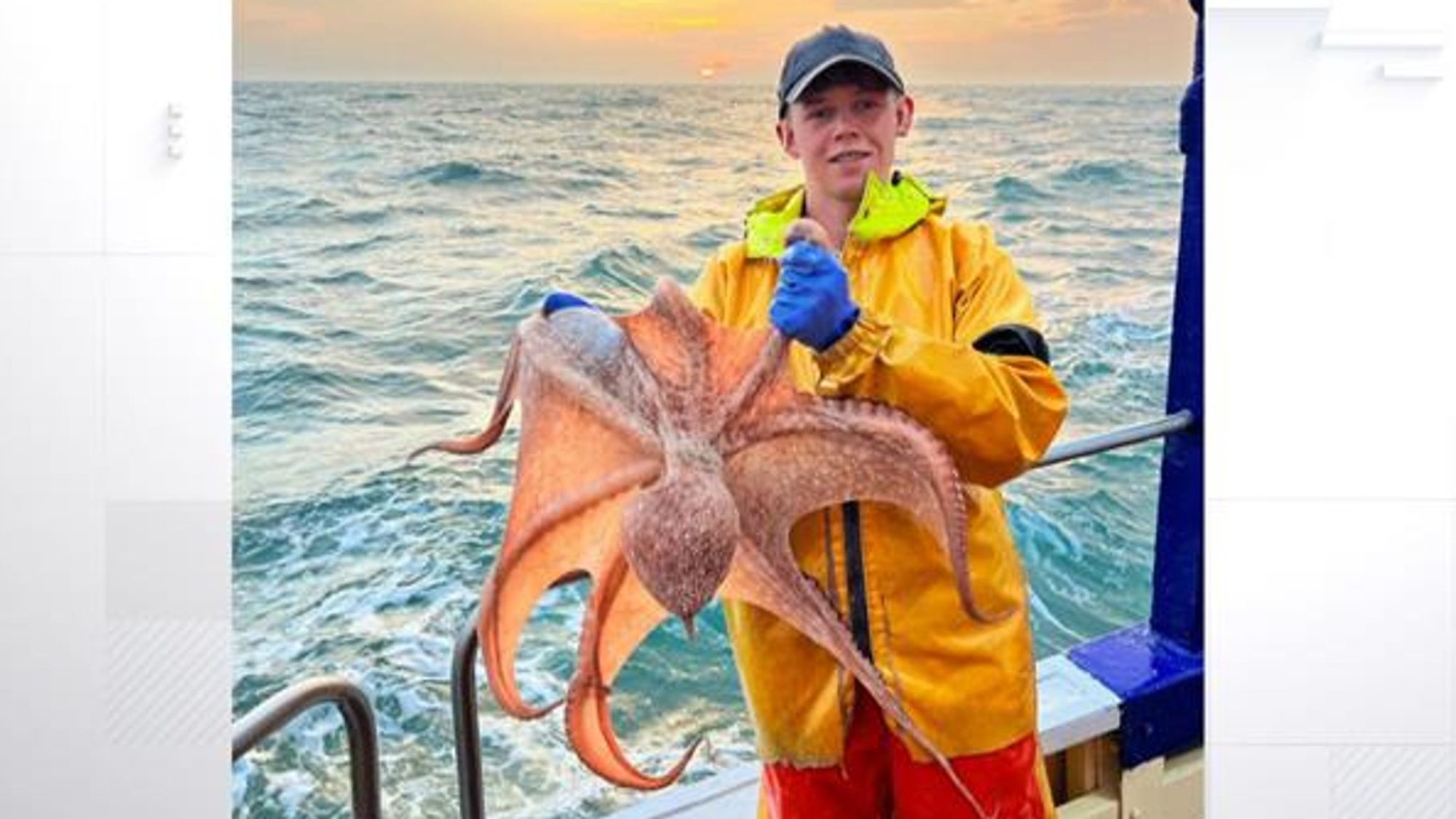
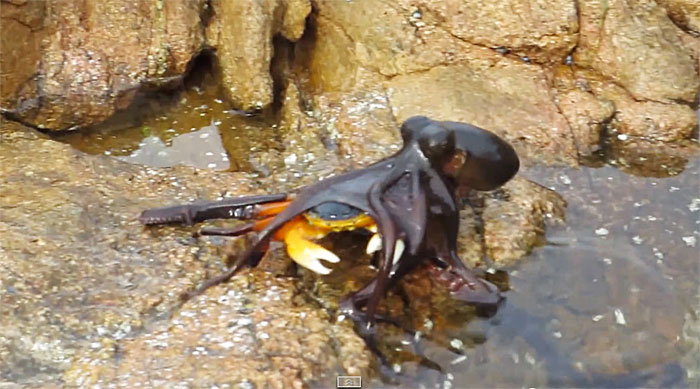
The octopodes are members of a species normally found in the warmer waters of the Mediterranean but once again thanks to global warming the temperature of the waters of the channel have risen and so the cephalopods are moving north. The fishermen along England’s south coast are thrilled because octopus sells for around seven pounds a kilo, a good deal more than their usual catch. Lobstermen and crabbers are not so thrilled however because the octopus feed on their catch, and octopodes are both clever and voracious eaters.
Another such example is happening in the waters of Chesapeake Bay where Stone Crabs have been captured for the first time ever. Native to the warmer waters of Florida and the Gulf of Mexico Stone Crabs have never before been observed north of the Carolinas. Four males of the species were discovered near Norfolk, Virginia over this past summer however.
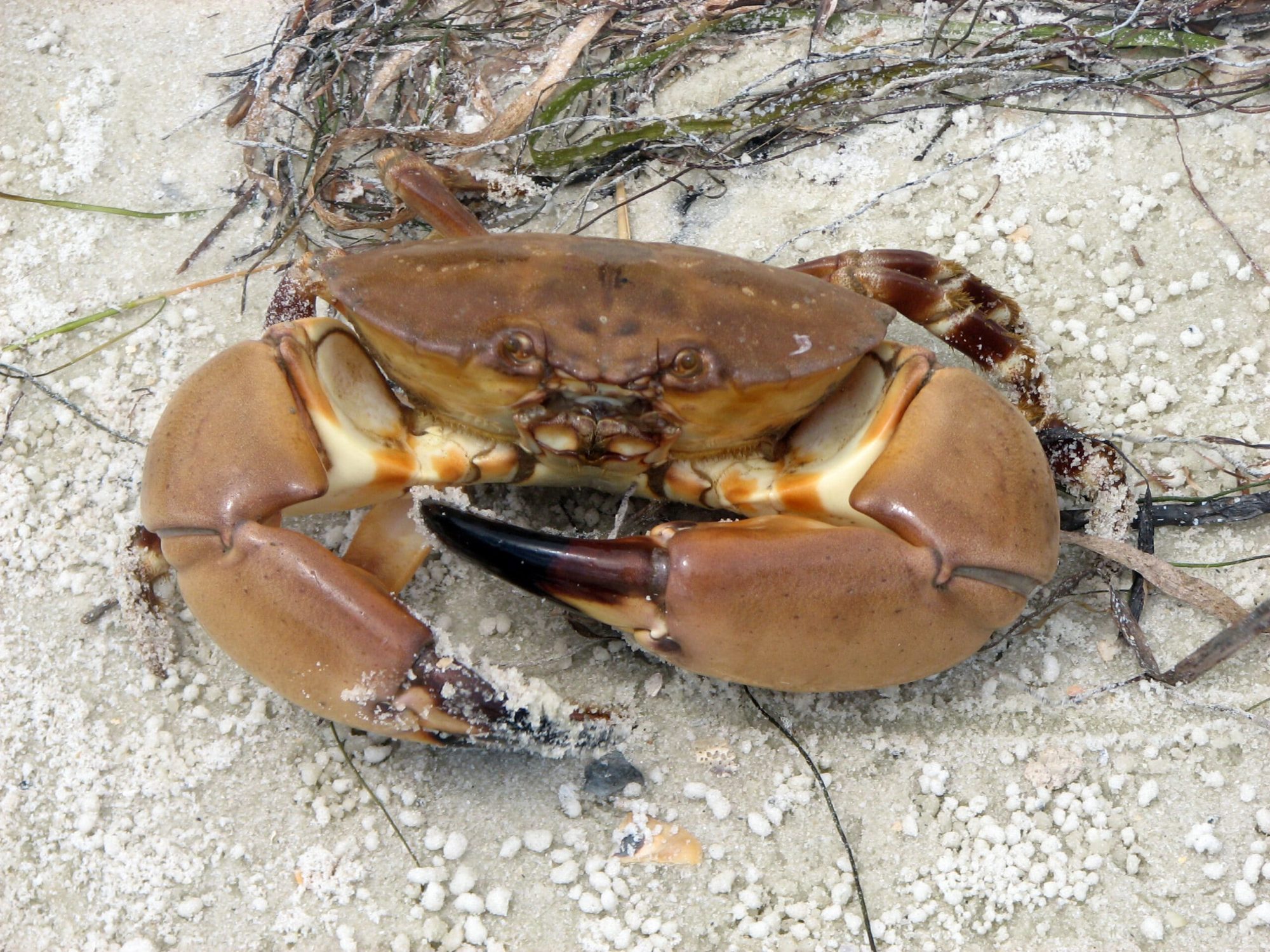
Labouratory tests have shown that Stone Crabs do not survive in waters with a temperature below 5ºC and do not survive well below 10ºC. The waters of Chesapeake Bay have also been warming by more than 1ºC since the 1980s and that appears to be enough to allow Stone crabs to extend their habitat northward into the Bay.
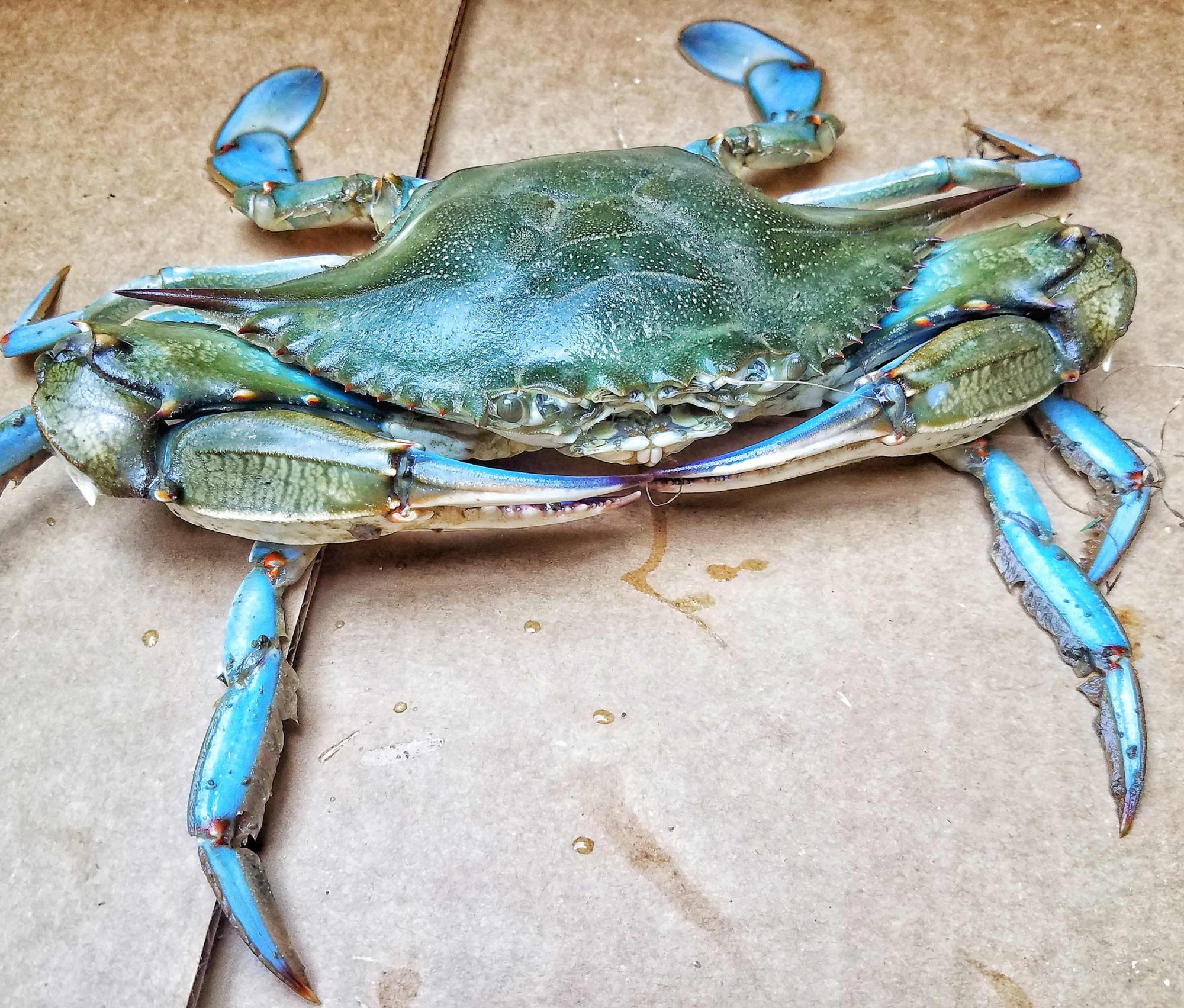
Now this could be a small silver lining in the dark cloud of climate change because Stone Crab claws are delicious and the species will not compete with the Chesapeake’s famous Blue Crabs. So in the future the bay’s crabbers may find themselves with a new source of income.
Finally my last story about how climate change is causing species to move northward is about a single individual, a single animal who would not exist except for climate change.
Blue jays are one of the most common songbirds in the eastern US and Canada. Not only are blue jays colourful but they are also fearless, often getting into fights with other birds many times their size, sometimes even with human beings. At the same time Mexico and Central America have their own species of jay, the closely related green jay.
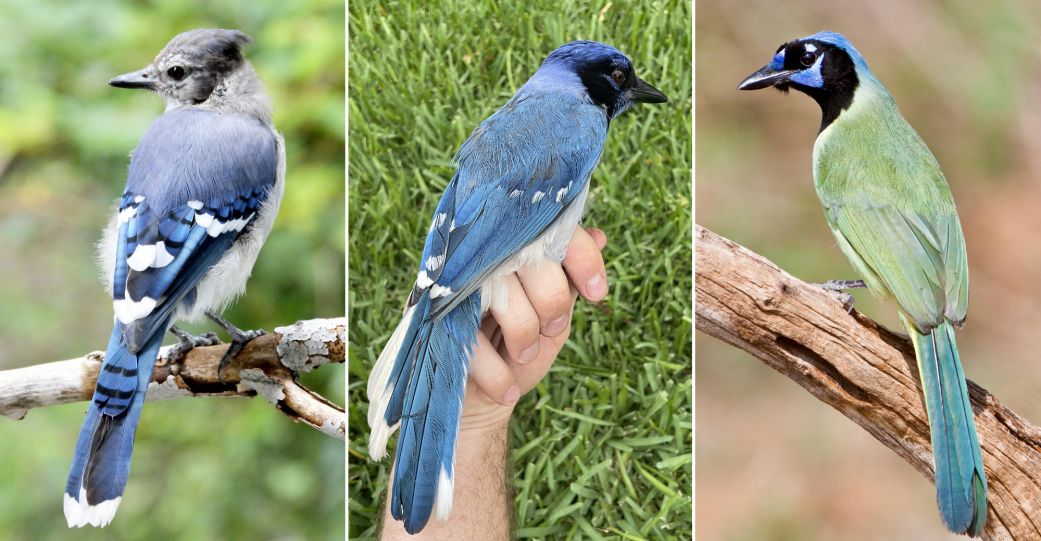
Now green jays are a tropical species who have rarely been seen north of the Rio Grande while blue jays are a temperate species rarely seen west of Houston, Texas. Thanks to climate change however the two species, separated by an estimated seven million years of evolution, are now intermingling in southern Texas. And when two closely related species share the same habitat the result can be, a hybrid.
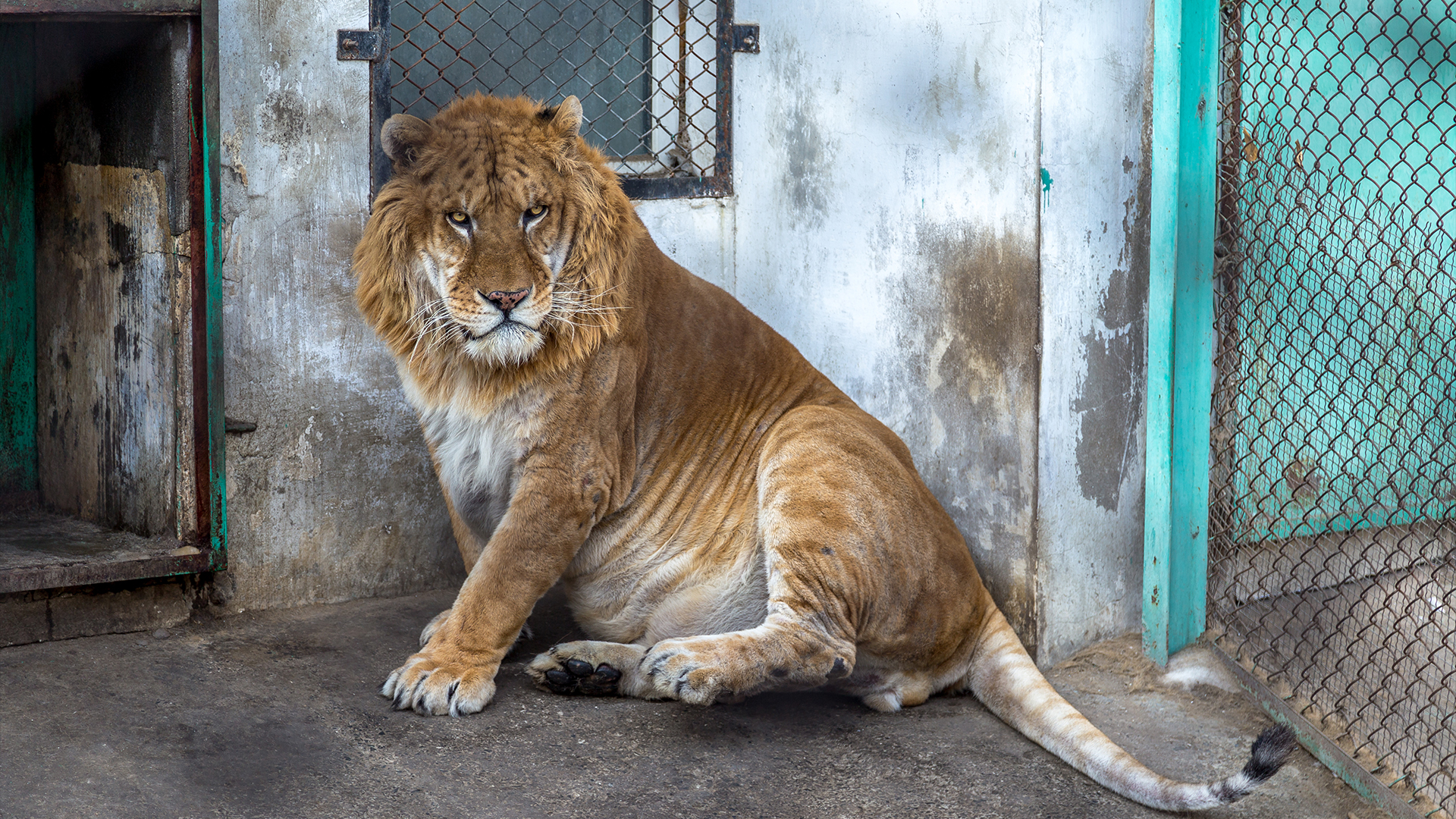
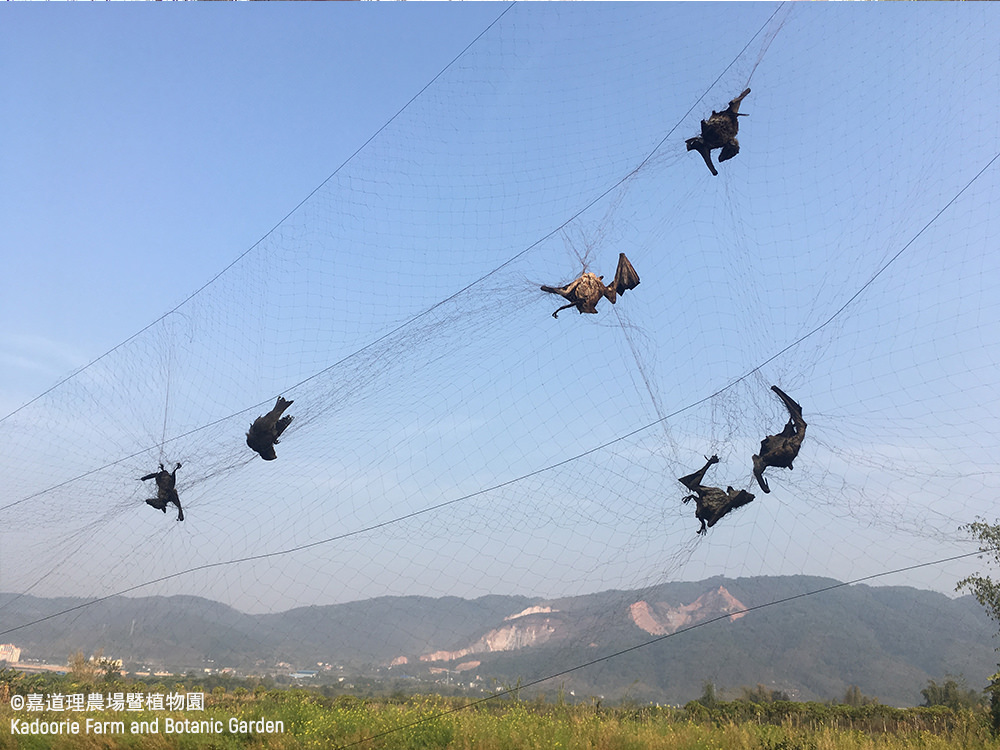
A birder living in a suburb of San Antonio recently posted a photograph of an odd looking bird on the social media app eBird. The photo was noticed by Brian Stokes, a Ph.D. candidate at the University of Texas at Austin. Stokes contacted the woman and arranged to come to her home to observe, and hopefully catch the animal. Using a mist net, a common technique ornithologists use to capture small birds unharmed, Stokes managed to capture the bird and get a blood sample before banding and releasing it.
DNA testing of the blood sample showed that the bird was a hybrid of a male blue jay and a female green jay, an animal that would not have existed without climate change. How many more such hybrids will be born because of global warming remains to be seen.