The summer of 2026 is now over and the climatologists are going through their data in order to determine just how much damage the growing problem of global warming is doing to both our planet and our civilization. So I have decided to run down some of the major disasters that have swept across the world this summer due to our disregard for the effects of greenhouse gas emissions caused by the burning of fossil fuels. I emphasize the word ‘some’ here because the problems caused by climate change are simply to numerous to include in a blog post such as this one.
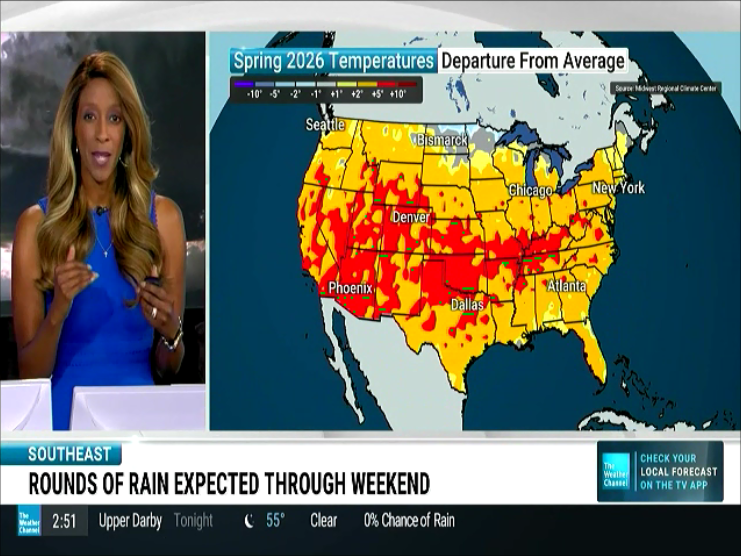
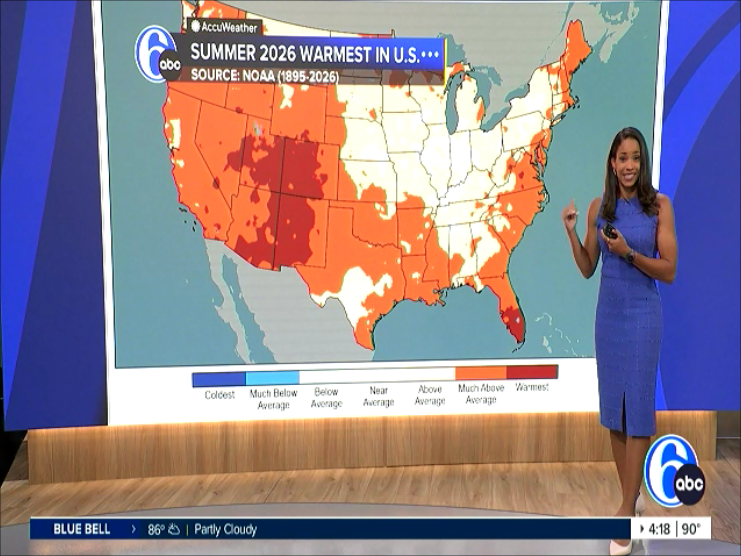
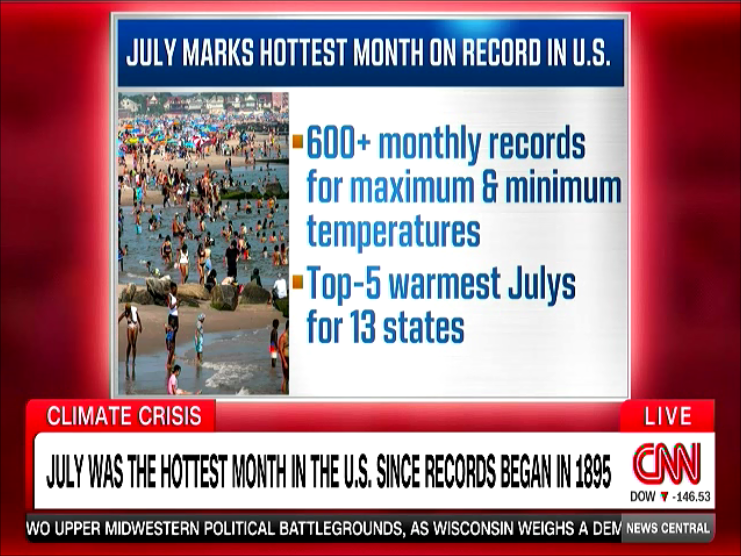
The broad strokes of what is happening to Earth’s weather are bad enough. The National Oceanographic and Atmospheric Agency (NOAA) has already declared that this summer, June through August, has been the hottest even recorded for North America with the western states of the US baring the brunt of the heat. The European Union’s (EU) meteorological agency (EMS) has declared the same for Europe. The continent of Asia doesn’t have a central weather agency to evaluate the heat there, but Japan, China, South Korea and India have all seen record temperatures. To top it off the added heat has also helped generate what most climatologists think will be the strongest El Ninó ever recorded.
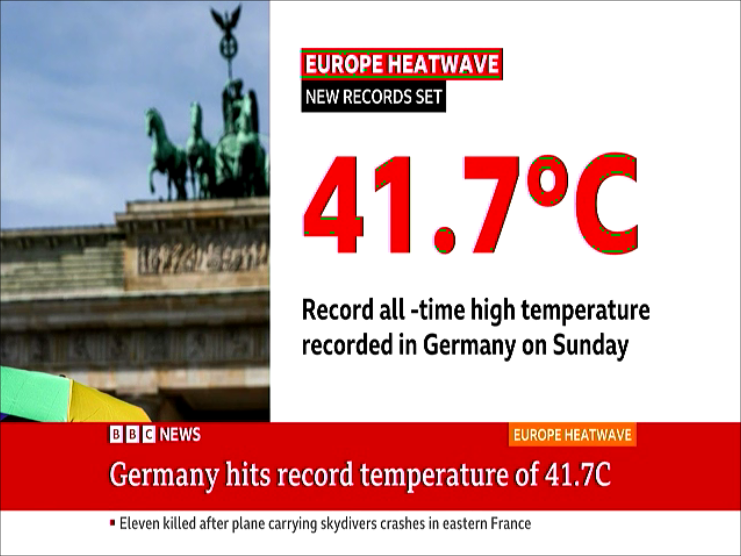
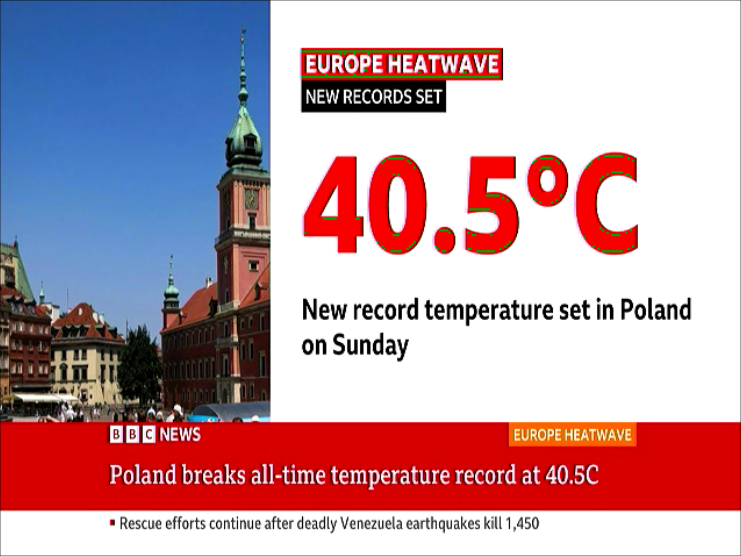
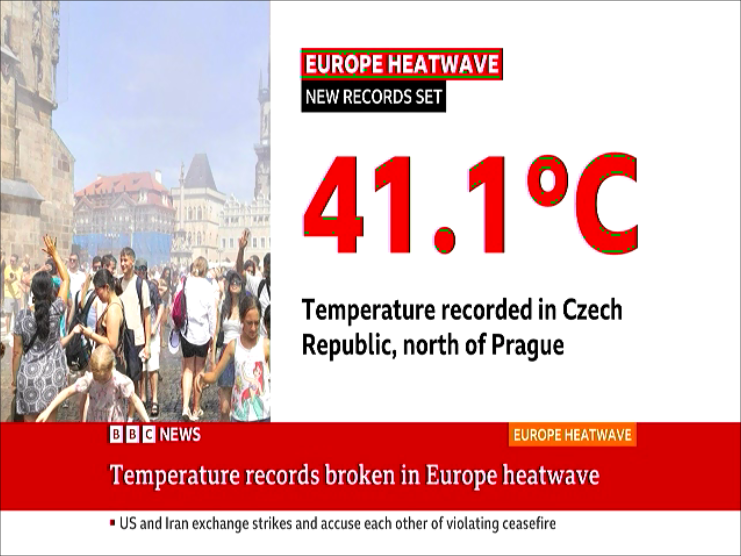
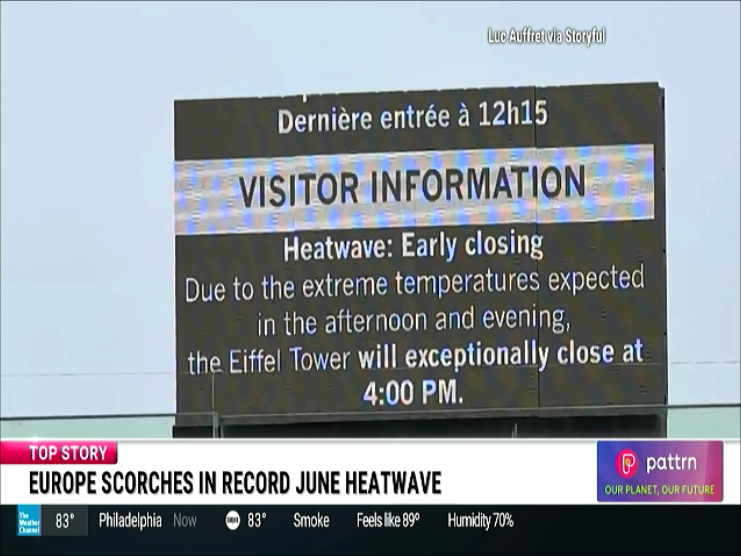
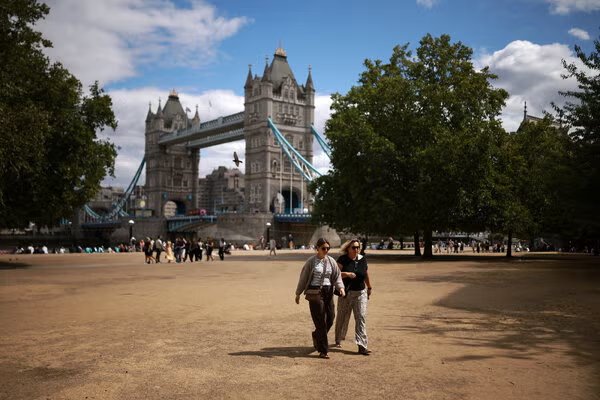
How all of this extra heat effected the local weather depended on exactly where the location was. The southern US and the Mediterranean region of Europe saw a seemingly endless series of Heat Domes, huge high pressure systems that drove temperatures to record high levels while at the same time eliminating any chance of precipitation. In the US during July over 600 cities and towns set monthly high temperature records while in Europe the countries of Germany, the Czech Republic and Poland all set national high temperature records. There were even days where the Eiffel Tower was forced to close because of the dangerous heat in Paris.
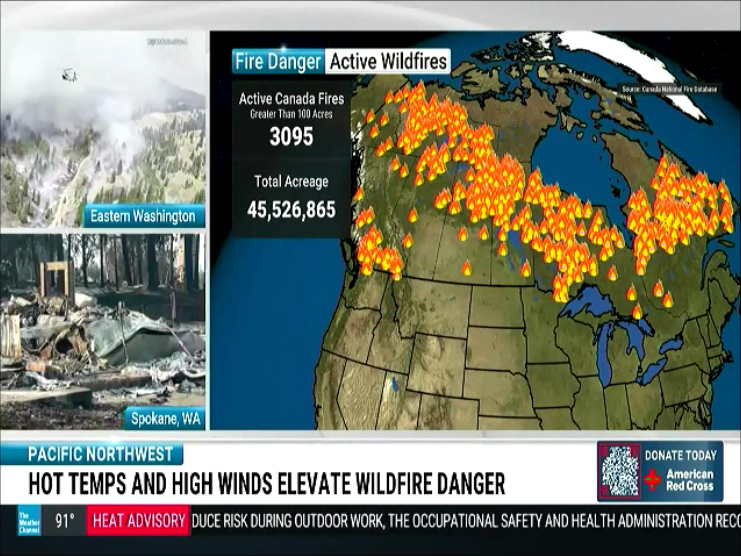
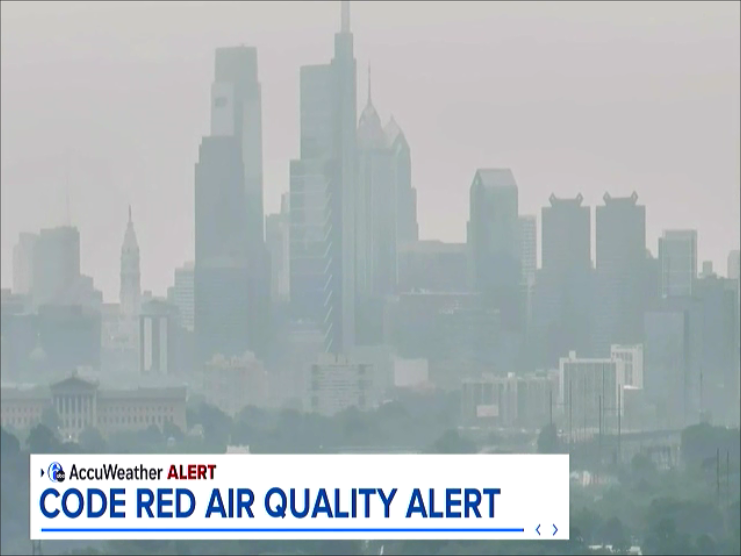
Those hot dry conditions quickly led to an extreme number of wildfires across virtually the entire northern hemisphere. From Spokane Washington to Bordeaux France to the Isle of Borneo along with hundreds of places in between wildfires spread death and destruction. For much of the summer it seemed as if the whole of western Canada was burning and once again the smoke from those northern fires spread across the continent impacting the northeastern US. Even countries with climates as different as Norway and Algeria saw wildfires that destroyed homes and prompted evacuations.
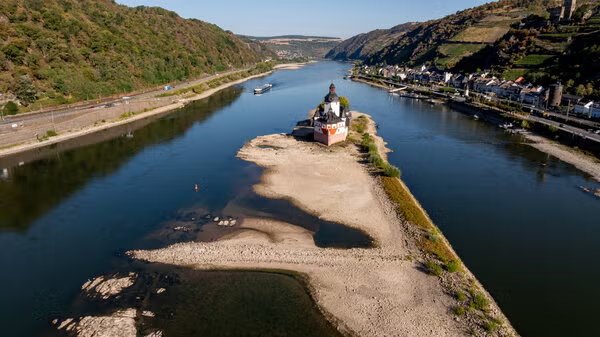
Additionally the hot, dry conditions led to severe draughts that dried up major rivers throughout the world. In Europe the water levels of rivers like the Rhine and Danube fell so far that shipping became impossible in many places while the now exposed riverbeds revealed both sunken boats and unexploded bombs from World War 2. In Rome the Tiber River has fallen so far that the remains of a bridge built by the Emperor Nero has emerged after almost two thousand years. Several nuclear power plants in France and Hungary had to be shut down because the rivers whose waters cooled their reactors simply couldn’t supply enough water.
In the US the draughts caused a massive problem along the country’s most abused river, the Colorado. For decades the once mighty Colorado has seen its waters siphoned off so that the people, and especially the farmers in states like California and Arizona can water their lawns while the fountains of Las Vegas are also filled with water from the Colorado. Because so much Colorado water has been diverted for human use the river itself no longer reaches the sea in the Gulf of California, instead it simply dries up.
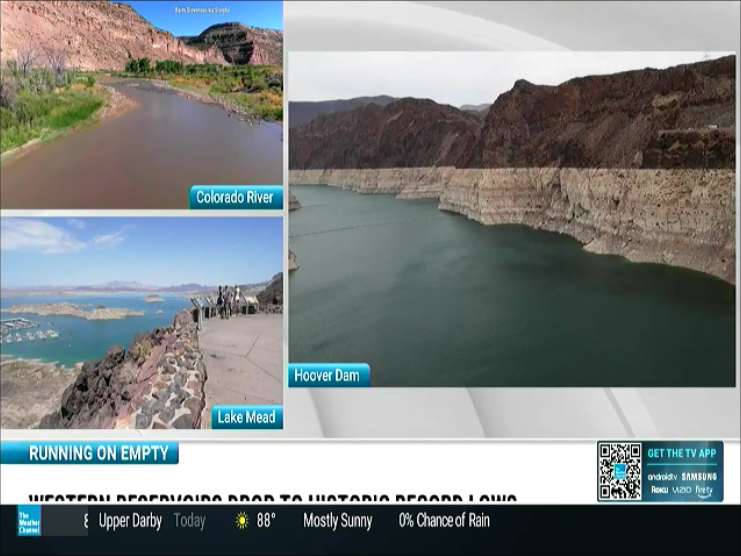
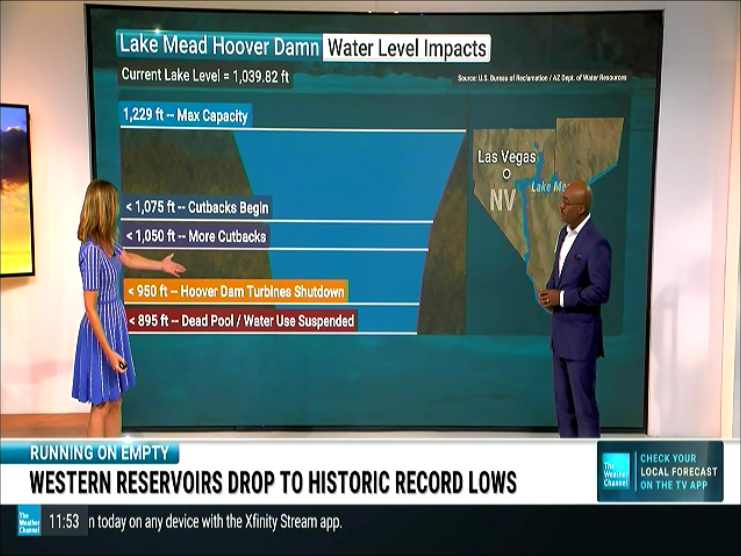
Now, adding on the draughts caused by climate change and the Colorado’s water level has fallen to historic lows. The two big reservoirs of Lake Meade and Lake Powell have so little water remaining in them that there is a distinct possibility that the hydroelectric generators fed by the lakes may have to be shut down.
And around the world the lack of adequate rainfall has reduced crop yields causing concern for the food supply of millions of people. The United Kingdom as well as France, Spain and Italy in Europe have all seen reduced agricultural yields. Meanwhile the monsoon rains that provide south Asia and east Africa with most of their rainfall have weakened over the last several years increasing the chronic problem of famine in those areas.
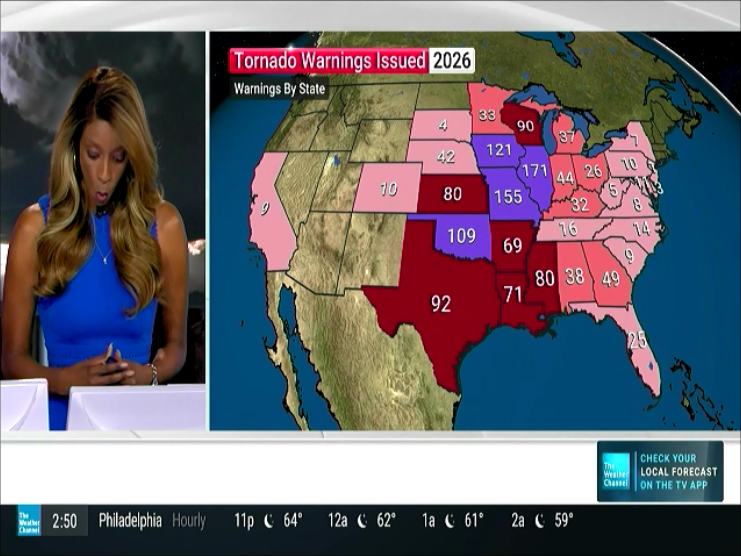
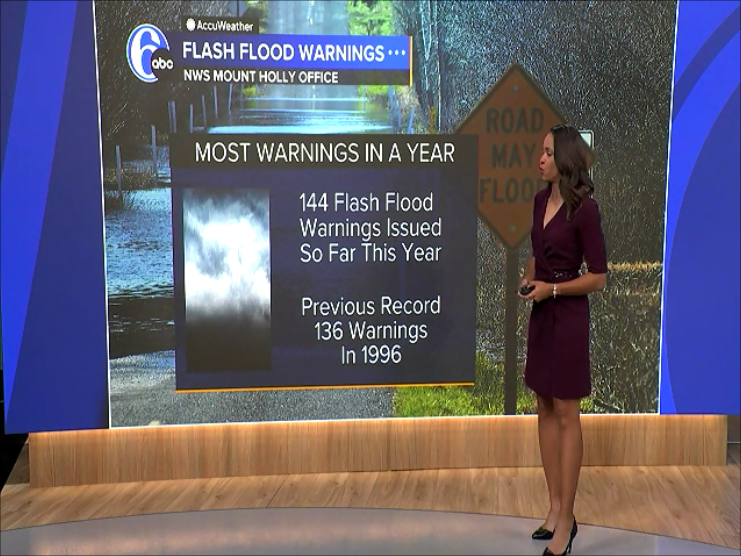
Meanwhile around those heat domes that are ravaging large parts of the world have come a series of storms that generated intense flooding in Kerrville, Texas, the same region that suffered so much from flooding just last year. Other regions that saw destructive floods included the Midwest states of Indiana, Ohio and Kentucky. In my home of Philadelphia and the Delaware Valley a record was set for the most Flash Flood warnings for the region ever given by NOAA. Internationally there were severe flooding incidents in Bangkok, the capital of Thailand and the Chiba prefecture of Japan.
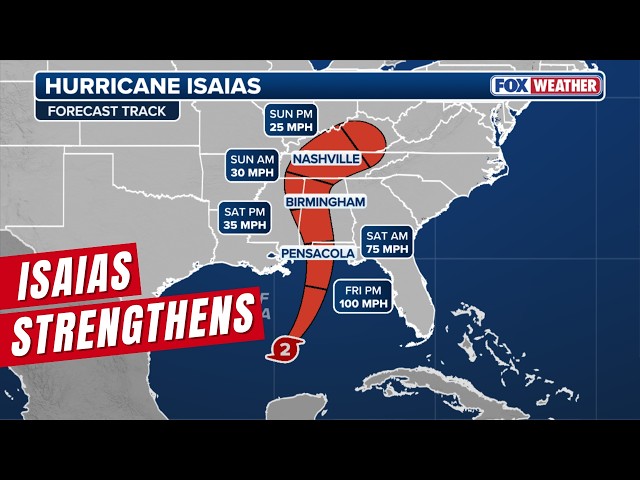
And the worst may be still to come. As I type these words the strongest El Ninó ever recorded is still growing in the Pacific, threatening to impact weather systems across the world. Just to show how every cloud has a silver lining the strong El Ninó has actually succeeded in all but eliminating the Atlantic hurricane season. In fact the first hurricane in the Atlantic this year was not declared until October the seventh, a new record for the lateness of a first Atlantic hurricane by about three weeks. On the other hand the Pacific hurricane season has been one of the strongest ever seen with numerous major hurricanes.
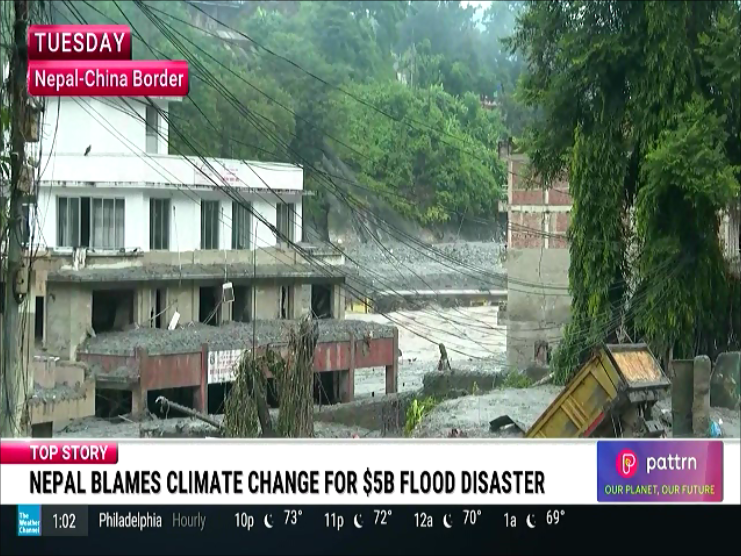
If all of what I’ve said above seems like a litany of disasters, well I could go on and on. Every part of the world is now suffering due to climate change. Even the remote kingdom of Nepal in the high Himalayas was devastated, as a glacial lake generated by rising temperatures in the mountains broke free and careened down a valley in the Kailash Mansarovar region of the country. The resulting flood destroyed several villages in its path and causing the death of over a thousand people. So there you have just a brief snapshot of the deteriorating conditions on our planet due to our irresponsible burning of fossil fuels. The target limit set back in the Paris accords in 2015 of no more than 1.5ºC above pre-industrial levels has already been breached. It must be obvious to all but complete fools that the world’s temperature will only continue to climb until we, that is all of us, do the hard work of eliminating coal and oil. Only the future will tell if we are capable of doing that.