The VIP-2 Experiment in Italy has set new constraints on the Exclusion Principle. And what is the Exclusion Principle anyway? 

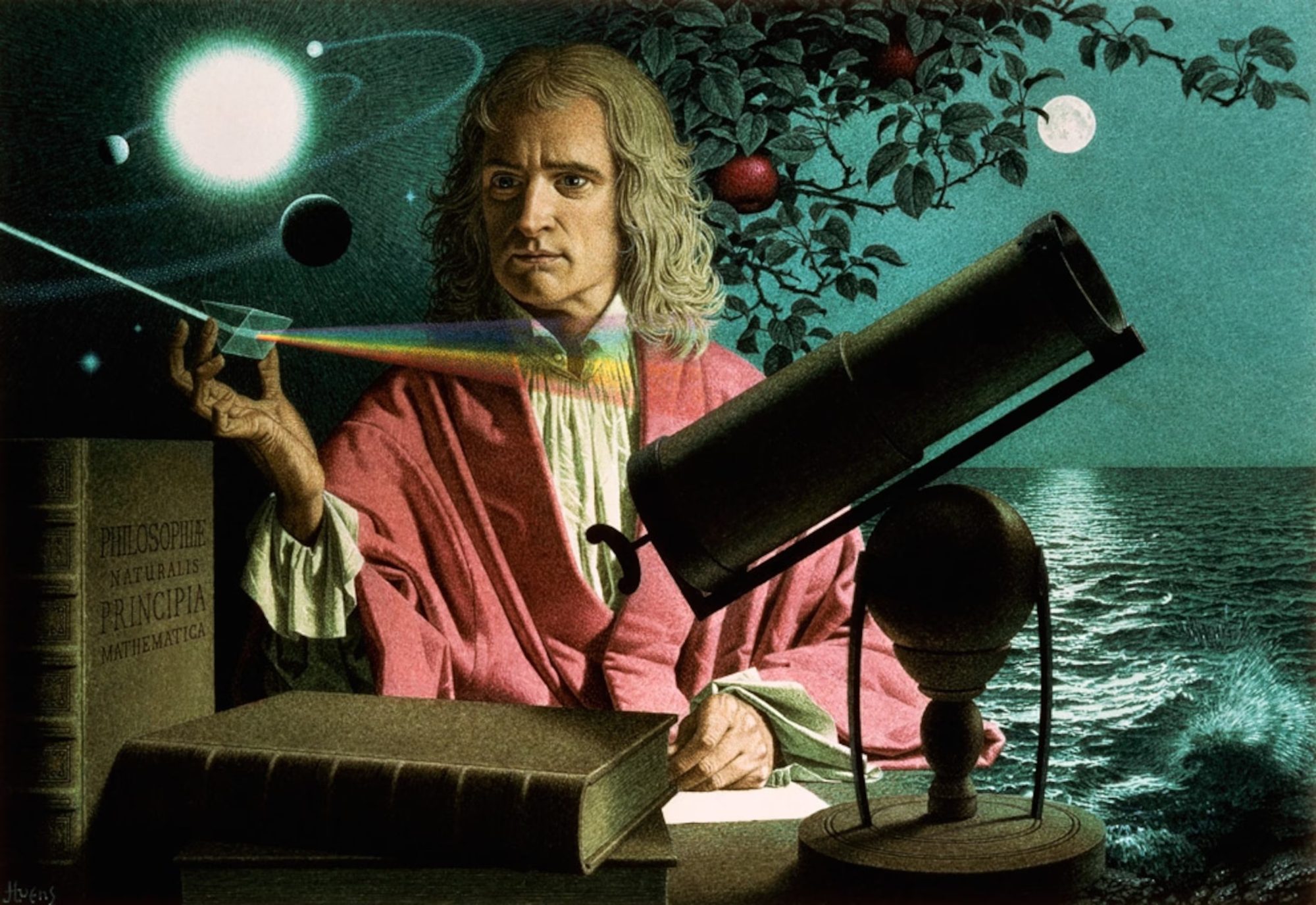
There was a time when Physicists thought that the ‘Laws’ they observed in nature were exact and without exception. That’s why they called them laws after all. That all changed around the year 1900 when physicists discovered that things that moved very fast, or were very small didn’t quite behave the way Isaac Newton thought they would. Classical physics was a good approximation, they found, but it wasn’t the final answer.

Isaac Newton with just a few of his discoveries. Newton thought that his ‘Laws’ were the final answer on some questions about the Universe but today we know that they were only good, very good approximations to reality. That begs the question of whether the ‘Models’ we have today are also just better approximations! (Credit: National Geographic)

The revolutions of Relativity and Quantum Mechanics taught physicists to always make more precise measurements of even their most cherished theories because if an experiment found even a tiny discrepancy, that could be new physics, a new understanding of the Universe. Recently a team of physicists working deep underground at Italy’s Gran Sasso National Labouratory has published the results of their VIP-2 experiment intended to test the exactness of the Exclusion Principle.

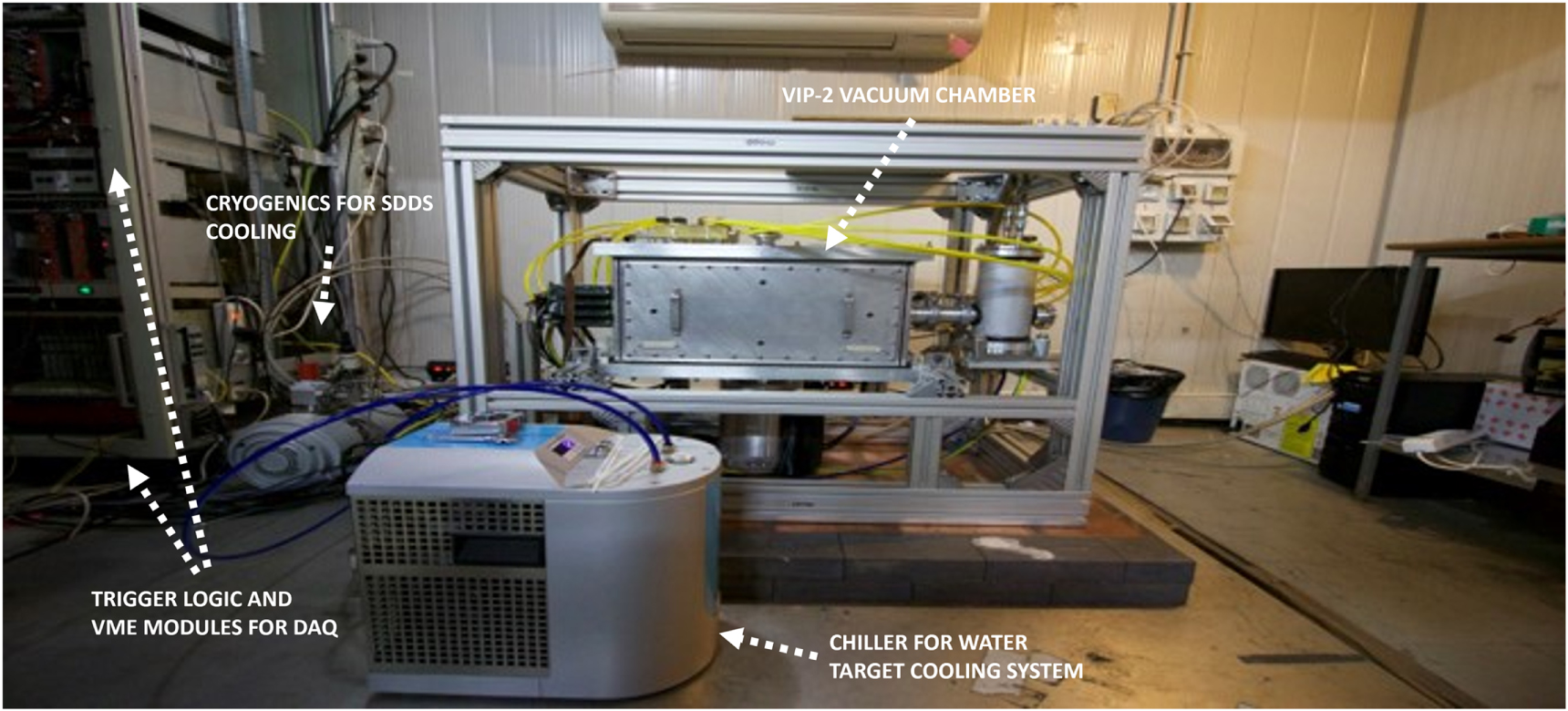
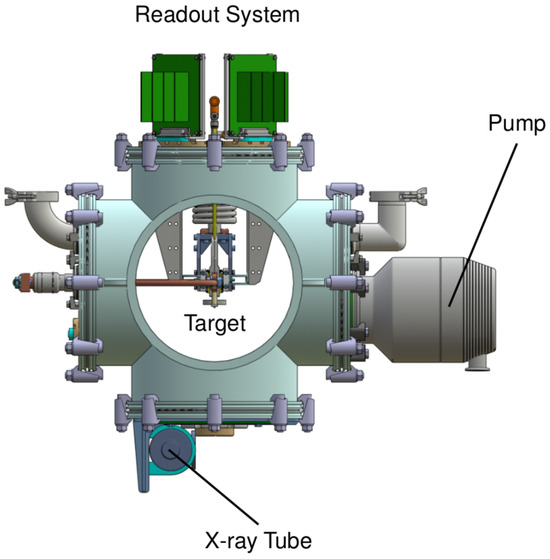
The VIP-2 experiment at the Gran Sasso labouratory in Italy. The Gran Sasso lab is buried deep underground in order to eliminate as much as possible interference from cosmic rays. (Credit: INFN-LNF)

So, just what is the exclusion principle and why is testing it so important. Now, we’re all familiar with the idea that no two objects can exist in the same space at the same time. Well, at the quantum level, the world of tiny, sub-atomic particles that idea becomes the exclusion principle, which was first proposed by physicist Wolfgang Pauli, in 1925.

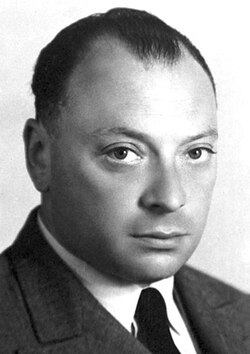
One of the major developers of Quantum Mechanics, physicist Wolfgang Pauli not only developed the Exclusion Principle but also predicted the existence of the Neutrino. (Credit: Wikipedia)

In the quantum world there are known to be dozens of different particles that make up what is called the ‘Standard Model’. However all of those particles can be divided in two basic types called fermions and bosons. What distinguishes these two types of particle is simply that no two identical fermions can exist in the same quantum state at the same time, sound familiar. On the other hand you can put any number of bosons into the same quantum state at the same time.

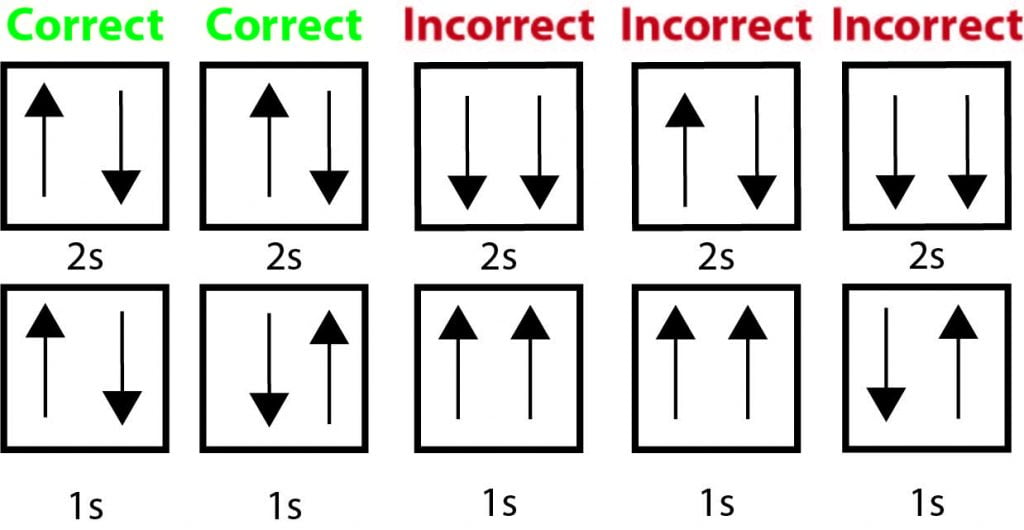
The exclusion Principle is actually pretty easy to say. Only two electrons can exist in the same quantum state, and they have to have their spins in opposite directions. It is this fact that makes matter solid because the electrons in one object cannot invade the ‘space’ of the electrons in another object. (Credit: Chem Talk)

The electrons, protons and neutrons that make up the ‘normal’ matter around us are all fermions, which is the reason why no two objects can exist in the same space at the same time. Literally, when you press your hand against an object it is the electrons in the atoms of your hand that can’t occupy the same quantum state as the electrons in the object. This is what gives us the sense of ‘solidarity’.

Here we see hard evidence that no two objects can exist in the same space at the same time, evidence for the exclusion principle in everyday life! (Credit: Atlanta Personal Injury Lawyer)

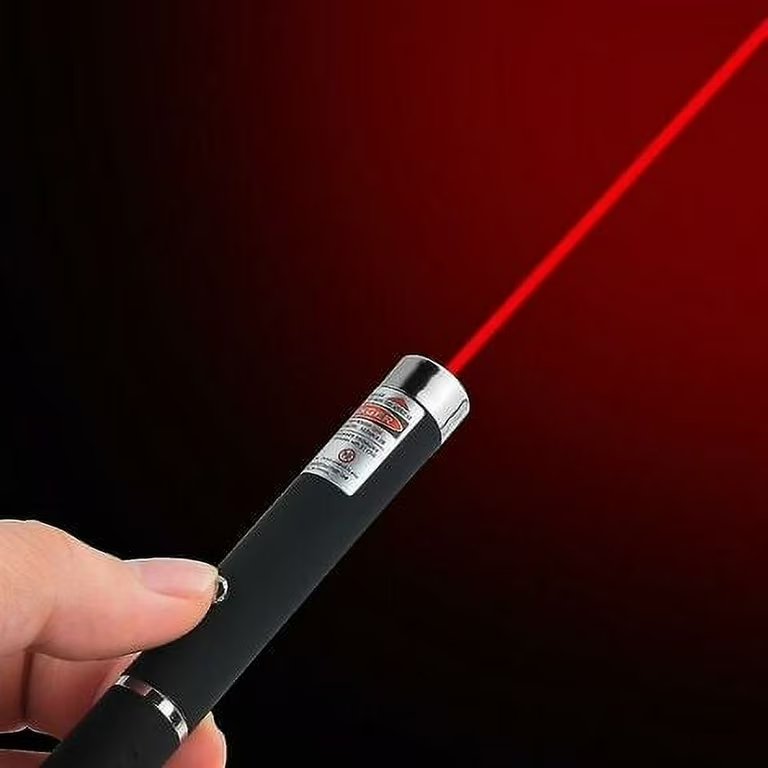
On the other hand light is made up of particles called photons and photons are bosons. That means that you can put any number of photons into the same quantum state, which is one of the things that makes the light from a Laser so unusual.

One of the things that makes the light from a Laser so unusual is the many of the photons in that beam are all in the same quantum state, so photons, like all particles called Bosons, do not obey the Exclusion Principle. (Credit: Walmart)

As you can see the exclusion principle is pretty important, it’s what gives objects we call matter their shape and stability. It’s not surprising therefore that physicists have been searching for violations of exclusion ever since Pauli first proposed his principle. One of the possible ways that exclusion could be violated slightly would be if the electron had internal structure, that is if it was made up of even smaller particles, an exciting idea in itself. If that were true, then part of an electron could violate exclusion for a very short period of time before the entire electron would have to obey it!

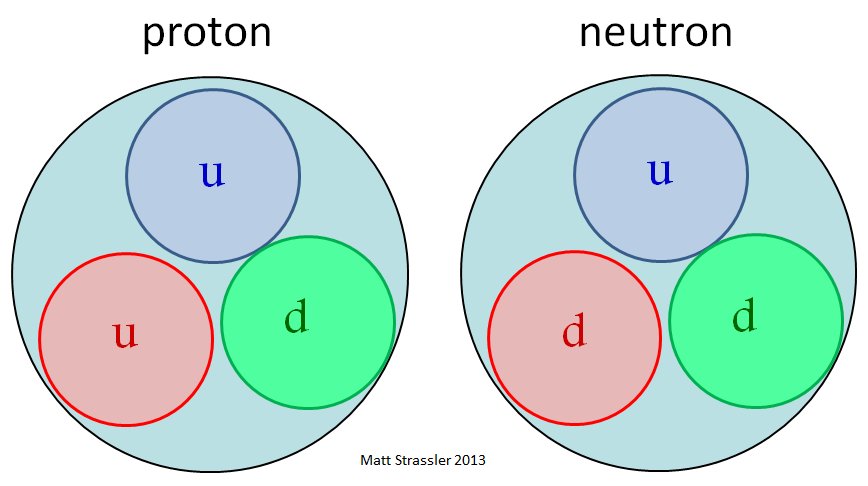
Today we know that Protons and Neutrons are actually made up of smaller particles called Quarks but as far as we know the electron has no internal structure, it is not made of anything smaller. If there is even the smallest violation of the exclusion principle however that could be evidence of the electron being made up of even tinier particles! (Credit: Matt Strassler)

As you can guess making such measurements requires a lot of planning, a lot of precise, sophisticated equipment, much of it designed just for the experiment, and a lot of time in order to just be very careful. One problem in particular that the VIP-2 team had to contend with is radiation from outside interfering. That’s why VIP-2, like so many similar particle experiments, was conducted deep underground in Italy’s Gran Sasso National Labouratory. At a depth of 1400 meters interference from cosmic rays is minimized. What the researchers did in the VIP-2 experiment was to take a target made of copper and inject extra electrons into it. Those added electrons would try to attach themselves to a copper atom but since the atom’s electron shells were already filled the exclusion principle would force the extra electrons to stay at the very outer parts of the copper atom. Only if the exclusion principle were violated could one of the extra electrons occupy a position inside the atom’s shells.

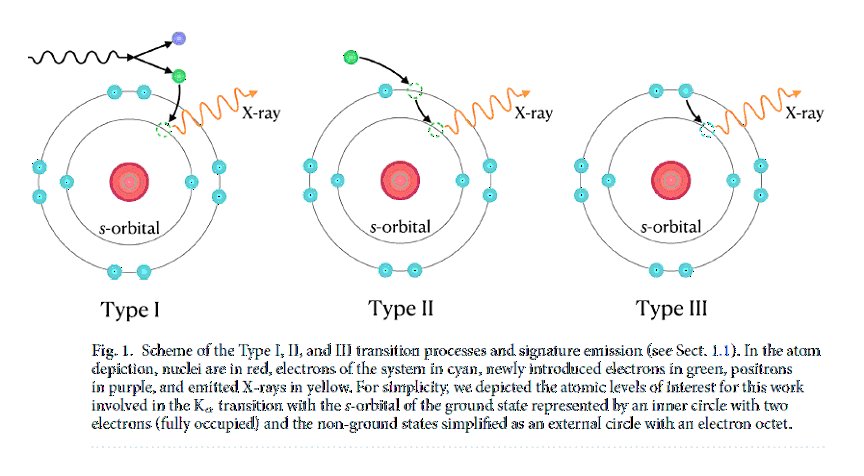
Type of X-Ray emission searched for by the VIP-2 experiment. An extra electron in an atom, even a temporary one would cause the emission of an X-ray but after two years no such X-Ray was detected setting a strong constraint on the exactness of the Exclusion Principle. (Credit:

If that happened the electron would give off a photon of light, actually an X-ray photon. So what the physicists were looking for were x-rays of just the right energy to indicate that a violation of the exclusion principle had occurred. In two years of data collection no such x-rays were observed which corresponds to violations happening less than two times in 1043, that’s a one followed by 43 zeros. This is the strongest constraint yet on violations of exclusion and has effectively eliminated several theories of beyond the standard model physics.

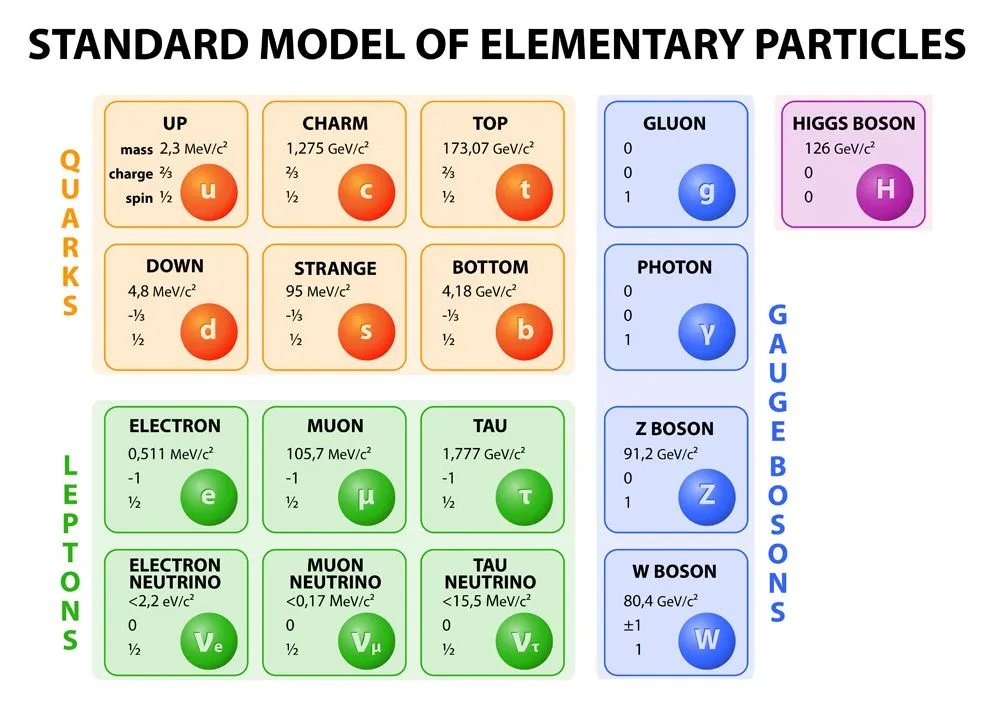
The Standard Model of Particles consists of six Quarks, six Leptons, one of which is the electron along with four ‘Gauge’ Bosons along with the Higgs Boson! Physicists know that this model is incomplete, however we still haven’t found any real problem with the model that would give us a clue on how to expand it! (Credit: Science ABC)

Another thing that the results of the VIP-2 imply is that the electron has no inner structure, that the electron, and presumably neutrinos and quarks, really are fundamental particles. However just to be sure the physicists who designed and ran the VIP-2 experiment are already at work on the next generation VIP-3 experiment.

Still in the design phase the VIP-3 experiment will not only be larger but also more complex in order to provide an even stronger constraint on the exclusion principle, or perhaps find new physics!!! (Credit: MDPI)

That’s because the only way to be certain that something is true is to continually try to see if you can find evidence that it is false.

Everyday Physics: Electrical Coronae on Tree Leaves during a Thunderstorm and the screeching sound Cellophane tapes makes when you pull it. 

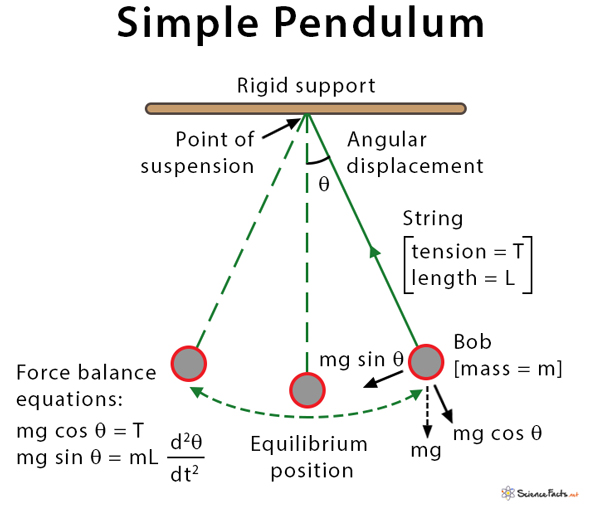
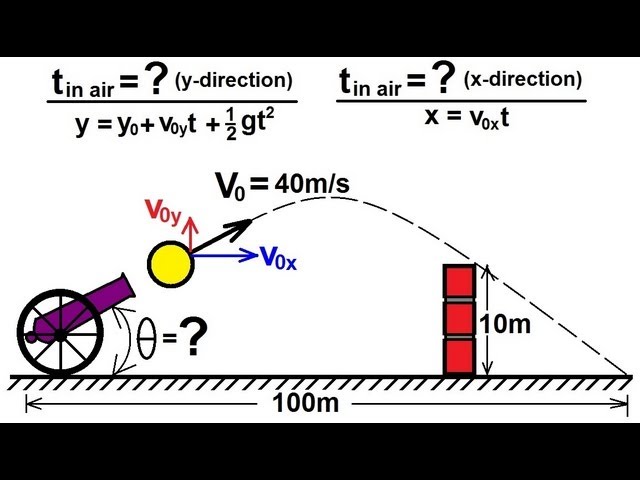
The science of physics is usually thought to be concerned with the study of strange, esoteric objects that are either very small, like sub-atomic particles, or very large, like black holes and the Universe itself. It didn’t use to be that way, back in the 18th century physicists put their efforts into investigating the behaviour of everyday phenomenon like the trajectories that cannon balls followed through the air or the swinging motion of pendulums.

It was Galileo who first described the mathematics of how a pendulum worked! (Credit: Science Facts)

Even today there are physicists who are using modern instruments to actively study the behaviour of commonplace objects under unusual circumstances or during very short periods of time. I have posted about these studies several times before, see my posts of 30 March 2024 and 5 April 2025. In this post I’ll be reviewing studies about what happens to the leaves of trees during a thunderstorm and why cellophane tape makes that loud screeching sound when you pull it off of its roll.

Another important problem that was solved in the early days of Physics was the path, or trajectory that a projectile took when fired from a cannon. (Credit: YouTube)

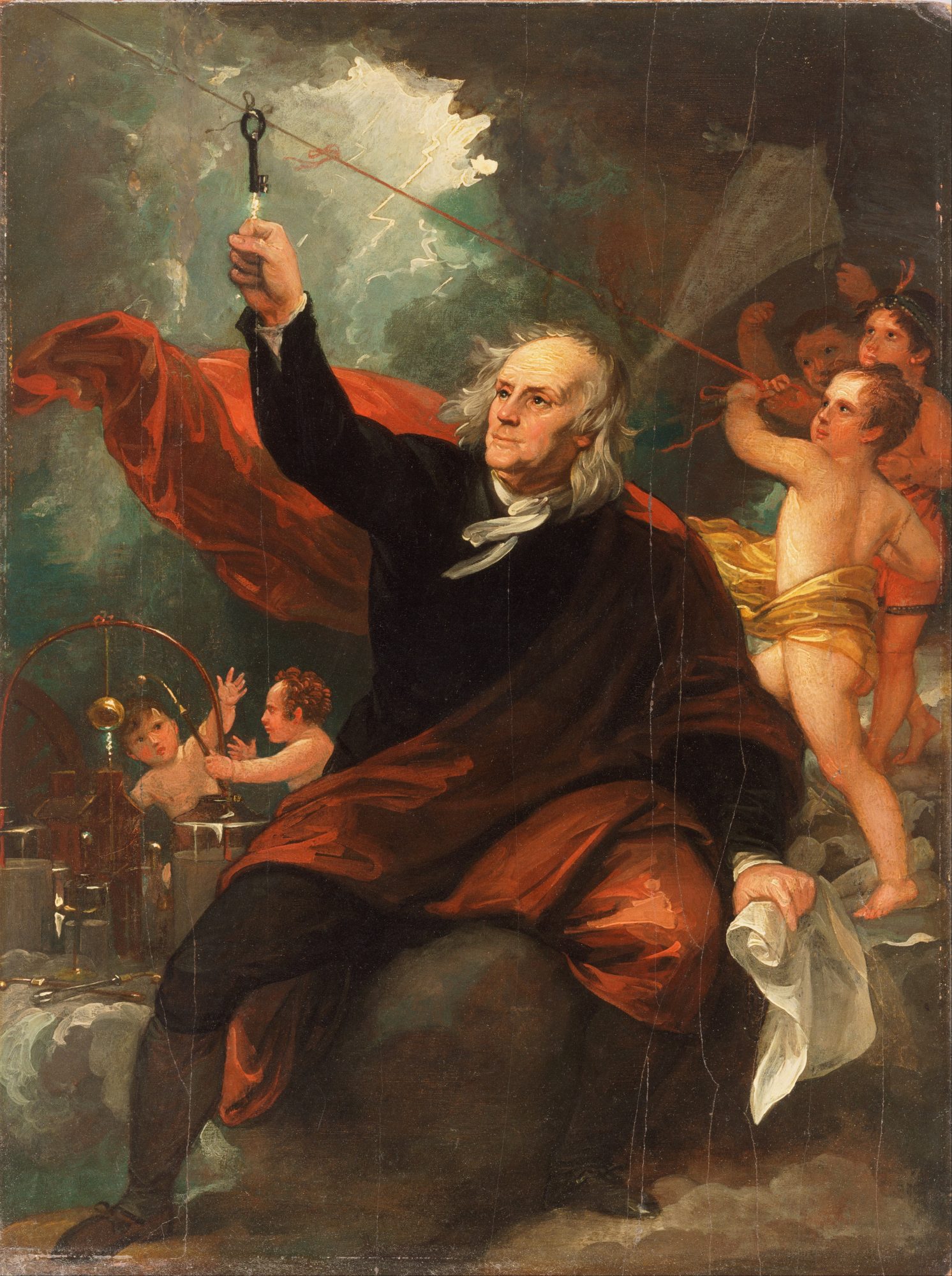
I’ll start with tree limbs during a thunderstorm. We’re all familiar with the story of how Ben Franklin demonstrated that lightning is really a massive discharge of static electricity that builds up during a severe storm. He did this by flying a kite during a thunderstorm and using the kite’s cord to capture some of the static charge onto a key.

It was just a couple of miles from my house that Ben Franklin really did fly a kite to demonstrate that lightning was just static electricity! The cherubs shown here were not actual witnesses to the experiment; they were added later by artist Benjamin West. (Credit: Wikipedia)

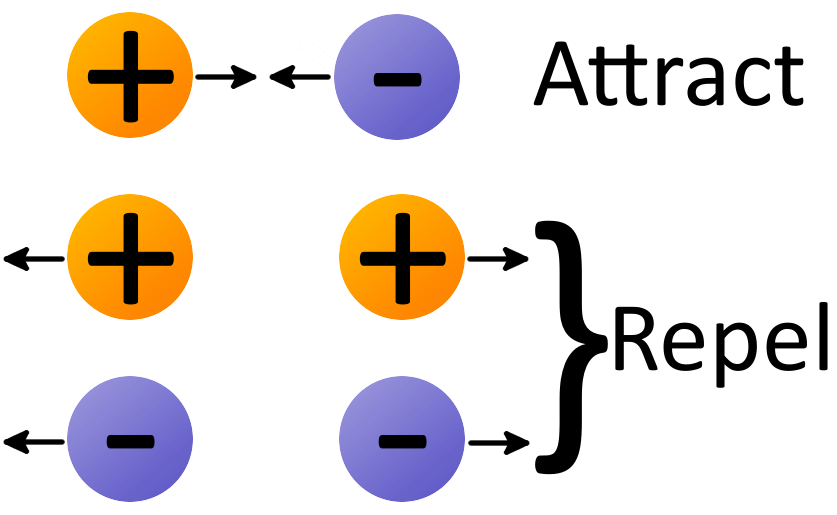
Franklin was also one of the key proponents of the Two-Fluid theory, which is the idea that there were two forms of electricity, which he called ‘positive and negative’. Both these types of electricity were thought to be contained in many, today we know all objects.

The electric field is composed of two kinds of ‘charge’, called by Ben Franklin ‘Positive’ and ‘Negative’. Opposite charges attract each other while similar charges repel each other. (Credit: SparkFun Learn)

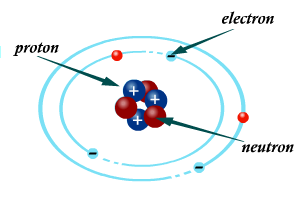
Scientists like Franklin were experimenting with electricity and discovering that similarly charged objects, both positive or both negative would repel each other while oppositely charged objects, one positive one negative, would attract each other. Franklin also argued that when you had an equal amount of positive and negative charge in an object the charges would cancel each other out and that object would be neutral.

In an atom the Electrons are negatively charged while the Protons are positively charged. A normal atom has equal numbers of both, so it is uncharged or neutral! (Credit: SCE Kids)

Rubbing two different objects against each other is what causes an imbalance in the electric charges. The classic example of this is amber and rabbit fur with the amber picking up a negative charge while the fur becomes positively charged. The Greek word for amber is Electra and that is how we get the word electricity. By the way Franklin could just as easily have called the amber positive and the fur negative, it made no difference to him although if he had done so today we would have to reverse the names of the sub-atomic particles electron and proton!

We’re all familiar with static electricity but the classic version first mentioned by the Greeks is rubbing a piece of amber with rabbit fur. By the way the Greek word for amber is Electra, which is where we get the term electricity! (Credit: sites.physics.unt.edu)

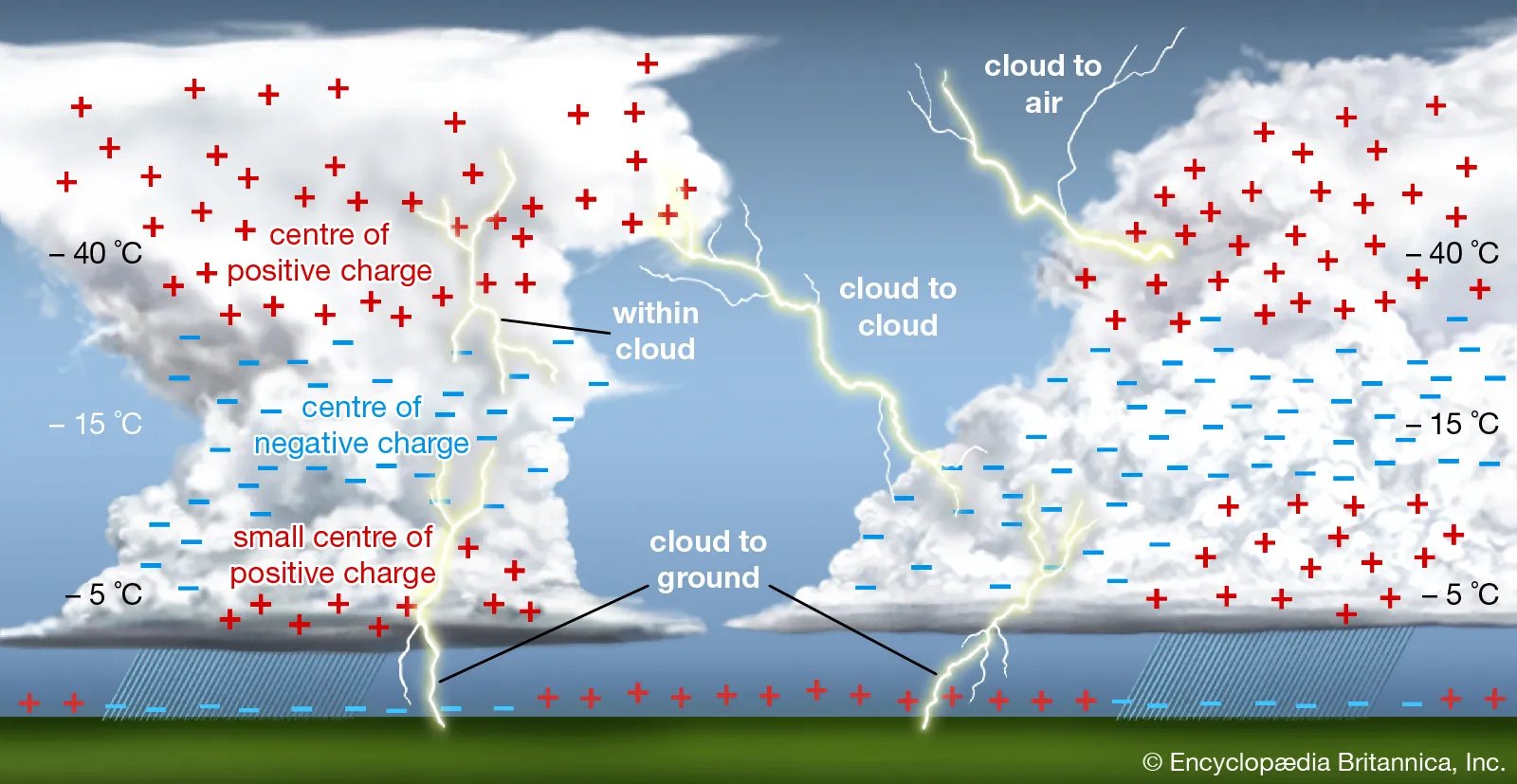
Getting back to what happens during a thunderstorm where the air masses are moving against each other and having different humilities. This movement generates huge amounts of electric charge, which is usually discharged by cloud to cloud lightning. Sometimes however a charged mass of air will generate an opposite charge to build up in the ground beneath it and if the buildup is enough you can get cloud to ground lightning, which often causes fires or other kinds of damage.

Rapid movements of humid air cause huge amounts of static electricity to build up causing several types of lightning to occur. Cloud to cloud is the most common but cloud to ground is the most destructive! (Credit: Britannica)

Even when there isn’t cloud to ground lightning you can still often get a charge to build up in the ground during a thunderstorm and therefore a charge to build up in anything on the ground. This is especially true of trees, because they are taller and therefore closer to the charge in the air, opposites attract remember.

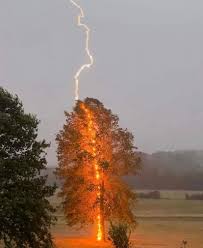
Tall trees provide a path for electricity to go to ground so trees are often struck by lightning during thunderstorms! (Credit: Facebook)

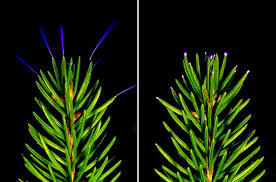
Electricity has another interesting aspect, it likes to collect near points in objects, like the needles of pine trees or the pointy ends of leaves in oak or maple trees. It has long been conjectured that this build up of charge, known as a coronae, should occur on tree leaves, especially leaves near the tree-top. The light from such coronae however is so weak that no one had ever seen it.

It has long been thought that individual leaves on trees should display coronae during thunderstorms, but the effect was so weak no one was able to actually film it, until now! (Credit: Science)

Until now that is. A research team from Penn State University led by meteorologist Patrick McFarland has put together an observational setup in a 2013 Toyota Sienna and has traveled from Florida to Pennsylvania confirming that many different species of trees do have electric buildup in their leaves during a thunderstorm. The equipment assembled included a portable weather station, an electric field detector, a laser rangefinder and an ultra-violet (UV) camera with a periscope lens.

Penn State researcher Patrick McFarland and his equipment. (Credit: Instagram)

Even as the team watched the live picture on the UV camera it was hard to see anything happening. On their first attempt the coronae were only discovered later when they reviewed their results and detected 41 coronae appearing on tree leaves during a 90 minute thunderstorm. The glows usually lasted only about 3 seconds and were often observed to dance from leaf to leaf.

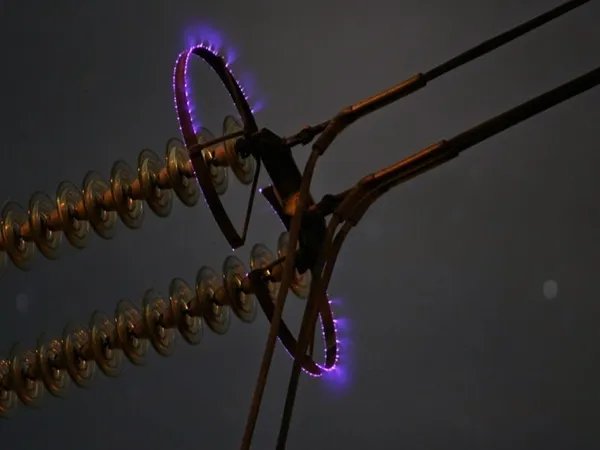
Coronae discharges are quite common during thunderstorms on high voltage electrical cabling. (Credit: Nooa Electric)

The meteorologists speculate that these coronae occur on trees frequently and could involve thousands of trees during severe weather events. According to McFarland, “With superhuman vision I believe you’d see this swath of glow on the top of every tree under the thunderstorm.”

Meanwhile at King Abdullah University of Science and Technology in Saudi Arabia, a team of researchers led by Professor Sigurdur Thoroddsen has been investigating another strange phenomenon that everyone of us is familiar with, the loud screech that happens when we pull a piece of cellophane tape off of its roll. We’ve all heard that sound, but it all happens so fast that we don’t really understand what’s actually causing it.

Many people refer to any kind of cellophane tape as ‘Scotch Tape’ but in fact that is a single brand of adhesive tape! (Credit: Office Depot)

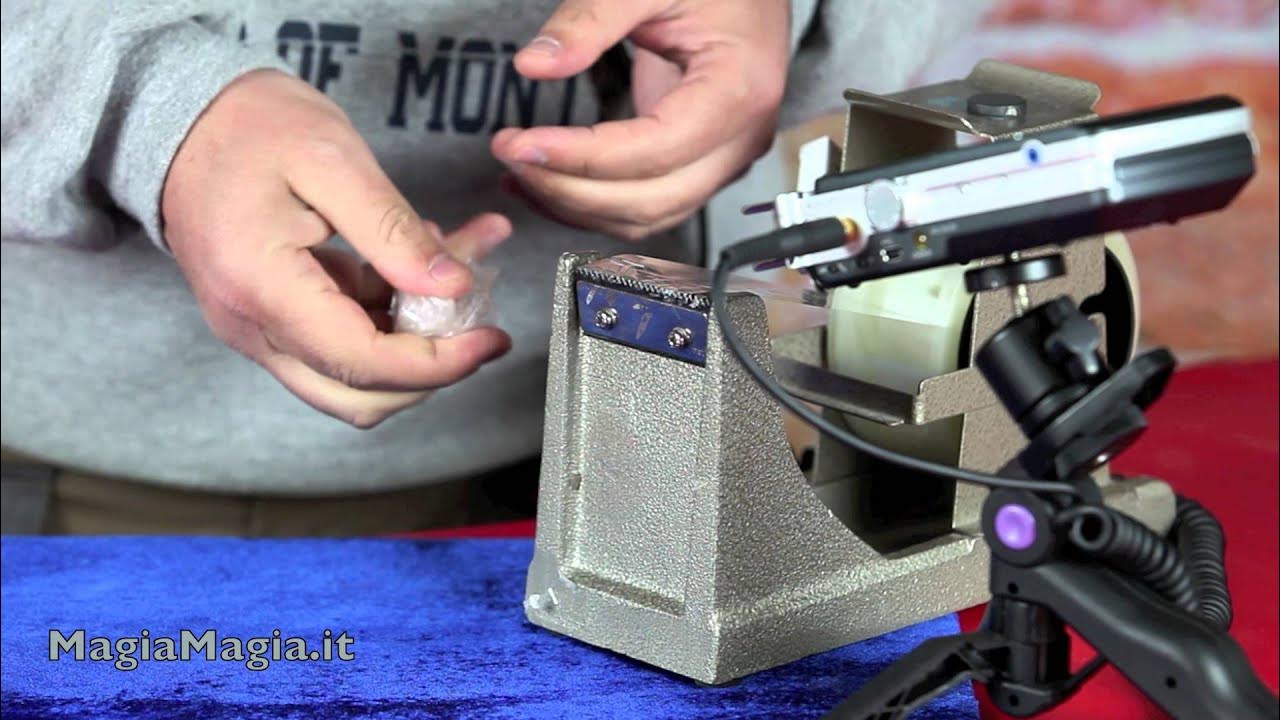
The physicists set up an experimental apparatus consisting of a pair of high speed cameras along with a synchronized sound recording apparatus. The first camera was pointed at the underside of the cellophane tape as it was being pulled. The second camera took a side view but it used a technique known as schlieren imaging to record tiny deflections in light rays caused by density changes in the air. This is the technique often used to photograph the shockwaves radiating out from explosions.

The experimental setup used to examine the screeching sound made when cellophane tape is pulled off of a roll. (Credit: YouTube)

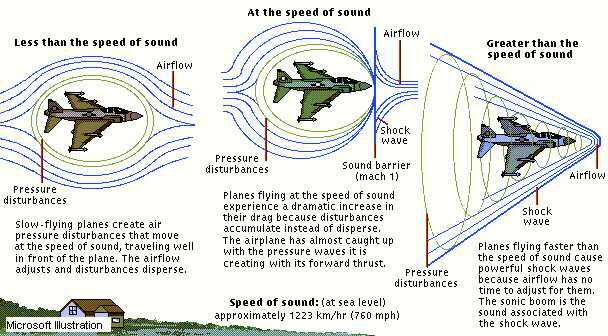
What the researchers found was that the tape separated in a large series of slip-stick events. That is, a tiny area of tape, say a square micrometer, peals off the roll so quickly that parts of it actually exceed the speed of sound, causing a tiny sonic boom. Once that small piece breaks away the whole process comes to a halt for less than a microsecond before it is repeated with the next tiny area of tape. Hundreds if not thousands of such events take place in less than a second resulting in the unmistakable sound of cellophane tape being pulled off of a roll.

Moving faster than the speed of sound causes a pressure wave to build up around the moving object. This pressure wave is called a sonic boom. This sound is normally associated with jet aircraft, but it can be caused by any object, even tiny pieces of cellophane tape. (Credit: Physics Stack Exchange)

So you see that not all physicists are working with atom-smashers or cosmic-ray telescopes trying to discover the ultimate nature of reality. Some are still working to try an understand the behaviour of the everyday objects around us.