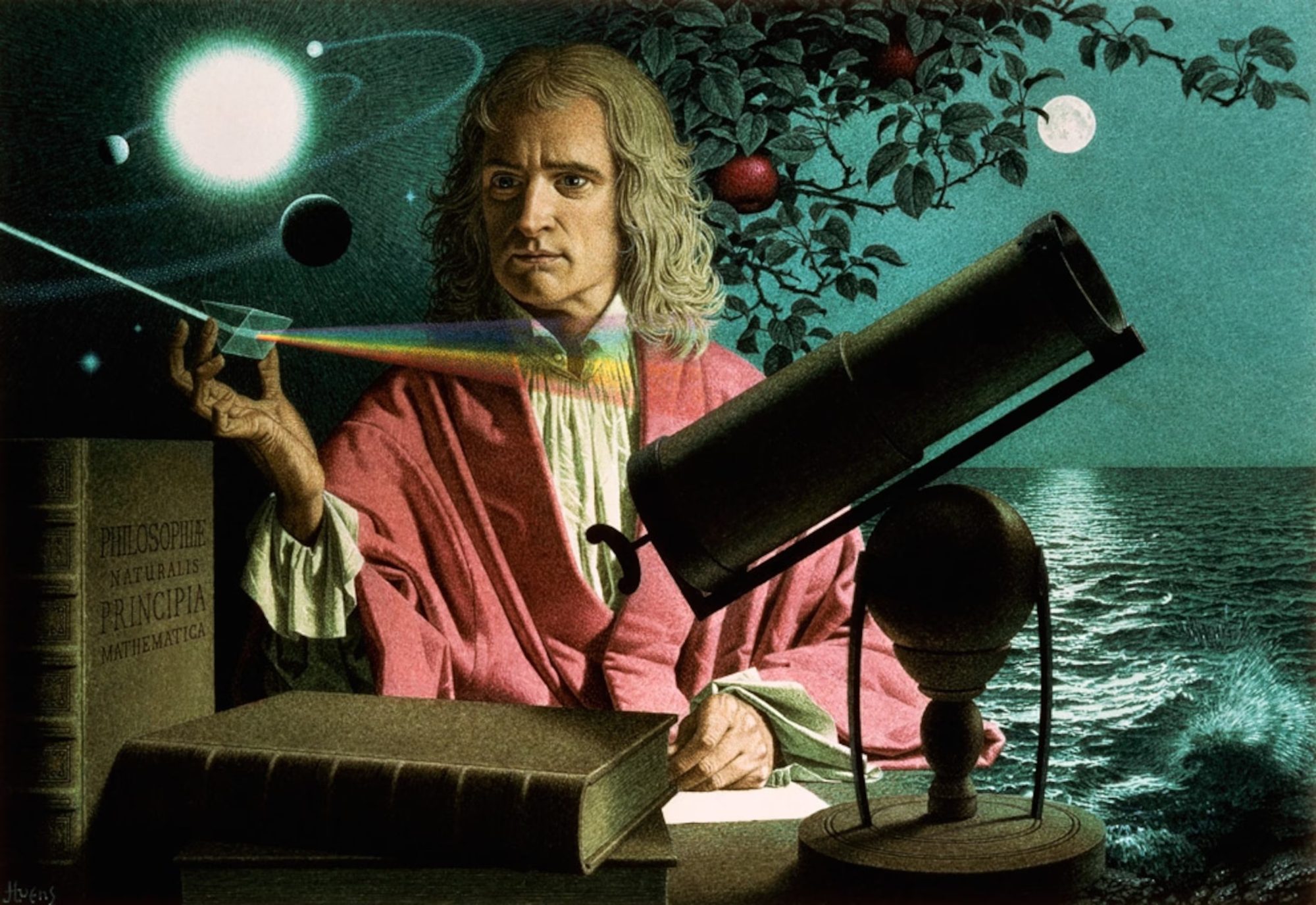
There was a time when Physicists thought that the ‘Laws’ they observed in nature were exact and without exception. That’s why they called them laws after all. That all changed around the year 1900 when physicists discovered that things that moved very fast, or were very small didn’t quite behave the way Isaac Newton thought they would. Classical physics was a good approximation, they found, but it wasn’t the final answer.
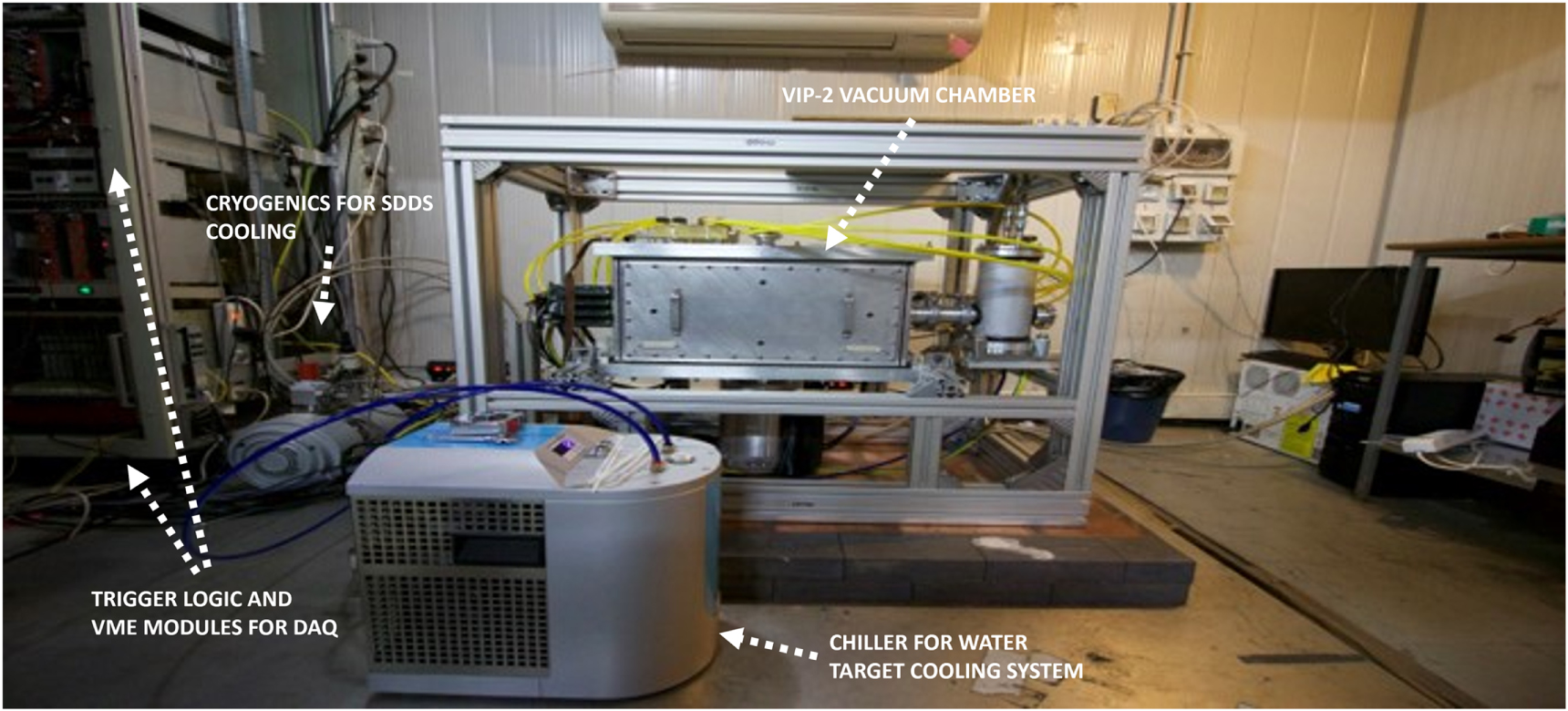
The revolutions of Relativity and Quantum Mechanics taught physicists to always make more precise measurements of even their most cherished theories because if an experiment found even a tiny discrepancy, that could be new physics, a new understanding of the Universe. Recently a team of physicists working deep underground at Italy’s Gran Sasso National Labouratory has published the results of their VIP-2 experiment intended to test the exactness of the Exclusion Principle.
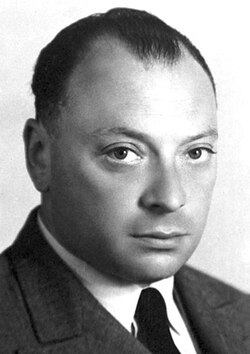
So, just what is the exclusion principle and why is testing it so important. Now, we’re all familiar with the idea that no two objects can exist in the same space at the same time. Well, at the quantum level, the world of tiny, sub-atomic particles that idea becomes the exclusion principle, which was first proposed by physicist Wolfgang Pauli, in 1925.
In the quantum world there are known to be dozens of different particles that make up what is called the ‘Standard Model’. However all of those particles can be divided in two basic types called fermions and bosons. What distinguishes these two types of particle is simply that no two identical fermions can exist in the same quantum state at the same time, sound familiar. On the other hand you can put any number of bosons into the same quantum state at the same time.
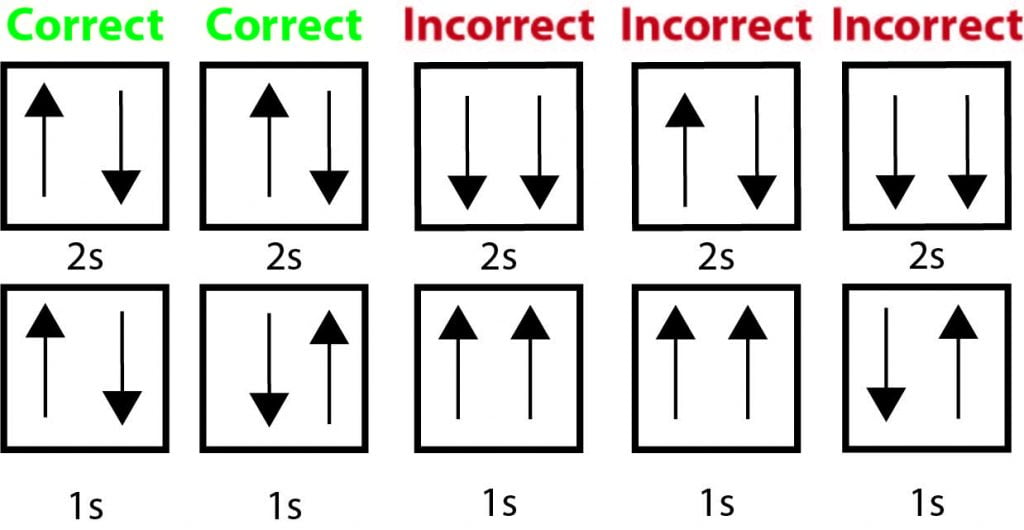
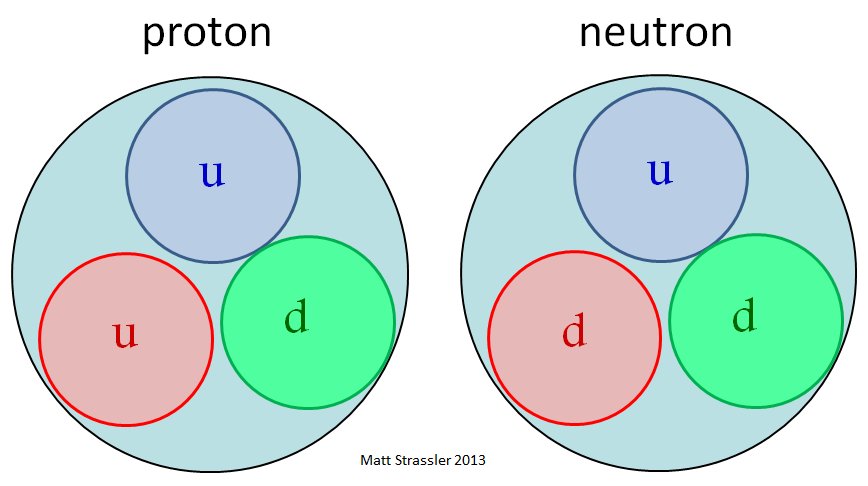
The electrons, protons and neutrons that make up the ‘normal’ matter around us are all fermions, which is the reason why no two objects can exist in the same space at the same time. Literally, when you press your hand against an object it is the electrons in the atoms of your hand that can’t occupy the same quantum state as the electrons in the object. This is what gives us the sense of ‘solidarity’.

On the other hand light is made up of particles called photons and photons are bosons. That means that you can put any number of photons into the same quantum state, which is one of the things that makes the light from a Laser so unusual.
As you can see the exclusion principle is pretty important, it’s what gives objects we call matter their shape and stability. It’s not surprising therefore that physicists have been searching for violations of exclusion ever since Pauli first proposed his principle. One of the possible ways that exclusion could be violated slightly would be if the electron had internal structure, that is if it was made up of even smaller particles, an exciting idea in itself. If that were true, then part of an electron could violate exclusion for a very short period of time before the entire electron would have to obey it!
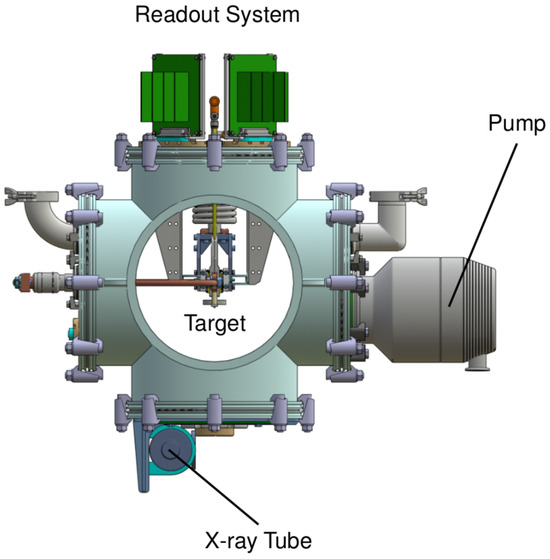
As you can guess making such measurements requires a lot of planning, a lot of precise, sophisticated equipment, much of it designed just for the experiment, and a lot of time in order to just be very careful. One problem in particular that the VIP-2 team had to contend with is radiation from outside interfering. That’s why VIP-2, like so many similar particle experiments, was conducted deep underground in Italy’s Gran Sasso National Labouratory. At a depth of 1400 meters interference from cosmic rays is minimized. What the researchers did in the VIP-2 experiment was to take a target made of copper and inject extra electrons into it. Those added electrons would try to attach themselves to a copper atom but since the atom’s electron shells were already filled the exclusion principle would force the extra electrons to stay at the very outer parts of the copper atom. Only if the exclusion principle were violated could one of the extra electrons occupy a position inside the atom’s shells.
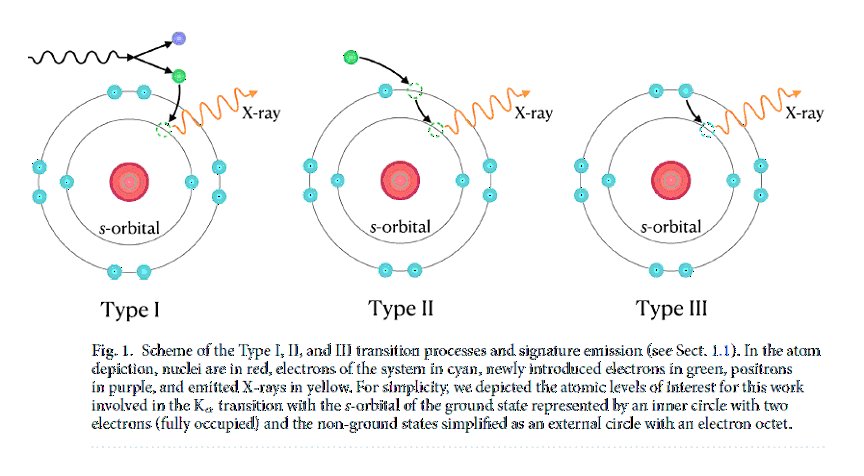
If that happened the electron would give off a photon of light, actually an X-ray photon. So what the physicists were looking for were x-rays of just the right energy to indicate that a violation of the exclusion principle had occurred. In two years of data collection no such x-rays were observed which corresponds to violations happening less than two times in 1043, that’s a one followed by 43 zeros. This is the strongest constraint yet on violations of exclusion and has effectively eliminated several theories of beyond the standard model physics.
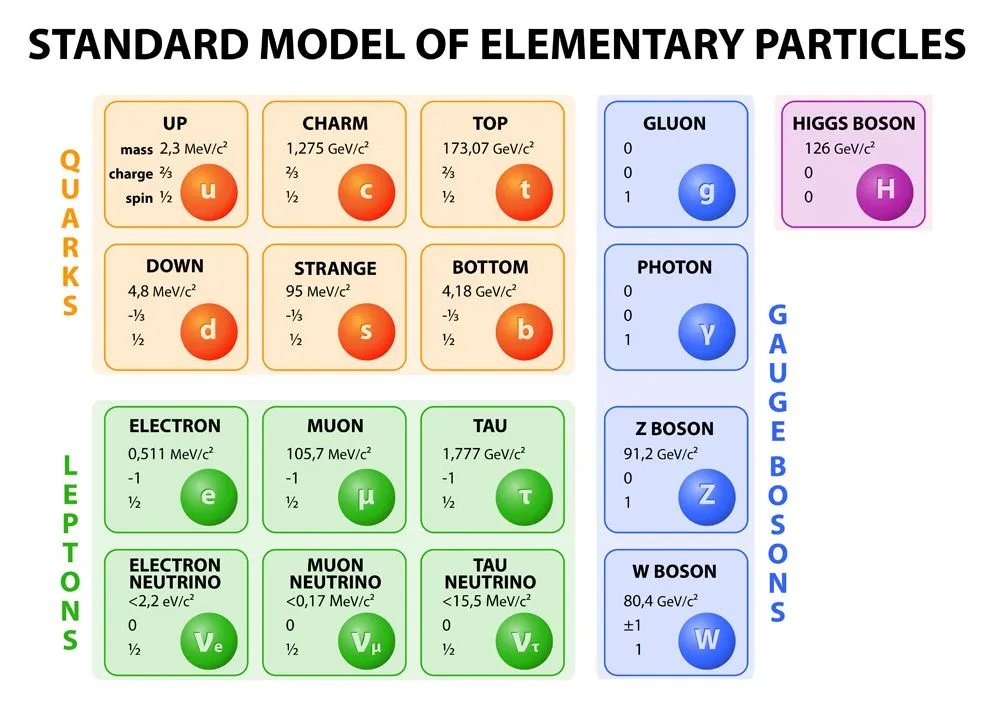
Another thing that the results of the VIP-2 imply is that the electron has no inner structure, that the electron, and presumably neutrinos and quarks, really are fundamental particles. However just to be sure the physicists who designed and ran the VIP-2 experiment are already at work on the next generation VIP-3 experiment.
That’s because the only way to be certain that something is true is to continually try to see if you can find evidence that it is false.