
There’s been a lot going on in space exploration this past month, much of it dealing with both the US and China’s Lunar ambitions but also in robotic probes exploring the Solar system. Let’s get to it!
The recent success of NASA’s Artemis II mission had given hope that Artemis III, scheduled for 2027, might actually return human beings to the surface of the Moon. However, delays in the development of the Lunar lander vehicle by both Space X and Blue Origin have caused NASA to alter the schedule. Instead of landing on the Moon Artemis III will now rendezvous with and check out the Lunar landing module in Low Earth Orbit (LOE). So the Artemis III mission will be an updated version of the Apollo 9 mission just as Artemis II was an update of Apollo 8.
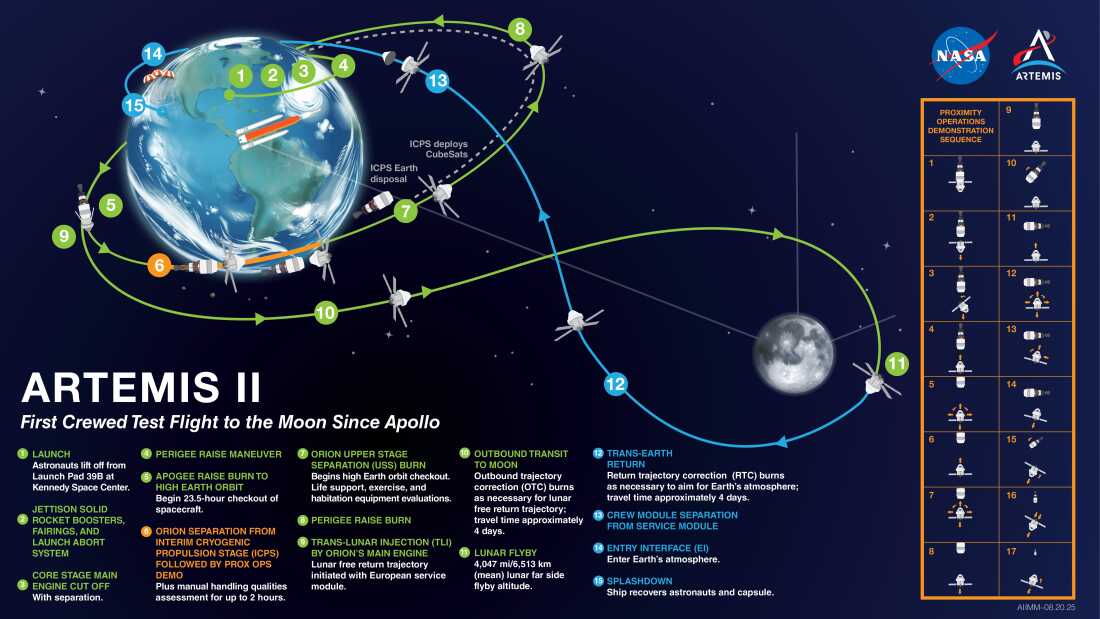
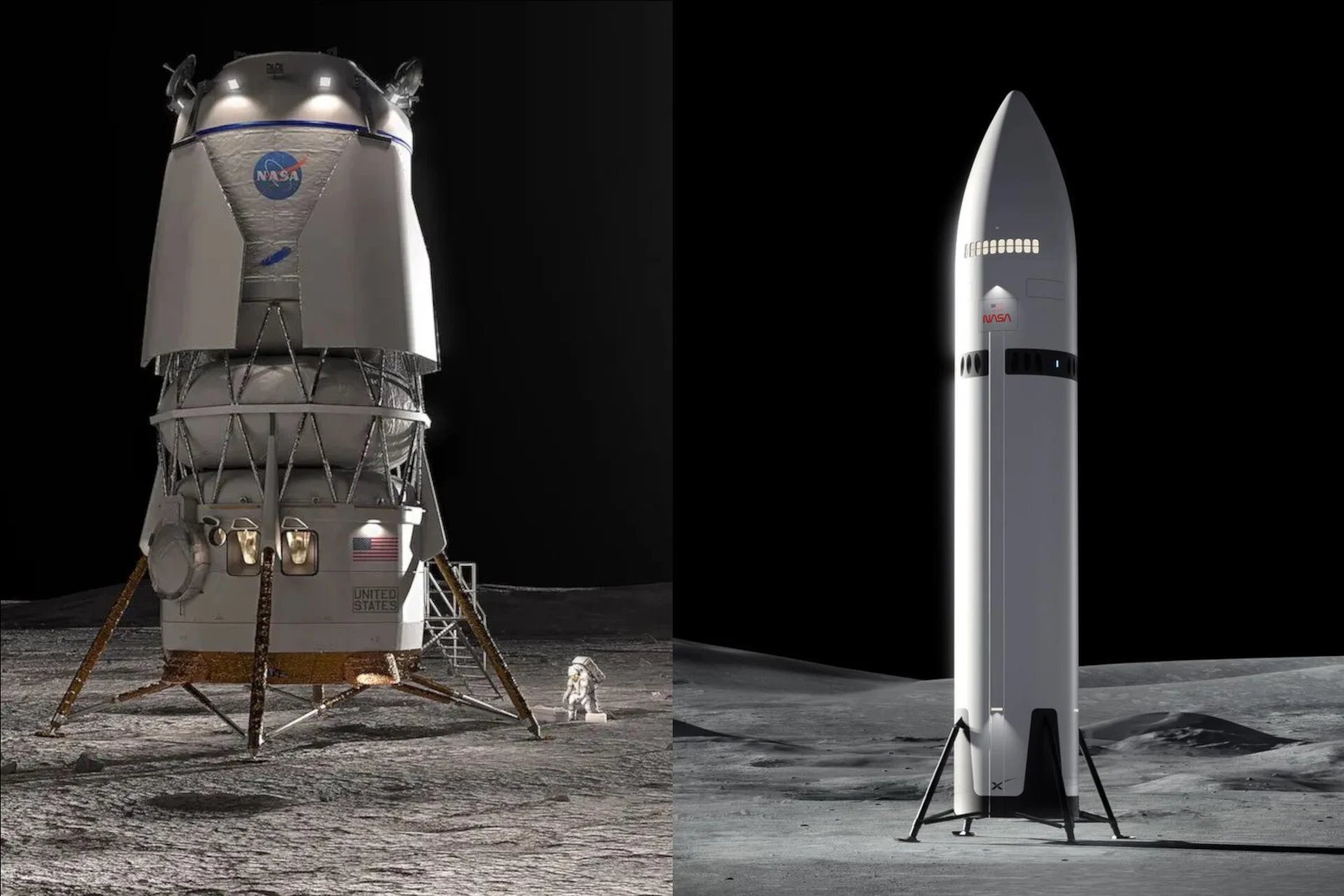
Which of the two landing modules Artemis will rendezvous with, perhaps both (?), has yet to be determined but now the plan is for Artemis IV in 2028 to be the first to land on the Lunar surface. The change in mission profile will also cause a few changes in the Space Launch System (SLS) rocket itself. Artemis III was to be the first mission to employ NASA’s new Interim Cryogenic Propulsion Stage (ICPS) but since Artemis III is ‘only going’ to LOE that stage will not be included as a part of the launch system. The good news however is that the core stage of the SLS has arrived at Kennedy Space Center where it is now being prepared at the Vehicle Assembly Building. Currently the launch of Artemis III is scheduled for no earlier than March of 2027, and no later than June. Of course all that could change depending on the progress of the lander modules.
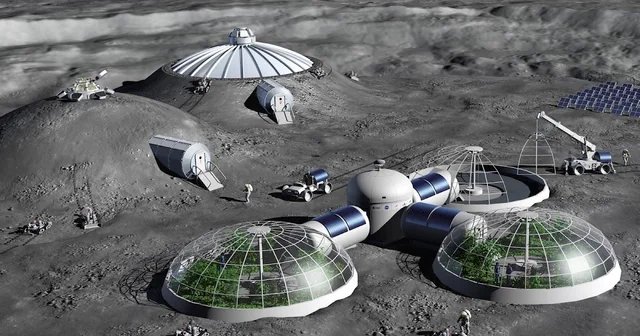
And this time NASA plans to not just visit the Moon a few times as the Apollo program did. No indeed, on the 26th of May the space agency’s manager for Moon Base program’s Carlos Garcia-Galán announced plans and scheduling for the construction of a Lunar base near the Moon’s south pole over the next decade.
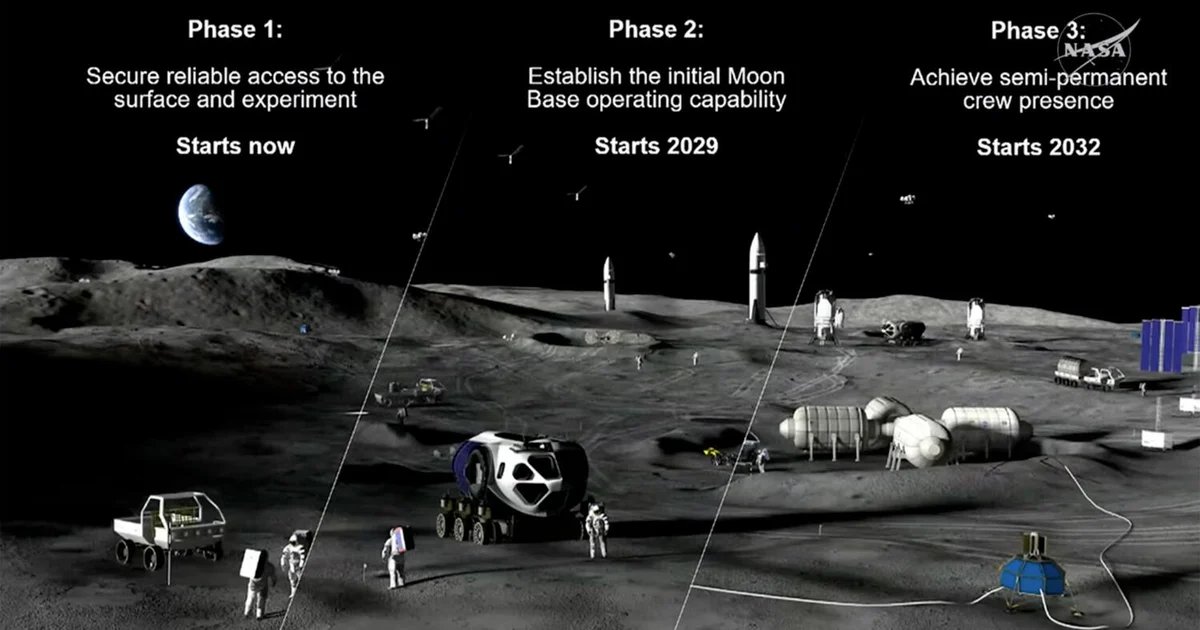
Phase One of the program will consist of gathering detailed information about the terrain of the moon’s south pole while ‘securing reliable access’ to the Moon’s surface, in other words completing several manned landings. Phase Two will then follow by establishing the base’s ‘initial operating capability’ while Phase Three will be a long term, permanent occupation of the base.
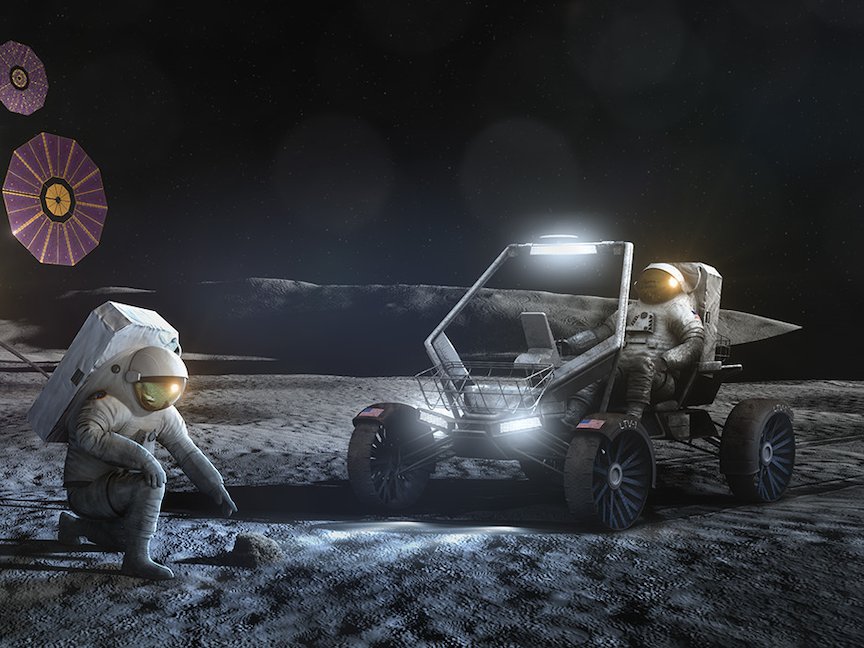
One interesting aspect of NASA’s plans is the large-scale employment of drones in establishing the base. In fact, before any humans land at the chosen base site NASA intends to land two lunar rover vehicles, which are being designated as Lunar Terrain Vehicles or LTVs. Unlike the lunar rover from Apollo however, the LTVs are also going to be capable of autonomous movement on the lunar surface. In a sense the LTVs will be a combination of the old Apollo rover and the current Mars rovers. The idea is that the rovers will scope out the planned area of the base, giving detailed information to scientists back here on Earth. Then, once the exact spot for the base is chosen the rovers will drive there to greet the first astronauts as they land.
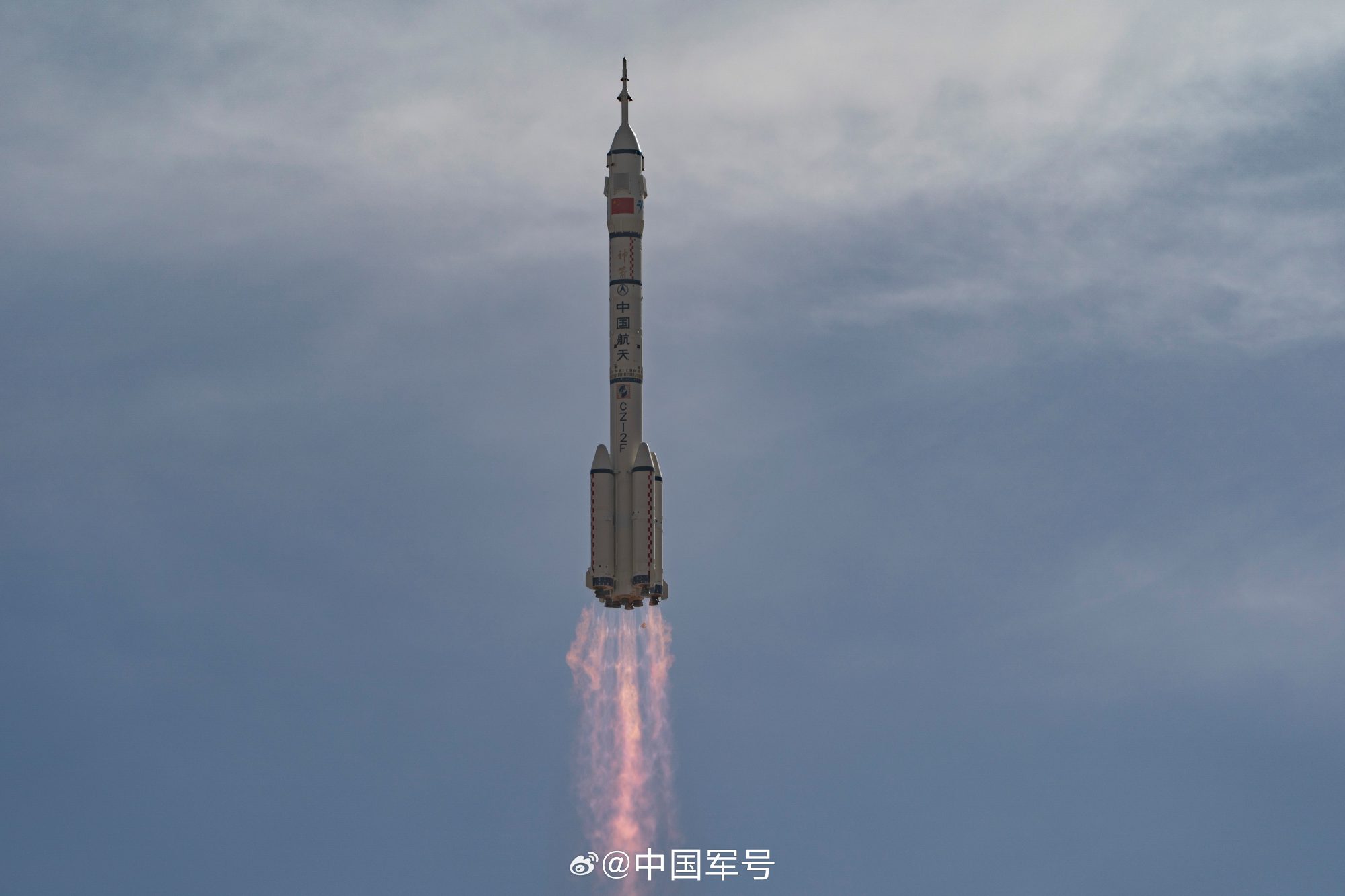
Meanwhile China has been keeping mostly secret about progress towards its goal of landing a Taikonaut on the Moon by 2030. However on May 24th the Chinese did succeed in launching their Shenzhou 23 mission to their Tiangong space station. This mission is the eleventh manned mission to China’s station in LOE where the crew will relieve the Shenzhou 22 crew who has been manning the station now for over 200 days. The Chinese space agency has also announced that one member of the Shenzhou 23 crew will remain in space for an entire year making it the longest stay in space for any Taikonaut and one of the longest for any human.
And speaking of Space X, on May 22nd the Hawthorn based company carried out a test flight of its enormous Starship rocket, the new version 3. After a couple of less than optimal tests of version 2 last year Space X was hoping for a much better outcome this time and despite the failure of an engine on each of the first stage (33 engines total) and second stage (6 engines) the mission was completed as planned with the second stage simulating a landing in the Indian Ocean after reaching orbital velocity. It now remains for Space X to conduct a full simulated mission with a capture of both the first stage, already accomplished, as well as the second stage.
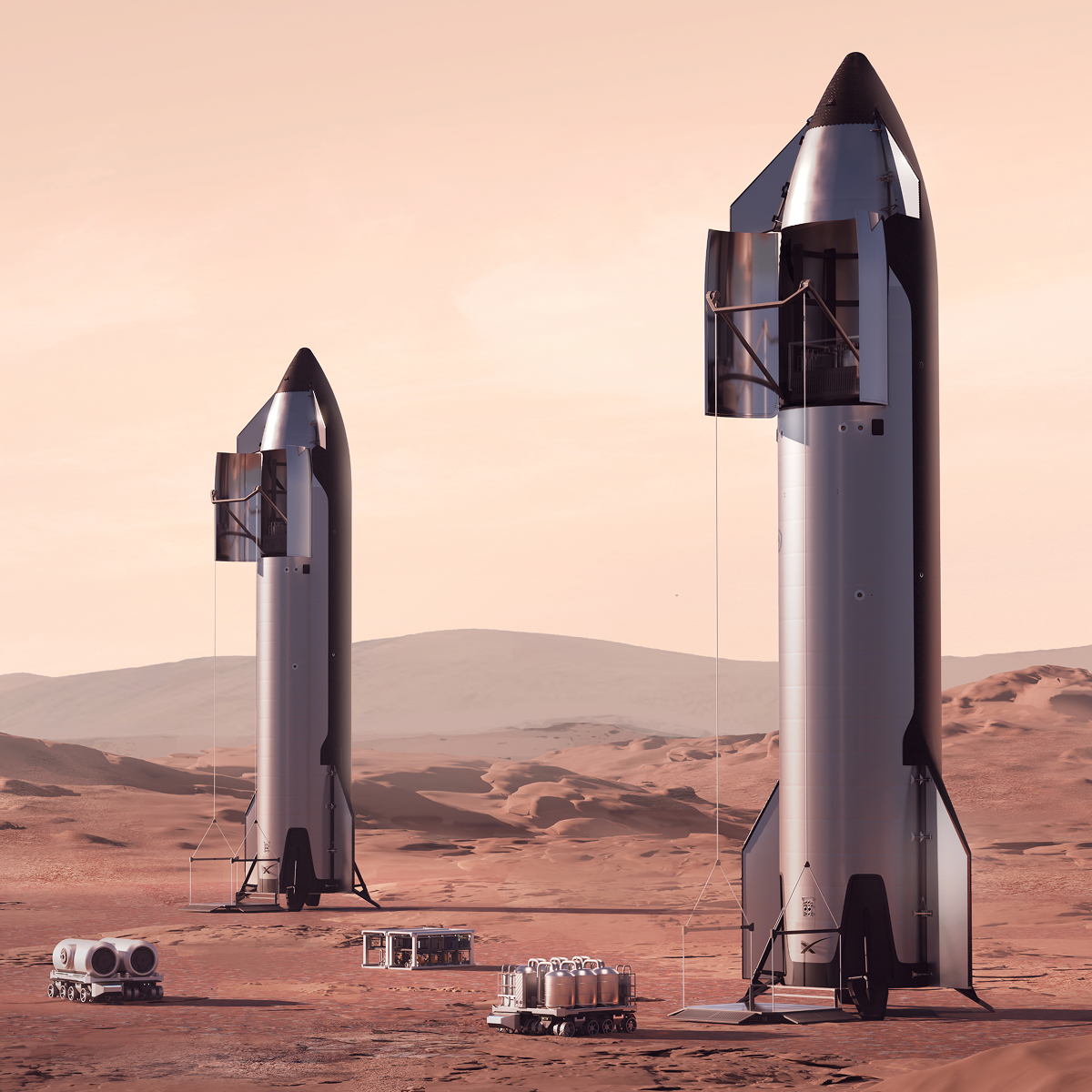
Space X has big plans for its starship rocket, not only for use as NASA’s Lunar lander but going forward as the main vehicle for the company’s ambitions for the planet Mars.
In a bit of breaking news, on the 28th of May a New Glenn rocket from Blue Origins was undergoing a test of its first stage rocket motors when the entire rocket exploded in a huge ball of fire. This is the second major problem in a row for the New Glenn launch system as just back in April a launch left a satellite in the wrong orbit owing to an engine failure. While it is too soon to determine just what went wrong to cause the rocket to explode thankfully no one was injured and the engineers at Blue Origin are already investigating the disaster.

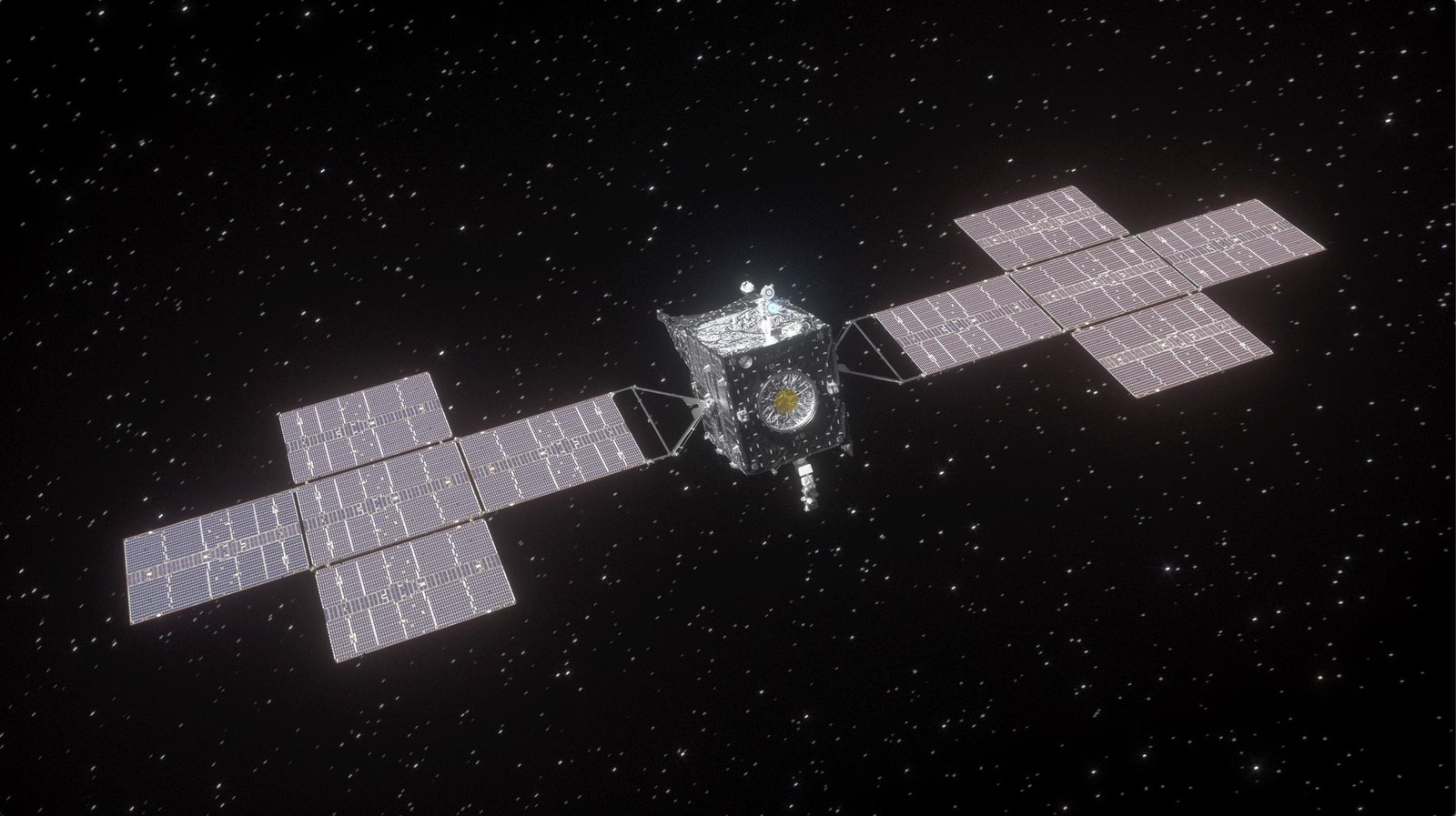
There’s also news concerning robotic probes in interplanetary space with NASA’s Psyche spacecraft on its way toward the asteroid of the same name. On May 15th the spacecraft successfully used the gravity of the planet Mars to slingshot the probe towards the asteroid belt between Mars and Jupiter. The Psyche spacecraft is expected to reach it target asteroid in the summer of 2029.
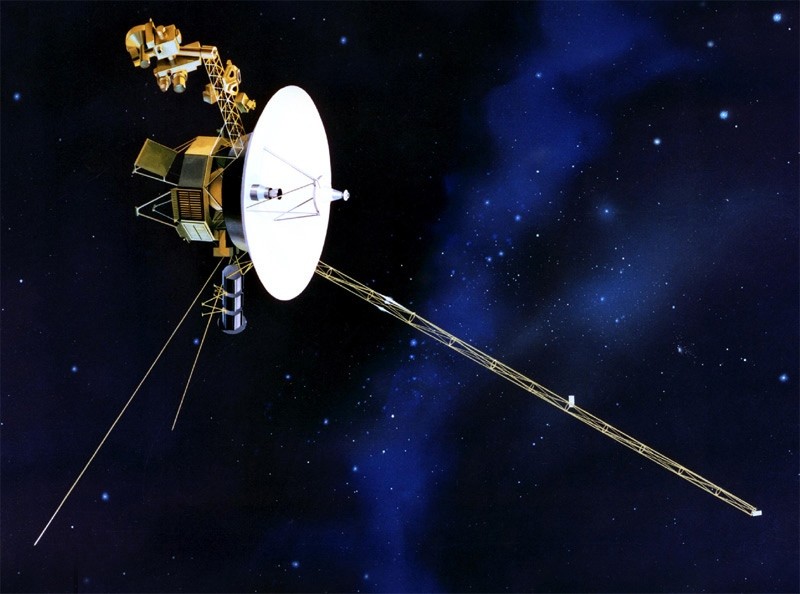
One last little news item concerns NASA’s oldest operating spacecraft, Voyagers 1 and 2. Next year the two probes will reach the 50th anniversary of their launch back in 1977 and both are now getting quite low on power as the nuclear material powering their Radioisotope Thermoelectric Generator (RTG) continues to decay. The spacecraft lose about four watts of power every year.
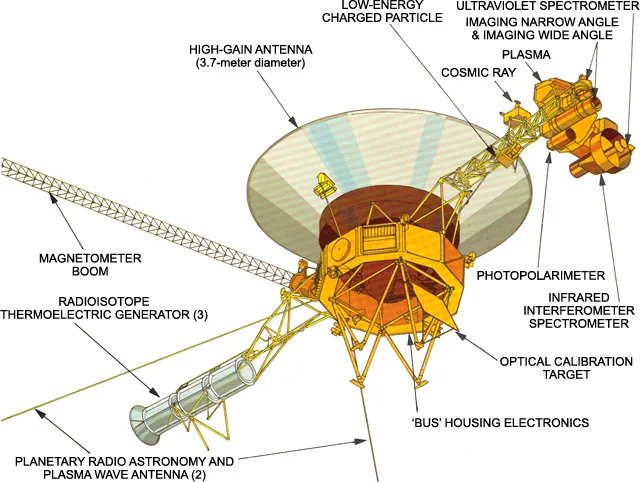
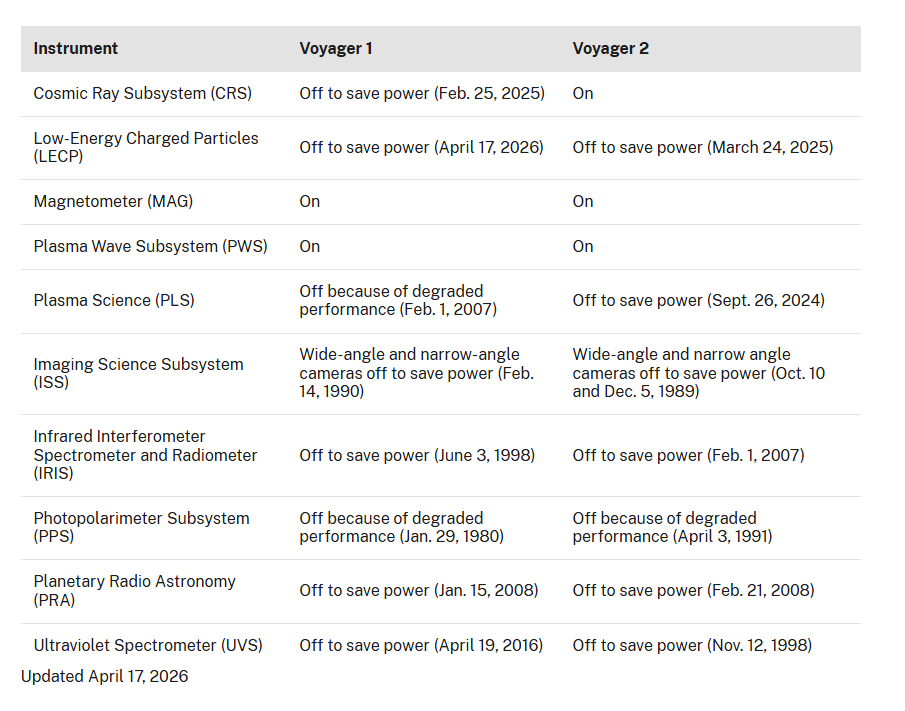
Each spacecraft began the journey with ten scientific instruments taking data but because of the power loss Voyager 1 is now only operating its magnetometer and its plasma wave detector. Voyager 2 meanwhile has both of those instruments operating along with its cosmic ray detector.
Right now NASA is quite confident that both probes will reach their 50th birthday and that Voyager 1 will reach another milestone, that of traveling one full light day from Earth, the farthest that any man made object has ever traveled. The engineers at the Jet Propulsion Labouratory (JPL) have an idea however that may allow the Voyagers to stay alive much longer, maybe even allow them to turn some of their unused instruments back on!
The most critical system on the Voyagers are the thrusters that orientate the probes so that their antennas point toward Earth, otherwise we would quickly lose all contact with the spacecraft. Three heating elements are needed to keep the fuel for those thrusters warm and together they use up a good bit of Voyager’s power. What the engineers are planning is to do is to turn off those heaters and replace them with three other devices, devices that use 10 watts less power.
If this plan, which has been given the unofficial name ‘Big Bang’, succeeds each Voyager could turn on another instrument and in the long run this could extend the amount of life span left to the spacecrafts. The engineers at JPL have managed to keep the Voyagers alive and sending back data for 49 years now. Let’s hope they can work their magic one more time!