What’s all this brouhaha about Data Centers, and what are Data Centers anyway? 

There have been a lot of news stories lately about Data Centers whether it be the large increase in the number of data centers being built, or all of the protests by people trying to stop data centers being built in their neighborhoods. Data centers have become the symbol of high tech companies like Meta, Google, Apple or Amazon and to many people they are the symbol of corporate greed because of how they are driving up the cost of electricity, using up scarce water resources along with just being noisy.
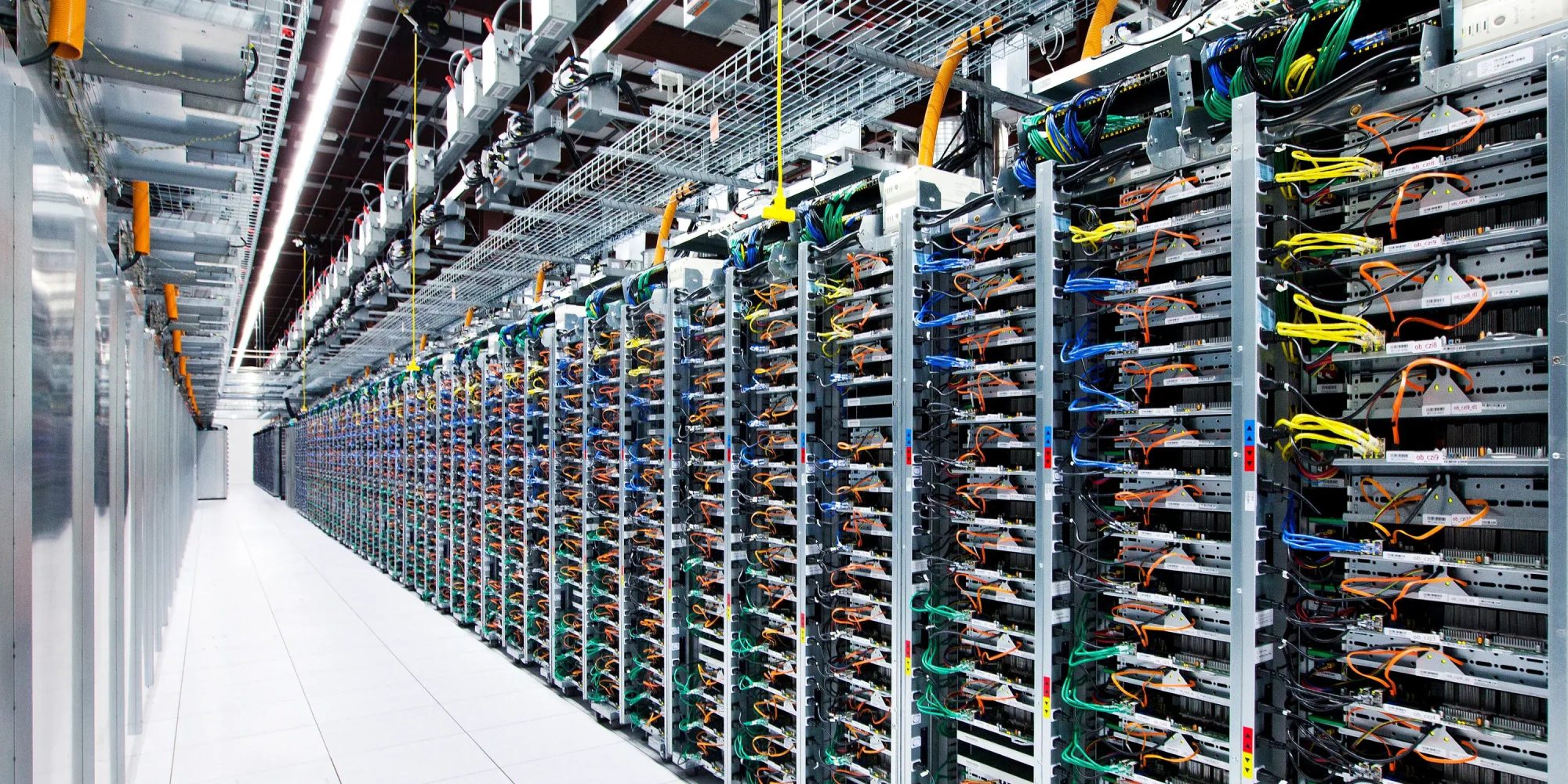
Data Centers are really nothing more than big buildings with lots and lots of computers all connected together inside them. Aside from a few employees to repair, or more often replace any computer that fails that’s it! However, the tech companies are making billions off of them! (Credit: Aterio)

So exactly what are data centers, why do tech companies love them, and why does it seem like everyone else hates them? Well, according to the US government in the Energy Independence and Security Act of 2007 a data center is defined as “any facility that primarily contains electronic equipment used to process, store and transmit digital information…that uses environmental control equipment to maintain the proper conditions for the operation of electronic equipment.” That part about environmental control and proper conditions is really important because you see electronic devices don’t like heat. It’s a good rule of thumb to say that for every ten degrees Celsius that you raise the operating temperature of electronics you halve its operating lifetime.
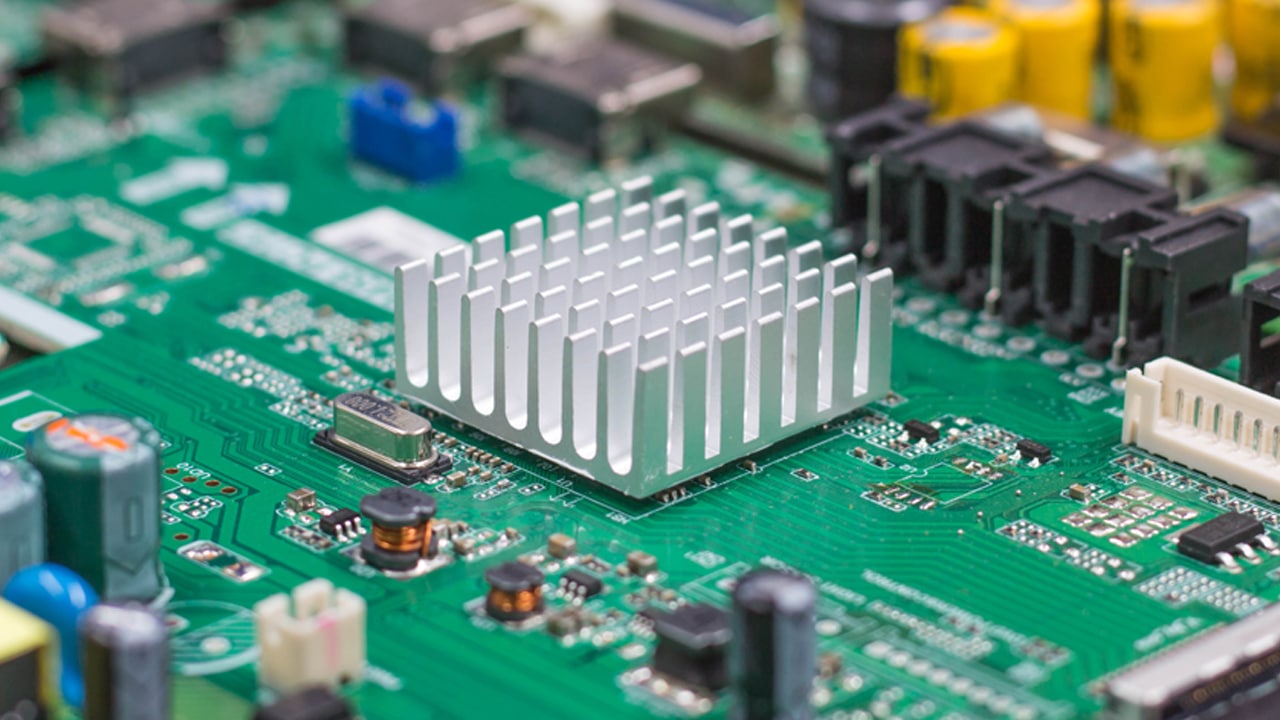
A heat sink on top of a microprocessor ‘chip’. Every electronic device emits heat and that heat is usually the cause of their eventual failure. So electronic engineers spend a great deal of their time dealing with the heat! (Credit: Blog)

 The problem is that electronic equipment generates heat; a lot of it. So much of the work of electronic engineers is dealing with the heat that the device they design generates. In fact there’s a saying among electrical engineers that they go to college for four years to learn about circuits then spend the forty years of their career getting rid of the heat.

Just a small example of what electrical engineering majors study in college. I’ve taught things like that! (Credit: Math Tutor DVD)

Going by our definition the first data center would have been the basement of the Moore School of Electrical Engineering at the University of Pennsylvania. That’s where ENIAC, the world’s first completely electronic digital computer was built. With 18000 vacuum tubes ENIAC generated a lot of heat, so it needed a lot of air conditioning to keep it cool. Between the air conditioning and the power needed for the computer itself ENIAC took up a lot of space and required a lot of electricity to operate.

The Moore School of Electrical Engineering at the University of Pennsylvania in Philadelphia. The first real electronic computer was built in the basement of this building! (Credit: Wikipedia)

In the decades that followed Sperry-Univac and IBM built hundreds of large computers that used vacuum tubes. All of these computers needed large facilities with a lot of power and air conditioning. All of these facilities were data centers but back then they were so few in number that nobody really paid much attention to them.
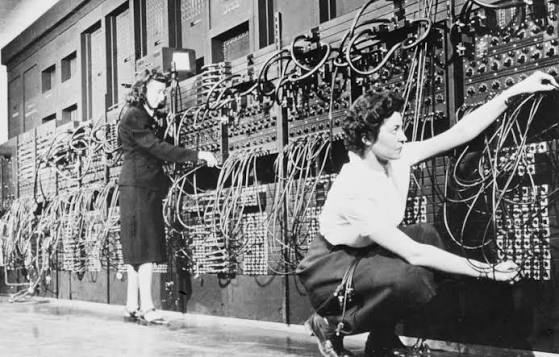
This is how ENIAC was ‘programmed’ by routing a whole lot of cabling to connect different parts of its circuitry. We’ve made some progress since then! (Credit: American Physical Society)

Then, in the late 1970s the first computers that used transistors on integrated circuits were developed. Actually the first such computer was inside the Apollo Command Module that enabled the astronauts to navigate to the Moon and back. These microcircuit computers were much smaller, cheaper and required much less power to run, they were even called ‘Personal Computers’ (PCs) because an individual person could actually own one.
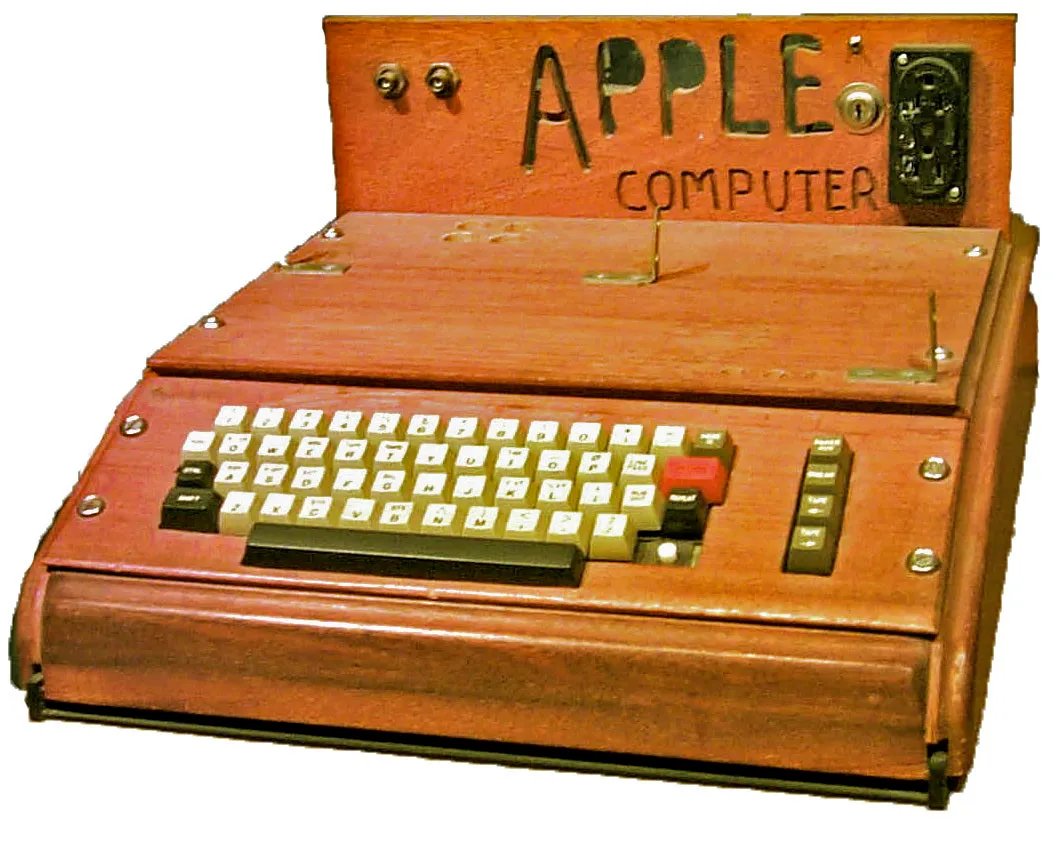
The very first Apple Personal Computer, now on display at the Smithsonian Institute. Using transistors to build computers was a revolution called miniaturization. (Credit: Apple History)

During the 1980s and 1990s the advent of PCs greatly reduced the need for large data centers. Instead of a big room with a single big computer in it every employee could have a PC sitting on their desk. As time went on however, all of those PCs began to get ‘Networked’ together so that information could be shared between them. These networks required special computers called ‘Servers’, basically a PC with a large amount of memory, and these servers were kept in special rooms that as time went on got bigger and bigger until they resembled the big data centers of the 50s and 60s.

Remember when Hillary Clinton got in so much trouble because she had a private server to store all of her emails. Well, lots is people who think they are important have such servers. (Credit: Geek Wire)

As more and more kinds of information, books, pictures, movies, music etc, etc, etc got digitized there was an ever greater need for memory and in the early 2000s entire buildings containing thousands of computers began to appear. These new data centers soon became larger than the data centers of old as big tech companies like Apple or Google began to sell memory space ‘On the Cloud’ as it became known. That’s right, what the tech companies call ‘storing your information on the cloud’ is really nothing more than putting it on a memory computer, a server that’s located in a big building somewhere, a data center.
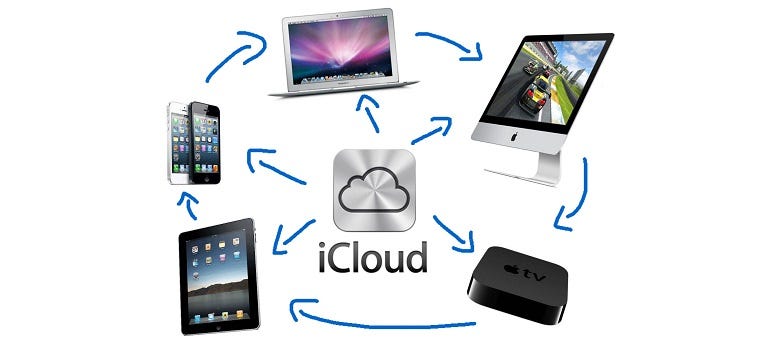
All of these techies talking about ‘the cloud’ well it’s really nothing more than a huge number of electronic devices all being connected together. That ‘networking’ takes a large number of computers to operate and those computers are put in data centers. (Credit: UX Collection)

If you buy a movie from Amazon Prime, well what you have actually bought is stored data that is on some computer in some data center somewhere. All of the images that you take with your iPhone are automatically uploaded to Apple’s cloud, that is one of the data centers owned by Apple. All of the new ‘Streaming Services’ with thousands of TV shows and movies for you to watch are completely dependent on data centers as will the coming revolution in driverless vehicles. We all store so much information today that the business of building and running data centers is now worth tens of billions of dollars and employs thousands of well paid IT personnel.
Do you subscribe to one or more of these ‘Streaming Services’. Well, they all only exist because of data centers where all of the programs you watch are stored! (Credit: VPM)

The problem today with data centers is really that it’s all too much, too quickly. As of the beginning of August there were 5,427 data centers in the US, about 60% of the world’s total, with another 802 under construction along with plans for another 3,969. As I have already mentioned several times data centers use large quantities of electricity and water for cooling and the mad dash to build more and more of them is causing the price of electricity to skyrocket in certain areas while at the same time making water shortages even worse. Currently data centers are consuming about 50 gigawatts of electricity and it is estimated that in just ten years that figure will more than triple to 180 gigawatts, just imagine what that will do you your electric bill.
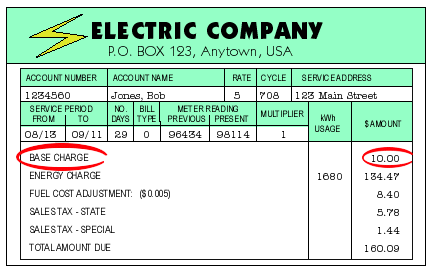
Like everything else these days our electrical bills keep going up, and data centers are one of the big reasons. So right now, people are taking out their frustrations about the economy on data centers. (Credit: Fundamentals of Electricity)

But let’s be honest, much of the anger over data centers is also a reaction to all of the billions of dollars of profit being made by these big tech companies while most of the American people are finding it difficult to keep up with inflation, to pay for gas and put food on the table. Right now, the opposition to data centers is the one issue in the US that has support across the political spectrum with both democrats and republicans calling for moratoriums on data center construction. Polls show that just about half of all Americans strongly oppose data centers while only a fifth somewhat supports them. Both the states of New York and Texas have imposed moratoriums, as have another ten states. 
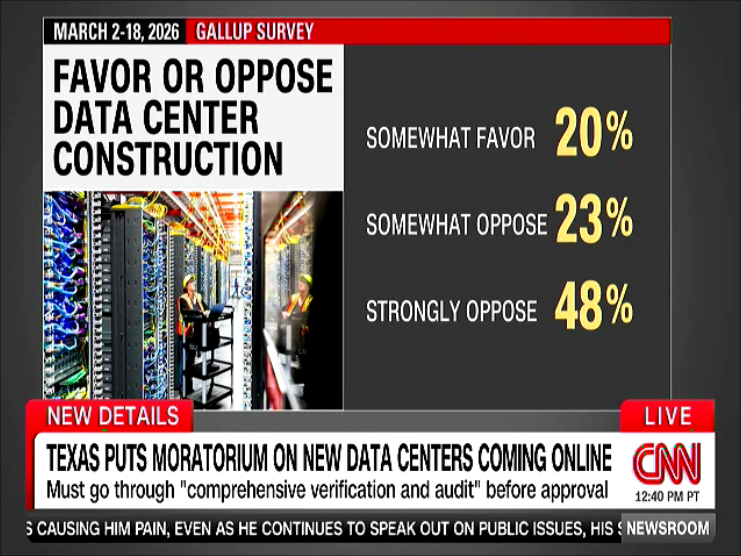
Recent polls show suppose for data centers is almost nonexistent while opposition to them is very high! (Credit: CNN)
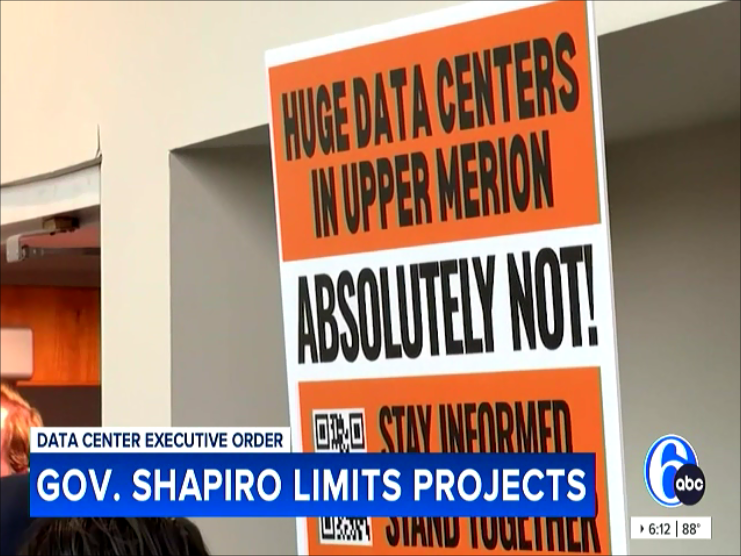
Due to a large protest in Upper Merion, a suburb of Philadelphia, Pennsylvania has become the latest state to place restrictions of the construction of data centers! (Credit: WPVI)

We need data centers, our economy and society are now fully dependent on computers and all of the growth in our economy will come with a proportionate growth in the numbers of computers. At the same time however we need data centers to be good citizens, not hogging resources and making life miserable for the actual human beings who live near them.
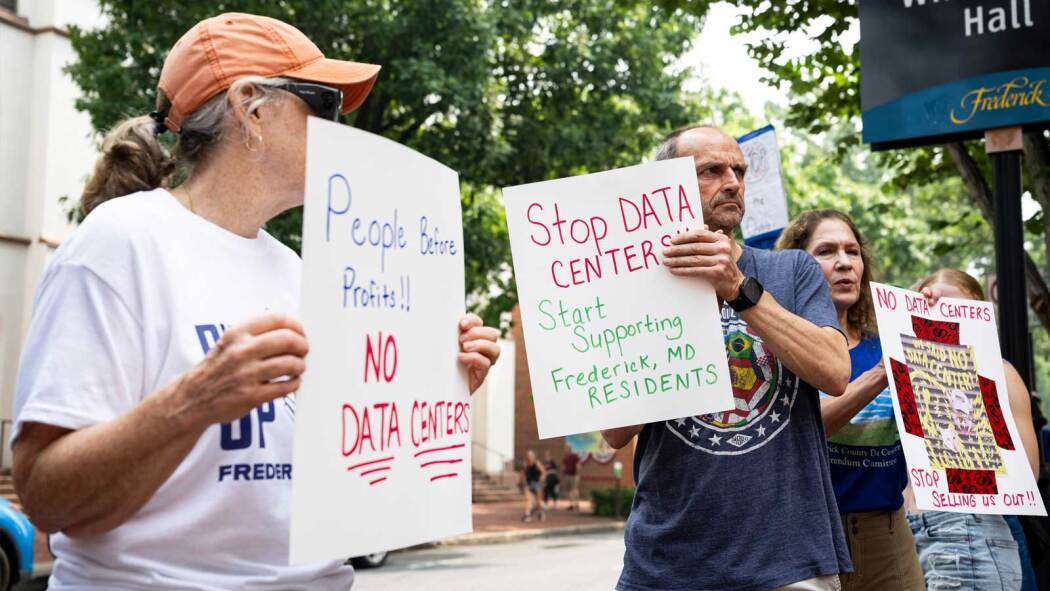
Much of the anger directed against data centers is due to all of the money tech companies are making while consumers are getting poorer. Nevertheless. data centers themselves need to learn how to be good neighbors as well! (Credit: PCMag)

A few common sense regulations are therefore in order. First, since data centers are large buildings, many are over 100,000 square feet in floor space with flat roofs; those roofs should be covered in solar panels so that the data center actually generates much if not all of its own electricity! Recycling the water that is used for cooling should also be a requirement for any large data center. Also, large data centers should simply not be built in a residential area, they can be noisy and basically a headache to anyone living nearby. All of these problems can be settled reasonably, without a lot of political fighting. As I said, right now everyone, conservative and liberal alike wants to get data center construction under control. The political will is there. Who knows maybe for once we can get a problem solved without screwing it all up!
The Vaccine debate: The Department of Health and Human Services (HHS) continues to undermine public health policies even as the number of Americans catching infectious diseases continues to grow. 

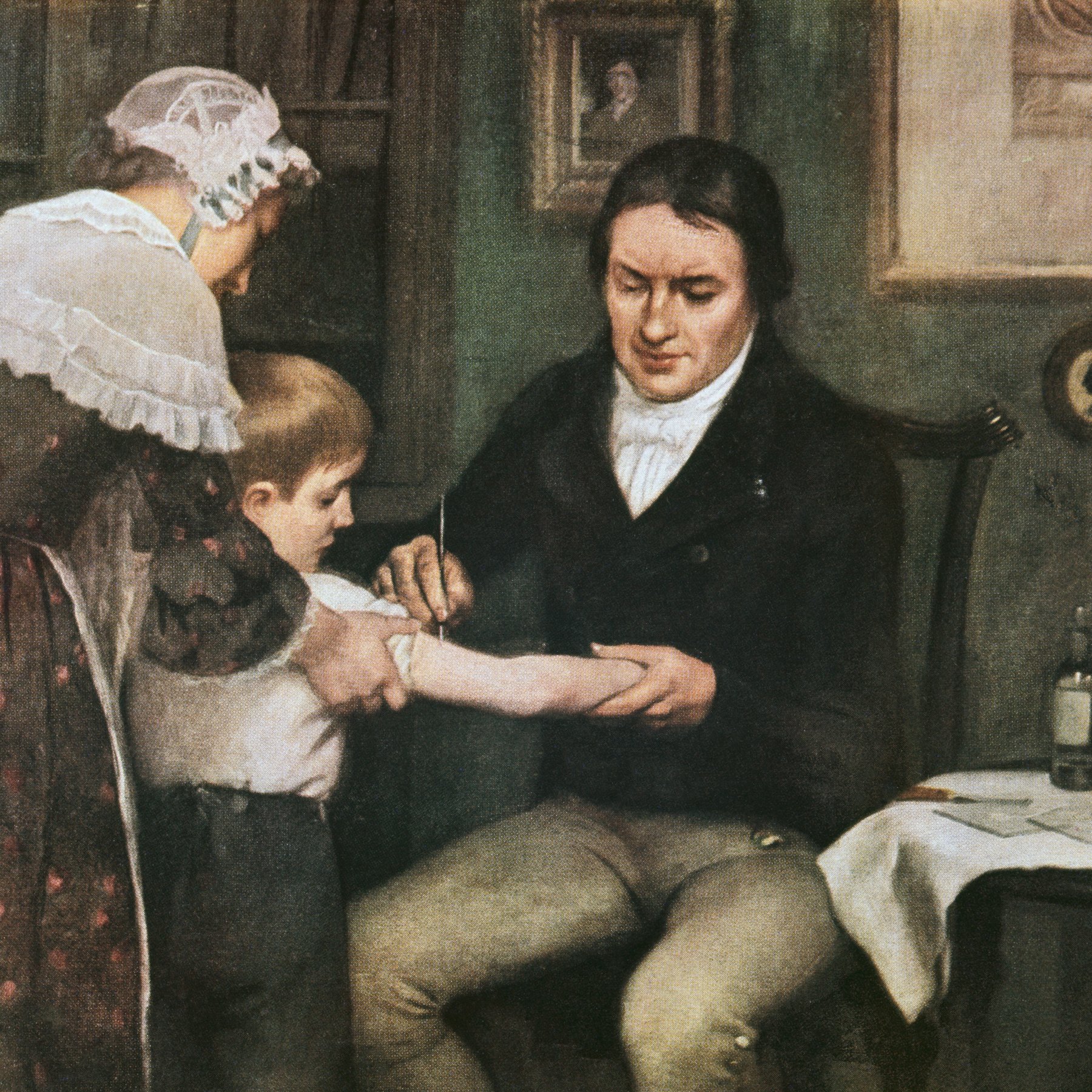
Ever since Edward Jenner performed the first vaccination in 1796 the very idea of using a disease to fight disease has been extremely controversial. Jenner had noticed that the young milk maidens who got cowpox on their hands never seemed to get the much more dangerous smallpox. To test this idea he deliberately inoculated a young boy named James Phipps with cowpox to see if he would become immune to smallpox. It worked but Jenner’s experimenting on a human being, risking a young boy’s life upset many people.

Edward Jenner performing the first vaccination. The idea of injecting a disease directly into people in order to prevent them from catching that disease has always seemed bazaar to many people, however it actually works! (Credit: New York Times)

In the 230 years that followed vaccines had their ups and downs. Inoculations seemed to be effective against some diseases like smallpox, even though sometimes the vaccine could cause the patient to catch the disease instead of becoming immune to it. For some other diseases, like syphilis for example, vaccinations appeared to have no effect. At the same time methods for preparing vaccines where anything but standard, since no one knew how vaccines actually worked, no one really knew how to prepare a good vaccine.

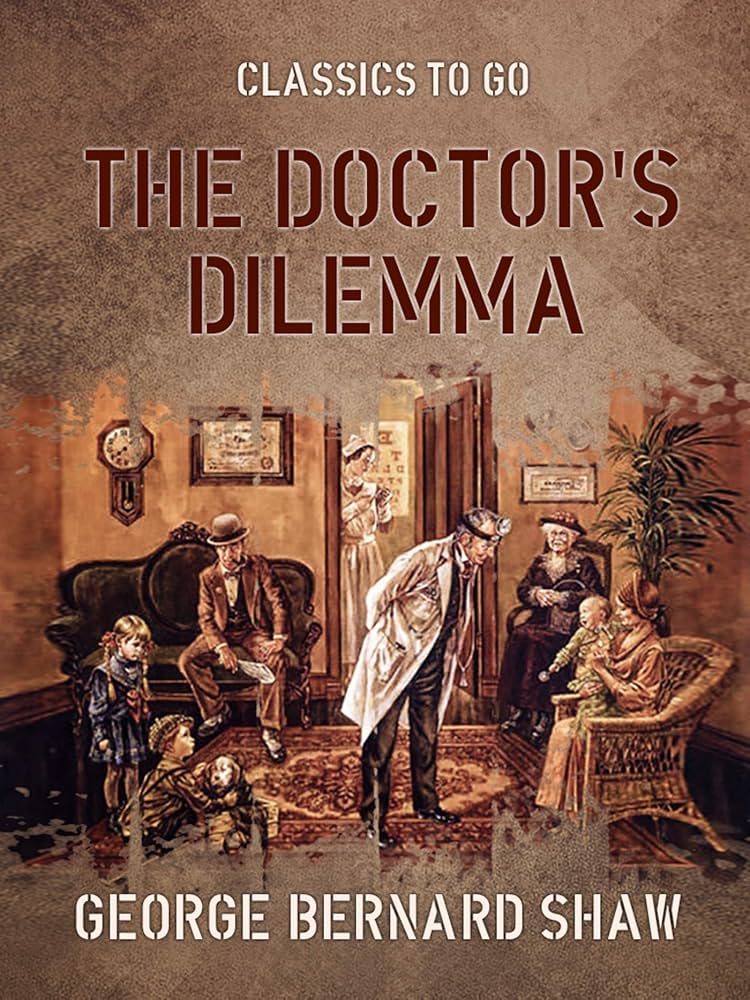
The playwright George Bernard Shaw was very anti-vaccination, but remember in his time doctors didn’t understand the difference between a bacterial and a viral infection. We’ve made a lot of progress since then and vaccines are now thoroughly tested and monitored to make them as safe as possible. (Credit: Amazon.com

It wasn’t until 1955 that Jonas Salk succeeded in developing a vaccine for polio and in doing so he established a strong methodology for the creation of vaccines. What Salk did was to first isolate the poliovirus; viruses themselves had only been discovered 24 years earlier. Then he grew large amounts of the polio virus in chicken eggs before killing the virus with formaldehyde. By injecting the dead virus into a human being that person’s immune system would then develop antibodies to fight polio without any risk of that person actually catching polio.

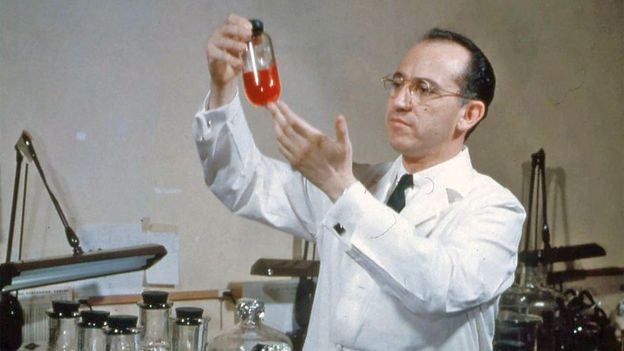
Jonas Salk with a vial of the polio virus. Salk’s development of a vaccine against polio is one of the greatest success stories in the history of medicine and science in general! (Credit: BBC)

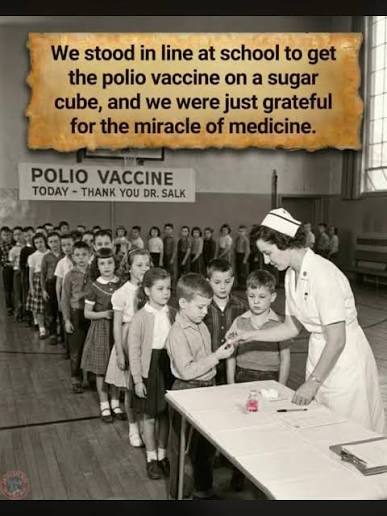
I can still remember the campaigns in the early 1960s to get everyone vaccinated against polio. I was vaccinated, as was every member of my family. The vaccine worked so well that now the terrible disease of polio is all but non-existent in the United States. In the years that followed vaccines became a public health policy that every citizen was expected to follow and which did in fact greatly improve the health of the country as a whole.

I remember that day, my entire family got the sugar cube. We were all just grateful to not have to worry about being paralyzed by polio! (Credit: Facebook)

Nevertheless, there were still many people who felt that injecting a disease, even a dead disease into a healthy person was simply wrong and there was just no arguing with them. At the same time there are a small number of people who are just so scared of needles, or who simply can’t be bothered to get the vaccine. Because of these people there is still the occasional case of polio in the US.

Nobody likes getting a shot, and in that moment we don’t think about what the disease could do to us. Most people however are wise enough to understand that a slight, and I do mean slight pain now will prevent something much worse later on! (Credit: Economy)

The success of the polio vaccine was followed up by vaccines for such diseases as measles, mumps and rubella, the so-called MMR vaccine, which unfortunately for me was only developed after I had gotten all three diseases. At the same time vaccines were developed for influenza, but because that disease mutates so rapidly it turned out that a new flu shot is needed every year.

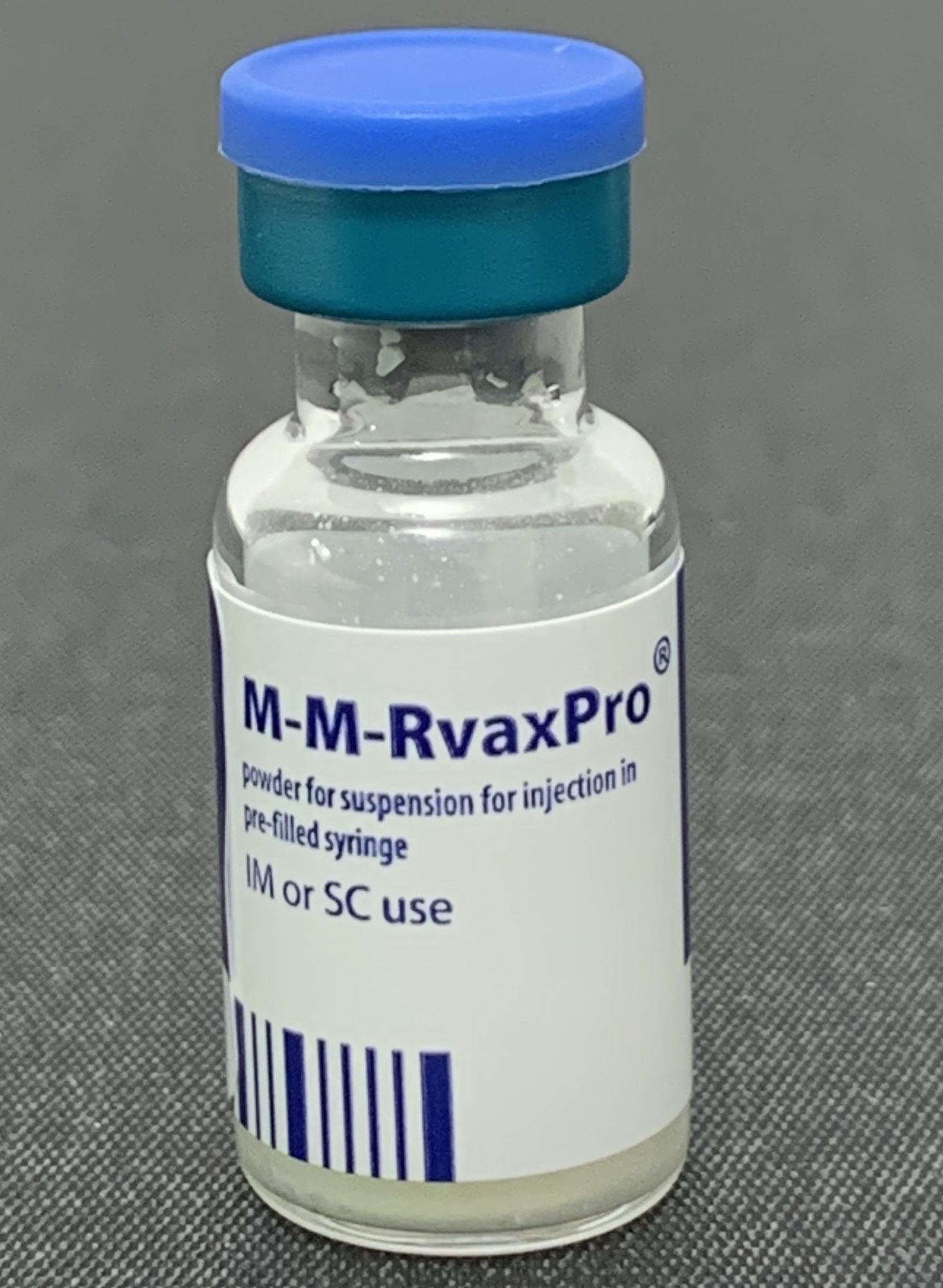
The infamous MMR vaccine. There is no credible evidence that MMR causes autism, but many people believe it does with a religious fervor. That’s the beginning of how we got in this mess! (Credit: Wikipedia)

There were still problems however; occasionally a person might have an allergic reaction to a vaccine, especially if they are allergic to eggs. This is what happened with the swine flu vaccine in 1975. Also, for some infectious diseases a vaccine simply could not be found, that’s true of the HIV virus that causes AIDS. These rare problems were ammunition for the anti-vaccination minority that continued to claim their right to freedom of choice, in other words their right to get sick and possibly infect others.

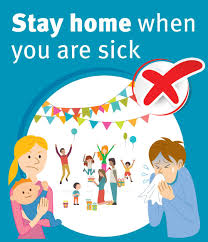
When you do get sick the best thing you can do both for yourself and others is to stay home, or go to the hospital! (Credit: Facebook)

Then starting in the 1990s there were stories about how the MMR vaccine caused autism, the anti-vaxers pointing to an article by British physician Andrew Wakefield, an article that has since been declared fraudulent. Wakefield it was discovered, was pushing his own formula for a measles vaccine, so claiming that MMR had problems was in his financial interest. Nevertheless the new Internet had created a fertile field for conspiracies and the anti-vaxers keep the myth going that MMR caused autism. A myth that has been gaining strength ever since.

Anti-vaxers claim that Drug companies make millions off of vaccines that cause autism but it was Andrew Wakefield, the author of the fraudulent article about MMR and autism who stood to gain millions from his lies! (Credit: CNN)

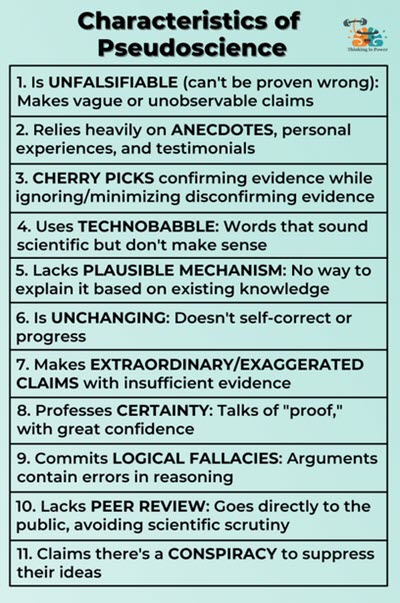
Things have gone so badly that President Trump, in his infinite insanity, has seen fit to put an anti-vaxer, Robert F. Kennedy jr., in charge of our nation’s health services as Secretary of Health and Human Services. Kennedy is not just an anti-vaxer, he distrusts the medical establishment in general, preferring healthy eating and exercise to a doctor’s care. Never mind the fact that the medical establishment itself recommends healthy eating and exercise. While some of Kennedy’s ideas are sound many of his ideas however verge on psuedo-science.

The traits of Pseudo-science are all over the actions of the Trump administration. Not only in the department of Health and Human Services but in other key government departments as well! (Credit: Skeptical Science)

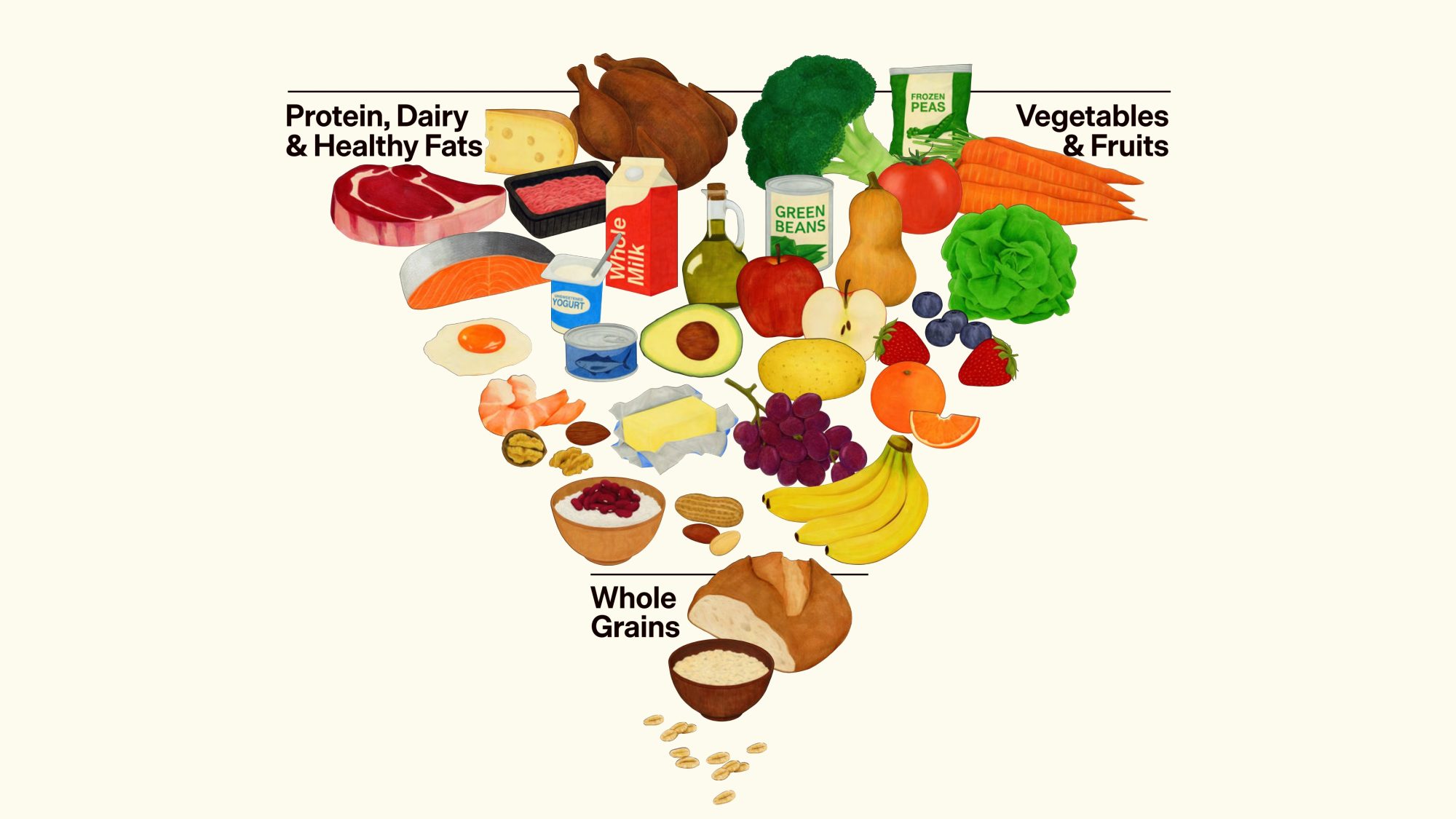
As a part of his campaign to “Make America Healthy Again” or MAHA Kennedy has advised pregnant woman to not take Tylenol for their pain, encouraged people to eat more red meat as well as working to make childhood vaccinations ‘optional’. At the same time he has withdrawn the US from international medical organizations like the World Health Organization (WHO) while firing legitimate medical researchers at the Center for Disease Control (CDC) and replacing them with his own handpicked anti-medical establishment followers.

As a part of his ‘Make America Healthy Again’ campaign RFK jr. has inverted the Food Pyramid, to the great concern of most medical professionals! (Credit: NPR)

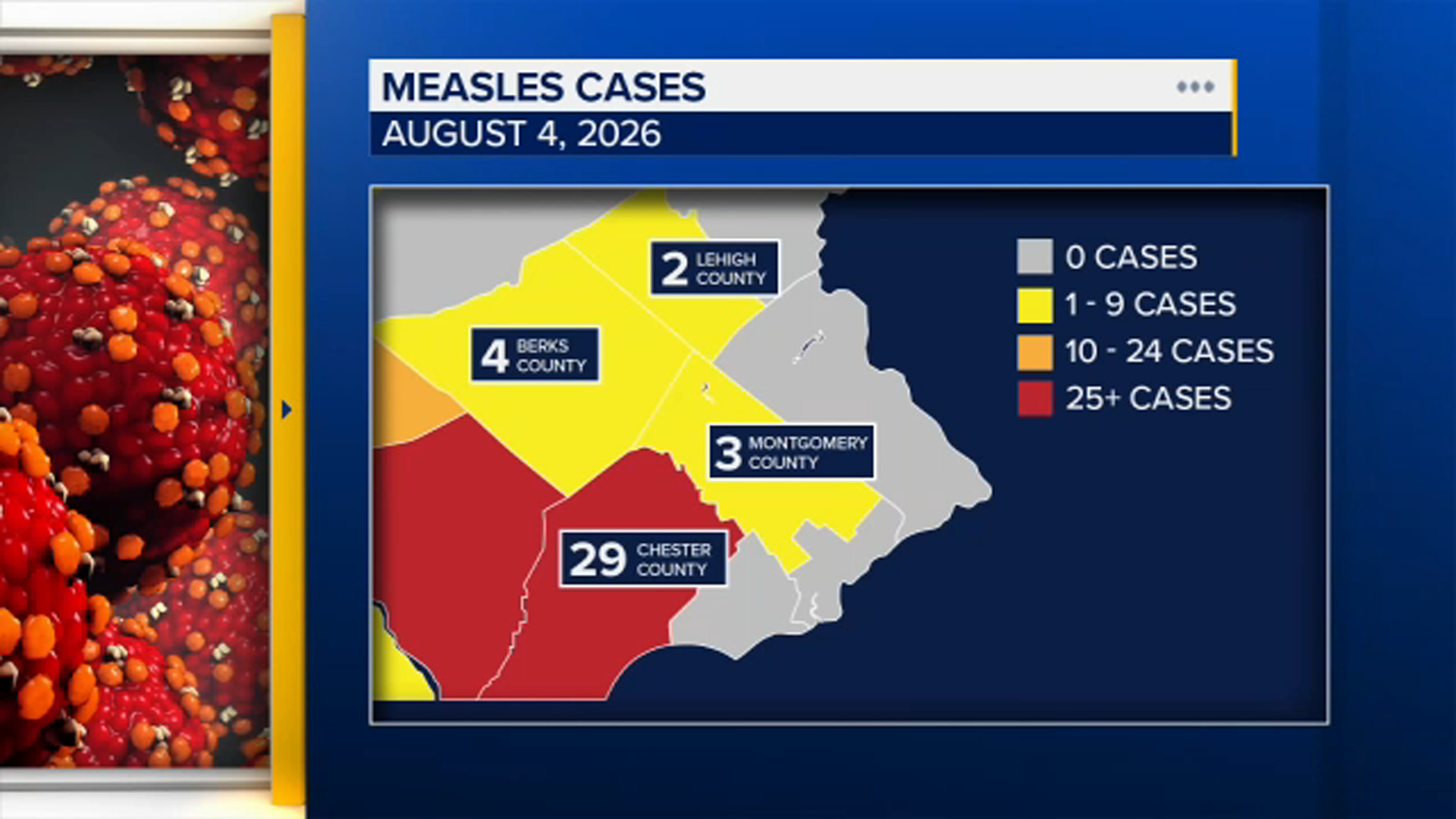
The results of all these upheavals is clear to see, in 2025 the state of Texas saw the largest outbreak of Measles in the US since 1990, only to be surpassed in 2026 by an outbreak in South Carolina. In both outbreaks over 90% of those infected were unvaccinated. In the last two years the US has now seen more cases of measles than it had seen in the years 2000-2024 combined, and remember 2026 isn’t over yet!

Last year it was Texas, early this year it was South Carolina now it’s Pennsylvania that is seeing an outbreak of Measles, a disease that we had eradicated decades ago. (Credit: 6ABC)

Meanwhile the Trump administration’s attitude towards vaccines has also led to a decline in the number of people getting their yearly flu shot, a result of which is an abnormally high number of people coming down with the flu. Over 18 million cases were recorded this past flu season with 230,000 hospitalizations and close to 10,000 deaths. Will things continue to get worse? Only time will tell. However, so long as pseudo-science and conspiracy theories are given credence in the halls of government the basic health of the people of the United States is in great danger.