At the End of the Long Hot Summer of 2026, it’s time to evaluate how Global Warming is changing our Planet’s Climate. 

The summer of 2026 is now over and the climatologists are going through their data in order to determine just how much damage the growing problem of global warming is doing to both our planet and our civilization. So I have decided to run down some of the major disasters that have swept across the world this summer due to our disregard for the effects of greenhouse gas emissions caused by the burning of fossil fuels. I emphasize the word ‘some’ here because the problems caused by climate change are simply to numerous to include in a blog post such as this one.
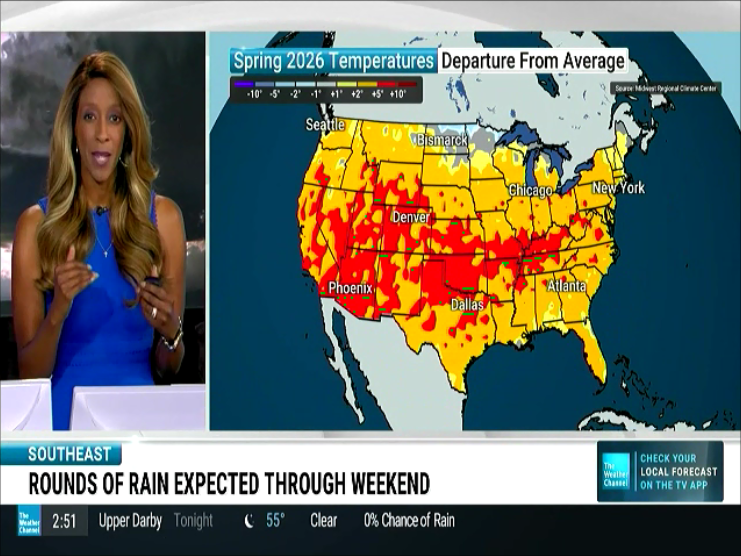
The year started out warmer than ever with a spring where virtually all of the country saw above average temperatures! (Credit: Weather Channel)
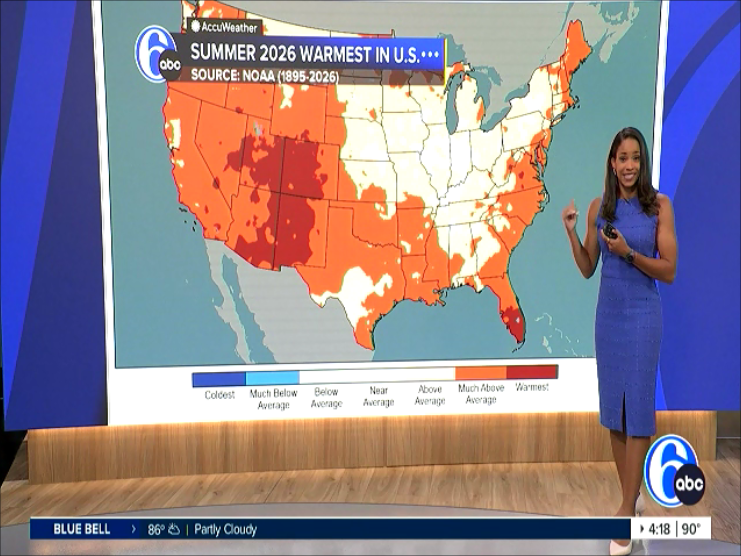
From June through August, the summer of 2026 has already been officially declared to be the hottest ever recorded in the US. That’s dating back to the 1880s and remember this summer is probably going to be the coolest one we’ll ever see again!!! (Credit: WPVI)
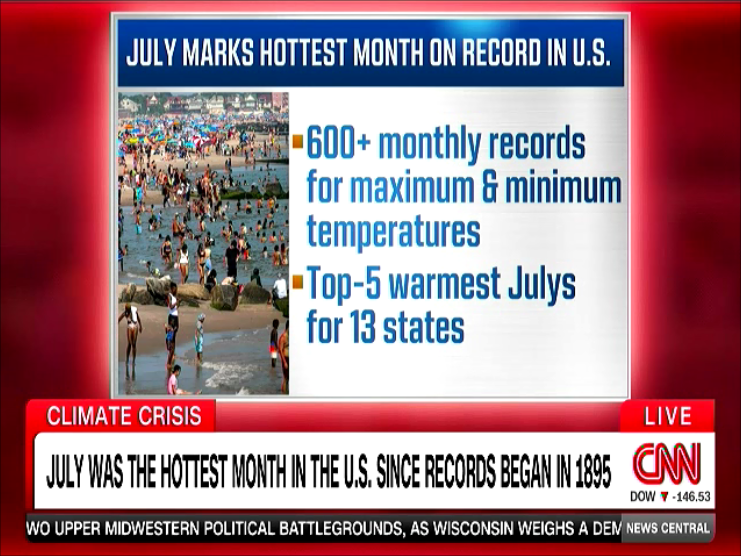
With the entire summer being the warmest ever recorded. and July usually being the warmest month it’s not surprising that July of 2026 turned out to be the warmest month ever recorded in the US! (Credit: CNN)
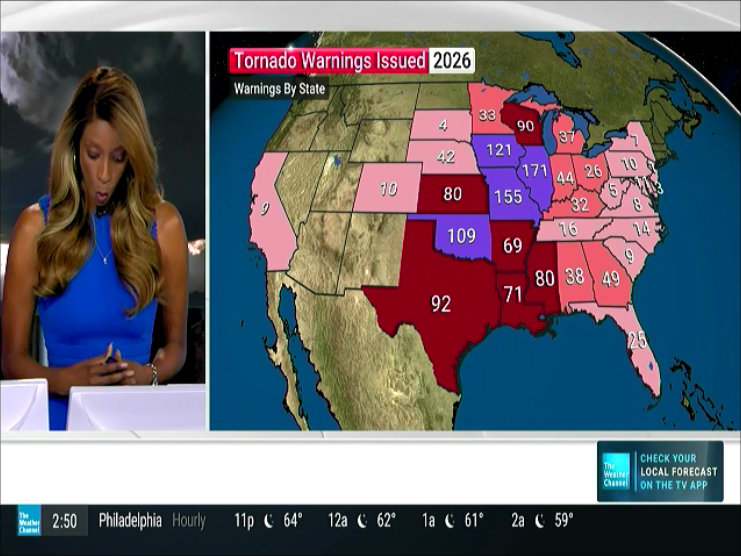
Because of all of that heat the storms this year have been exceptionally powerful. The number of tornadoes in the Midwestern part of the US has been unprecedented! (Credit: Weather Channel)

The broad strokes of what is happening to Earth’s weather are bad enough. The National Oceanographic and Atmospheric Agency (NOAA) has already declared that this summer, June through August, has been the hottest even recorded for North America with the western states of the US baring the brunt of the heat. The European Union’s (EU) meteorological agency (EMS) has declared the same for Europe. The continent of Asia doesn’t have a central weather agency to evaluate the heat there, but Japan, China, South Korea and India have all seen record temperatures. To top it off the added heat has also helped generate what most climatologists think will be the strongest El Ninó ever recorded.
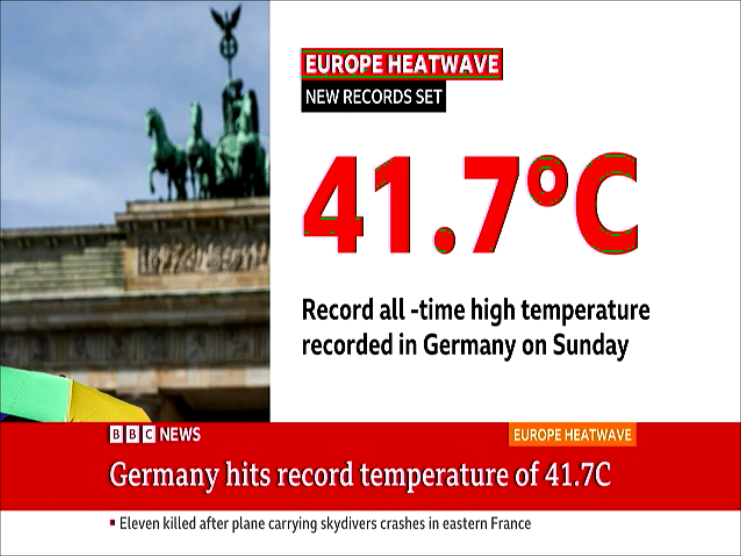
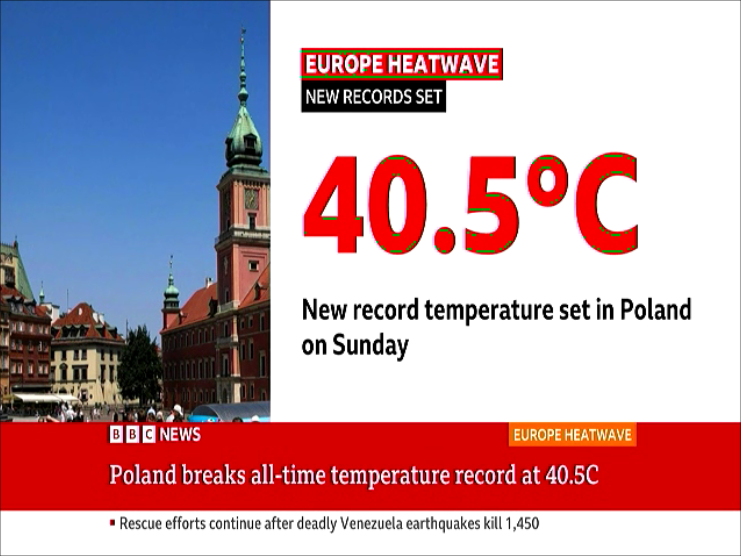
It wasn’t just the US that had it so warm. In July the country of Germany saw its hottest ever measured temperature! The whole of Europe saw a series of heatwaves that rivaled those in the US! (Credit: BBC)
As did the nation of Poland! (Credit: BBC)
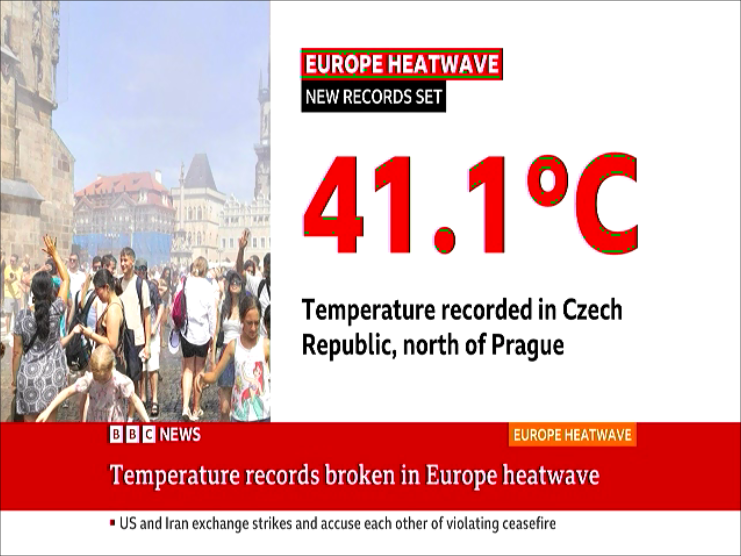
And the Czech Republic as well! (Credit: BBC)

How all of this extra heat effected the local weather depended on exactly where the location was. The southern US and the Mediterranean region of Europe saw a seemingly endless series of Heat Domes, huge high pressure systems that drove temperatures to record high levels while at the same time eliminating any chance of precipitation. In the US during July over 600 cities and towns set monthly high temperature records while in Europe the countries of Germany, the Czech Republic and Poland all set national high temperature records. There were even days where the Eiffel Tower was forced to close because of the dangerous heat in Paris.
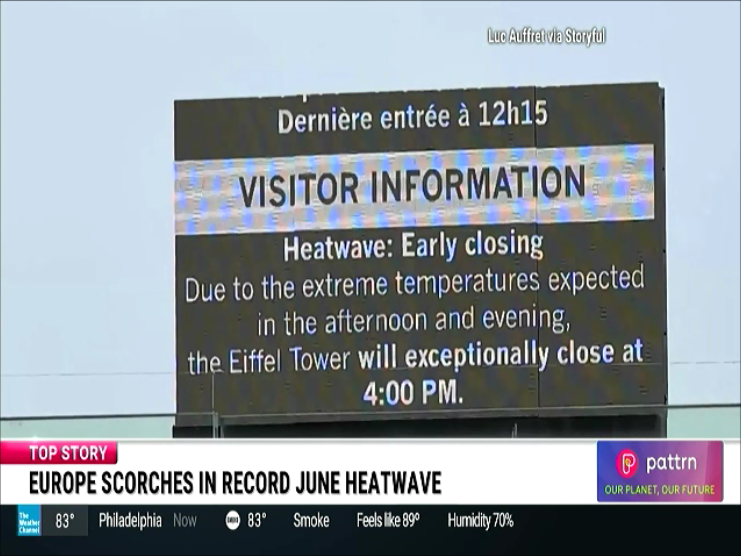
Many of the cities of Europe endured such brutal heat that their tourist attractions had to be closed to safeguard visitors. (Credit: Weather Channel)

Those hot dry conditions quickly led to an extreme number of wildfires across virtually the entire northern hemisphere. From Spokane Washington to Bordeaux France to the Isle of Borneo along with hundreds of places in between wildfires spread death and destruction. For much of the summer it seemed as if the whole of western Canada was burning and once again the smoke from those northern fires spread across the continent impacting the northeastern US. Even countries with climates as different as Norway and Algeria saw wildfires that destroyed homes and prompted evacuations.
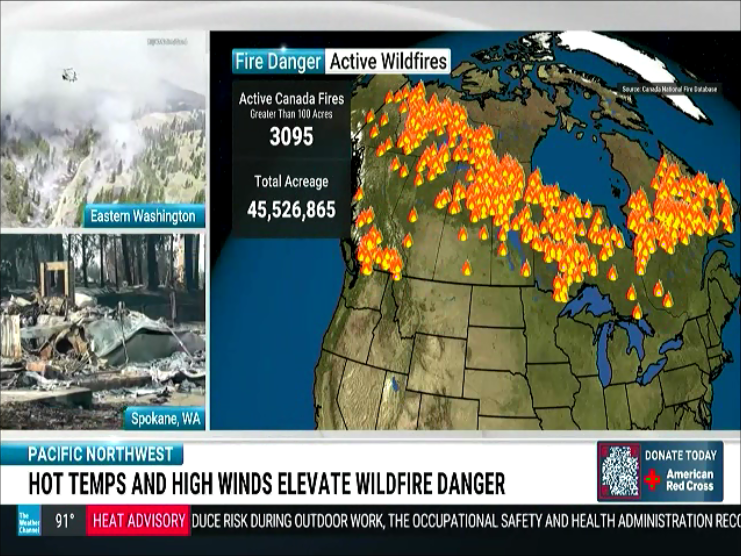
At times it seemed as if the entire country of Canada was on fire. (Credit: weather Channel)
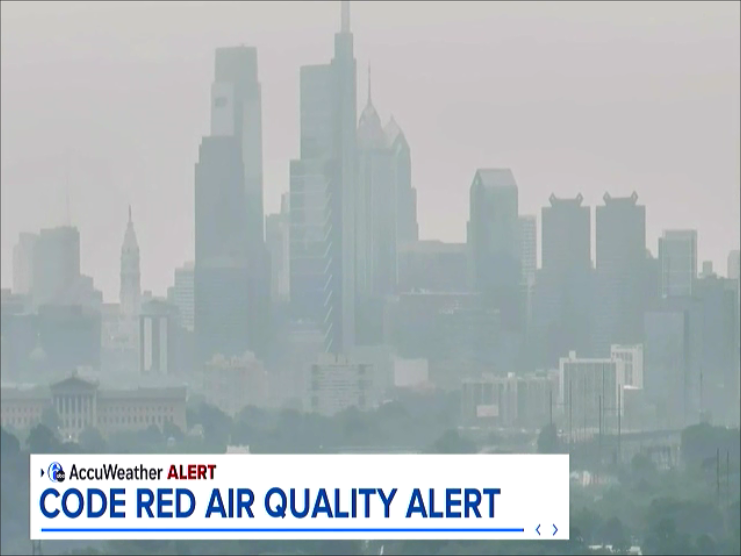
And once again the smoke from those Canadian wildfires drifted down into the US turning the air quality of many cities, including my home of Philadelphia into hazardous! Credit: WPVI)

Additionally the hot, dry conditions led to severe draughts that dried up major rivers throughout the world. In Europe the water levels of rivers like the Rhine and Danube fell so far that shipping became impossible in many places while the now exposed riverbeds revealed both sunken boats and unexploded bombs from World War 2. In Rome the Tiber River has fallen so far that the remains of a bridge built by the Emperor Nero has emerged after almost two thousand years. Several nuclear power plants in France and Hungary had to be shut down because the rivers whose waters cooled their reactors simply couldn’t supply enough water.
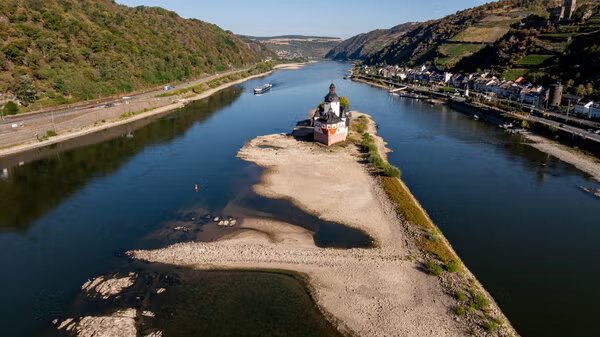
In many places the water level for the Rhine and Danube rivers has become so low that river traffic is all but impossible! (Credit: The New York Times)

In the US the draughts caused a massive problem along the country’s most abused river, the Colorado. For decades the once mighty Colorado has seen its waters siphoned off so that the people, and especially the farmers in states like California and Arizona can water their lawns while the fountains of Las Vegas are also filled with water from the Colorado. Because so much Colorado water has been diverted for human use the river itself no longer reaches the sea in the Gulf of California, instead it simply dries up.
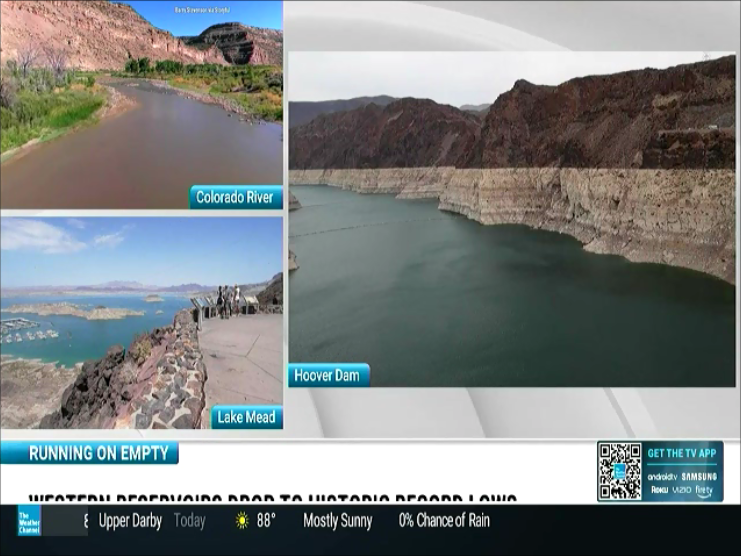
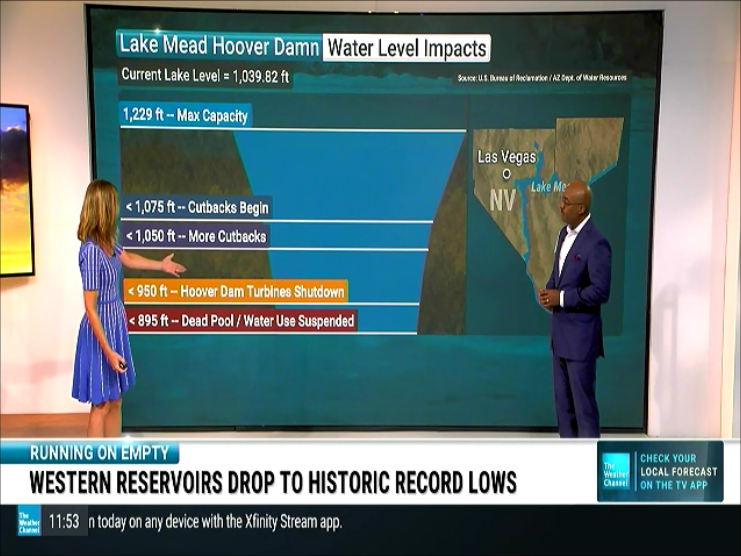
The water levels in Lake Meade and other western reservoirs are now so low that they can barely generate the electricity or supply the water that the western states depend on. (Credit: Weather Channel)
Hoover dam has almost reached the point where it will have to shut down its generators because of low water levels! (Credit: Weather Channel)

Now, adding on the draughts caused by climate change and the Colorado’s water level has fallen to historic lows. The two big reservoirs of Lake Meade and Lake Powell have so little water remaining in them that there is a distinct possibility that the hydroelectric generators fed by the lakes may have to be shut down.
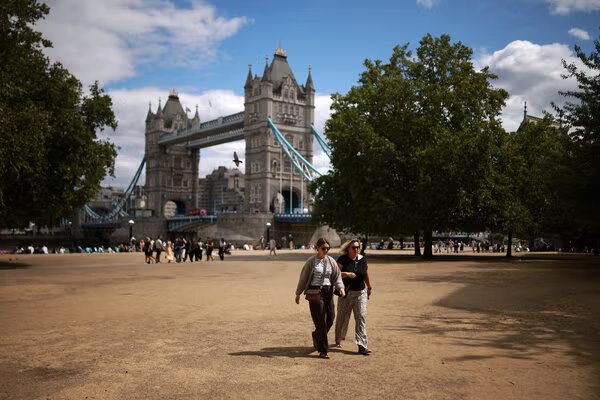
Almost three quarters of the UK has been declared to be in a drought. Here is a park in the city of London where the grass is all brown from lack of rainfall. (Credit:

And around the world the lack of adequate rainfall has reduced crop yields causing concern for the food supply of millions of people. The United Kingdom as well as France, Spain and Italy in Europe have all seen reduced agricultural yields. Meanwhile the monsoon rains that provide south Asia and east Africa with most of their rainfall have weakened over the last several years increasing the chronic problem of famine in those areas.
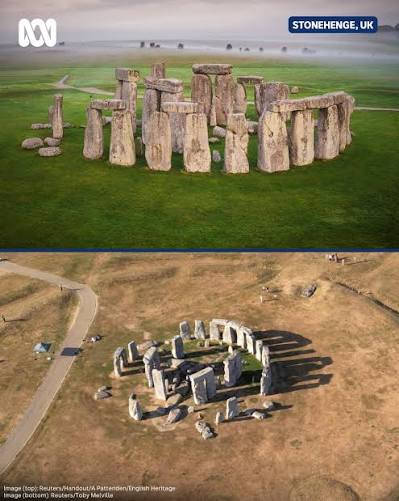
Stonehenge in normal times (Top) and this year(Bottom). The difference is obvious. (Credit: Instagram)

Meanwhile around those heat domes that are ravaging large parts of the world have come a series of storms that generated intense flooding in Kerrville, Texas, the same region that suffered so much from flooding just last year. Other regions that saw destructive floods included the Midwest states of Indiana, Ohio and Kentucky. In my home of Philadelphia and the Delaware Valley a record was set for the most Flash Flood warnings for the region ever given by NOAA. Internationally there were severe flooding incidents in Bangkok, the capital of Thailand and the Chiba prefecture of Japan.
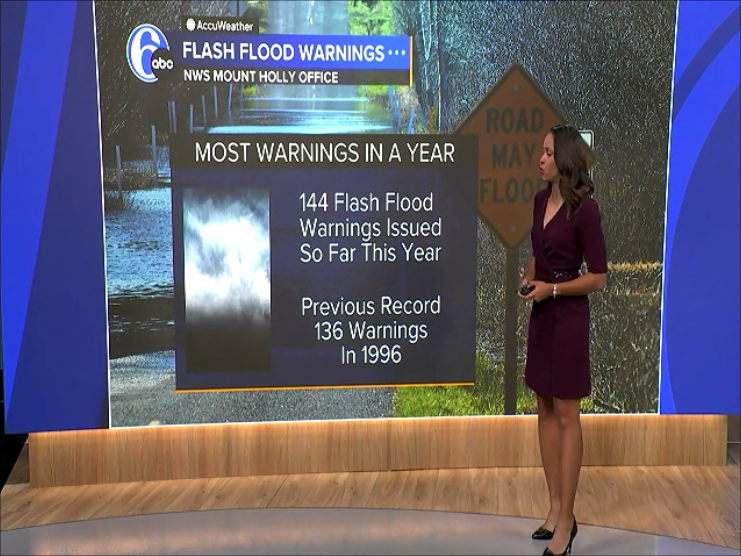
At the end of May Philadelphia was in a sever drought that had been building for a year and a half. Then, over the course of just four months the city experienced so much rain that not only was the drought gone but a record was set for the most flash flood warnings ever in the city’s history! (Credit: WPVI)

And the worst may be still to come. As I type these words the strongest El Ninó ever recorded is still growing in the Pacific, threatening to impact weather systems across the world. Just to show how every cloud has a silver lining the strong El Ninó has actually succeeded in all but eliminating the Atlantic hurricane season. In fact the first hurricane in the Atlantic this year was not declared until October the seventh, a new record for the lateness of a first Atlantic hurricane by about three weeks. On the other hand the Pacific hurricane season has been one of the strongest ever seen with numerous major hurricanes.
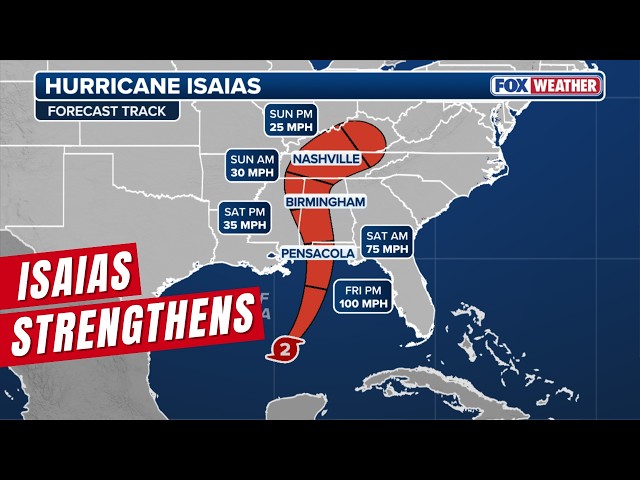
It may have taken until October but hurricane Isaias did a lot of damage to the US south! (Credit: YouTube)
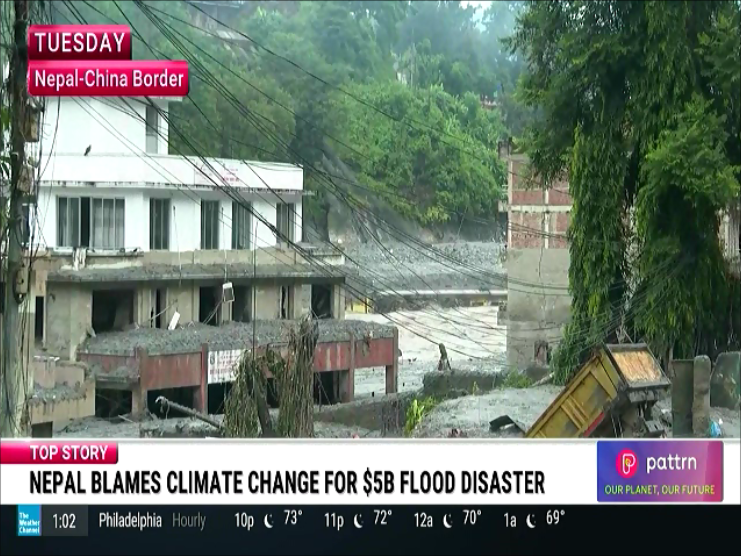
Several towns were destroyed and over a thousand people died when a glacial lake broke its banks and swept down a valley in Nepal! Climate Change is the likely cause of the lake even existing! (Credit: Weather Channel)

If all of what I’ve said above seems like a litany of disasters, well I could go on and on. Every part of the world is now suffering due to climate change. Even the remote kingdom of Nepal in the high Himalayas was devastated, as a glacial lake generated by rising temperatures in the mountains broke free and careened down a valley in the Kailash Mansarovar region of the country. The resulting flood destroyed several villages in its path and causing the death of over a thousand people.  So there you have just a brief snapshot of the deteriorating conditions on our planet due to our irresponsible burning of fossil fuels. The target limit set back in the Paris accords in 2015 of no more than 1.5ºC above pre-industrial levels has already been breached. It must be obvious to all but complete fools that the world’s temperature will only continue to climb until we, that is all of us, do the hard work of eliminating coal and oil. Only the future will tell if we are capable of doing that.
The Academy of Natural Sciences is closing its Museum after nearly 200 years. How did that happen and what does it mean for the future of Science Education in the US? 

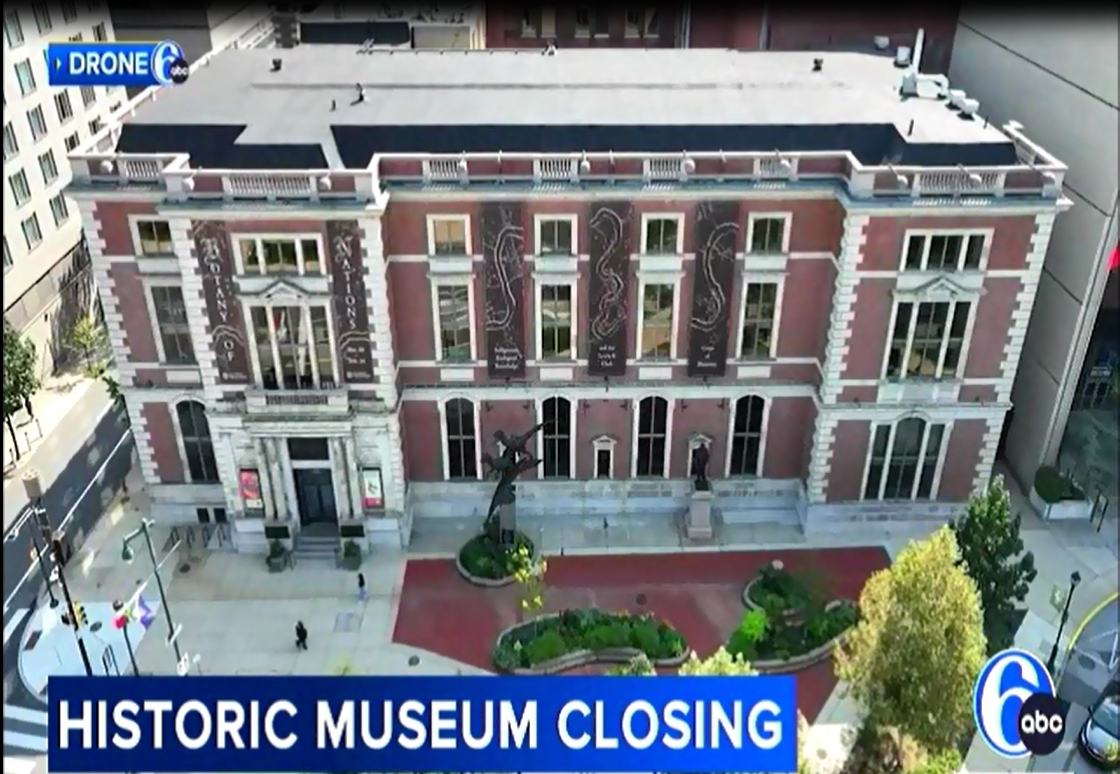
On Sunday the 27th of September the Museum of the Academy of Natural Sciences, the oldest natural history museum in the western hemisphere, closed its doors for the last time. Located at Logan Circle along Benjamin Franklin parkway the museum had played a major role in educating the children of Philadelphia and the surrounding region for generations.

Airial view of the Academy of Natural Sciences Museum building. The oldest Natural History museum in the US and a center of science learning for nearly 200 years. (Credit: WPVI)

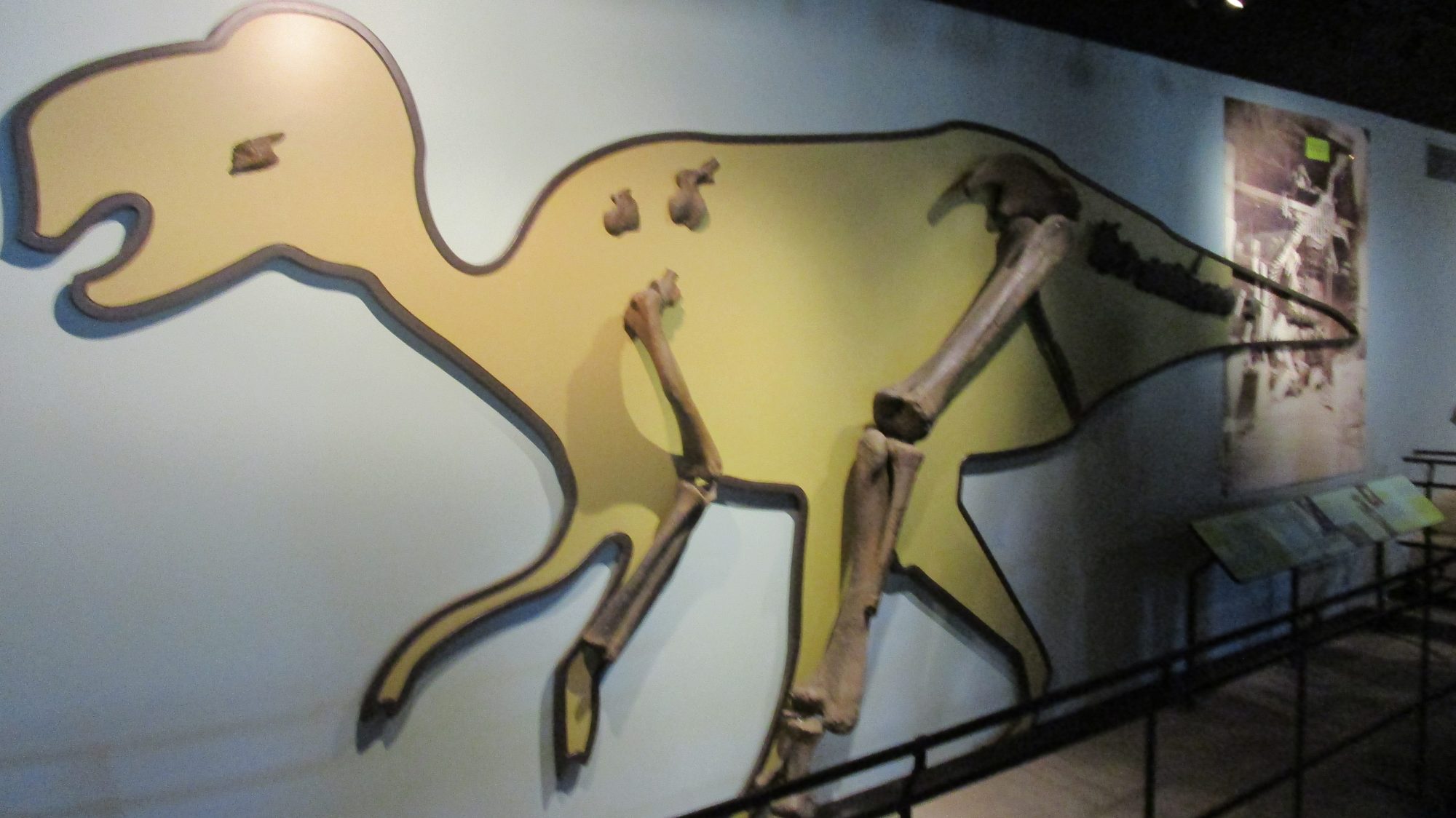
The Academy itself as a society dedicated to the advancement of science in the US was founded in 1812 and its museum first opened in 1827, nearly 200 years ago. Among its many, many accomplishments the Academy is perhaps best known for unearthing and studying the first dinosaur skeleton discovered in North America, Hadrosaurus foulkii. Excavated in 1838 just across the Delaware River in Haddonfield, New Jersey, H foulkii was the most complete dinosaur skeleton at that time. When studied by then Academy President Joseph Leidy, considered the father of American vertebrate paleontology, H foulkii was recognized as being a two-legged animal, the first dinosaur to be so recognized.

The bones of Hadrosaurus foulkii, the first dinosaur discovered outside of Europe and at the time the most complete dinosaur skeleton ever found. Notice how the front leg bones are considerably smaller than the rear legbones. That led Joseph Leidy to suggest that some dinosaurs walked on two legs! (Credit: R. A. Lawler)

The discovery of H foulkii triggered the famous ‘Dinosaur Wars’ or ‘Bone Wars’ between Edward Drinker Cope and Othniel Charles Marsh and the Academy played a significant role in them. Cope was a student of Joseph Leidy and a member of the Academy while Marsh was a professor at Yale University who visited the Academy several times to study H foulkii. Prompted by Leidy the two paleontologists went to the western US where they competed in discovering thousands of fossil species including many of the best-known dinosaurs of all including T rex and Triceratops!

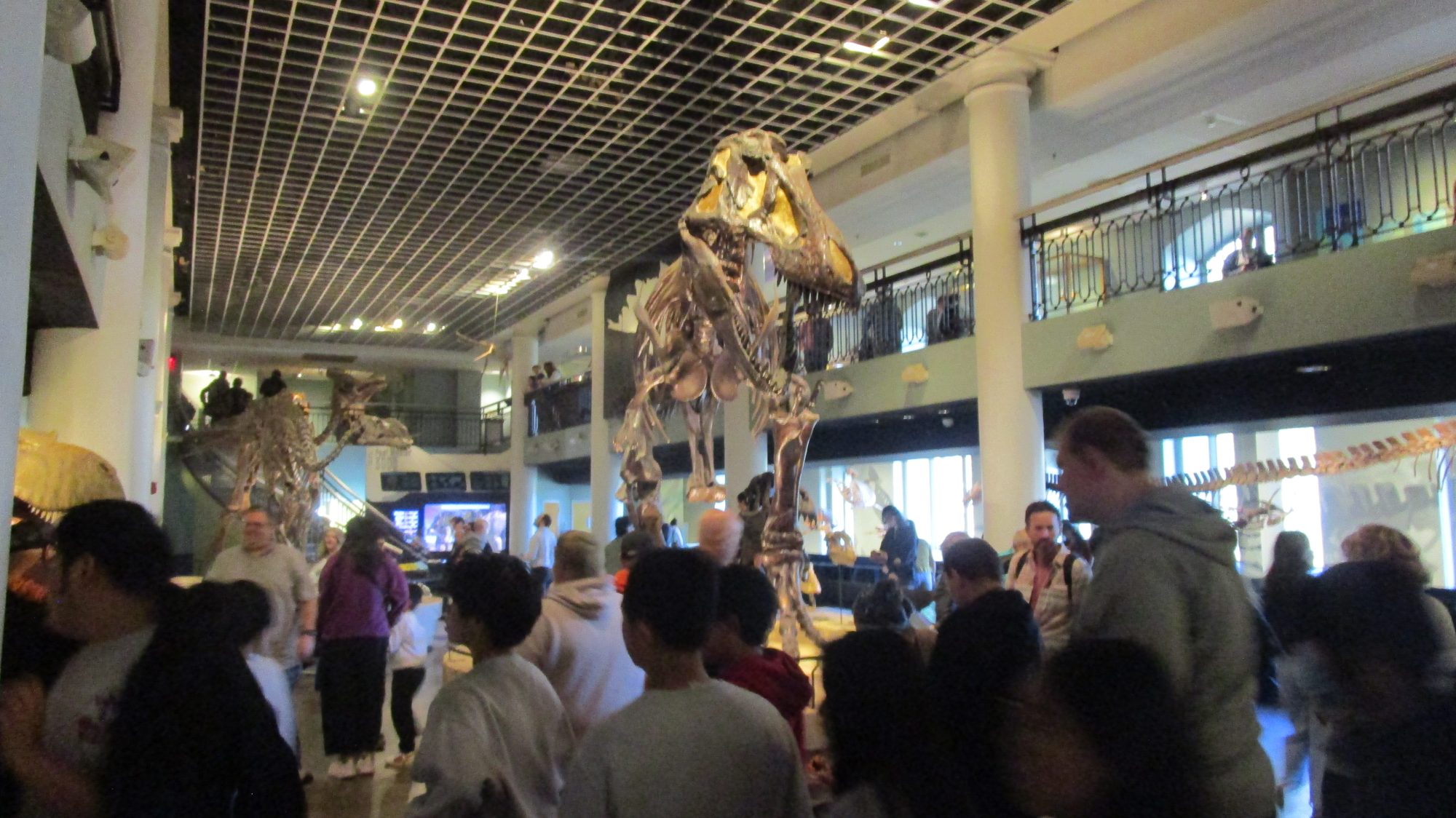
The biggest attraction at any dinosaur exhibit is of course a skeleton of T rex. (Credit: R. A. Lawler)

Over the last two hundred years the Academy has included many famous scholars as members including Thomas Jefferson, yes that Thomas Jefferson. The third President’s fossil collection is a part of the Academy’s collection. Many of the specimens brought back by the expedition of Lewis and Clark are also a part of the Academy’s collection

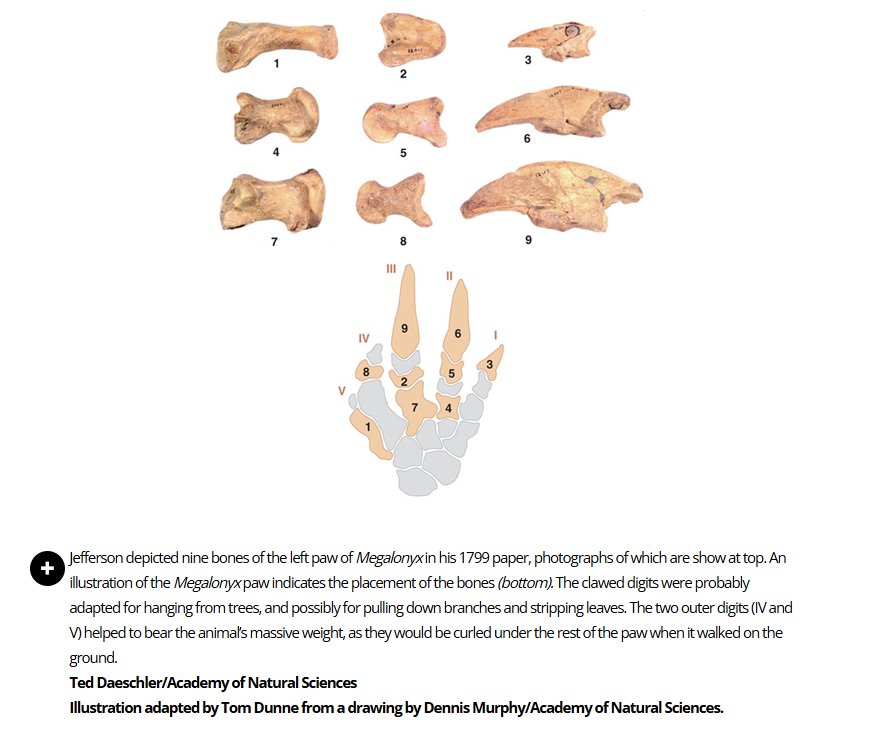
President Thomas Jefferson was very interested in Natural History including discovering and naming several fossil species himself. Jefferson’s fossil collection has been a part of the Academy’s collection for nearly 200 years. (Credit: American Scientist)

Along with Leidy and Cope other American scholars include John James Audubon, Titian Peale, George Ord and Ernst Hemingway the writer. I have seen a specimen of tuna that the author of ‘The Old Man and the Sea’ sent to the Academy that is now preserved in the collection.

The Author Ernest Hemingway was another member of the Academy, sending back specimens he collected in his many travels. (Credit: www.ernesthemingway.com)

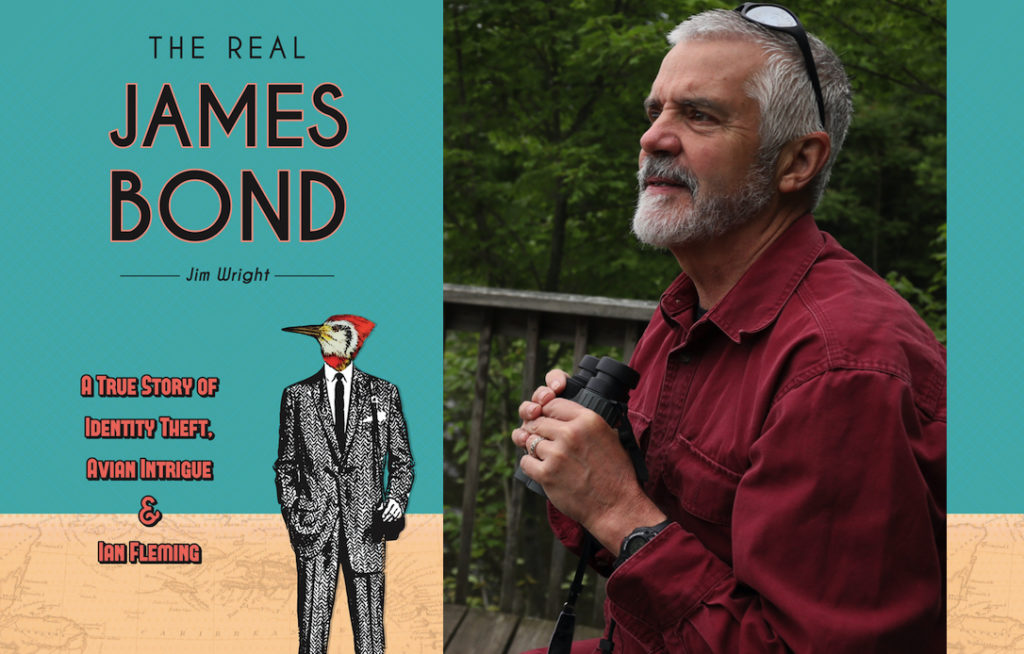
Even James Bond was a member, no not the fictional spy but the American ornithologist who was a friend of Ian Fleming and who Fleming named his spy after! Among the foreign naturalists who became ‘Corresponding Members’ of the Academy are Georges Cuvier, Thomas Henry Huxley and Charles Darwin.

The real James Bond was actually an ornithologist who was a friend of Ian Fleming’s and who worked for the OSS during WW2, that’s how he met Ian Fleming. He was also a member of the Academy! (Credit: James Bond Radio)

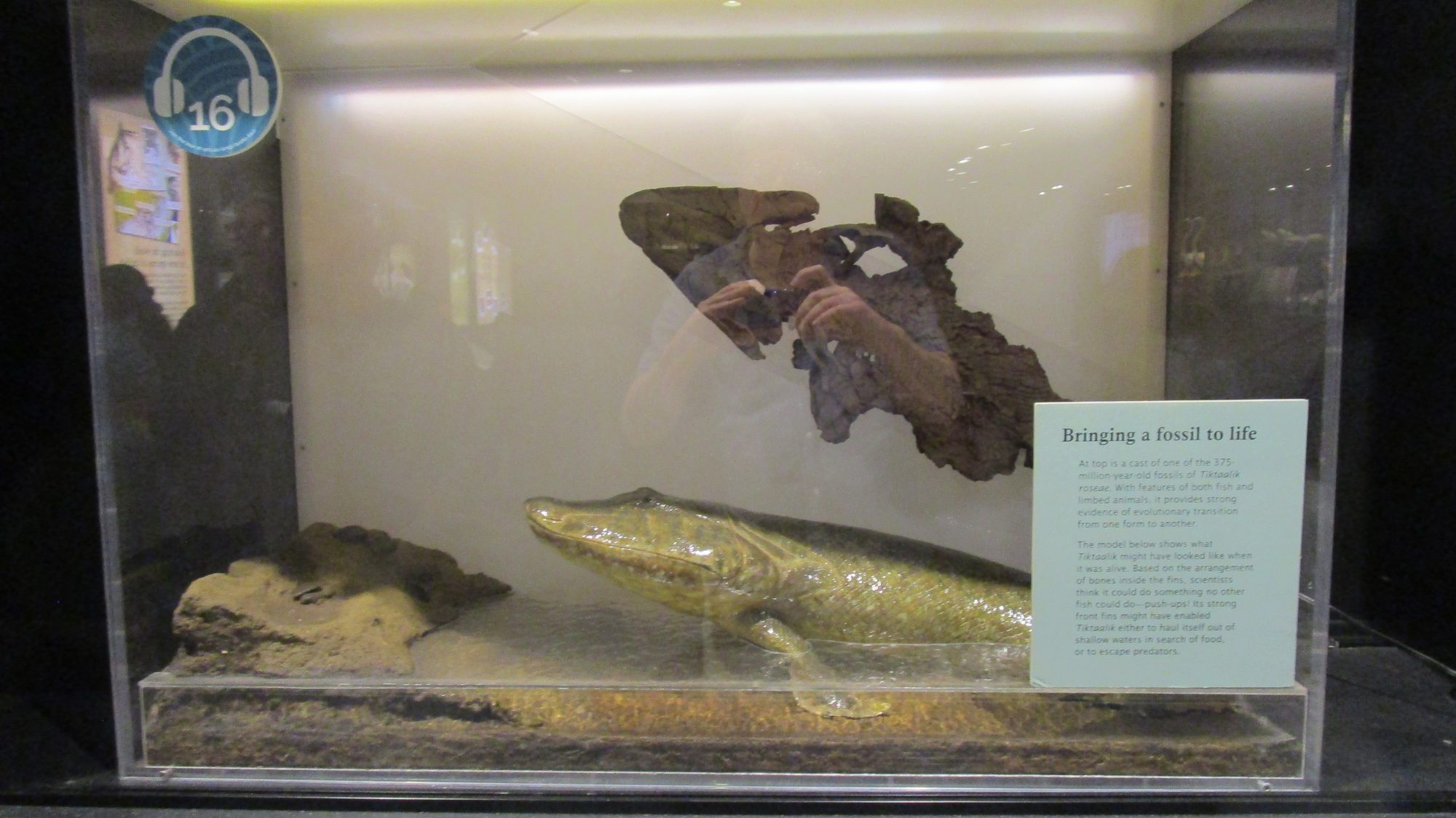
In the years and decades that followed its founding the Academy and its museum continued to be in the forefront of natural science. In its archives the Academy boasts over 19 million specimens of plants and animals, both those living today as well as fossils of extinct species. The achievements of the Academy have continued to this day with the discovery of Tiktaalik roseae, the first fish to walk on land, by the Academy’s curator of vertebrate paleontology Ted Daeschler.

The type specimen of Tiktaalik roseae (rear) along with a model of what the first fish to walk on land looked like.(below). (Credit: R. A. Lawler)

My own association with the Academy goes back to my childhood, I was certainly less than ten years old the first time I visited the Academy’s museum and saw my first dinosaur, H foulkii of course. While my eventual degree was in physics rather than a natural science I have been a member of the museum for decades and have always enjoyed my interactions with the scientists at the Academy. That’s true of many of the people of Philadelphia and the Delaware valley. Many are the local schools that would arrange student trips to the Academy’s museum and generations of children got their first look at a dinosaur the same way I did.

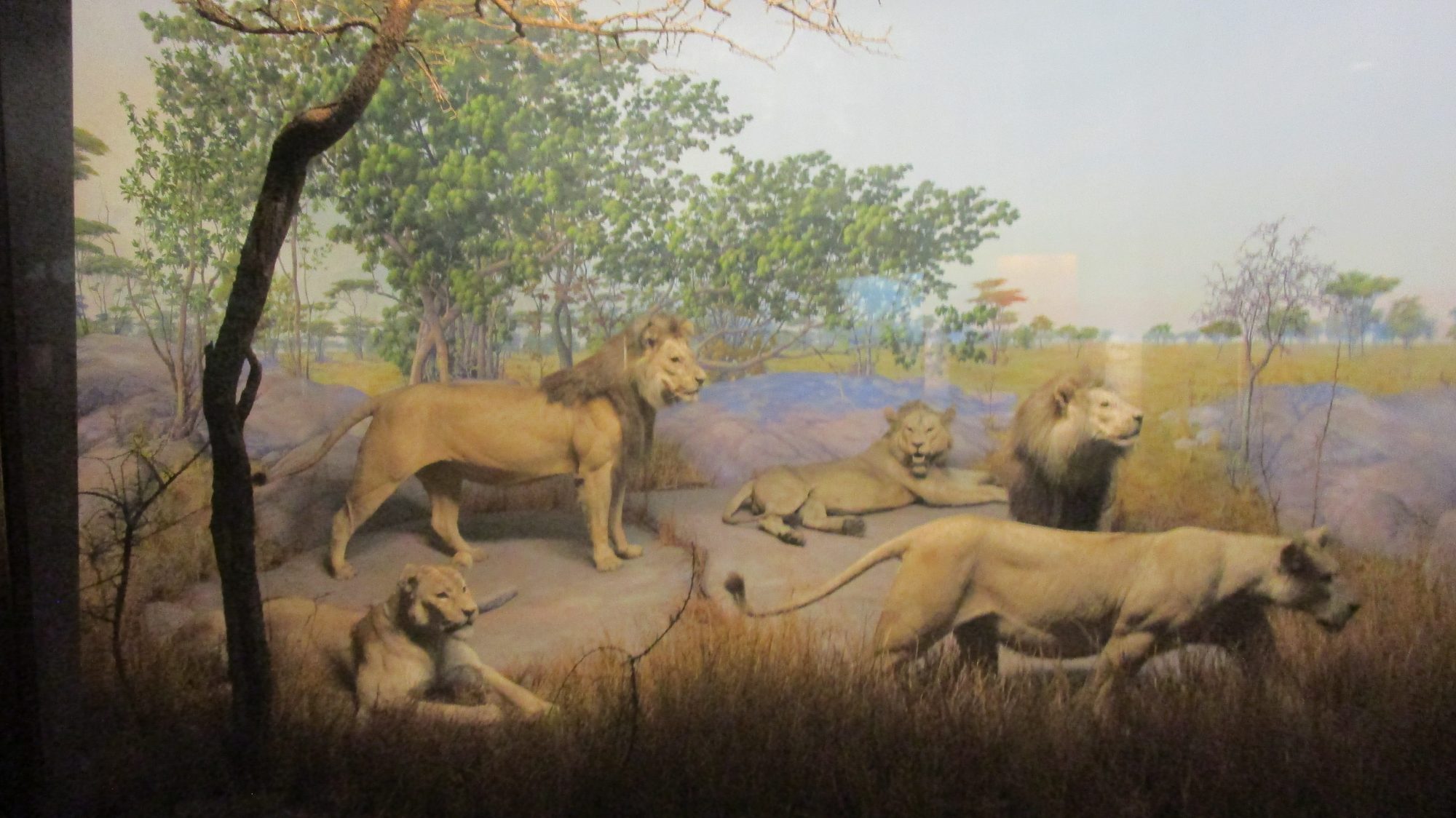
The Academy’s dioramas of animals from around the world may be a bit dated but for over a hundred years they have taught the children of Philadelphia a great deal about the planet they live on. (Credit: R. A. Lawler)

So, what happened? Why has the Academy suddenly announced that its museum, which will be celebrating its 200 birthday next year, is going to close its doors and the Academy’s collection of specimens, over 19 million, going to be moved?

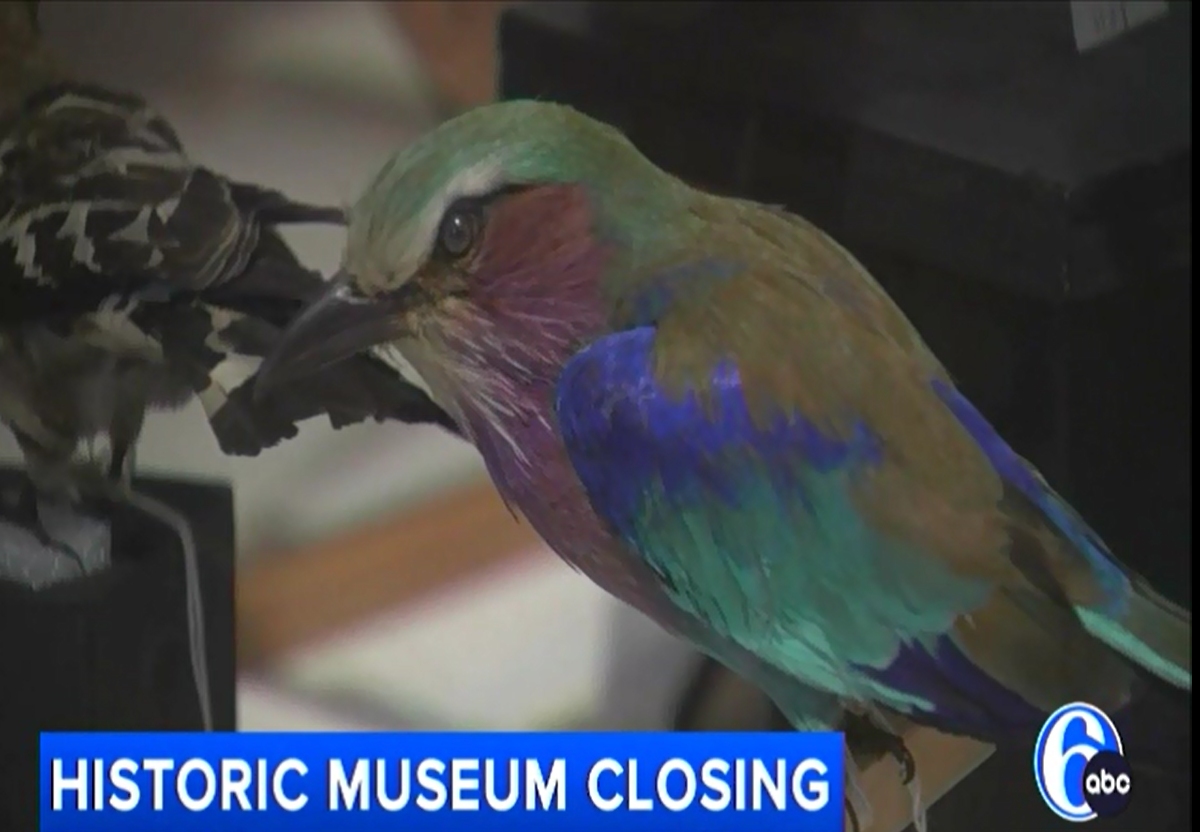
Just one of the more than 19 million specimens that the Academy has in its collection. (Credit: WPVI)

Simply put, lack of attendance, along with a building badly in need of costly repairs. Like many science and cultural museums throughout the country people just aren’t coming to see the exhibits, they’d rather go to a ball game or even worse a casino. Over the last several years the revenue coming in from the museum has failed to keep pace with the cost of keeping it open.

Couldn’t have said it better myself. (Credit: WPVI)

The Covid pandemic also played a part in accelerating the process but to be honest nowadays we just live in a society that wants to ignore reality in favour of fantasy. We Americans want games or movies about superheroes or zombies or bigfoot or aliens… well if it’s make-believe Americans will probably pay to see it. They won’t pay to see things that actually do exist. We just don’t want to deal with reality anymore.

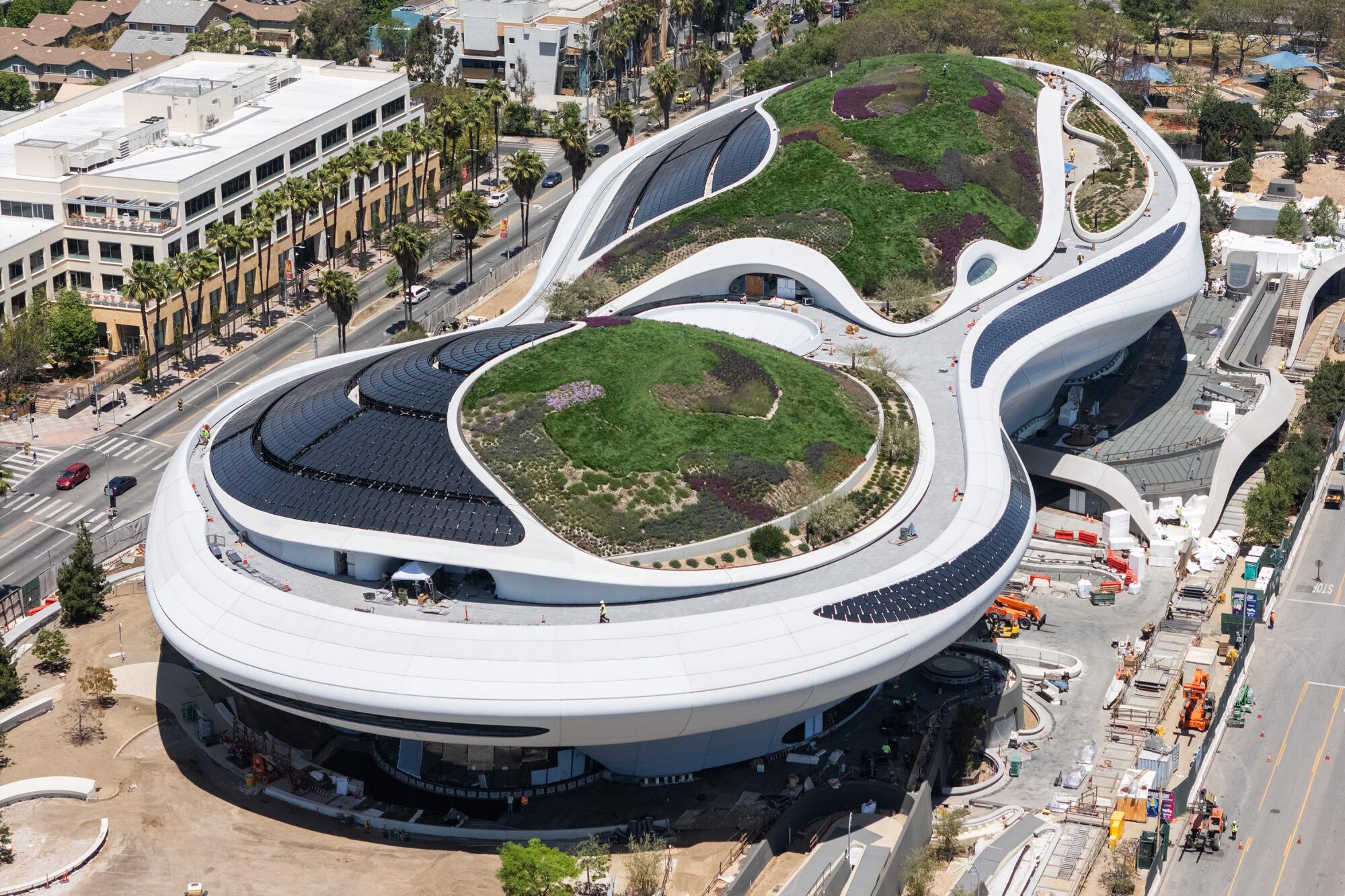
The brand new George Lucas Museum shows how a billionaire’s money can flatter him rather than doing something to improve the education of all of society! (Credit: LA Times)

There’s also a rumour going around that there are plans in the works to convert the Academy’s building into high priced condos or apartments. I hope that is really just a rumour, but these days you never know, and in that part of center city Philadelphia real estate is very valuable.

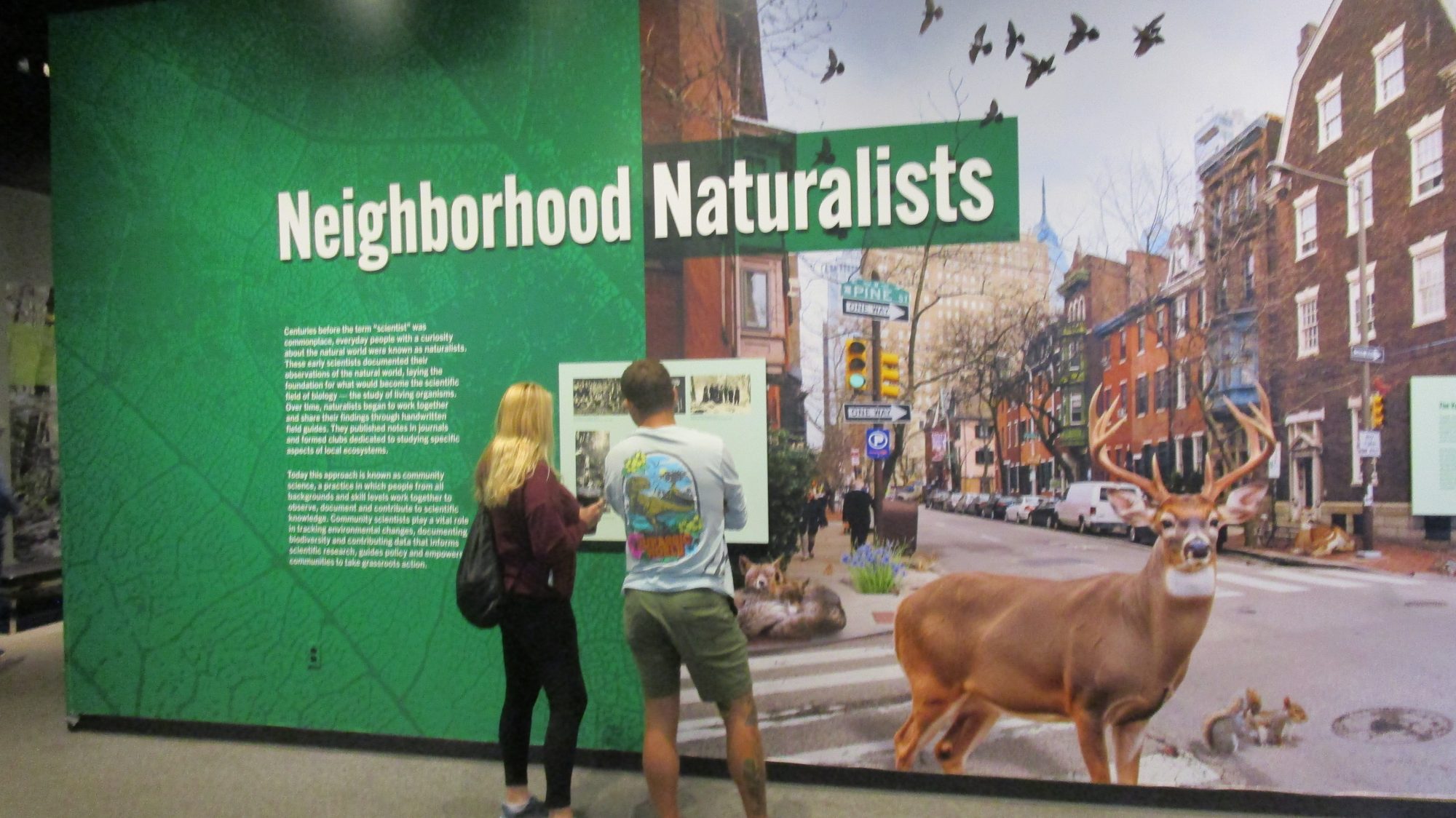
As a part of their work the Academy’s scientists study the wildlife that live inside the unban environment of Philadelphia. (Credit: R. A. Lawler)

According to the official announcement from the Academy the closure will allow the Academy to continue its important work in research and education. In my opinion the closure of the museum will virtually eliminate the educational benefits of the Academy but, hey, that’s just the opinion of someone who has visited the museum hundreds of times.

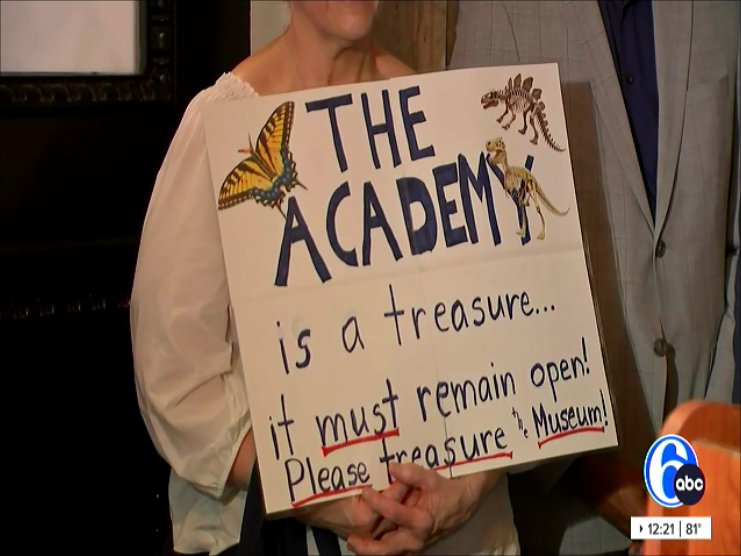
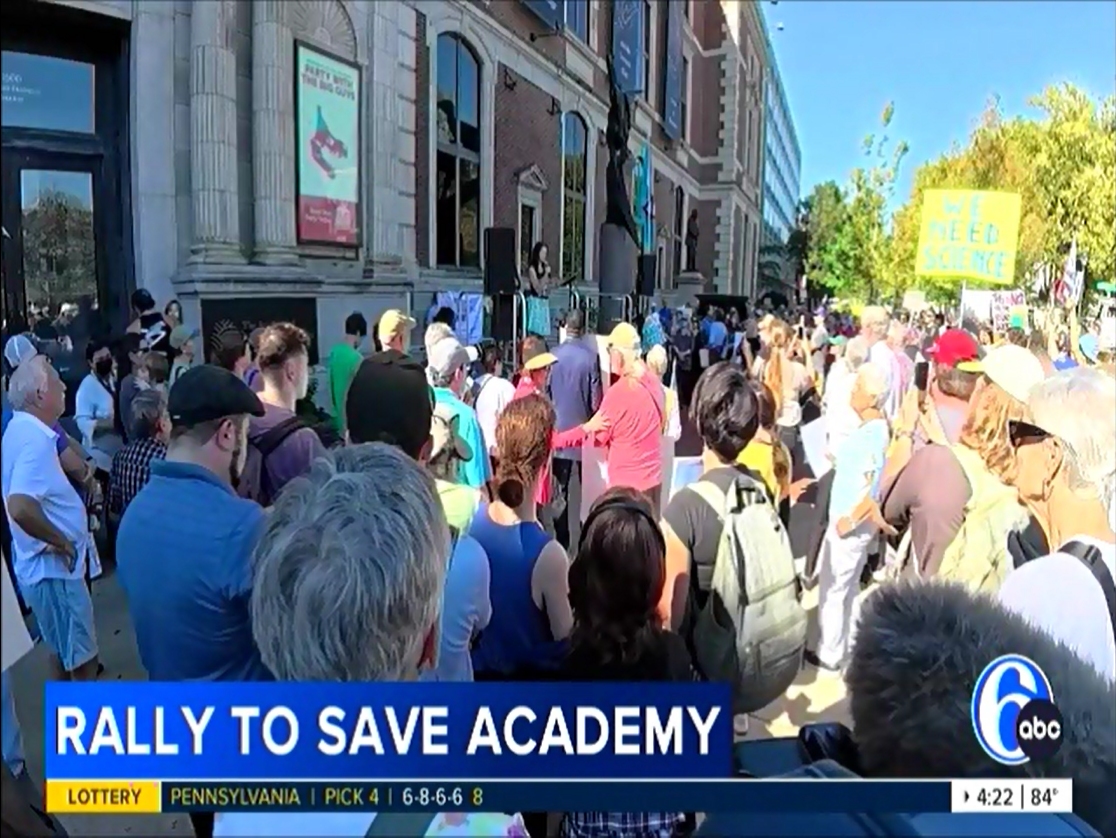
There have already been several rallies and petitions to try to keep the Academy’s museum open. Hopefully they will succeed but the future of science education in this country is far from secure! (Credit: WPVI)

There has been pushback, protests against the museum’s closure. Several members of Philadelphia’s city council are searching for money to keep the museum open, perhaps not at its present site but in some smaller venue. So there you have it, our country is loosing yet another of the scientific establishments that helped make it a leader in science and technology. It’s very strange that in trying to ‘Make America Great Again’ the last thing we’ll do is anything that made us great in the first place!