Book Review: ‘The Man who Broke Capitalism’ by David Gelles. 

I case you’re wondering the man referred to in the title ‘The Man who Broke Capitalism’ was Jack Welch, the CEO of General Electric Corporation from 1981 to his retirement in 2001. When Welch became CEO General Electric (GE) was one of the largest companies in the world, with some 411,000 employees. Ever since its founding by none other than Thomas Edison in 1882, GE had been in the forefront of innovation and technology. Starting with Edison’s light bulbs the company had invented toasters, refrigerators, air conditioners, jet engines along with thousands of other products, products that helped the US become the most advanced nation on Earth.

Author David Gelles with the cover art for his book, ‘The Man who Broke Capitalism’. (Credit: Walmart)
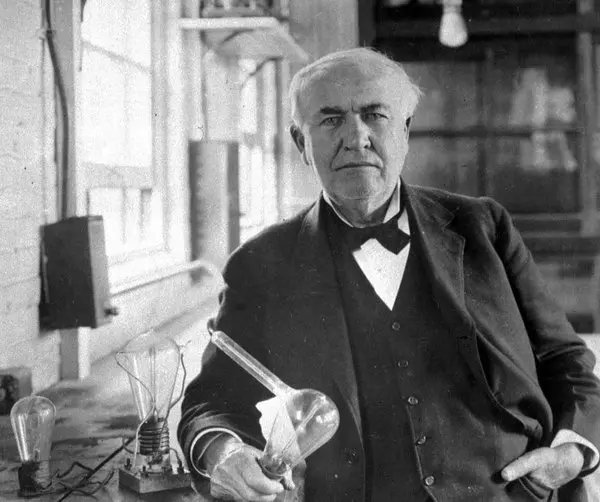
The Founder of General Electric (GE) with his most famous invention, perhaps the most famous invention of all time! (Credit: New York Times)

At the same time GE was also known as a really good place to work. Good pay combined with great benefits along with just a feeling that each and every employee was appreciated. GE was considered a standard of good corporate behaviour against which other companies could be judged.
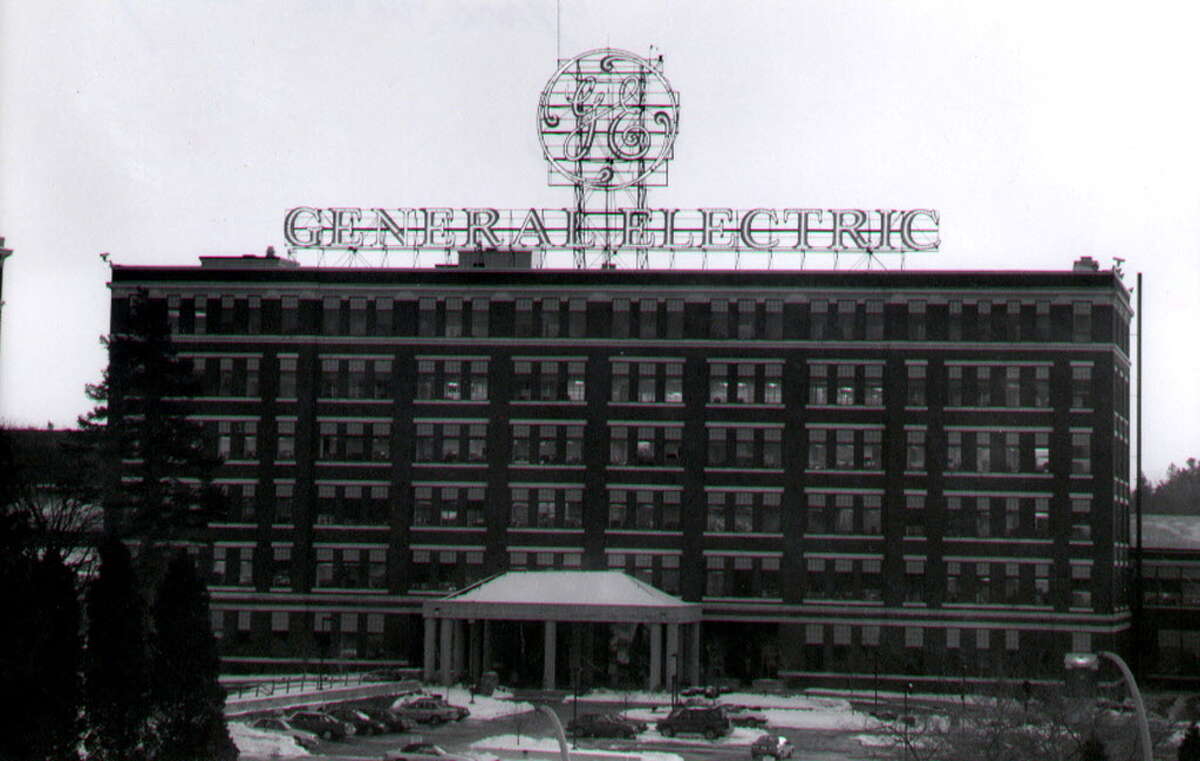
In dozens of factories around the US General Electric (GE) was considered a great place to work and contributed greatly to the wealth and prosperity of our country! (Credit: Times Union)

In the late 1970s however America was in the doldrums, not only had the Vietnam War caused divisions within the country but the other nations of the world, nations that had been all but destroyed in World War 2, had rebuilt their economies and were cutting away at the ‘edge’ that the US had enjoyed in the 50s and 60s. At the University of Chicago an economist named Milton Friedman was claiming that he had the solution to all of the country’s problems, lower taxes and less regulation. According to Friedman the regulated, big government economy that had developed under FDR and subsequent Democratic Presidents was sapping initiative from entrepreneurs while government regulations made it more difficult to grow any business.
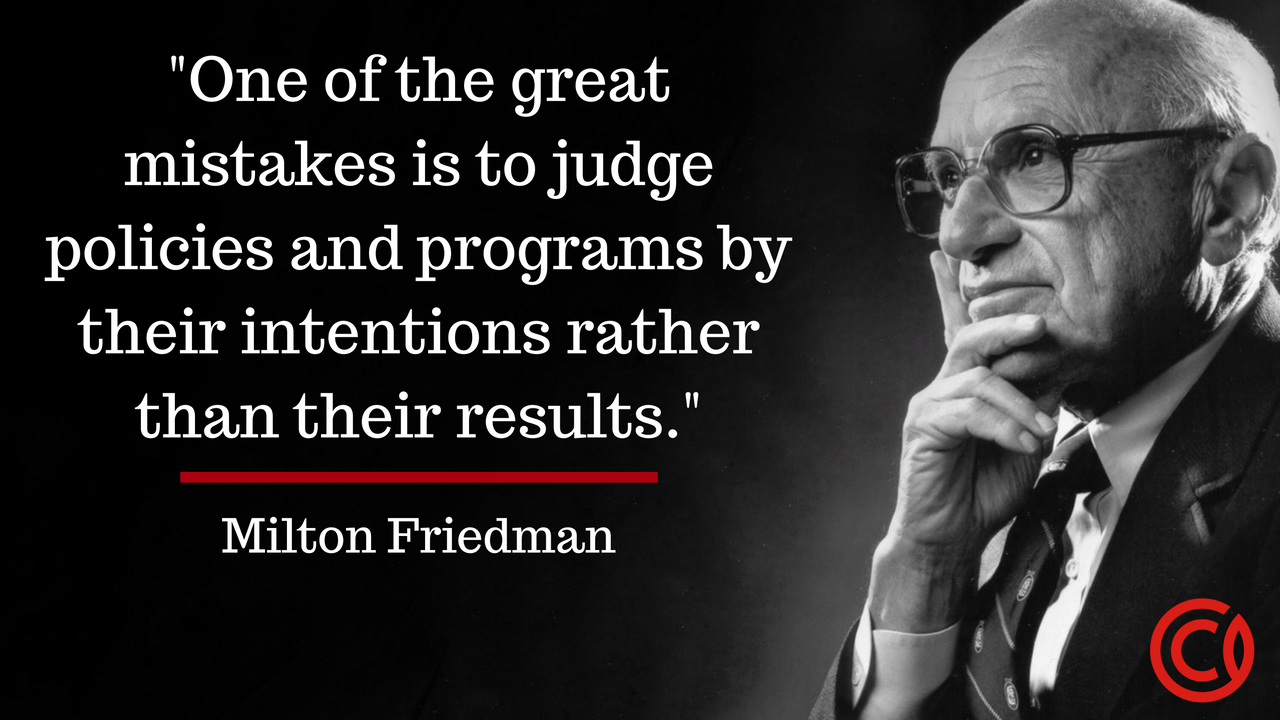
It would be nice if Friedman was still around to see the results, the damage, his policies have done to the US! (Credit: www.capitalism.com)

Friedman maintained that by lowering taxes; say by 10% and reducing regulations the economy would quickly grow by at least 10% so there would actually be no reduction in government revenue, taxes would bring in a smaller share of the pie but of a bigger pie, so no real change! Not only that but since ‘a rising tide lifts all boats’ everyone in the country would share in the benefits of the larger economy. This was known as ‘Trickle Down’ economics.

‘A Rising Tide lifts all Boats’ was the goal of supply side economics. It didn’t work out that way with the millionaires taking all of the profits while the middle class lost good paying jobs and much of the government’s safety net! (Credit: Leverage Edu)

These ideas were called ‘Supply Side Economics’ and they became a cornerstone of Ronald Regan’s campaign for President. So much so that they quickly became known as ‘Reganomics’. When elected Regan quickly put theory into practice and indeed the country did soon bounce back from a deep recession.

President Regan explaining to the American people how ‘Reganomics’ will work. (Credit: Simple Wikipedia)

It was a coincidence that Regan became President the same year that Jack Welch became CEO of GE. Nevertheless Welch went even farther into Friedman’s theories, including the ideas that corporate management’s only responsibility was to it’s shareholders, not employees or even customers, only stockholders. Welch was determined that GE would announce large dividends every business quarter and that the price of GE stock would always go up.
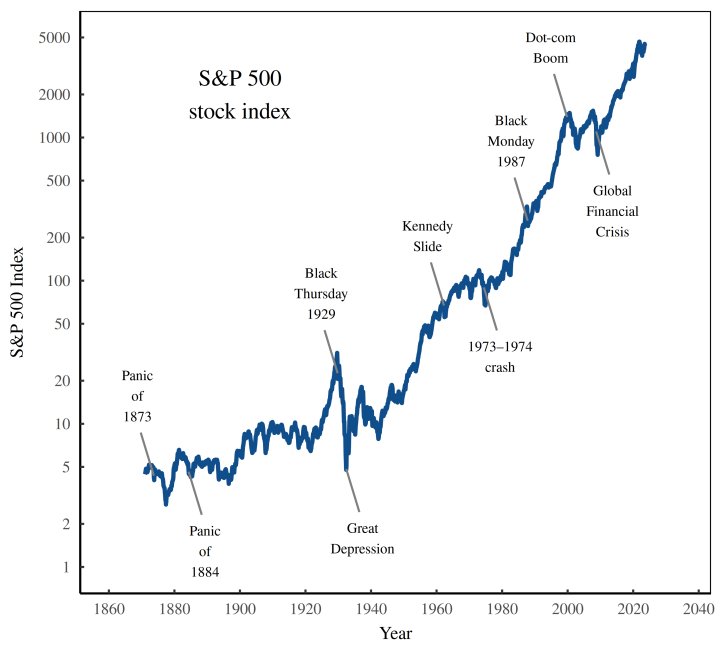
No matter how hard the economists try, the price of stocks does not always go up and the vast majority of people need a safety net to protect them during hard times. (Credit: Economics from the top doen)

Welch saw employees as a cost, not a benefit so he cut jobs wherever he could, earning him the nickname ‘Neutron Jack’ after the neutron bomb that killed people but left buildings intact. Before Welch became CEO GE had an entire department of 300 engineers and support personnel whose job it was to plan for the future, imagine new products that the company could develop. They were the first to be fired, Jack didn’t care about the future only about the next quarter. It is a fact that in the 45 years since Welch, GE, the company founded by arguably the greatest inventor of all time has invented nothing.
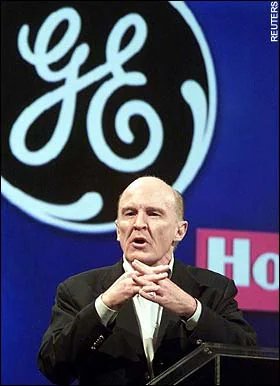
Neutron Jack Welch got his nickname by firing over 100,000 GE employees while the factories remained standing. (Credit: The Telegraph)

Welch put into place a tiered system of employee ranking that basically resulted in about 10% of GE’s employees being fired every year. The remaining 90% were not only made fearful for their jobs but actually forced to work mandatory overtime to make up for the work done by the lost employees. I have met quite a few engineers who left GE during Welch’s time as CEO because the place was simply a horrible place to work. Jack’s treatment of his workers not only eliminated the less productive employees but at the same time it saw many of the best staff leave for someplace, anyplace else. Welch was also one of the pioneers in moving manufacturing jobs overseas where labour rates were much lower than here in the US.

Waiting in the unemployment line. Supply side economics has resulted in this for millions of American workers. (Credit: ThoughtCo)

Welch wanted GE to get into the business of finance, moving money from one ledger sheet to another, and taking a cut for the privilege. In finance there were no actual products to be built, so you needed very little manpower, i.e. less employees. Now, GE had always had a credit card that allowed customers to buy GE products on credit. Welch went much further, buying up banks and getting into real estate, including helping to finance Trump Tower in New York City.

GE, the company founder on the inventions of Thomas Edison, helped finance the building of Trump Tower. Am I the only person who thinks that’s crazy? (Credit: www.trumptowerny.com)

In addition to his heavy handed, but still legal tactics Welch also was adept at ‘creative accounting’ such as saying an large order was completed a week or so before it actually was in order to make this quarter’s sales figures look better, or exaggerating losses so as to provide tax breaks. During the 1980s and 90s many companies carried out such tricks and all the federal government would do if you were caught was to enact a fine that probably wasn’t as much money as the company had gained by the trickery. No member of management ever went to jail for the frauds.
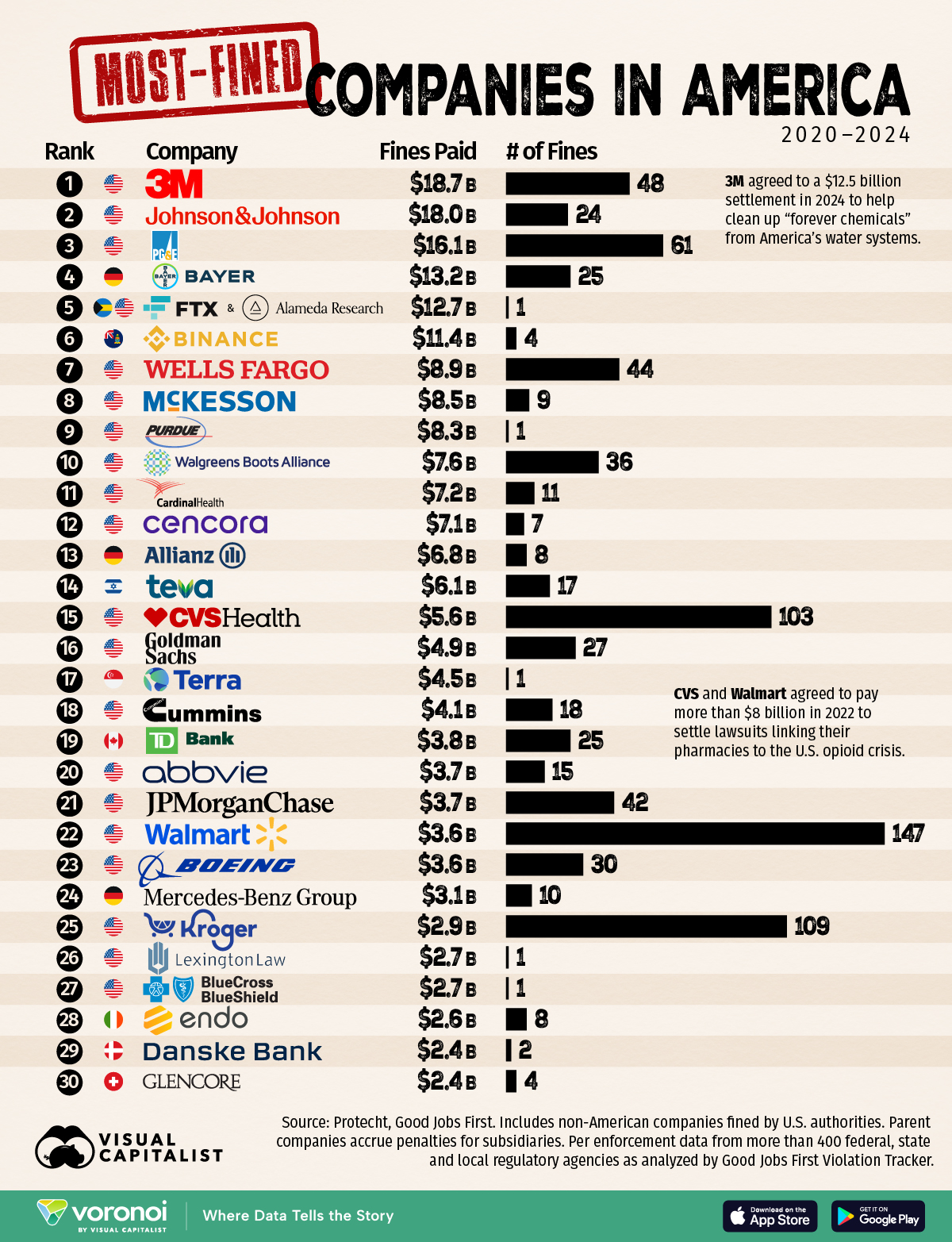
When a corporation breaks the law, nobody actually goes to jail. Instead, the company pays a fine and managers just go on breaking the law, all in the name of profit you understand! (Credit: Visual Capitalist)

I could go on, as author David Gelles does in ‘The Man who Broke Capitalism’. Additionally Gelles details how many of the managers who worked for Welch at GE later became CEOs of other companies and followed Welch’s strategy of business. Few however were as successful as Welch himself.

RCA was another corporation that followed Jack Welch’s policies. Unlike GE, RCA went completely belly up! (Credit: Instagram)

In fact all that Welch and his acolytes actually did was to take healthy, profitable corporations and squeeze them, cutting costs to provide money for the stockholders until there was nothing left to squeeze and leaving little if anything left of a once healthy company. The Radio Corporation of America (RCA) is an example. RCA had practically invented both radio and television but when Jack Welch bought it in 1985 he simply cut it to pieces and sold off most of the pieces. All Jack really wanted from the deal was NBC, then owned by RCA, he quickly sold off the electronics and space divisions which is one of the big reasons why today we all buy our electronics from Japan, Korea or China.

It used to be that radios and TVs were ‘Made in America’. But at the time that the VCR came along American corporations made the intentional choice not to build them. That’s why all of our electronics are now made in Asia! (Credit: Porter Electronics)

‘The Man who Broke Capitalism’ is a detailed account of how Welch, and others made themselves filthy rich while driving millions into poverty. The book is also easily readable, with very little business technical jargon. In the last chapter the author Gelles gives some concrete steps that our country can take to rid itself of the curse of Welchism, and ‘supply side economics’ in general.
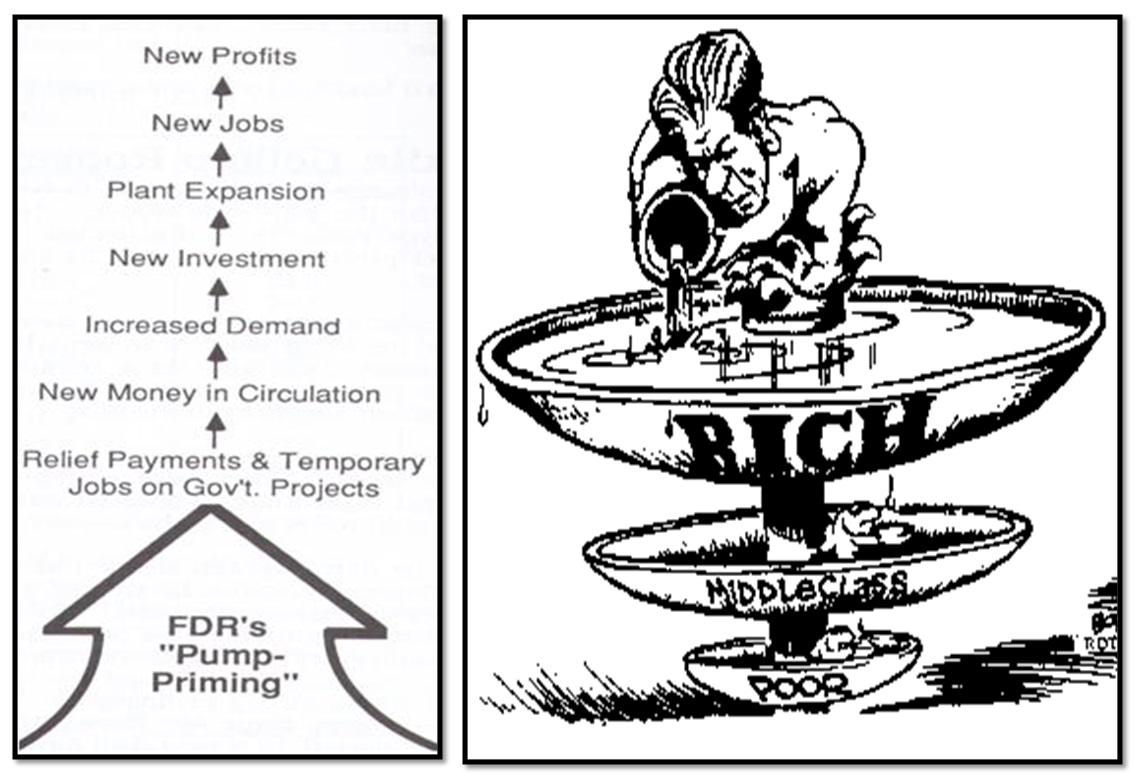
Economists are finally starting to take a new look at ‘Demand Side’ economics, the policies of FDR now that the problems of Reganomics have become obvious. (Credit: PBworks)

So I heartily recommend ‘The Man who Broke Capitalism’ it’s an important book about how we got into our current mess, and that’s a necessary part of getting ourselves out of it.


Space News for August 2026. 

There’s a lot of news that’s happened lately that could have major effects on the way that space exploration will play out over the next decade or two. So let’s get to it!

We’ve been exploring Outer Space for nearly 70 years now, so it has a lot of history behind it and of course it’s making history all of the time! (Credit: The Spaceinfo Club)

I’d like to start with a mission that may have escaped the notice of a lot of people but which is very important in view of developing space technology and infrastructure. In order to be able to function properly while in space every satellite has to be able to communicate with the ground, which means it has to have its antennas pointed back to Earth. This is especially true of the big communications satellites that are located in geostationary orbits, 36,000 km above the Earth’s surface.

When placed in a Geostationary orbit at 36,000 km above the Earth’s surface a satellite will appear to remain in the same position in the sky. Of course being so far from Earth it’s really hard to repair or refuel such a satellite! (Credit: Module 2: Weather Satellites and Orbits)

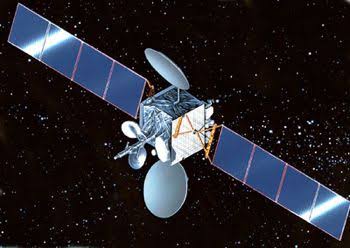
In order to maintain their proper orientation, with their antennas pointing back at our planet, communications satellites have station keeping rocket engines that must fire every so often when the satellite begins to drift out of position. Of course, these rocket engines only have so much fuel and when that runs out, well it won’t be long before that multi-million dollar satellite is just useless junk. The lifetime of any communications satellite is therefore basically a matter of how long its fuel lasts.

Communications satellites, like the Intellsat 5 shown here, must keep their antennas pointed towards Earth if they are to do their job. This requires an occasional burst from station keeping rocket engines on the satellite. When those rocket engines run out of fuel then the satellite is pretty much space junk! (Credit: www.astronautix.com)

Engineers have been talking about how to extend the lifespan of such expensive satellites ever since the 1980s; I know some of those guys! There are basically two ways to it. The first would simply be to refuel the satellites rockets while they are in geostationary orbit. That would require a specially designed ‘tanker’ spacecraft that could go up to geostationary orbit and do the refueling. At the same time it would require that communications satellites be designed so that they can be refueled, which currently none of them are!

The idea of refueling a satellite, or spaceship has long been recognized as necessary if we are to really being exploring our Solar System. (Credit: WSJ)

The second alternative would be to have a spacecraft go up to geostationary orbit, rendezvous with a communications satellite and attach a specially designed module to the satellite, a module that contains new, fully fueled rocket motors that can keep the satellite oriented properly for at least several more years. The big advantage of this scheme is that it can work with existing communications satellites.

The Mission Robotic Vehicle (MRV) on the right attaches itself to a communications satellite and then the MRV uses its engines to keep the communications satellite pointing in the right direction! (Credit: National Defense Magazine)

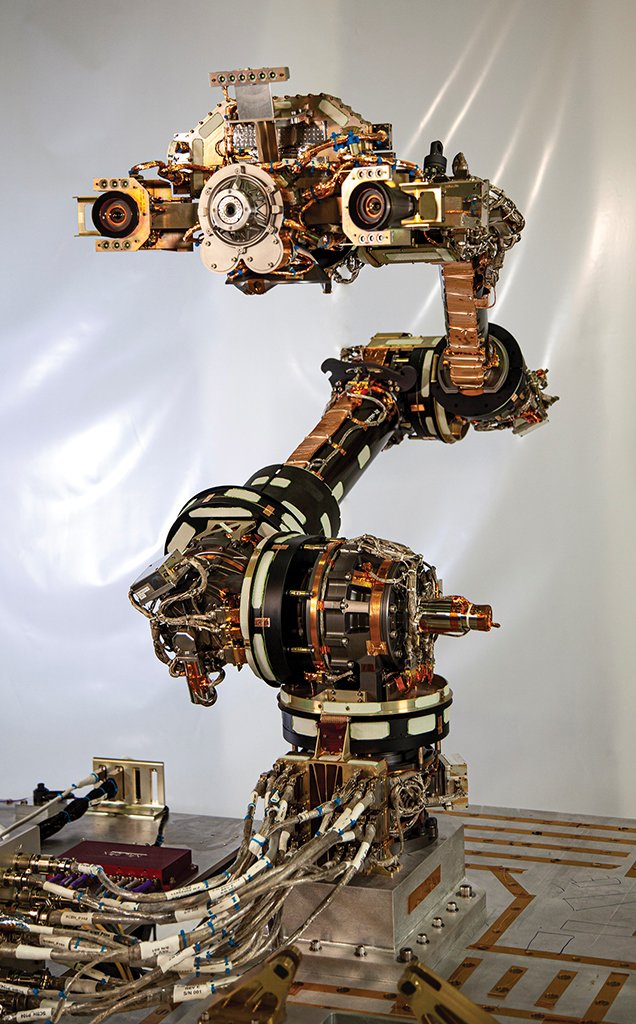
And that is exactly what was launched aboard a Falcon 9 rocket on the 21st of July. Developed by Northrop Grumman the ‘Mission Robotic Vehicle’ (MRV) will spend the next few months climbing to geostationary orbit where it will use its 3m long arms to attach ‘jetpacks’ to three communication satellites, extending their useful lives by an estimated six years each.

The ‘arms’ of Northrup’s MRV. Looks like something out of a Grade-B SF movie doesn’t it? (Credit: Aviation Week)

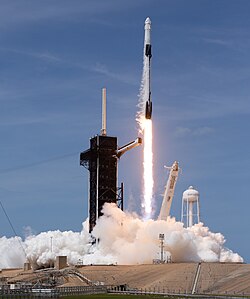
The MRV itself is about the size of a mini-van while each of the jetpacks is the size of a washing machine. After it has serviced the three satellites Northrop even hopes to launch more jetpacks enabling the MRV to service more satellites. In the long run the development of this technology will help to further reduce the cost of doing business in space, the fact that Northrop’s MRV was launched into space by the reusable Falcon 9 illustrates that point.

The Space X Falcon 9 rocket is reusable. That ability has greatly lowered the cost of getting into space. Now it is hoped that the MRV will lower the cost of staying in space! (Credit: Wikipedia)

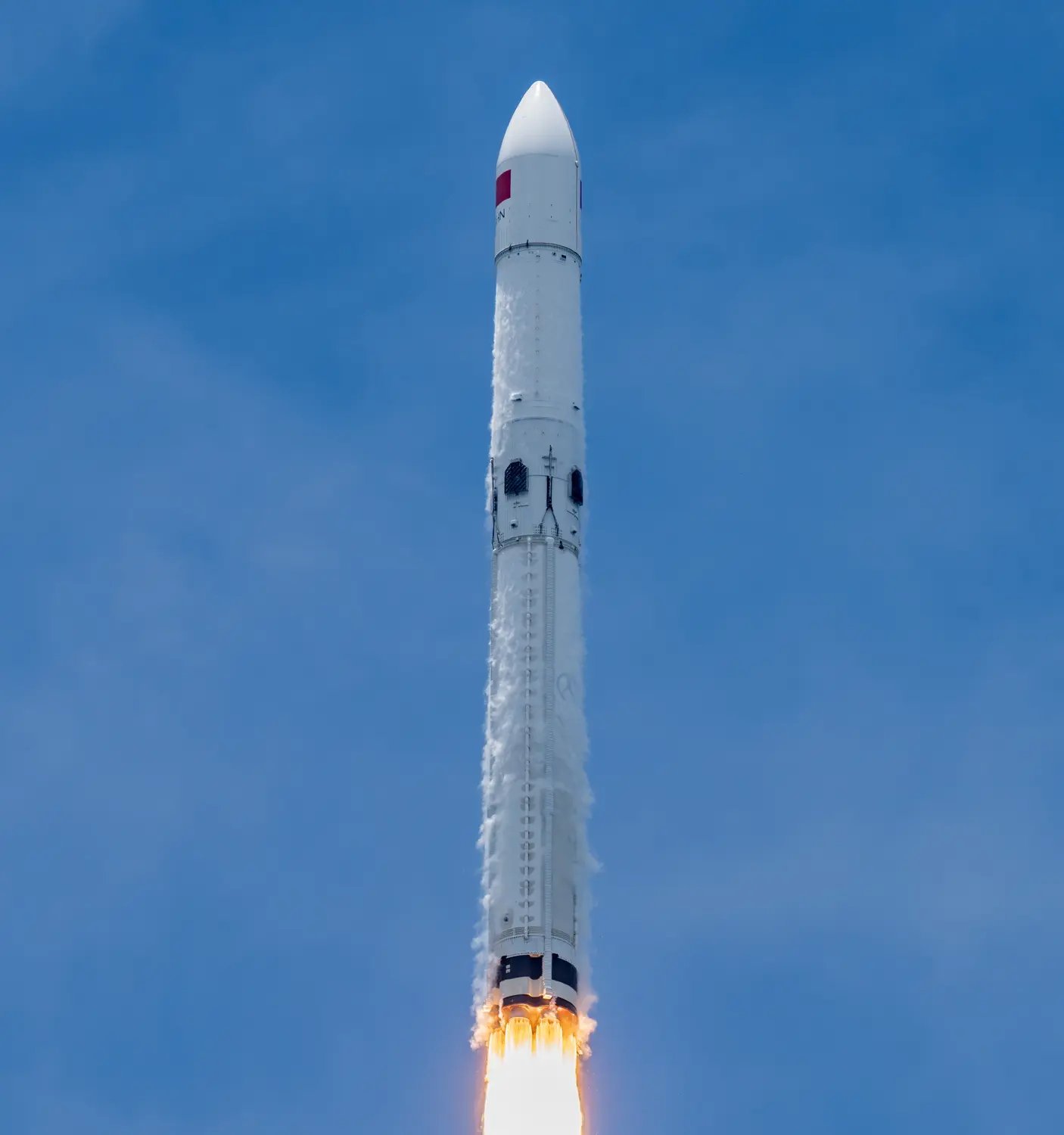
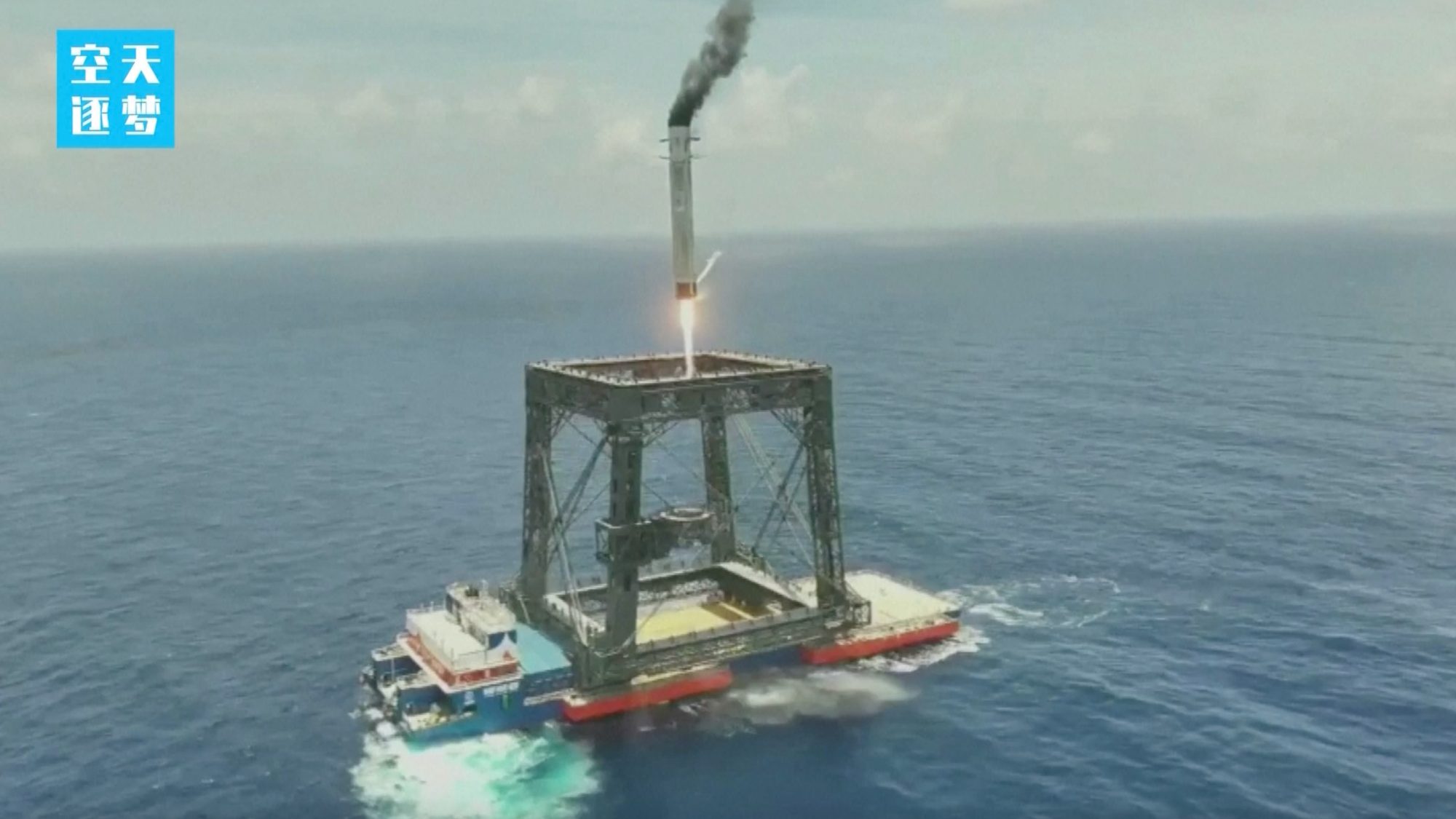
Speaking of reusable launch systems, China has now successfully launched and, more importantly recovered the booster stage of a rocket that is comparable in size and payload to the Falcon 9. On the 9th of July a Long March 10B rocket took off from China’s Wenchang space facility on the island of Hainan. Just six minutes later the rocket’s first stage hovered in an upright orientation above a floating platform in the China Sea. As the booster hovered it was safely captured by a series of nets.

Launch of China’s Long March 10b rocket. It doesn’t look exactly like a Falcon 9 but it certainly resembles one! (Credit: Next Spaceflight)

This unique, net style of recovery, as opposed to the Falcon 9’s landing legs could help reduce the cost of the Long March 10B launch system, or make it more difficult to successfully catch the booster. Only time will tell which is true but China has taken a significant step in its desire become an equal to the US in space technology.

The Long March 10b first stage about to be caught in its recovery ‘netting’. Whether this is a better recovery technique than a rocket with landing legs is questionable right now. Only the future will tell! (Credit: Space)

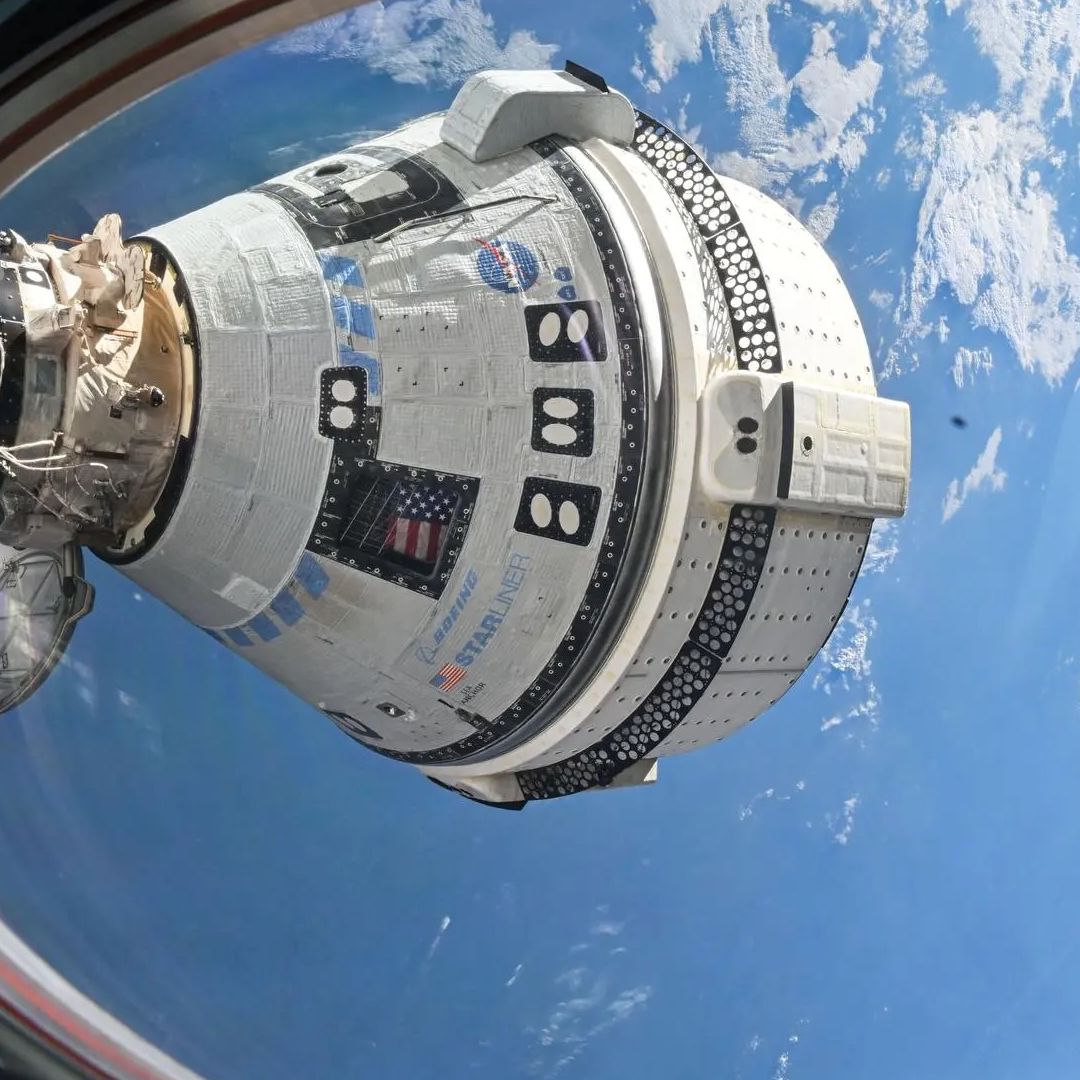
Another bit of news about space concerns Boeing’s Starliner capsule, the long troubled manned capsule that was supposed to be taking astronauts to the International Space Station (ISS) years before Space X’s Dragon capsule. You remember how in 2024 two NASA astronauts took Starliner on its maiden voyage to the ISS but had so many problems on the way there that the space agency decided to have them wait in space for eight months until a Space X dragon could bring them home.

Oh, the trials and tribulations of Boeing’s Starliner manned capsule. Neither NASA nor Boeing have given up yet but there is little time left to work out all of the problems with Starliner. (Credit: Space)

Well, neither Boeing nor NASA have completely given up on Starliner and word coming out of Boeing is that the problems with the maneuvering rockets are solved. Starliner is ready for another, hopefully more successful mission. This time NASA intends to just use Starliner as a cargo vehicle, carrying supplies to the ISS. The only problem now is that the ISS only has so many docking modules and they are all spoken for over the next couple of months. Nevertheless either late this year or in early 2027 it’s likely that Starliner will get one final test mission, almost certainly a make or break mission for the spacecraft.

The Cygnus cargo spacecraft has completed several supply missions to the ISS. Using the Starliner capsule for such a mission is kind of a waste, but NASA does not want to risk any more astronauts until Boeing can prove it has fixed Starliner’s problems. (Credit: Wikipedia)

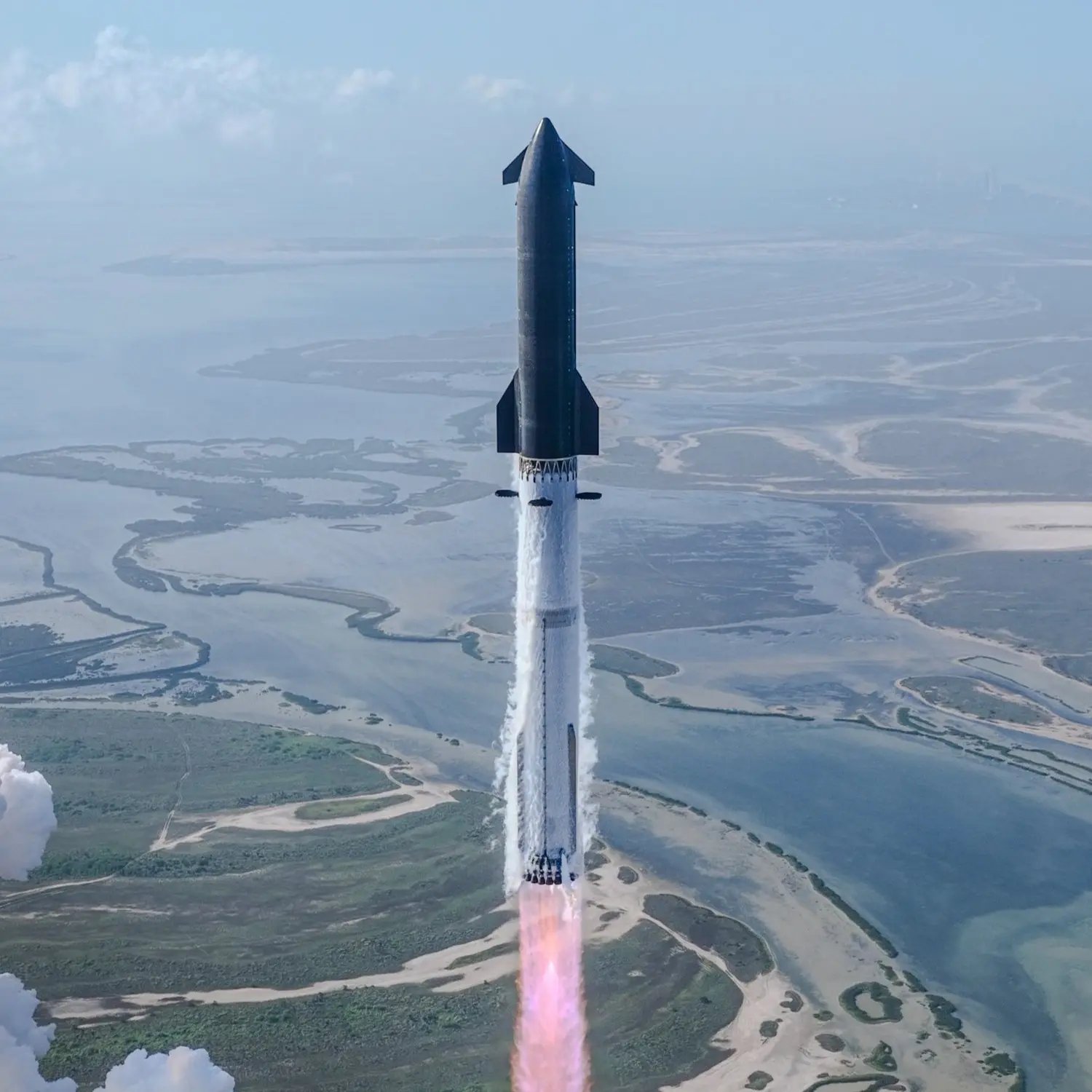
Finally, on the 24th of June Space X conducted the 13th overall test flight of its massive Starship, the second test of its new version 3 model. Over the last several years Space X has had its share of problems with Starship but this latest test appears to have accomplished all of its mission objectives. Both of Starship’s stages are intended to be reusable and on this test both stages made controlled descents and hovered at their target locations before landing in the water of the Gulf of Mexico for the booster and the Indian Ocean for the upper stage.

Launch of Space X’s Starship 13. The most powerful rocket ever built Space X is getting close to ironing out all of the bugs in Starship! (Credit: Next Spaceflight)

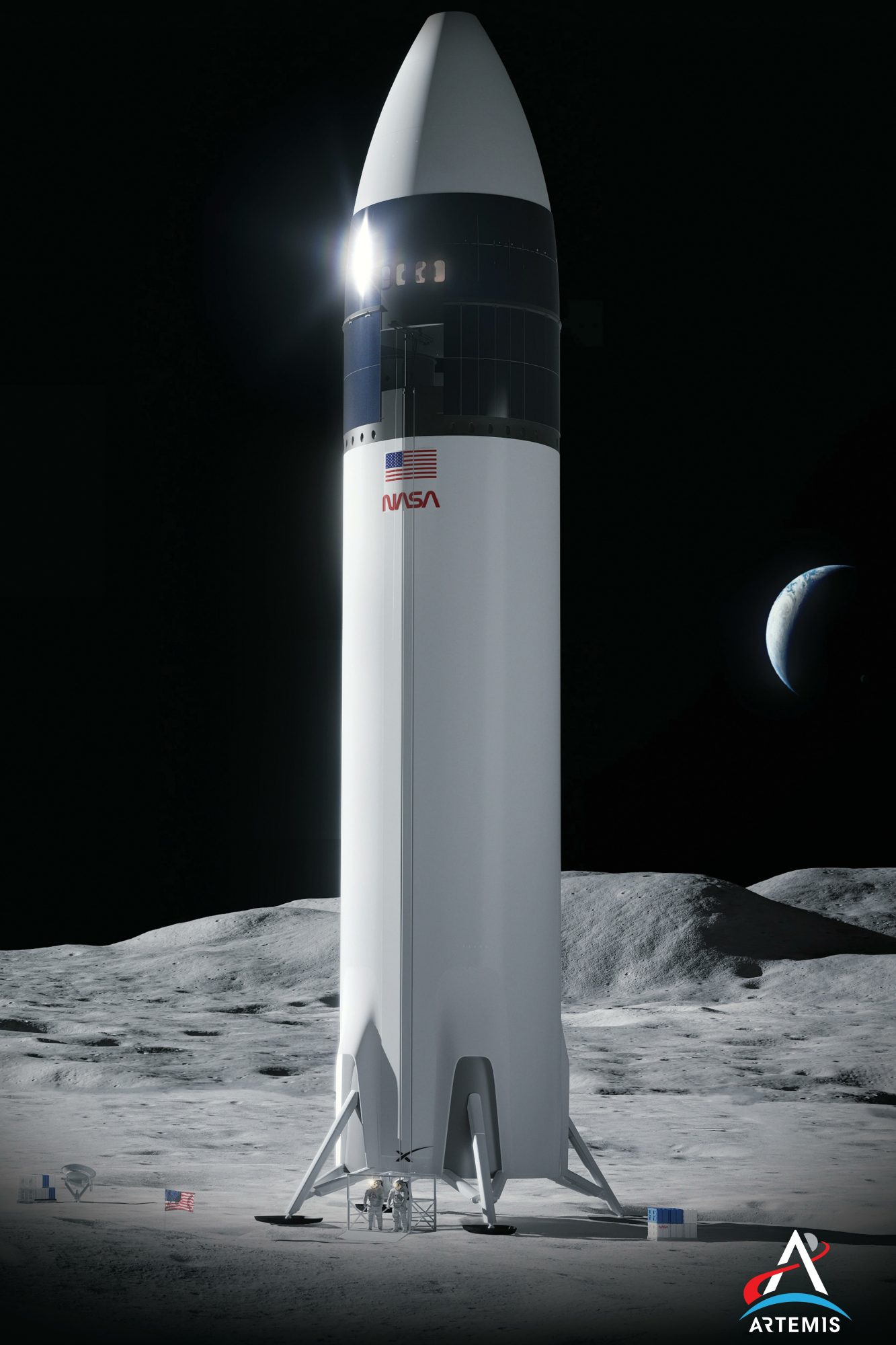
After this test, lucky number 13, it seems that Space X needs to try to actually catch both stages in order to demonstrate that such a feat is possible. Both Space X and NASA are betting heavily on Starship. If a Moon landing is to be made in 2028 there’s a lot of work to be done and much of that work involves Starship.

NASA plans to use a modified version of Starship’s upper stage as a manned Moon lander. Space X still has a lot of work to do to make that a reality! (Credit: Wikipedia)

Before I go a late piece of news to relate. NASA and Space X have announced that the Crew 13 mission to the International Space Station (ISS) has been delayed because of an oxidizer leak in the propulsion system of the Space X Dragon capsule. The mission, which had been scheduled to launch on September 13th will now take off no earlier than sometime in late September. Hopefully this delay will not be too prolonged!