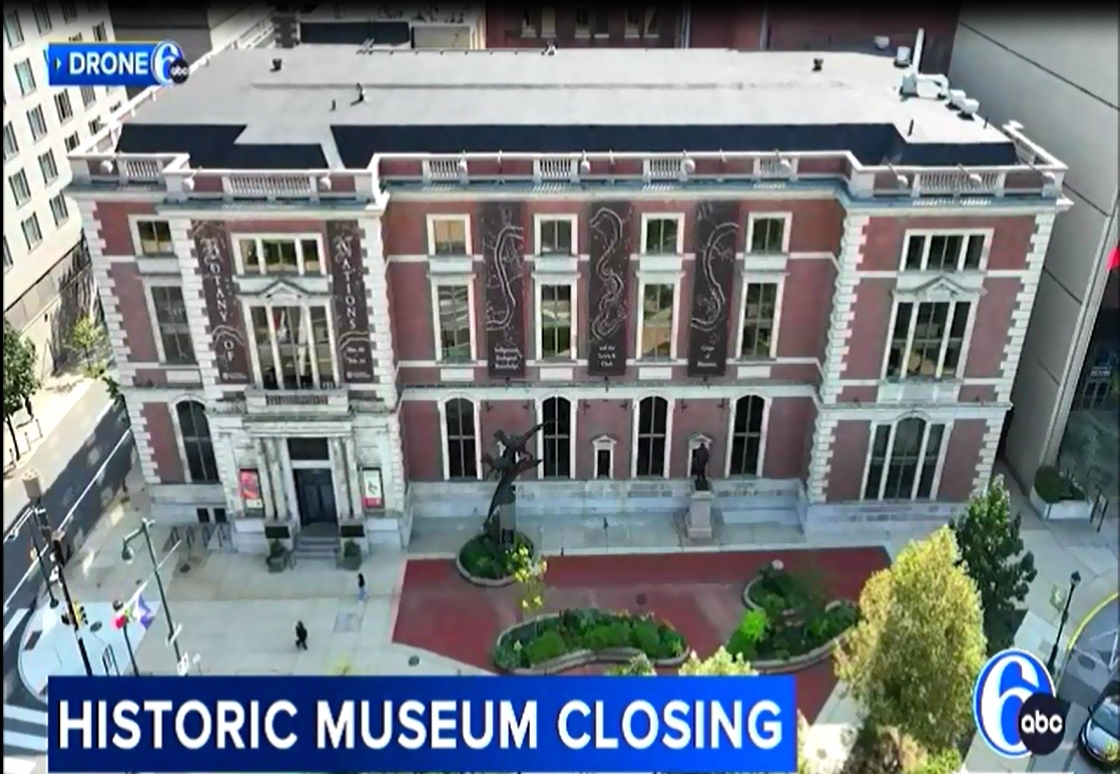
On Sunday the 27th of September the Museum of the Academy of Natural Sciences, the oldest natural history museum in the western hemisphere, closed its doors for the last time. Located at Logan Circle along Benjamin Franklin parkway the museum had played a major role in educating the children of Philadelphia and the surrounding region for generations.
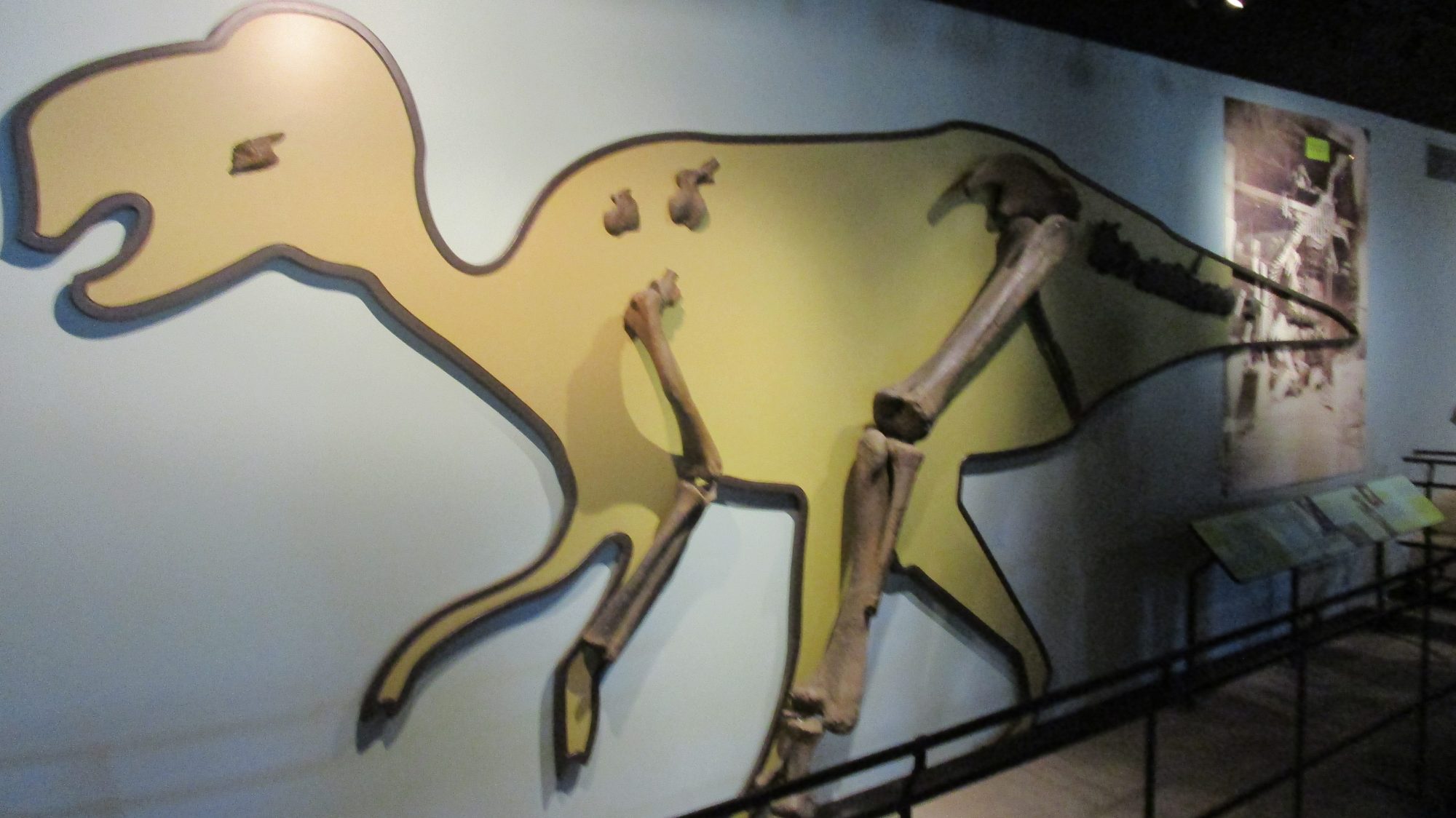
The Academy itself as a society dedicated to the advancement of science in the US was founded in 1812 and its museum first opened in 1827, nearly 200 years ago. Among its many, many accomplishments the Academy is perhaps best known for unearthing and studying the first dinosaur skeleton discovered in North America, Hadrosaurus foulkii. Excavated in 1838 just across the Delaware River in Haddonfield, New Jersey, H foulkii was the most complete dinosaur skeleton at that time. When studied by then Academy President Joseph Leidy, considered the father of American vertebrate paleontology, H foulkii was recognized as being a two-legged animal, the first dinosaur to be so recognized.
The discovery of H foulkii triggered the famous ‘Dinosaur Wars’ or ‘Bone Wars’ between Edward Drinker Cope and Othniel Charles Marsh and the Academy played a significant role in them. Cope was a student of Joseph Leidy and a member of the Academy while Marsh was a professor at Yale University who visited the Academy several times to study H foulkii. Prompted by Leidy the two paleontologists went to the western US where they competed in discovering thousands of fossil species including many of the best-known dinosaurs of all including T rex and Triceratops!
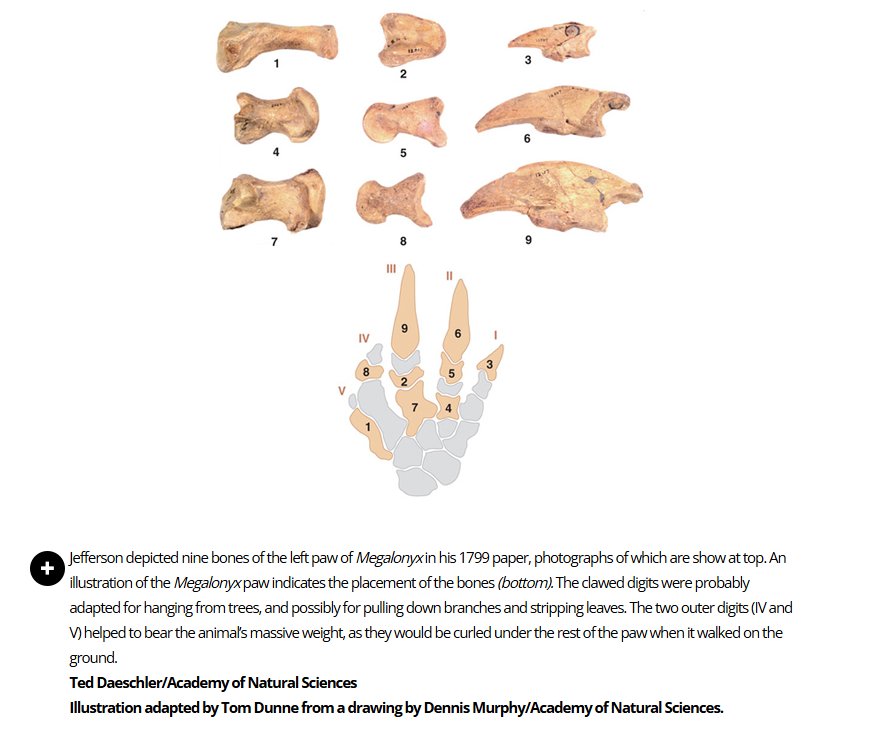
Over the last two hundred years the Academy has included many famous scholars as members including Thomas Jefferson, yes that Thomas Jefferson. The third President’s fossil collection is a part of the Academy’s collection. Many of the specimens brought back by the expedition of Lewis and Clark are also a part of the Academy’s collection
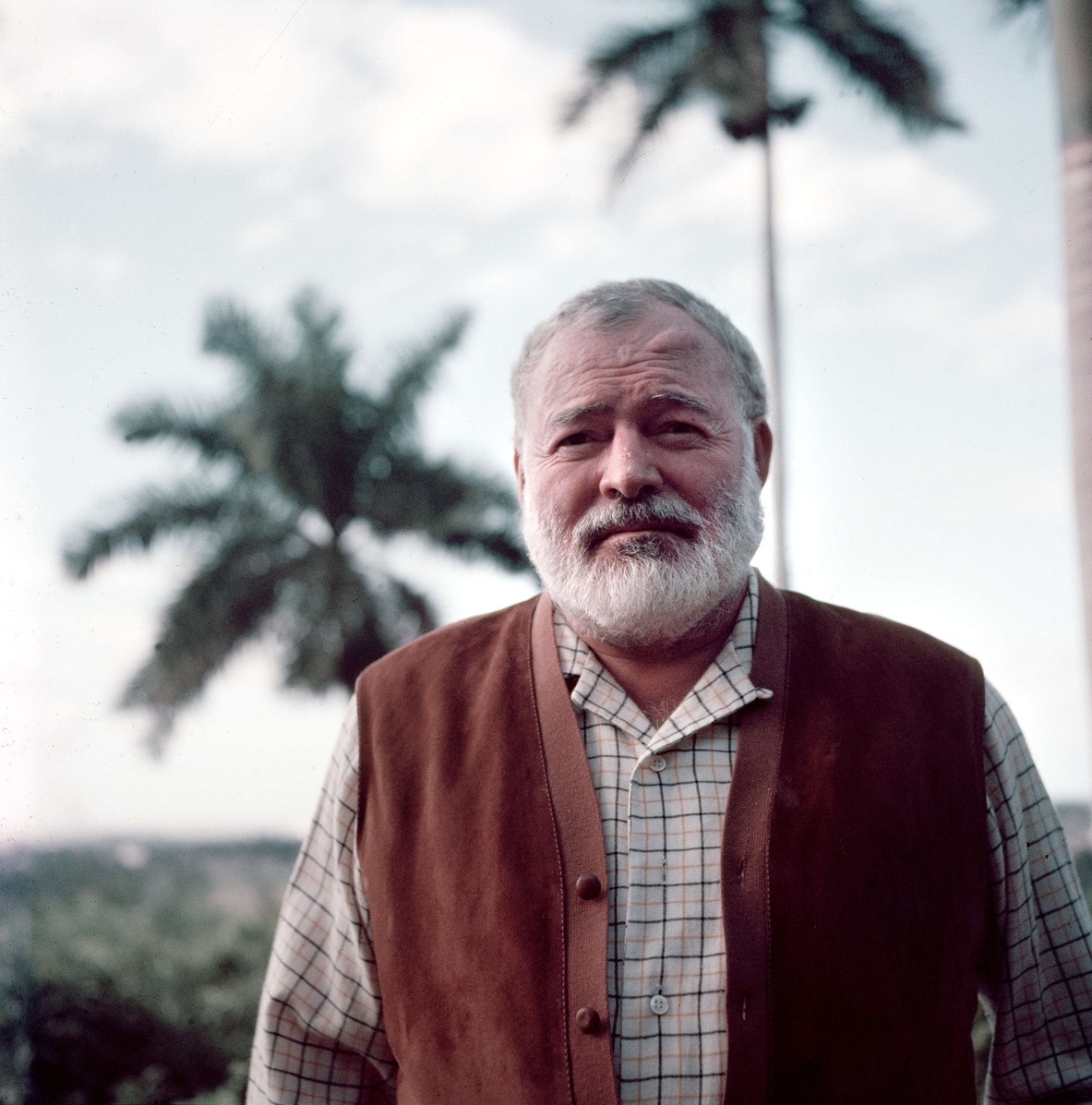
Along with Leidy and Cope other American scholars include John James Audubon, Titian Peale, George Ord and Ernst Hemingway the writer. I have seen a specimen of tuna that the author of ‘The Old Man and the Sea’ sent to the Academy that is now preserved in the collection.
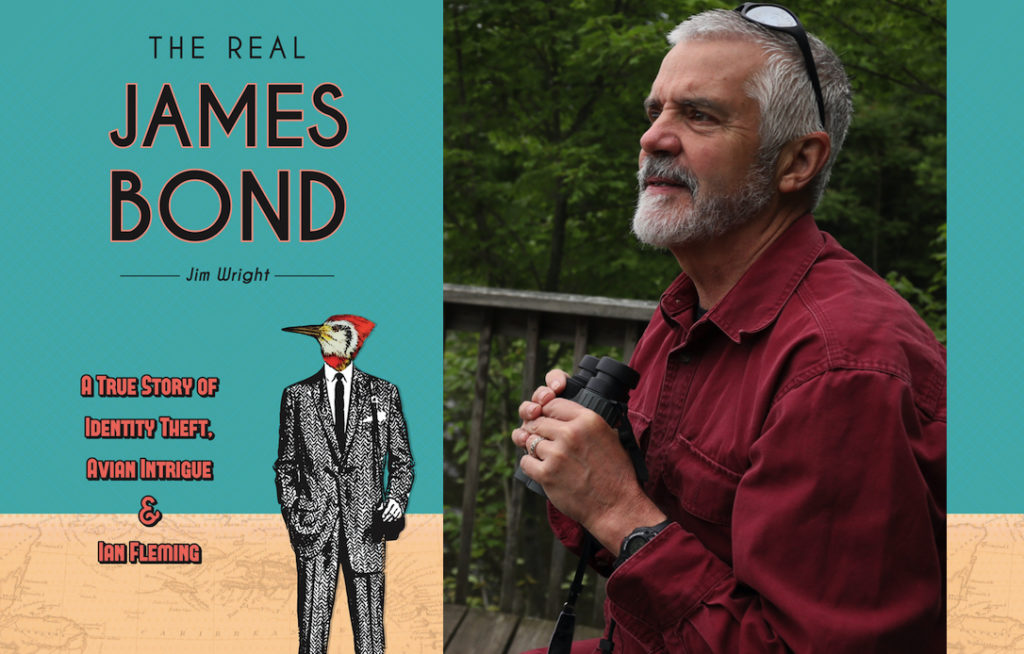
Even James Bond was a member, no not the fictional spy but the American ornithologist who was a friend of Ian Fleming and who Fleming named his spy after! Among the foreign naturalists who became ‘Corresponding Members’ of the Academy are Georges Cuvier, Thomas Henry Huxley and Charles Darwin.
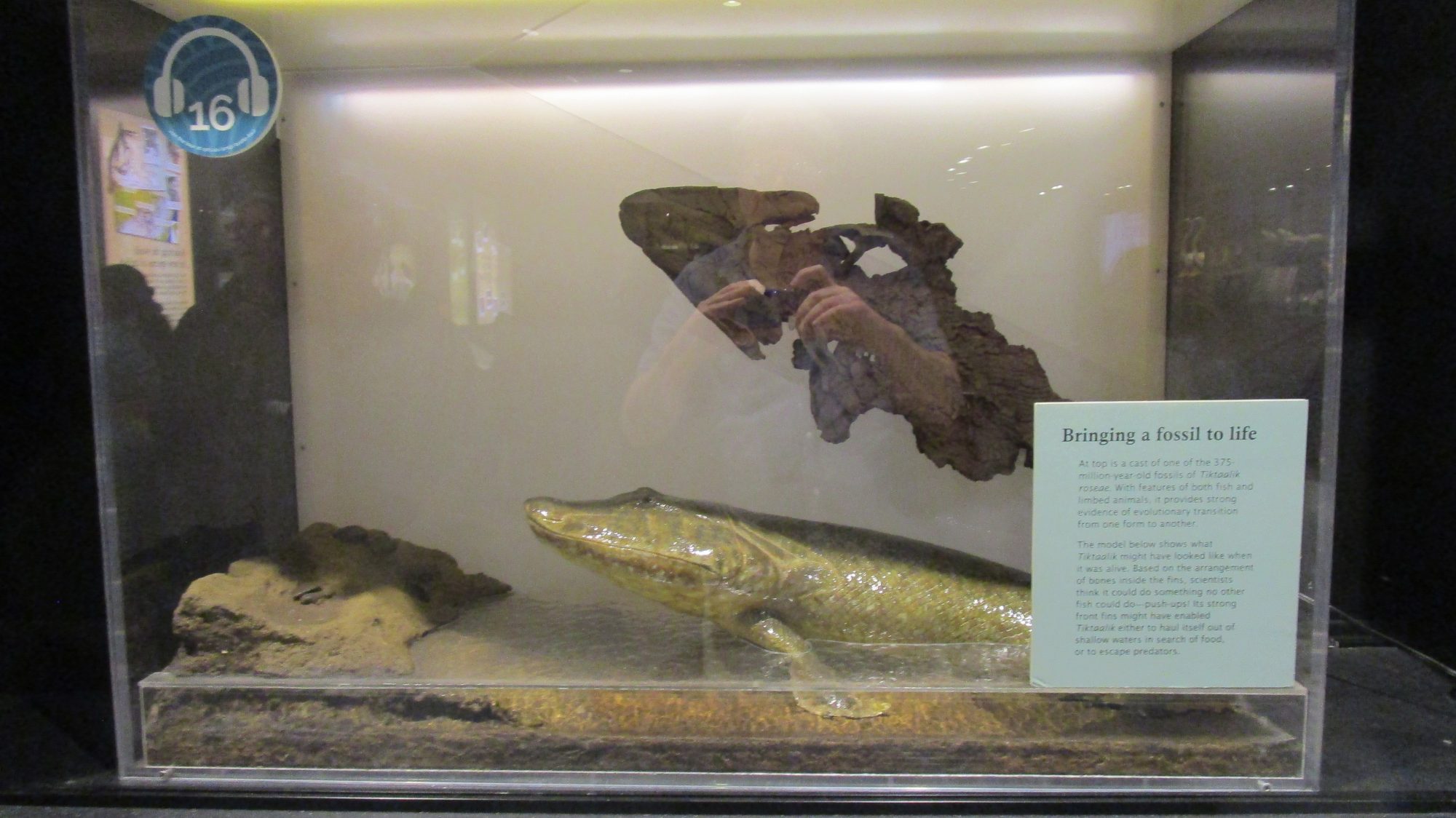
In the years and decades that followed its founding the Academy and its museum continued to be in the forefront of natural science. In its archives the Academy boasts over 19 million specimens of plants and animals, both those living today as well as fossils of extinct species. The achievements of the Academy have continued to this day with the discovery of Tiktaalik roseae, the first fish to walk on land, by the Academy’s curator of vertebrate paleontology Ted Daeschler.
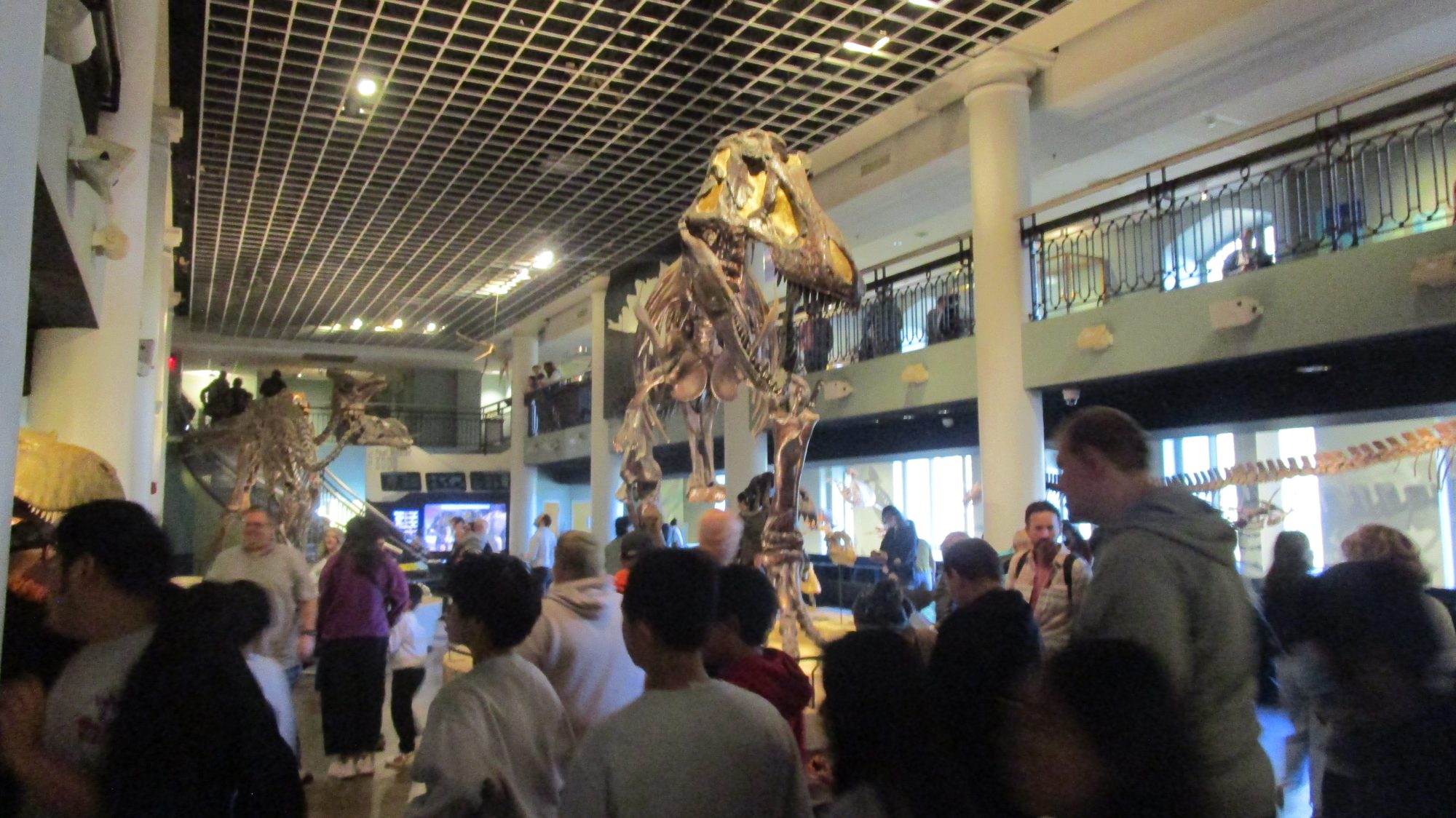
My own association with the Academy goes back to my childhood, I was certainly less than ten years old the first time I visited the Academy’s museum and saw my first dinosaur, H foulkii of course. While my eventual degree was in physics rather than a natural science I have been a member of the museum for decades and have always enjoyed my interactions with the scientists at the Academy. That’s true of many of the people of Philadelphia and the Delaware valley. Many are the local schools that would arrange student trips to the Academy’s museum and generations of children got their first look at a dinosaur the same way I did.
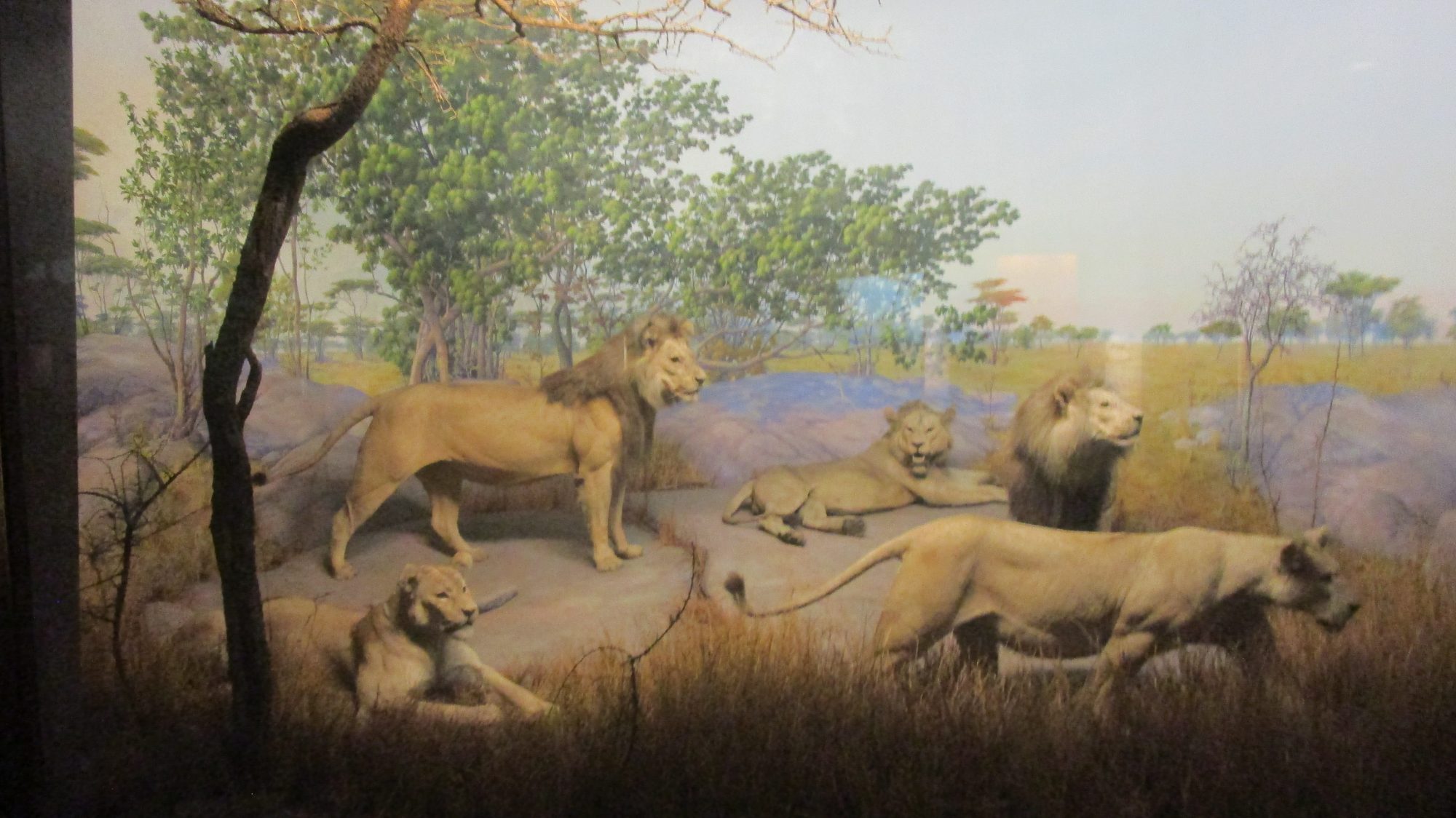
So, what happened? Why has the Academy suddenly announced that its museum, which will be celebrating its 200 birthday next year, is going to close its doors and the Academy’s collection of specimens, over 19 million, going to be moved?
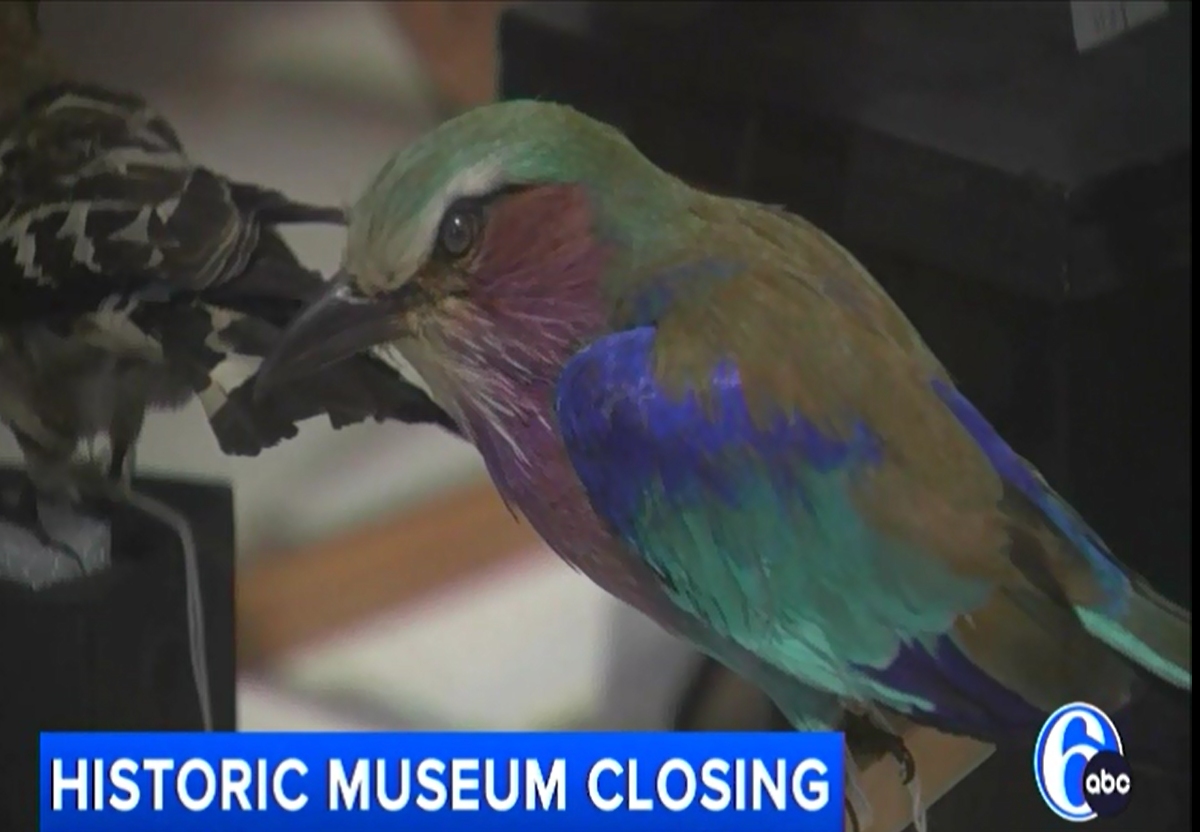
Simply put, lack of attendance, along with a building badly in need of costly repairs. Like many science and cultural museums throughout the country people just aren’t coming to see the exhibits, they’d rather go to a ball game or even worse a casino. Over the last several years the revenue coming in from the museum has failed to keep pace with the cost of keeping it open.
The Covid pandemic also played a part in accelerating the process but to be honest nowadays we just live in a society that wants to ignore reality in favour of fantasy. We Americans want games or movies about superheroes or zombies or bigfoot or aliens… well if it’s make-believe Americans will probably pay to see it. They won’t pay to see things that actually do exist. We just don’t want to deal with reality anymore.
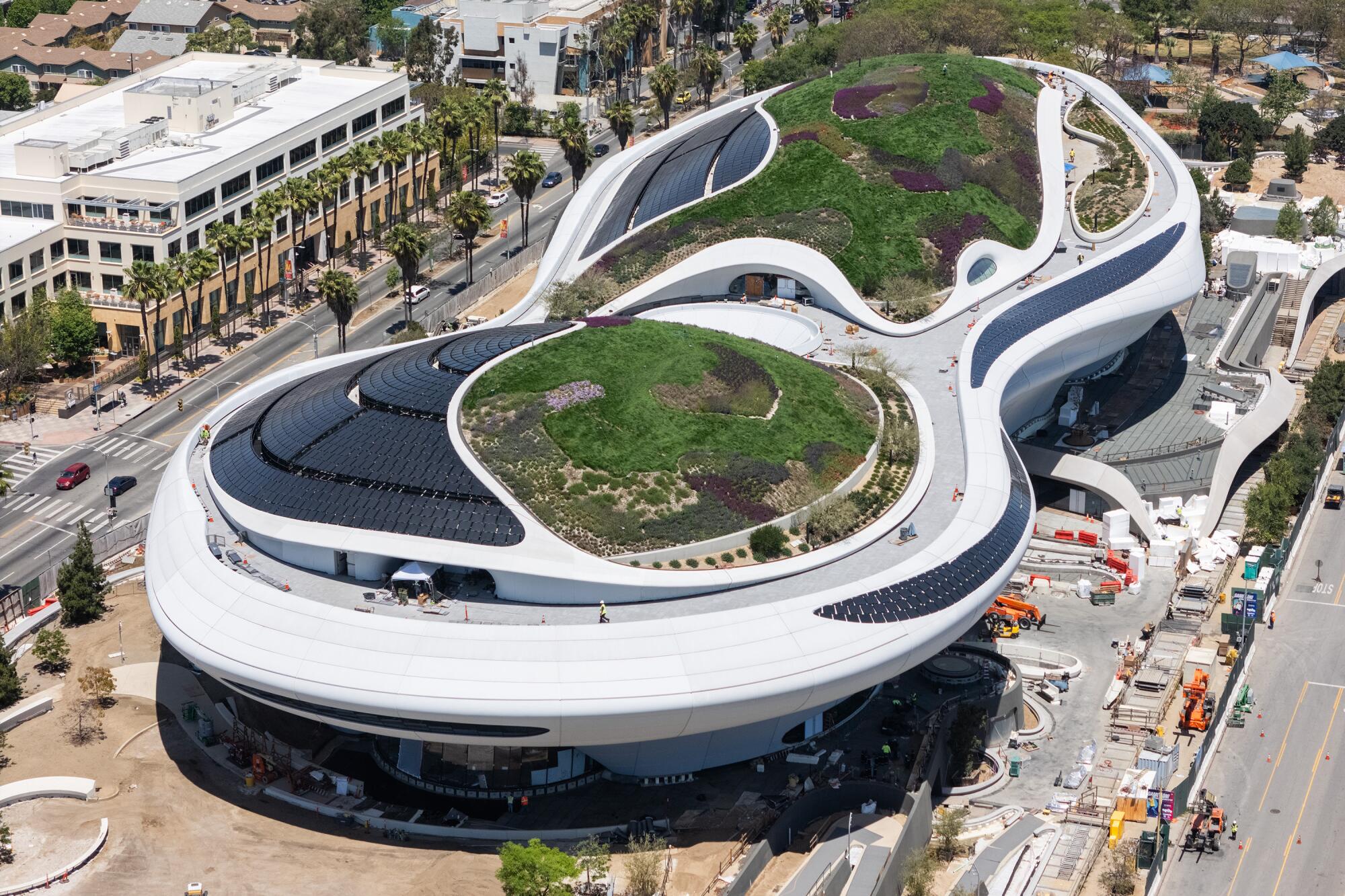
There’s also a rumour going around that there are plans in the works to convert the Academy’s building into high priced condos or apartments. I hope that is really just a rumour, but these days you never know, and in that part of center city Philadelphia real estate is very valuable.
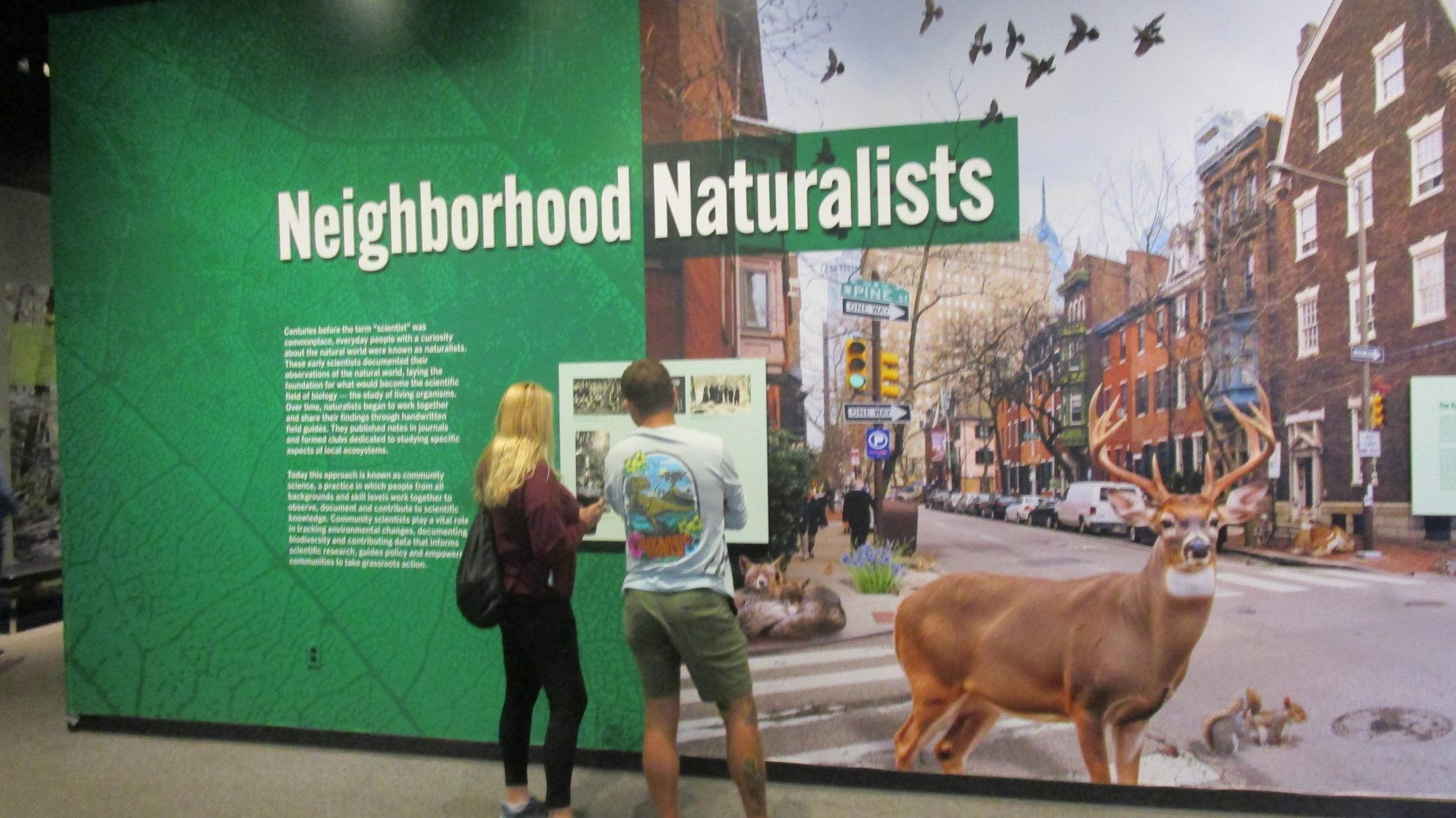
According to the official announcement from the Academy the closure will allow the Academy to continue its important work in research and education. In my opinion the closure of the museum will virtually eliminate the educational benefits of the Academy but, hey, that’s just the opinion of someone who has visited the museum hundreds of times.
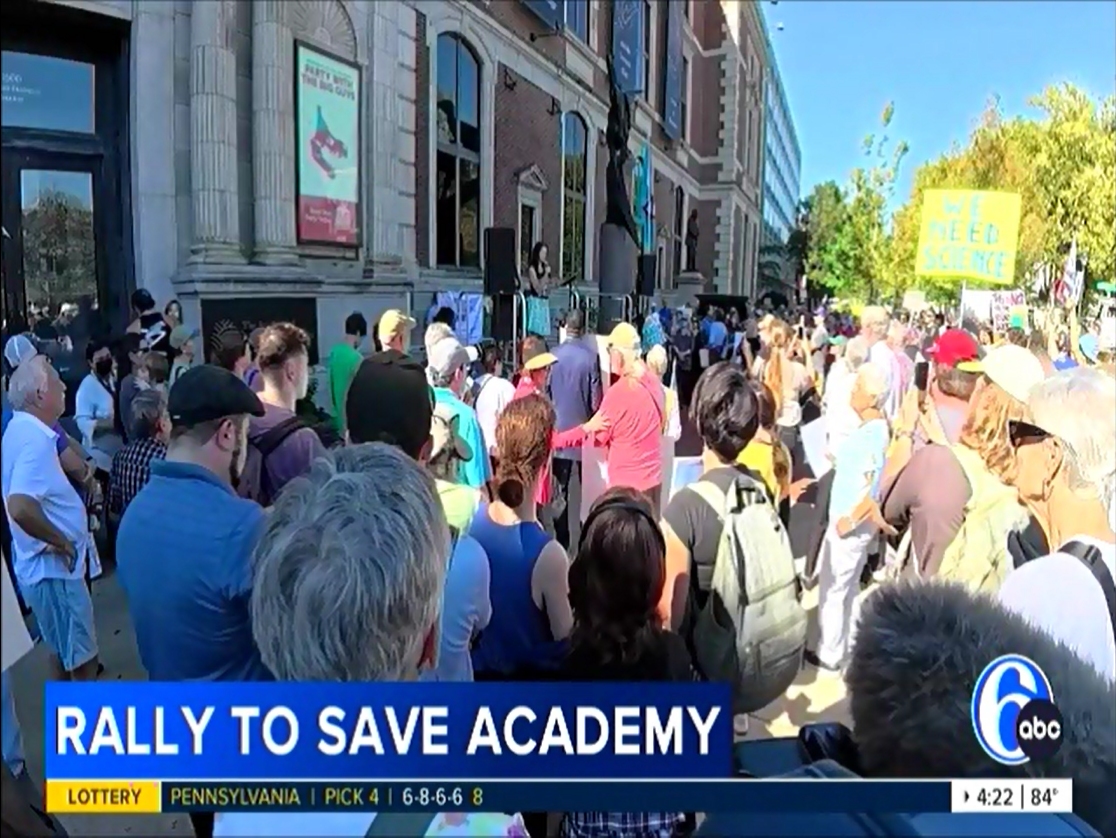
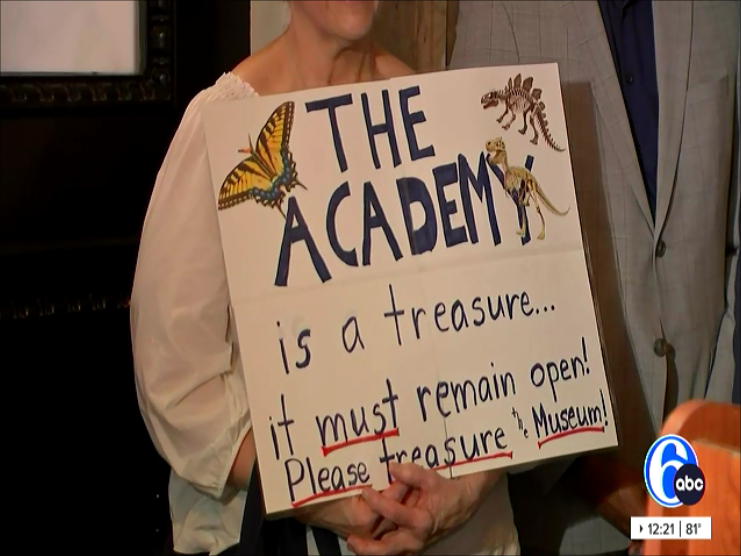
There has been pushback, protests against the museum’s closure. Several members of Philadelphia’s city council are searching for money to keep the museum open, perhaps not at its present site but in some smaller venue. So there you have it, our country is loosing yet another of the scientific establishments that helped make it a leader in science and technology. It’s very strange that in trying to ‘Make America Great Again’ the last thing we’ll do is anything that made us great in the first place!