The Nobel Prizes have been announced for 2026 starting with the prize for Physiology or Medicine on the fifth of October. The Physics prize followed on the sixth with Chemistry on the seventh. Let’s discuss the work for which the recipients were honoured.
The winners of the prize for Physiology or Medicine were Dr. Karl Deisseroth a professor of bioengineering and psychiatry at Stanford University in California, Dr. Peter Hegemann, a professor of experimental biophysics at Humboldt University in Berlin along with Dr. Georg Nagel who is a professor of plant physiology at the University of Wurzburg in Germany.
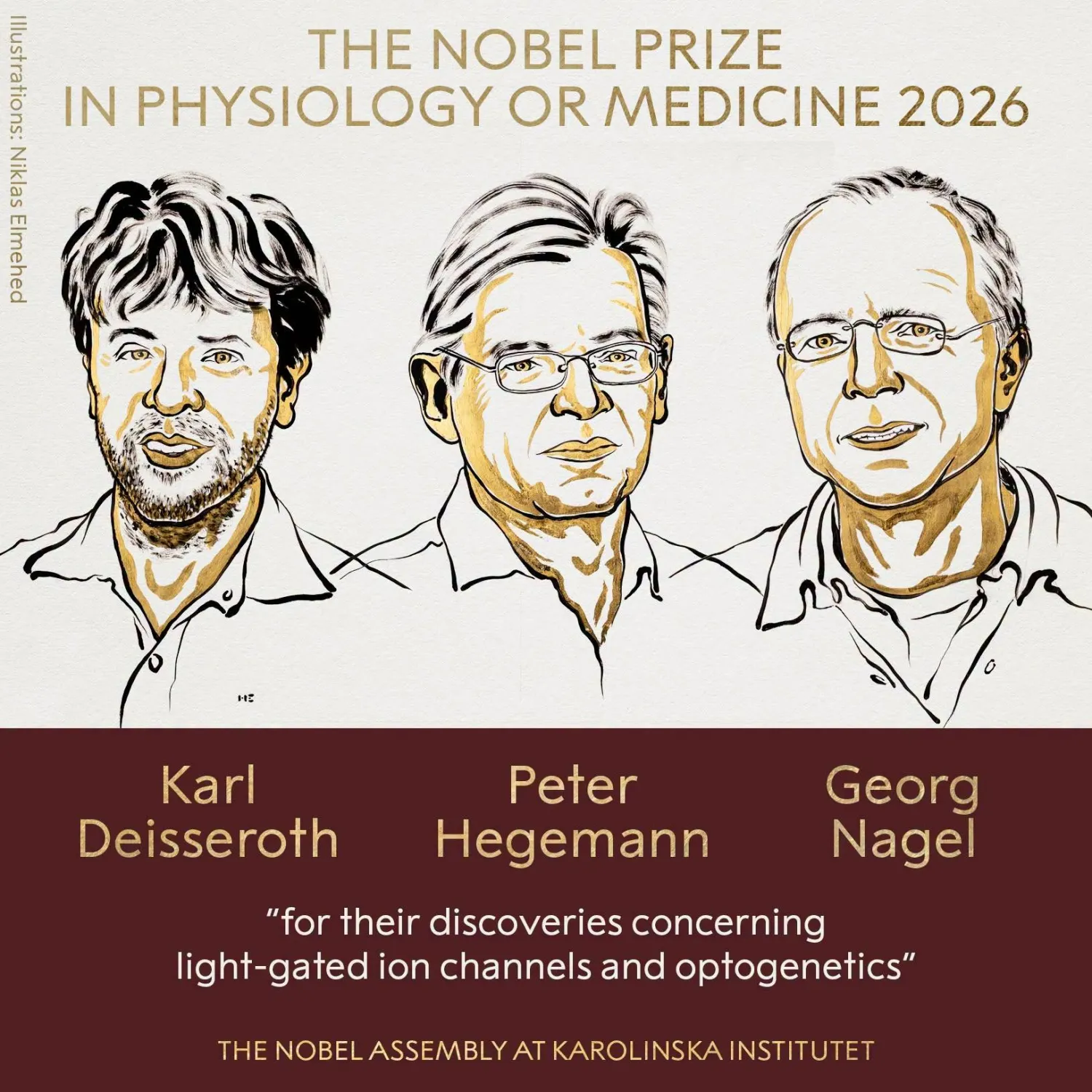
The work for which these three researchers were recognized deals with a new technique for studying the brain using tiny lights to activate neurons that has been christened “optogenetics”. Thanks to the work of these three pioneers optogenetics has become a powerful research tool in neuroscience. By genetically manipulating brain cells scientists can activate them by simply switching on a light. This technique has been used successfully in the study of neurological disorders such as blindness, dementia, depression and addiction.
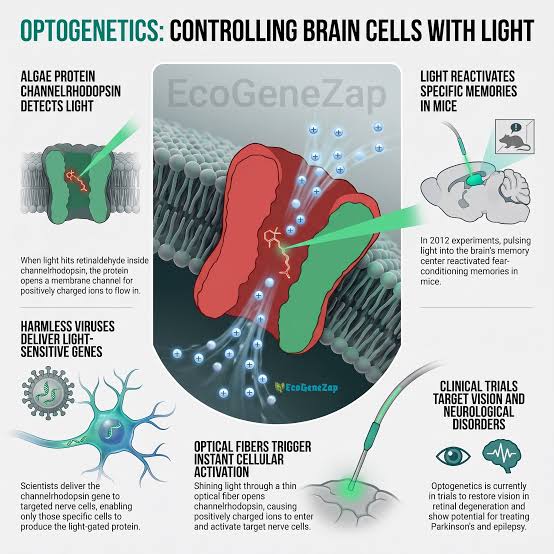
Dr. Deisseroth was the first to experiment with inserting light sensitive cells into the brains of mice and then using fiber optics to trigger various types of behaviour in the mice. Dr. Hegemann then discovered the protein that was responsible for converting the light into an electrical signal. Dr. Nagel furthered the work by analyzing the light-gated ion channel that allowed the protein to turn the light into the electrical signal. Together these three scientists have developed a powerful tool that has enabled neuroscientists to map which portions of the brain control specific behaviors.
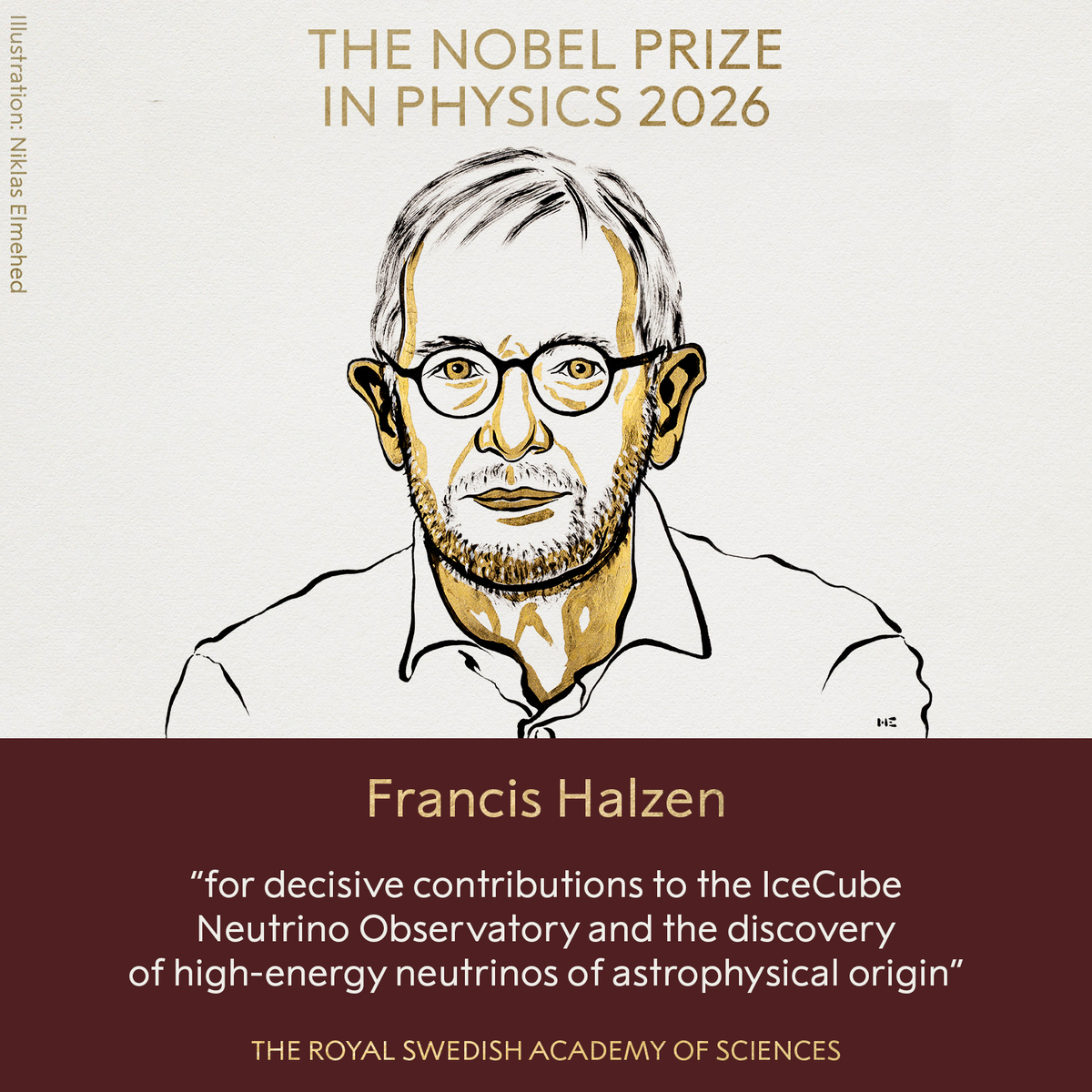
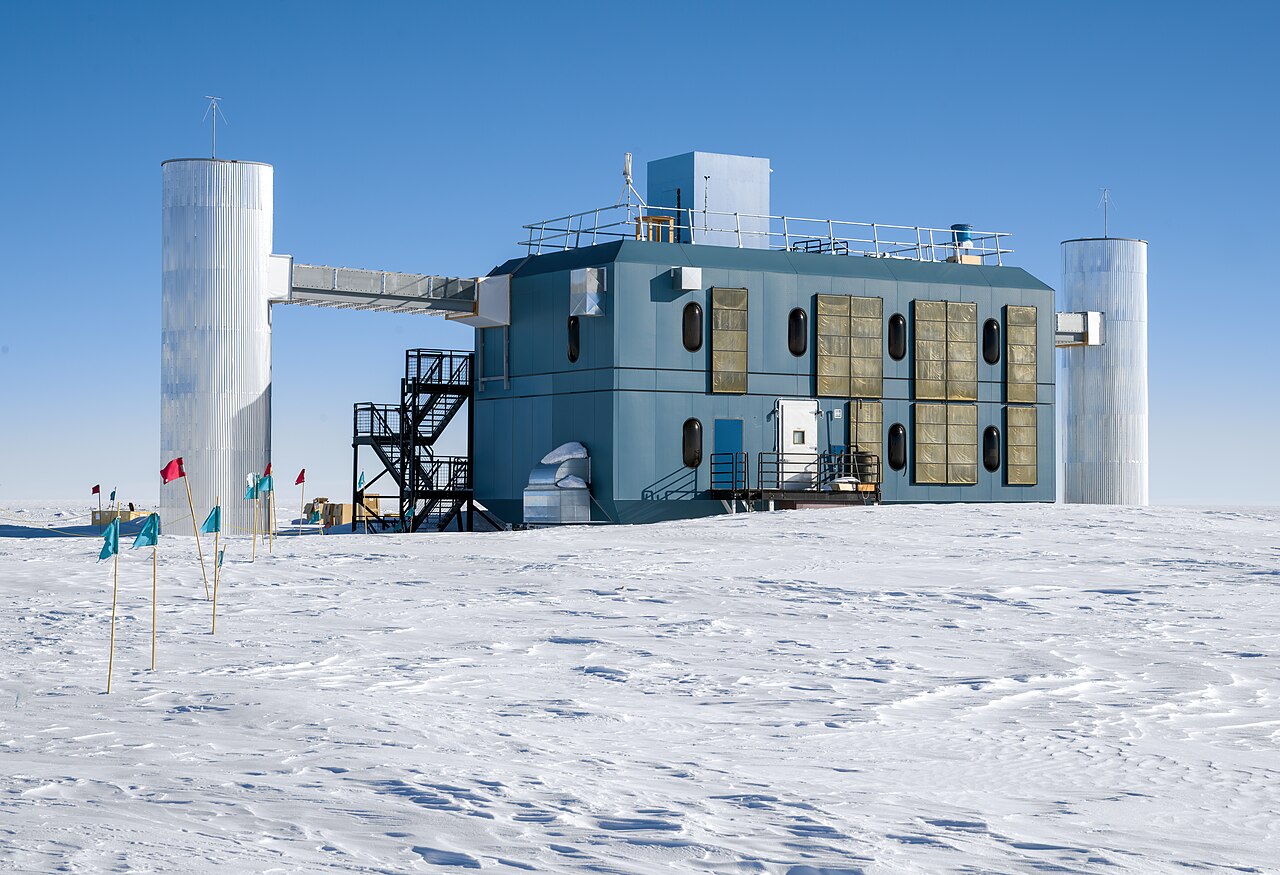
The Physics prize was announced the next day and was awarded to Dr. Francis Halzen of the University of Wisconsin-Madison for his life long efforts to build and now direct the Ice Cube neutrino detector in Antarctica. Dr. Halzen first proposed using the Antarctic Ice Sheets as a detector back in 1988 but the project was only completed and began observing in 2011.
Essentially the detector consists of a cube of ice, each of whose sides are one kilometer long, that has had hundreds of holes drilled into it and to which long chains of photomultiplier tubes were then inserted. Whenever a neutrino interacts with any of the ice molecules within the cube the reaction gives off several photons of light, which are then picked up and greatly amplified by the photomultiplier tubes.
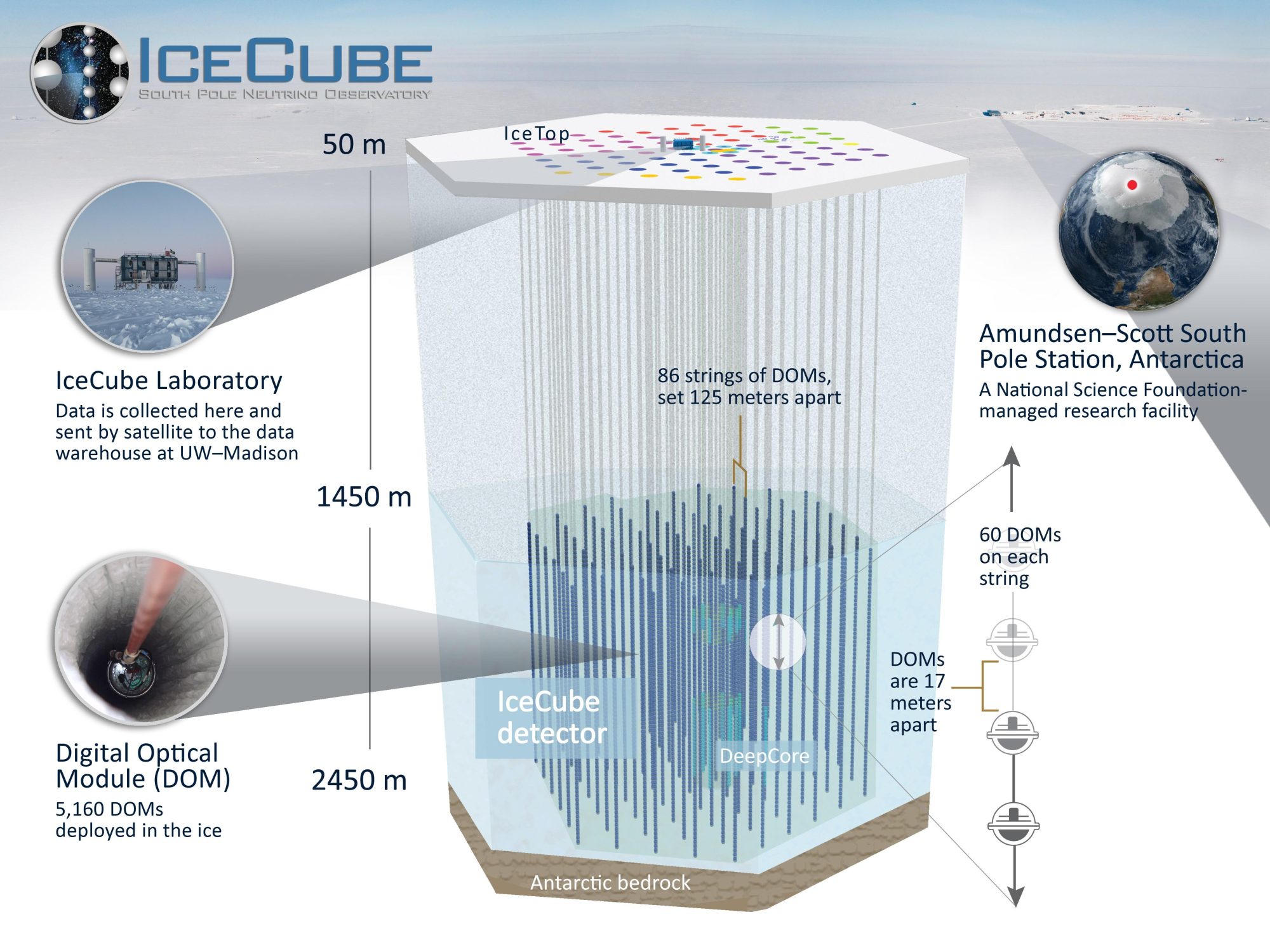
Because neutrinos very rarely interact with the protons, neutrons and electrons that make up normal matter physicists need large detectors to capture just a few of them and the Ice Cube experiment is the biggest of them all. After just a few years in operation the Ice Cube experiment was able to announce the first detections of high-energy neutrinos coming from outside of our solar system and in the years since then the experiment actually been able to identify some of the likely cosmological sources for these extremely energetic particles.
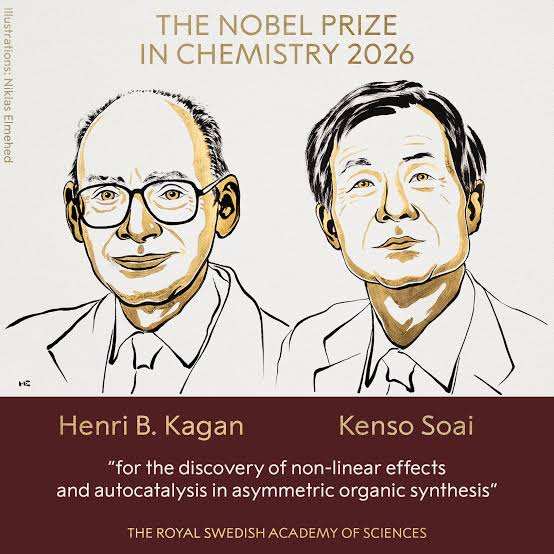
Finally on the seventh of October the Chemistry prize was awarded to Henri Kagan of the Université Paris-Sud in Orsay, France along Kenso Soai of the Tokyo University of Science. The duo received the prize for their solution to a hundred year old chemical mystery, how homochirality can emerge spontaneously in chemical compounds. If that sounds a bit esoteric to you, well chirality has to do with right or left handedness.
Often in chemistry compounds can have the same chemical formula but because their atoms are arranged differently they can have different properties. Large, complex molecules like proteins are the best examples of this. There is also a special class of chemicals that have the same shape but which are right and left handed versions of each other!
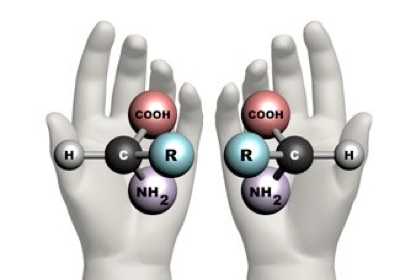
The amino acids that make up the proteins in our bodies all have this property but our bodies, the bodies of all living things are all made up of the right handed versions only. The mystery is, why, why are all the amino acids in living creatures right handed?
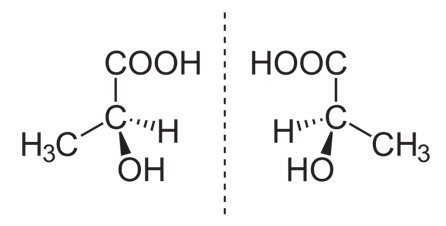
It was Mr. Kagan who first showed how this could happen while Mr. Soai later succeeded in doing it. This process has been a great boon to the pharmaceutical industry because many of the drugs we take come in mirror images but only the right handed version works in our bodies! The ability to manufacture only the right handed versions greatly reduces the cost and complexity of drug making. So there you have it, this year’s Nobel Prizes awarded to scientists who have done so much to advance the cause of human knowledge.
With all of the political infighting, to say nothing about the shear incompetence of our elected leaders it’s nice to know that there are still some people working to make the world a better place.