Space News for August 2026. 

There’s a lot of news that’s happened lately that could have major effects on the way that space exploration will play out over the next decade or two. So let’s get to it!

We’ve been exploring Outer Space for nearly 70 years now, so it has a lot of history behind it and of course it’s making history all of the time! (Credit: The Spaceinfo Club)

I’d like to start with a mission that may have escaped the notice of a lot of people but which is very important in view of developing space technology and infrastructure. In order to be able to function properly while in space every satellite has to be able to communicate with the ground, which means it has to have its antennas pointed back to Earth. This is especially true of the big communications satellites that are located in geostationary orbits, 36,000 km above the Earth’s surface.

When placed in a Geostationary orbit at 36,000 km above the Earth’s surface a satellite will appear to remain in the same position in the sky. Of course being so far from Earth it’s really hard to repair or refuel such a satellite! (Credit: Module 2: Weather Satellites and Orbits)

In order to maintain their proper orientation, with their antennas pointing back at our planet, communications satellites have station keeping rocket engines that must fire every so often when the satellite begins to drift out of position. Of course, these rocket engines only have so much fuel and when that runs out, well it won’t be long before that multi-million dollar satellite is just useless junk. The lifetime of any communications satellite is therefore basically a matter of how long its fuel lasts.
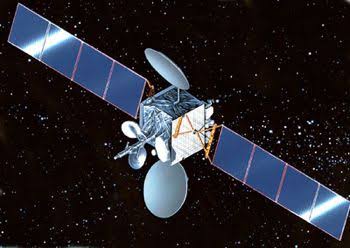
Communications satellites, like the Intellsat 5 shown here, must keep their antennas pointed towards Earth if they are to do their job. This requires an occasional burst from station keeping rocket engines on the satellite. When those rocket engines run out of fuel then the satellite is pretty much space junk! (Credit: www.astronautix.com)

Engineers have been talking about how to extend the lifespan of such expensive satellites ever since the 1980s; I know some of those guys! There are basically two ways to it. The first would simply be to refuel the satellites rockets while they are in geostationary orbit. That would require a specially designed ‘tanker’ spacecraft that could go up to geostationary orbit and do the refueling. At the same time it would require that communications satellites be designed so that they can be refueled, which currently none of them are!
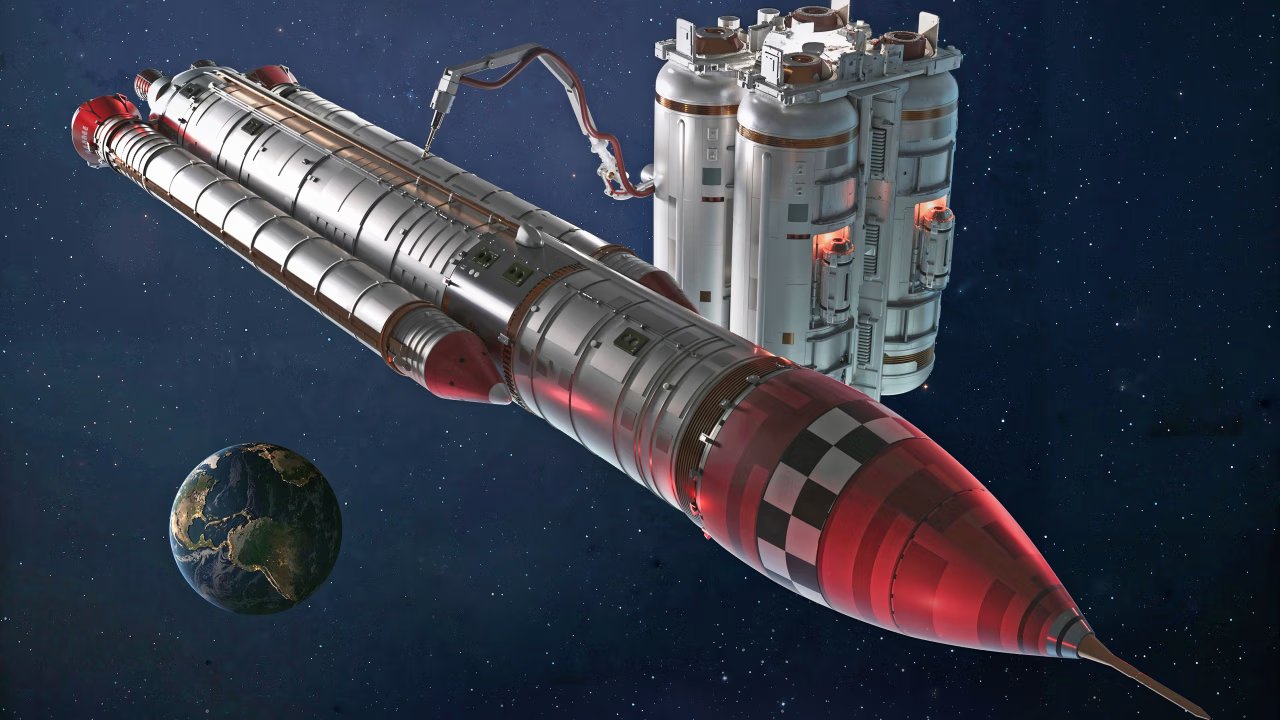
The idea of refueling a satellite, or spaceship has long been recognized as necessary if we are to really being exploring our Solar System. (Credit: WSJ)

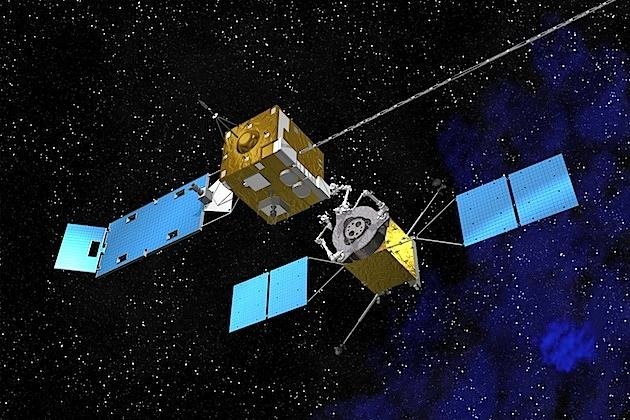
The second alternative would be to have a spacecraft go up to geostationary orbit, rendezvous with a communications satellite and attach a specially designed module to the satellite, a module that contains new, fully fueled rocket motors that can keep the satellite oriented properly for at least several more years. The big advantage of this scheme is that it can work with existing communications satellites.
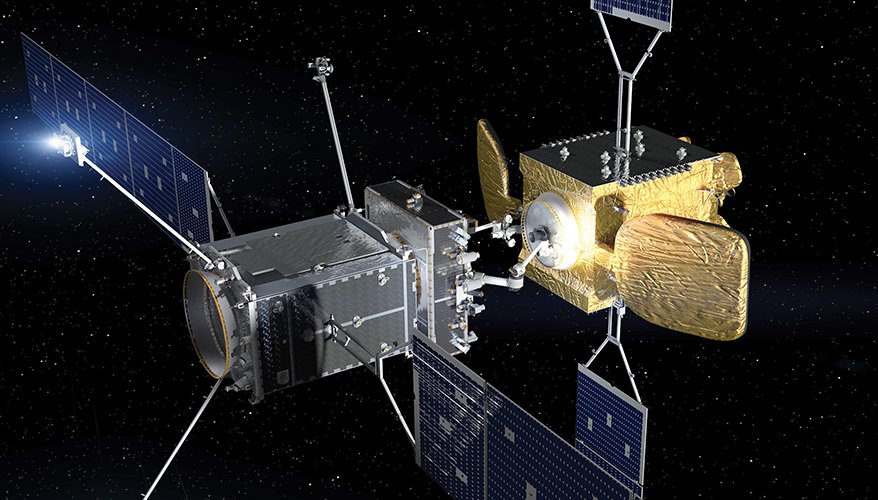
The Mission Robotic Vehicle (MRV) on the right attaches itself to a communications satellite and then the MRV uses its engines to keep the communications satellite pointing in the right direction! (Credit: National Defense Magazine)

And that is exactly what was launched aboard a Falcon 9 rocket on the 21st of July. Developed by Northrop Grumman the ‘Mission Robotic Vehicle’ (MRV) will spend the next few months climbing to geostationary orbit where it will use its 3m long arms to attach ‘jetpacks’ to three communication satellites, extending their useful lives by an estimated six years each.
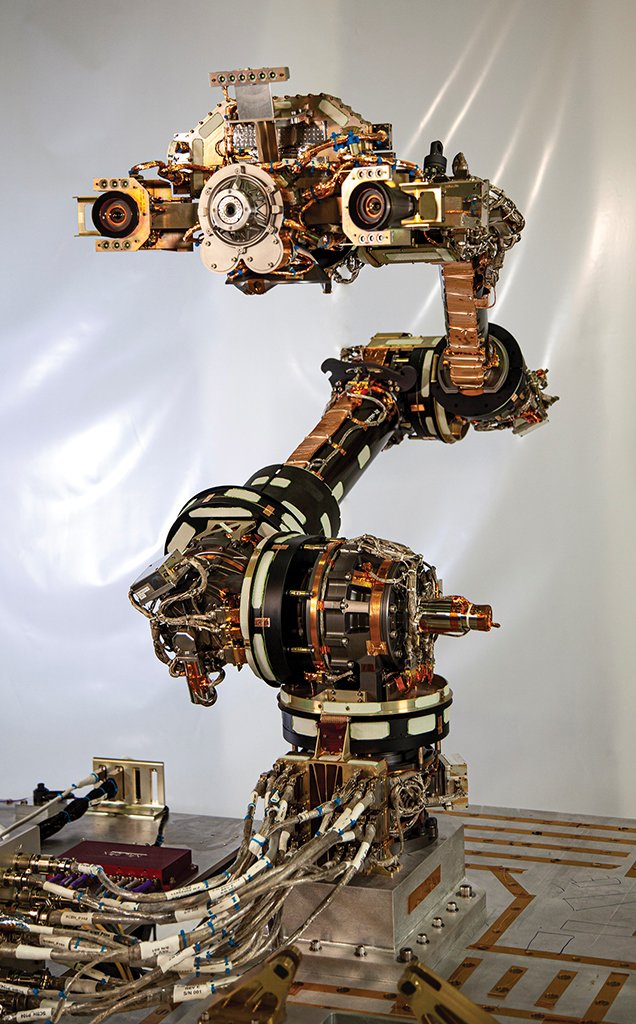
The ‘arms’ of Northrup’s MRV. Looks like something out of a Grade-B SF movie doesn’t it? (Credit: Aviation Week)

The MRV itself is about the size of a mini-van while each of the jetpacks is the size of a washing machine. After it has serviced the three satellites Northrop even hopes to launch more jetpacks enabling the MRV to service more satellites. In the long run the development of this technology will help to further reduce the cost of doing business in space, the fact that Northrop’s MRV was launched into space by the reusable Falcon 9 illustrates that point.
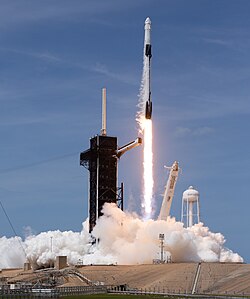
The Space X Falcon 9 rocket is reusable. That ability has greatly lowered the cost of getting into space. Now it is hoped that the MRV will lower the cost of staying in space! (Credit: Wikipedia)

Speaking of reusable launch systems, China has now successfully launched and, more importantly recovered the booster stage of a rocket that is comparable in size and payload to the Falcon 9. On the 9th of July a Long March 10B rocket took off from China’s Wenchang space facility on the island of Hainan. Just six minutes later the rocket’s first stage hovered in an upright orientation above a floating platform in the China Sea. As the booster hovered it was safely captured by a series of nets.
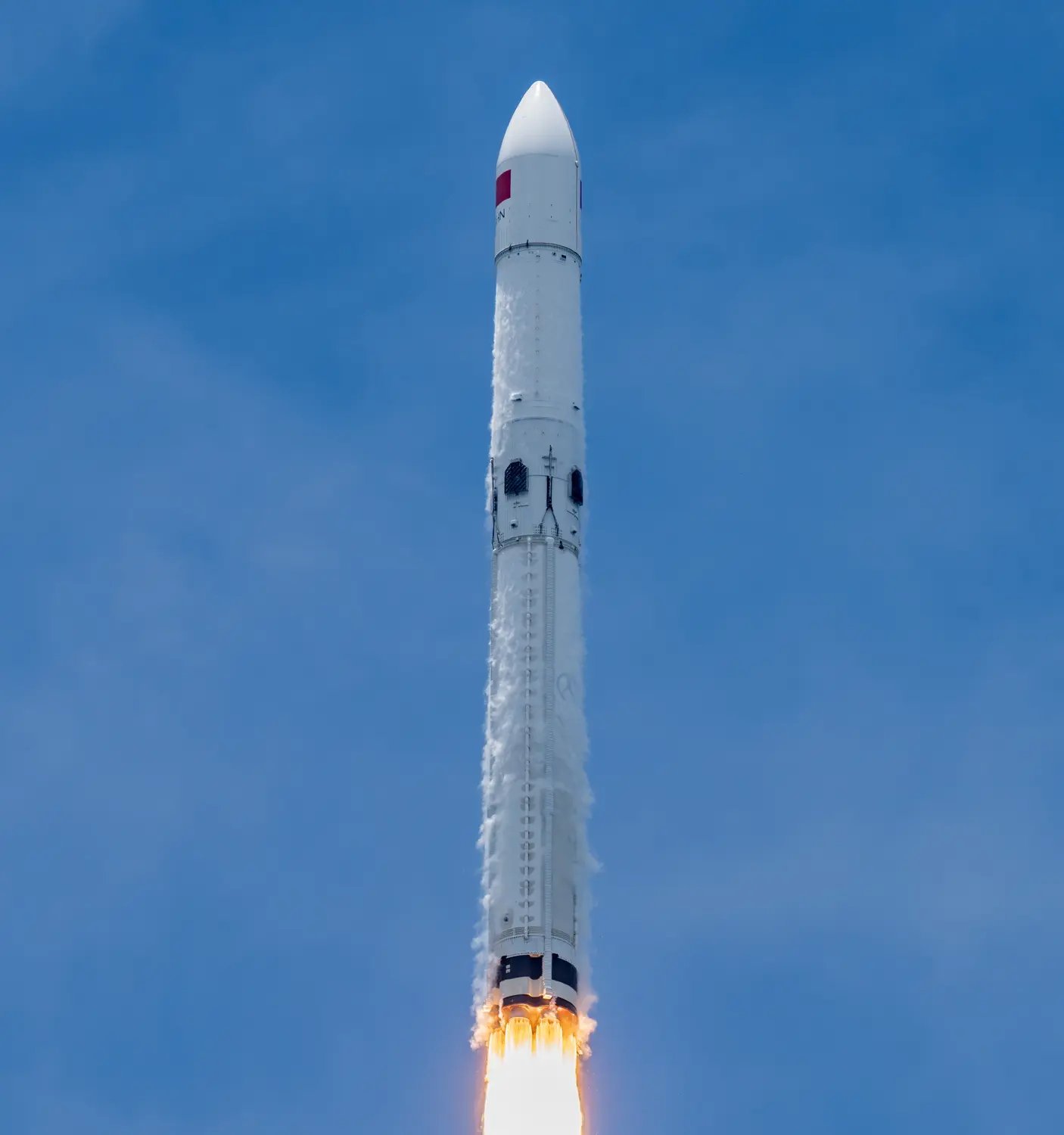
Launch of China’s Long March 10b rocket. It doesn’t look exactly like a Falcon 9 but it certainly resembles one! (Credit: Next Spaceflight)

This unique, net style of recovery, as opposed to the Falcon 9’s landing legs could help reduce the cost of the Long March 10B launch system, or make it more difficult to successfully catch the booster. Only time will tell which is true but China has taken a significant step in its desire become an equal to the US in space technology.
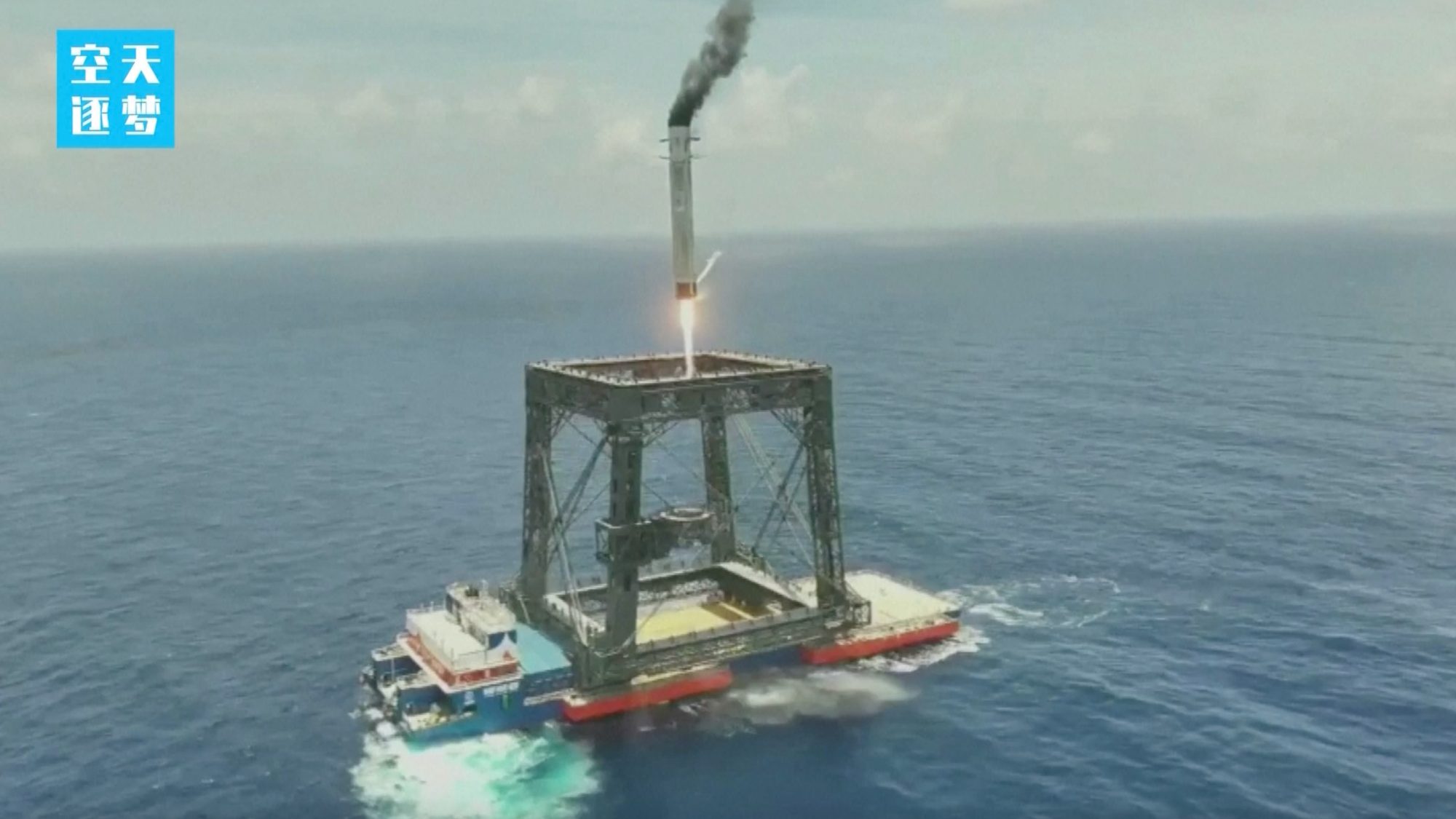
The Long March 10b first stage about to be caught in its recovery ‘netting’. Whether this is a better recovery technique than a rocket with landing legs is questionable right now. Only the future will tell! (Credit: Space)

Another bit of news about space concerns Boeing’s Starliner capsule, the long troubled manned capsule that was supposed to be taking astronauts to the International Space Station (ISS) years before Space X’s Dragon capsule. You remember how in 2024 two NASA astronauts took Starliner on its maiden voyage to the ISS but had so many problems on the way there that the space agency decided to have them wait in space for eight months until a Space X dragon could bring them home.
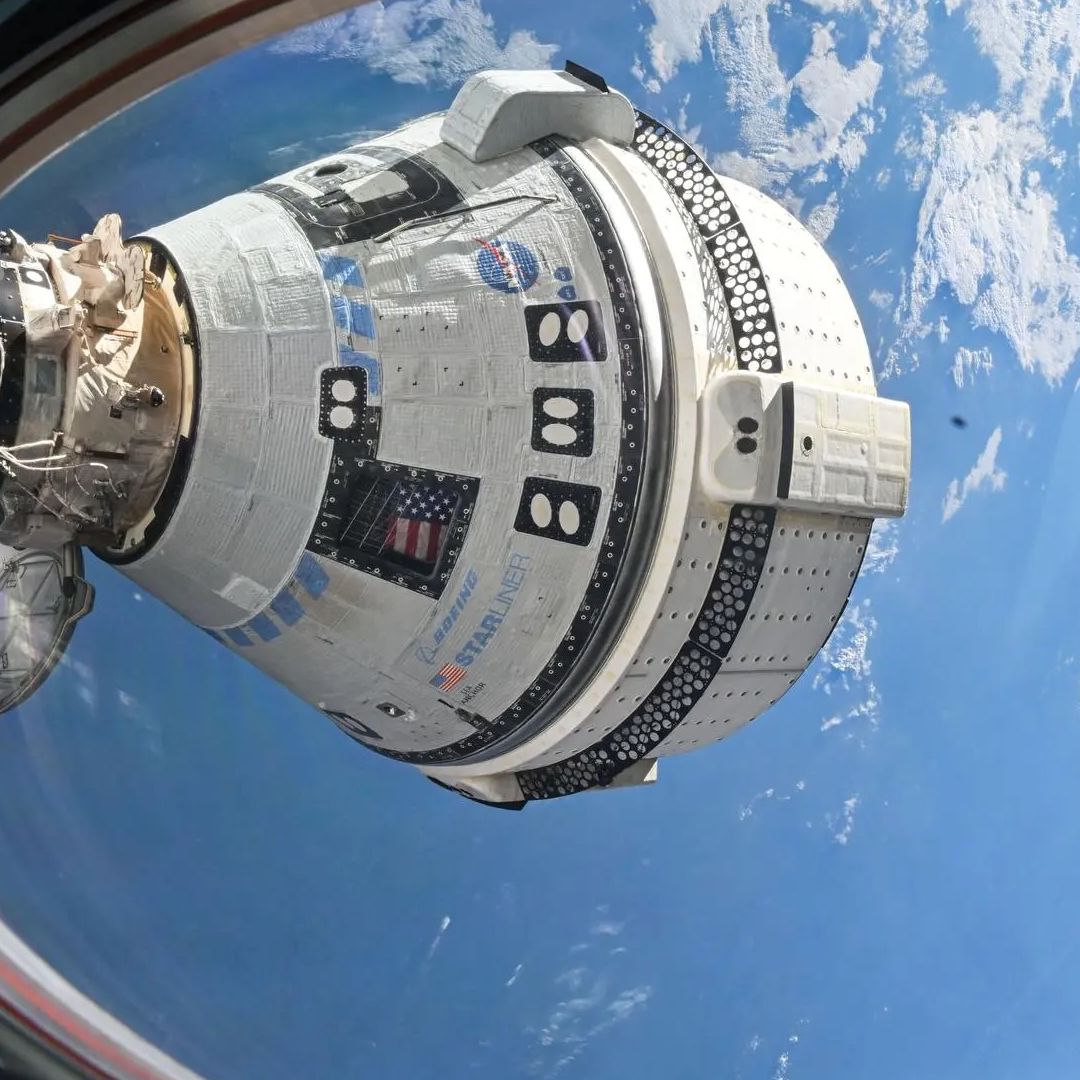
Oh, the trials and tribulations of Boeing’s Starliner manned capsule. Neither NASA nor Boeing have given up yet but there is little time left to work out all of the problems with Starliner. (Credit: Space)

Well, neither Boeing nor NASA have completely given up on Starliner and word coming out of Boeing is that the problems with the maneuvering rockets are solved. Starliner is ready for another, hopefully more successful mission. This time NASA intends to just use Starliner as a cargo vehicle, carrying supplies to the ISS. The only problem now is that the ISS only has so many docking modules and they are all spoken for over the next couple of months. Nevertheless either late this year or in early 2027 it’s likely that Starliner will get one final test mission, almost certainly a make or break mission for the spacecraft.
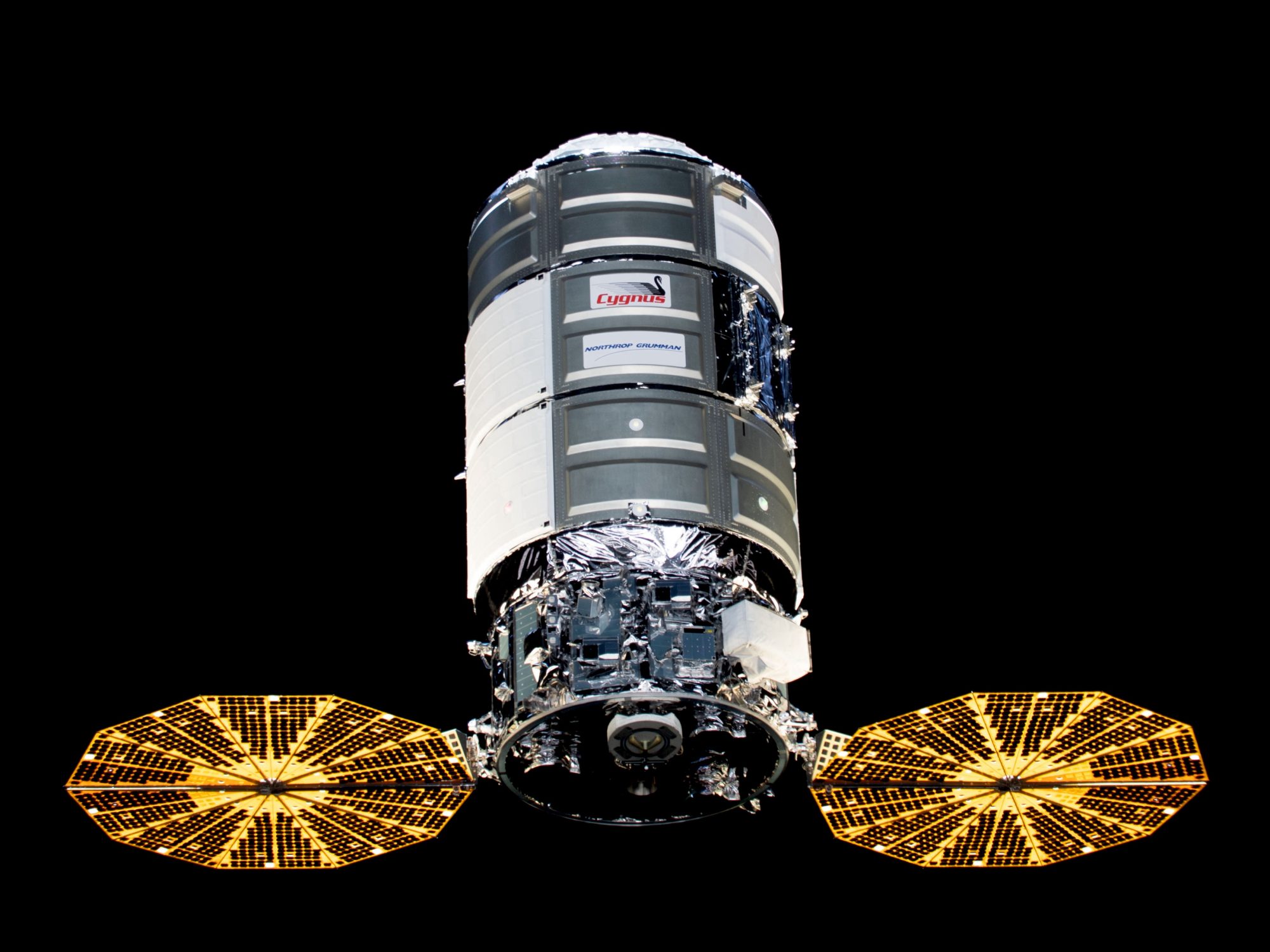
The Cygnus cargo spacecraft has completed several supply missions to the ISS. Using the Starliner capsule for such a mission is kind of a waste, but NASA does not want to risk any more astronauts until Boeing can prove it has fixed Starliner’s problems. (Credit: Wikipedia)

Finally, on the 24th of June Space X conducted the 13th overall test flight of its massive Starship, the second test of its new version 3 model. Over the last several years Space X has had its share of problems with Starship but this latest test appears to have accomplished all of its mission objectives. Both of Starship’s stages are intended to be reusable and on this test both stages made controlled descents and hovered at their target locations before landing in the water of the Gulf of Mexico for the booster and the Indian Ocean for the upper stage.
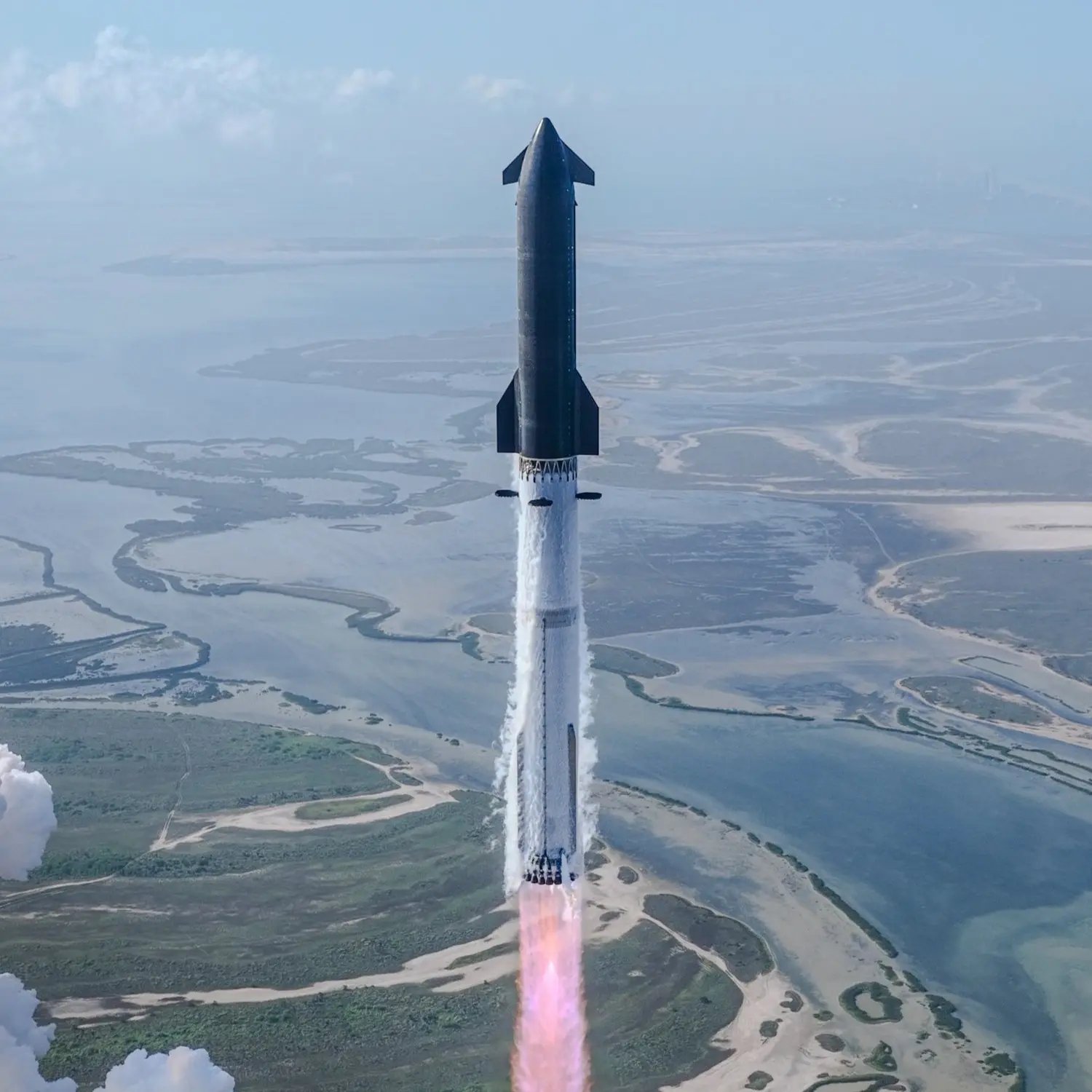
Launch of Space X’s Starship 13. The most powerful rocket ever built Space X is getting close to ironing out all of the bugs in Starship! (Credit: Next Spaceflight)

After this test, lucky number 13, it seems that Space X needs to try to actually catch both stages in order to demonstrate that such a feat is possible. Both Space X and NASA are betting heavily on Starship. If a Moon landing is to be made in 2028 there’s a lot of work to be done and much of that work involves Starship.
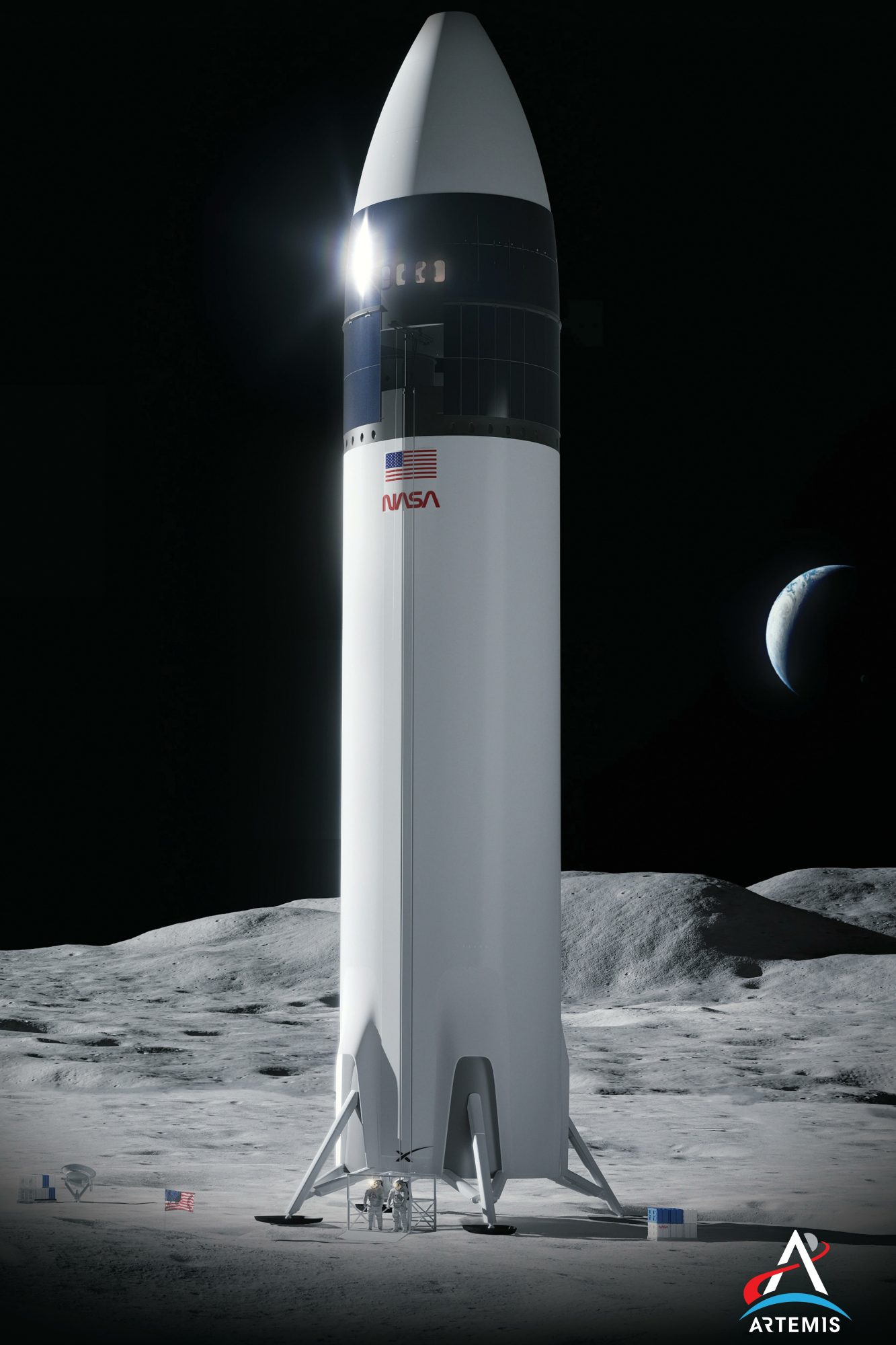
NASA plans to use a modified version of Starship’s upper stage as a manned Moon lander. Space X still has a lot of work to do to make that a reality! (Credit: Wikipedia)

Before I go a late piece of news to relate. NASA and Space X have announced that the Crew 13 mission to the International Space Station (ISS) has been delayed because of an oxidizer leak in the propulsion system of the Space X Dragon capsule. The mission, which had been scheduled to launch on September 13th will now take off no earlier than sometime in late September. Hopefully this delay will not be too prolonged!
Space News for August 2019.

We generally think of a story in the news as a report of some sort of dramatic occurrence, a story about an event full of action and yes, even danger. Space news therefore would consist primarily of accounts about rocket launches and space probes landing on distant worlds.

Of course we know that isn’t quite true. In space exploration the calm, deliberate decisions that are made in engineering conferences are every bit as vital to accomplishing the mission as the more spectacular moments. In this post I will be discussing three such stories illustrating the kind of planning and decision making that will make future space missions possible.

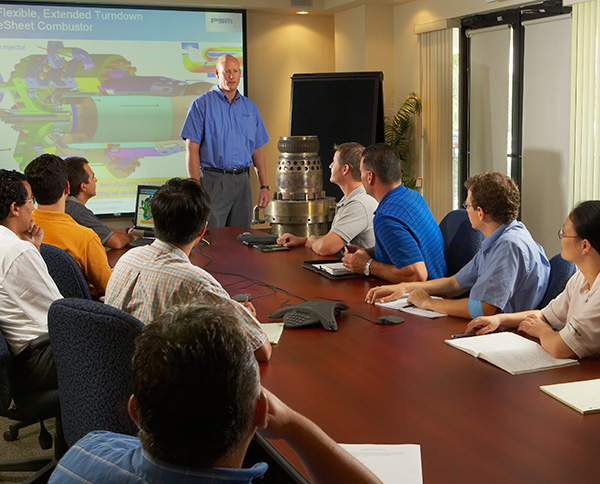
Many ideas are developed, and problems solved, in Engineering Meetings (Credit: PSM.com)

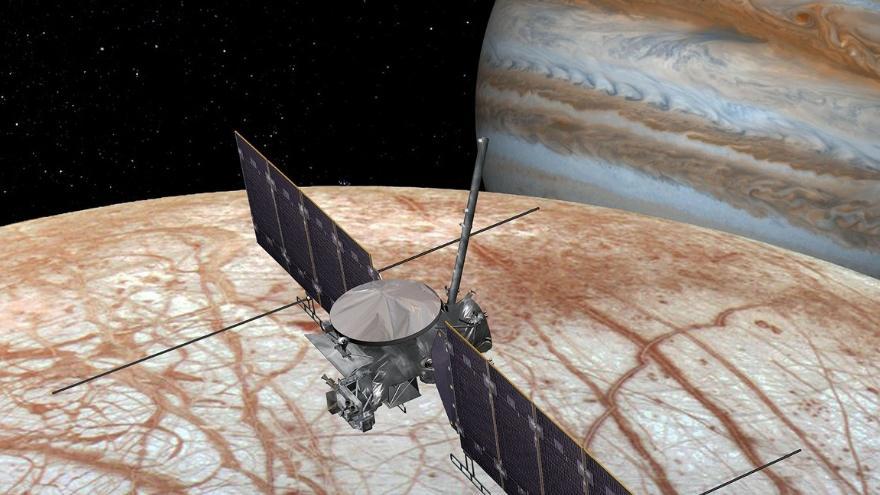
One such important decision announced by NASA on August 19 was to give a go ahead to begin construction of their ambitious Europa Clipper space probe, named for it’s target, Jupiter’s moon Europa. The intended mission of the Europa Clipper is to study that icy world in an effort to determine if the moon is actually a possible home for life. Some 40 close flybys of Europa are planned during which the probe will measure of thickness of the moon’s ice surface along with confirming the existence of a liquid ocean beneath the ice.

The Europa Clipper Space probe will make 40 flybys of the icy moon of Jupiter (Credit: ABC57.com)

The decision by NASA means that the design phase of the mission is now over and construction will now begin at NASA’s Jet Propulsion Laboratory (JPL) with a planned launch date of 2023 or 2025. One decision about the Europa Clipper still remains to be made however. What launch vehicle will be used to send the probe on it’s way to Jupiter?

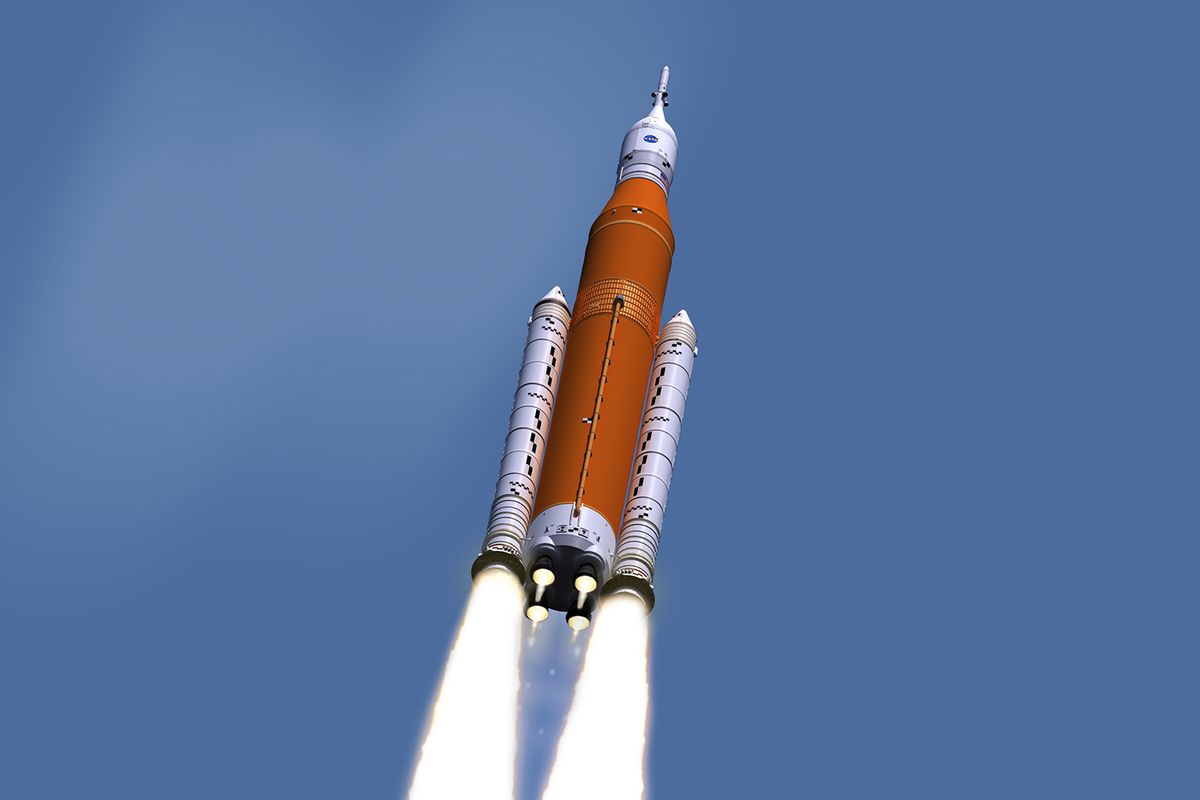
Currently congress has ordered NASA to use the Space Launch System (SLS) as the launch system but that massive rocket is still not ready for it’s first test launch, and there is the real possibility that the SLS might not be ready by 2025. Also, launching the Europa Clipper with the SLS will cost over a billion dollars.

After many delays and budget overruns NASA’s massive Space Launch System (SLS) still has not flown (Credit: NASA)

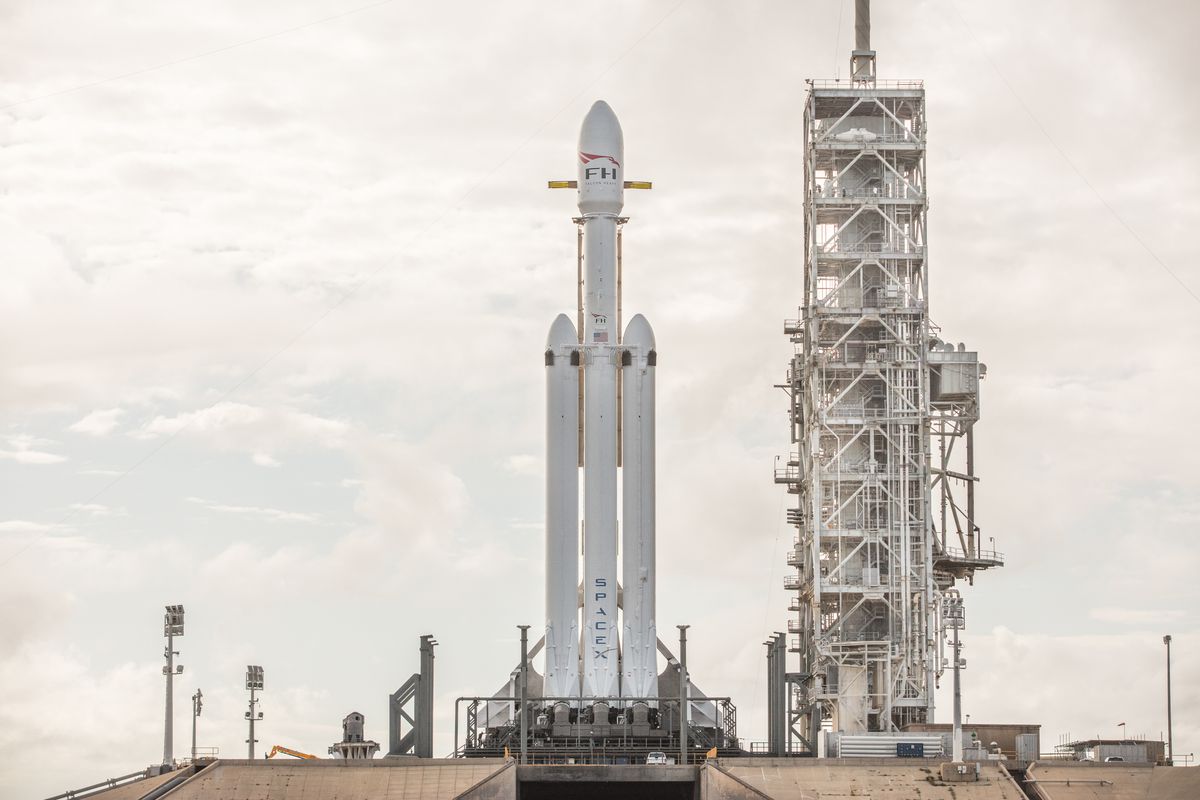
NASA on the other hand would prefer to launch the Europa clipper using a commercial launcher such as Space X’s Falcon Heavy. Launching the space probe with a commercial rocket would not only save hundreds of millions of dollars but also firm up the launch schedule since the Falcon Heavy has already successfully flown three times. Unfortunately the decision here may be made by politics because the SLS is being built at NASA’s Marshall Space Flight Center in Alabama and some very important republican senators are strongly supporting it.

The Space X Falcon Heavy rocket has already flown successfully three times (Credit: The Verge)

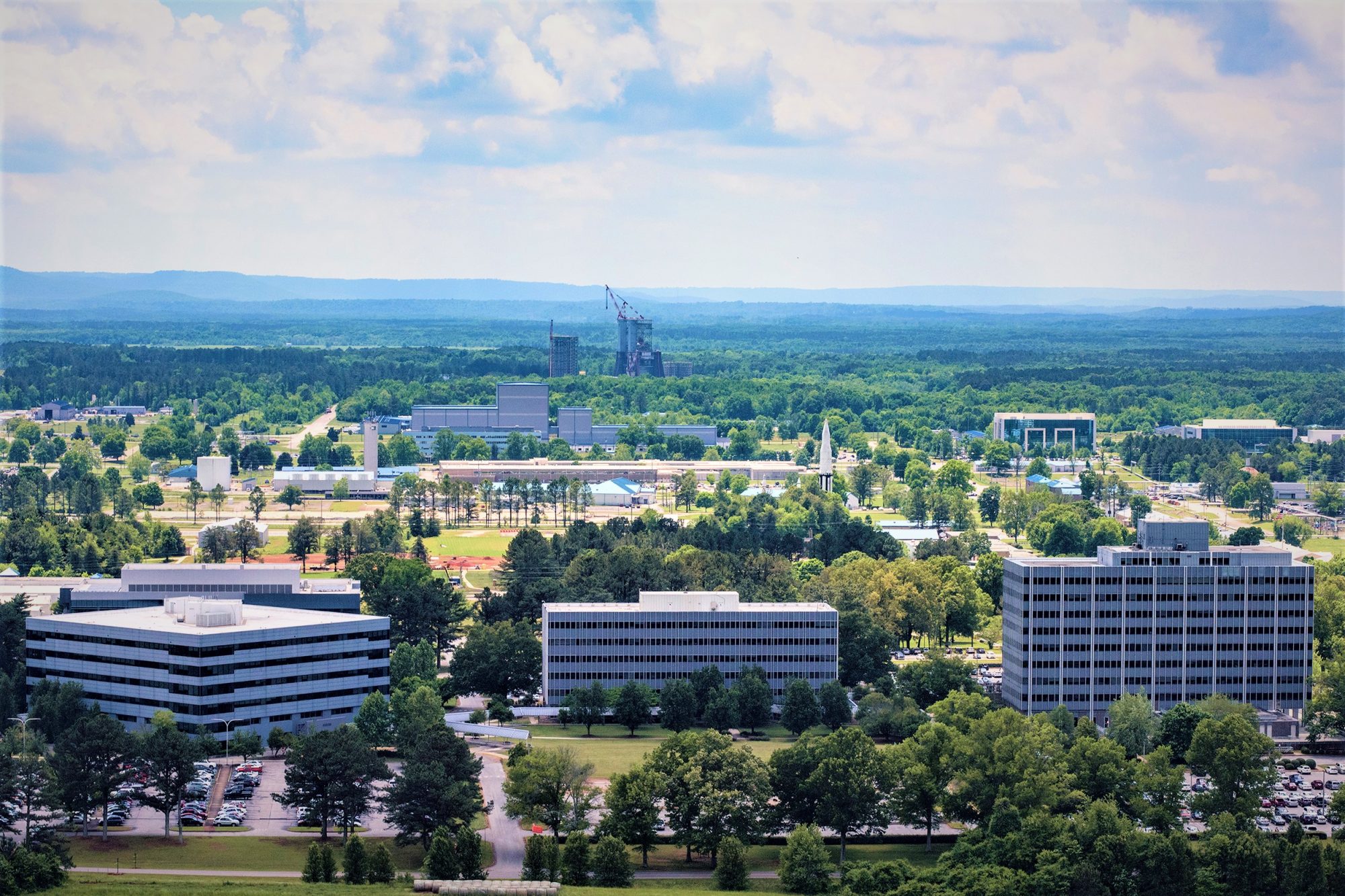
Speaking of the Marshall Space Flight Center, NASA has made another decision naming them as the lead management center in the development of the Lunar Lander for the space agency’s big Artemis program. Artemis is the name that NASA has now given to its plans for returning astronauts to the Moon’s surface by 2024. Since Marshall is already developing the SLS as the Artemis launch vehicle their choice as lead for the Lander now puts two big pieces of the Artemis pie on Alabama’s plate.

The Marshall Space Flight Center is where NASA has developed rockets like the Saturn V and Space Shuttle (Credit: Wikipedia)

Again the decision here was made on the basis of political, not engineering grounds and that’s never a good thing. In fact the decision could very well be changed. You see the Johnson Manned Space Flight Center is in Houston Texas and there are a couple of powerful Texas senators, also republican by the way, who think the Johnson center would be a much better selection as management lead for the lander’s development.

The Johnson Space Flight Center in Texas is Where NASA’s Manned Space Missions are developed (Credit: Wikipedia)

None of this arguing back and forth will make the lander perform any better, or be built any faster or cheaper. Indeed that sort of political infighting is more likely to stall funding appropriations that could lead to schedule delays and cost overruns.

On a more hopeful note NASA has also decided to team up with Space X in order to develop the technology necessary for the refueling of spacecraft in space! Again the idea is to reuse spacecraft rather than just throw them away after one use and build another. In space refueling has long been considered essential towards developing a space infrastructure that will enable longer and more difficult space missions.

Refueling in space would extent the operational life of satellites, thereby reducing their cost (Credit: Engadget)

Take for example the communications satellites that are now in geostationary orbit 35,000 km above the earth’s equator. These multi-million dollar radio relays must keep their antennas pointed very precisely at Earth in order to perform their job at all. To do this the satellites have small, station keeping rocket engines that keep the satellite exactly where they’re supposed to be. After about 5-7 years however those engines run out of fuel and the craft soon begins to drift until the antennas are no longer directed at Earth. Once that happens the satellite becomes nothing more than a very expensive piece of junk up in space. If you could refuel those satellites while in orbit however you could extend their useful life by years and save billions of dollars.

For manned spaceflight in space refueling would allow the development true spaceships that could travel back and forth to the Moon or Mars multiple times. Such spaceships would be refueled at the end of each mission in exactly the way you refuel your car after a long trip.

Developing the technology for refueling in space won’t be easy however. Most of the chemicals used as rocket fuel, liquid oxygen, liquid hydrogen or liquid methane have to be kept cryogenically cold, requiring both refrigeration equipment and power. And everything has to be kept airtight or that fuel that you spent so much money getting into orbit will simply boil off into space. That’s why NASA teaming up with Space X makes sense. While Space X is the leader in reusable spacecraft NASA’s Glenn Research Center in Ohio and Marshall Space Flight Center are the recognized experts in handling and storing various kinds of rocket fuel. Hopefully this teaming up of skills will solve the problems of refueling in space and one day soon in addition to orbiting space stations we will see orbiting gas stations as well. 

Will there soon be a ‘Gas Station’ in orbit above the Earth? (Credit: Ars Technica)