
There’s a lot of news that’s happened lately that could have major effects on the way that space exploration will play out over the next decade or two. So let’s get to it!

I’d like to start with a mission that may have escaped the notice of a lot of people but which is very important in view of developing space technology and infrastructure. In order to be able to function properly while in space every satellite has to be able to communicate with the ground, which means it has to have its antennas pointed back to Earth. This is especially true of the big communications satellites that are located in geostationary orbits, 36,000 km above the Earth’s surface.
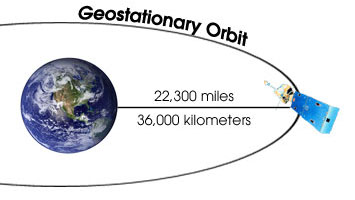
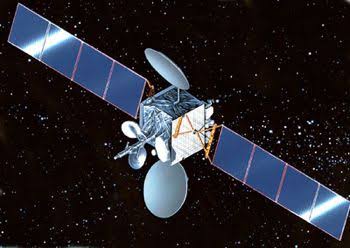
In order to maintain their proper orientation, with their antennas pointing back at our planet, communications satellites have station keeping rocket engines that must fire every so often when the satellite begins to drift out of position. Of course, these rocket engines only have so much fuel and when that runs out, well it won’t be long before that multi-million dollar satellite is just useless junk. The lifetime of any communications satellite is therefore basically a matter of how long its fuel lasts.
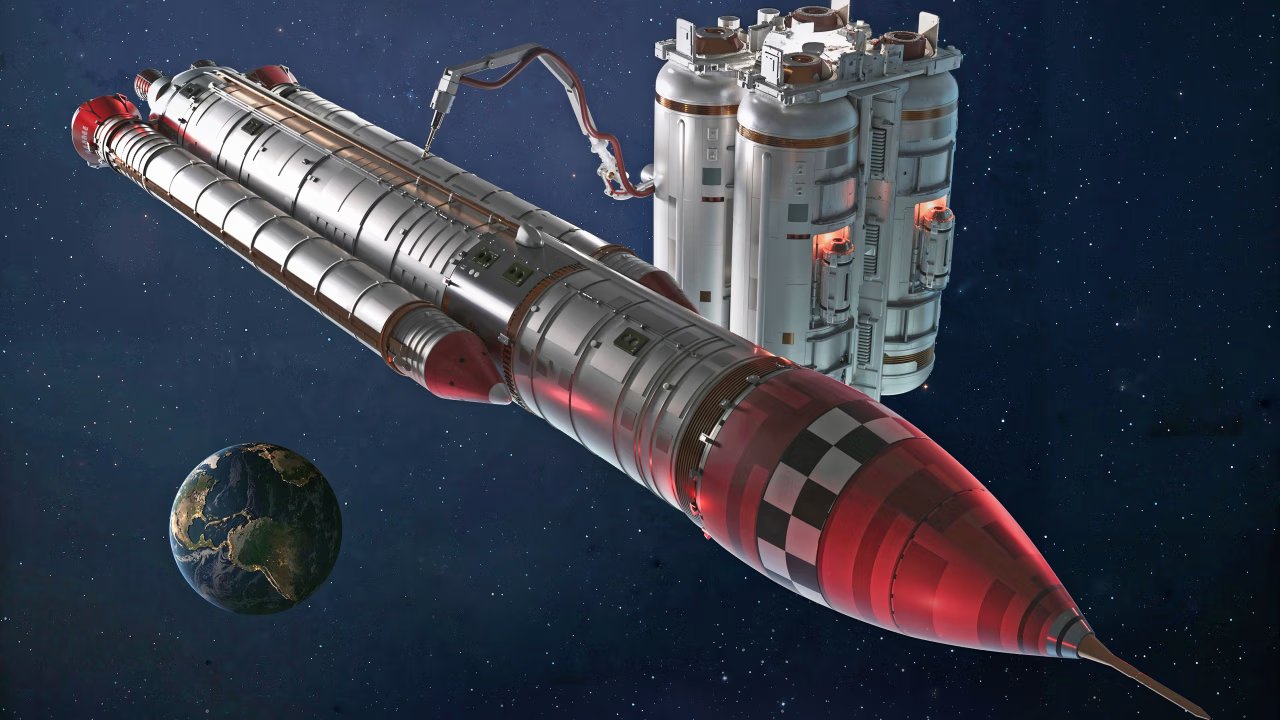
Engineers have been talking about how to extend the lifespan of such expensive satellites ever since the 1980s; I know some of those guys! There are basically two ways to it. The first would simply be to refuel the satellites rockets while they are in geostationary orbit. That would require a specially designed ‘tanker’ spacecraft that could go up to geostationary orbit and do the refueling. At the same time it would require that communications satellites be designed so that they can be refueled, which currently none of them are!
The second alternative would be to have a spacecraft go up to geostationary orbit, rendezvous with a communications satellite and attach a specially designed module to the satellite, a module that contains new, fully fueled rocket motors that can keep the satellite oriented properly for at least several more years. The big advantage of this scheme is that it can work with existing communications satellites.
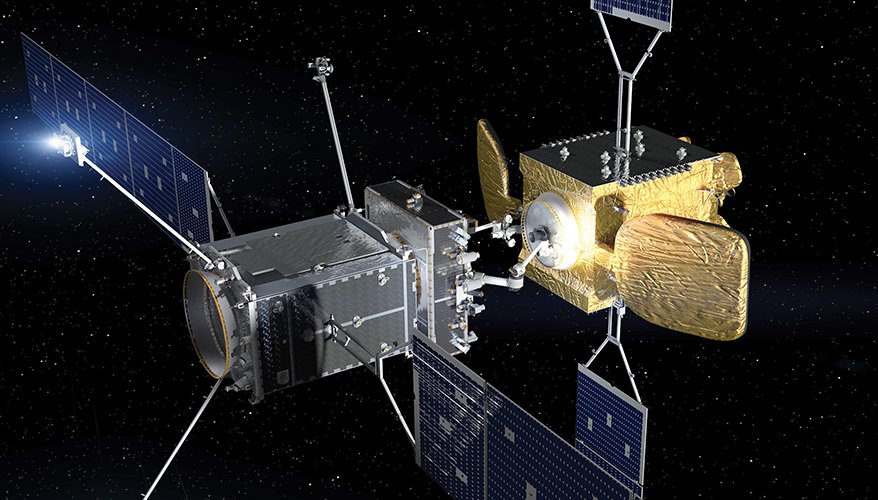
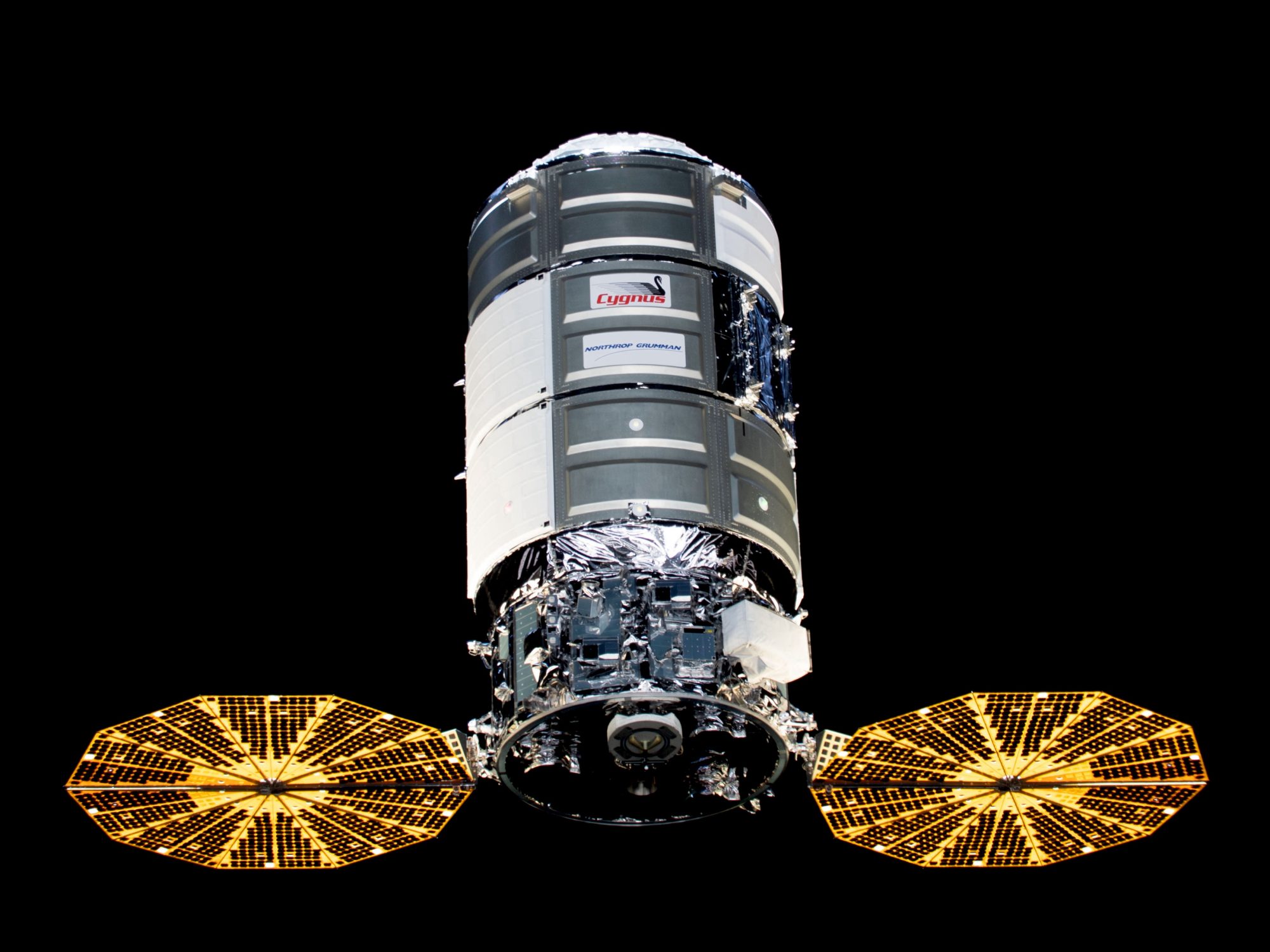
And that is exactly what was launched aboard a Falcon 9 rocket on the 21st of July. Developed by Northrop Grumman the ‘Mission Robotic Vehicle’ (MRV) will spend the next few months climbing to geostationary orbit where it will use its 3m long arms to attach ‘jetpacks’ to three communication satellites, extending their useful lives by an estimated six years each.
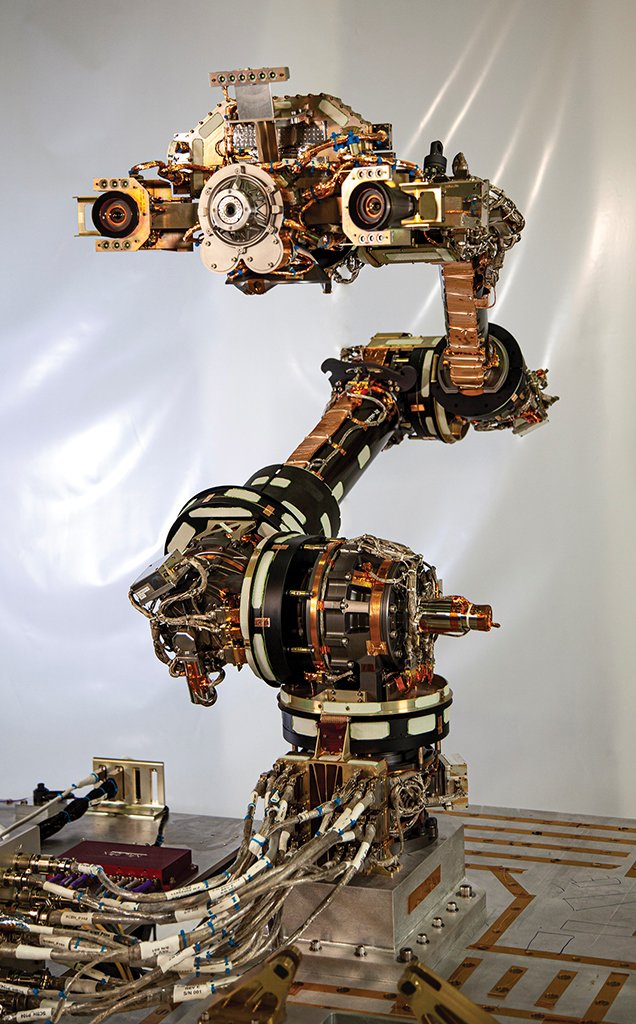
The MRV itself is about the size of a mini-van while each of the jetpacks is the size of a washing machine. After it has serviced the three satellites Northrop even hopes to launch more jetpacks enabling the MRV to service more satellites. In the long run the development of this technology will help to further reduce the cost of doing business in space, the fact that Northrop’s MRV was launched into space by the reusable Falcon 9 illustrates that point.
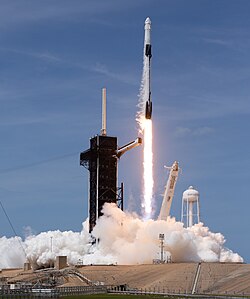
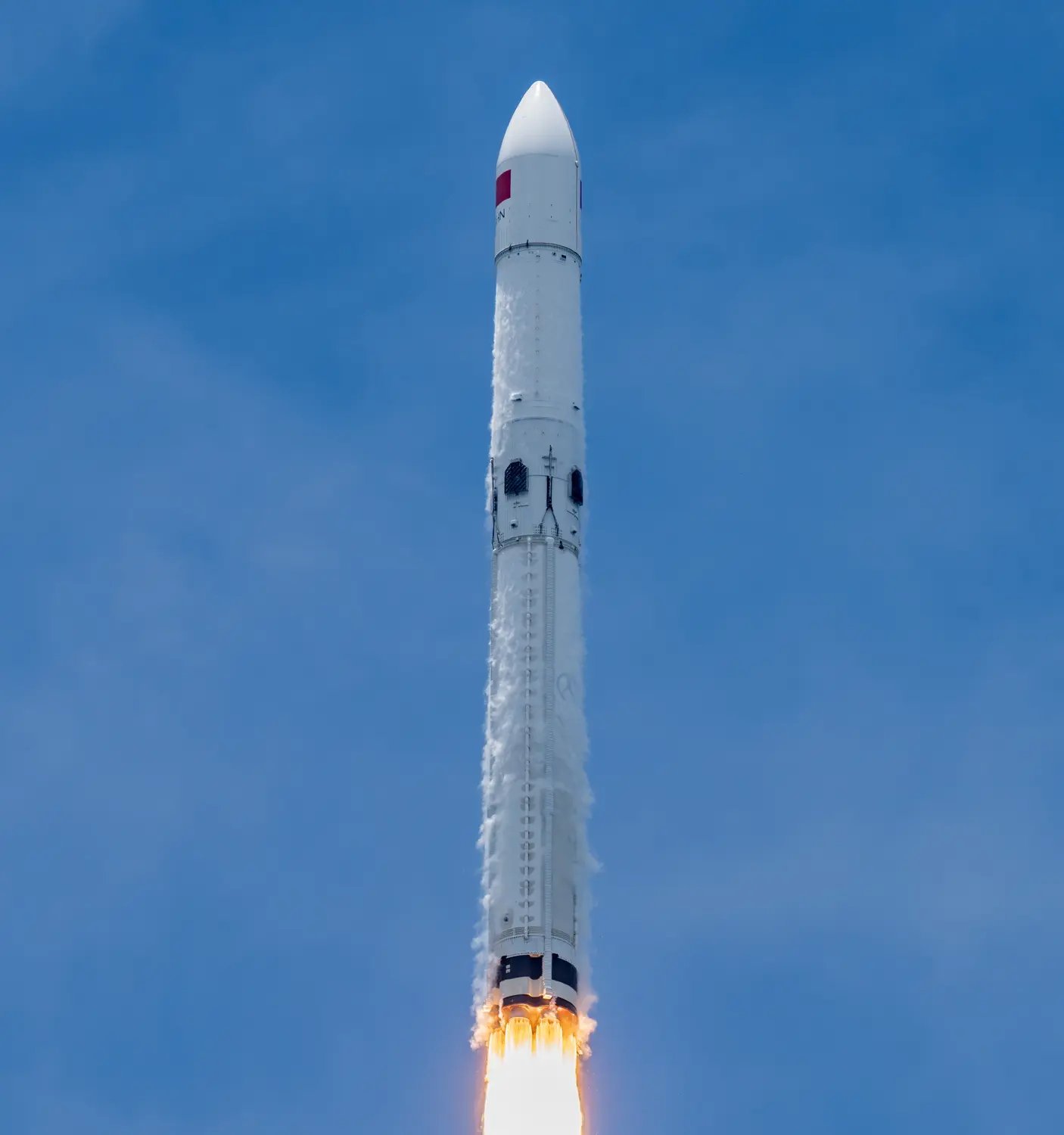
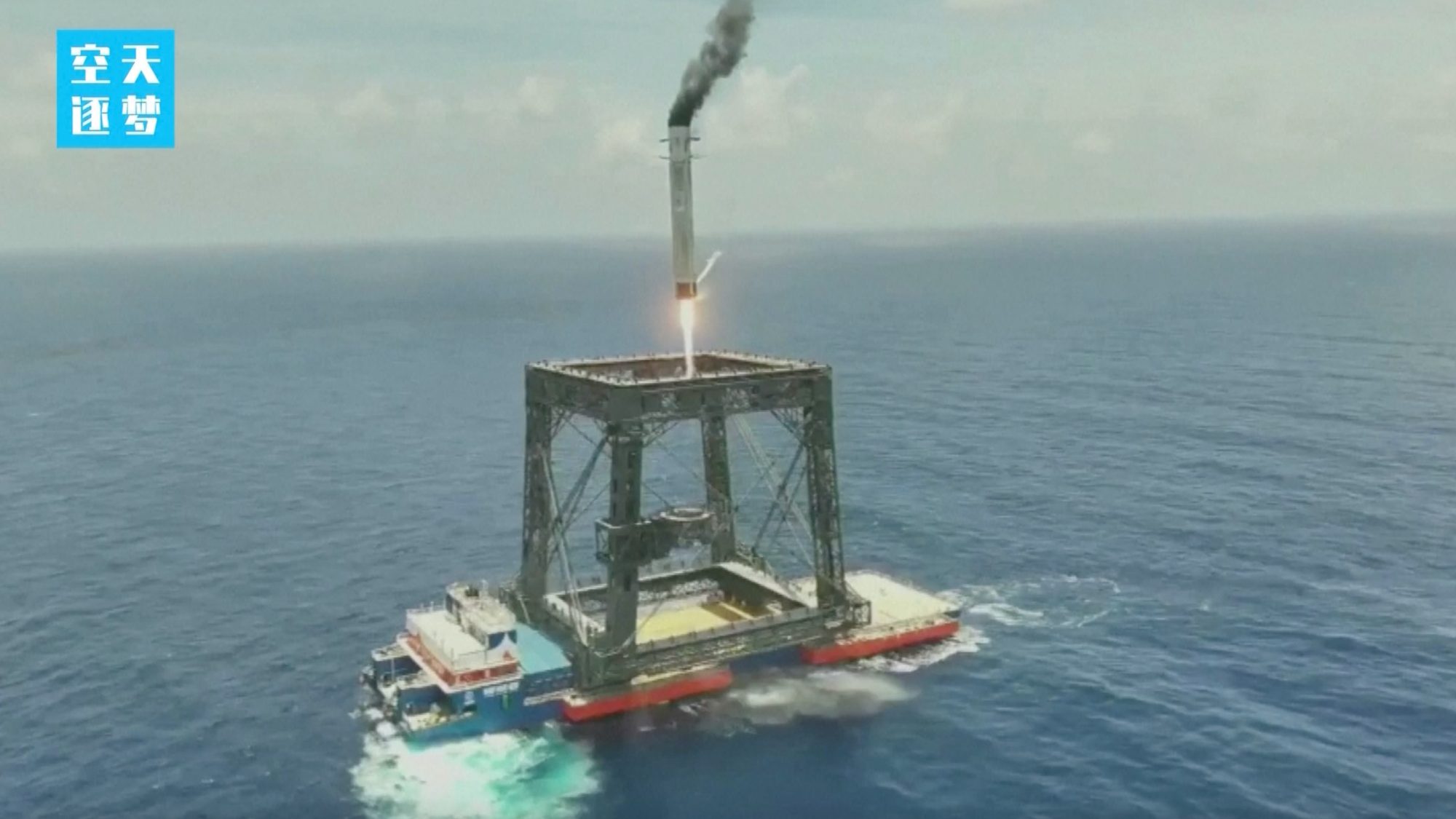
Speaking of reusable launch systems, China has now successfully launched and, more importantly recovered the booster stage of a rocket that is comparable in size and payload to the Falcon 9. On the 9th of July a Long March 10B rocket took off from China’s Wenchang space facility on the island of Hainan. Just six minutes later the rocket’s first stage hovered in an upright orientation above a floating platform in the China Sea. As the booster hovered it was safely captured by a series of nets.
This unique, net style of recovery, as opposed to the Falcon 9’s landing legs could help reduce the cost of the Long March 10B launch system, or make it more difficult to successfully catch the booster. Only time will tell which is true but China has taken a significant step in its desire become an equal to the US in space technology.
Another bit of news about space concerns Boeing’s Starliner capsule, the long troubled manned capsule that was supposed to be taking astronauts to the International Space Station (ISS) years before Space X’s Dragon capsule. You remember how in 2024 two NASA astronauts took Starliner on its maiden voyage to the ISS but had so many problems on the way there that the space agency decided to have them wait in space for eight months until a Space X dragon could bring them home.
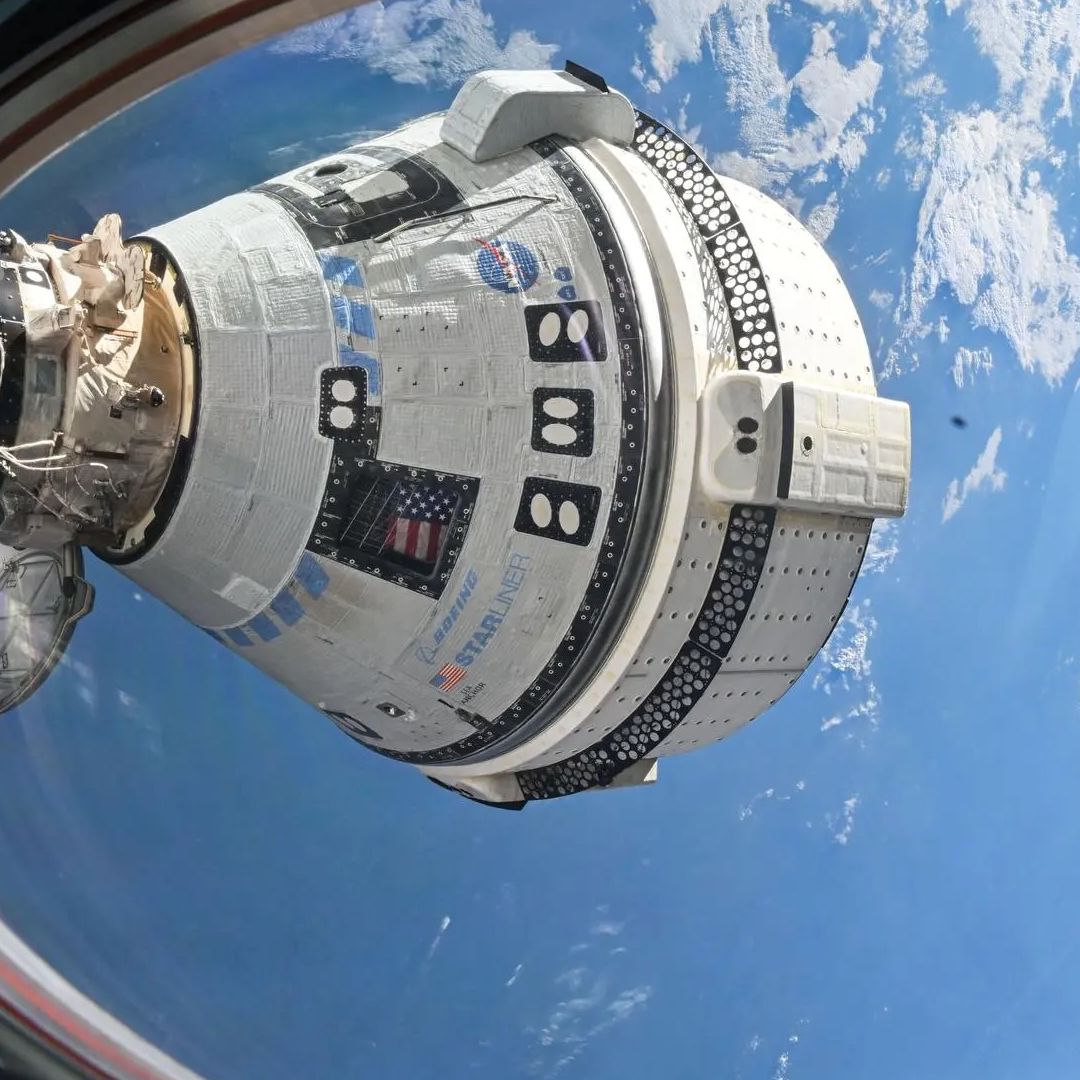
Well, neither Boeing nor NASA have completely given up on Starliner and word coming out of Boeing is that the problems with the maneuvering rockets are solved. Starliner is ready for another, hopefully more successful mission. This time NASA intends to just use Starliner as a cargo vehicle, carrying supplies to the ISS. The only problem now is that the ISS only has so many docking modules and they are all spoken for over the next couple of months. Nevertheless either late this year or in early 2027 it’s likely that Starliner will get one final test mission, almost certainly a make or break mission for the spacecraft.
Finally, on the 24th of June Space X conducted the 13th overall test flight of its massive Starship, the second test of its new version 3 model. Over the last several years Space X has had its share of problems with Starship but this latest test appears to have accomplished all of its mission objectives. Both of Starship’s stages are intended to be reusable and on this test both stages made controlled descents and hovered at their target locations before landing in the water of the Gulf of Mexico for the booster and the Indian Ocean for the upper stage.
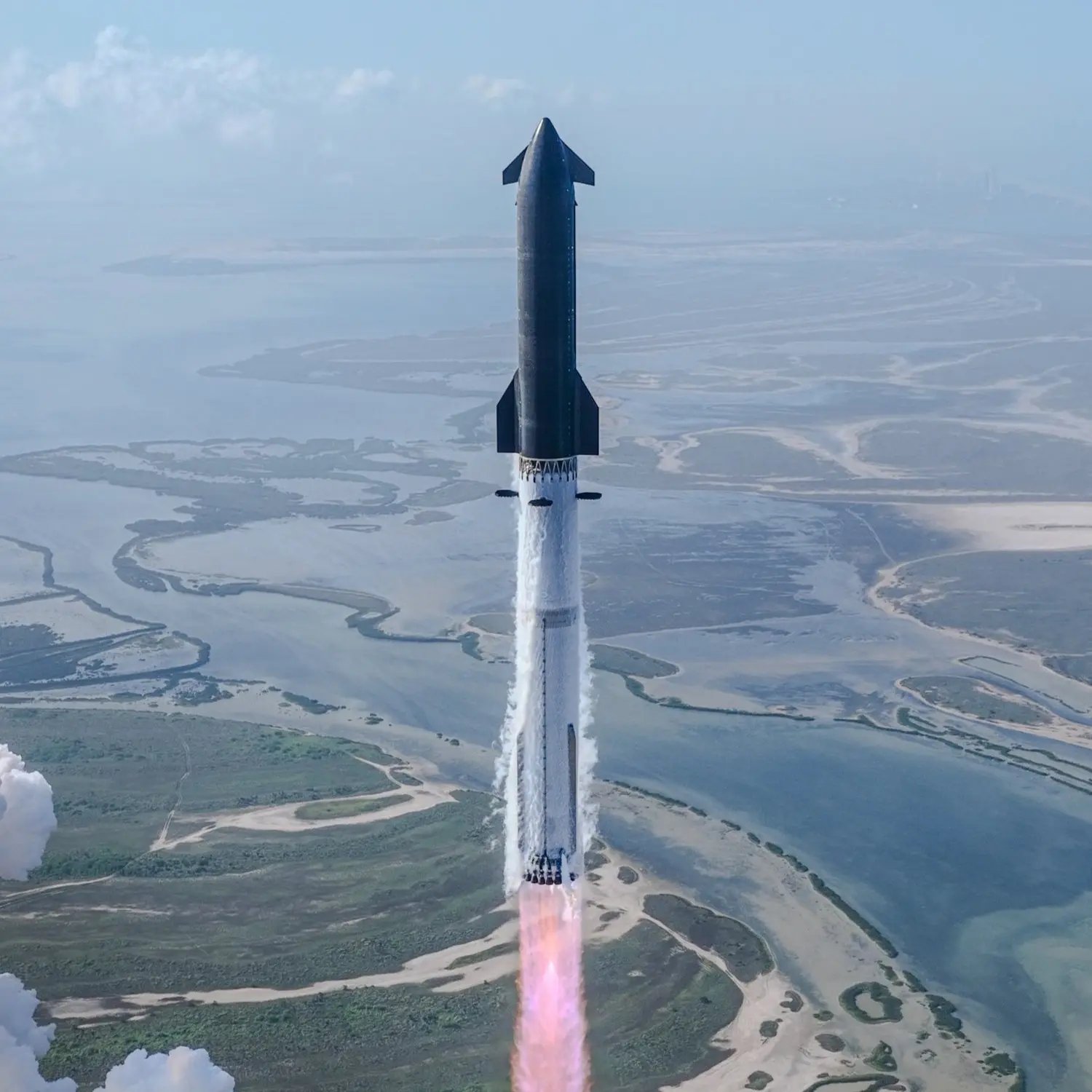
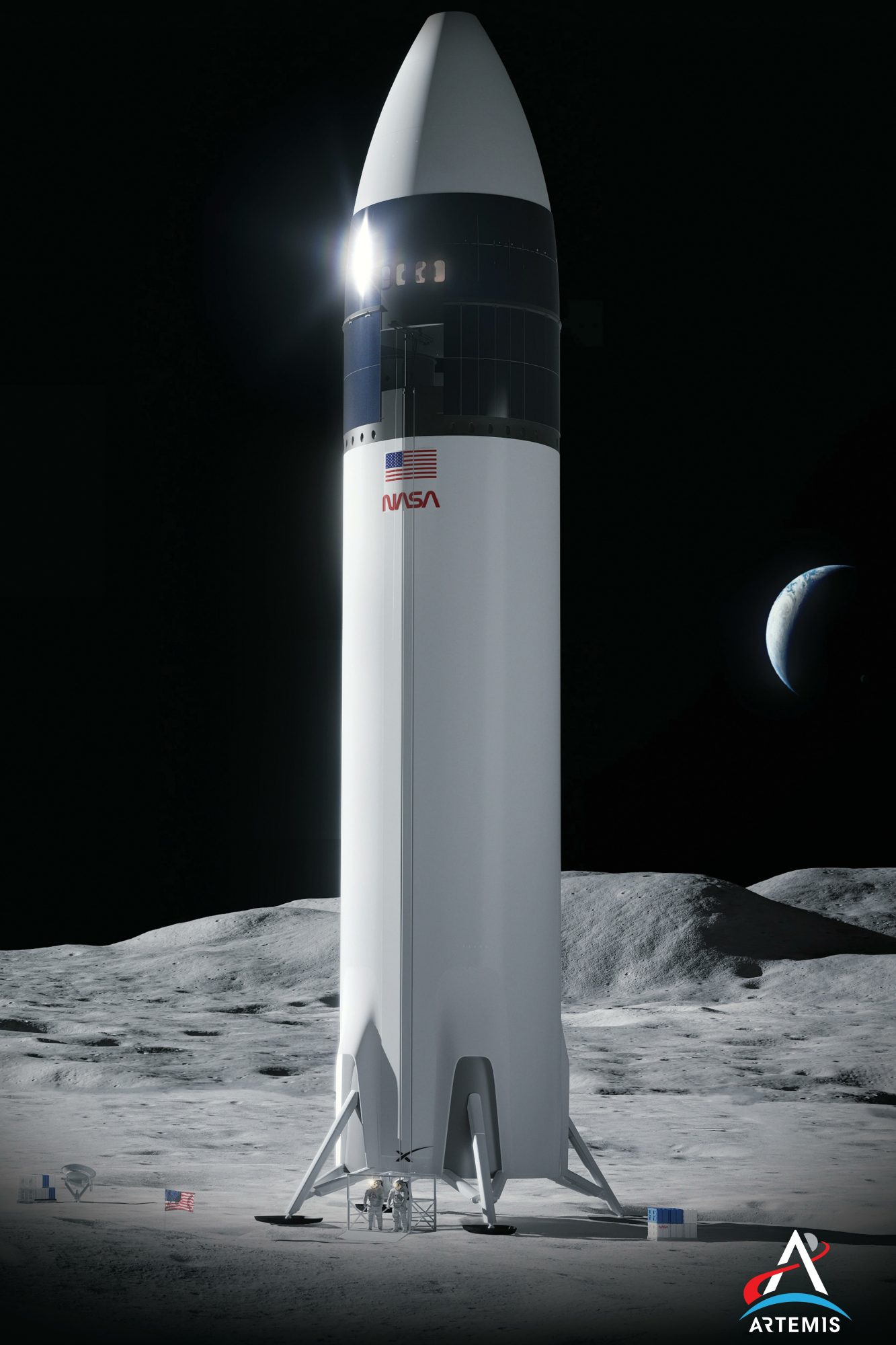
After this test, lucky number 13, it seems that Space X needs to try to actually catch both stages in order to demonstrate that such a feat is possible. Both Space X and NASA are betting heavily on Starship. If a Moon landing is to be made in 2028 there’s a lot of work to be done and much of that work involves Starship.
Before I go a late piece of news to relate. NASA and Space X have announced that the Crew 13 mission to the International Space Station (ISS) has been delayed because of an oxidizer leak in the propulsion system of the Space X Dragon capsule. The mission, which had been scheduled to launch on September 13th will now take off no earlier than sometime in late September. Hopefully this delay will not be too prolonged!