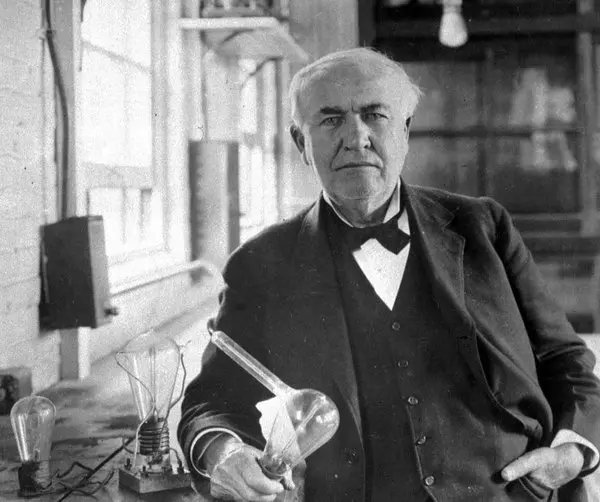
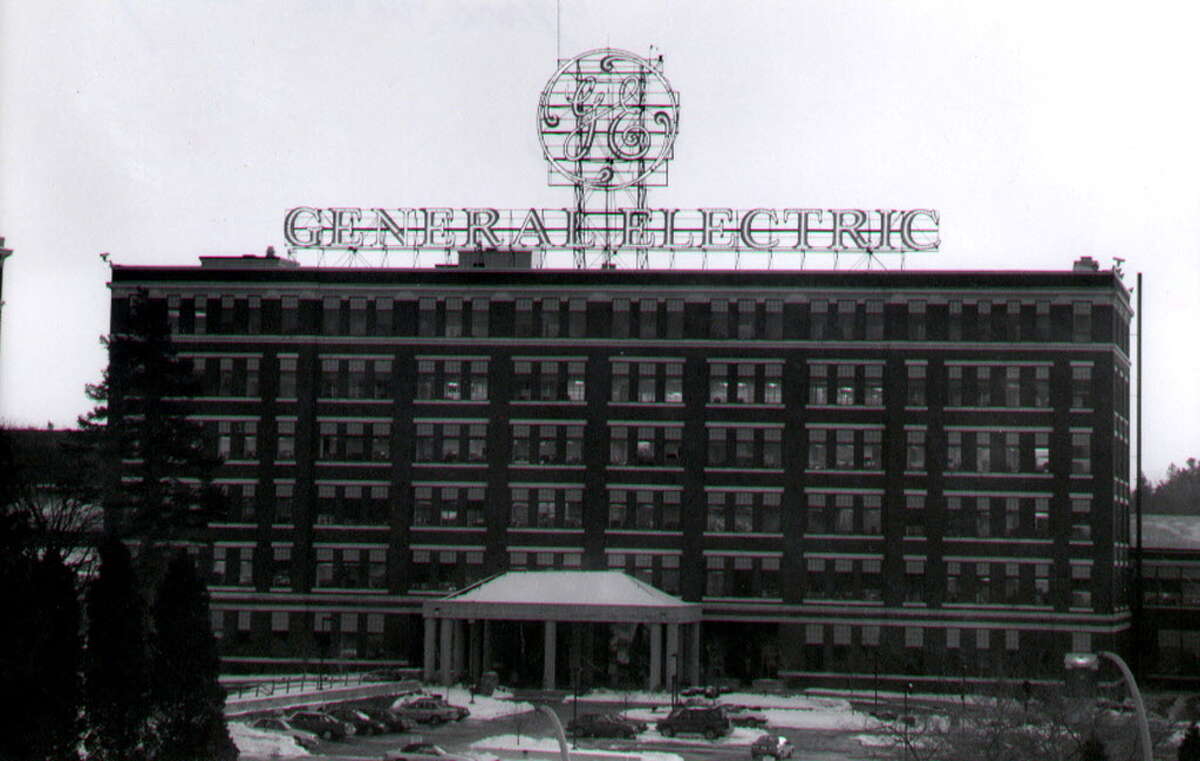
I case you’re wondering the man referred to in the title ‘The Man who Broke Capitalism’ was Jack Welch, the CEO of General Electric Corporation from 1981 to his retirement in 2001. When Welch became CEO General Electric (GE) was one of the largest companies in the world, with some 411,000 employees. Ever since its founding by none other than Thomas Edison in 1882, GE had been in the forefront of innovation and technology. Starting with Edison’s light bulbs the company had invented toasters, refrigerators, air conditioners, jet engines along with thousands of other products, products that helped the US become the most advanced nation on Earth.
At the same time GE was also known as a really good place to work. Good pay combined with great benefits along with just a feeling that each and every employee was appreciated. GE was considered a standard of good corporate behaviour against which other companies could be judged.
In the late 1970s however America was in the doldrums, not only had the Vietnam War caused divisions within the country but the other nations of the world, nations that had been all but destroyed in World War 2, had rebuilt their economies and were cutting away at the ‘edge’ that the US had enjoyed in the 50s and 60s. At the University of Chicago an economist named Milton Friedman was claiming that he had the solution to all of the country’s problems, lower taxes and less regulation. According to Friedman the regulated, big government economy that had developed under FDR and subsequent Democratic Presidents was sapping initiative from entrepreneurs while government regulations made it more difficult to grow any business.
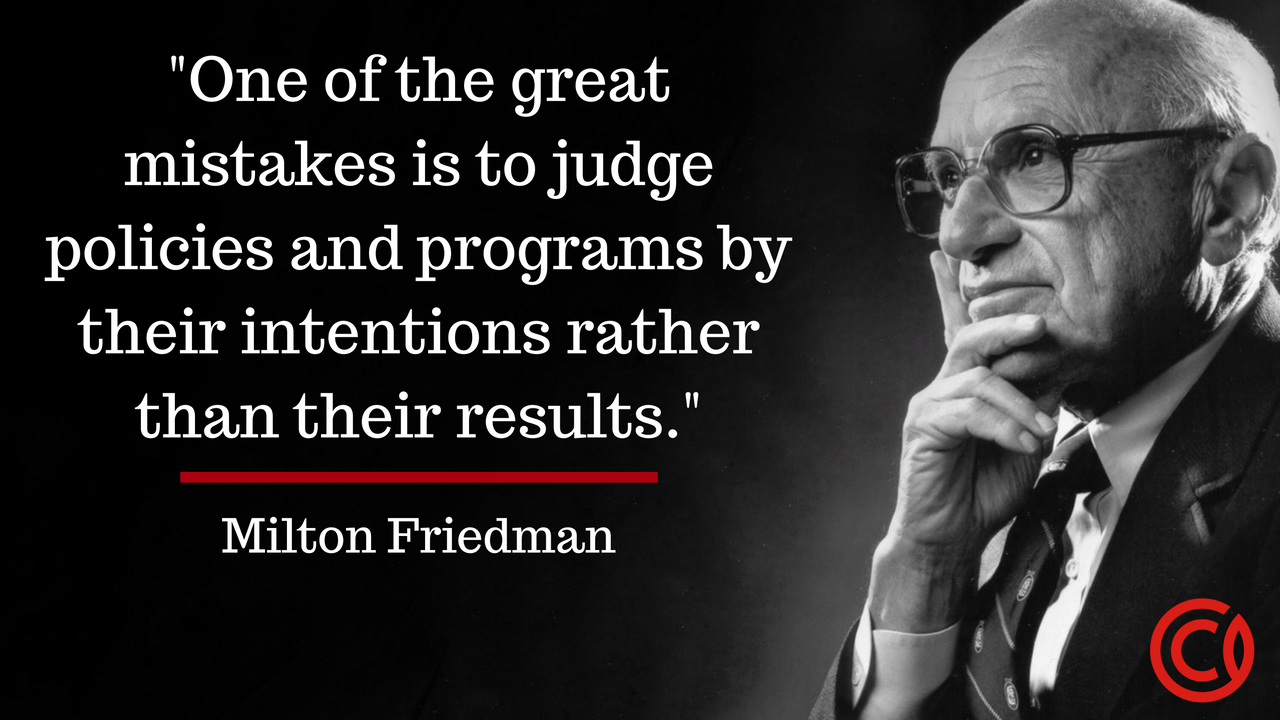
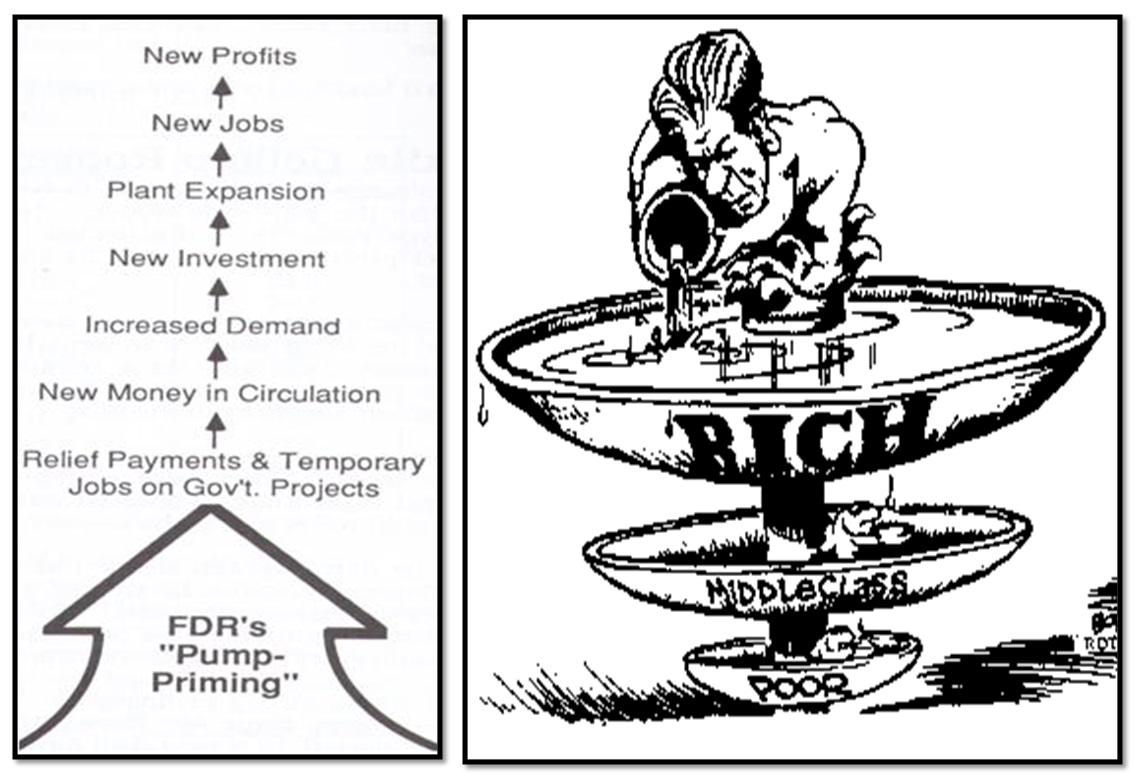
Friedman maintained that by lowering taxes; say by 10% and reducing regulations the economy would quickly grow by at least 10% so there would actually be no reduction in government revenue, taxes would bring in a smaller share of the pie but of a bigger pie, so no real change! Not only that but since ‘a rising tide lifts all boats’ everyone in the country would share in the benefits of the larger economy. This was known as ‘Trickle Down’ economics.

These ideas were called ‘Supply Side Economics’ and they became a cornerstone of Ronald Regan’s campaign for President. So much so that they quickly became known as ‘Reganomics’. When elected Regan quickly put theory into practice and indeed the country did soon bounce back from a deep recession.
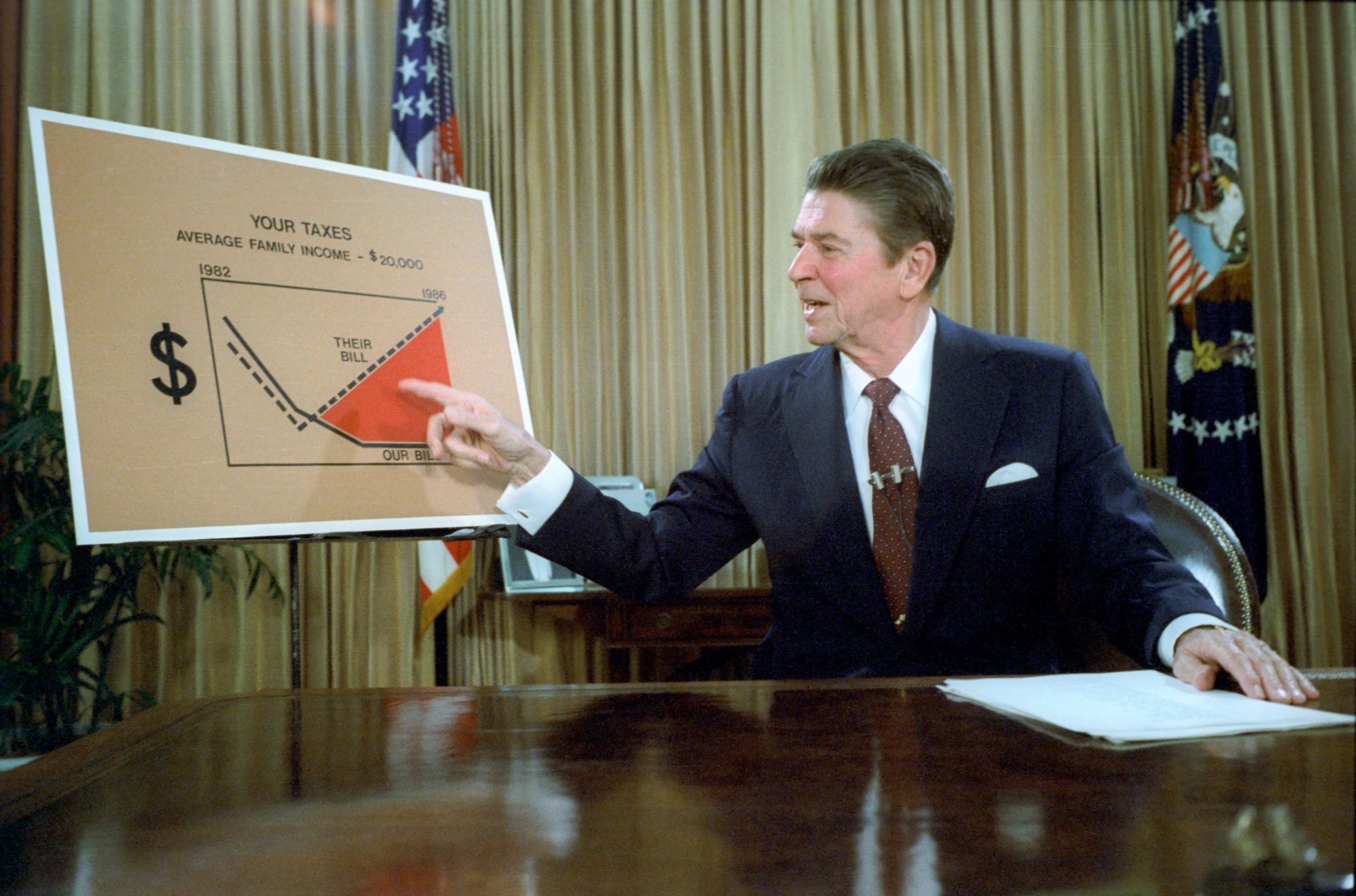
It was a coincidence that Regan became President the same year that Jack Welch became CEO of GE. Nevertheless Welch went even farther into Friedman’s theories, including the ideas that corporate management’s only responsibility was to it’s shareholders, not employees or even customers, only stockholders. Welch was determined that GE would announce large dividends every business quarter and that the price of GE stock would always go up.
Welch saw employees as a cost, not a benefit so he cut jobs wherever he could, earning him the nickname ‘Neutron Jack’ after the neutron bomb that killed people but left buildings intact. Before Welch became CEO GE had an entire department of 300 engineers and support personnel whose job it was to plan for the future, imagine new products that the company could develop. They were the first to be fired, Jack didn’t care about the future only about the next quarter. It is a fact that in the 45 years since Welch, GE, the company founded by arguably the greatest inventor of all time has invented nothing.
Welch put into place a tiered system of employee ranking that basically resulted in about 10% of GE’s employees being fired every year. The remaining 90% were not only made fearful for their jobs but actually forced to work mandatory overtime to make up for the work done by the lost employees. I have met quite a few engineers who left GE during Welch’s time as CEO because the place was simply a horrible place to work. Jack’s treatment of his workers not only eliminated the less productive employees but at the same time it saw many of the best staff leave for someplace, anyplace else. Welch was also one of the pioneers in moving manufacturing jobs overseas where labour rates were much lower than here in the US.

Welch wanted GE to get into the business of finance, moving money from one ledger sheet to another, and taking a cut for the privilege. In finance there were no actual products to be built, so you needed very little manpower, i.e. less employees. Now, GE had always had a credit card that allowed customers to buy GE products on credit. Welch went much further, buying up banks and getting into real estate, including helping to finance Trump Tower in New York City.

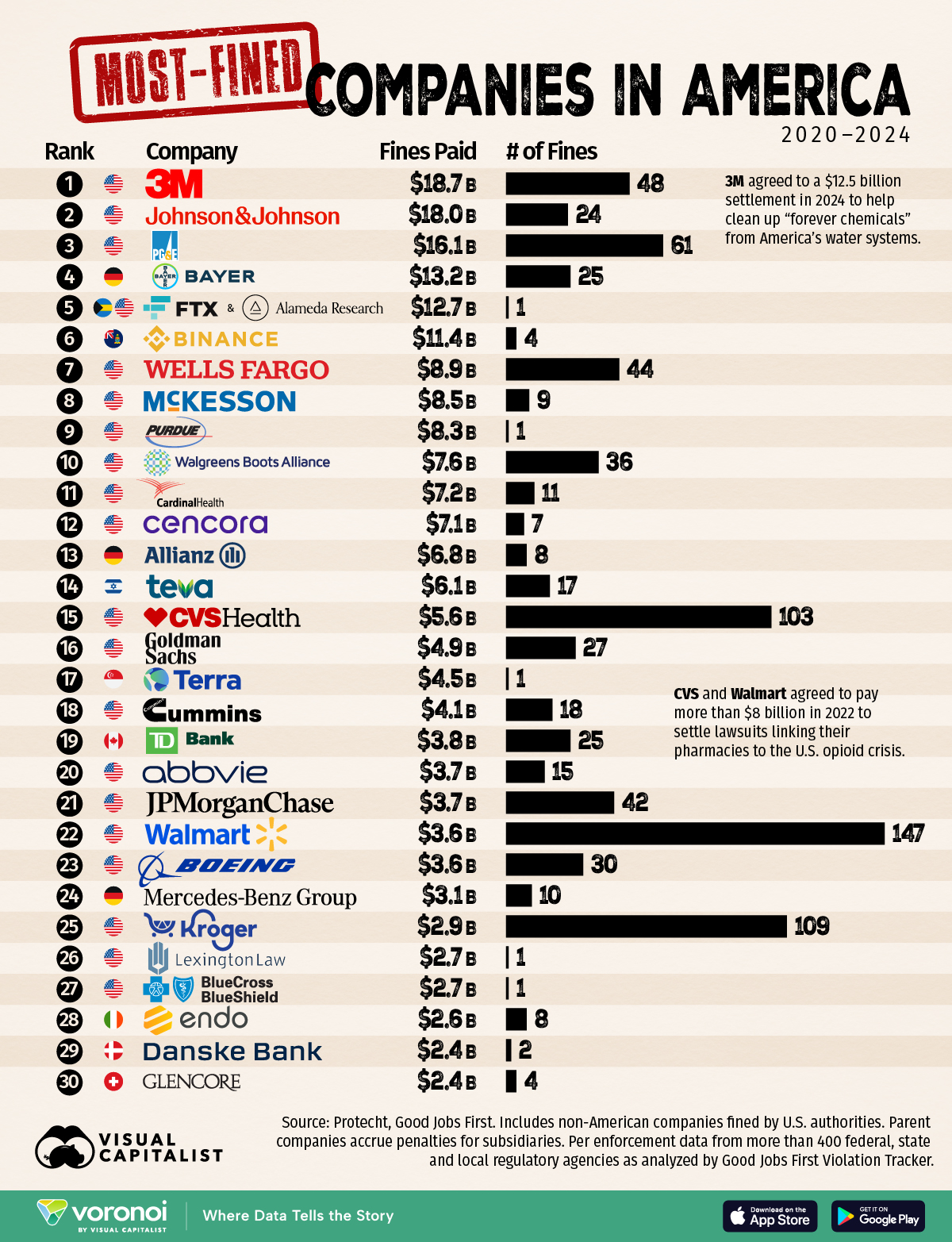
In addition to his heavy handed, but still legal tactics Welch also was adept at ‘creative accounting’ such as saying an large order was completed a week or so before it actually was in order to make this quarter’s sales figures look better, or exaggerating losses so as to provide tax breaks. During the 1980s and 90s many companies carried out such tricks and all the federal government would do if you were caught was to enact a fine that probably wasn’t as much money as the company had gained by the trickery. No member of management ever went to jail for the frauds.
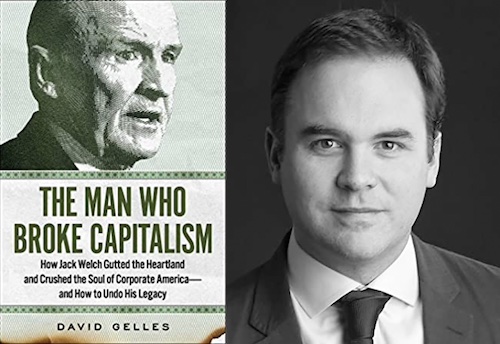
I could go on, as author David Gelles does in ‘The Man who Broke Capitalism’. Additionally Gelles details how many of the managers who worked for Welch at GE later became CEOs of other companies and followed Welch’s strategy of business. Few however were as successful as Welch himself.
In fact all that Welch and his acolytes actually did was to take healthy, profitable corporations and squeeze them, cutting costs to provide money for the stockholders until there was nothing left to squeeze and leaving little if anything left of a once healthy company. The Radio Corporation of America (RCA) is an example. RCA had practically invented both radio and television but when Jack Welch bought it in 1985 he simply cut it to pieces and sold off most of the pieces. All Jack really wanted from the deal was NBC, then owned by RCA, he quickly sold off the electronics and space divisions which is one of the big reasons why today we all buy our electronics from Japan, Korea or China.

‘The Man who Broke Capitalism’ is a detailed account of how Welch, and others made themselves filthy rich while driving millions into poverty. The book is also easily readable, with very little business technical jargon. In the last chapter the author Gelles gives some concrete steps that our country can take to rid itself of the curse of Welchism, and ‘supply side economics’ in general.
So I heartily recommend ‘The Man who Broke Capitalism’ it’s an important book about how we got into our current mess, and that’s a necessary part of getting ourselves out of it.