
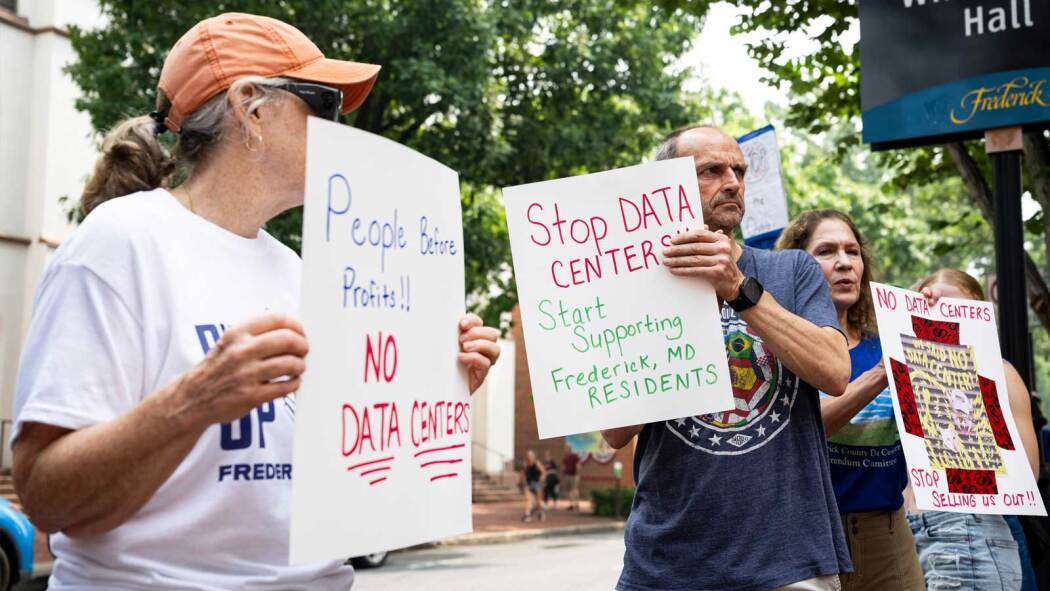
There have been a lot of news stories lately about Data Centers whether it be the large increase in the number of data centers being built, or all of the protests by people trying to stop data centers being built in their neighborhoods. Data centers have become the symbol of high tech companies like Meta, Google, Apple or Amazon and to many people they are the symbol of corporate greed because of how they are driving up the cost of electricity, using up scarce water resources along with just being noisy.
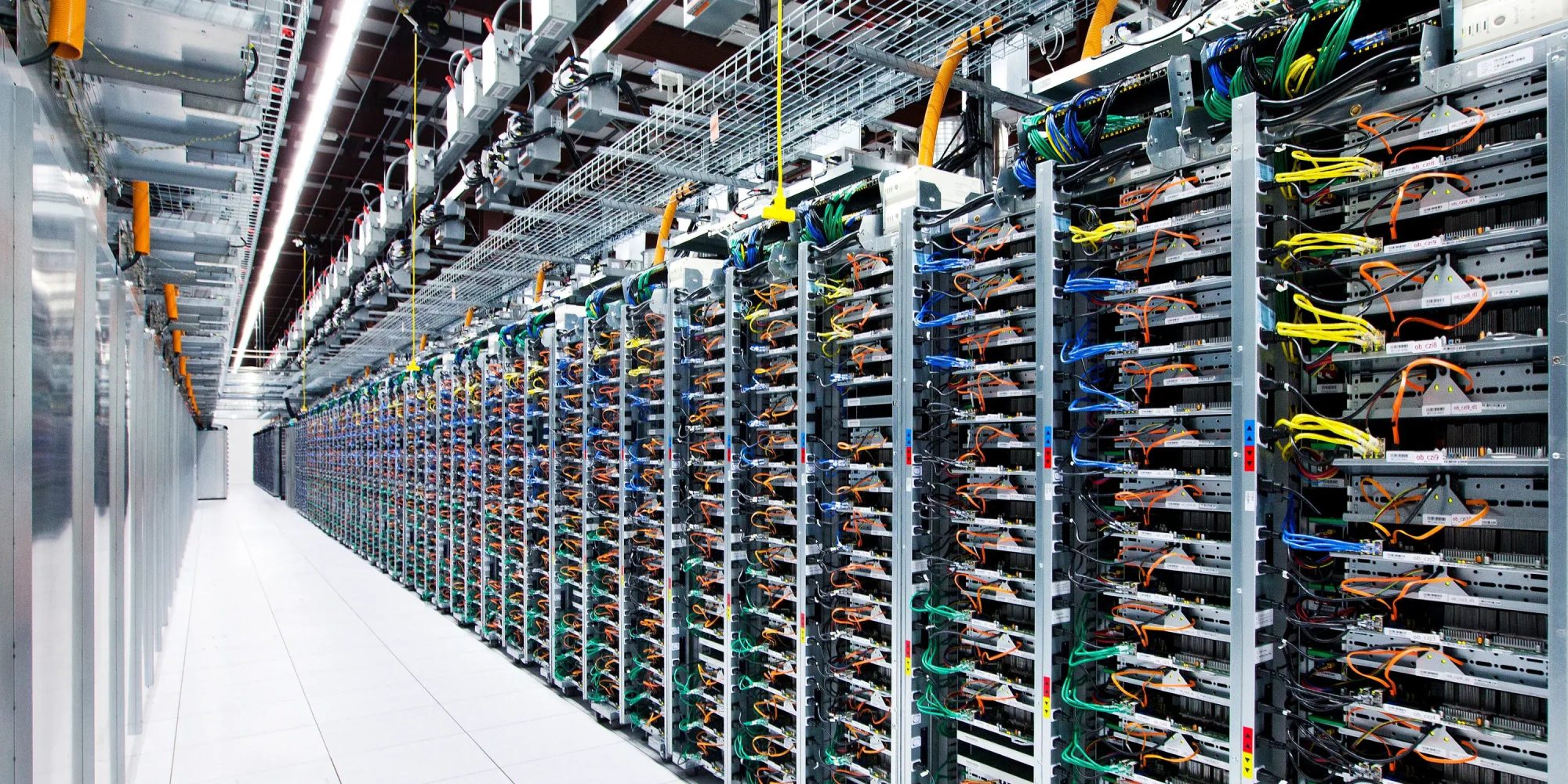
So exactly what are data centers, why do tech companies love them, and why does it seem like everyone else hates them? Well, according to the US government in the Energy Independence and Security Act of 2007 a data center is defined as “any facility that primarily contains electronic equipment used to process, store and transmit digital information…that uses environmental control equipment to maintain the proper conditions for the operation of electronic equipment.” That part about environmental control and proper conditions is really important because you see electronic devices don’t like heat. It’s a good rule of thumb to say that for every ten degrees Celsius that you raise the operating temperature of electronics you halve its operating lifetime.
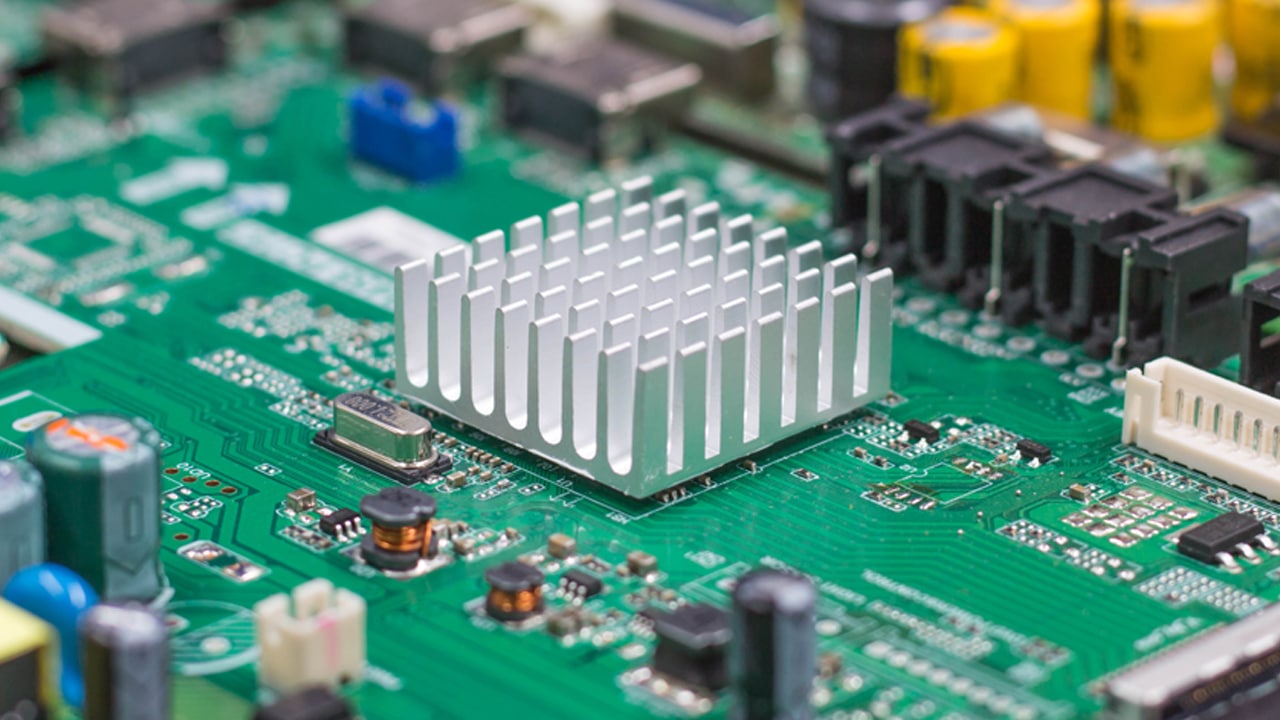
The problem is that electronic equipment generates heat; a lot of it. So much of the work of electronic engineers is dealing with the heat that the device they design generates. In fact there’s a saying among electrical engineers that they go to college for four years to learn about circuits then spend the forty years of their career getting rid of the heat.
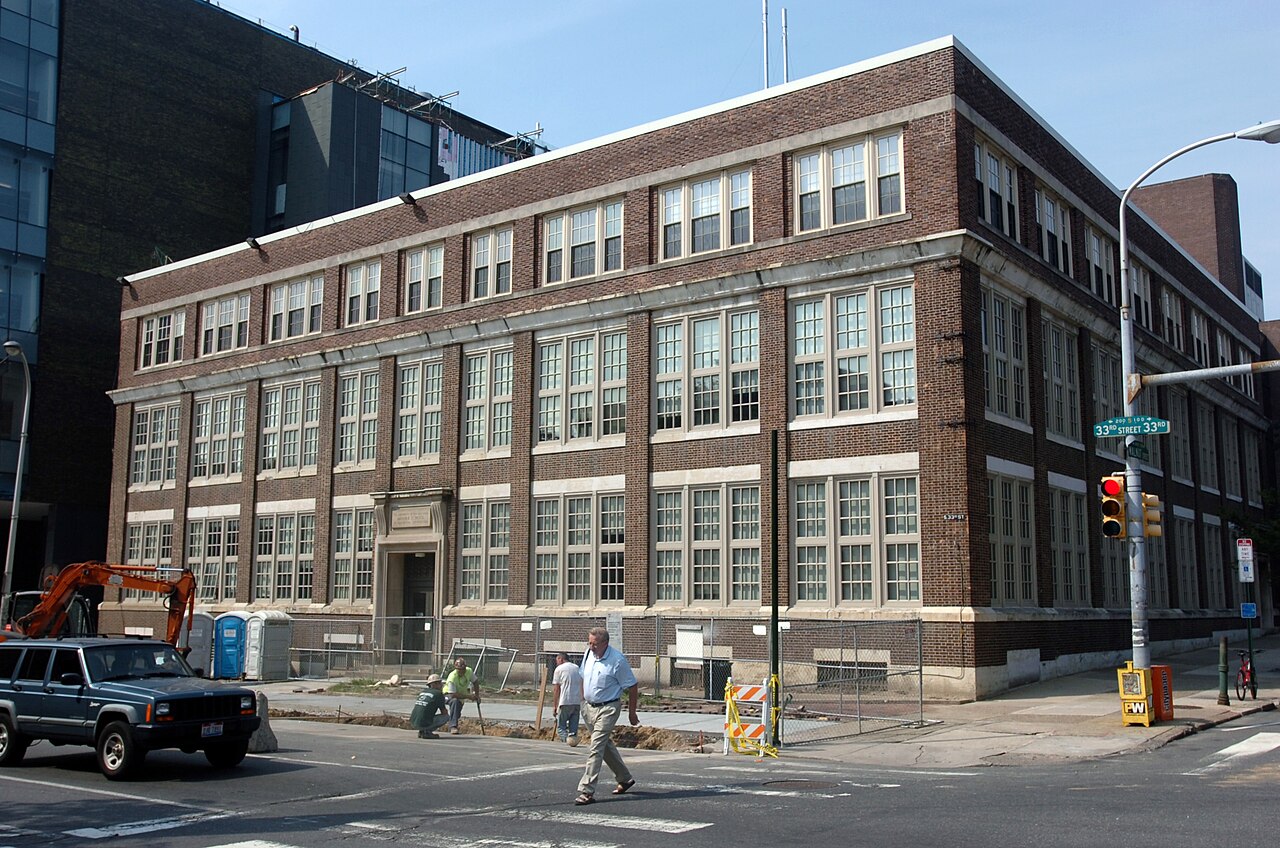
Going by our definition the first data center would have been the basement of the Moore School of Electrical Engineering at the University of Pennsylvania. That’s where ENIAC, the world’s first completely electronic digital computer was built. With 18000 vacuum tubes ENIAC generated a lot of heat, so it needed a lot of air conditioning to keep it cool. Between the air conditioning and the power needed for the computer itself ENIAC took up a lot of space and required a lot of electricity to operate.
In the decades that followed Sperry-Univac and IBM built hundreds of large computers that used vacuum tubes. All of these computers needed large facilities with a lot of power and air conditioning. All of these facilities were data centers but back then they were so few in number that nobody really paid much attention to them.
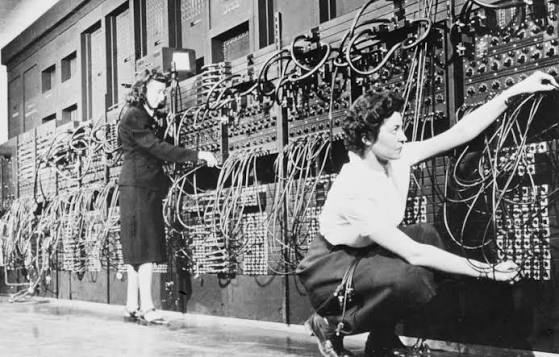
Then, in the late 1970s the first computers that used transistors on integrated circuits were developed. Actually the first such computer was inside the Apollo Command Module that enabled the astronauts to navigate to the Moon and back. These microcircuit computers were much smaller, cheaper and required much less power to run, they were even called ‘Personal Computers’ (PCs) because an individual person could actually own one.
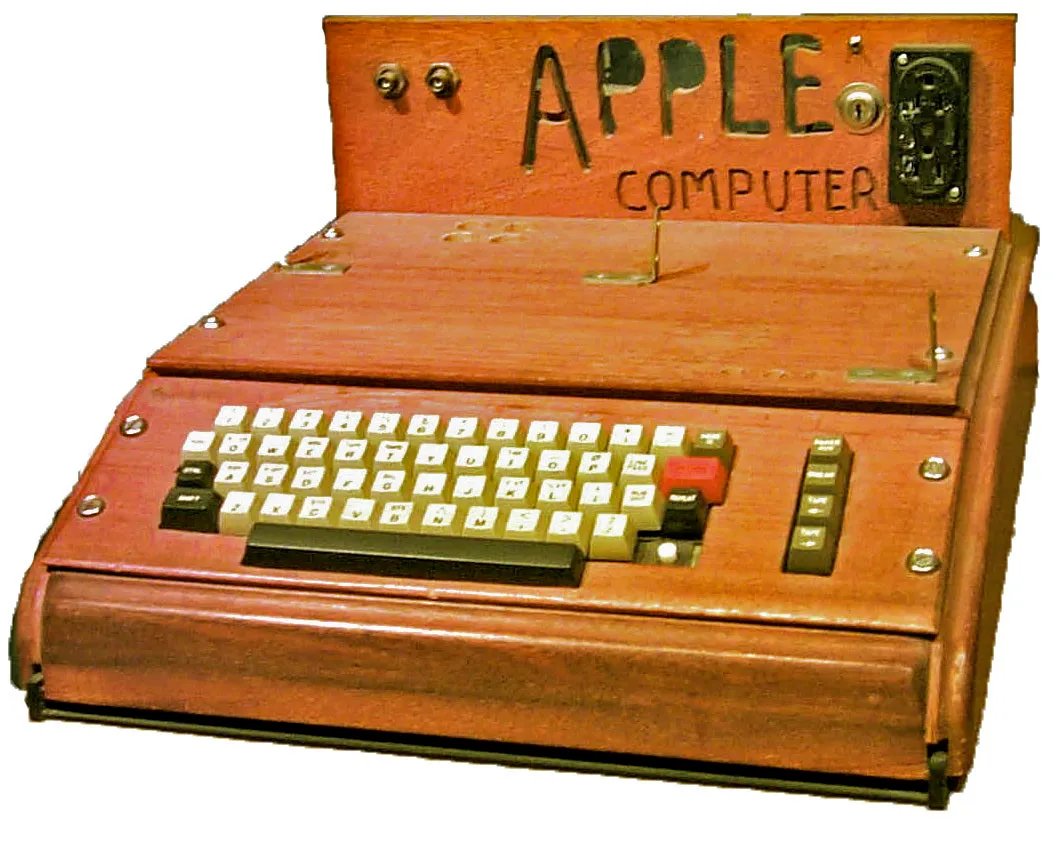
During the 1980s and 1990s the advent of PCs greatly reduced the need for large data centers. Instead of a big room with a single big computer in it every employee could have a PC sitting on their desk. As time went on however, all of those PCs began to get ‘Networked’ together so that information could be shared between them. These networks required special computers called ‘Servers’, basically a PC with a large amount of memory, and these servers were kept in special rooms that as time went on got bigger and bigger until they resembled the big data centers of the 50s and 60s.
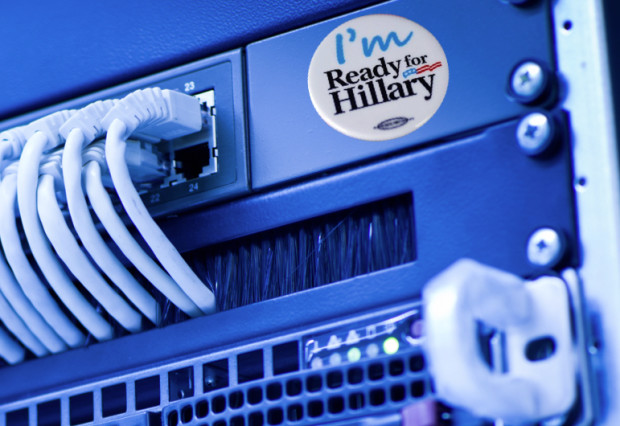
As more and more kinds of information, books, pictures, movies, music etc, etc, etc got digitized there was an ever greater need for memory and in the early 2000s entire buildings containing thousands of computers began to appear. These new data centers soon became larger than the data centers of old as big tech companies like Apple or Google began to sell memory space ‘On the Cloud’ as it became known. That’s right, what the tech companies call ‘storing your information on the cloud’ is really nothing more than putting it on a memory computer, a server that’s located in a big building somewhere, a data center.
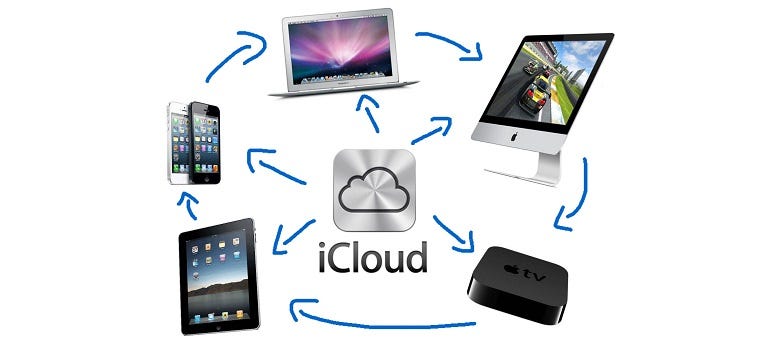
If you buy a movie from Amazon Prime, well what you have actually bought is stored data that is on some computer in some data center somewhere. All of the images that you take with your iPhone are automatically uploaded to Apple’s cloud, that is one of the data centers owned by Apple. All of the new ‘Streaming Services’ with thousands of TV shows and movies for you to watch are completely dependent on data centers as will the coming revolution in driverless vehicles. We all store so much information today that the business of building and running data centers is now worth tens of billions of dollars and employs thousands of well paid IT personnel.
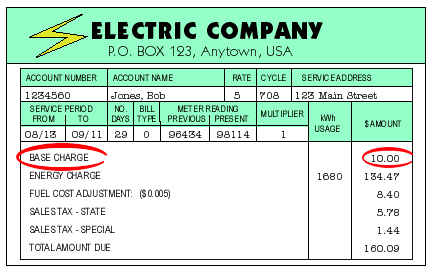
The problem today with data centers is really that it’s all too much, too quickly. As of the beginning of August there were 5,427 data centers in the US, about 60% of the world’s total, with another 802 under construction along with plans for another 3,969. As I have already mentioned several times data centers use large quantities of electricity and water for cooling and the mad dash to build more and more of them is causing the price of electricity to skyrocket in certain areas while at the same time making water shortages even worse. Currently data centers are consuming about 50 gigawatts of electricity and it is estimated that in just ten years that figure will more than triple to 180 gigawatts, just imagine what that will do you your electric bill.
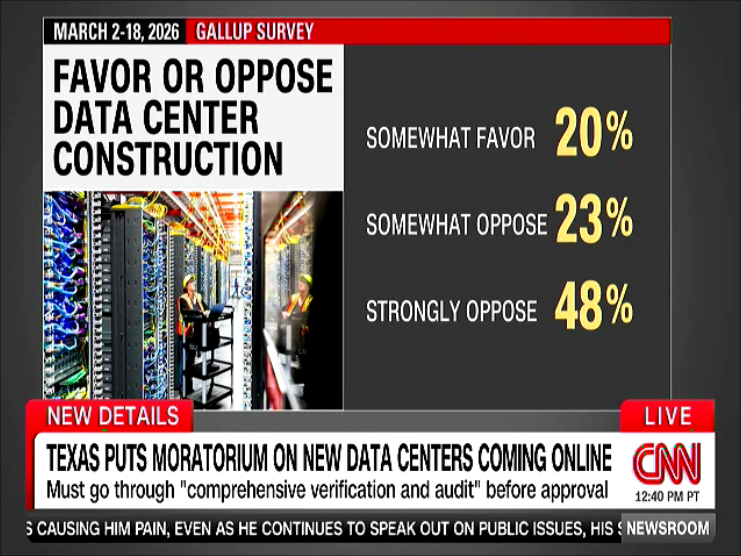
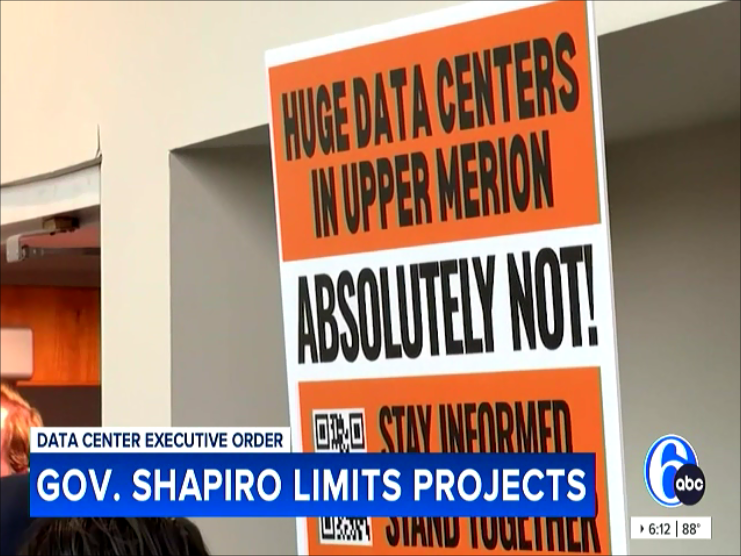
But let’s be honest, much of the anger over data centers is also a reaction to all of the billions of dollars of profit being made by these big tech companies while most of the American people are finding it difficult to keep up with inflation, to pay for gas and put food on the table. Right now, the opposition to data centers is the one issue in the US that has support across the political spectrum with both democrats and republicans calling for moratoriums on data center construction. Polls show that just about half of all Americans strongly oppose data centers while only a fifth somewhat supports them. Both the states of New York and Texas have imposed moratoriums, as have another ten states.
We need data centers, our economy and society are now fully dependent on computers and all of the growth in our economy will come with a proportionate growth in the numbers of computers. At the same time however we need data centers to be good citizens, not hogging resources and making life miserable for the actual human beings who live near them.
A few common sense regulations are therefore in order. First, since data centers are large buildings, many are over 100,000 square feet in floor space with flat roofs; those roofs should be covered in solar panels so that the data center actually generates much if not all of its own electricity! Recycling the water that is used for cooling should also be a requirement for any large data center. Also, large data centers should simply not be built in a residential area, they can be noisy and basically a headache to anyone living nearby. All of these problems can be settled reasonably, without a lot of political fighting. As I said, right now everyone, conservative and liberal alike wants to get data center construction under control. The political will is there. Who knows maybe for once we can get a problem solved without screwing it all up!