
There has always been severe weather, we all know that. In the Odyssey, Odysseus’ ship is destroyed in a storm and he alone survives to be washed up onto the shore of Calypso’ island. History records dozens of battles that have been won or lost because bad weather had damaged one side more than the other. Our modern Climate Change deniers use these facts as an argument against global warming because there’s always been bad weather.

The facts say something much different however. Measured values taken around the world tell us that the last ten years have been the hottest ten years ever reliably measured, basically since the late 19th century. In fact 2024 stands as the hottest year ever measured, and is thought to be the hottest year since before the Ice Ages began. Although the data is still coming in it is thought that 2025 was only slightly cooler, and will stand as either the second or third hottest year ever. In fact, if you take the average of 2023, 2024 and 2025 then the Earth’s temperature has for three straight years gone over the +1.5ºC above pre-industrial temperatures that the nations of the world promised to stay below in the Paris accords and above which scientists have warned the world will begin to suffer greatly from climate change.
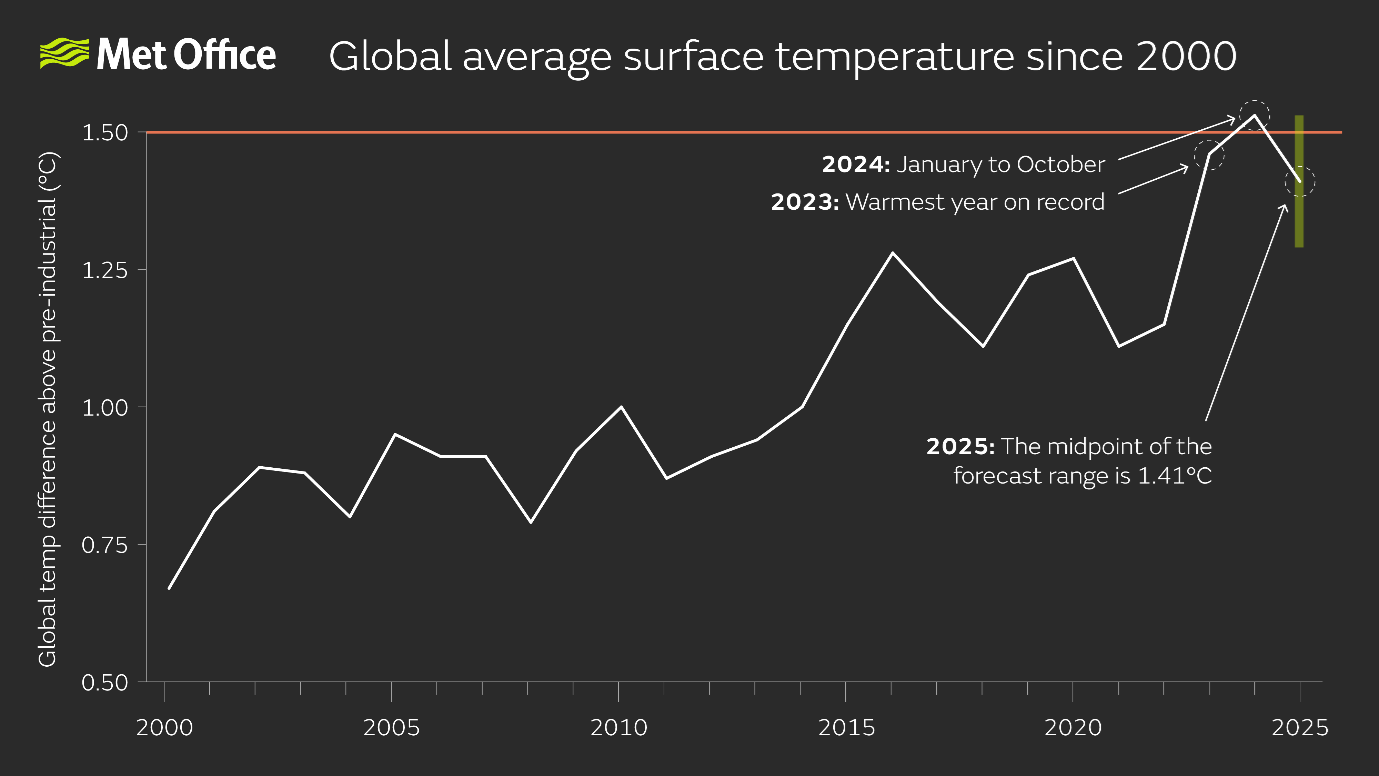
So let’s take a look at the severe weather around the globe in 2025 to see if the weather was significantly more destructive than just a couple of decades ago. By a strange coincidence we shall begin and end our survey in Los Angeles, California, USA.
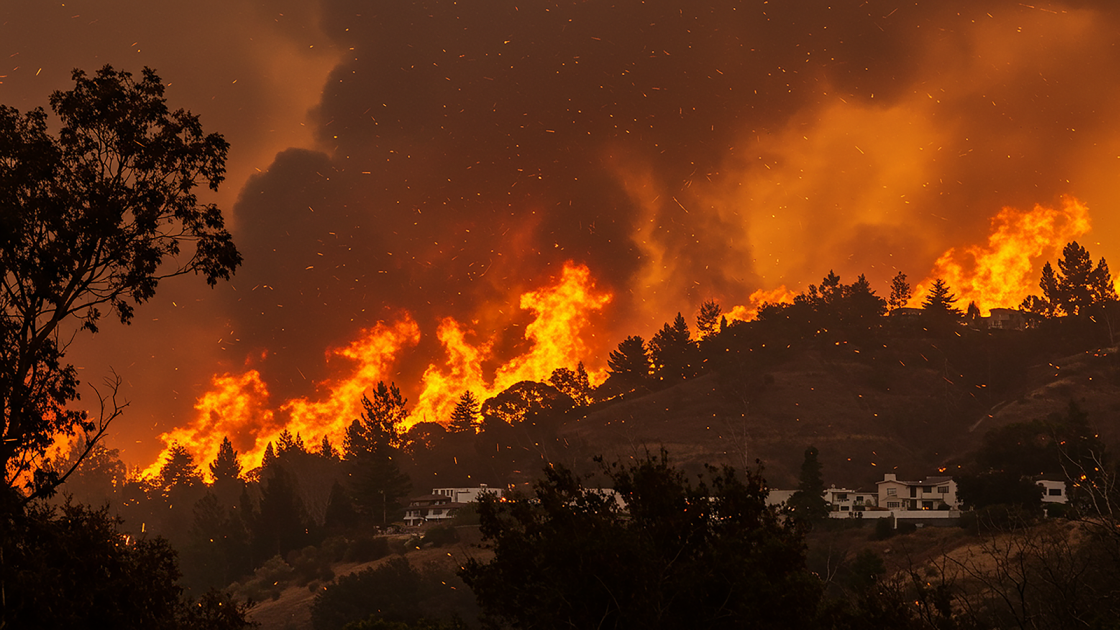
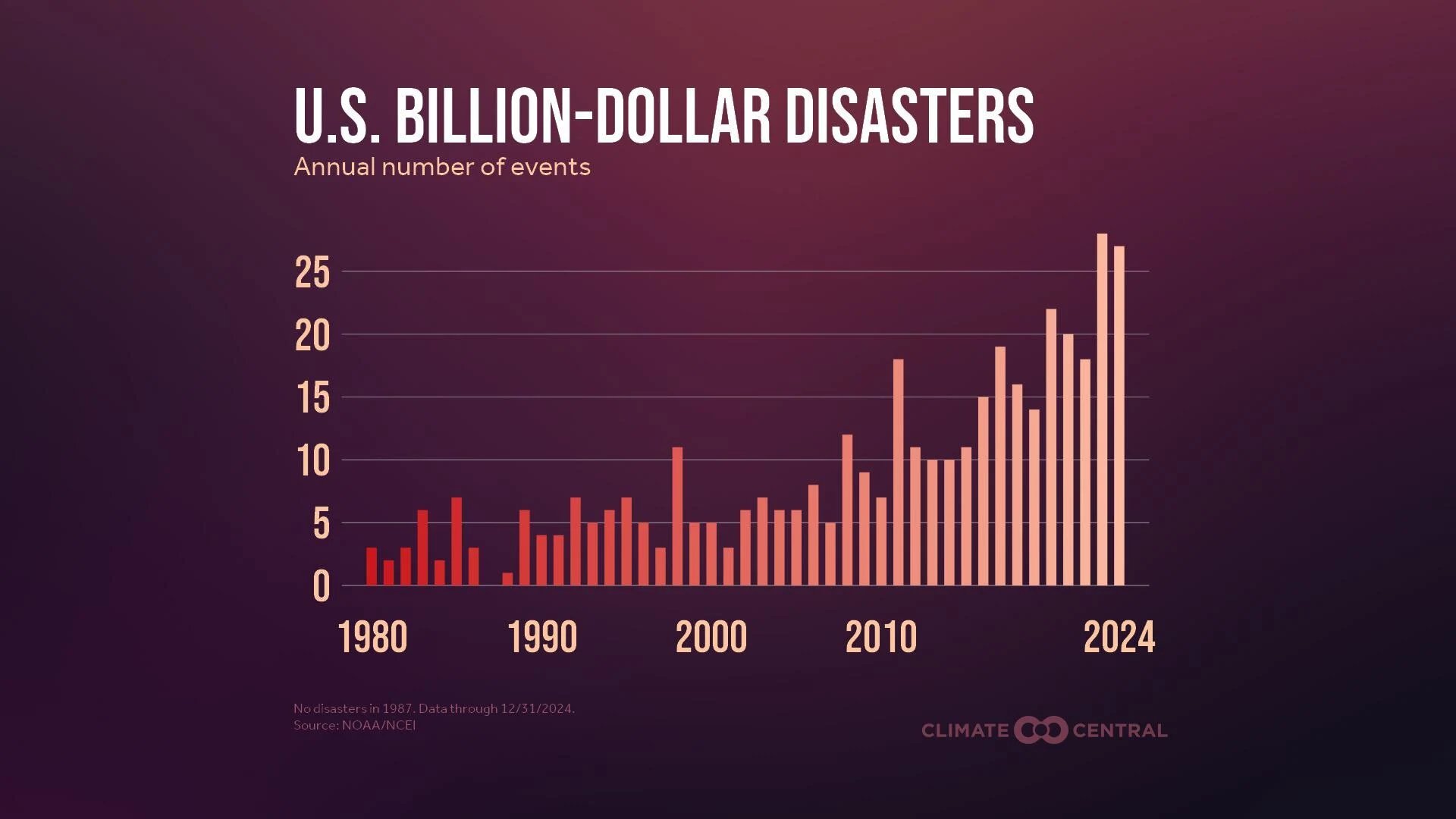
As 2025 began southern California was in the midst of yet another drought but thanks to the extreme heat of 2024 this drought was as bad as any ever recorded. When combined with stronger than ever Santa Ana winds, another effect of 2024’s heat, the fires that ignited in Palisades and Eaton exploded, burning for weeks, destroying whole neighborhoods and killing over 400 people. The damage from the LA fires has been estimated at almost $60 billion dollars making it the third costliest disaster in US history. And 2025 was just getting started. By the end of 2025 the US had endured 23 separate disasters each causing over $1 Billion in damage for a total of $115 billion in economic loss!
One undeniable effect of climate change over the last decade or so has been the enormous growth in wildfires around the world. Surprisingly enough the US experienced a fairly normal year for wildfires in 2025 but the same could not be said for our neighbor to the north. In 2025 Canadian wildfires destroyed almost 22 million acres of forest making this year the Second worst in Canada’s history.
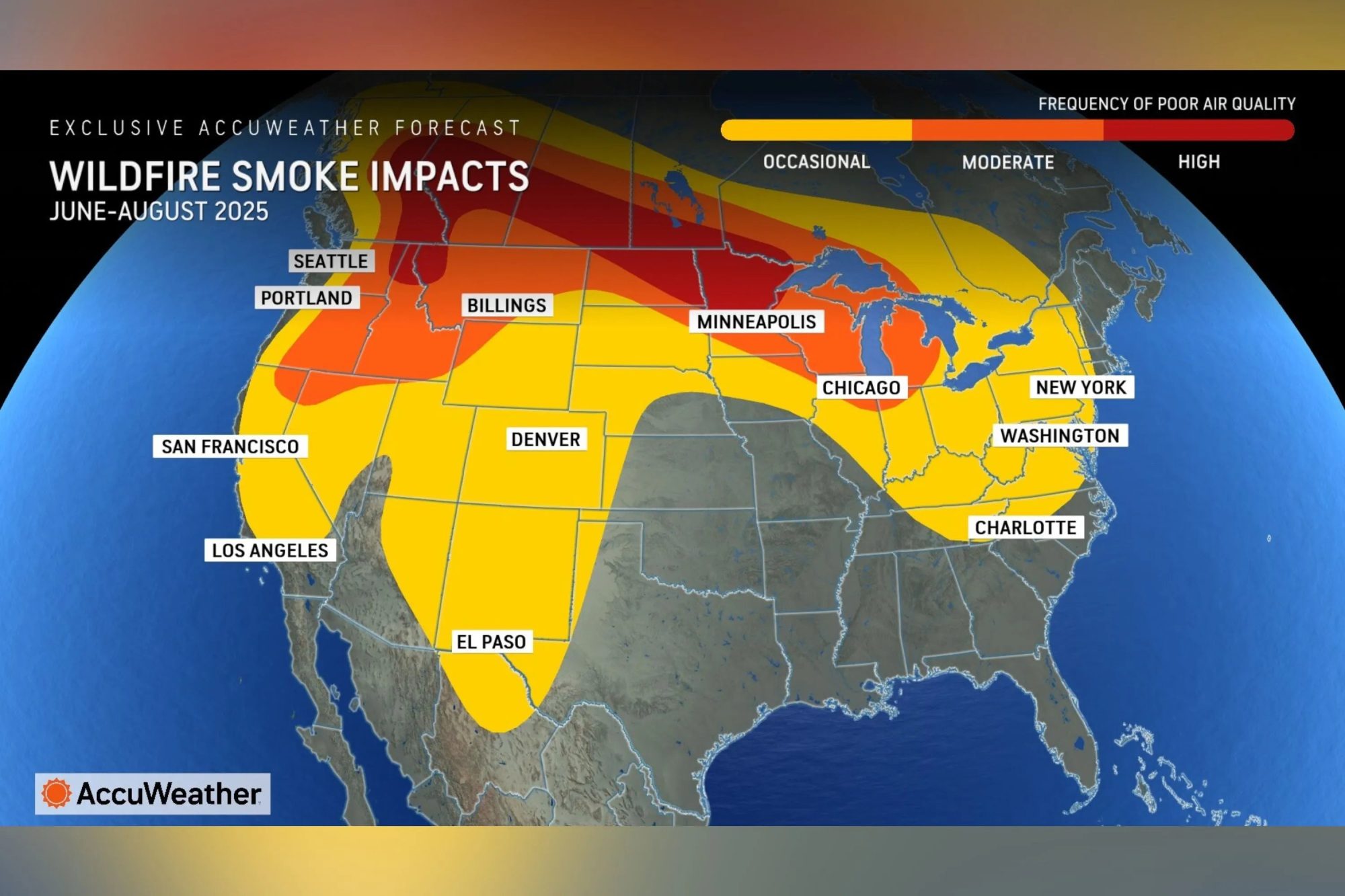
The rest of the world suffered as well with the United Kingdom experiencing its worst ever recorded wildfire season. The same was true for Portugal and northwestern Spain along with South Korea while Greece and Turkey saw very bad wildfires, just not quite as bad as the ones they saw in 2024.

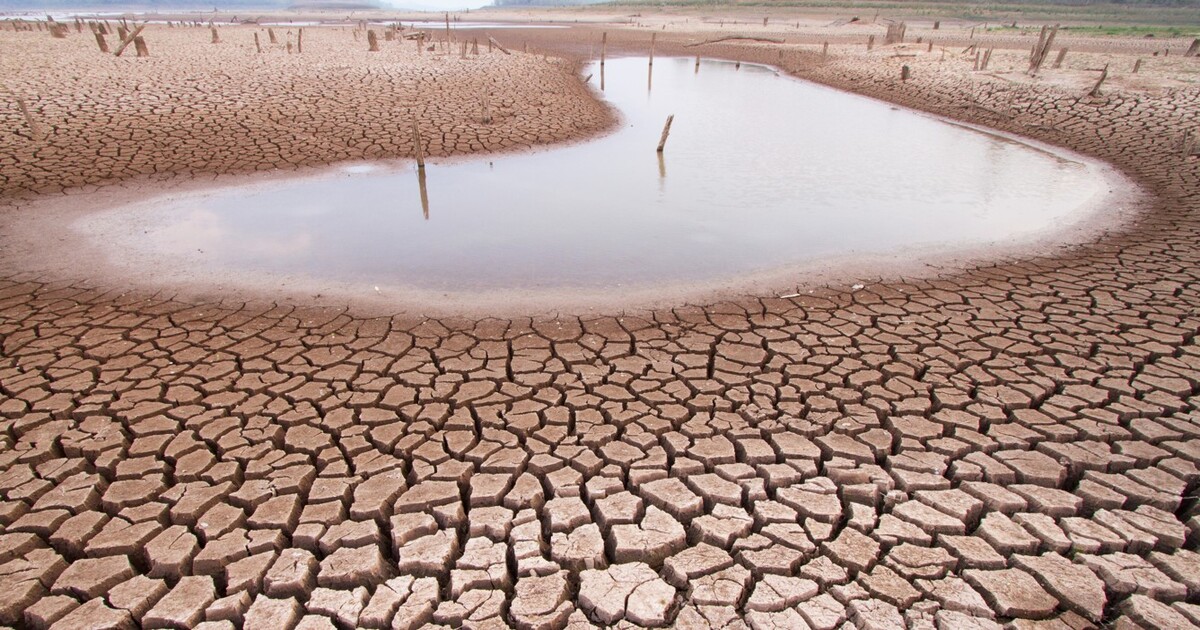
Meanwhile drought conditions and heat waves struck many regions of the world not used to such environments while increasing in severity in places where they are more common. The droughts in Syria, Iraq and Iran are especially severe with only a trickle of the once mighty Tigris River remaining. There are even reports that the Iranian government is considering evacuating its capital Teheran, a city of 15 million people because there is just no water remaining in the city’s reservoirs. At the same time the droughts across northern Africa have continued unabated for the last several years with an ever greater number of people being subjected to famine.
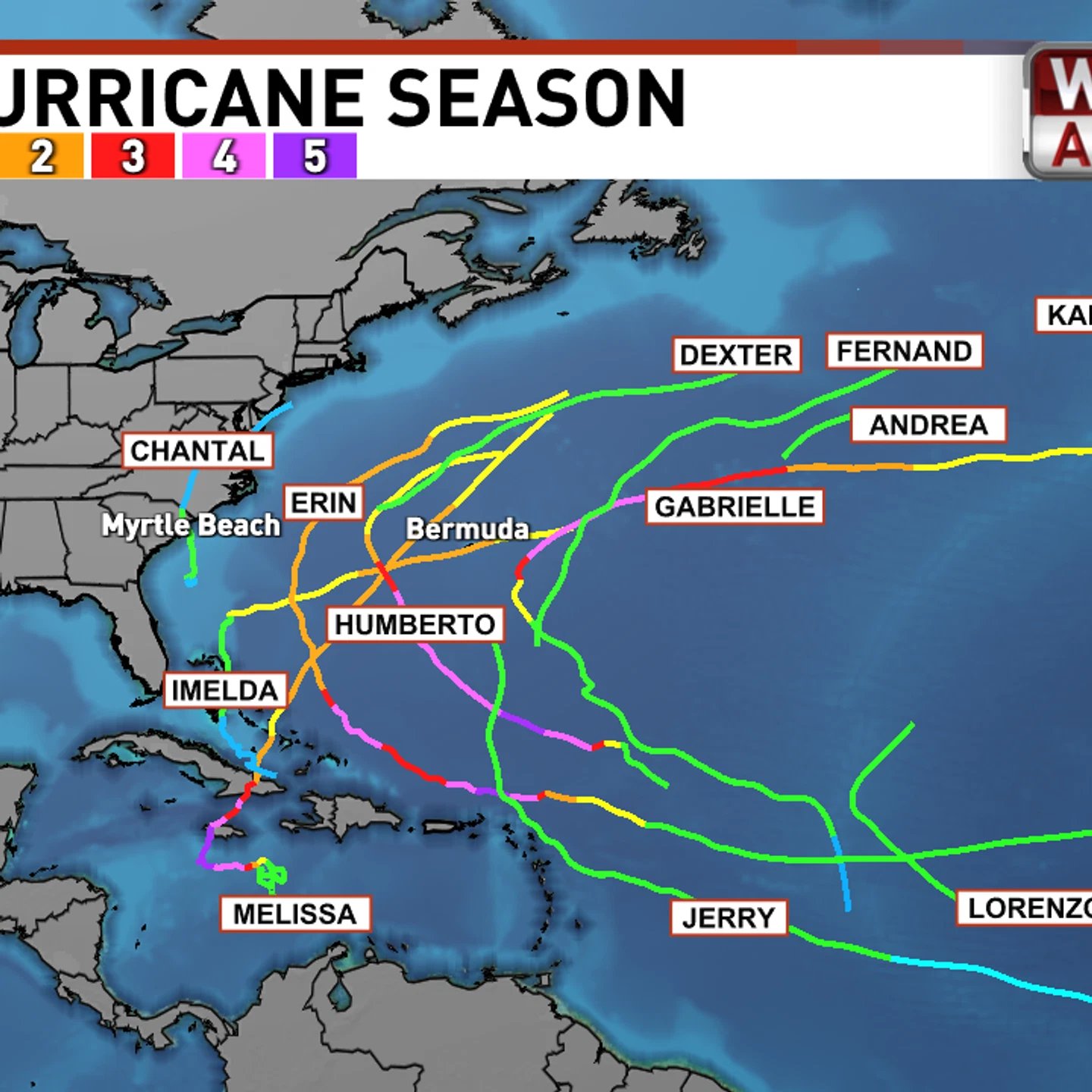
This year also brought a higher than average tropical storm season but in the Atlantic we got lucky. In the Atlantic there were three Category five hurricanes, tying for the most in any year with 2005, along with one Cat 4 storms but only one Hurricane, Melissa made landfall. Still that one storm caused an enormous amount of damage to Jamaica, Haiti and eastern Cuba. While climate change cannot be named as the cause for any particular storm, nevertheless it has been estimated that Melissa’s winds and rainfall were increased by somewhere between 15-30% due to global warming. In the Pacific on the other hand several Typhoons did make landfall resulting in considerable destruction in the Philippines and South Korea.
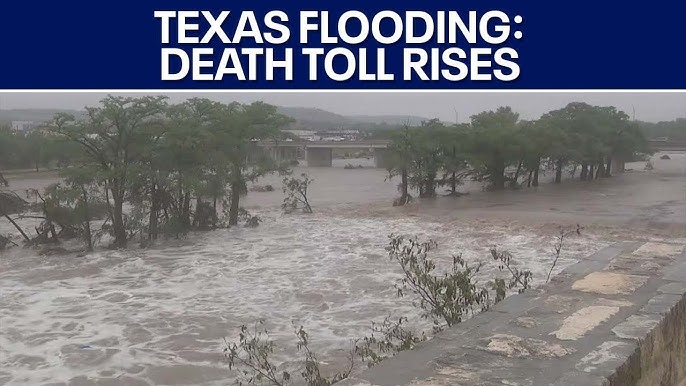
But of all the different types of severe weather it was probably flooding that caused the most damage in 2025. The most intense floods occurred in Indonesia and India where an estimated 1,800 people died in each event. Another severe flood hit China during June through August killing an estimated 30 people, if you trust Chinese media. Here in the US there were several flooding events, the worst being the Kerr County, Texas flood that killed over 135 people.
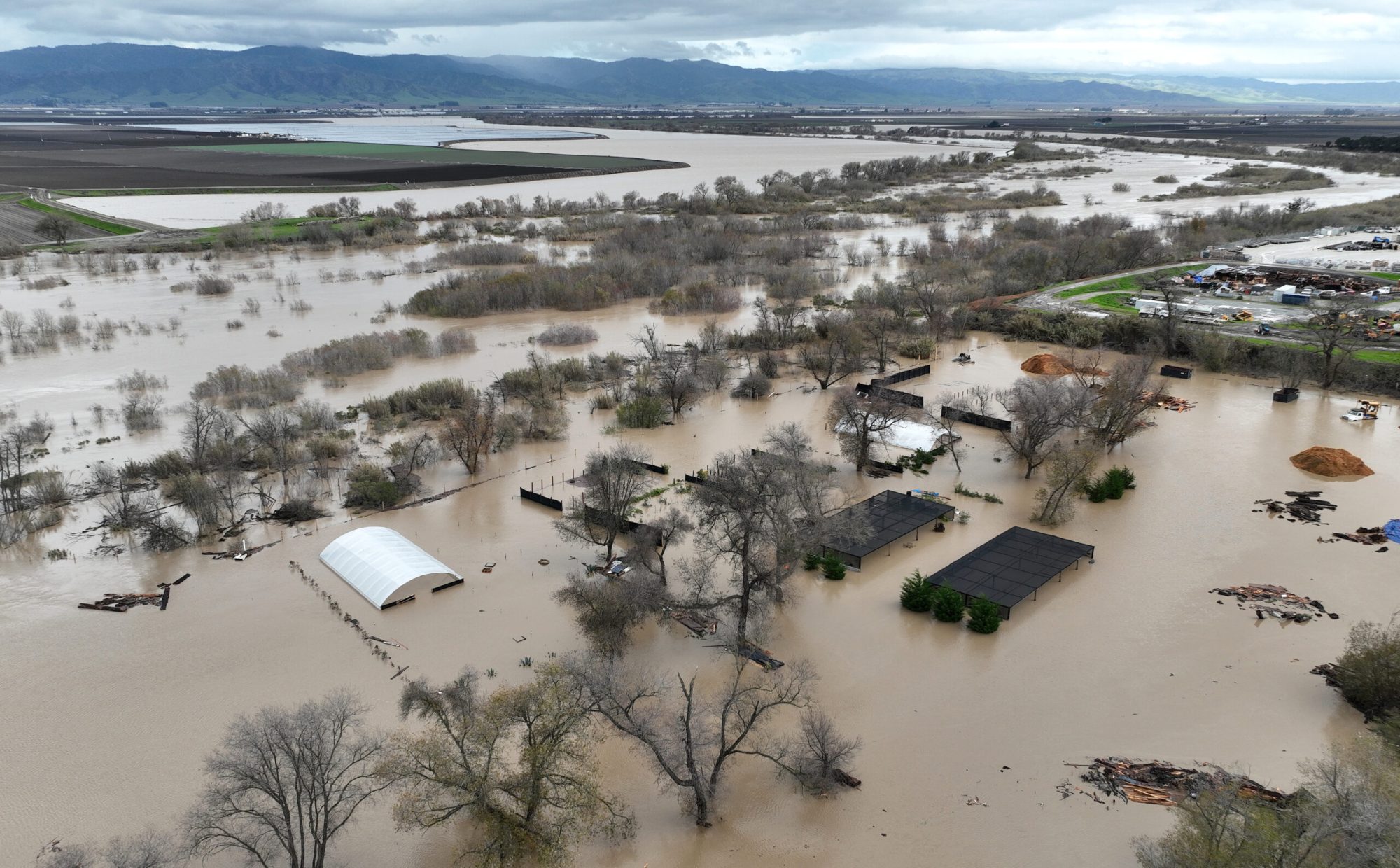
There were also floods in the Mississippi valley, the state of Washington and finally, bringing us back to where we began, over the Christmas holidays Los Angeles and other areas of California were hit by extreme rainfalls that caused landslides and much flooding. All told the damage in just the top ten severe weather events in 2025 has been estimated to be over 115 billion dollars, not counting all of the people killed.
This kind of destruction is unprecedented and is growing ever greater as the world’s temperature increases. There is some good news in the fact that renewable energy sources are now so inexpensive that most of the world’s new power generating project are wind or solar. Still in 2025 the human race increased the amount of green house gasses it spewed into the atmosphere. We still are not even trying to control our emissions.