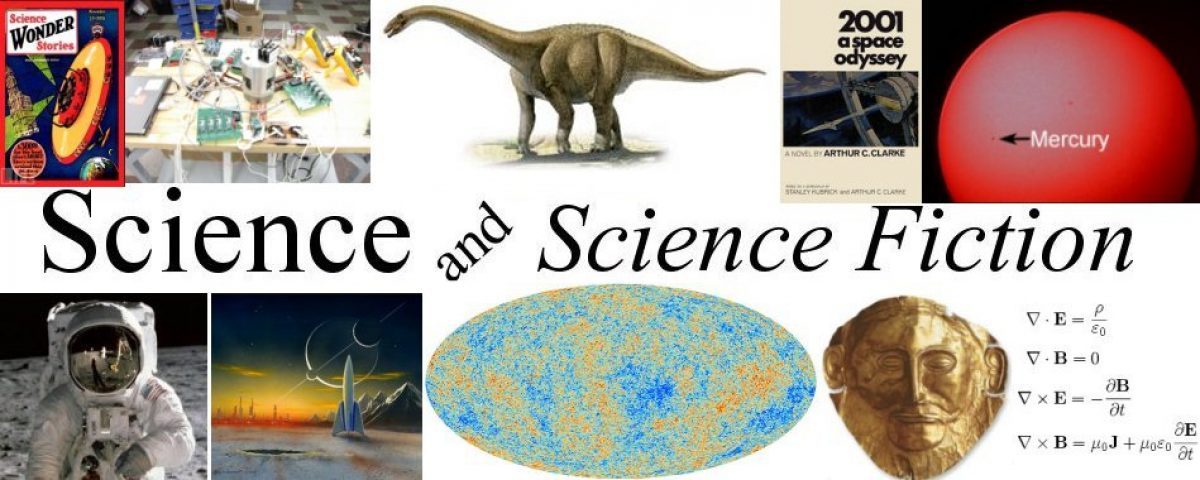
Ever since Galileo first pointed his tiny little telescope upward into the night’s sky astronomers have been designing and building first bigger telescopes, then telescopes that can see at wavelengths of light that are invisible to our eyes and then finally putting telescopes into space in order to see the heavens without the distortions caused by Earth’s atmosphere. In this post I’d like to talk about three telescopes, one that has finished it’s designed program, another that is celebrating thirty years of discoveries and a third that may be launched into orbit a year from now to begin its work of exploring the Universe.
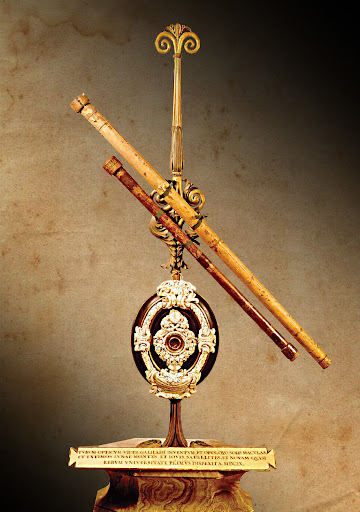
The Atacama Desert in the high mountains of Chile is often considered to be the driest place on Earth. With the lack of water vapour and at an altitude of 5,190 Meters the desert is the best place to put a telescope that looks at the sky in far infrared light so that is where the Atacama Cosmology Telescope (ACT) was built and where it began operation in 2007. ACT was purposefully designed to study the Cosmic Microwave Background (CMB), the ‘fossil’ remnant of the Big Bang itself. Before ACT the CMB was always studied from space with satellites like the COsmic Background Explorer (COBE) or the Planck satellite. However, the cost of getting into space limited the size of those space telescopes and therefore their resolution. ACT was designed as a big infrared telescope put in the best place on Earth for such an instrument.
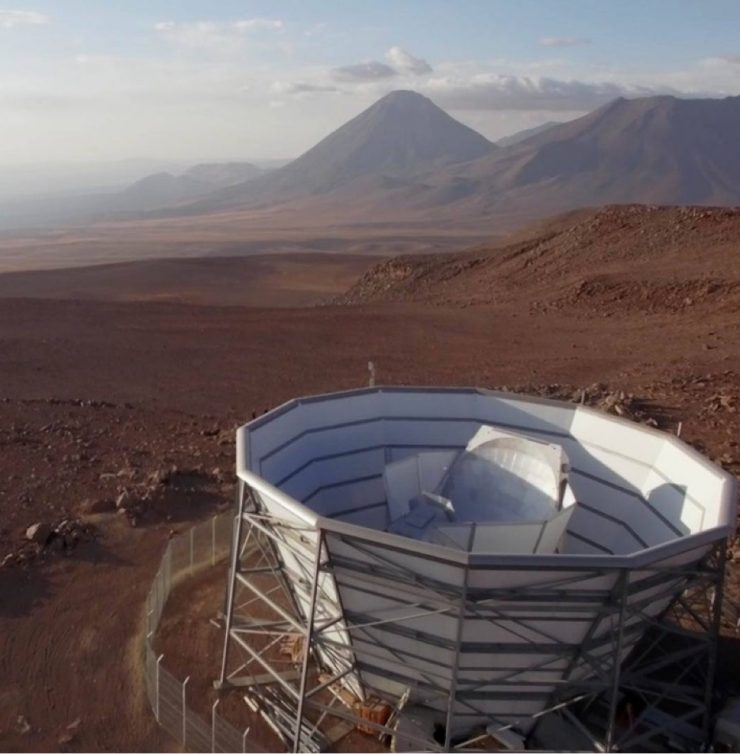
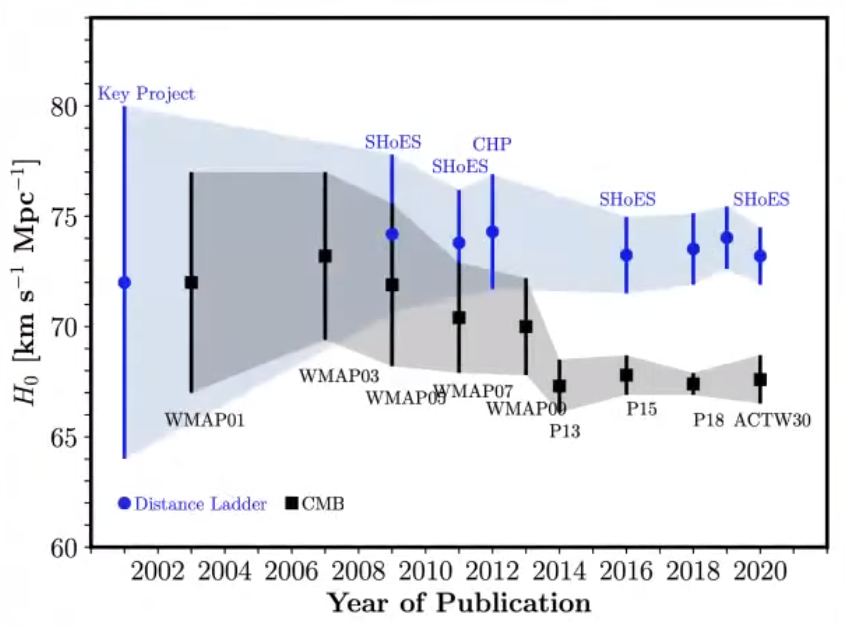
ACT has just recently completed its long-term program and in a series of three papers the full set of data collected has been released. The big headline from this data dump was a conformation of the Planck satellite’s measurement of Hubble’s constant, the speed at which the Universe was expanding, back 13.5 billion years ago, ~67 km/sec/Mpc.
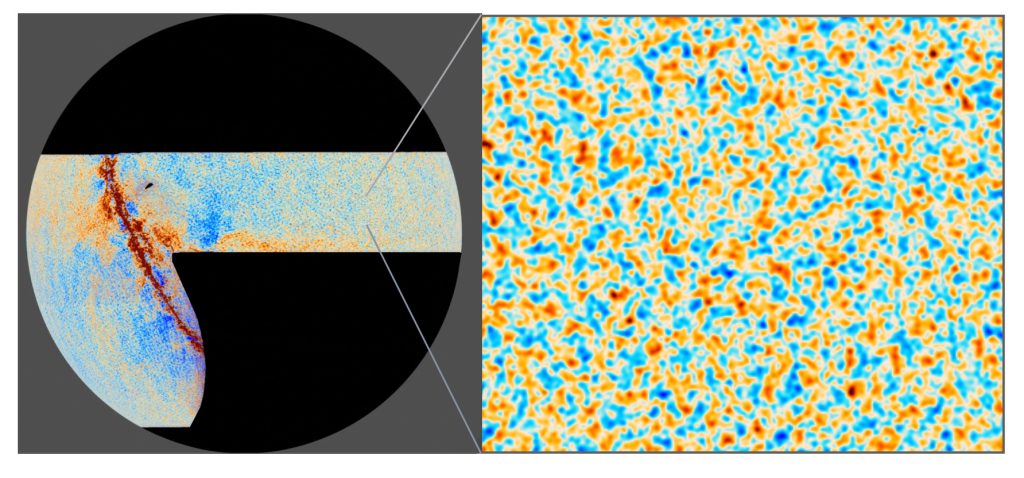
You see the problem is that the measured value of Hubble’s constant using Type I supernova over the last two or so billion years comes out to be ~73 km/sec/Mpc, different by an amount that can no longer be considered to be ‘measurement error’. This discrepancy is called the ‘Hubble tension’ and in order to explain it a number of theories, extensions of the standard model of the universe have been proposed. With it’s greater resolution however ACT has also eliminated many of those theories leaving cosmologists with a big problem on their hands. Of course, a big problem, that’s also a big opportunity to discover new physics!
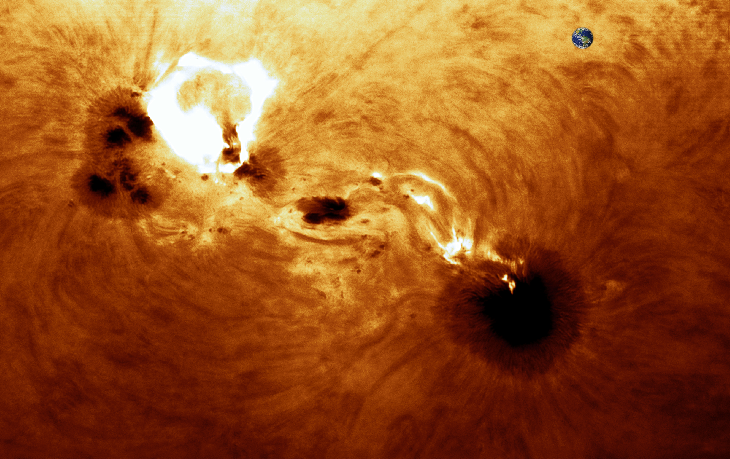
Another telescope making news is the SOlar and Heliospheric Observatory (SOHO), a satellite that was designed and built by a combination of NASA and the European Space Agency (ESA) and launched on the 2nd of December in 1995. In it’s thirty years in space SOHO has revolutionized our knowledge of how the Sun behaves on a day-to-day basis. Armed with an array of instruments specially designed to observe the Sun SOHO has over the course of nearly three complete Solar cycles witnessed over 40,000 coronal mass ejections (CMEs). This enormous amount of data has given solar scientists new insights into how the Sun produces such enormous explosions while at the same time giving us warning about any CMEs that are aimed at our planet.
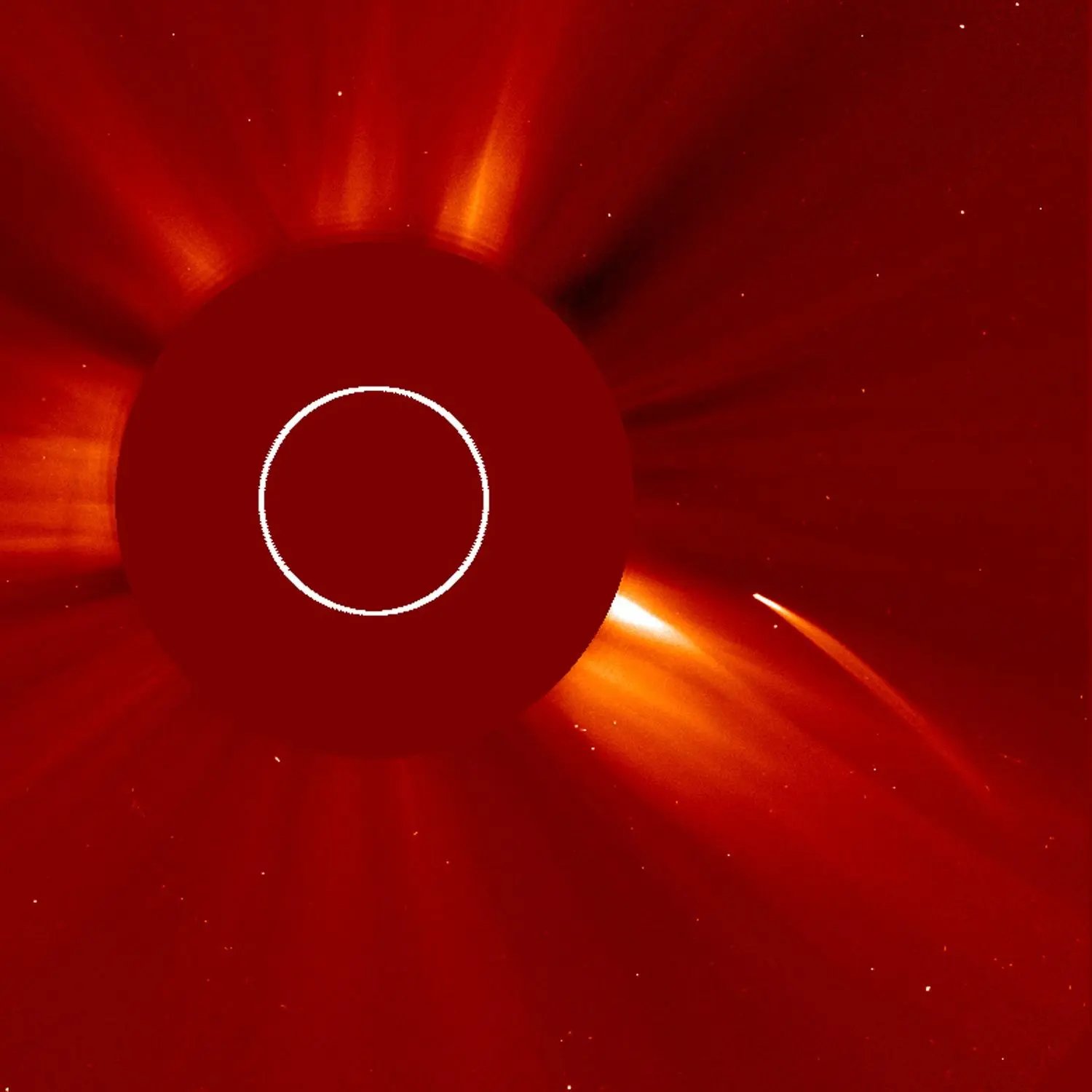
One completely unplanned benefit that SOHO provided was its ability to observe comets whose orbits bring them close to the Sun. To date citizen scientists have used the freely available data from SOHO to discover more than 5,000 of them.
Although there are plans to send other satellites into space to study the Sun currently there are currently no plans to terminate SOHO’s mission. So we can look forward to more discoveries to come.
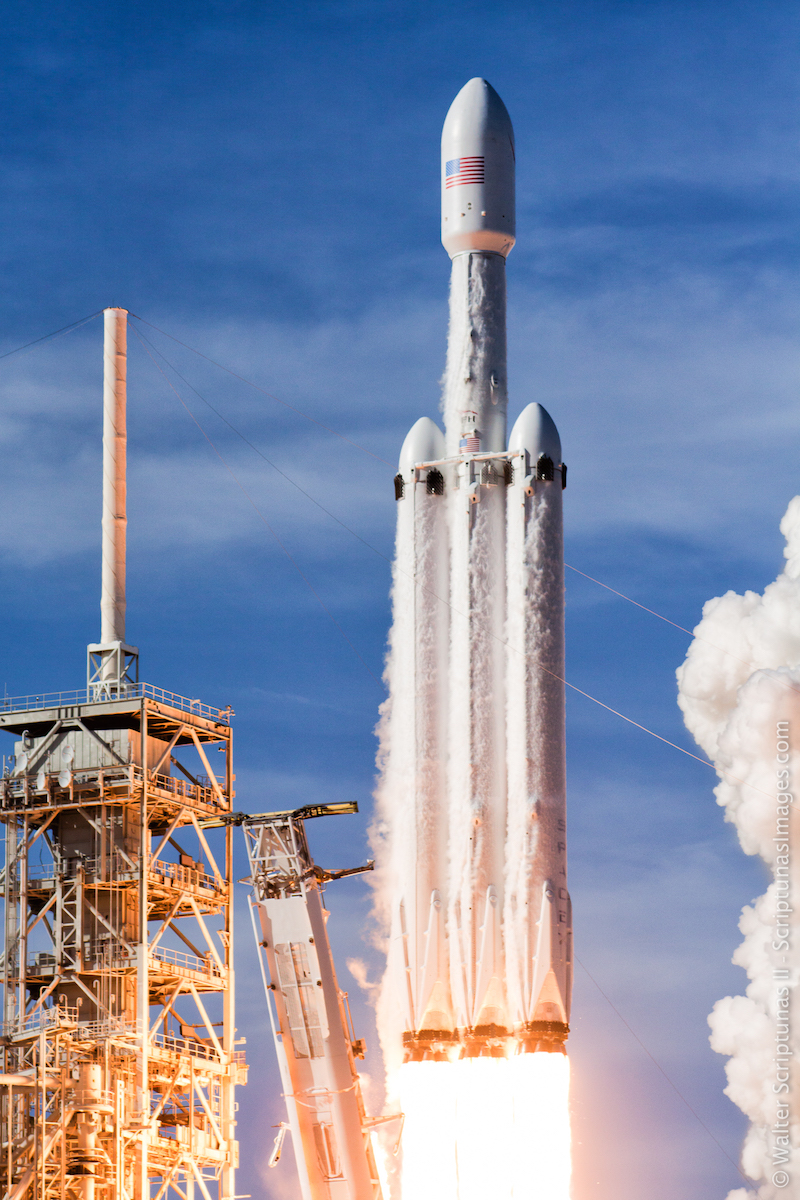
Finally I’d like to mention NASA’s Nancy Grace Roman Space Telescope, which has just completed its final assembly at Goddard Space Flight Center in Greenbelt, Maryland. The telescope is now scheduled to undergo an extensive series of environmental tests to be certain that it can survive the rigors of space. Once these tests are completed, which is expected to be this summer, the telescope will be shipped to the Kennedy Space Center where it is currently scheduled to be launched to space aboard a Falcon Heavy rocket in early 2027.
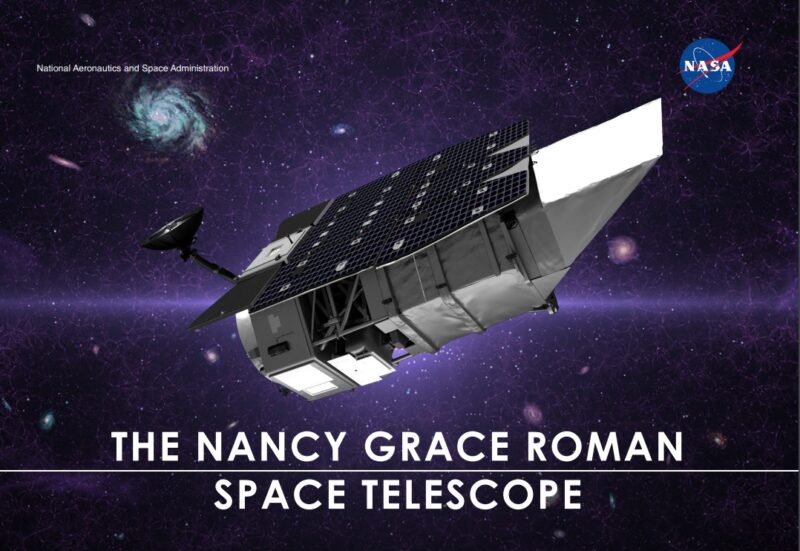
Roman is equipped with two instruments that will give as an unprecedented view of the Universe. The Wide Field Instrument (WFI) is an infrared camera designed to study billions of galaxies, once again in order to better understand the evolution of our Universe. The other instrument is a coronagraph similar to the one that SOHO uses to block the Sun so that it can observe solar flares except that Roman’s will have much greater resolution.
Roman will use its coronagraph to block out the light from nearby stars to that it can better see and study any exo-planets orbiting those stars. It is also expected that Roman will be able to discover isolated black holes by observing the micro-lensing effects the black holes gravity has on the light from distant stars. Over the last several decades our knowledge of the heavens has advanced greatly thanks to telescopes like the Atacama Cosmology Telescope and the Solar Heliospheric Observer and we can expect to learn even more once the Nancy Grace Roman Space Telescope has begun its career.