The popular concept of a caveman, you know, an ignorant brute who carried a club and who solved every problem by hitting something with it has been around now since the first Neanderthal skeletons were discovered back in 1856. The more we learn about our Stone Age ancestors however the less brutish and ignorant they appear. In this post I’ll be discussing a couple of recent discoveries that add further evidence showing just how intelligent ‘Cave Men’ could be. As usual I will begin with the oldest study and go forward in time.
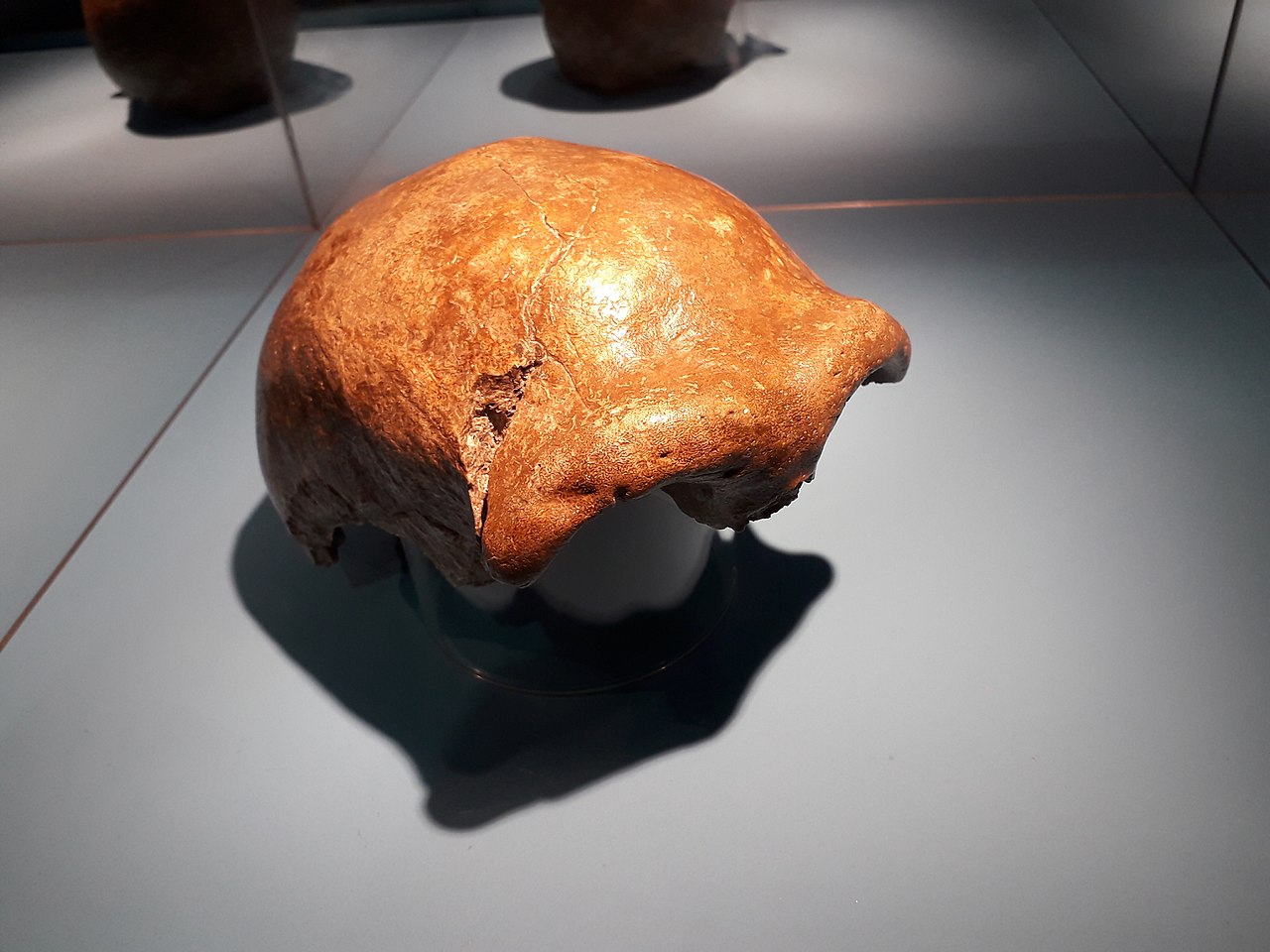
Just when did we humans begin to make tools, whether they be made from stone, wood or bone doesn’t matter, is a very controversial subject. The fact that even our relatives the chimpanzees use several different kinds of tolls indicates that our ancestors might have been using tools as long ago as five million years or more. Of course, using tools is a very different thing from making tools.

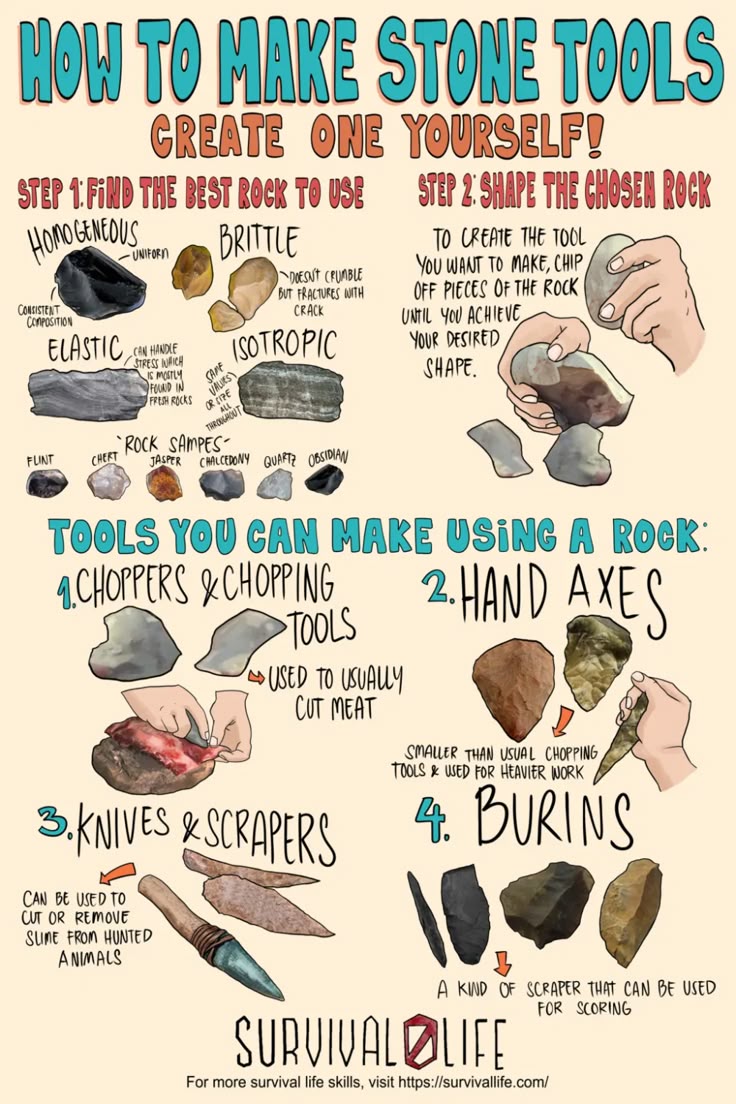
Picking up a rock to smash open a walnut takes a lot less thought than shaping that rock to have both an easy handgrip and a flat surface to crush the shell without damaging the nut inside. At the same time however, it is often difficult for an archaeologist to look at a rock today and tell whether it had been modified to become a tool a million or more years ago.
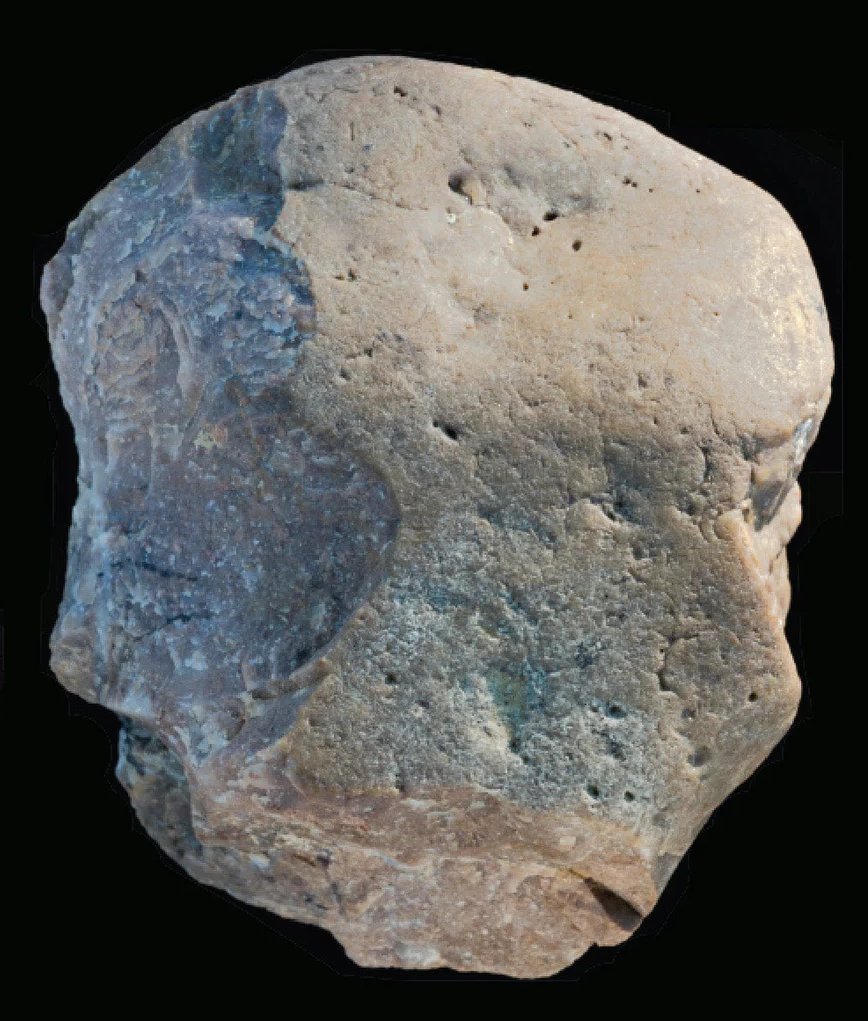
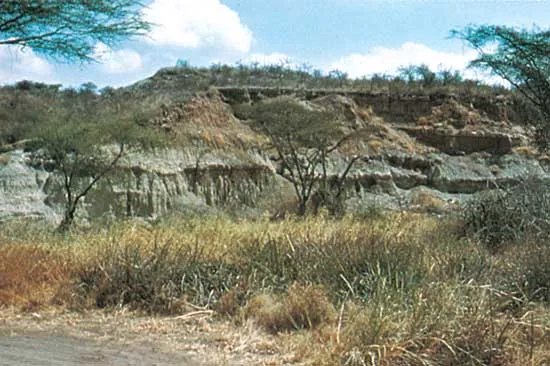
Now a paper published in the journal Nature has provided evidence that not only were humans making tools one and a half million years ago but that they were manufacturing tools at ‘factory’ sites according to a ‘standardized’ design. The site in question is at Olduvai Gorge in Tanzania the famous place where Louis Leakey discovered what is still considered to be the oldest species in our genus, Homo habilis.
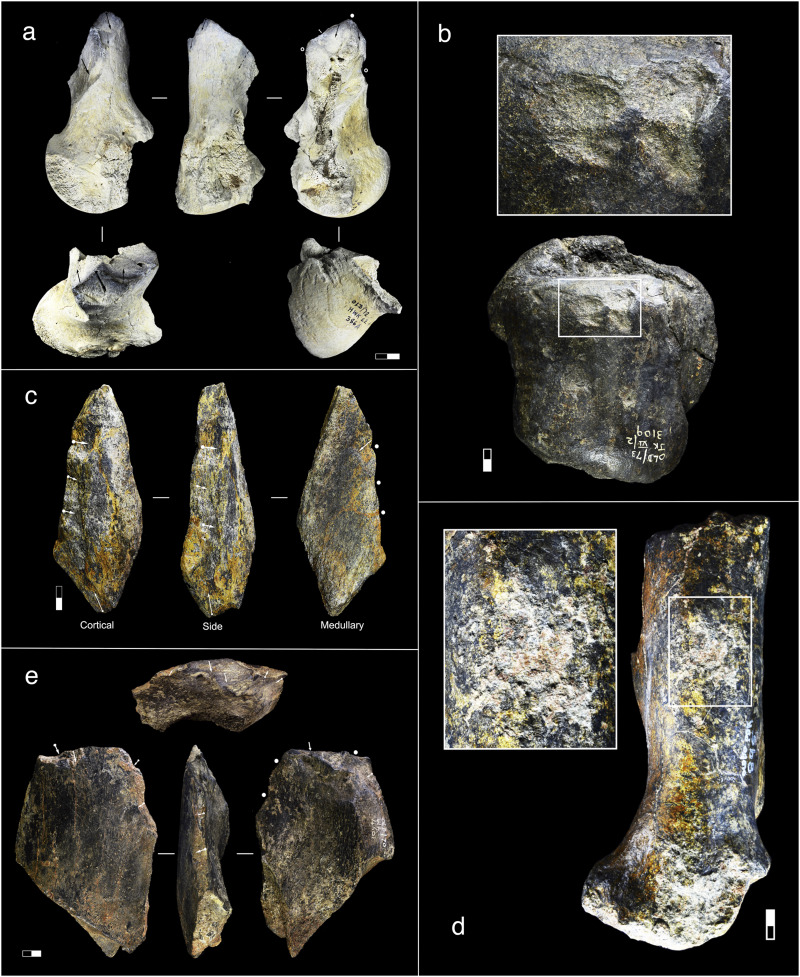
What the researchers from CNRS and the l’Université de Bordeaux discovered at Olduvai were 27 tools made from both the bones of hippopotamus’ and elephants all of which had been modified in a similar ‘standardized’ way. Prior to the discovery at Olduvai the earliest known ‘manufacturing site’ for tools was dated at just a half a million years old so the finds indicate that humans were capable of organizing and planning complex tasks far earlier than had previously been known.
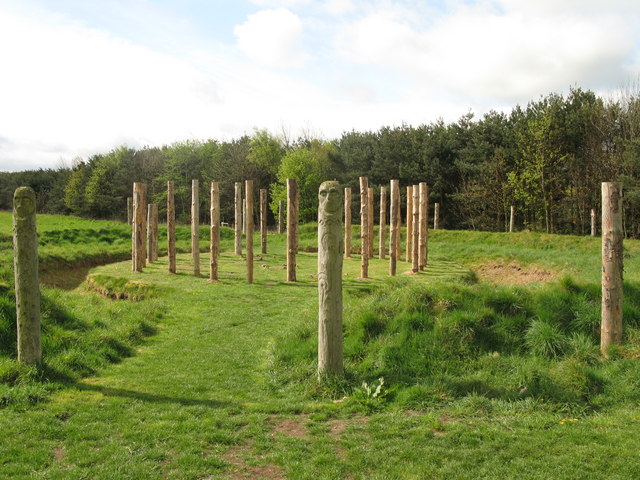
And once our ancestors began to ‘manufacture’ goods in quantity at specific sites they then had to transport those goods to where they used them. One problem modern archaeologists have in trying to understand early transportation technology is that any ancient vehicle would have been composed of wood, wood that usually has decayed away a long time ago.
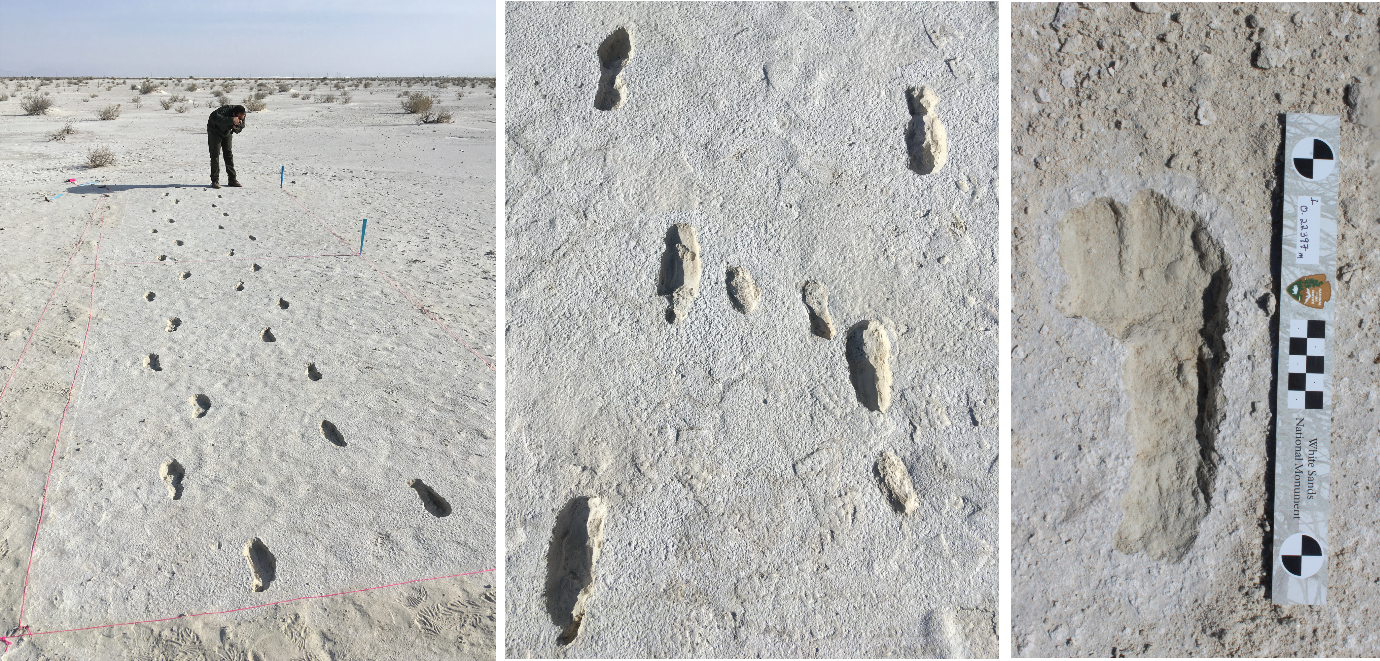
A new discovery in the desert of White Sands, New Mexico however had shown that even without the vehicles themselves we can still learn a lot about the ways that our ancestors transported their goods thousands of years ago. Drag marks in the same sediment as, and intermingling with human footprints have been unearthed in 20,000-year-old dried mud. The drag marks are of two kinds, either a single line furrow with footprints on both sides or two lines in parallel with footprints usually inside the lines.
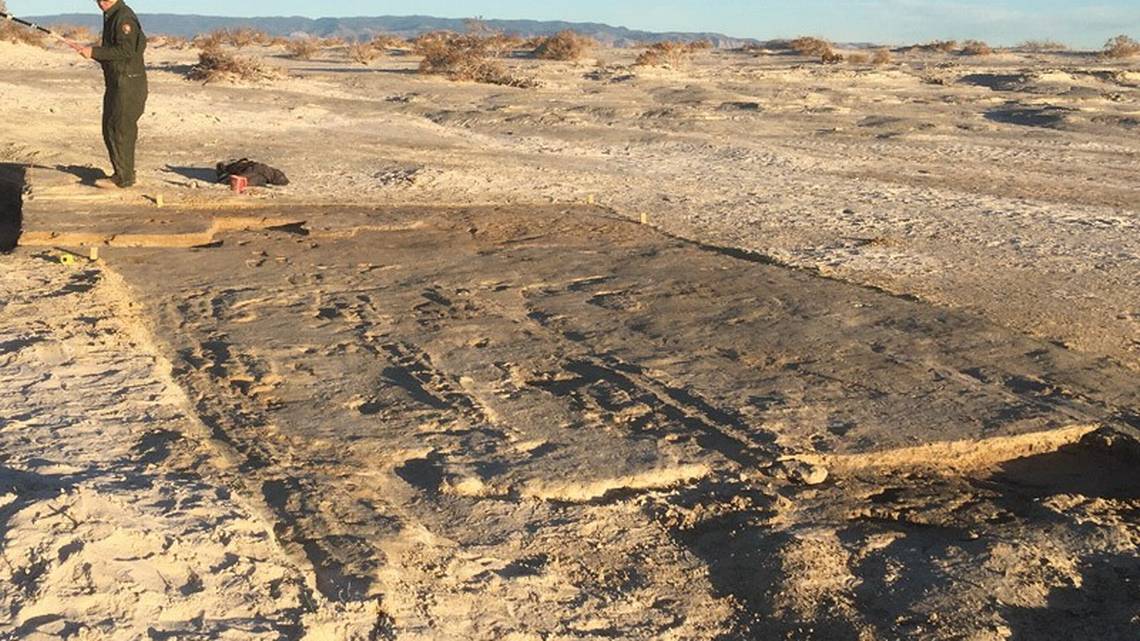
The researchers from Bournemouth University in the UK who discovered the tracks think that the lines were made by a type of unwheeled vehicle known as a travois, basically wooden poles tied together to form a ‘Y’ shape, the single line, or ‘X’ shape, the parallel lines. The goods that were to be carried were then secured on top of the poles and the whole vehicle dragged along the ground. For a culture that hasn’t invented the wheel yet that’s about as good a transportation technology as you can get.
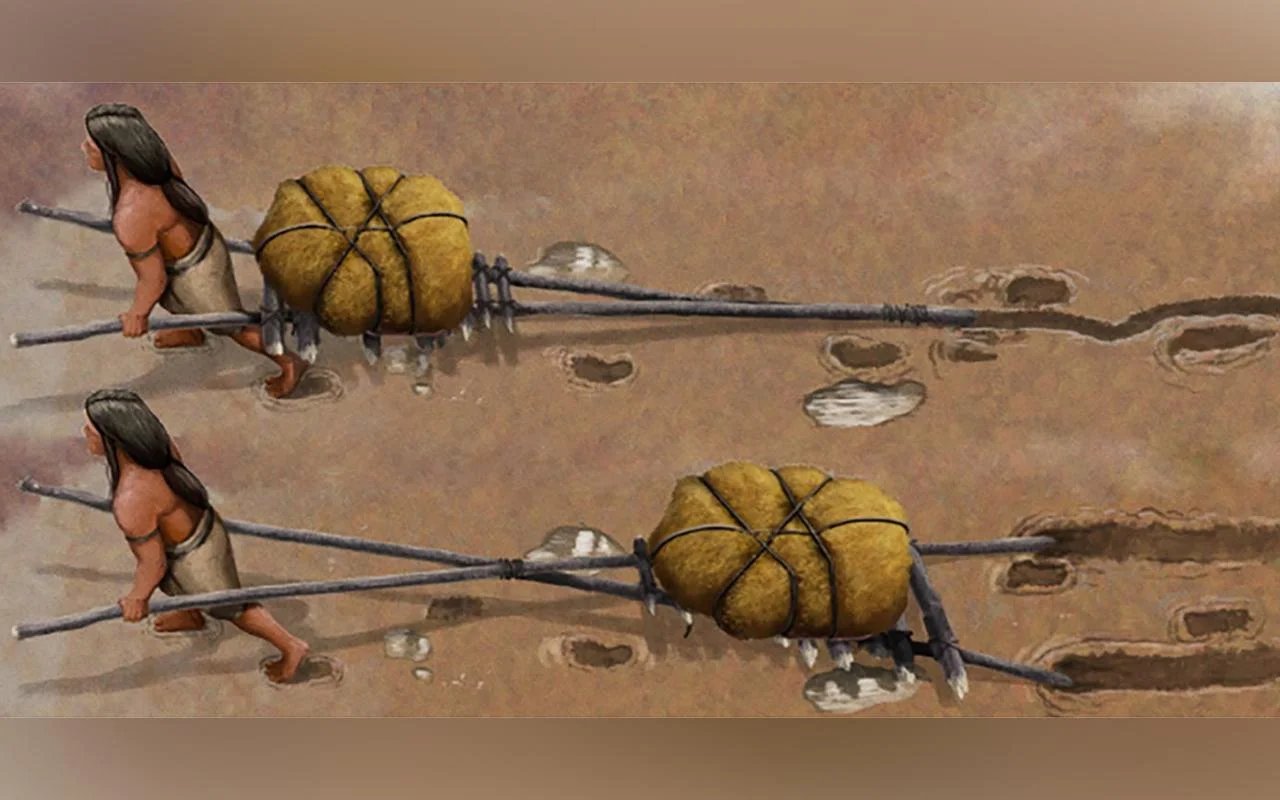
Alongside the footprints of the adults who were presumed to be dragging the travois the archaeologists found the footprints of children indicating that these were entire family groups on the move. Some of the drag marks are as long as 50m and the fact that there were no animal footprints indicates that the travois were in use before the people of North America had domesticated animals. Thousands of years later the people of North America were known to use dogs to drag their travois. Even back in the Stone Age our ancestors were thinking, trying different techniques in order to make their lives better. They passed that wisdom on to their descendants, who in the long run passed it on to us.