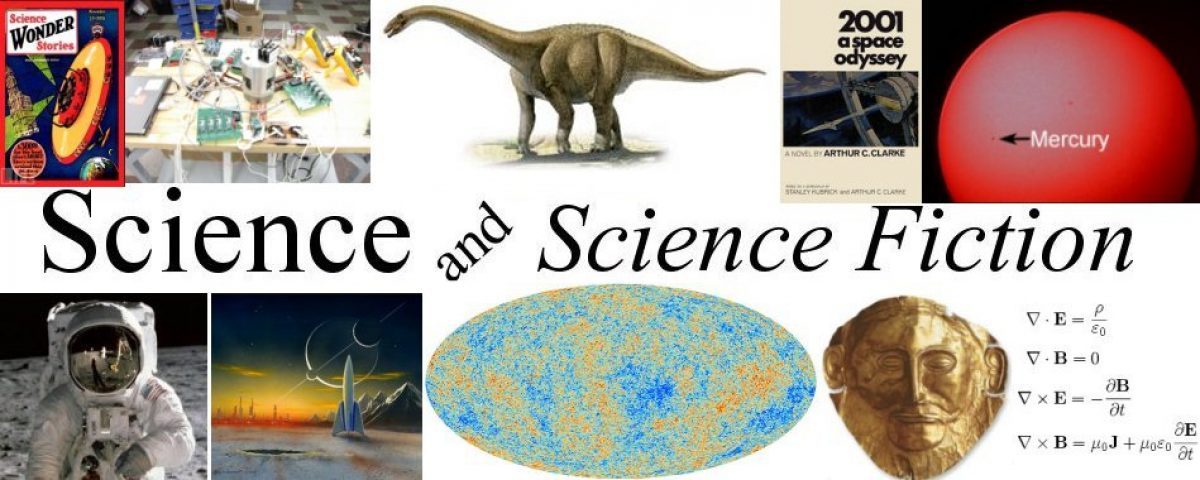
Armageddon is the latest ‘Popular’ book by the Professor of Religious Studies at the University of North Carolina Bart D. Ehrman whose previous books, including ‘Misquoting Jesus’, ‘Forged’ and ‘The Orthodox corruption of Scripture’ have garnered him a reputation as one of the leading experts in New Testament scholarship. In those earlier books Dr. Ehrman has shattered a lot of the myths surrounding the 27 books of the New Testament, that is 4 Gospels, Acts of the Apostles, 21 Letters and one Revelation.
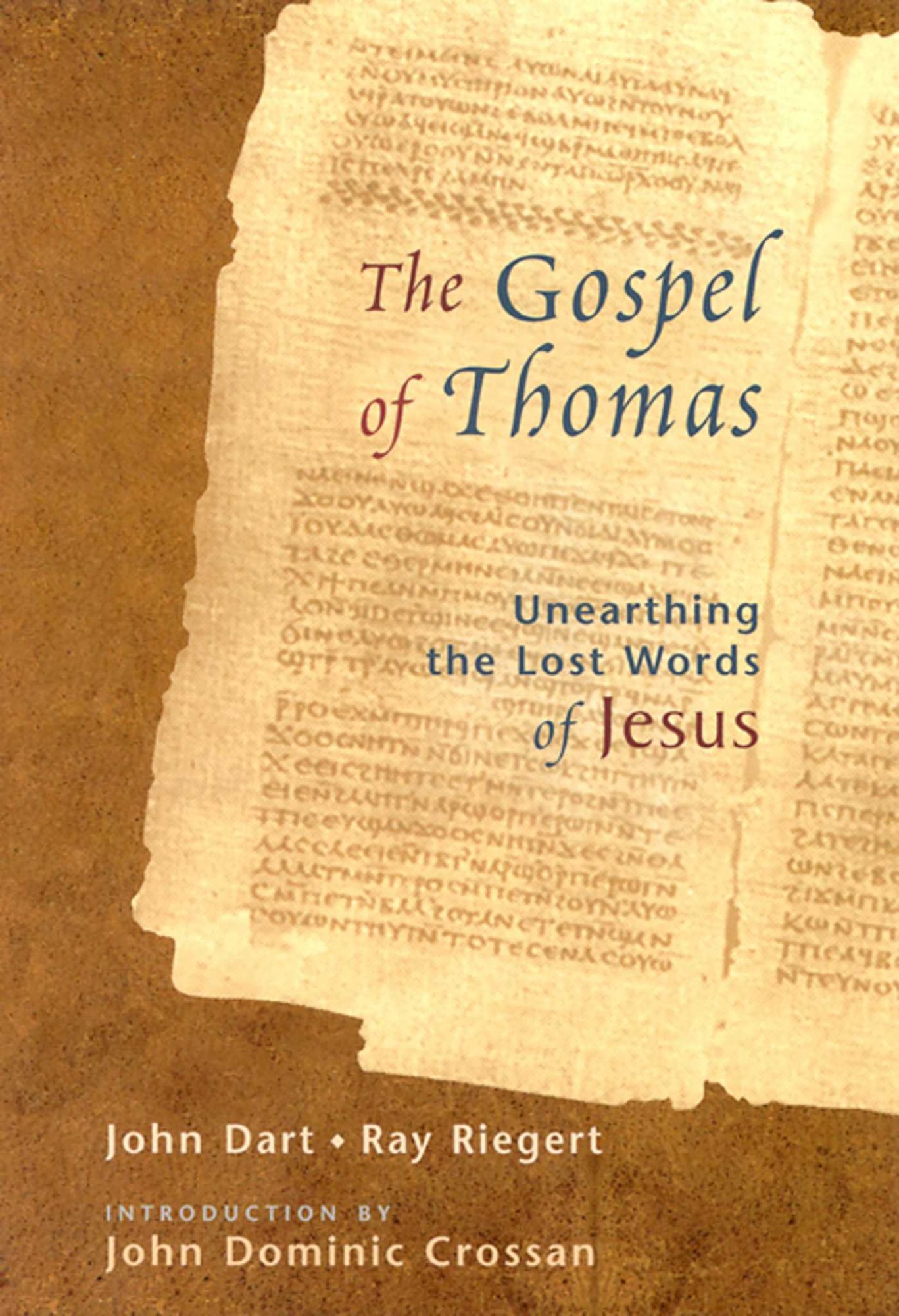
For one thing there are a lot of other Gospels, Letters and Revelations that didn’t get included in the ‘Official’ New Testament. Take the Gospel of Thomas for example, this book is know to have existed before several of the other books that made it into the New Testament. Thomas is a sayings Gospel, no action just a lot of sayings by Jesus, many of which are included in the Gospels of Matthew and Luke. Because of this many believe that Thomas could very well contain other authentic sayings of Jesus.
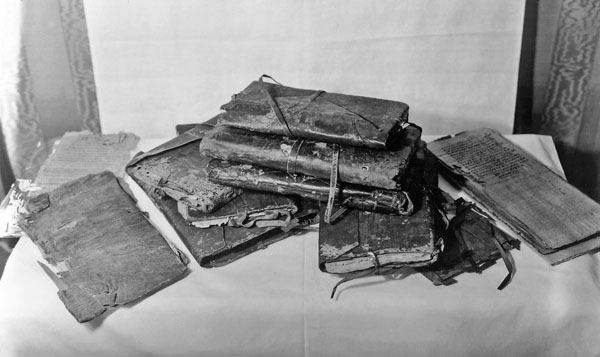
So why wasn’t Thomas included in the New Testament? Politics mostly. As the orthodox church, with priest and bishops who considered themselves as intermediaries between God and average Christians developed they found that there were several sayings in Thomas that emphasized secret knowledge that Christians could only receive from Jesus himself. In other words, priests were not necessary.
At the same time it is now generally considered that several of the books of the New Testament are in fact forgeries. That is some unknown person wrote using the name of an Apostle in order to claim authority for their point of view. The three ‘Pastoral’ letters of Paul are the best example of this. There is no evidence for these three letters existing before the year 200CE, long after Paul was dead and stylistically the pastorals are very different from the earlier, better attributed letters of Paul. So why were these letters included, again the answer is politics. As the name pastoral implies the letters are about the functions of pastors, priests and bishops. In other words the letters promote the establishment of a church organization, something the true Paul would have considered ‘unchristian’.
If you want to learn more about the many, many myths about the Bible I strongly recommend Dr. Ehrman’s books, not only for his own his own scholarship but because he is quite good at presenting other researchers work as well. The rest of this post will deal the Ehrman’s latest book ‘Armageddon’ which deals with the last, and by far strangest book in the New Testament, Revelation.
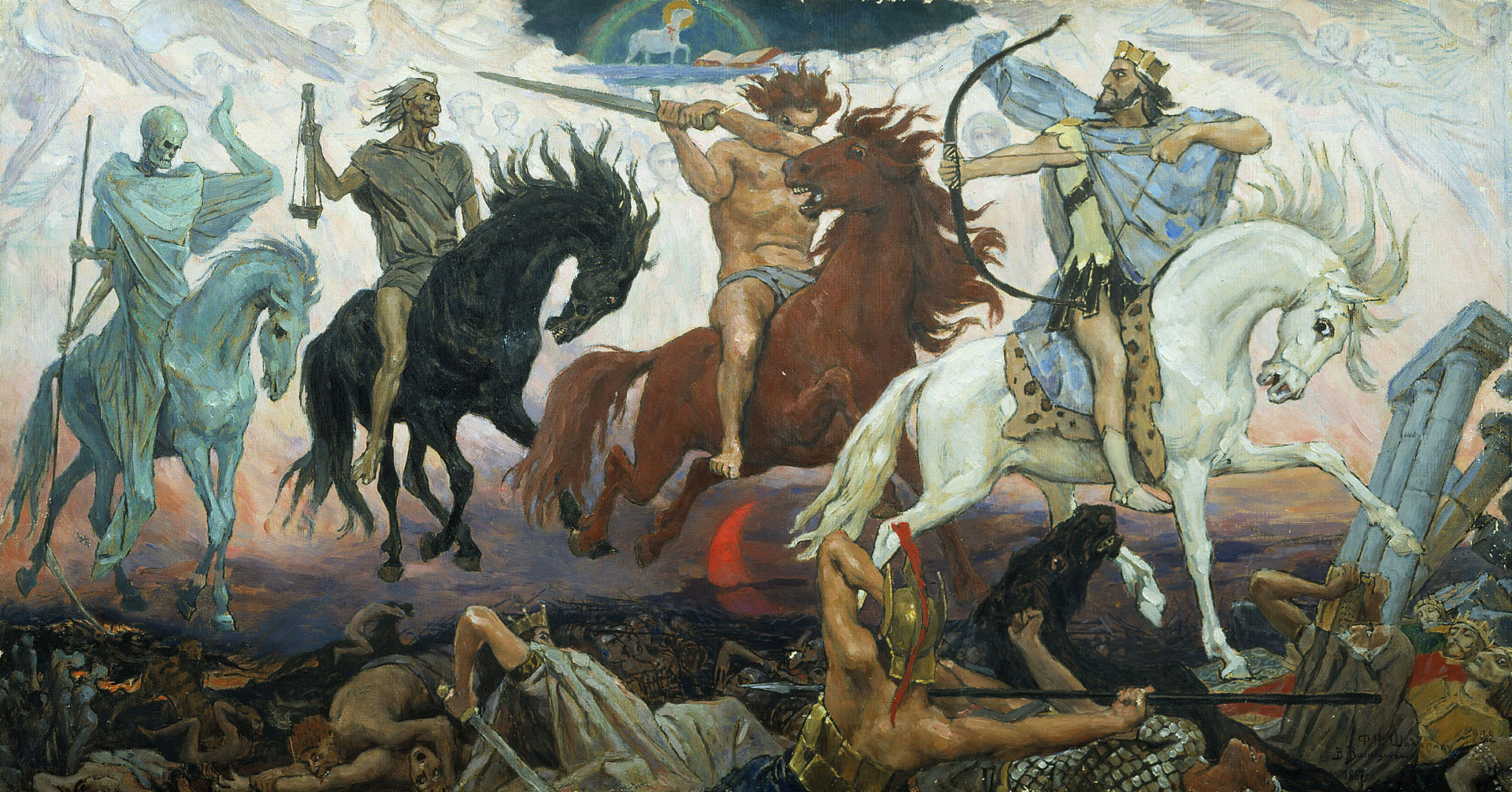
We all know that the last book in the Bible concerns itself with how the world is going to end. How at a final battle called Armageddon the military forces of the world would gather to fight only to have the second coming of Jesus make the whole business pointless. With Jesus’ return the good guys easily win and the world enjoys a thousand years of peace and happiness, the millennium while the bad guys suffer eternal damnation in a lake of burning sulfur.
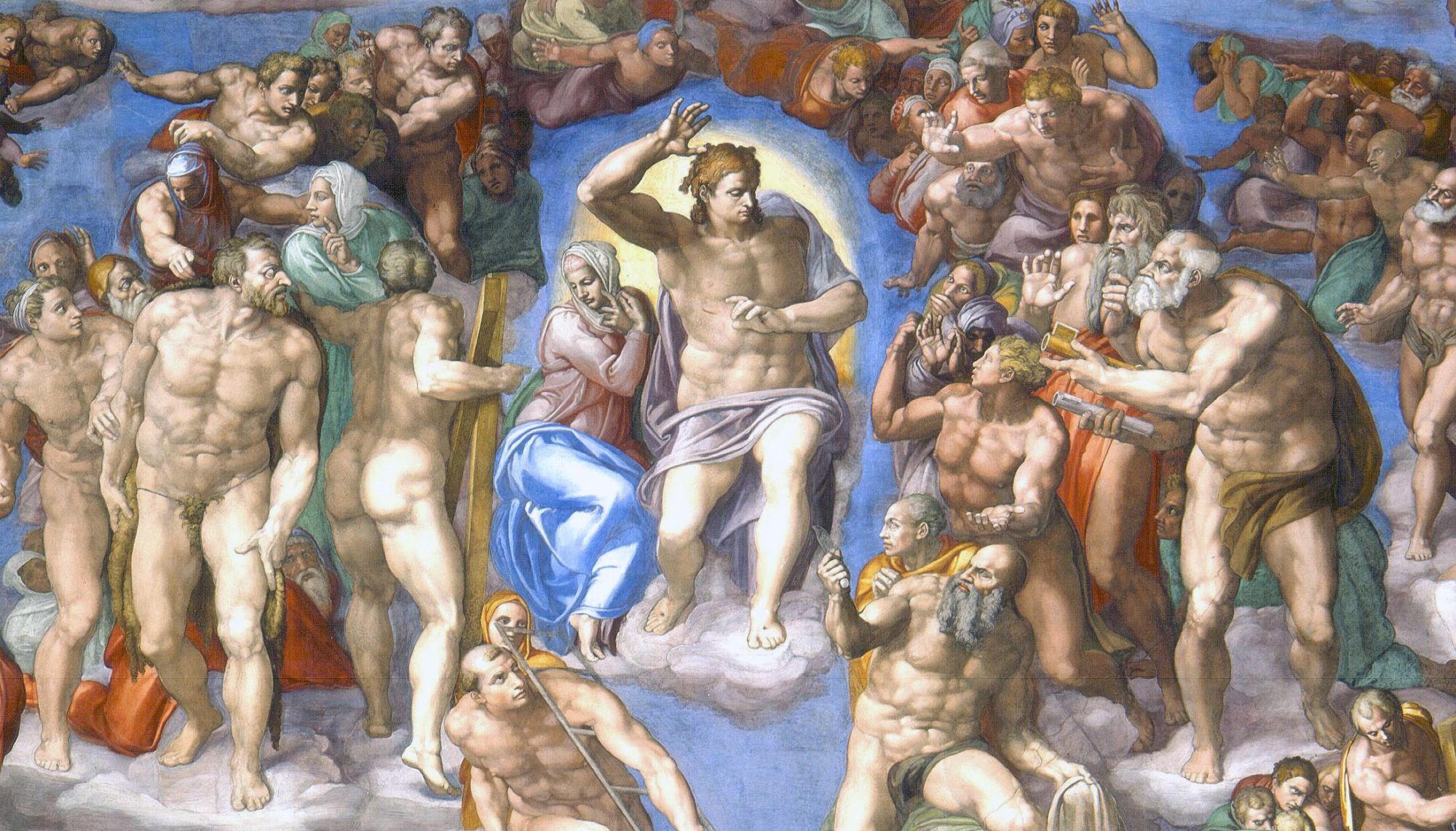
In the gospels Jesus himself spoke about the coming ‘Kingdom of God’ and repeatedly told his followers that it would come very soon, ‘Verily I say to you this generation shall not pass till all these things be done.’ Ever since that time people have searched the books of the Bible for clues as to exactly when the world shall end and Revelation more than any other book with its bizarre visions, its cryptic language and its obsession with the details of the end of the world.
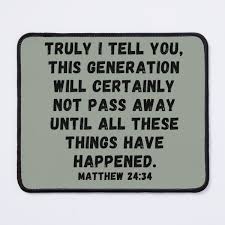
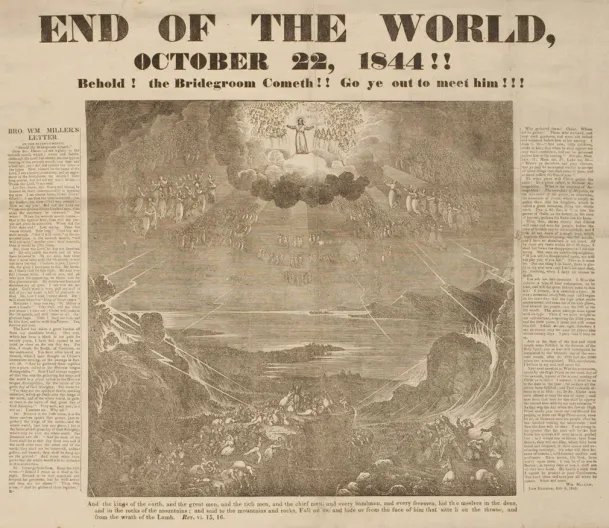
In ‘Armageddon’ Dr, Ehrman recounts the history of several of the ‘prophets’ who thought they had solved the puzzle and who knew when the end was coming. Since we’re still here obviously none of them were right but two thousand years of failure hasn’t others from trying. Here in the United States for example in 1818 a farmer in New York State named William Miller declared that by his calculation the world would end in 1843 and Miller spent the next 25 years preaching about it. By 1843 he had gained thousands of followers, many of whom sold all their possessions in anticipation of the millennia. When 1843 passed and no Jesus appeared it was called the ‘Great Disappointment’. Some of Miller’s followers refused to give up however and two new branches of Christianity, Jehovah’s Witnesses and the Seventh Day Adventists were formed to continue the notion that the end is coming soon!
It’s at this point that Dr. Erhman begins to analyze Revelation itself, first pointing out that the Author, John of Patmos was writing his letter to seven churches who knew him in Asia Minor, that is modern day Turkey. He wasn’t writing to warn some future generation thousands of years in the future. Writing to people who knew him he expected that they would understand his visions and obscure hints. So, by thinking about the state of the world, or at least the Roman Empire at the end of the first century Revelation makes a lot more sense.

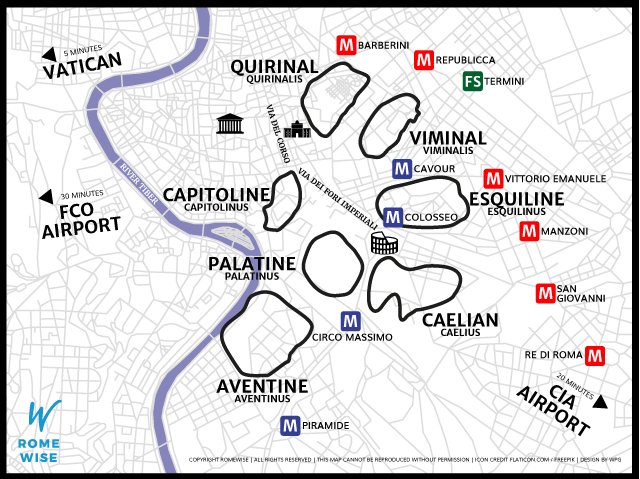
By doing so it soon becomes clear that the vision of the ‘Whore of Babylon sitting atop a beast with seven heads and ten horns’ refers to the city of Rome which, like Babylon 600 years earlier had conquered Judea and destroyed the Temple in Jerusalem. The seven heads of the beast corresponds to the seven hills for which Rome was famous while the ten horns are ten Caesars, the rulers of Rome.
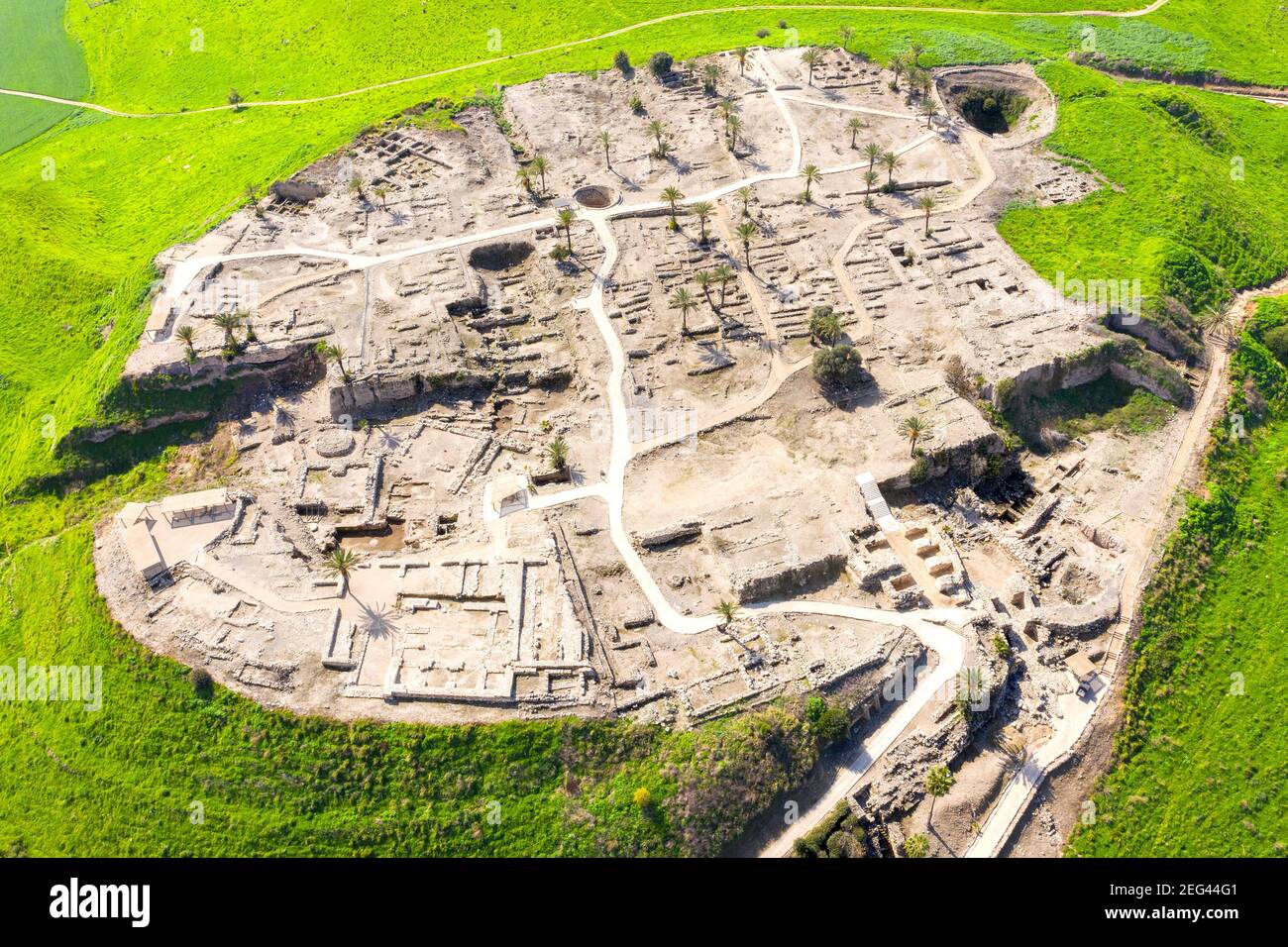
In the same way the famous beast of the sea, often associated with the anti-Christ, is in fact the Emperor Nero, the first Roman ruler to persecute Christians. Historically Nero committed suicide when the Roman army rebelled and in Revelation the beast suffers a ‘wound unto death’. In Revelation the beast recovers and it’s a historical fact that at just the time the Revelation was being written someone claiming to be Nero showed up at the capitol of the Parthians, Rome’s great enemy. So now just imagine a Parthian army marching west to put this fake Nero back on the throne of Rome while a Roman army marches east to meet it. Where else would these armies come together but the city of Megiddo in northern Israel, the site of dozens of battles since the bronze age, Megiddo or in Greek, Armageddon.
At that point I’m going to stop. If you want to learn more, and there’s much more to learn, you can buy ‘Armageddon’ by Bart D. Ehrman, or any of his other books on Biblical scholarship. More than a quarter of the Earth’s population consider themselves to be Christian, a religion of ‘The Book’ so it’s important for everyone to know some of the true facts about that book.