Driverless cars are coming to take us where we want to go, but what happens to all of the Taxi drivers, Bus drivers and Truck drivers who are going to lose their jobs?  

It wasn’t so long ago, 2004 in fact that the Defense Advanced Research Projects Agency (DARPA) sponsored the first ever race for driverless vehicles. The idea was to see if University engineering teams or tech companies could actually develop some kind of autonomous road vehicle that would actually complete a course 240 km in length without any obstacles other than the road itself. In other words there were no other vehicles on the course at the same time, no traffic signals to be obeyed and no pedestrians. The only thing that the driverless vehicles had to do was turn at the right places, go straight for the right distances and just get to the finish line without breaking down.
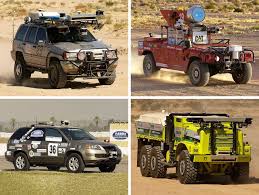
Some of the Autonomous vehicles that took part in DARPA’s road challenge in 2005. We’ve come a long way since then! (Credit: Wired)

Seven University teams participated, none succeeded in reaching the finish line, in fact 11.78 km was the farthest any team succeeded in going before breaking down. The very next year DARPA sponsored a second challenge race with twenty teams participating. This time five vehicles succeeded in completing the 212 km course. The team from Stanford University won the race in a time of six hours and fifty-four minutes while three other teams finished close behind. Excuse the metaphor but that race was the first few steps for the concept of autonomous, computer controlled road vehicles.
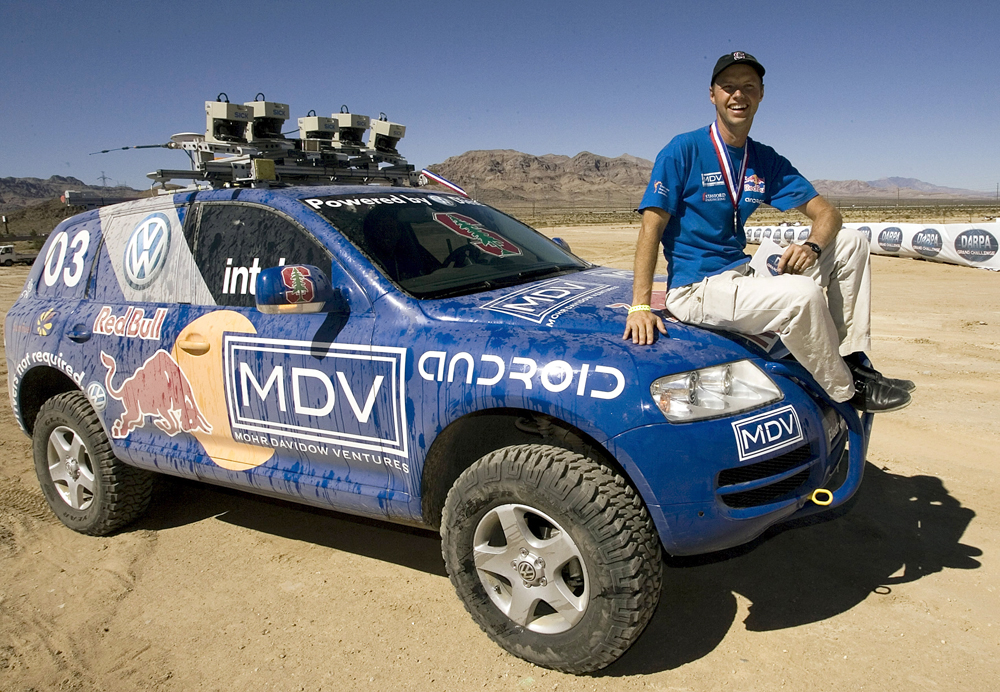
The winning vehicle of DARPA’s challenge from Stanford University. Looks a lot like the driverless cars being tested on the streets today! (Credit: NBC News)

Since then the pace to development has been rapid. One by one the problems that a driverless car would encounter on the road have been studied and overcome. The right combination of sensors to detect obstacles, other vehicles, pedestrians and traffic signals, has been determined. At the same time the software necessary to control the driverless cars has been developed.
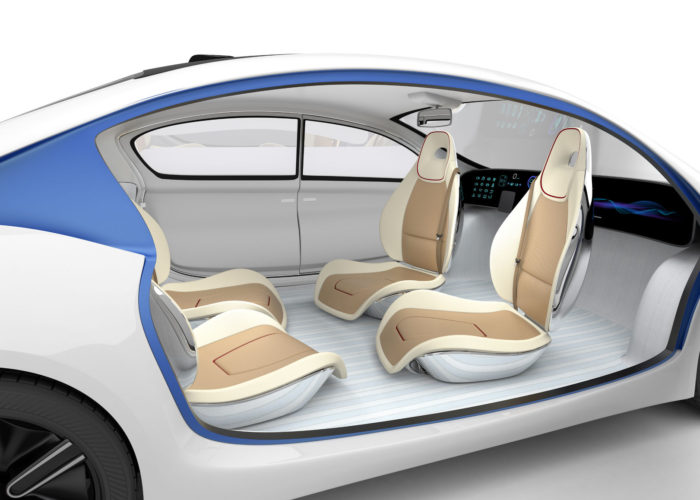
Driverless cars in the near future may not even have controls for the people inside to take control in any way. (Credit: Bold Business)

Think about the size of that job; think about all of the different situations that cars with drivers face over the course of years. Well, software had to be written to first of all recognize those situations as they were occurring, and then tell the driverless car what to do to avoid an accident. As the engineers developing driverless cars encounter new situations their software will have to be updated.
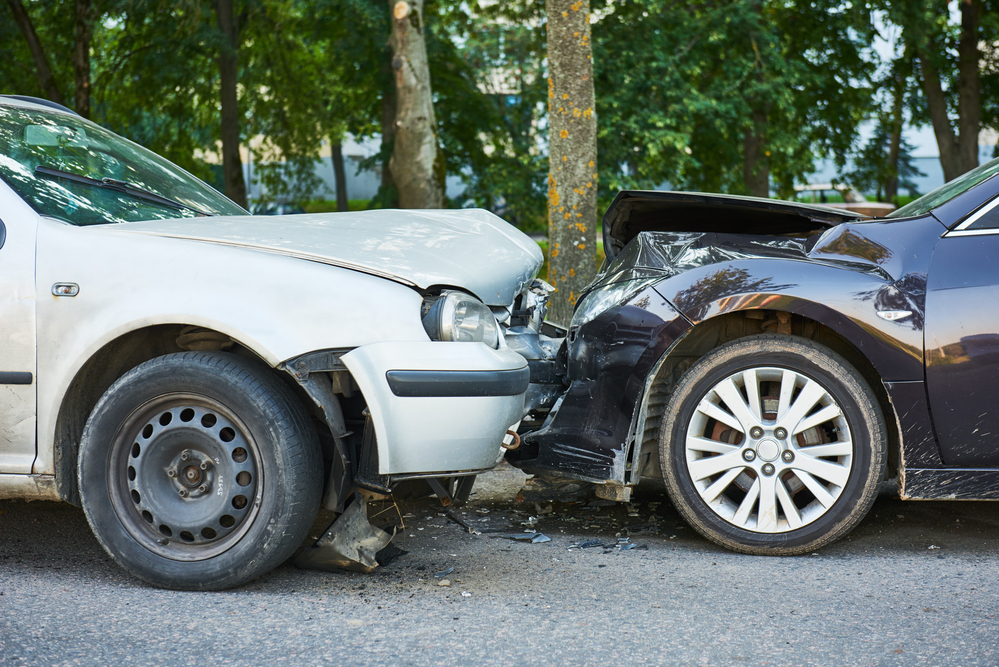
Think of all of the many ways that car accidents can occur. Engineers developing software for driverless cars have to instruct the computer about what to do in all of those situations, an enormous task. (Credit: Northeast Philadelphia Personal Injury Attorney)

Over the last twenty years those problems have been solved at least to the degree that experimental tests of driverless cars are now being allowed on the streets of several cities. San Francisco California, with Silicon Valley to its south, was a natural place for the first set of tests, which were initially carried out with a human seating behind the wheel ready to take control if the driverless car began to malfunction. Before long similar tests were also being carried out in Los Angeles, Phoenix Arizona and Austin Texas. Currently New York City and Washington, DC are considering petitions to allow autonomous taxi on their streets.
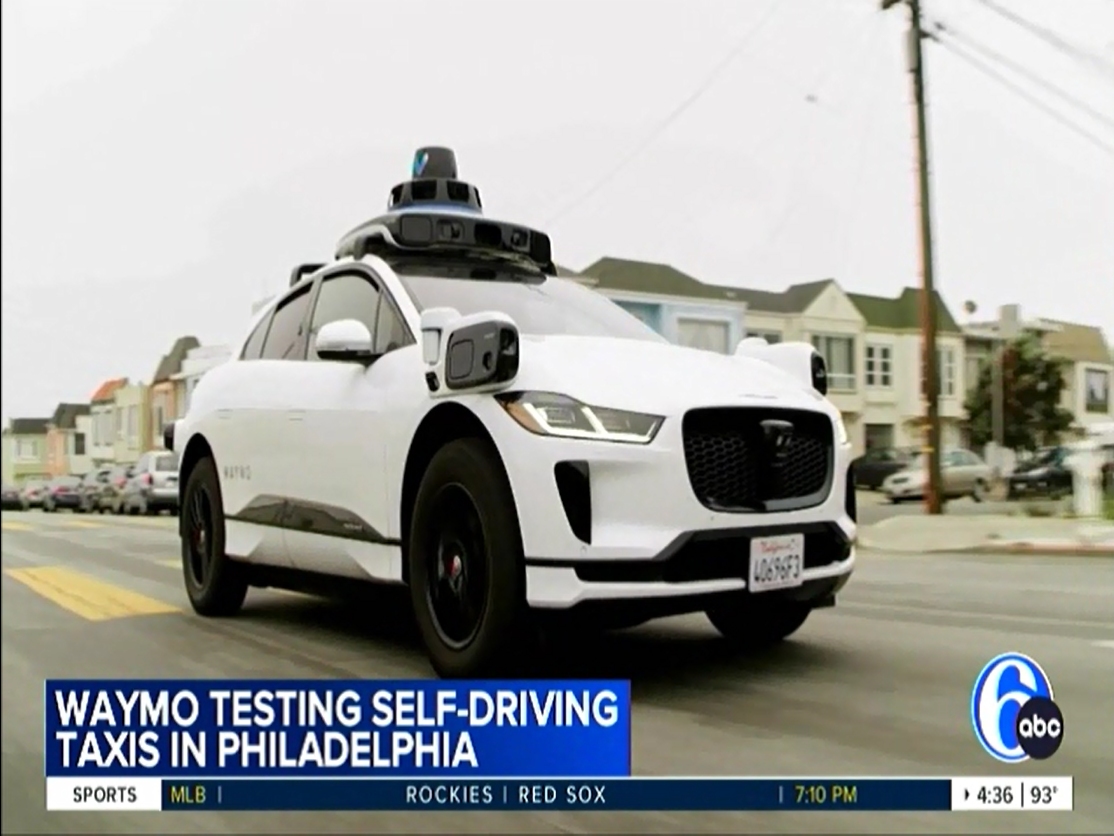
Starting next year my home city of Philadelphia will be included in the testing of Driverless Cars. The future is here! (Credit: WPVI)

The driverless cars now being tested as robotaxis on city streets are no longer the products of University engineering groups. No, with all of the big money to be made by perfecting driverless cars the big tech companies are now the driving force behind the wheel as it were. Alphabet, the parent company of Google, has formed a company called Waymo to develop autonomous robotaxis while Amazon formed Zoox. The ride sharing company Uber has partnered with several Chinese tech companies to contribute WeRide and Momenta to bring driverless taxis to both American cities and the cities of Wuhan and Shenzhen in China. There is in fact considerable competition between the US and China, along with the EU, to be the first to develop a fully autonomous road vehicle.
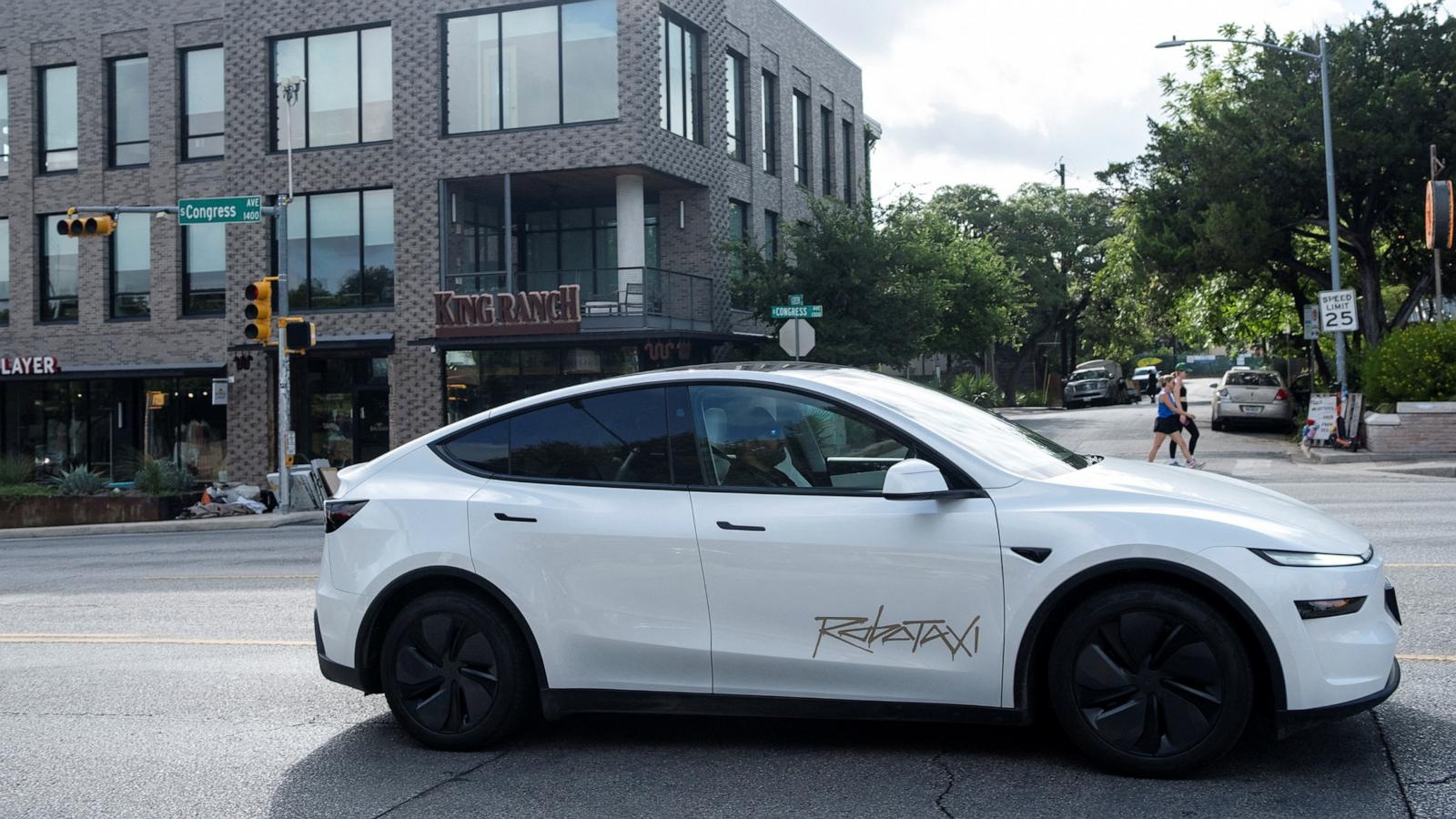
Tesla’s Driverless Cars differ from other companies in having fewer sensors. Is that a good idea? (Credit: ABC News)

The biggest problems facing autonomous vehicles right now are actually not technical but rather legal and public relations. There have been accidents, in one instance in 2018 an autonomous vehicle in Phoenix struck and killed a pedestrian. Some cities have passed ordinances restricting driverless cars, requiring them to have an actual person in the driver’s seat at all times. Many people have safety concerns about driverless cars and are putting pressure on local governments to regulate, if not outright ban them from city streets.
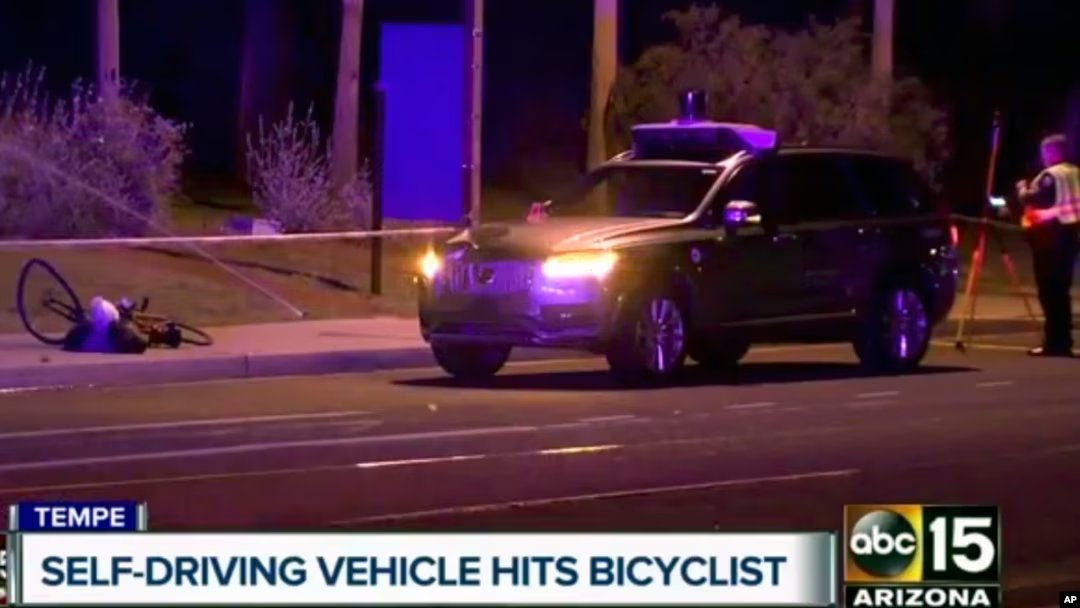
In 2018 a driverless car, with a person behind the wheel who was supposed to be monitoring the vehicle, struck and killed a bicyclist in Phoenix, Arizona. (Credit: ABC News)

Other local governments however have welcomed the testing of autonomous vehicles. The Texas State legislature went so far as to actually pass a law forbidding cities within the state from passing their own laws against driverless cars.
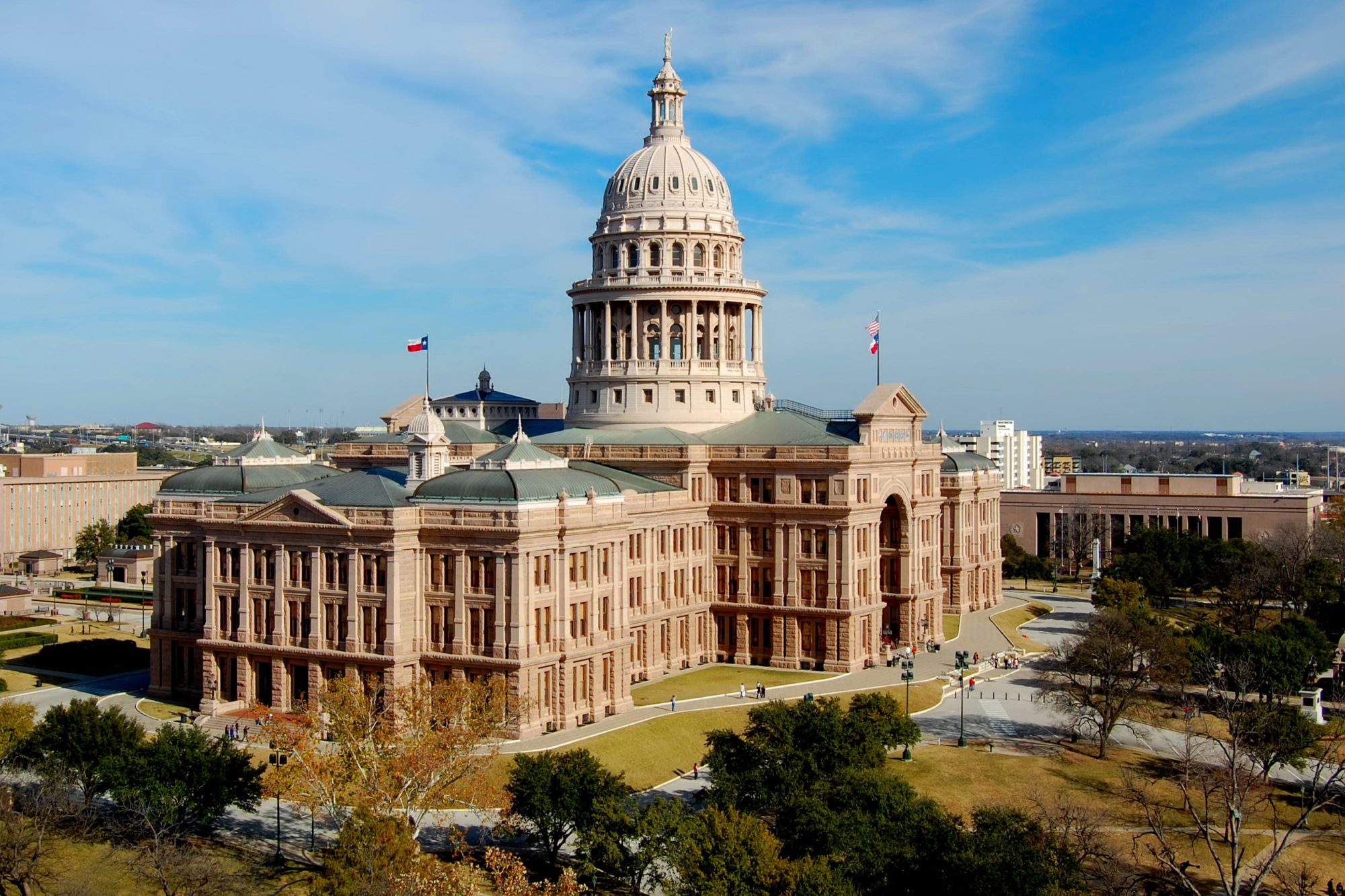
Putting business interests ahead of their people’s safety the Texas State Legislature has passed a law forbidding local communities from interfering in the development of Driverless Cars. (Credit: Texas AFL-CIO)

That is why Austin, Texas has now become the center of driverless car development and why the electric car manufacturer Tesla has decided to begin the testing of their autonomous robotaxi there on the 22nd of June. Despite being one of the most innovative of car manufacturers Tesla is coming rather late to the autonomous vehicle market but their distinct approach could quickly put them in the lead, if it works.
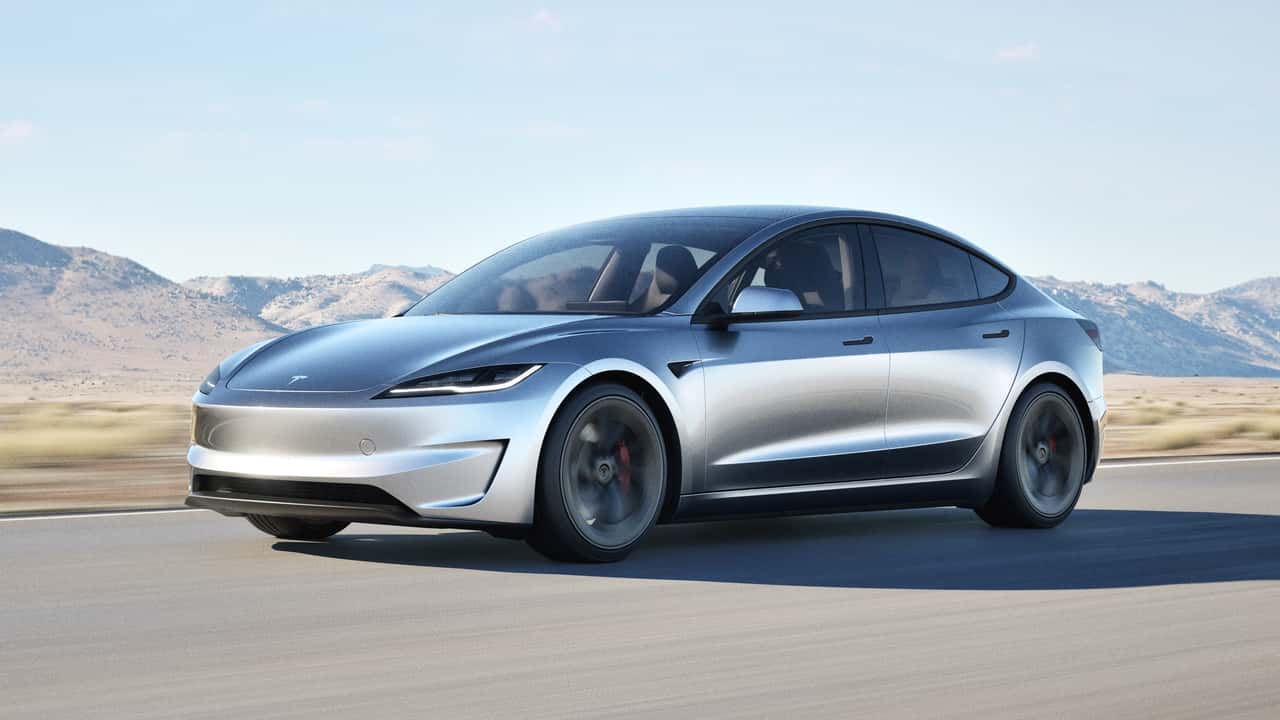
Tesla already provides autonomous features on the cars they sell now. The plan is to simply increase the software to make their cars completely autonomous. Will it work? (Credit: Inside EVs)

You see whereas the driverless cars from Waymo, Zoox and the others are bristling with sensors, cameras, lasers, and radar, the robotaxi from Tesla are only going to use cameras. That will make their vehicles much cheaper than their competitors. Tesla is depending on the data it has downloaded from all of the millions of its cars that are already on the road to develop software that will not need all of those sensors.
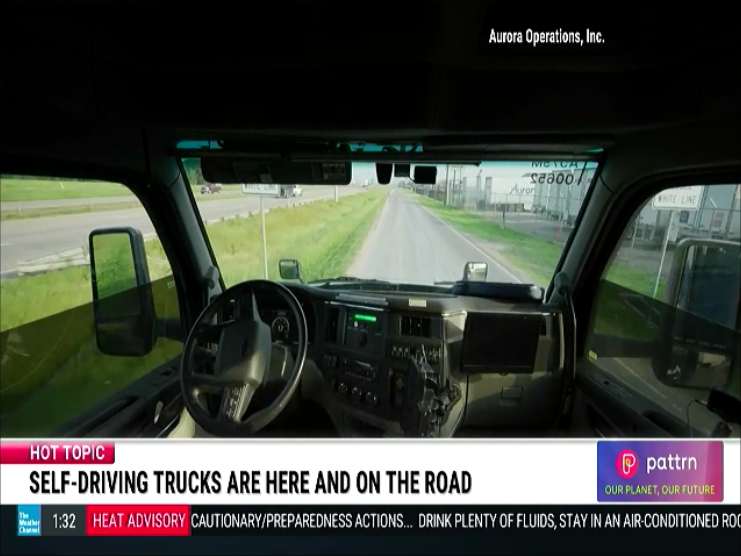
Incidentally, Driverless Trucks are also being developed. Just think about one of those big 18-wheelers driving down the highway with nobody at the wheel! (Credit: Weather Channel)

It’s a big gamble, because safety is the issue. How well will Tesla’s cameras work in low light, or virtually no light situations, well enough to see other vehicles or pedestrians? What about bad weather, raindrops getting on the camera’s lens or fog simply making it impossible to see anything. Can the engineers at Tesla develop software good enough to ‘see in the dark’, and what will the software make the car do when vision really does become obscured?
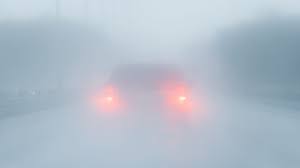
Since Tesla’s Driverless Cars are only going to have cameras as sensors I hope the software tells them to pull over when it gets this foggy! (Credit: Media and MG Life)

At this moment Tesla in involved in several court cases where the autonomous features it already integrates into its cars may have caused accidents. If their software just cannot make up for the lack of sensors then Tesla will take a big hit and fall far behind in the competition to prefect driverless cars.
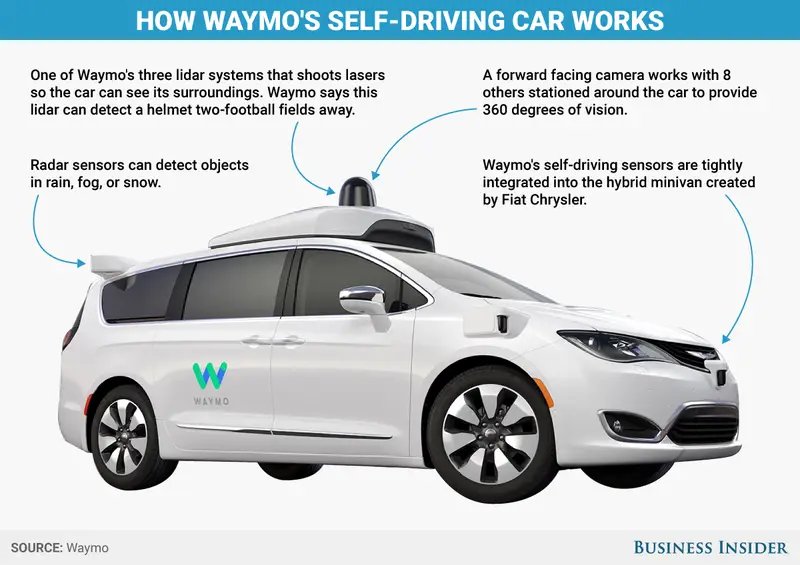
Waymo’s self-driving cars are loaded with sensors. This makes them more expensive, but much safer in my opinion. (Credit: Business Insider)

Nevertheless, driverless cars are going to happen, whether Tesla succeeds or not. The progress that has been made is tremendous and in just a few years there will be robotaxi in every city, then robotrucks hauling shipments on the highways, Amazon is already experimenting with autonomous delivery trucks. And there are already robobuses being tried out in several European cities.
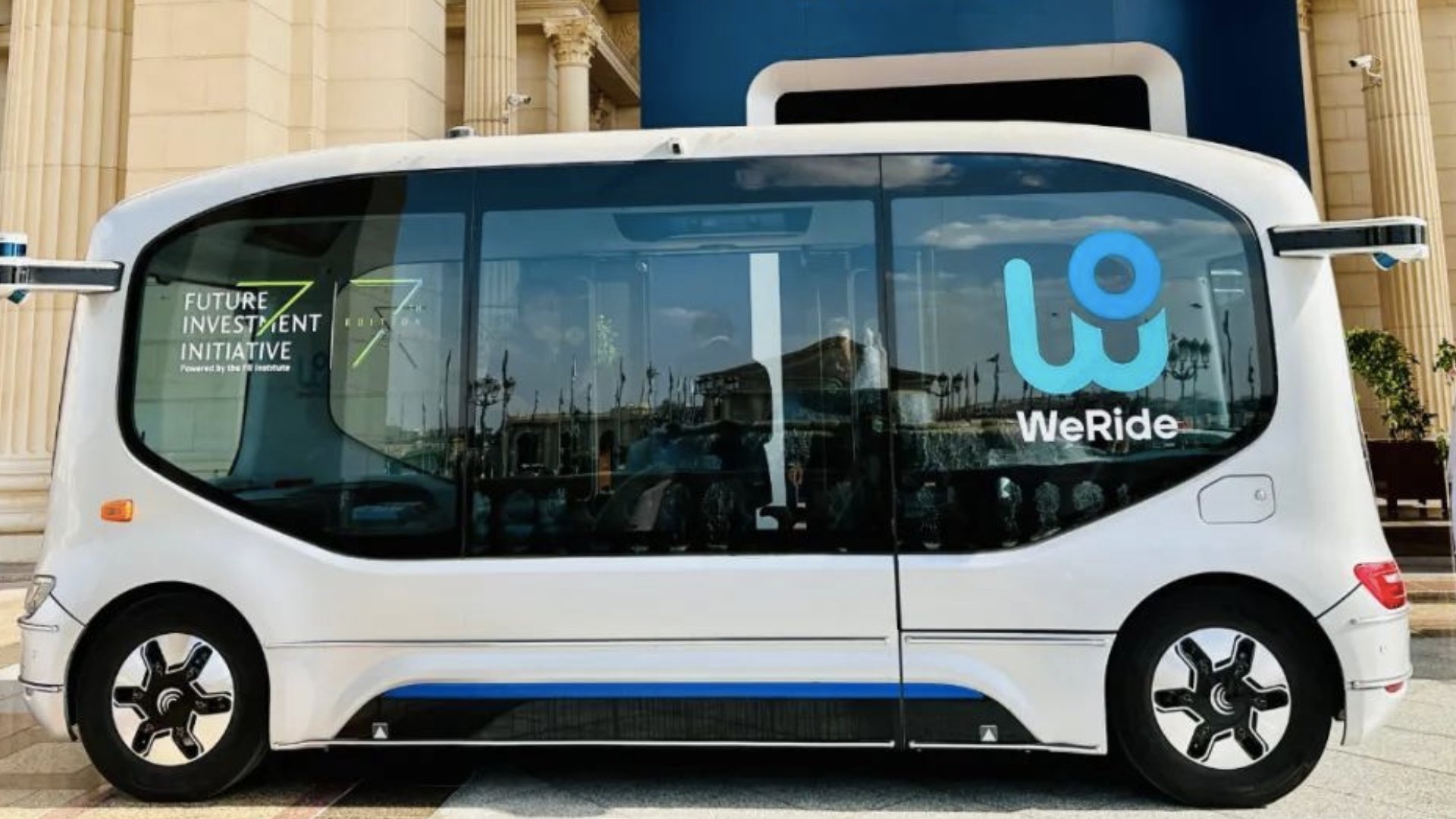
A WeRide Robobus in Zurich, Switzerland. The move to autonomous vehicles is all over the world and growing. (Credit: Interesting Engineering)

No, the big problem with driverless cars isn’t technical, or legal or even public relations. It’s what’s going to happen to the millions of truck drivers, cab drivers and bus drivers who are going to lose their jobs to robots! Don’t get me wrong, I’m pro-robot, I want robots to do the low skill, repetitive, boring jobs that waste a human soul. However just replacing a person with a robot and then simply throwing that person into the gutter to fend for themselves is a much bigger waste.
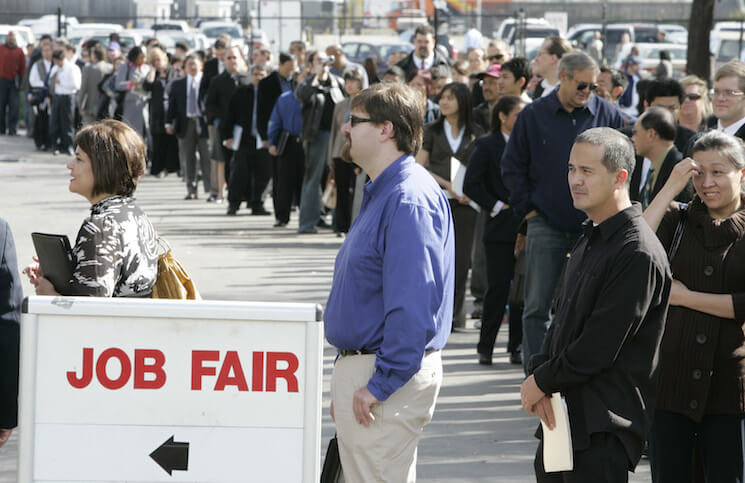
With all of the progress being made with autonomous vehicles lots of cab drivers, bus drivers and truck drivers are going to be out of jobs. Is anybody planning for what those people are going to do to make a living? (Credit: Equitable Growth)

We need to start making long term plans for what is going to happen to the large fraction of our populace that are going to be badly hurt by the coming AI/Robot revolution. Wouldn’t it be nice if our government officials gave a damn about that problem and tried to do something before all those workers get laid off instead of fighting amongst themselves, or starting wars!
Climate Change and the increasing number of Weather related Disasters: July 2025. 

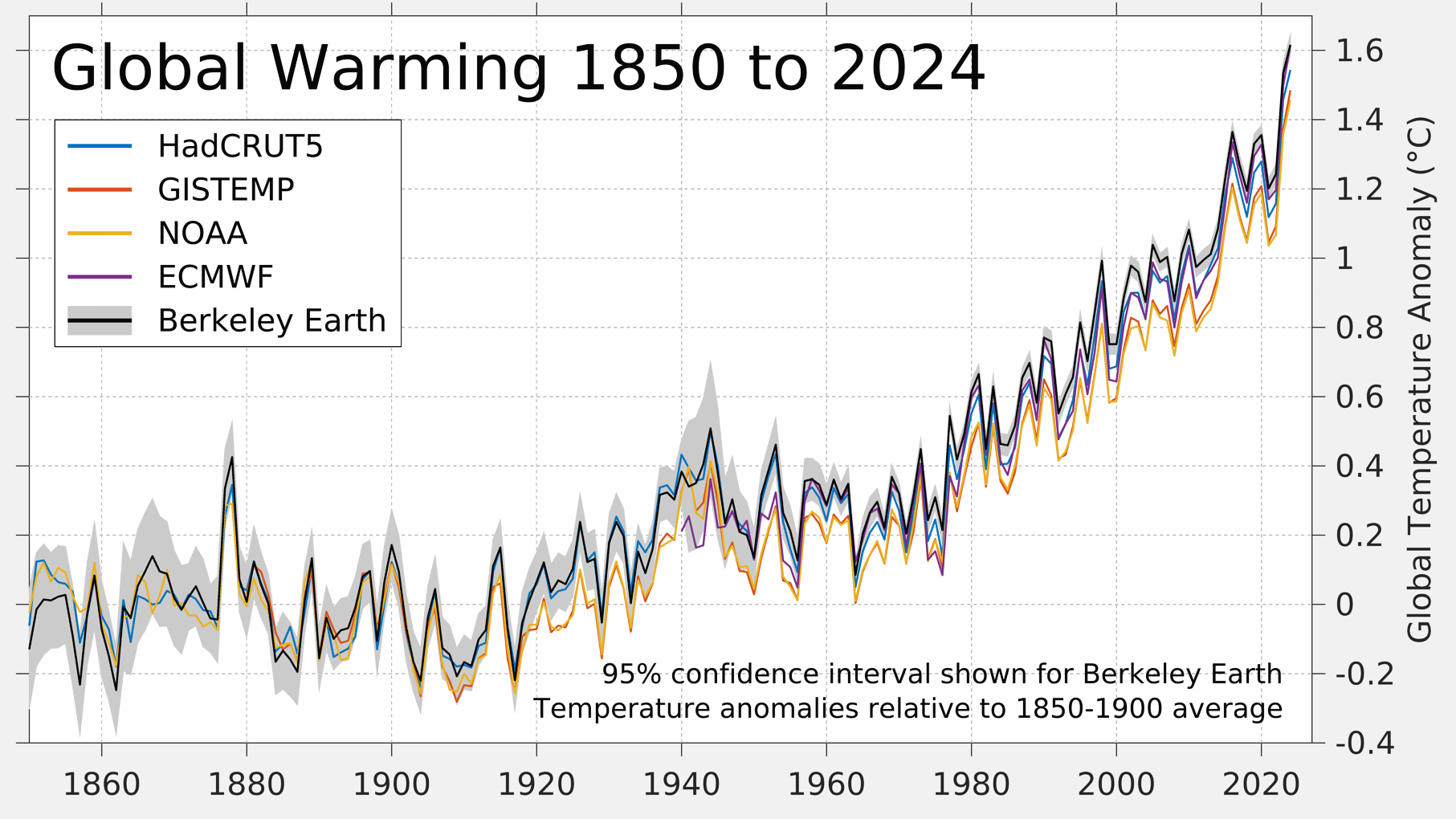
The last two years, 2023 and 2024 have been simply the hottest years ever recorded for our planet with last year being so hot that the planet as a whole broke the 1.5ºC above the pre-Industrial averages limit that scientists are convinced will bring on worldwide disasters. In fact every month since July of 2023 has been hotter than 1.5ºC above the world’s average for that month during the 19th Century. This year the world’s temperature was expected to moderate slightly as an El-Ninó condition in the Pacific being replaced by a La Niná but the steady rise in temperature due to our continued emissions of greenhouse gasses meant that 2025 would still be hot, just hopefully not as hot as 2025.

The World’s temperature rise has become so obvious that even a fool should be alarmed. The scary part is that we have entered the exponentially increasing phase meaning things are going to get even worse more quickly going forward. (Credit: Berkeley Earth)

Nevertheless 2025 has already had its share of weather related disasters, from the wildfires that swept Los Angeles to major flooding events to severe outbreaks of Tornadoes. Hurricane season is just beginning, and this year is expected to be a busy one, and already the US has suffered from numerous episodes of severe weather strengthened by climate change.

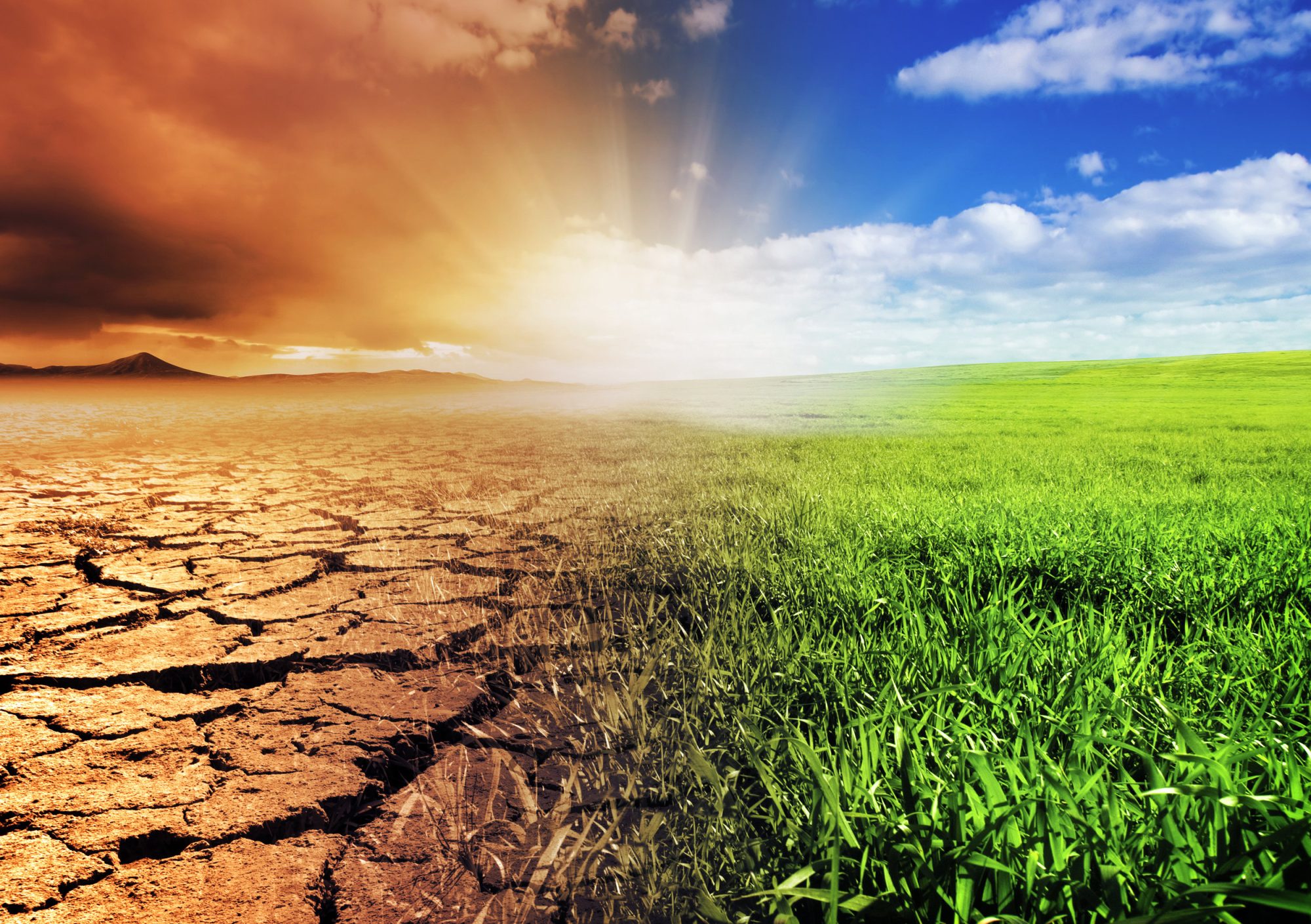
When I was young we were still in the right-hand side of this picture. I’m afraid that by the time I die the whole world will be in the left-hand side! (Credit: As You Sow)

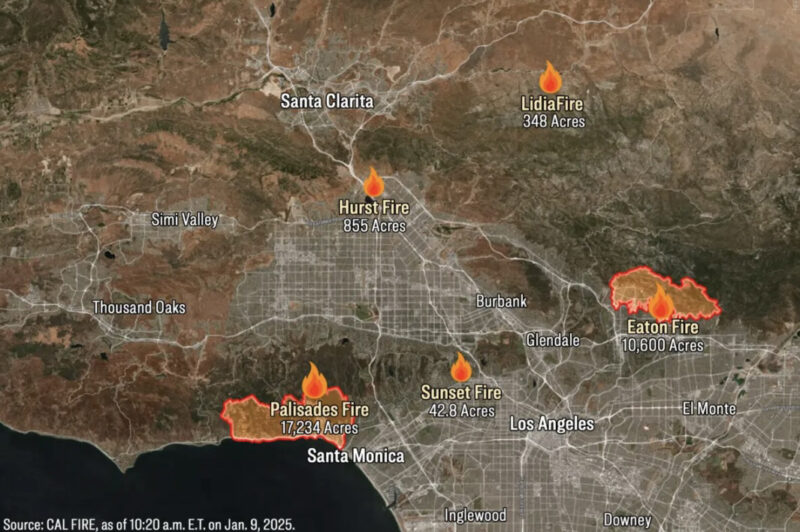
The year was only a few days old when the first disaster suddenly struck in the form of a series of wildfires that broke out in Los Angeles and surrounding communities. Within hours two of the fires, the Palisades and Eaton fires had destroyed hundreds of homes and would go on burning for weeks destroying more than 16,000 structures. The total damage caused by the LA fires as a whole has been estimated to be somewhere between $35 and $45 Billion dollars making it the third costliest natural disaster in US history after only Hurricanes Katrina ($102 Billion) and Ian ($56 Billion).

Thirty people died, over 16,000 buildings destroyed and the long term health damage is still unknown. That’s the cost of climate change in Los Angeles this year. Who knows when it will be coming for you! (Credit: Science)

Now LA has often the location for wildfires as its long dry summers cause vegetation in the nearby hills to die and the Santa Ana winds from the north both fuel and spread whatever flames get started. The extreme severity of this year’s fires however were undoubtedly due to climate change as last summer’s heat and drought set records throughout the southwestern US. Even the strength of the Santa Ana winds was above average, helping to spread the fires further and faster than in other years. The added strength of those winds is again likely due to climate change caused by greenhouse gas emissions.

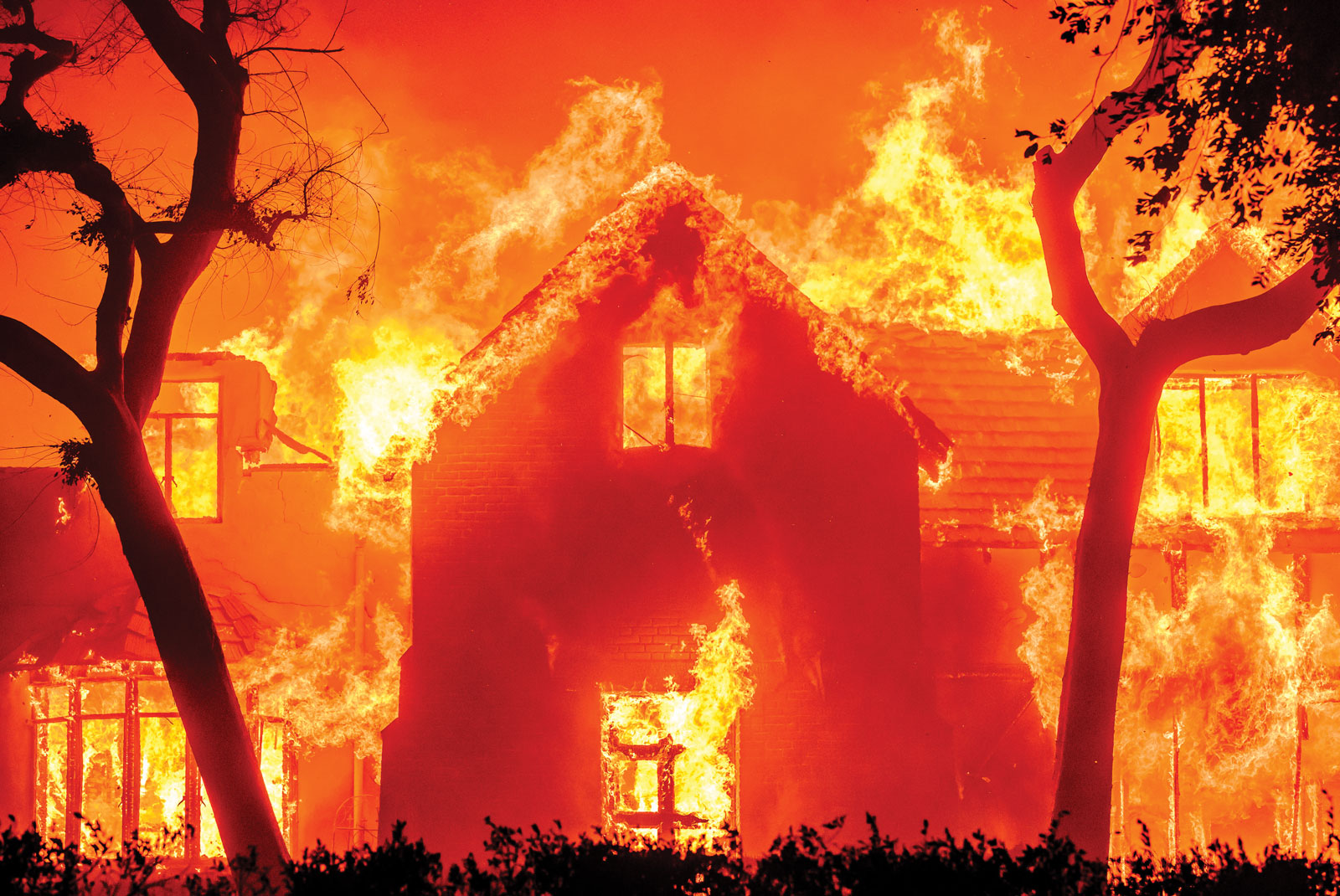
The wildfires of January 2025 destroyed large sections of our second largest city. To be honest LA often has fires but that’s what global warming does, it just makes the kind of weather we’ve always had more severe, more extreme. (Credit: Santa Clarita Valley Signal)

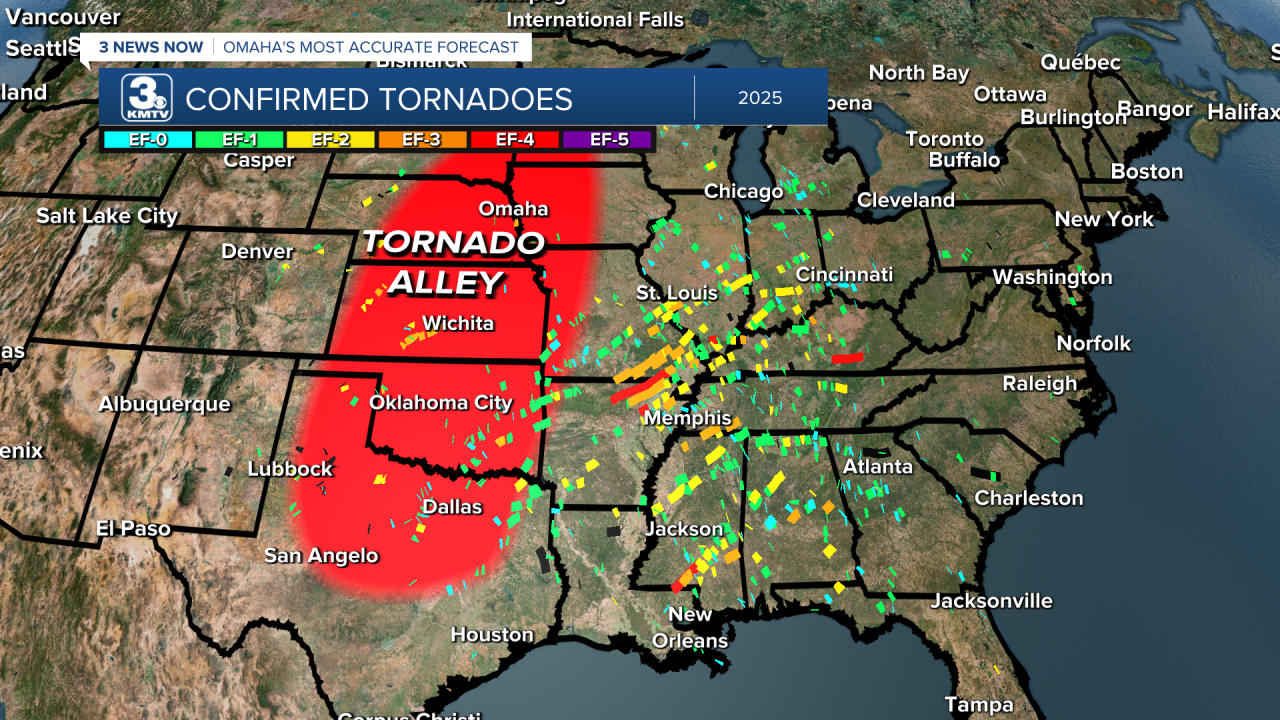
Then, starting in April it was the middle of the country’s turn as a series of severe storms caused destruction from Texas in the south to Illinois in the north, from Colorado in the west to Georgia in the east. Springtime in those areas often brings strong storms and tornadoes as warm, moist air from the Gulf of Mexico moves north and runs headlong into dry, cool air coming down from Canada. That’s why the plains states are known as tornado alley.

What used to be called tornado alley was the area from Minnesota in the north down to Texas in the south. One thing that climate change seems to be doing, in addition to increasing the number and strength of tornadoes is to shift the area of most tornadoes east to the Mississippi valley. (Credit: KMTV)

Thanks to global warming however the both the water and the air of Gulf set records for high temperatures last year leading to increased ocean evaporation that supercharged with moisture the air before it moves north. With record amounts of both water vapour and energy this year’s storms have triggered massive flooding and catastrophic winds, both tornado and straight line, that have been causing destruction on an almost daily basis.

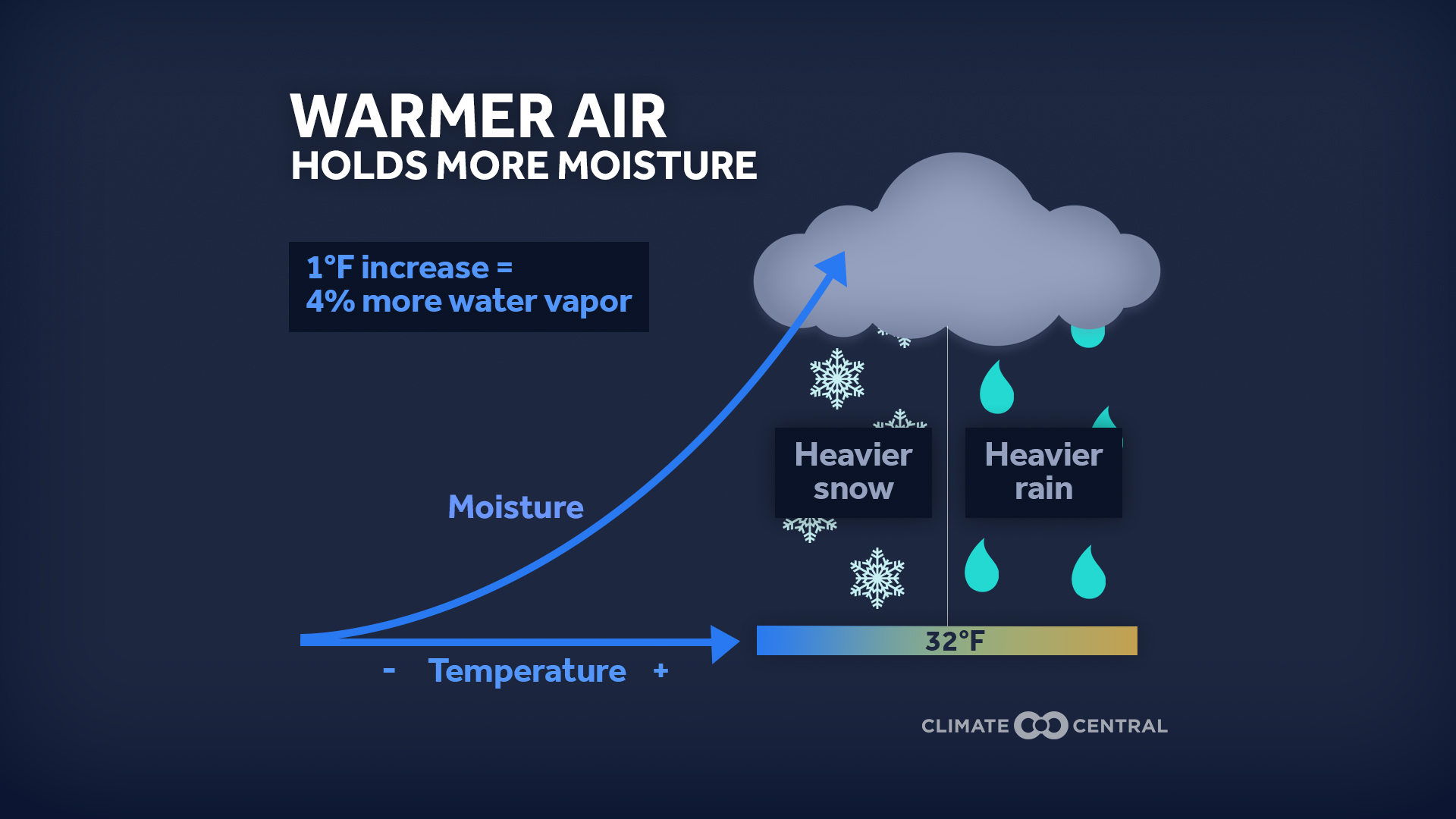
If 1 degree Fahrenheit equals 4% more moisture in the air, then the 3 degrees Fahrenheit (equal to 1.5 degrees C) increase due to global warming means 12% more water in the atmosphere, 12% more rain and going by this year’s disasters more than a 12% increase in flooding deaths and destruction. (Credit: Climate Central)

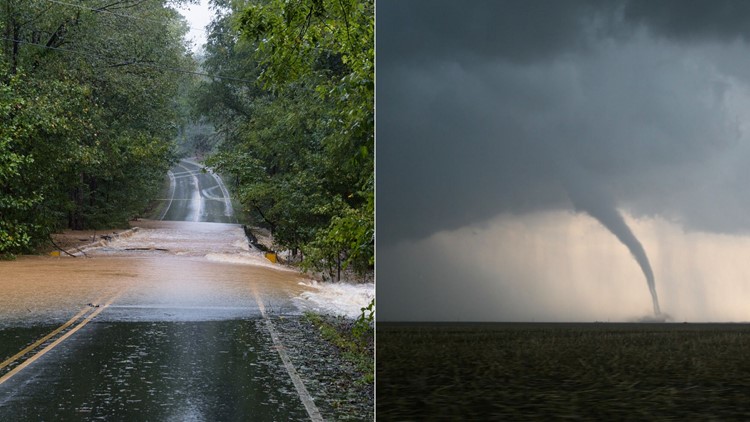
The twin calamities of tornado winds and rising floodwaters can even leave people not knowing how to protect themselves. Think about it, in a tornado warning you are supposed to get underground for protection but in a flash flood warning you need to get as high up as possible. What do you do when both warnings are issued for your location at the same time? This is something that has happened over a hundred times so far this year.

What do you do when you get a tornado warning and a flood warning at the same time? When a tornado is threating you’re supposed to get underground but that’s the worst thing you can do during a flood! A lot of people have had to make that choice so far this year. (Credit: KSDK)

From the 3rd to the 6th of April a series of storms lashed the Mississippi valley leading to numerous flood and tornado warnings. The flooding was responsible for more than eight deaths while hundreds if not thousands of homes were damaged. Then, just a little more than a month later on the 15th and 16th of May another series of storms unleashed dozens of powerful tornadoes. One tornado moved through the city of St. Louis killing 5 and destroying over 5,000 structures. Another tornado struck the town of London, Kentucky killing 18. While those days may have seen the greatest number and intensity of tornadoes so far this year nearly every day since March there has been a handful of tornado and severe storm warnings issued by the National Weather Service.

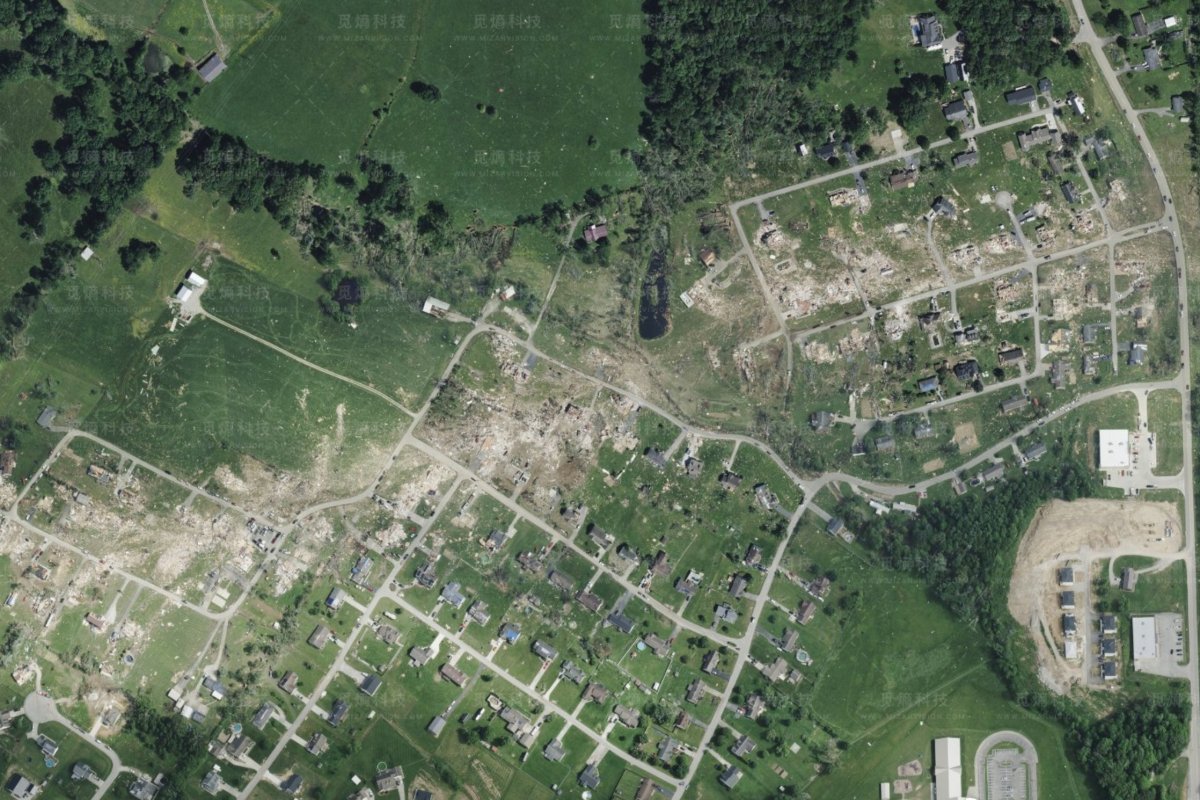
The path of the tornado that struck London, Kentucky is clearly visible in this ariel view. This was just one of multiple tornadoes that struck on the 15th and 16th of May across the Midwest. (Credit: Newsweek)

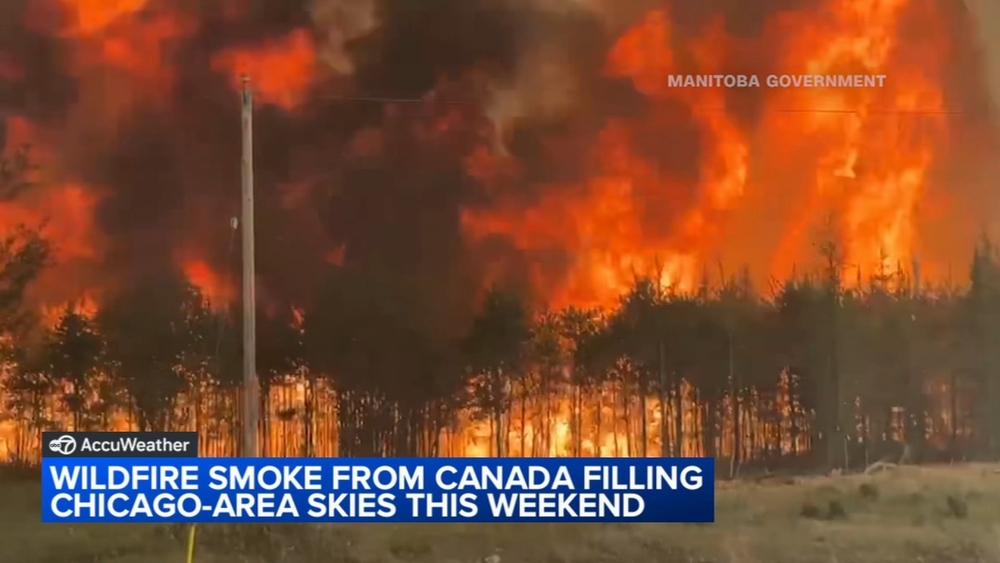
Meanwhile to the north fire season in Canada is well underway with over a hundred and thirty wildfires burning over eight million acres of forest, an area greater than the size of the state Delaware. Those same winds that are triggering the tornadoes are now bringing the smoke from those fires south into the US impacting the health of millions of people. Because of this air quality alerts have now joined tornado warnings, flash flood warnings and severe weather threats as a daily occurrence somewhere in this country.

Trump and his allies want to strengthen our borders but the smoke from wildfires doesn’t care about nation states. The smoke from Canadian wildfires is coming south affecting the health of millions of US citizens. (Credit: ABC7 Chicago)

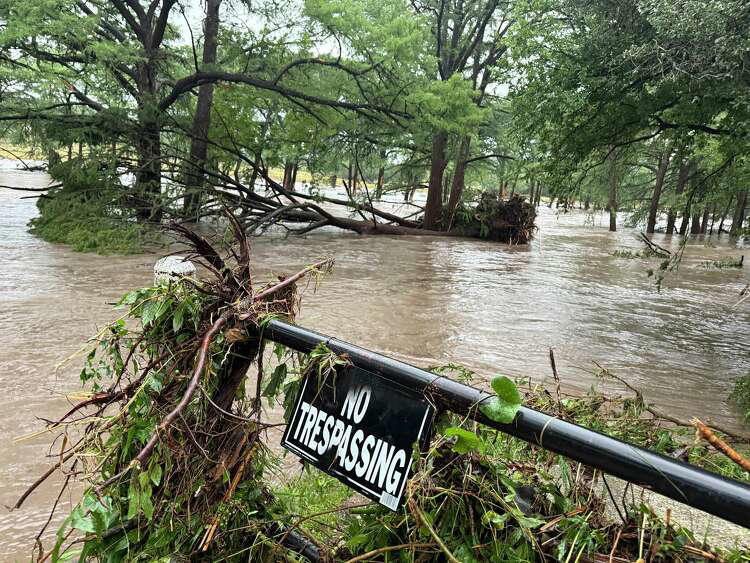
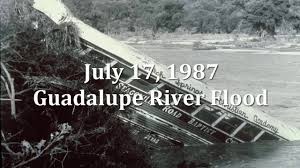
Of course the biggest weather related disaster of the year continues to unfold in the hill country of central Texas where tremendous rainfall caused the Guadalupe River to rise by 10m in an hour in some places. In addition to the homes that damaged or carried away there were several summer camps along the riverbanks whose campers apparently did not receive adequate warning of the floodwaters rising around them. At present more than 134 people are confirmed dead while another 100 are still missing, making this flood one of the deadliest in the last century.

Again, we can put up ‘No Trespassing’ signs but nature doesn’t care about our laws. Just one image of the flooding in Kerr County, Texas that took so many lives over the 4th of July weekend. (Credit: MSN)

While there can be little doubt that global warming played a role in the intensity of the flooding in Kerr, County and its surrounding area there is more to the story than just climate change. For years residents along the Guadalupe have asked their state government to set up a network of sirens along the river to warn people in the event of a flood, which the river has a long history of. Those requests have gone unanswered by a state legislature that is more interested in keeping out illegal migrants than protecting its citizens from natural disasters.

The Guadalupe River is known for its flood potential. Instead of installing warning sirens to protect their own people the Texas State legislature decided to spend billions trying to keep out illegal migrants from Mexico. (Credit: National Weather Service)

Also, thanks to Trump’s recent budget cuts FEMA’s response to the disaster has been severally criticized. All in all the disaster in Texas highlights the way politicians whose greatest concern is low taxes and small government are putting people’s lives at risk. The only thing such politicians are willing to spend on the people who suffer because of their incompetence is ‘thoughts and prayers’.

Again, the money that used to help people suffering from a natural disaster is now being used to round up and deport people whose only crime is being in this country. (Credit: YouTube)

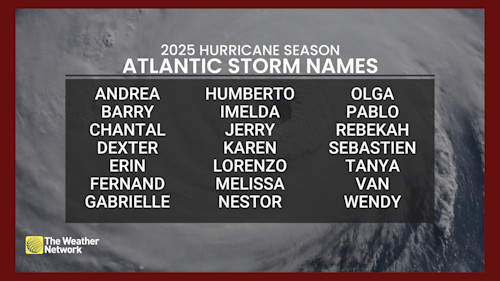
Now we have the start of Hurricane season, and again this year is forecast to be above average. Not that that means wildfire season or tornado season is over. We could easily have forests burning out west and up north at the same time that tornadoes are ravaging the middle of the country all while hurricanes are slamming into the Gulf or Atlantic coasts.

The 21 names for this year’s Atlantic hurricane season. It’s just starting, and we’ve already used the first three names. (Credit: The Weather Network)

Global warming caused by our emissions of greenhouse gasses is making the entire world hotter and heat is a form of energy, a particularly violent form of energy. If we don’t stop it these disasters are only going to get worse.

Movie Review: Jurassic World Rebirth. 

Anyone who has even glanced at a few of the posts in this blog knows that I love Dinosaurs. So nobody should be surprised that I was anxious to see the new edition of the Jurassic Park movies, the seventh in the series. I admit that I was hoping that this ‘Rebirth’ would bring some fresh ideas to the franchise but alas, the only thing that could be called new was the addition of Scarlett Johansson to the cast.

Poster Art for ‘Jurassic World: Rebirth’, now in theaters. (Credit: Fangoria)

If you remember the first three ‘Jurassic Park’ movies introduced us to the idea of dinosaurs being de-extincted by using dino DNA obtained from mosquitoes that had been preserved for millions of years in amber. At the end of that first trilogy the dinosaurs were still confined to a couple of small islands in the Caribbean. That changed in the second trilogy, known as ‘Jurassic World’ where the dinosaurs are brought off of the islands and then succeed in escaping and becoming a number of invasive species around the world. 

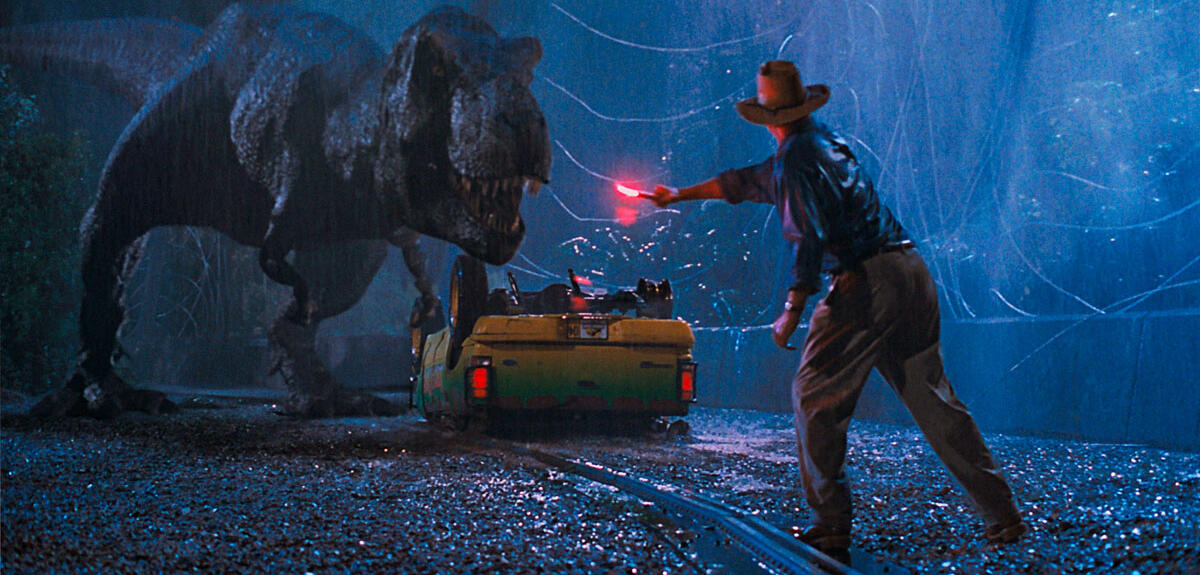
The original ‘Jurassic Park’ film was a quantum leap forward in special effects. While there has been progress since that time the recent Jurassic movies still just don’t have that feeling of wow! (Credit: CNRS News)

At the beginning of ‘Jurassic World Rebirth’ we are told that the escaped dinosaurs have not adapted well to the modern world. The air, the temperature, the plants and the pathogens are different, and the dinosaurs are pretty much dying off except for those on a few small islands in the Caribbean, sound familiar. Oh, and by the way the governments of the world have decreed that no one is allowed to go to those islands, not even scientists to study the dinosaurs. Wouldn’t it be nice if all of the countries of the world could agree on combating climate change to getting rid of plastic pollution rather than just keeping dinosaurs and people separate.

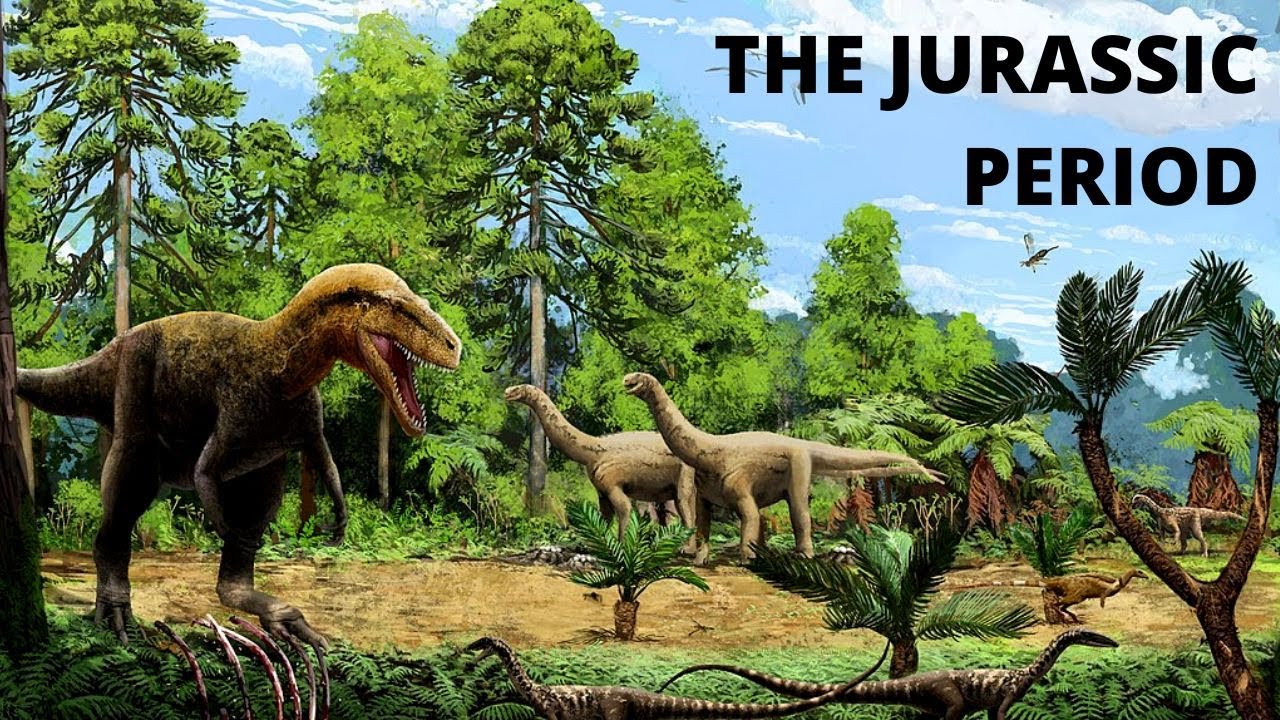
At the time of the Jurassic period flowering plants had not yet evolved, all of the vegetation those dinosaurs ate were ferns and conifers. Our modern plants would be hard for herbivore dinosaurs to digest. (Credit: YouTube)

At this point enter Scarlett Johansson as Zora Bennett; a tough as nails mercenary who deep down is really a good person. I don’t know about you but I’m kinda tired of this cliché of the trustworthy and honest mercenary. Zora meets up with the real bad guy of the movie, corporate fixer Martin Krebs, played by Rupert Friend. The corporation that Krebs’ works for is a pharmaceutical company that is developing a drug to cure heart disease and they need samples of dino DNA to complete their work.

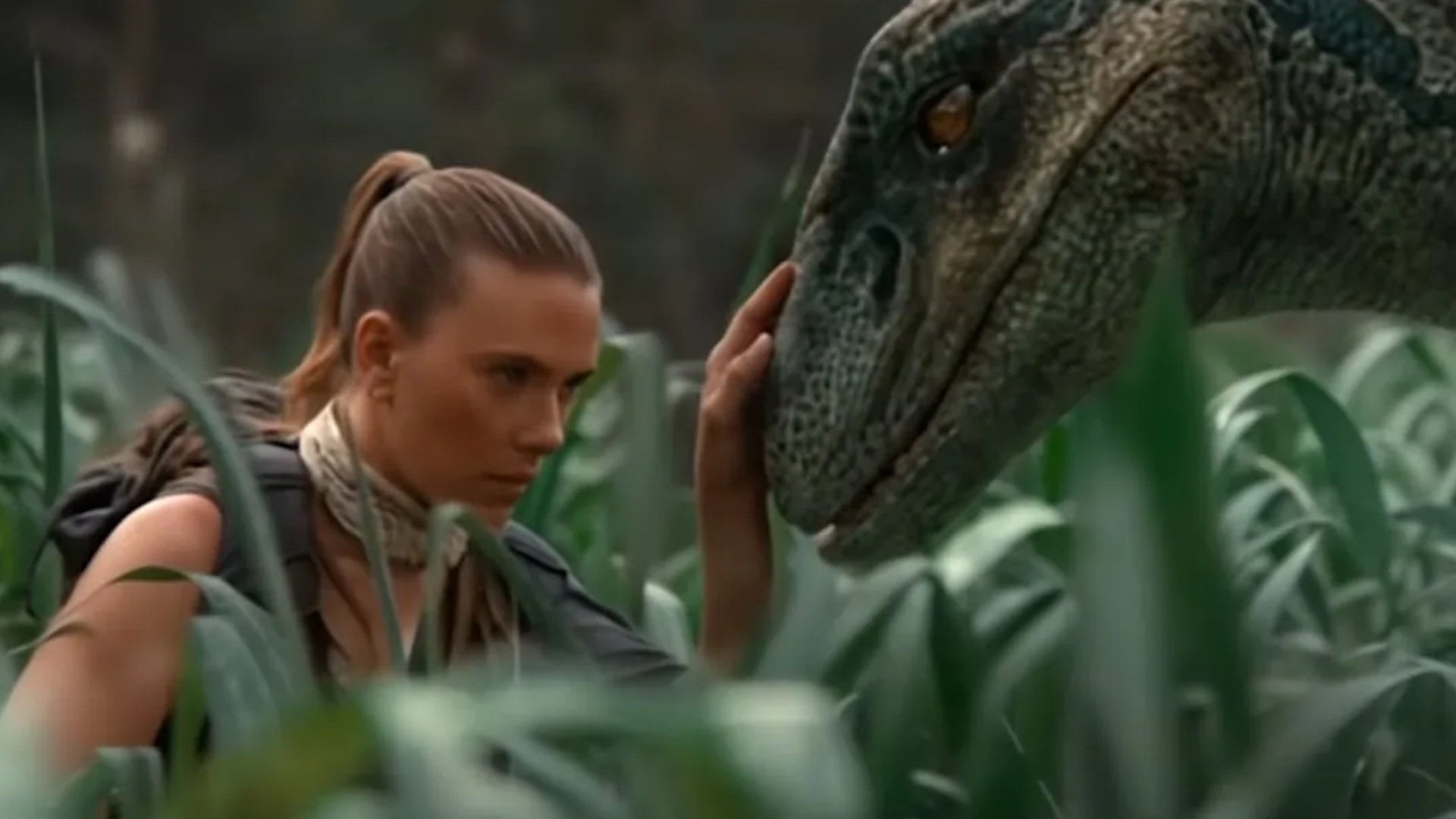
With the success so far of ‘Jurassic World Rebirth’, along with all of her work in the Marvel movies Scarlett Johansson has become the highest grossing star of all time. Way to go girl!!! (Credit: Geek Tyrant)

You see dinosaurs are big animals with big hearts and some lived for a hundred years or more with their big hearts beating all the time. That means that dinosaurs must have some way of keeping their hearts strong and the pharmaceutical company wants that secret. It’d be worth trillions! Zora and Krebs meet up with a paleontologist named Doctor Henry Loomis, played by Jonathan Bailey, who tells them they need blood samples from the three largest members of the three kinds of dinosaur. The swimming kind, represented by a Mosasaur, the land dwelling kind, represented by a Titanosaur, and the flying kind, represented by a pterosaur, Quetzalcoatlus.

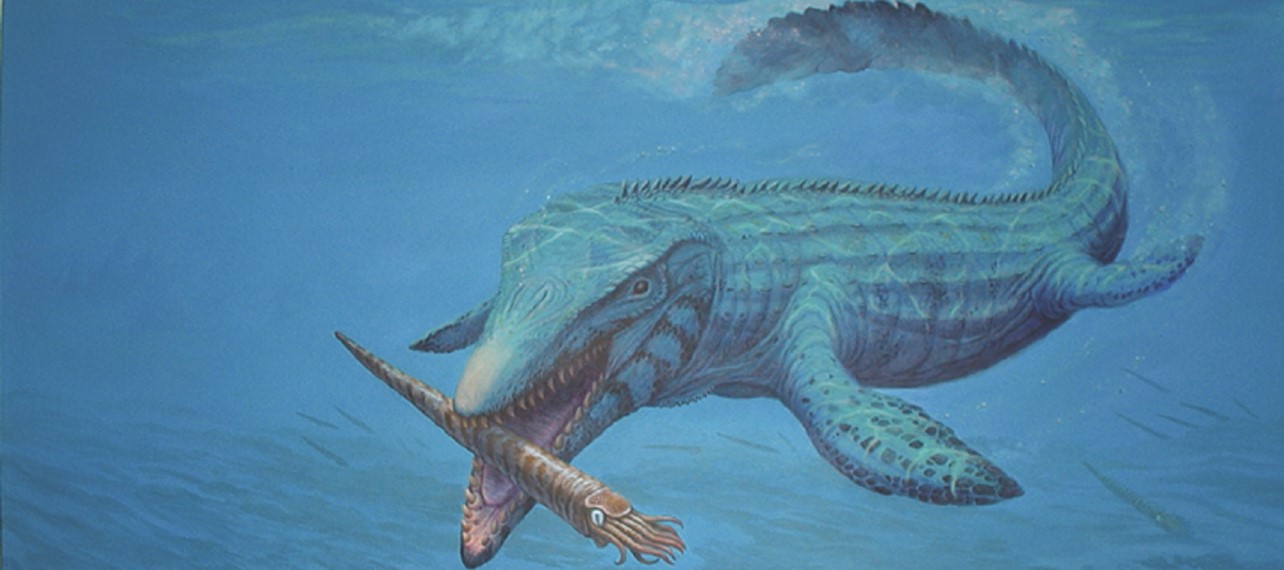
The Mosasaurs were kind of a reptilian version of a killer whale, but look at the way their fins come out of the side of their bodies. They were not dinosaurs. (Credit: National Park Service)


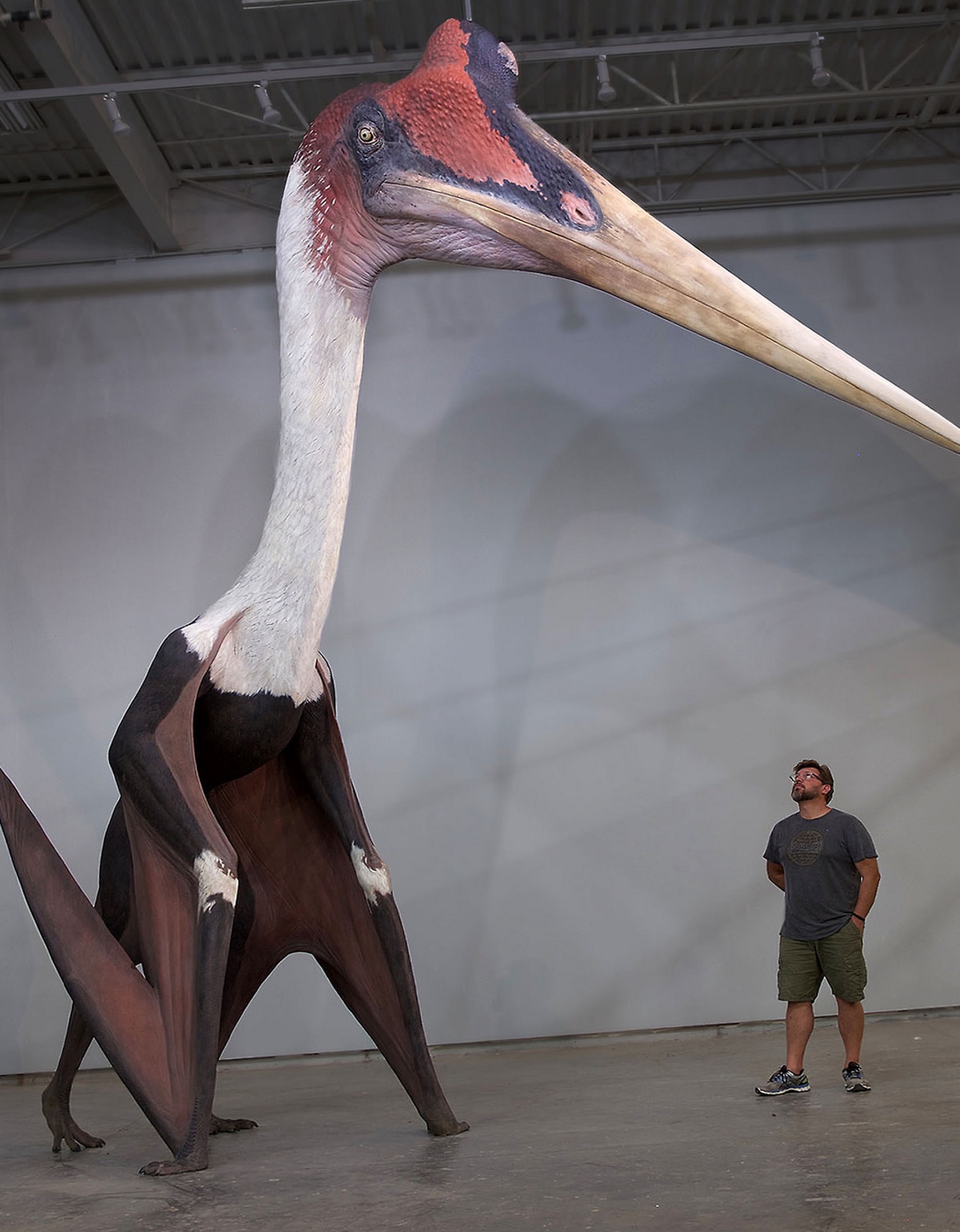
In the same way the Pterosaur Quetzalcoatlus was not a dinosaur because its limbs come out the side of its body. (Credit: REddit)

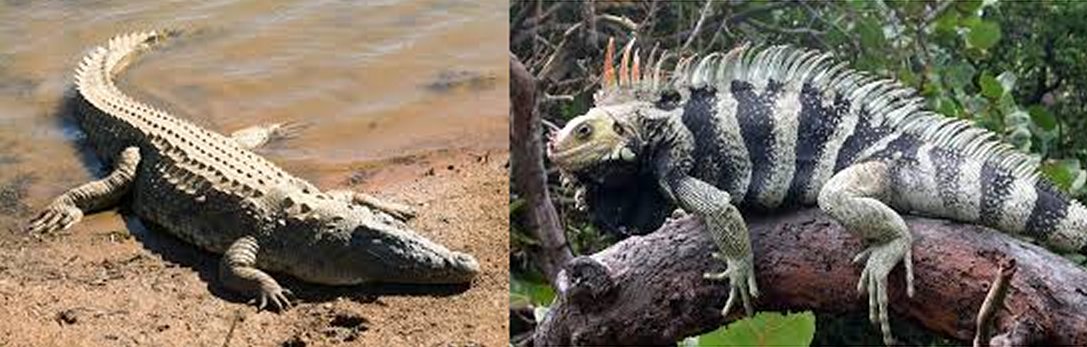
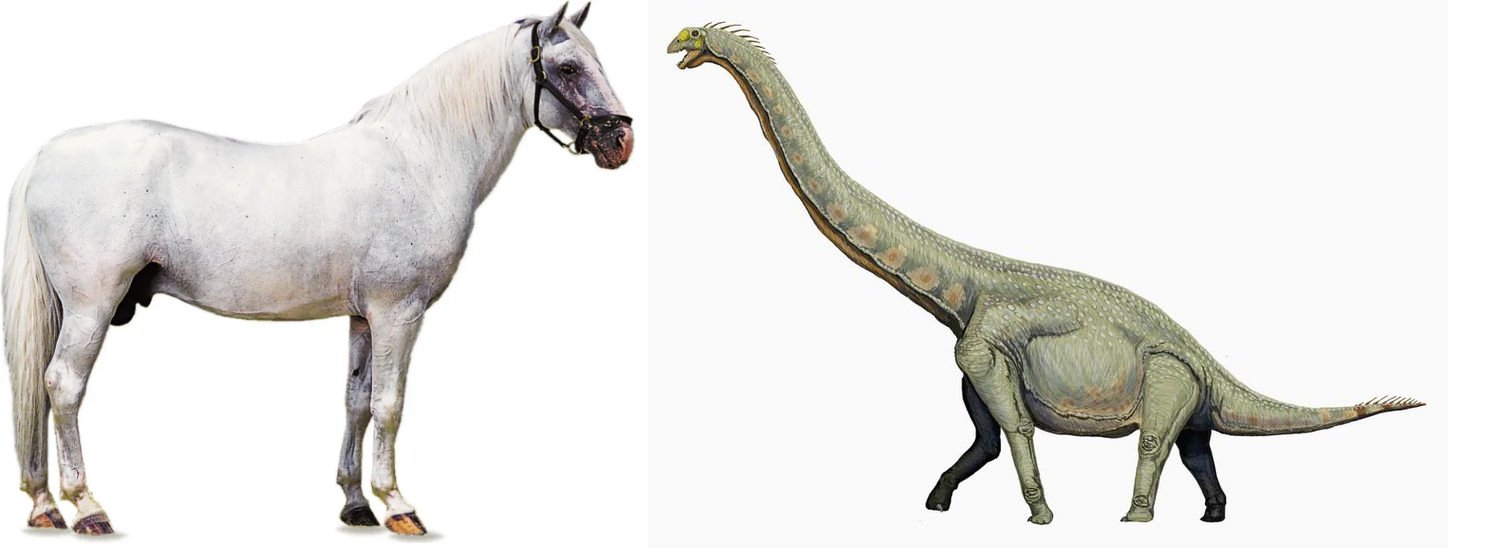
Big problem here, although Mosasaurs and pterosaurs may be big, extinct reptiles, they’re not dinosaurs! The taxonomic definition of a dinosaur has to do with the way the reptile’s legs come out from its body. Looking at the picture below of a crocodile and iguana you can see that their legs come out the side of the body and then bend down. This awkward arrangement is why crocodiles and lizards and other modern reptiles spend most of their time on their bellies, they really don’t walk well. The picture of the Sauropod and horse further below show how their legs come straight down from beneath their bodies. Dinosaur legs come out of their bodies more like those of mammals or birds. That’s what makes Dinosaurs different from other reptiles, they were better walkers than others, especially Mosasaurs and pterosaurs.
Modern reptiles, like this crocodile and iguana, have legs that come out of the side of their body. That makes walking difficult for them which is why they spend much of their time flat on their bellies. (Credit: Britannica)
What makes a reptile a dinosaur is that it’s legs come straight down from its body, more like a mammal’s legs! (Credit: Britannica)
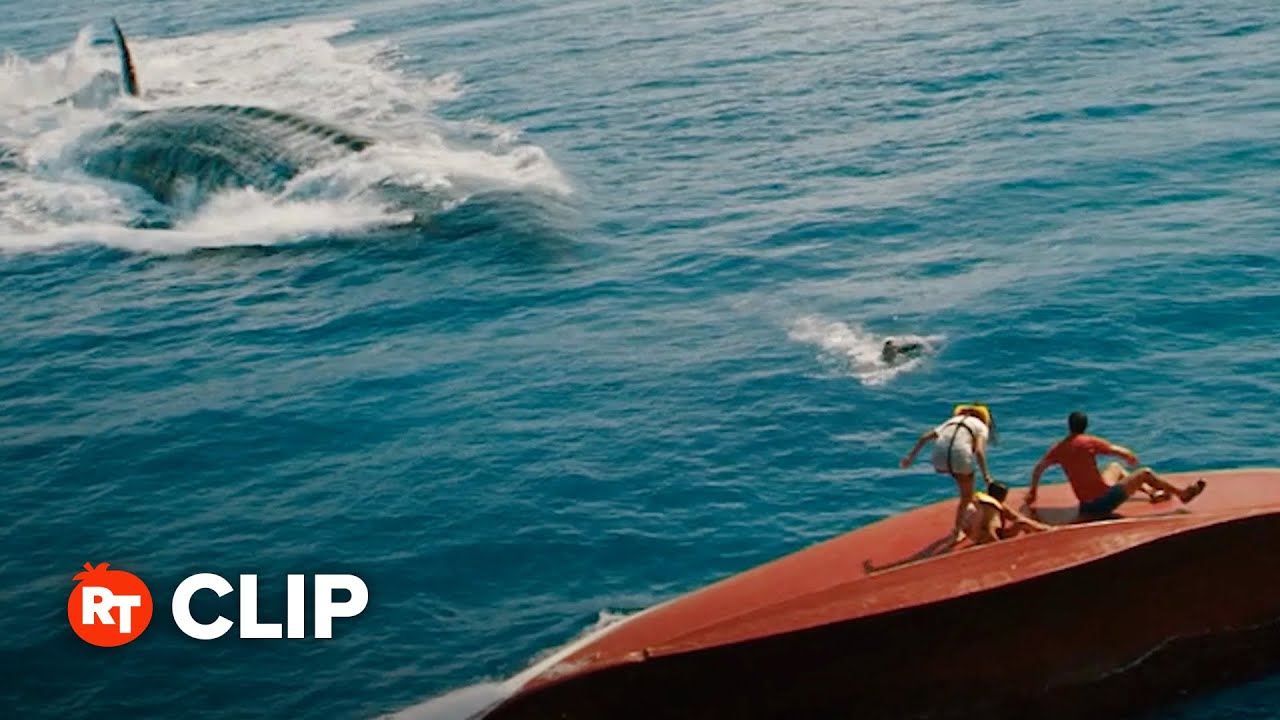
Getting back to the movie, Zora introduces the Doctor and Corporate fixer to her mercenary comrades and the whole gang are soon taking a boat to the island where all three needed species can be found. Along the way they receive a distress signal from a sailboat with four passengers that has been capsized during an encounter with a Mosasaur. Krebs wants to ignore the request for help; someone else will rescue them he says, time is money after all. The mercenaries however decide to turn around and pick up the castaways; these are the good kind of mercenaries remember.

In Jurassic World Rebirth a family of four on a sailboat is rescued by the main characters when their sailboat is capsized by mosasaurs. These characters are just a flimsy subplot to fill out the movie. (Credit: YouTube)

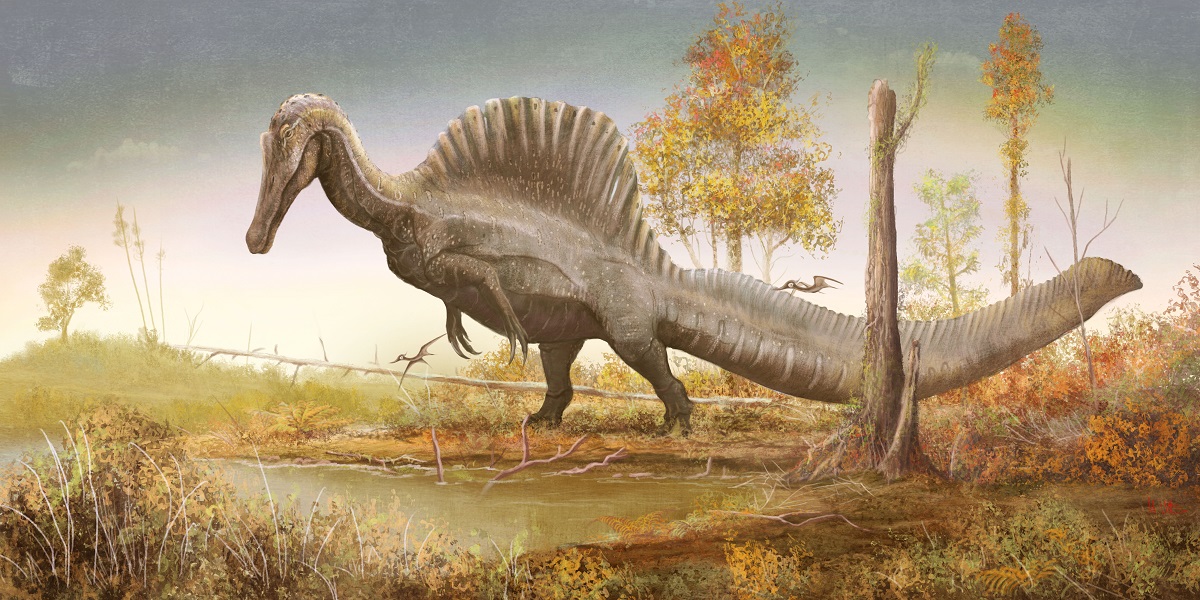
With everybody now aboard the hunt begins with getting a sample of Mosasaur blood. However, right after getting the sample the Mosasaur, along with some Spinosaurus attack the mercenary’s boat and force the crew to beach it on the island. Everybody is now stranded on the island with all of those dinosaurs. At this point the movie becomes a guessing game to tell who is going to get killed next and who is going to make it off the island alive.

We still know very little about the large, meat-eating dinosaur Spinosaurus. It seems to have spent some of its time in the water but how much is anybody’s guess. (Credit: Mark Witton’s Blog)

As I said Jurassic World Rebirth is really just a series of clichés stuck together by a pretty thin plot. Scarlett Johansson does her best to try to breath some life into it but everybody else is just playing a stereotype. So I’m afraid that Jurassic World Rebirth is not really a good movie.

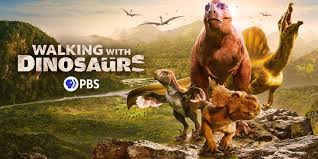
If you love dinosaurs, you’ll be better off watching the new PBS series ‘Walking with Dinosaurs’. Check your local listings!!! (Credit: American Museum of Natural History)

But it does have Dinosaurs, and because of that Jurassic World Rebirth has already made a lot of money. So you know that there will be a next Jurassic park movie, and you know that when there is I’ll be there to see it!

How did the Universe begin, or did it ever begin, and how will be end, if it does ever end? 

We’ve all heard of the ‘Big Bang Theory’, there was even a TV show by that name. The idea that billions of years ago everything that we see in all of Universe suddenly exploded into existence is one of those scientific concepts that has actually managed to creep into the popular consciousness. With all of the effort and discoveries that are being made to try to understand just what was the Big Bang and what caused it to happen I decided in this post to review the past century of research so that any future posts I make about our Universe as a whole will make sense.

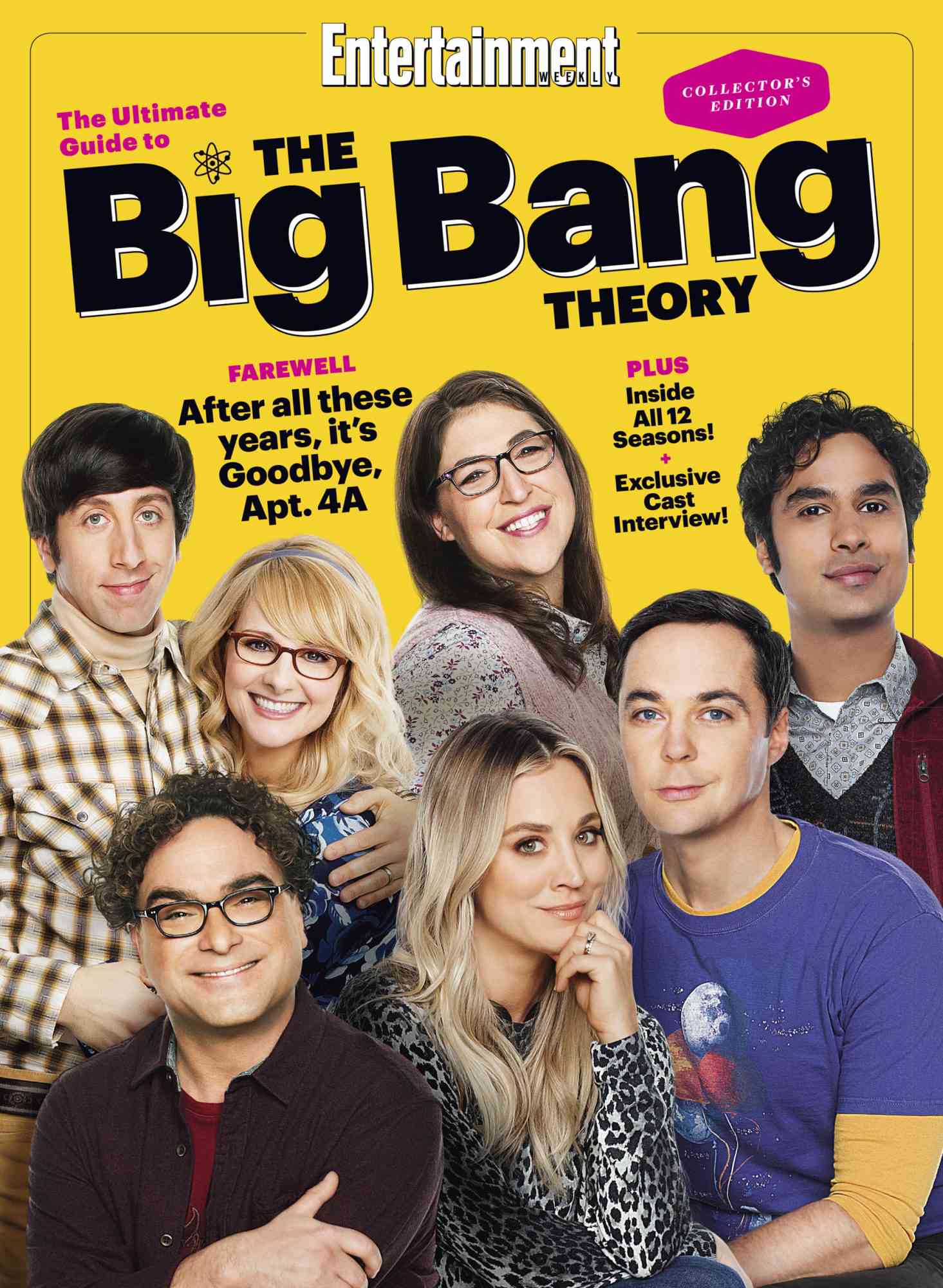
A bit more than just a TV show the Big Bang Theory is a quick description of how reality itself got to be the way it is now. How our Universe began as it were. (Credit: Entertainment Weekly)

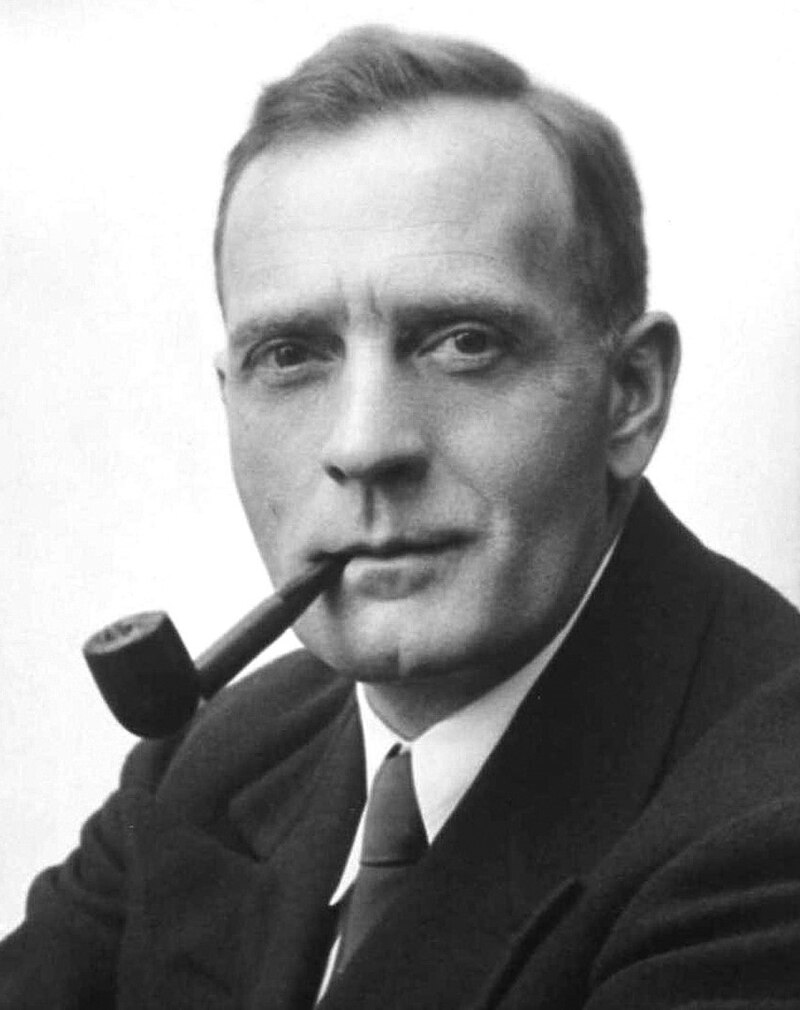
Well it all started with the astronomer Edwin Hubble, for whom the Hubble space telescope is named. Just about one hundred years ago Hubble was trying to determine if the ‘fuzzy nebula’ that astronomers saw all over the sky were objects within our own Milky Way galaxy or galaxies in their own right. By the way the word ‘galaxy’ is just Greek for ‘Milky Way’.

Possibly the most famous astronomer since Galileo, Edwin Hubble was also a star athlete at the University of Chicago where he studied Mathematics and Astronomy. (Credit: Wikipedia)

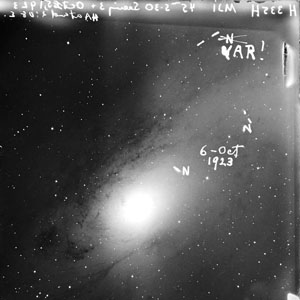
Now measuring distances to objects far outside our Solar System is not easy. Think about it, how would you measure the distance to the Moon, our nearest neighbor. Hubble searched for months to find a particular type of star in the largest nebula Andromeda, a kind of star whose absolute brightness astronomers knew. Then, by measuring that star’s apparent brightness in our sky a simple formula would allow him to calculate the distance to that star and therefore Andromeda. When he found such a star it turned out that Andromeda was far outside the Milky Way, as were many other nebula, they were all galaxies like the Milky Way. In one stroke Hubble had made the Universe many times larger.

In the upper right hand corner the ‘VAR’ handwritten by Hubble indicates a Cephid variable star whose distance Hubble could measure and which told him that Andromeda was far outside our galaxy and in fact a galaxy of its own. (Credit: Sky and Telescope)

Hubble then decided to measure how fast all those galaxies were moving towards, or away from our galaxy, their radial velocity. Turns out that measuring the radial velocity of a celestial object is actually much easier than measuring its distance because of something called the Doppler effect.

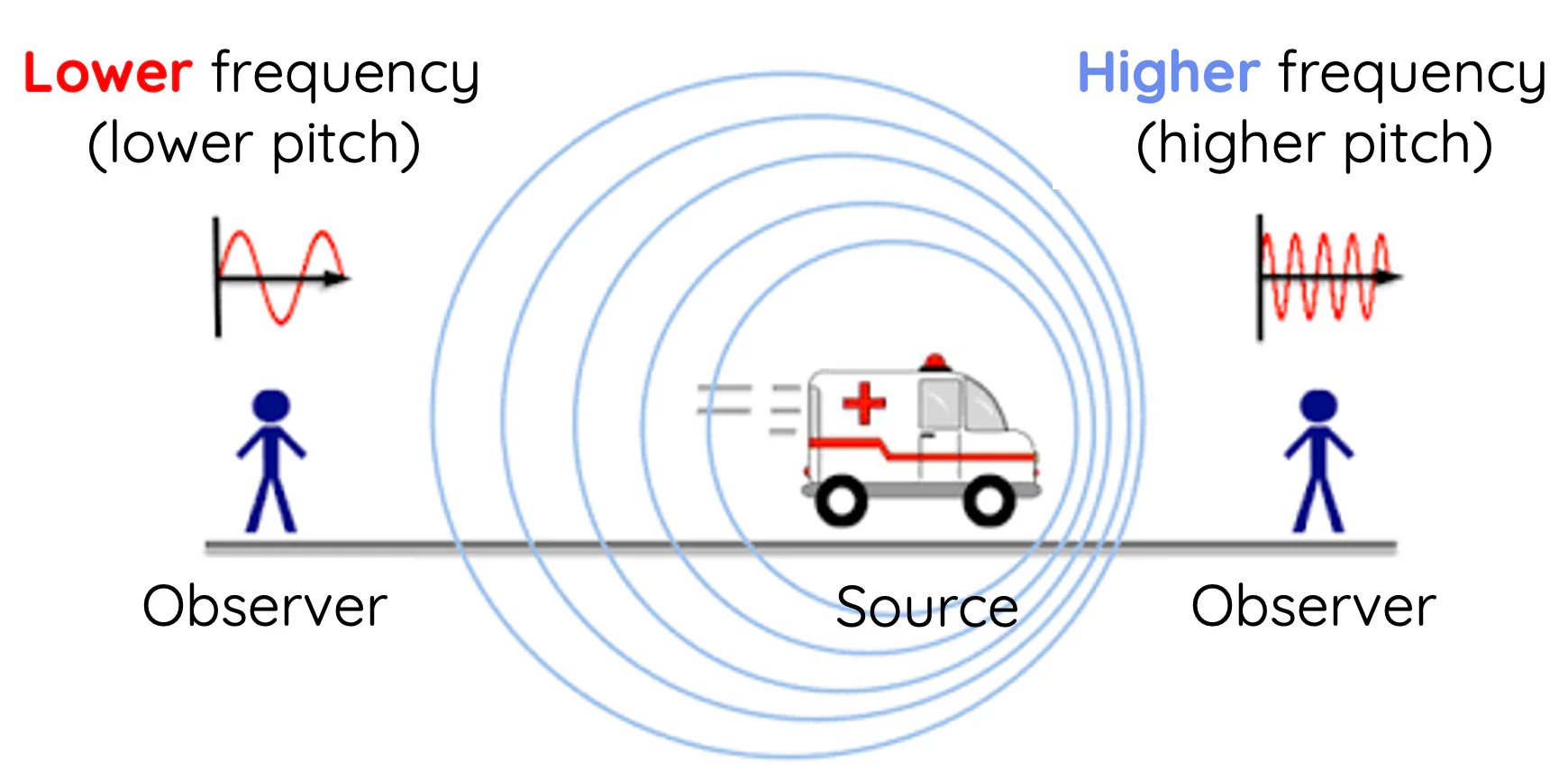
Everybody is familiar with the way sounds moving towards us are higher pitched while sounds moving away are lower pitched. This is the Doppler effect and it works for light as well allowing astronomers to measure whether an object in space is moving towards us or away from us and at what speed. (Credit: Science Ready)

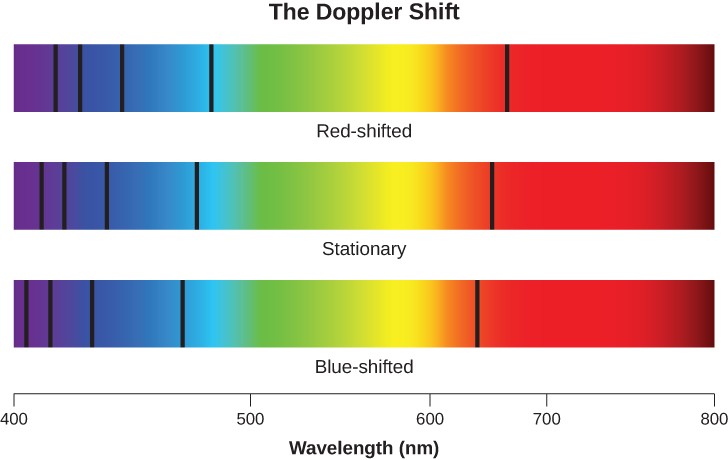
If you’ve never heard of the Doppler effect you still know what it is. You’ve noticed it anytime you were walking down the sidewalk and you heard an ambulance or other emergency vehicle coming towards you with its siren blaring. Remember how the high-pitched sound of the siren drops in tone the instant the vehicle goes past you. That’s the Doppler effect and it’s true of light as well. The light from a star moving toward Earth will get shifted toward the blue part of the spectrum while light from a star moving away will get shifted to the red.

The Doppler effect works for the spectral lines given out by stars. Red shifted means they are moving away while blue shifted means they are moving towards us. What Hubble found was that virtually all the galaxies were moving away, the entire Universe was expanding! (Credit: Lumen Learning)

By measuring the amount of the shift Hubble soon determined the radial velocity of dozens of galaxies and discovered that with the exception of a few of the closest galaxies they were all moving away from the Milky Way. All of the galaxies were moving apart, Hubble had not only made the Universe much larger but had discovered that it was expanding.

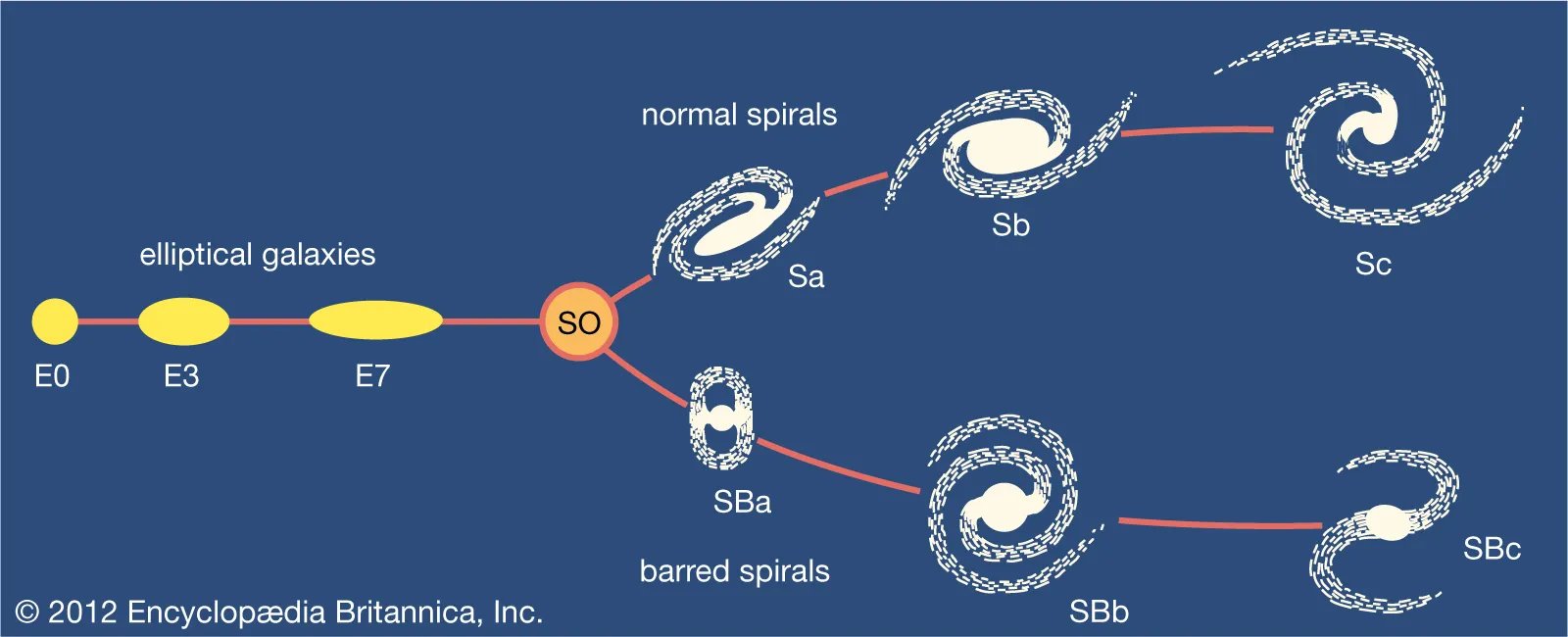
As a part of his work on galaxies Hubble also developed a classification system of the various types. Turns out that galactic evolution is a bit more complicated than this! (Credit: Britannica)

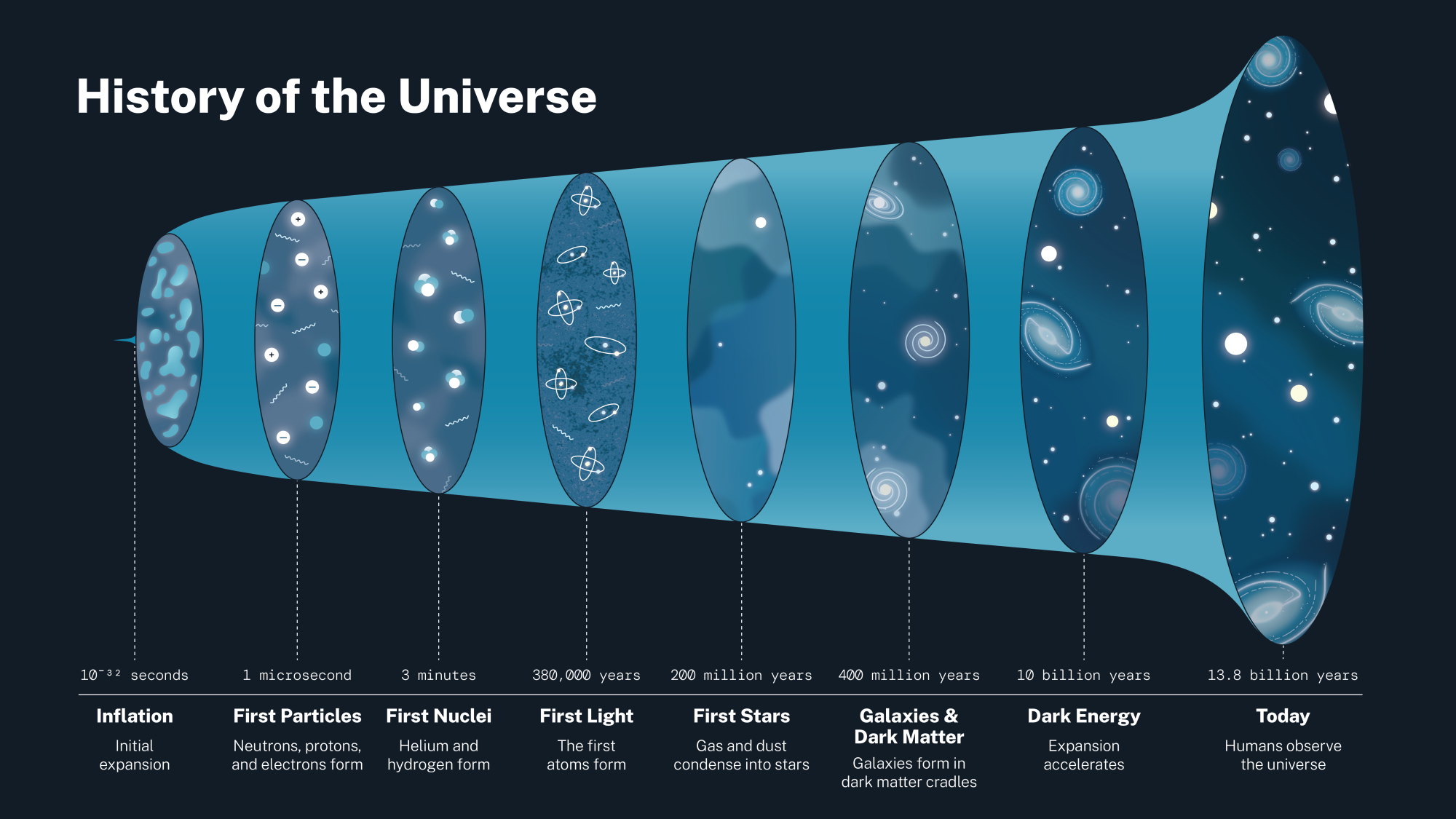
Now think about it, if all of the galaxies are moving farther apart then in the past they must have been closer together. The farther in the past the closer the galaxies were until a some time, billions of years ago all of the galaxies, and whatever else there is in the Universe, was all concentrated in space and exploded outward, hence ‘The Big Bang’. When I was young back in the 1960s it was thought that the Big Bang had occurred about 7.5 billion years ago but as astronomers made better measurements they revised their estimate to about 13.5 billion years ago and that value has been stable now for about 40 years.

Making precise measurements of objects light years away of further is not easy. The first measurements of the age of our Universe put it at 5-7 billion years but in the 1980s better measurements put it at around 12-15 billion years and today we have settled on around 13.5 billion, give or take a hundred million years. (Credit: NASA Science)

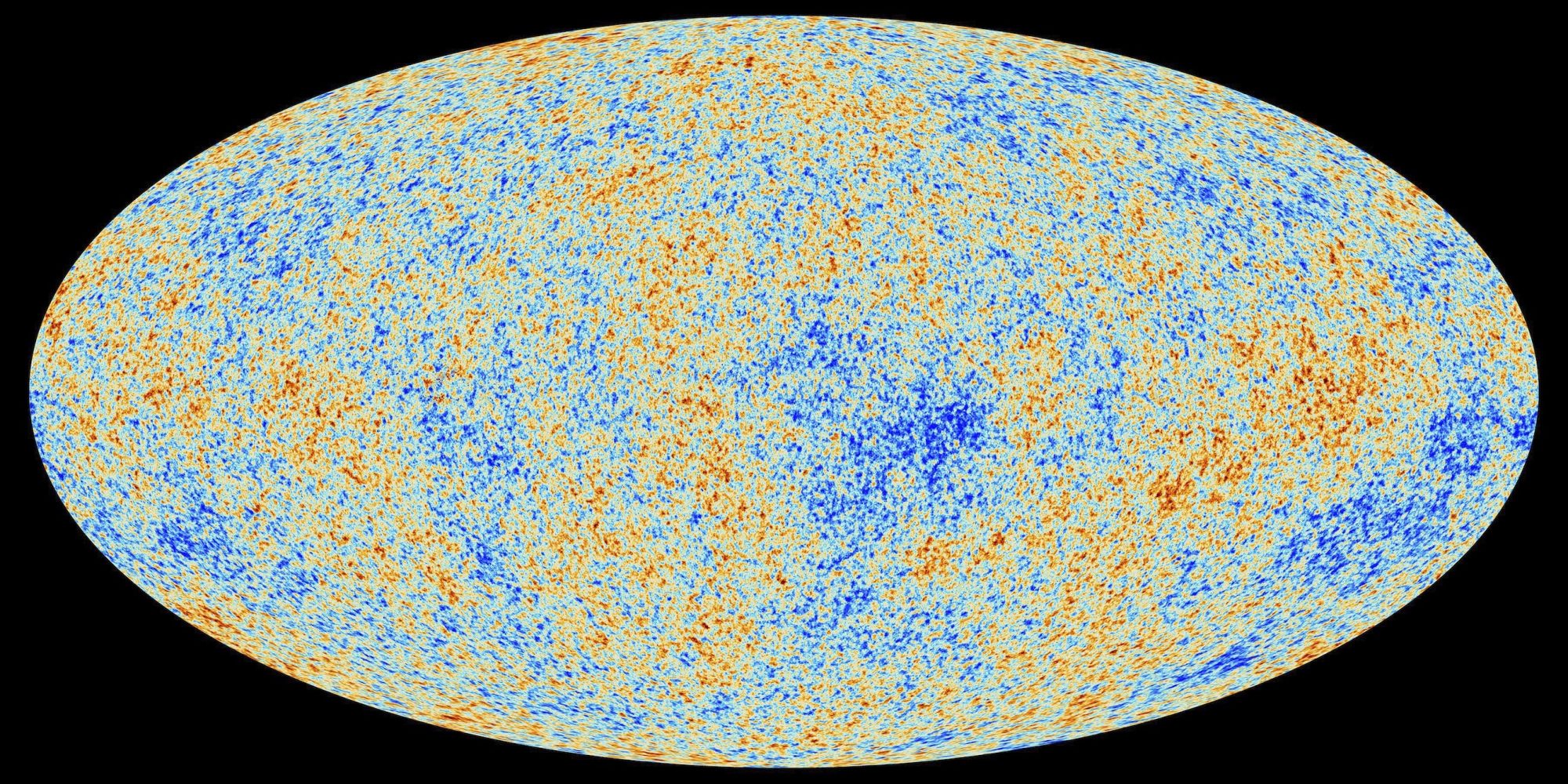
Then, in the 1950s physicists realized that the original big bang must have been so hot, billions of degrees, that there must still be some leftover heat from that ultimate explosion. (Think about it, you roast a chicken for dinner one night and even if you turn off the oven when the chicken is cooked it still feels a little warm after you finish eating dinner!) That leftover heat, called the Cosmic Microwave Background (CMB) was discovered by accident in 1965 and has been intensely studied ever since.

The Cosmic Microwave Background or CMB. This is a measurement of the heat leftover from the time of the big bang. Our Universe’s baby picture as it were. (Credit: Wikipedia)

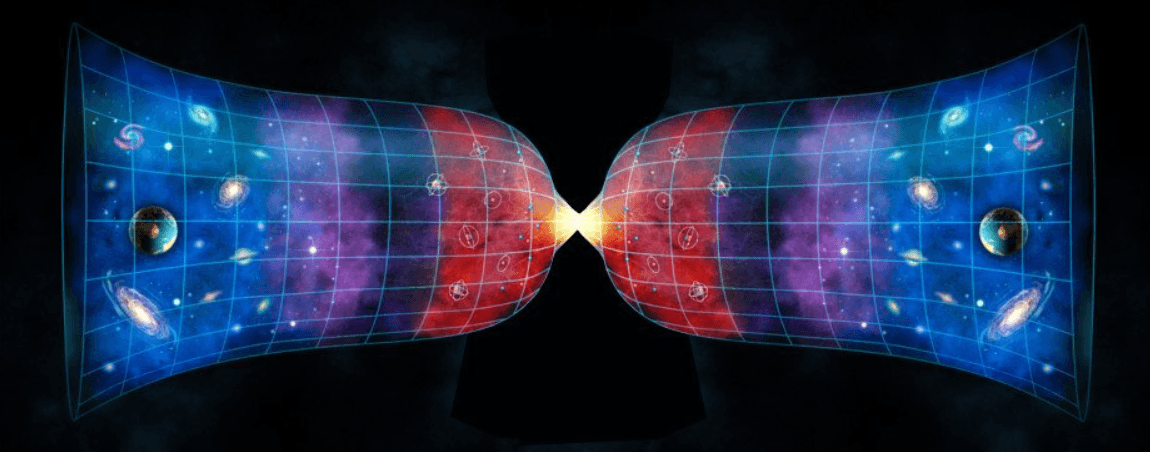
So, was the Big Bang the moment of creation itself? Was there nothing before the Big Bang and then suddenly there was everything? Well as you might guess scientists really don’t like the idea of miracles so they immediately began thinking about what kind of Universe could have existed before, and leading to, the Big Bang. The simplest idea is that before the expanding Universe there was a contracting Universe, a Big Crunch in other words where the galaxies hurtled towards each other collapsing into a single object of extreme density, pressure and temperature that then rebounded as the Big Bang.

According to the ‘Big Crunch Theory’ there was a universe similar to our own before the big bang. The difference is that this other universe was contracting, getting smaller with galaxies moving towards each other until all matter was concentrated into a singularity that then exploded into our universe! The question then is, will our Universe come to stop someday and then begin contracting into another Big Crunch? (Credit: Sites at Penn State)

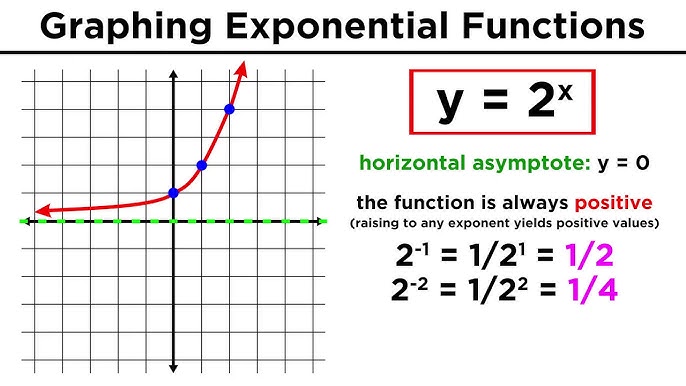
Another interesting model suggested that there was no actual moment of the Big Bang but rather the Universe just keeps getting smaller and smaller, and denser and hotter as you go further back in time without it ever reaching zero in size or infinity in density and temperature. In this scenario what we see as the CMB is the time when the Universe became large enough and cool enough that it was no longer incandescent.

Going into negative numbers an exponential function gets smaller and smaller the further negative you go, but it never quite goes to zero! Some theoretical astronomers think this is the way our Universe actually began and what we call the big bang occurred around x=0 where the function started shooting upwards. (Credit: Professor Dave Explains)

In either case the force of gravity was assumed to be causing the rate of expansion to slow down, and the question was whether or not gravity was strong enough to eventually bring the expansion to a halt. That would then begin a contraction that would inevitably lead to another Big Crunch. Or was the expansion fast enough so that the Universe had ‘escape velocity’ and the expansion would go on forever until all of the galaxies were so far apart as to be alone, with stars that had used up all their nuclear fuel. In other words a cold, dead, empty Universe.

If you think about it the Universe is already a pretty cold, dead, empty place. The distance between the stars and galaxies is immense and the universe itself is pretty dark. As billions, then trillions of years go by the universe will only get colder and darker as the stars burn out and the galaxies continue to move apart. (Credit: Astronomy Magazine)

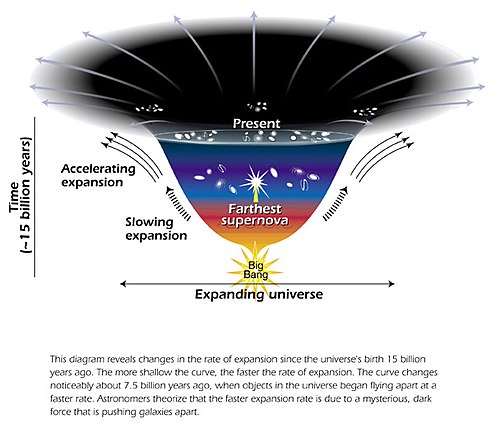
In the 1990s two teams of astronomers decided to measure just how much the expansion was slowing down due to gravity. What they discovered astounded the world because in fact the expansion was accelerating, some unknown force, which was quickly called ‘Dark Energy’ was making the Universe fly apart faster.

In the 1990s astronomers were shocked to discover that the expansion of the Universe was actually increasing. Some kind of pressure is forcing space itself to expand. We don’t have any idea what it is so we call it ‘Dark Energy’. (Credit: Wikipedia)

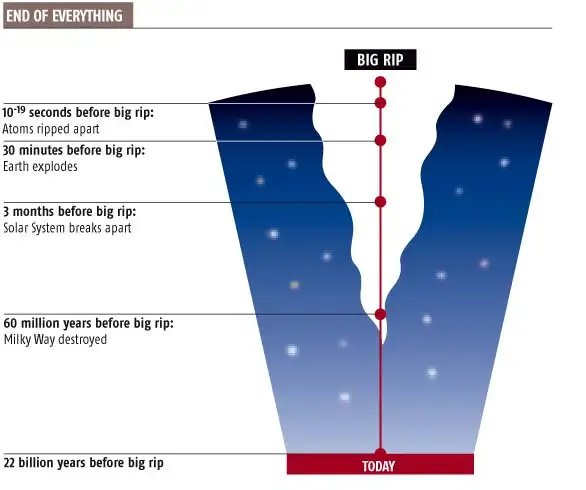
In fact Einstein had predicted just such a thing. In his equations for General Relativity there was a place for a constant that would produce a kind of repulsive form of gravity and so following Einstein cosmologists then began adding his constant λ to their equations. Was Dark Energy a constant however, or did it change with time? If Dark Energy got stronger with time the entire Universe could get caught in a ‘Big Rip’ where eventually every particle would be an infinite distance from any other particle. Or, if Dark Energy was getting weaker with time then there was still a chance that the expansion of the Universe could come to a halt and start a contraction.

If Dark Energy increases in strength, then the Universe could eventually see a ‘Big Rip’ where literally every individual elementary particle could push away every other particle. An ultimate empty Universe. (Credit: New Scientist)

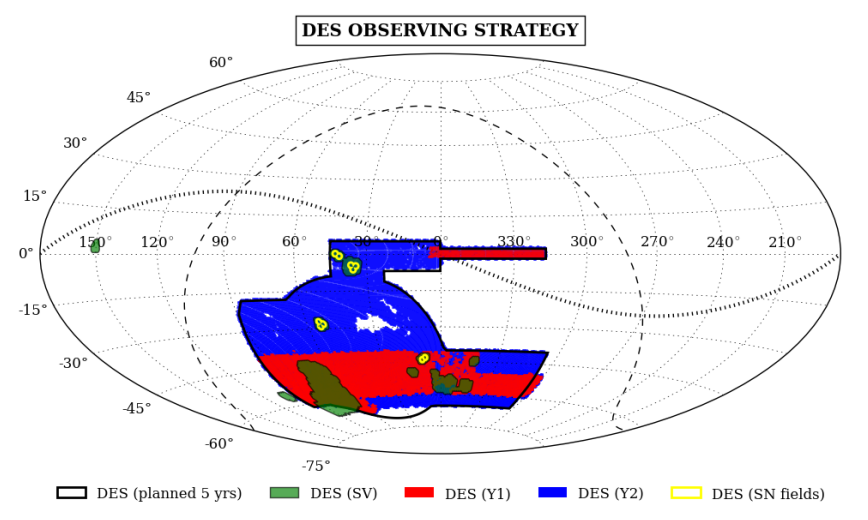
The Dark Energy Survey (DES) is searching for just that answer. A collaboration of over a hundred astronomers from ninety different institutions DES has spent the last five years using the technique that originally discovered Dark Energy to attempt to measure its value at different periods of the Universe. The release of their full data has not resolved the problem for while the best fit to their findings is a Dark Energy that is growing weaker with time a purely constant Dark Energy cannot be ruler out either. As often happens in astronomy more data is needed to make a final judgment. 

The portion of the sky observed by the Dark Energy Survey. Over 30 million galaxies were observed and their redshift versus distance measured to determine if Dark Energy is getting stronger or weaker or staying the same. At the moment it appears to be getting weaker but staying the same is still within the margin of error! (Credit: Dark Energy Survey)

That’s kind of the state of our knowledge at present. In an upcoming post I’ll try to describe some of the wild ideas that are being considered for modeling the Big Bang.