
It wasn’t so long ago, 2004 in fact that the Defense Advanced Research Projects Agency (DARPA) sponsored the first ever race for driverless vehicles. The idea was to see if University engineering teams or tech companies could actually develop some kind of autonomous road vehicle that would actually complete a course 240 km in length without any obstacles other than the road itself. In other words there were no other vehicles on the course at the same time, no traffic signals to be obeyed and no pedestrians. The only thing that the driverless vehicles had to do was turn at the right places, go straight for the right distances and just get to the finish line without breaking down.
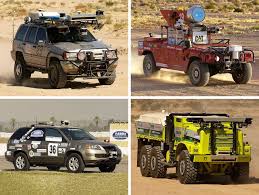
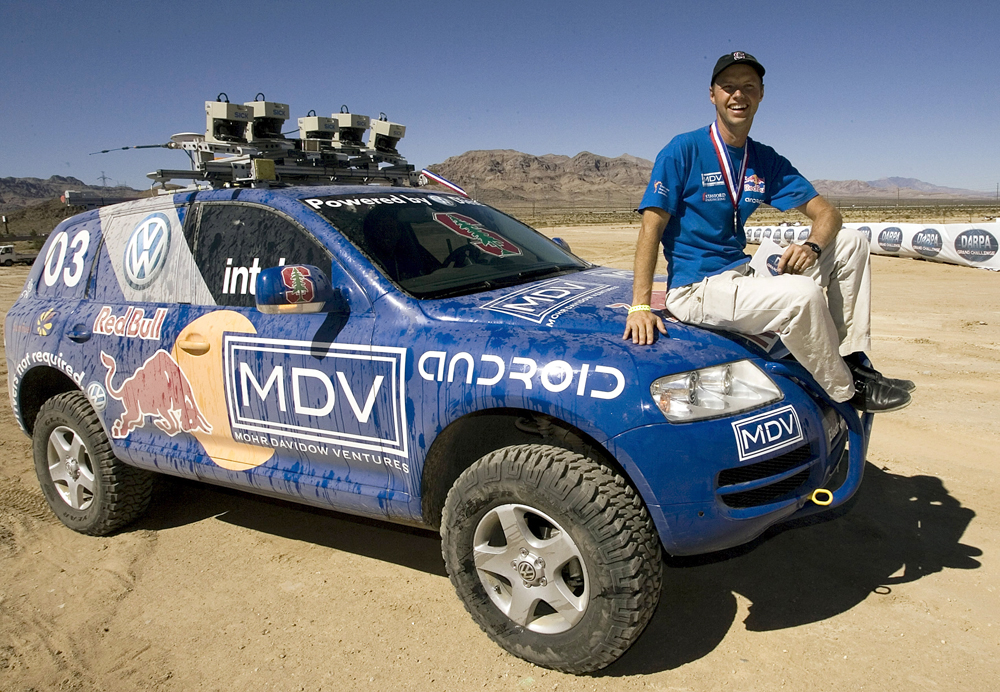
Seven University teams participated, none succeeded in reaching the finish line, in fact 11.78 km was the farthest any team succeeded in going before breaking down. The very next year DARPA sponsored a second challenge race with twenty teams participating. This time five vehicles succeeded in completing the 212 km course. The team from Stanford University won the race in a time of six hours and fifty-four minutes while three other teams finished close behind. Excuse the metaphor but that race was the first few steps for the concept of autonomous, computer controlled road vehicles.
Since then the pace to development has been rapid. One by one the problems that a driverless car would encounter on the road have been studied and overcome. The right combination of sensors to detect obstacles, other vehicles, pedestrians and traffic signals, has been determined. At the same time the software necessary to control the driverless cars has been developed.
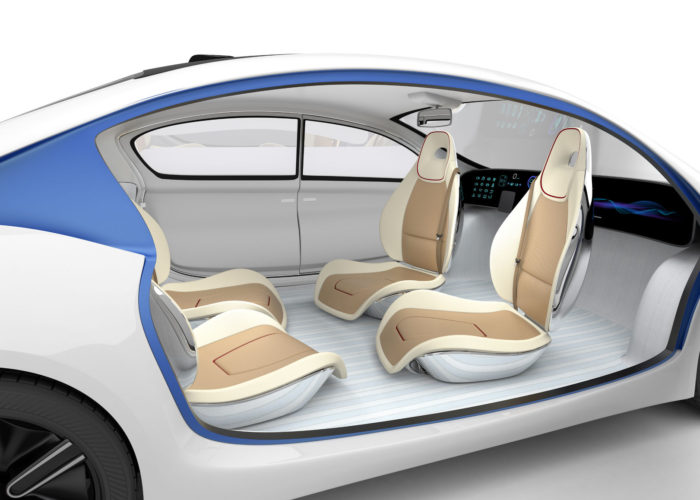
Think about the size of that job; think about all of the different situations that cars with drivers face over the course of years. Well, software had to be written to first of all recognize those situations as they were occurring, and then tell the driverless car what to do to avoid an accident. As the engineers developing driverless cars encounter new situations their software will have to be updated.
Over the last twenty years those problems have been solved at least to the degree that experimental tests of driverless cars are now being allowed on the streets of several cities. San Francisco California, with Silicon Valley to its south, was a natural place for the first set of tests, which were initially carried out with a human seating behind the wheel ready to take control if the driverless car began to malfunction. Before long similar tests were also being carried out in Los Angeles, Phoenix Arizona and Austin Texas. Currently New York City and Washington, DC are considering petitions to allow autonomous taxi on their streets.
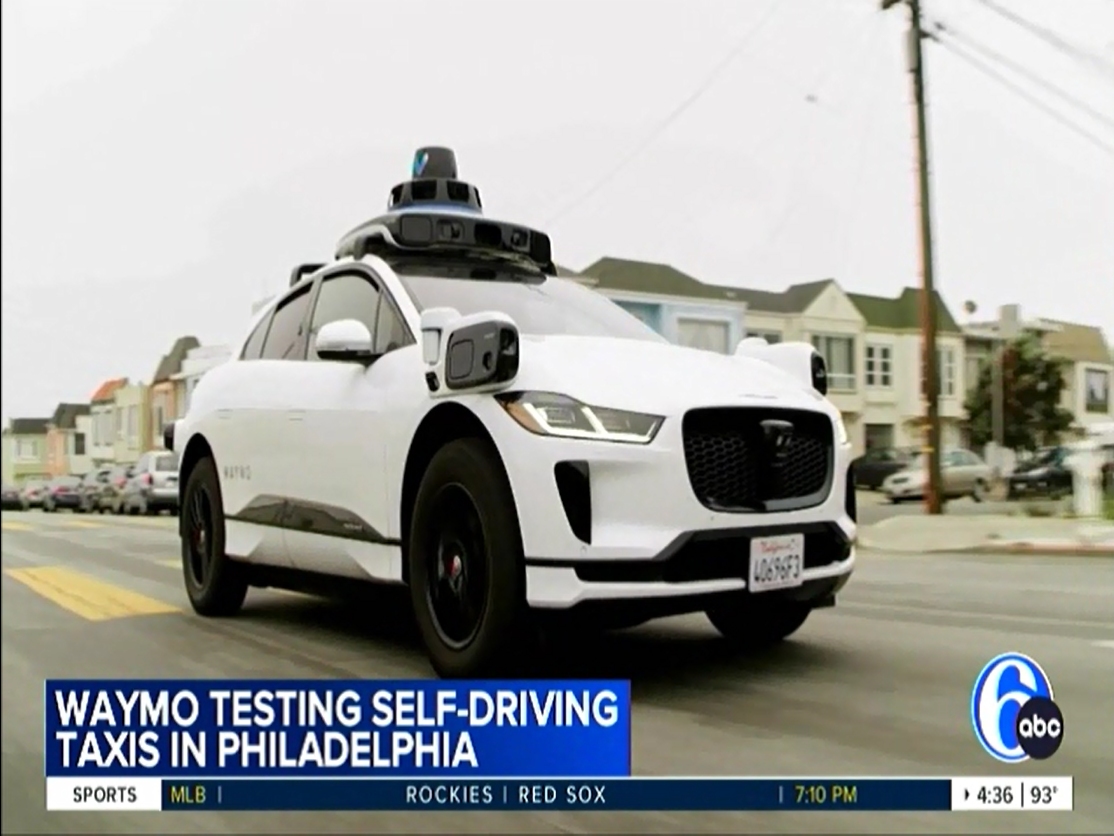
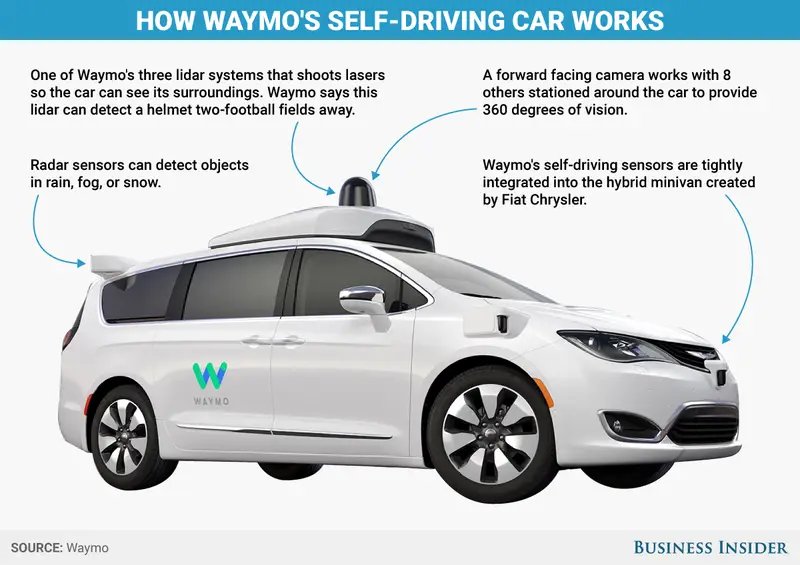
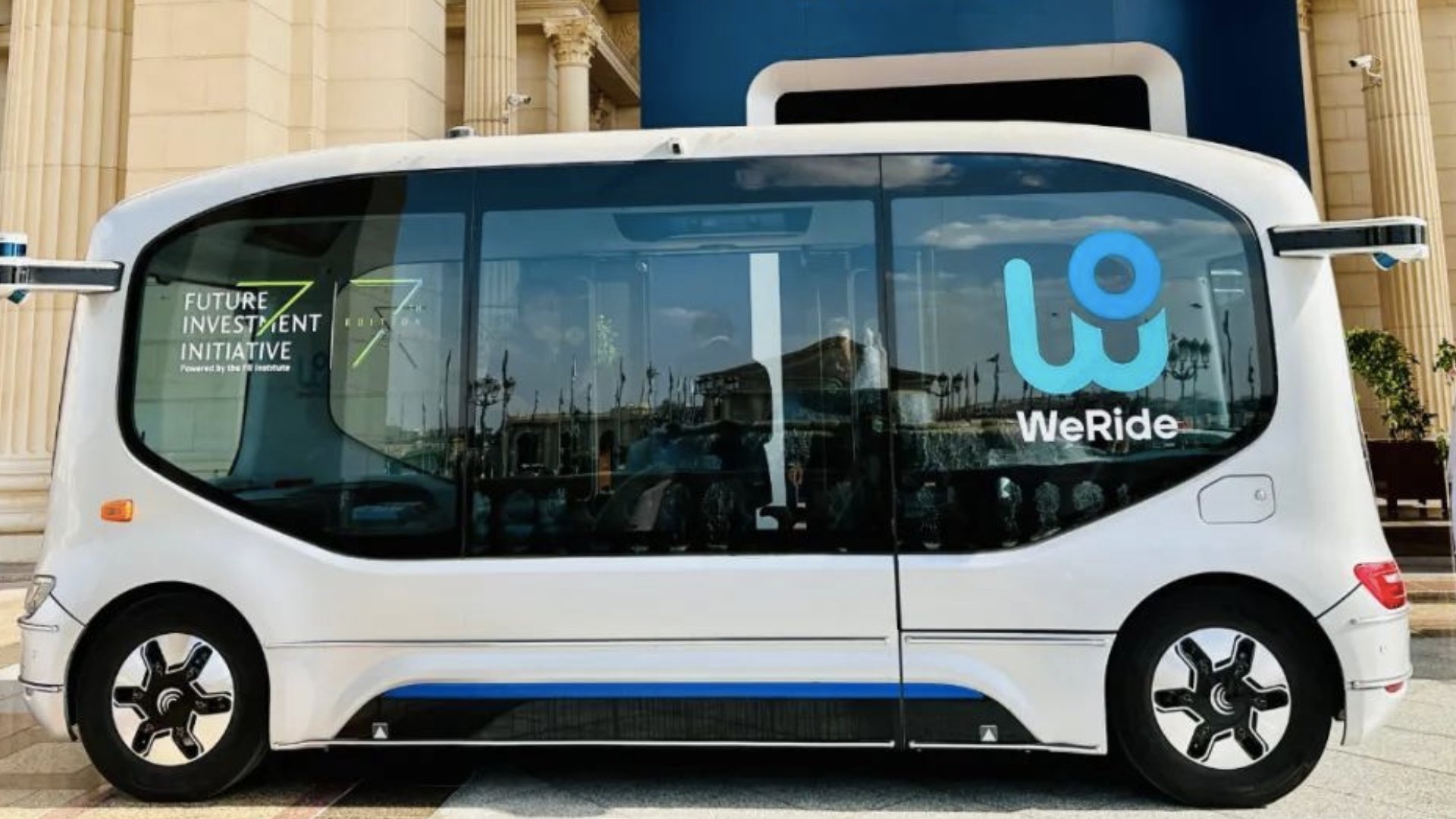
The driverless cars now being tested as robotaxis on city streets are no longer the products of University engineering groups. No, with all of the big money to be made by perfecting driverless cars the big tech companies are now the driving force behind the wheel as it were. Alphabet, the parent company of Google, has formed a company called Waymo to develop autonomous robotaxis while Amazon formed Zoox. The ride sharing company Uber has partnered with several Chinese tech companies to contribute WeRide and Momenta to bring driverless taxis to both American cities and the cities of Wuhan and Shenzhen in China. There is in fact considerable competition between the US and China, along with the EU, to be the first to develop a fully autonomous road vehicle.
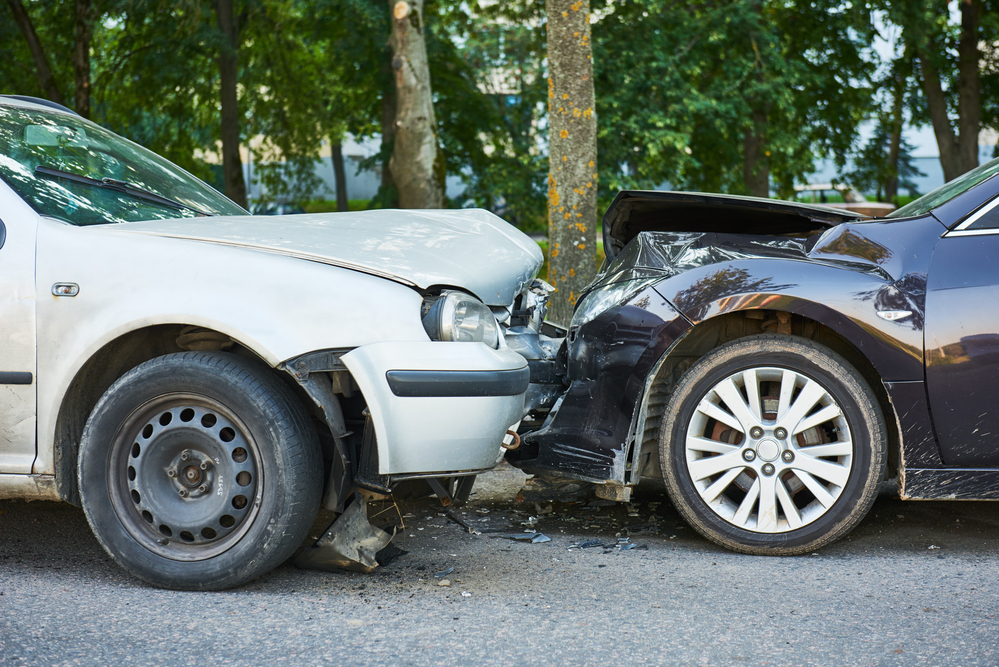
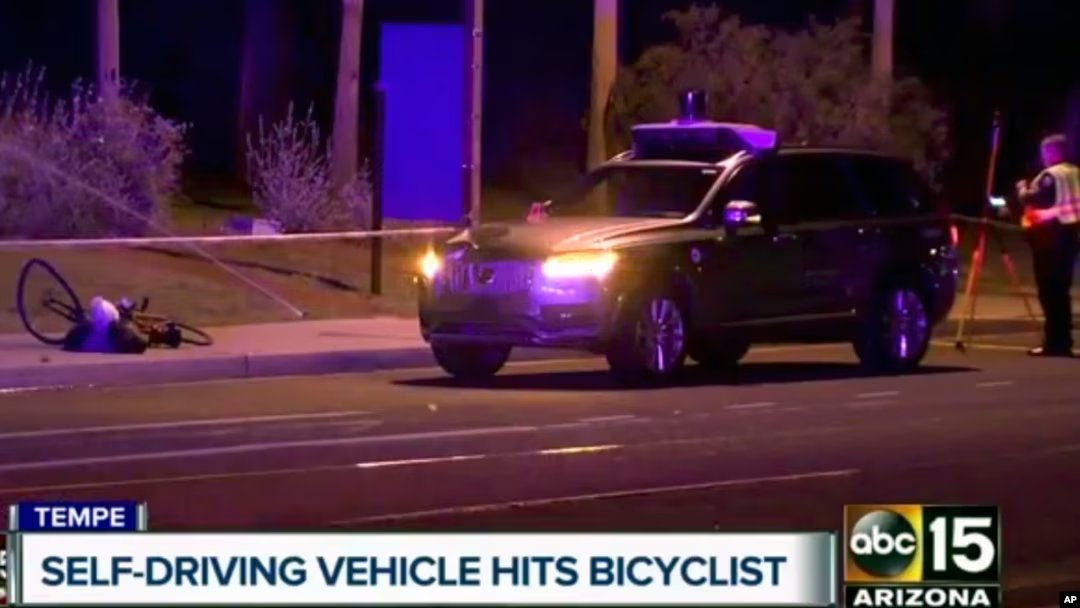
The biggest problems facing autonomous vehicles right now are actually not technical but rather legal and public relations. There have been accidents, in one instance in 2018 an autonomous vehicle in Phoenix struck and killed a pedestrian. Some cities have passed ordinances restricting driverless cars, requiring them to have an actual person in the driver’s seat at all times. Many people have safety concerns about driverless cars and are putting pressure on local governments to regulate, if not outright ban them from city streets.
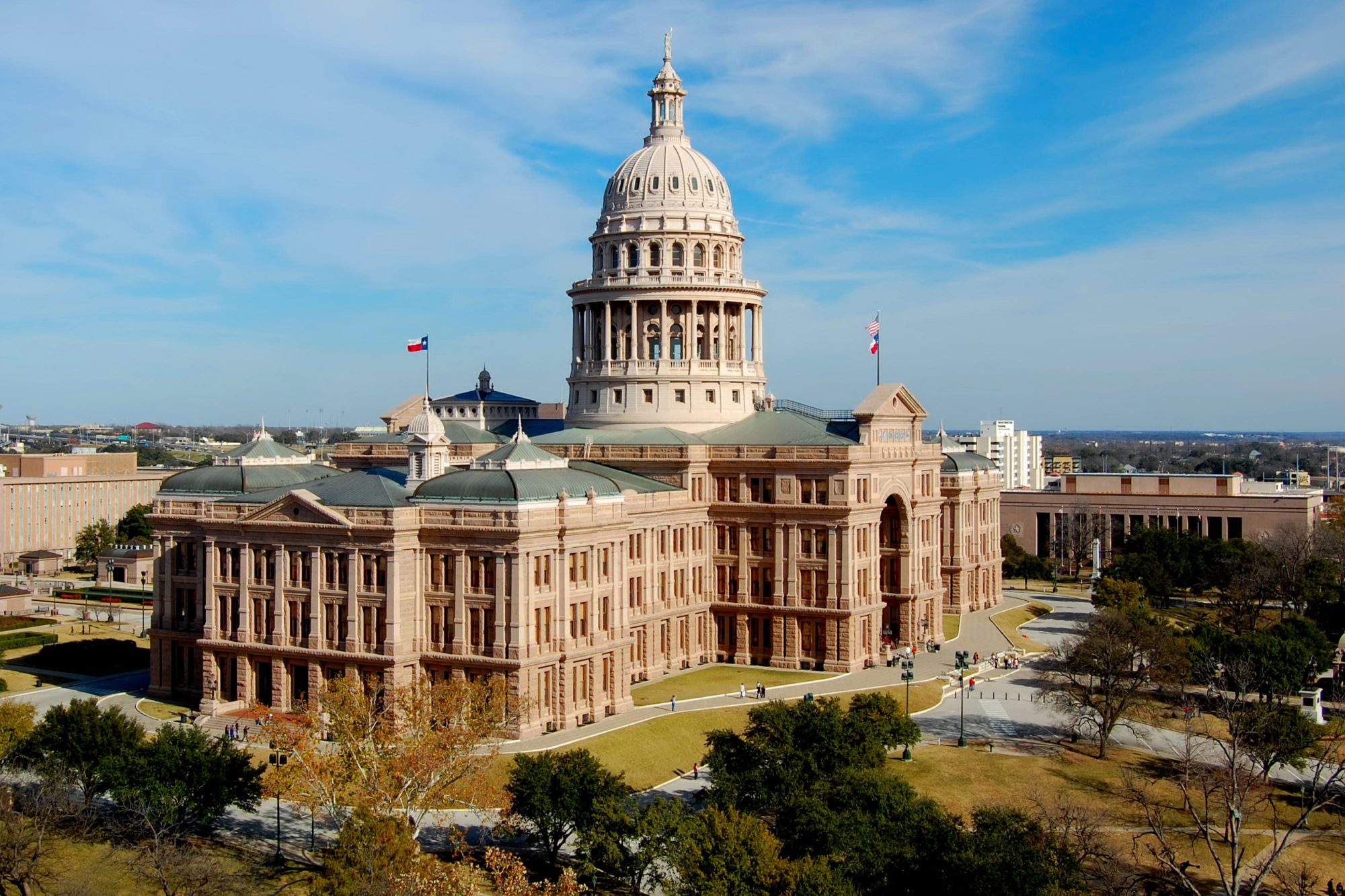
Other local governments however have welcomed the testing of autonomous vehicles. The Texas State legislature went so far as to actually pass a law forbidding cities within the state from passing their own laws against driverless cars.
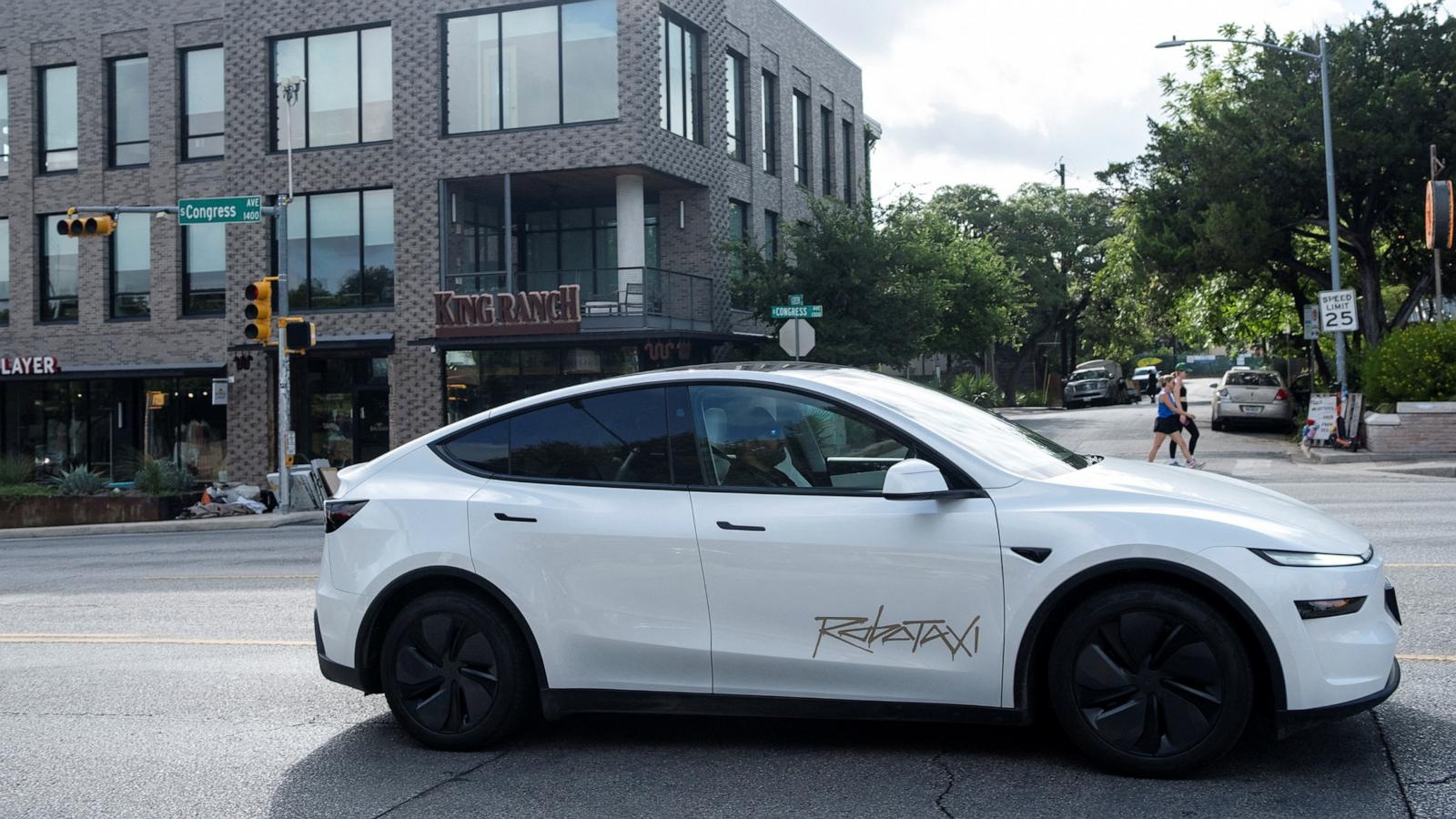
That is why Austin, Texas has now become the center of driverless car development and why the electric car manufacturer Tesla has decided to begin the testing of their autonomous robotaxi there on the 22nd of June. Despite being one of the most innovative of car manufacturers Tesla is coming rather late to the autonomous vehicle market but their distinct approach could quickly put them in the lead, if it works.
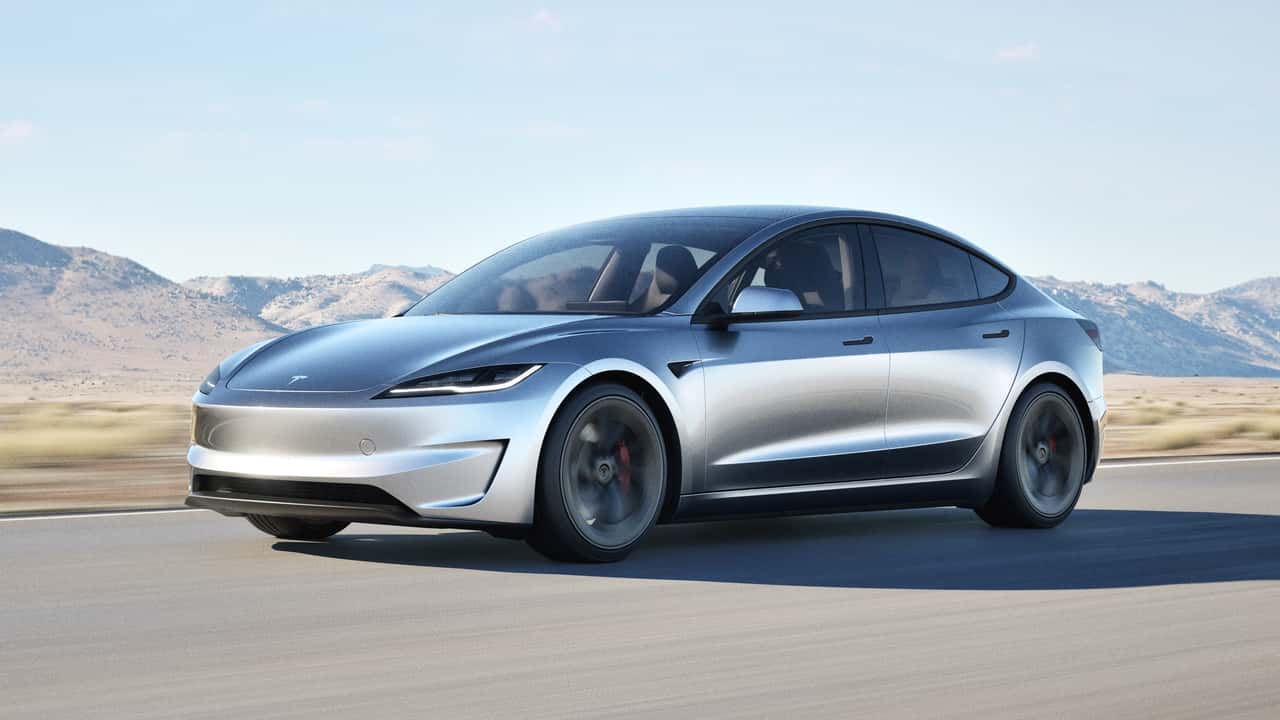
You see whereas the driverless cars from Waymo, Zoox and the others are bristling with sensors, cameras, lasers, and radar, the robotaxi from Tesla are only going to use cameras. That will make their vehicles much cheaper than their competitors. Tesla is depending on the data it has downloaded from all of the millions of its cars that are already on the road to develop software that will not need all of those sensors.
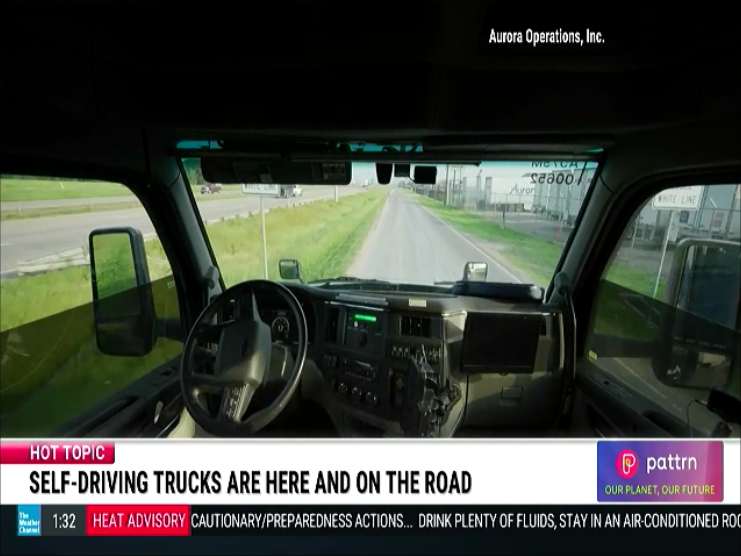
It’s a big gamble, because safety is the issue. How well will Tesla’s cameras work in low light, or virtually no light situations, well enough to see other vehicles or pedestrians? What about bad weather, raindrops getting on the camera’s lens or fog simply making it impossible to see anything. Can the engineers at Tesla develop software good enough to ‘see in the dark’, and what will the software make the car do when vision really does become obscured?

At this moment Tesla in involved in several court cases where the autonomous features it already integrates into its cars may have caused accidents. If their software just cannot make up for the lack of sensors then Tesla will take a big hit and fall far behind in the competition to prefect driverless cars.
Nevertheless, driverless cars are going to happen, whether Tesla succeeds or not. The progress that has been made is tremendous and in just a few years there will be robotaxi in every city, then robotrucks hauling shipments on the highways, Amazon is already experimenting with autonomous delivery trucks. And there are already robobuses being tried out in several European cities.
No, the big problem with driverless cars isn’t technical, or legal or even public relations. It’s what’s going to happen to the millions of truck drivers, cab drivers and bus drivers who are going to lose their jobs to robots! Don’t get me wrong, I’m pro-robot, I want robots to do the low skill, repetitive, boring jobs that waste a human soul. However just replacing a person with a robot and then simply throwing that person into the gutter to fend for themselves is a much bigger waste.
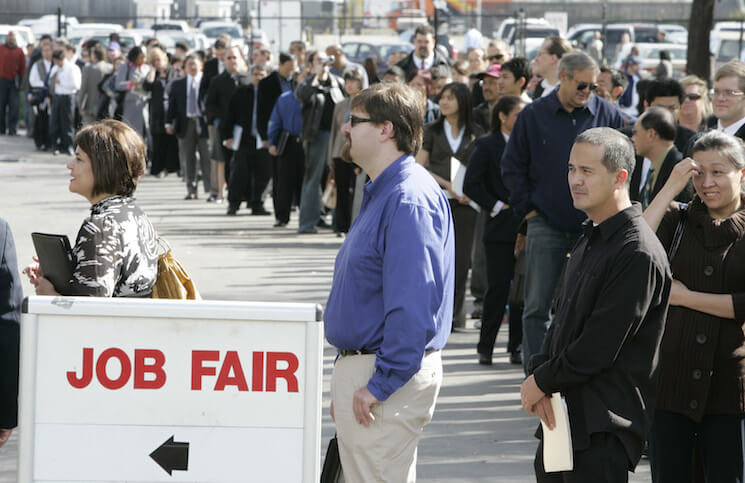
We need to start making long term plans for what is going to happen to the large fraction of our populace that are going to be badly hurt by the coming AI/Robot revolution. Wouldn’t it be nice if our government officials gave a damn about that problem and tried to do something before all those workers get laid off instead of fighting amongst themselves, or starting wars!