
You may recall three years ago when NASA’s DART mission successfully slammed a spacecraft into the asteroid Dimorphos as an initial test of a planetary defense system. The idea was that, if an asteroid was on a trajectory that would cause it to collide with Earth in several years, then by altering its velocity just a tiny amount would, after those years cause it to miss our planet by tens of thousands of kilometers. One or more spacecraft like DART would provide that little nudge.
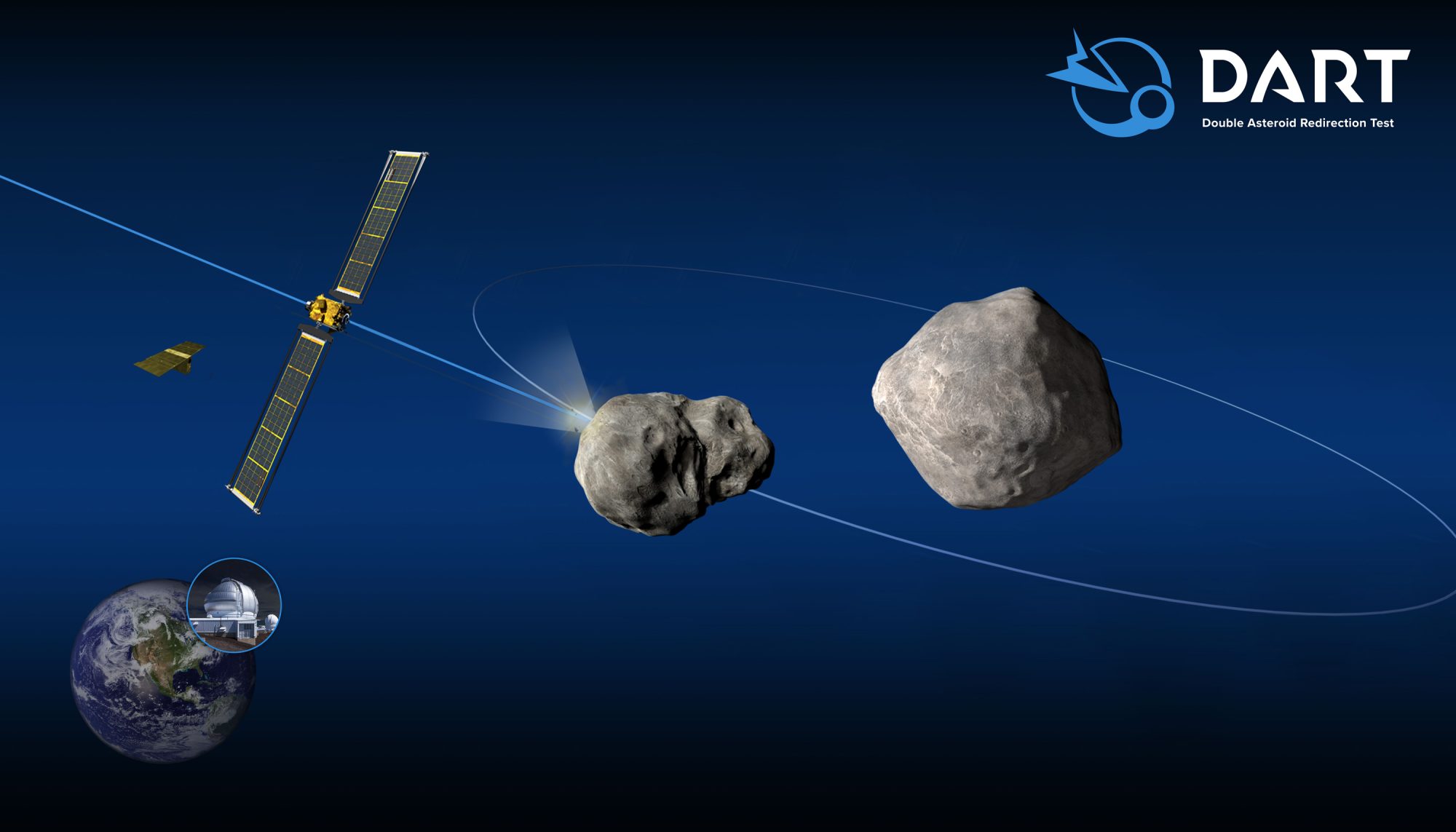
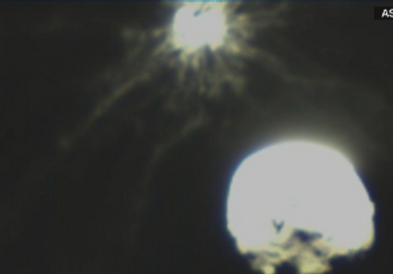
The DART mission turned out to be a big success, images from the spacecraft itself were transmitted back to Earth until just a fraction of a second before the collision. Further images taken by a small cube satellite that accompanied DART showed that the spacecraft struck right in the center of Dimorphos and that a large amount of material was ejected from the asteroid by the collision.
Later, ground based observations of Dimorphos’ orbit around its parent asteroid Didymos showed that the collision had in fact altered the asteroid’s orbit more than the scientists in charge of the mission had expected. In all, the mission was judged to be a major success.
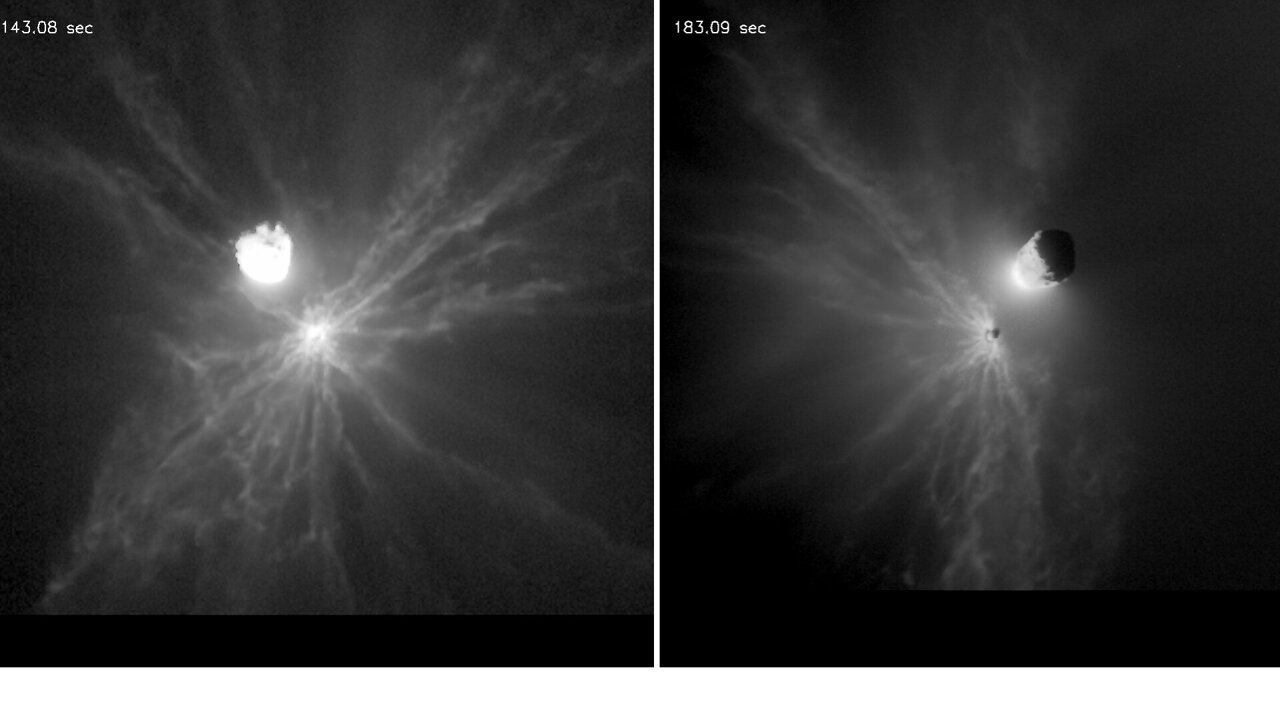
Not so fast. I mentioned above that Dimorphos had ejected a large amount of material when the DART spacecraft struck it, a lot more material than any one expected. Well, a team of astronomers led by the University of Maryland has carried out a recent study of that debris and has concluded that the change in the asteroid’s orbit was much more chaotic then originally thought.

The astronomers succeeded in tracking 108 boulders in that debris ranging in size from 0.2 to 3.6 meters in radius, some moving at speeds of up to 552 meters per second, nearly 190 kph. They also found that the debris was, for reasons unknown, clustered into two main streams. Some of the ejected boulders were even flung in a direction perpendicular to DART’s trajectory into Dimorphos, again difficult to explain.

This new analysis doesn’t not mean that DART was a failure; it certainly did alter the path of an asteroid. What it does mean is that there are factors in play here that we presently don’t understand. Factors that possibly could affect an actual mission to deflect an asteroid away from Earth. More research and perhaps another mission like DART may be needed in order to better understand, and therefore predict, the outcome of an actual Earth Defense mission should one ever become necessary.

Speaking of asteroids and spacecraft the Psyche mission, that’s both the name of the space probe and the asteroid it’s headed towards, has run into a bit of trouble. Launched in October of 2023 the Psyche spacecraft has been using its electric-powered ion rockets to propel it towards the planet Mars where in May of 2026 it will get a gravity boost sending it towards the asteroid belt for a 2029 rendezvous with its namesake.
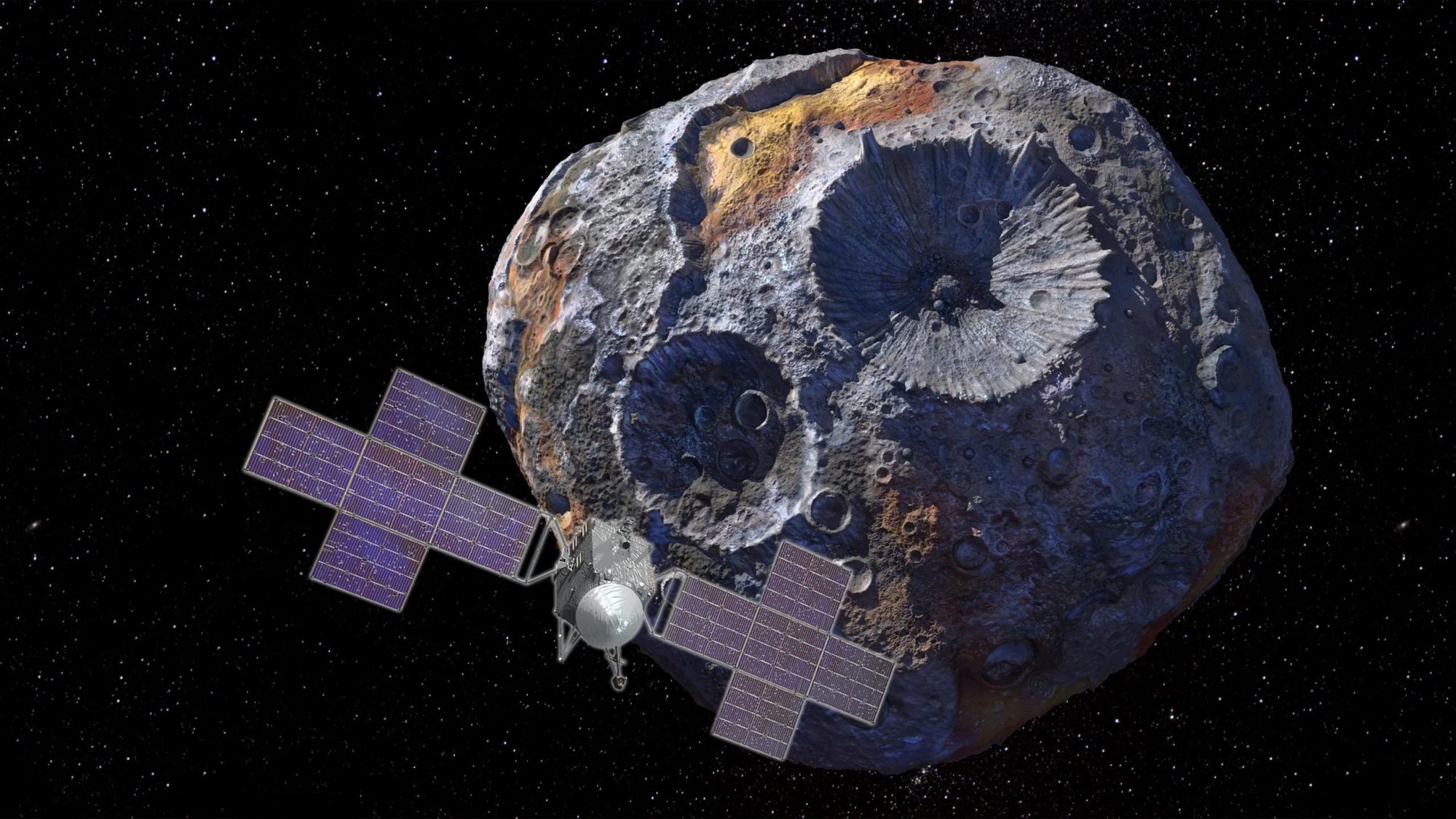
The problem began back in April when engineers at NASA’s Jet Propulsion Labouratory (JPL) detected a drop in pressure of the xenon fuel line supplying the spacecraft’s thrusters. The advantage of ion rockets is that, although they provide only a small thrust they can continue to do so for weeks, months, even years as in the case of Psyche. In the long run this makes them much more efficient than the chemical used most often in spaceflight.
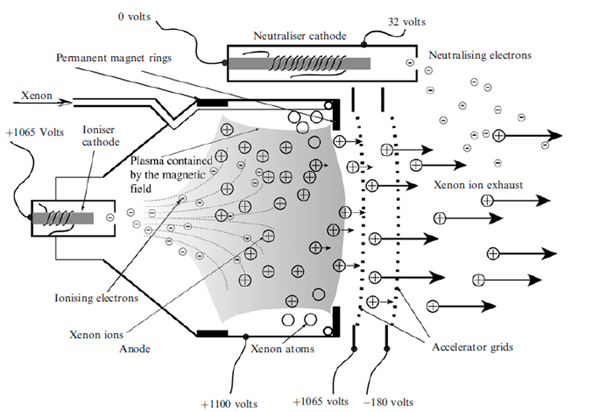
The automatic pilot onboard Psyche acted on its programming and shut off the rockets while the engineers at JPL analyzed the situation and decided what to do. Fortunately the Psyche spacecraft has a second, redundant fuel line and the spacecraft’s engines were soon firing at full thrust again. The engineers at JPL continue to monitor the problem however, in the hopes of fixing the problem in the primary fuel line.

There is also news concerning manned space flight. On June 25th Space X successfully launched another private space mission to the International Space Station (ISS). Designated the Ax-4 mission, the capsule is commanded by former NASA astronaut Peggy Whitson and includes scientists from India, Poland and Hungary.
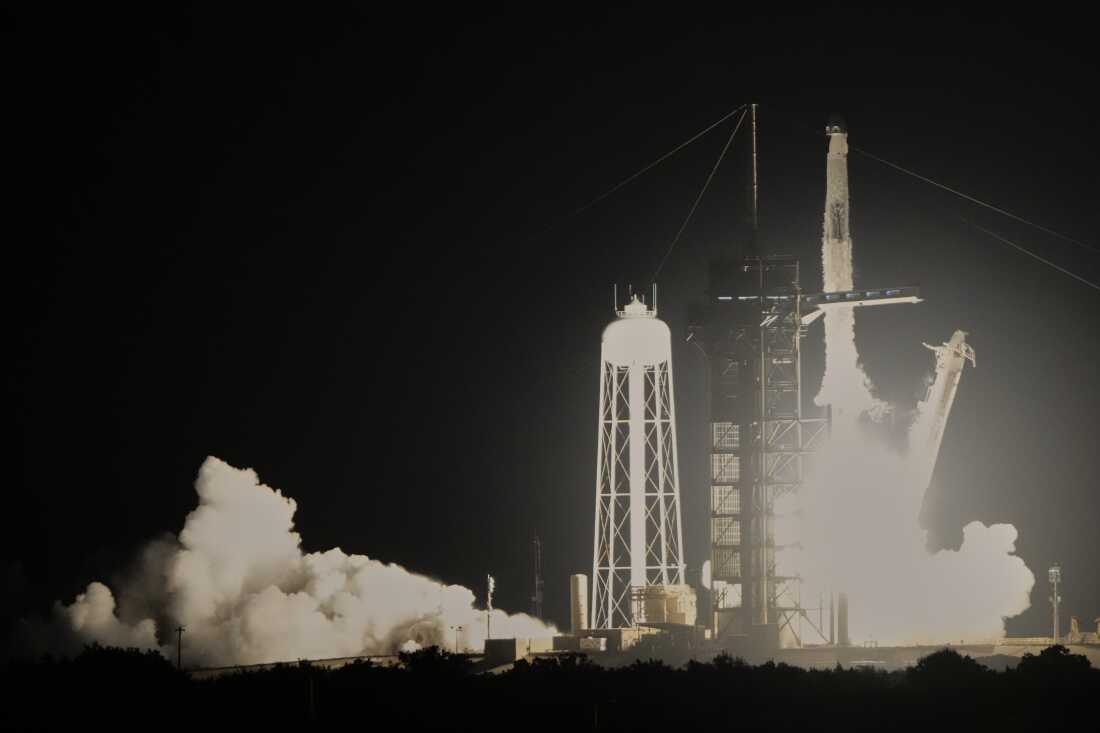
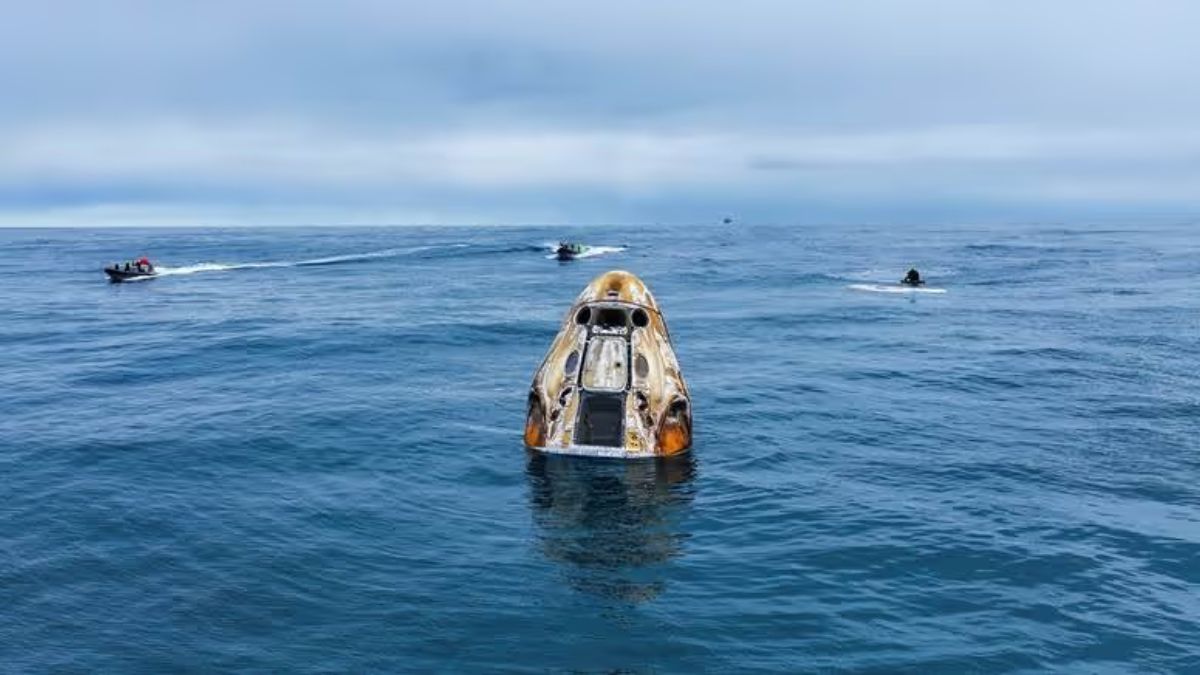
During their 18 day stay aboard the ISS the scientists performed over sixty experiments while also conducting outreach activities to their home countries. The ability of private corporations to provide access to Low Earth Orbit (LEO) for astronauts from countries that otherwise could not get into space is one of the selling points of the whole commercial space industry. The Ax-4 astronauts undocked their Dragon capsule from the ISS on the 14th of July and the capsule safety returned to Earth the next day, splashing down in the Pacific Ocean.
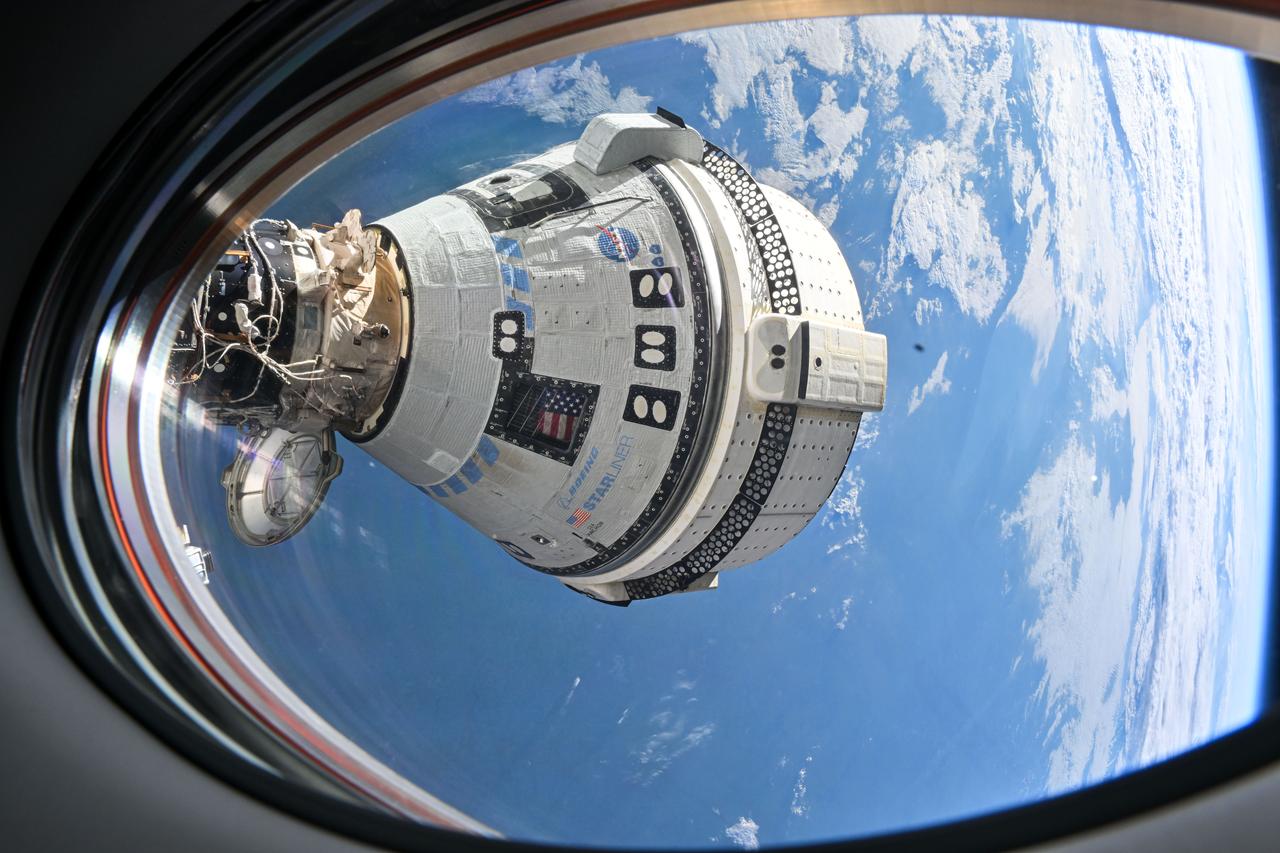
Meanwhile Space X was busy preparing for the launch of its Crew 11 mission to the ISS under the NASA Commercial Crew Program. As a part of that program every six months Space X sends a crew of four astronauts to man the ISS and relieve the previous crew. Boeing’s Starliner capsule was supposed to alternate with Space X’s Dragon but we all know about Starliner’s problems, see my posts of 12 April 2025 and 31 August 2024.
The launch took place on 31 July and the Dragon capsule arrived at the ISS the next day. On the 8th of August the Crew 10 astronauts boarded their Dragon and began their return to Earth, splashing down on the 9th of August. Thanks to Space X and their reusable Falcon 9 rocket and Dragon capsule trips to and from the ISS have become routine, and hopefully that will continue after the ISS is deorbited in 2030 and newer, commercial space stations are built in LOE.

One final word before I go. Trump’s original choice to lead NASA, businessman Jared Isaacman, has been removed from consideration for the post due to his relationship with Elon Musk, who has become an enemy of Trump. (The very idea of our country’s space program being subject to the whims of powerful men who act like third graders is appalling.) Regardless, instead of Isaacman Trump has nominated Transportation Secretary Sean Duffy to act as an interim NASA director.