Space News for September 2025: China tests two critical parts of their plans for landing on the Moon by 2030, and what are other countries doing in Manned Spaceflight. 

Ever since their first manned mission back in October of 2003 the People’s Republic of China, henceforth just China, has been making steady progress in developing their manned space program. As of the writing of this post they have successfully carried out fifteen manned space missions. They have constructed a space station called Tiangong, which they keep permanently manned by routine crew transfer spaceflights. As a part of maintaining Tiangong they have carried out numerous Extra-Vehicular Activities (EVAs). All in all they have step by step acquired all of the skills necessary for living and working in Low Earth Orbit (LOE).
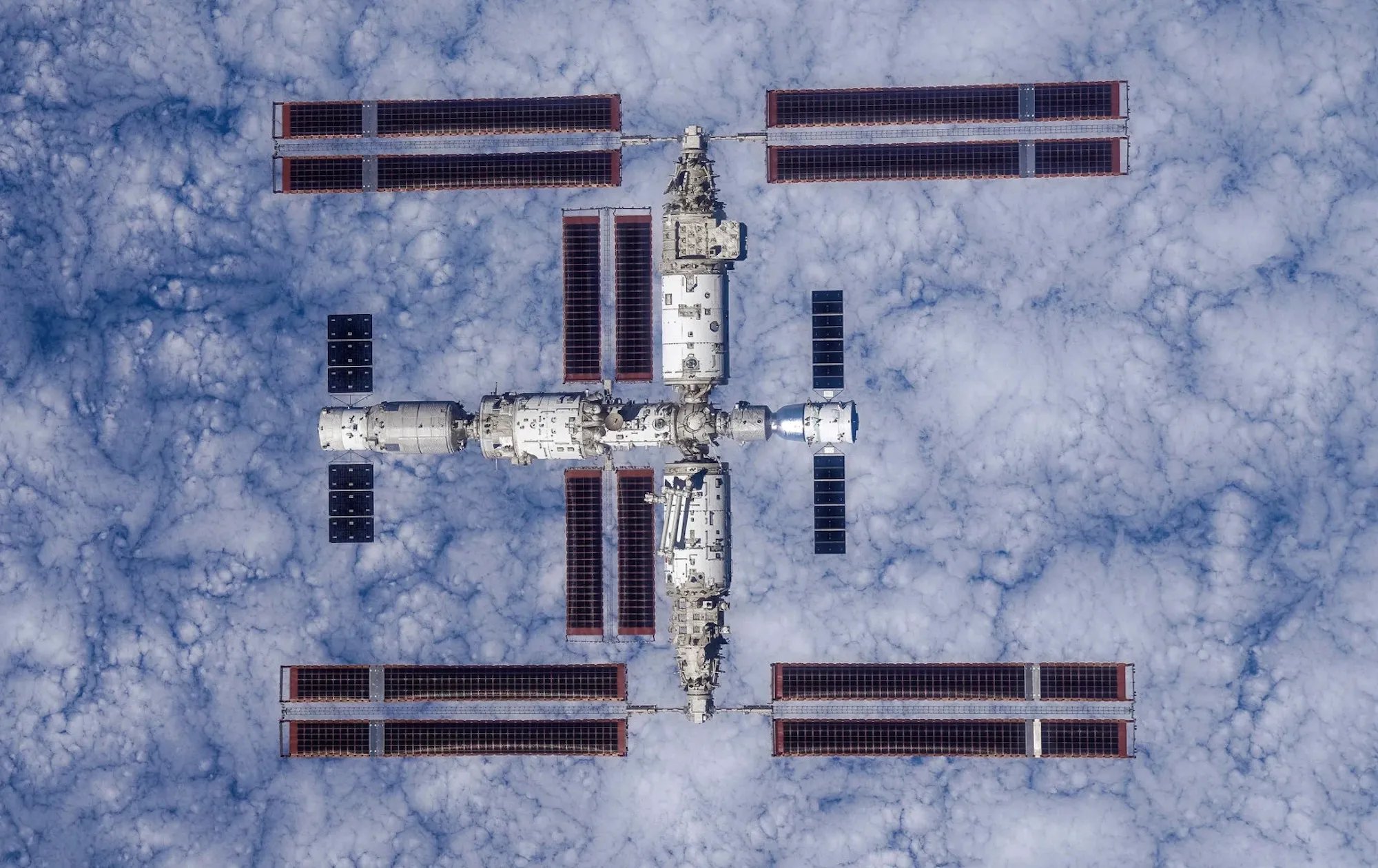
China’s Tiangong Space Station. Since it’s first module was launched in 2021 China has carried out numerous space activities there, learning the ropes of how to function long term in space. (Credit: Digital Trends)

China’s space ambition however extends far beyond LOE, in fact for more than a decade now the Chinese Manned Space Agency (CMSA) has been working steadily towards the announced goal of placing a Taikonaut, their designation for our astronaut, on the Moon by the year 2030. In order to accomplish this task the Chinese need to develop three separate pieces of space hardware, A spacecraft capable of carrying taikonauts from LOE to Lunar orbit and then bringing them back to Earth, a lander spacecraft capable of taking taikonauts from Lunar orbit to the Moon’s surface and then getting then back into Lunar orbit, and finally a big rocket capable of getting the first two spacecraft to Lunar orbit. Of course this is all familiar from the Apollo program with its Command and Service Modules, its Lunar Module and giant Saturn V rocket.
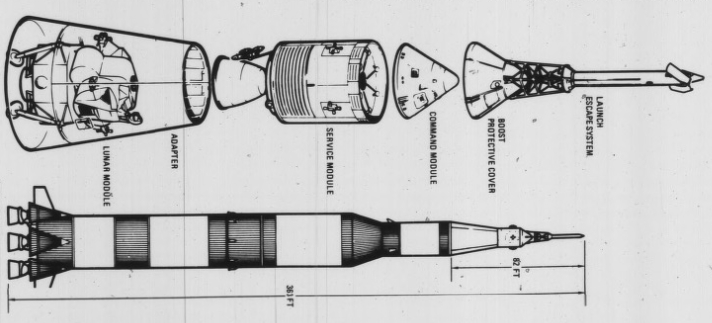
To land people on the Moon you basically need three different spacecraft. A capsule to carry your astronauts there and back, a lander to take them down to the surface and get them back into orbit, and a really big rocket to get the first two spacecraft to the Moon. This is how the US did it with Apollo. (Credit: NCSU Libraries NC State University)

The first of the needed hardware pieces China already has in its Shenzhou spacecraft that has proven itself to be capable of sustaining three taikonauts for periods as long as three weeks. The only modification needed for Shenzhou to be used for a Lunar mission is for its heat shield to be strengthened to withstand the greater heat generated by coming back from the Moon as opposed to just returning from LOE.
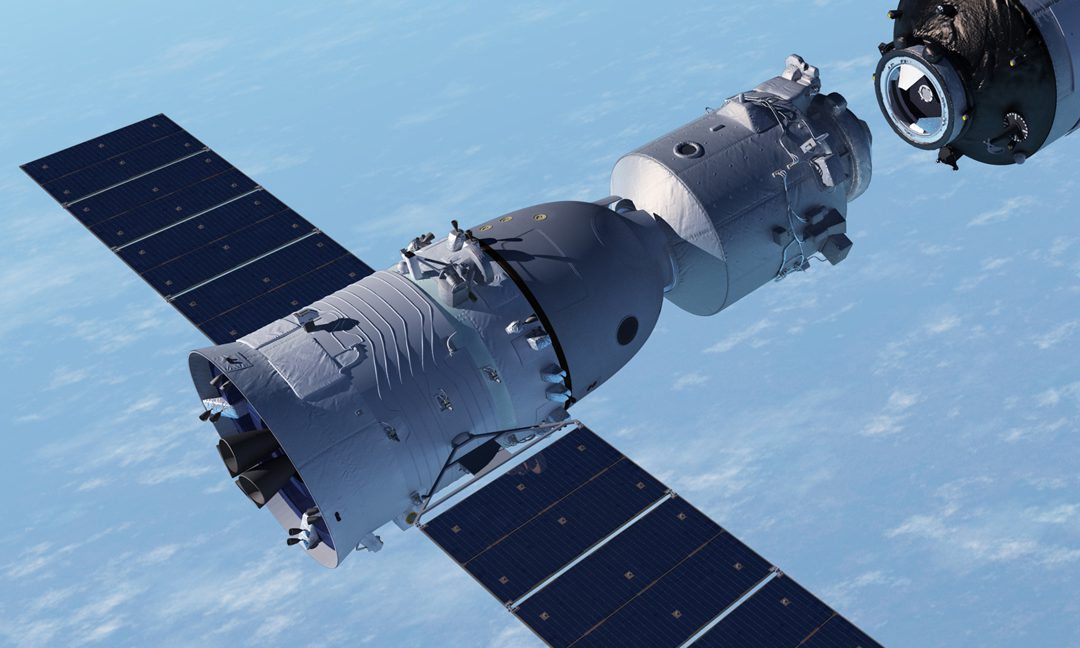
China’s Shenzhou spacecraft has proven itself capable of sustaining three Taikonauts in space for at least two weeks. Just the time needed for a Lunar landing mission. (Credit: China Space Report)

Progress on the remaining two pieces of hardware has again been steady, a word that pretty much sums up China’s space program. In fact two recent tests that have been made public indicate that China is on schedule for their goal of a Lunar landing by 2030. On August 6th CMSA conducted a large-scale test of its Lunar Lander, named the Lanyue, which is Chinese for embrace the Moon. Looking at the image below you can see that the lander module was dangled at the bottom of a large fixture that was itself connected by cabling to scaffolding. This whole setup was in order to replicate the lower gravity of the Lunar surface, only one sixth that of Earth with all of the cabling holding up five sixths of the module’s weight.
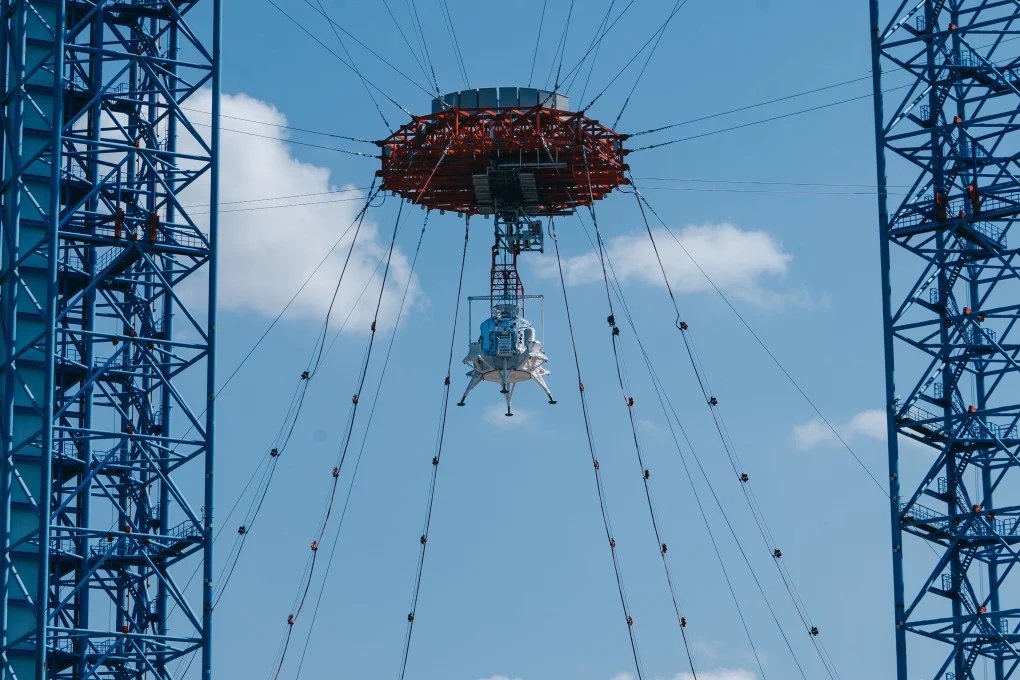
The spider in its web. China’s Lanyue lander module ready of its test. The whole structure around the lander is intended to simulate the reduced gravity of the Moon. (Credit: South China Morning Post)

During the tests the rocket engines of the lander were ignited and examined for their performance, as were all of the lander’s systems. The successful completion of this series of tests actually puts the CMSA ahead of NASA whose landers for the Artemis program have not yet reached the testing stage.
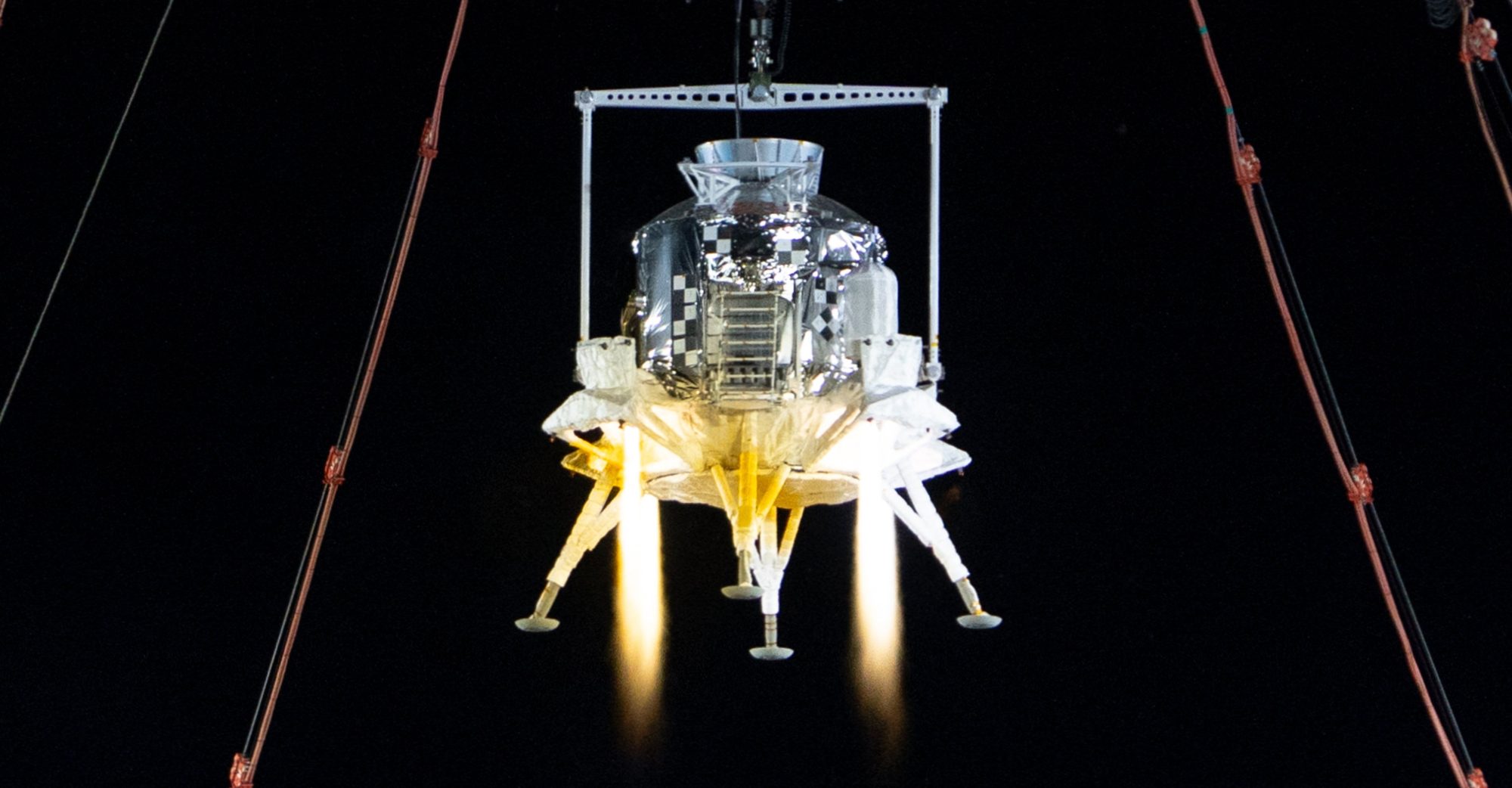
The actual testing of Lanyue. No American lander has reached this stage of testing yet. Does this put China ahead in the new race to the Moon? (Credit: China in Space)

Then, on the 15th of August the CMSA carried out a static firing of the seven engine ‘core’ of its planned Long March 10 rocket. While the Long March 10 rocket is not designed to have nearly as much thrust as the old Saturn V that took NASA to the Moon the Chinese plan is to use two Long March 10 rockets, one to transport their taikonauts to Lunar orbit and the other to transport the Lanyue lander to Lunar orbit. Once in orbit the two modules will rendezvous and carry out the actual landing.
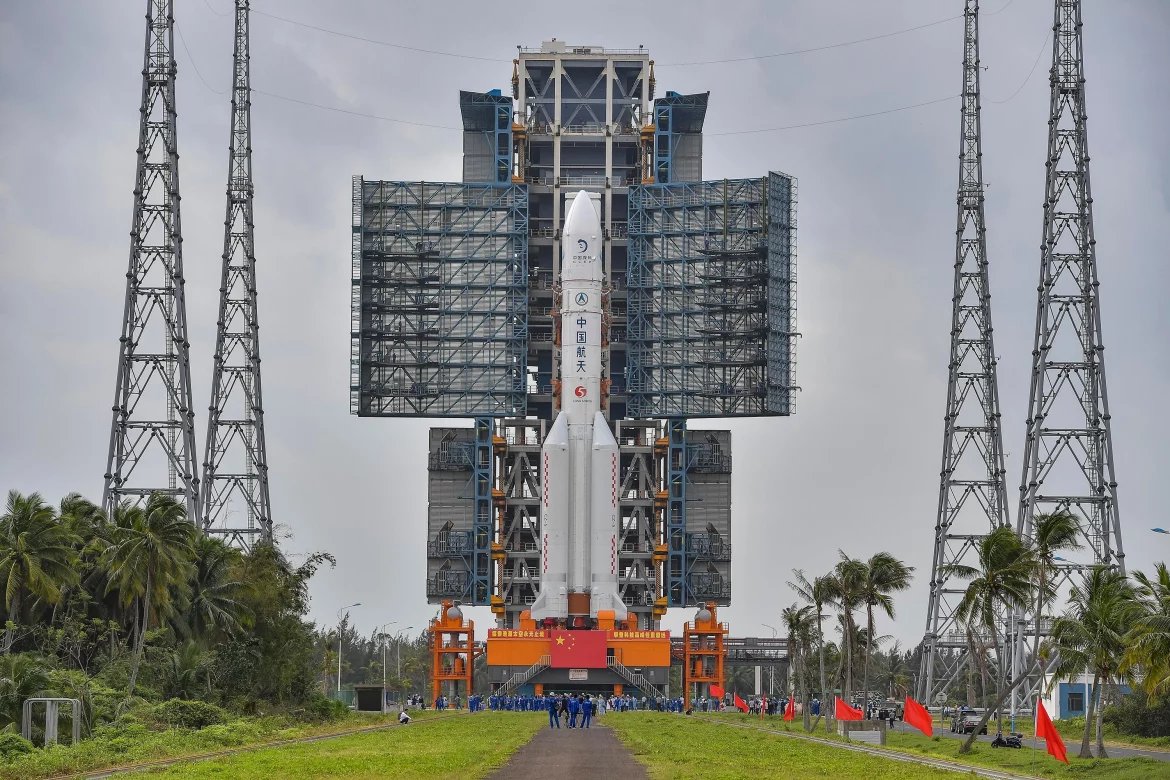
The Long March 10 launch vehicle ready for static testing. Not as powerful as the Saturn V, China will use two Long March Rockets, one to get the Shenzhou capsule to Lunar orbit and the other for the Lanyue lander. (Credit: NASASpaceFlight.com

The test, which lasted for about 30 seconds, demonstrates that the seven YF-100K engines can work together to provide the thrust needed along with other valuable data. Again the test of the engines of its planned Moon rocket is another important milestone in China’s path towards a Lunar landing.
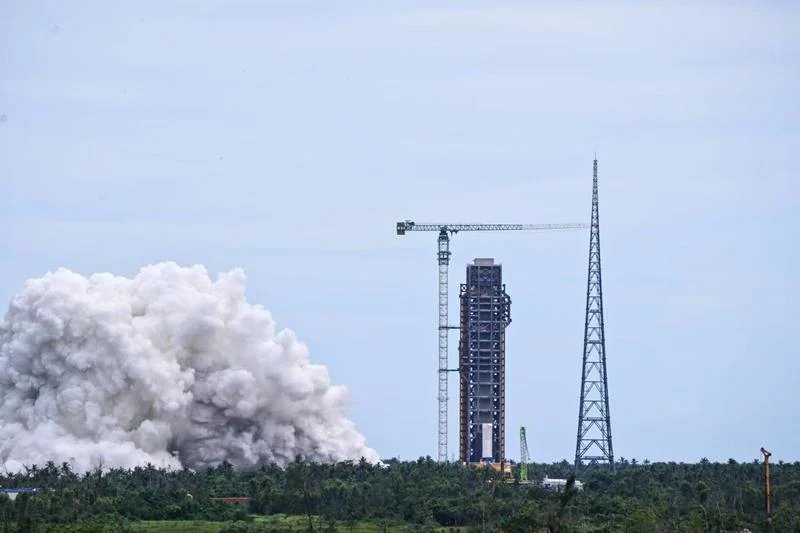
Static test in progress. Again, China seems to be steadily progressing in their intention to land on the Moon by 2030. (Credit: Aviation Week)

It is worth noting that while the two tests discussed above were made public much of China’s space program is conducted under heavy security, so the costs and any engineering problems that occur remain secret. The two tests were only announced publicly because they were successful, or at least mostly successful. Any problems that might have occurred during the tests were simply not mentioned in the official news reports.
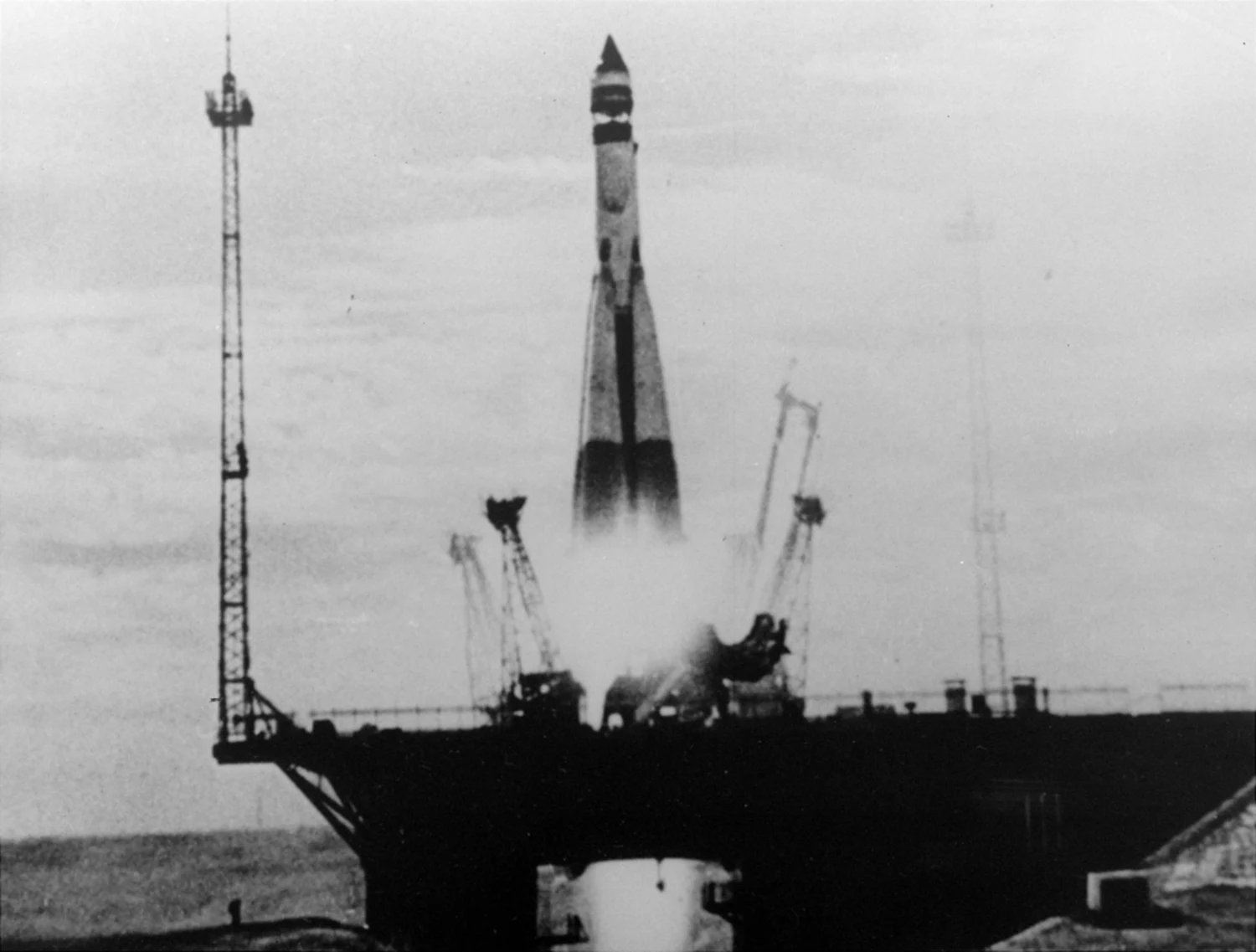
Launch of Sputnik 1, the first artificial satellite. Russia kept the whole program a complete secret and only announced the launch AFTER it was successful. In case of a failure they never would have said anything! China is still keeping a lot of secrets about its space activities so whatever problems they might be having can only be guessed at! (Credit: NBC News)

In any case, as China proceeds on its path for manned space exploration, what are other nations doing, or planning to do, in manned space exploration. I’ll skip NASA since most of these posts deal with NASA.

The Russians of course began the space age, shocking the world with their space achievements of launching both the first satellite and the first man into space. What plans do the Russians have for future space exploration? Not much I’m afraid.
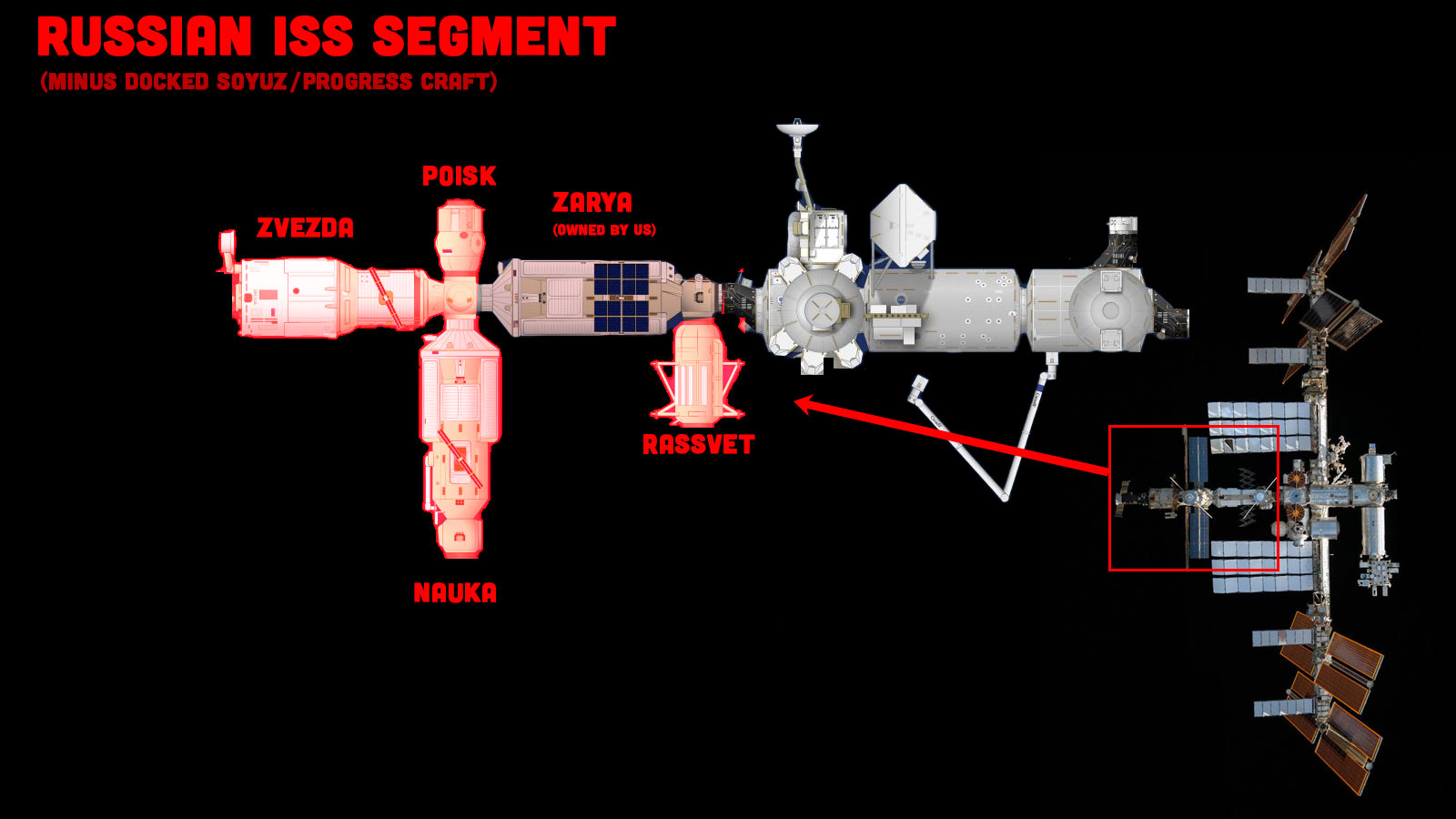
When the International Space Station (ISS) is de-orbited in 2030 Russia plans on taking their part of the ISS and turn it into a space station on its own like the old MIR station they had. Other than that Russia, the country that started the space age, doesn’t seem to have any plans. (Credit: The Autopian)

Between the state of Russia’s economy and the costs of their war in Ukraine it appears that Russia has no plans at all aside from taking their half of the International Space Station (ISS) when it is decommissioned in 2030 and trying to build it into a new space station, which they will continue to man with their venerable Soyuz spacecraft. Any plans to go beyond LOE are simply pipe dreams.
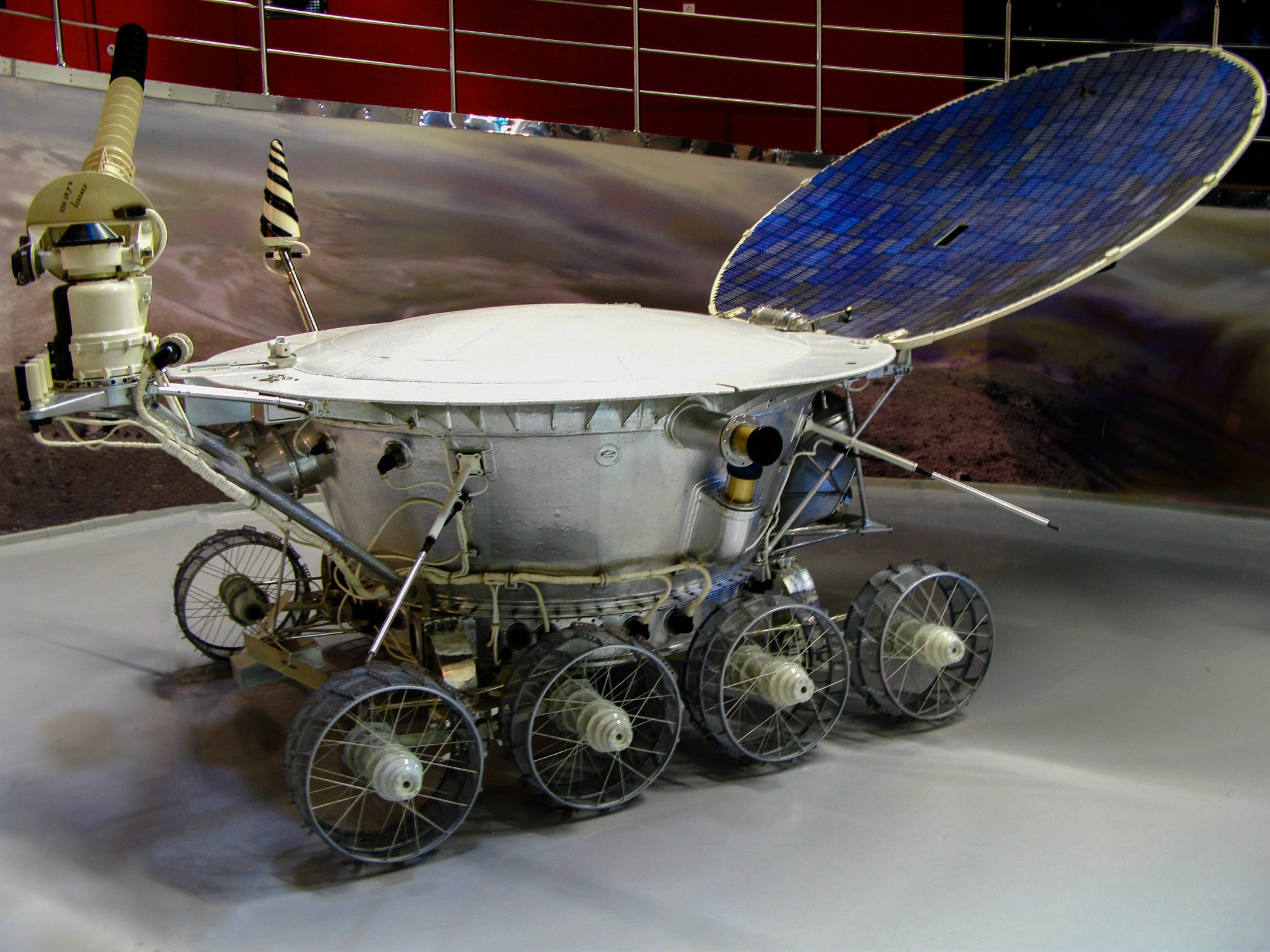
Russia’s Lunokhod-1 Lunar rover launched in 1970. There was a time when Russia was exploring the solar system but no more. It’s been years since they sent anything beyond LOE. (Credit: en.wikipedia.com)

The European Space Agency (ESA) has been trying for several decades now to decide whether or not to have its own manned space program or simply tag along with NASA to both the ISS and soon the Moon as it seems Canada and Japan are content to do. There are however several European aerospace corporations that are hoping to tempt the ESA into funding a European Manned Capsule. 
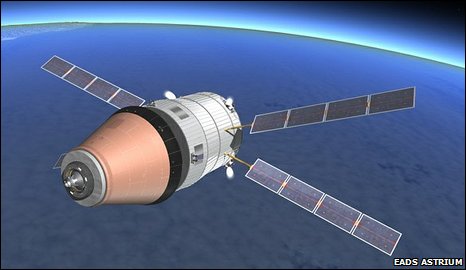
The European Space Agency’s concept for a manned spacecraft. Really the Europeans only lack the funding, and hence the political will and they could easily launch their own astronauts. (Credit: BBC News)

A German company named The Exploration Company has developed a cargo-carrying capsule called Nyx. This spacecraft is intended to launch supplies to future space stations but could be modified to carry astronauts. One of the chief selling points of Nyx is that it could be launched into orbit by a number of different rockets.
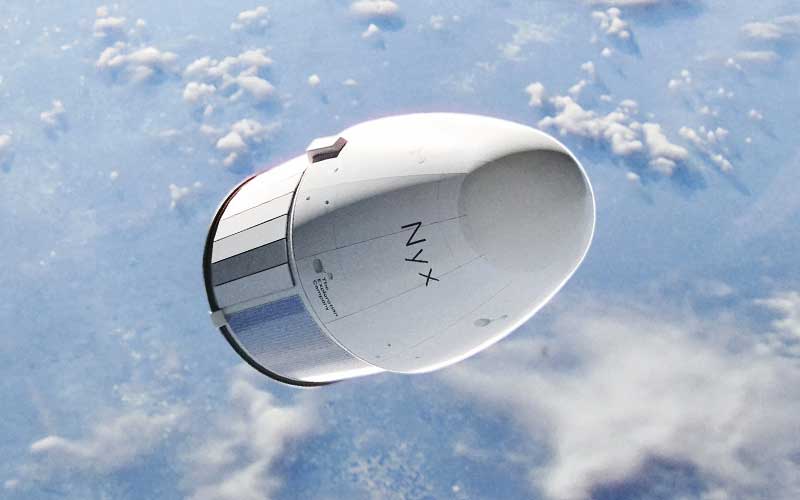
Another potential European spacecraft is the Nyx capsule from the German firm The Exploration Company. (Credit: European Spacefilght)

To demonstrate their capability the Exploration Company recently launched Nyx aboard a Space X Falcon 9 rocket from Vandenberg air force base. The test didn’t pan out too well however, the capsule did achieve orbit but as it was returning to Earth its parachutes failed to open and the capsule was lost.
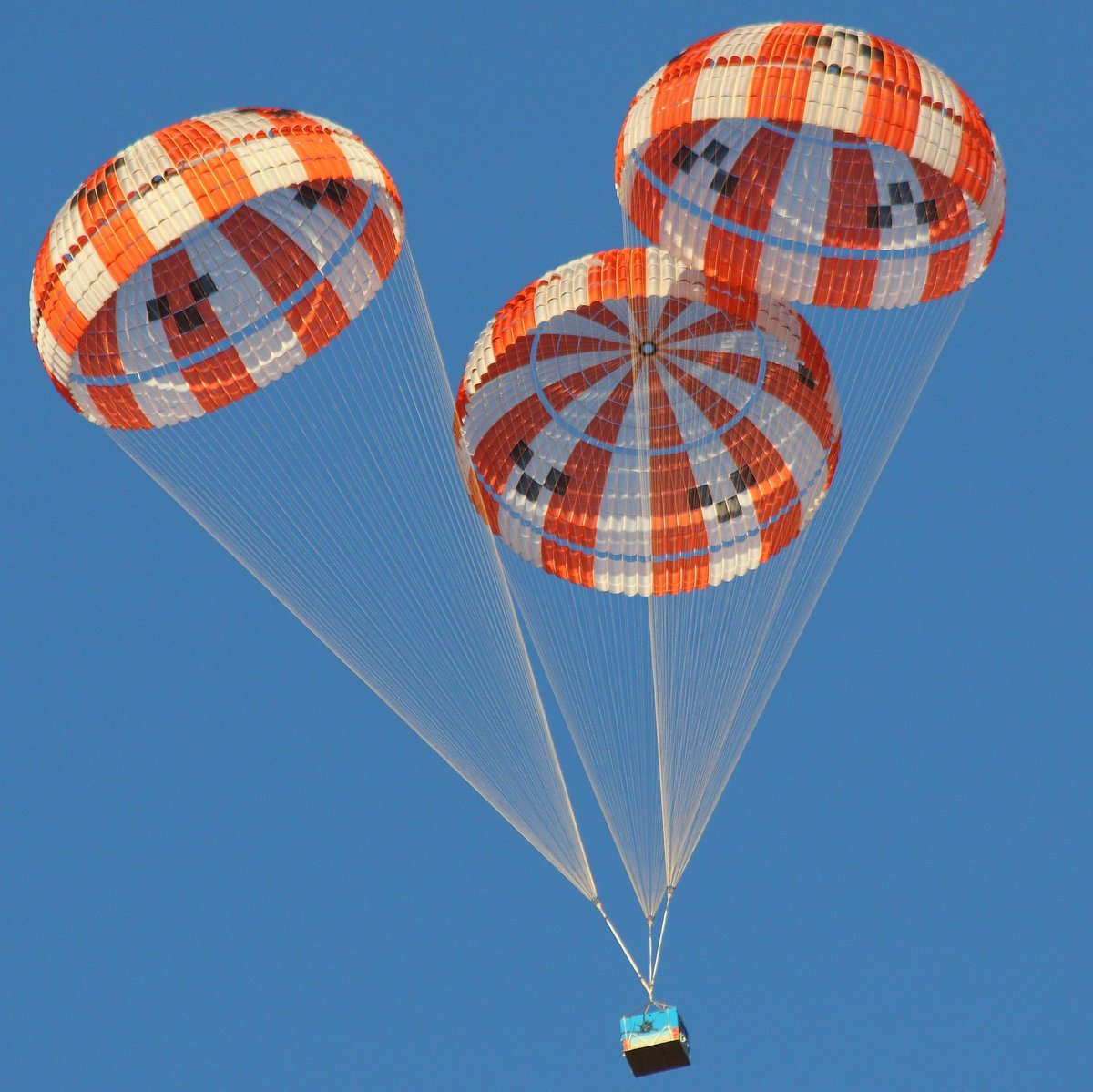
If you’re going to send people into space you really need a good method of getting them back. The parachutes on the Nyx capsule test didn’t open and the capsule was lost, a real problem. (Credit: Berkeley Lab News Center)

Meanwhile a Spanish company named PLD has more ambitious plans, hoping to not only develop a manned capsule Lince that would be capable of carrying four or five passengers into orbit but they are also working on a series of launch vehicles given the name Miura. The first of the series, the Miura 5 is scheduled to make its debut orbital flight next year, 2026.

Finally there is India, which has recently begun to establish itself as a player in the exploration of space as a source of national pride. The world’s most populous nation is calling their manned orbital program Gaganyaan, Hindi for ‘Space craft’ and an unmanned test is scheduled for later this year with a manned mission expected in the first quarter of 2027.
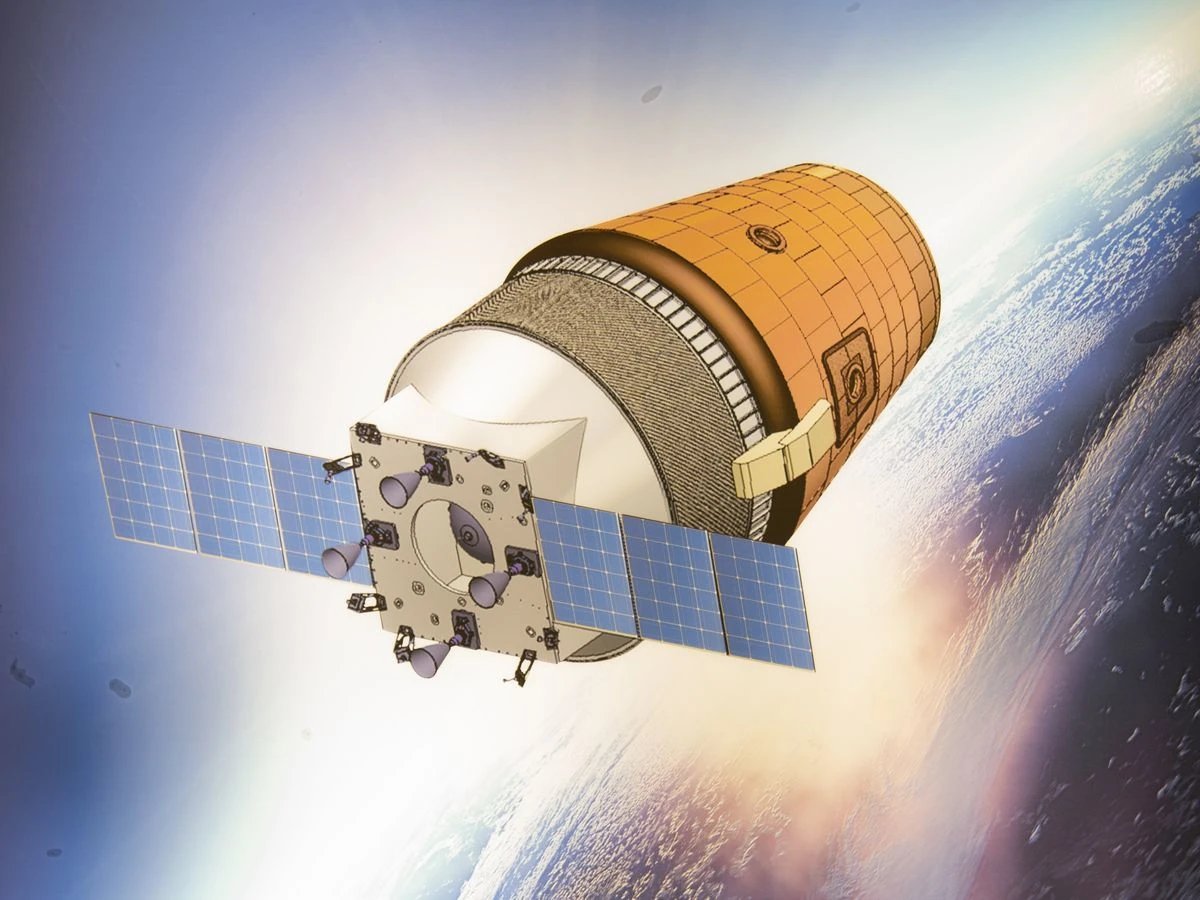
The Gaganyaan space capsule, India’s entry into manned spaceflight. Currently scheduled for a first manned mission in 2027 it will make India only the fourth country to put people into space. (Credit: Spacecraft wiki)

That’s about it, whereas space exploration was once completely dominated by the US and Soviet Union there are now quite a few nations who see space as not only as a way to keep up with the Jones’ but also as a way to develop a technology base inside their country for the sake of their economy.

Archaeology News for September 2025. 

Archaeology is, as we all know, the study of the remains left by ancient human societies and cultures. As such it often encounters some of the strange beliefs that we human are plagued by, sometimes in the distant past and even sometimes in the present. In this post I’ll be discussing a couple of archaeological discoveries that tell us something about those strange beliefs that every age and society have had to deal with. As always I will begin with the oldest site first and move forward in time.

Some of the beliefs of the past were not only strange but monstrous, such as the Phoenician god Moloch to whom babies were sacrificed. (Credit: Medical Republic)

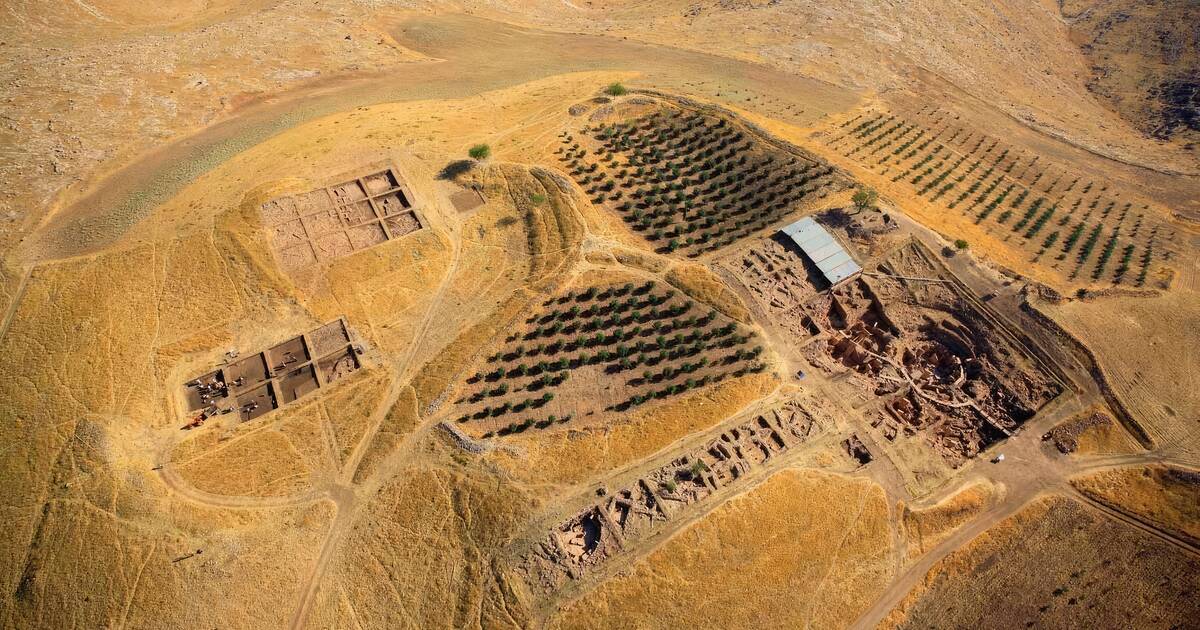
Gobekli Tepe had been called the “World’s Oldest Temple” by it’s discoverer Klaus Schmidt when it was first excavated back in the 1990’s. Located outside of Sanliurfa Turkey, less than 40 kilometers from the Syrian border the site was just a mound of earth, known as a tepe in Turkish before archaeologists began work there. What they discovered when they began excavating was a series of circular stone enclosures with stone pillars inside them on which were carved images of both animals and humans.

Arial view of the site of Gobekli Tepe. Only the area in the lower right has been excavated so far, there’s a lot left to be discovered but archaeologists are taking their time not wanting to miss anything. Any areas that are left can be studied by future researchers with newer technology. (Credit: UNESCO World Heritage Center)

The site has been dated to about 12,000 years ago and while the idea of its being a ‘temple’ is now considered to be naïve it probably served as both a meeting place for the ancient nomadic people who lived in southern Anatolia and a place for them to perform various rituals. Anthropologists today feel that the term ‘temple’ refers to a much more organized type of religion than would have existed back in the late Stone Age.

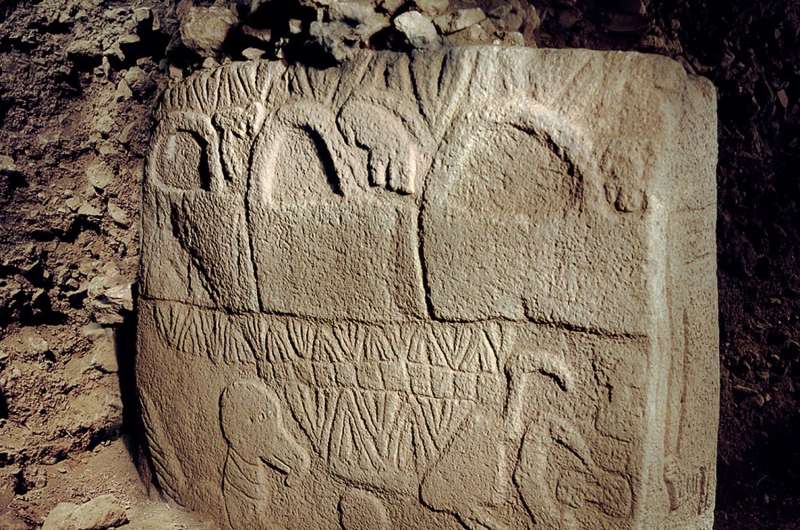
Some of the carvings unearthed at Gobekli Tepe. Whether these symbols were religious in the modern sense is debatable but they certainly were spiritual in intend. (Credit: Phys.org)

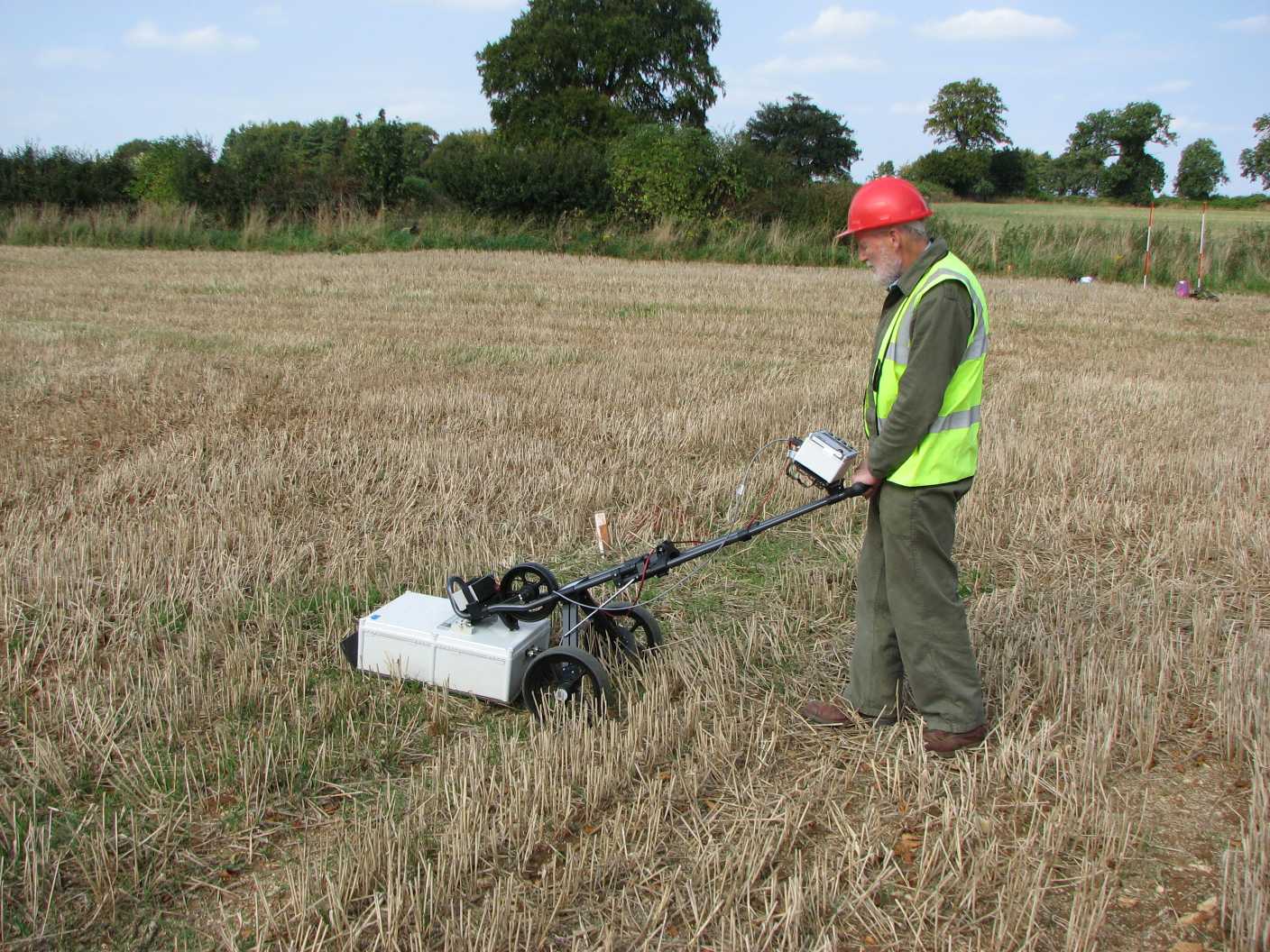
The site of Gobekli Tepe is very large and even after some thirty years of excavation only a small portion of the mound has been unearthed and studied. Surveys by ground penetrating radar and other non-destructive technologies have indicated that there is a lot more waiting to be discovered at the site. The archaeologists working at Gobekli Tepe have been working slowly and carefully however, determined to learn everything they can from each cubic meter of soil that they remove.

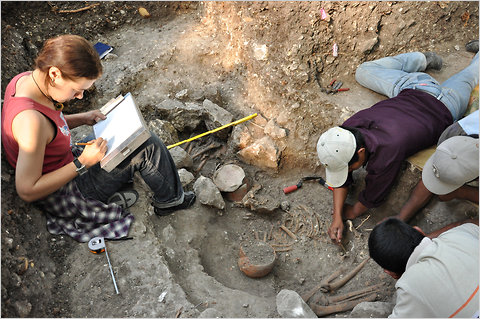
Today archaeologists work slowly and carefully in order to not miss anything. Also, notice how the person on the left is writing down every move the diggers make! (Credit: The New York Times Web Archive)

You see archaeology is what is known as a destructive science, as each artifact is removed from the ground the chance of learning anything more about how it got to where it was, how its placement relates to other nearby objects is gone. If you didn’t record that information before removing it, that information will never be known.

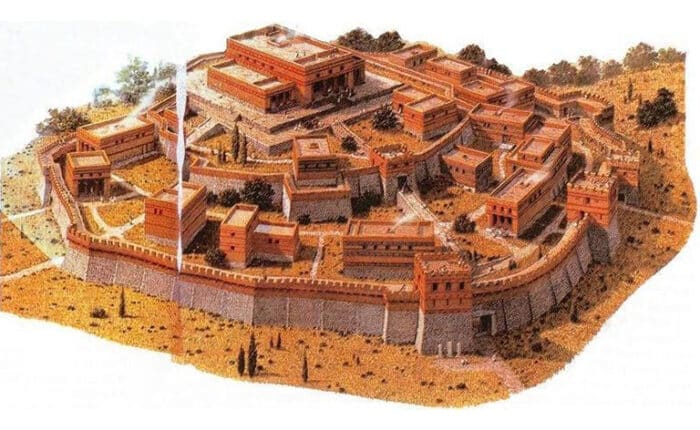
A reconstruction of late Bronze Age Troy. If there was a Trojan war this is the city the Greeks destroyed. Unfortunately when Heinrich Schlimann began his excavations there he started at top where the Palace is thought to have been and was in such a hurry to get to where he thought his Troy was that he destroyed all remains of the palace. A great loss to archaeology. (Credit: Made in Turkey Tours)

In fact when Heinrich Schlimann first excavated the city of Troy he was so anxious to get to the lowest level, the one he thought was the Troy of the Iliad that he actually destroyed much of what archaeologists now think was the Troy of Helen. Modern archaeologists are determined to never make that kind of mistake again so they proceed slowly and carefully. One other point, our instruments today are much better than the tools that Schlimann had, and we assume the instruments of the future will be better still. That’s why the archaeologists at Pompeii for example have left a portion of the city untouched for future archaeologists to excavate with their improved technology.

Modern Ground Penetrating Radar has allowed archaeologists to survey a site in order to at least get an idea of where the major formations are. What kind of technology archaeologists will use 50 or 100 years from now is unknowable. (Credit: Archaeological Surveys Ltd. )

The problem with all of that is there are many people who want the answers RIGHT NOW and in our age of conspiracy theories that makes places like Gobekli Tepe the source for all kinds of wild ideas. In fact on the Netflix series ‘Ancient Apocalypse’ the host Graham Hancock has proposed that Gobekli Tepe was built by a ‘Lost Civilization’ that was destroyed in an Ice Age cataclysm, hence ‘Ancient Apocalypse’. This sort of wild thinking has been amplified by podcasters such as Joe Rogan who, along with his guests suspect that the work at Gobekli Tepe is being deliberately slowed or hidden in order to conceal ‘the truth’.

Conspiracist Graham Hancock hawking another of his crazy ‘theories’. Yes there was a society here in American before Columbus, they’re called the Native Americans! (Credit: Upcoming Events / San Diego Public Library)

Needless to say there is no evidence of any kind to support these ‘theories’. Like the theories that the Pyramids or Stonehenge were built by aliens, such speculation however appeals to people who can’t be bothered to learn the reality behind these ancient wonders. I’ve always thought it was more wondrous to understand how people thousands of years ago had the imagination to conceive of and the will to then construct the Pyramids, or Stonehenge or Gobekli Tepe.

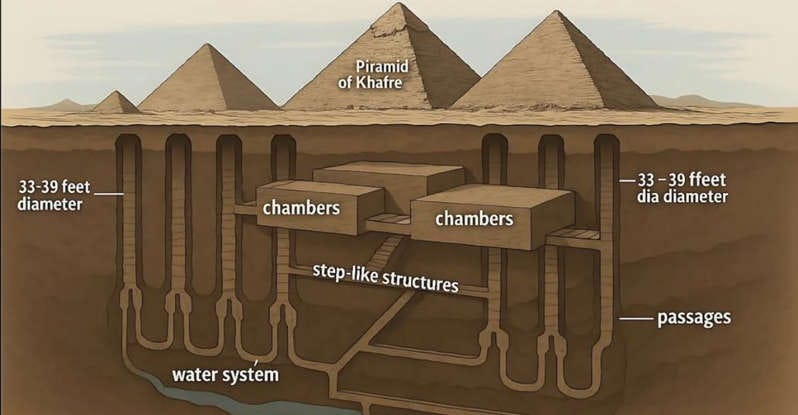
The pyramids of Giza are perhaps the most carefully examined archaeological site on Earth. The idea that there are vast structures underneath them is simply preposterous. Just another crazy ‘theory’ people come up with to sell books!(Credit: Medium)

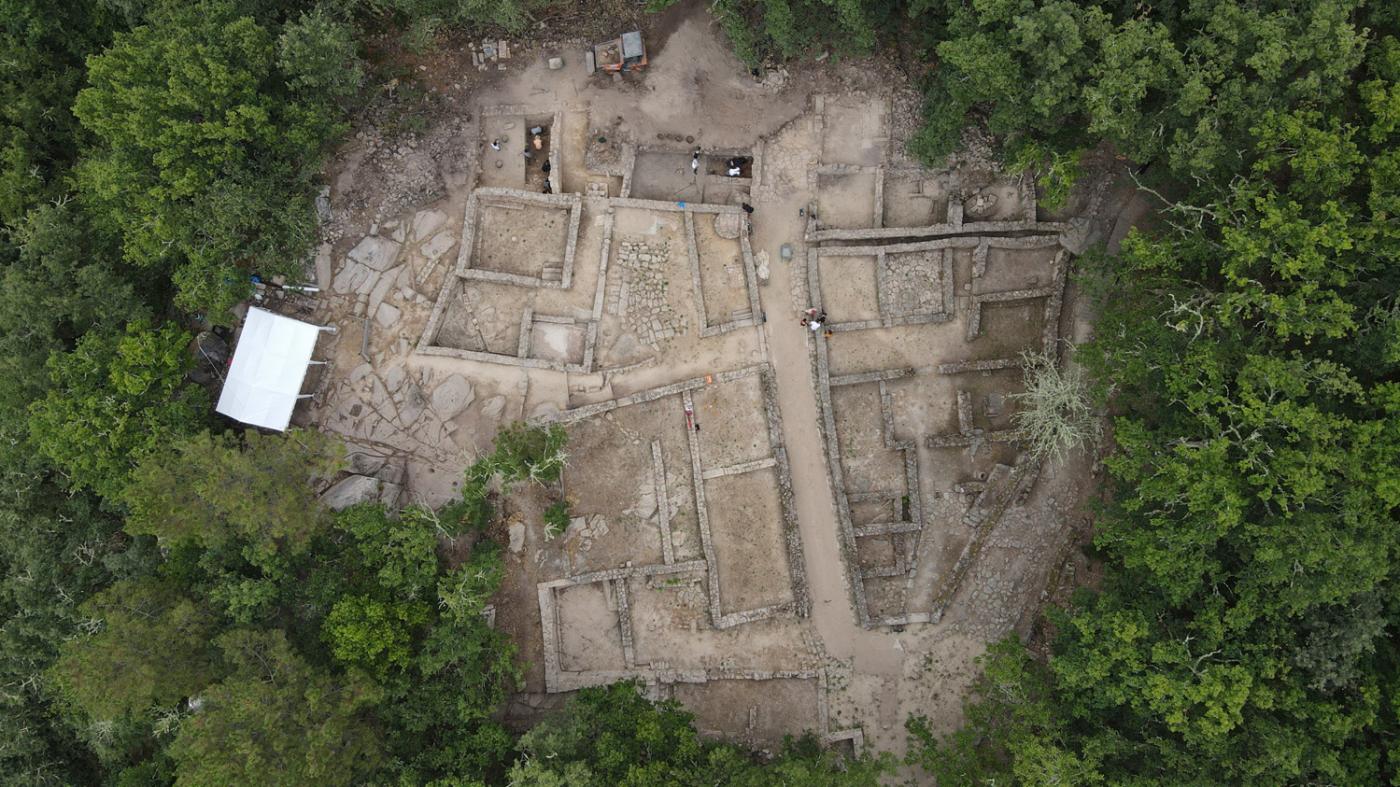
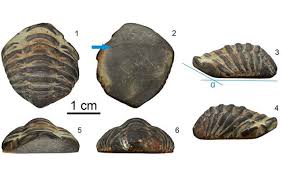
Another recent archaeological find that illustrates how the beliefs that people held in the past effect the artifacts that modern archaeologists use to understand the lives of those people. Unearthed recently at a Roman era site in Galicia, Spain called A Cibdá de Armea was a very surprising piece of jewelry, a 450 million year old fossil trilobite that had been modified to be worn as a personal amulet. Estimated to have been made in the 1st to 3rd century AD this is the first time that a trilobite fossil has been found in a Roman context but actually the eleventh time that trilobites have been unearthed by archaeologists.

Either a Roman villa or small town the archaeological site of A Cibdá de Armea is currently being excavated. The site has already told us a great deal about the Roman culture outside of Italy in the first Century CE. (Credit: UVigo)

 Fossils in general seem to have fascinated ancient peoples. The large bones of dinosaurs or mammoths were thought to be the bones of giants or mythical beasts. The Roman historian Suetonius actually recorded that the Emperor Augustus kept a collection of fossils and showed them to his friends, arguably the first fossil museum.

The Trilobite fossil discovered at A Cibdá de Armea. The fossil had been modified to be used as some kind of jewelry. (Credit: Facebook)

As I said above this recent find is the 11th fossil trilobite discovered at an archaeological site. A trilobite with a hole drilled through it was used as a pendant in France, 14,000 years ago. In North America they were thought to be ‘petrified water bugs’ by the Ute people and a Chinese text from the 7th century called them ‘stone worms’ and described how to use them in traditional medicine.

Mammoth skulls often have an indentation right in the middle of their forehead. Could this be the origin of the myth of the Cyclops? Today the idea that stories about giant and other monsters being inspired by fossils is being seriously considered. (Credit: Facebook)

So it seems that people have had strange ideas in the past just as they  are still having them today. It’s only when we carefully examine sites like Gobekli Tepe or fossils like trilobites while comparing them to similar sites and fossils that we can have any hope of learning the reality behind our theories.