O’k, I know that vacationing in Ireland is hardly science and certainly not science fiction but I just spent two weeks in the emerald isle and I want to talk about it. So There!
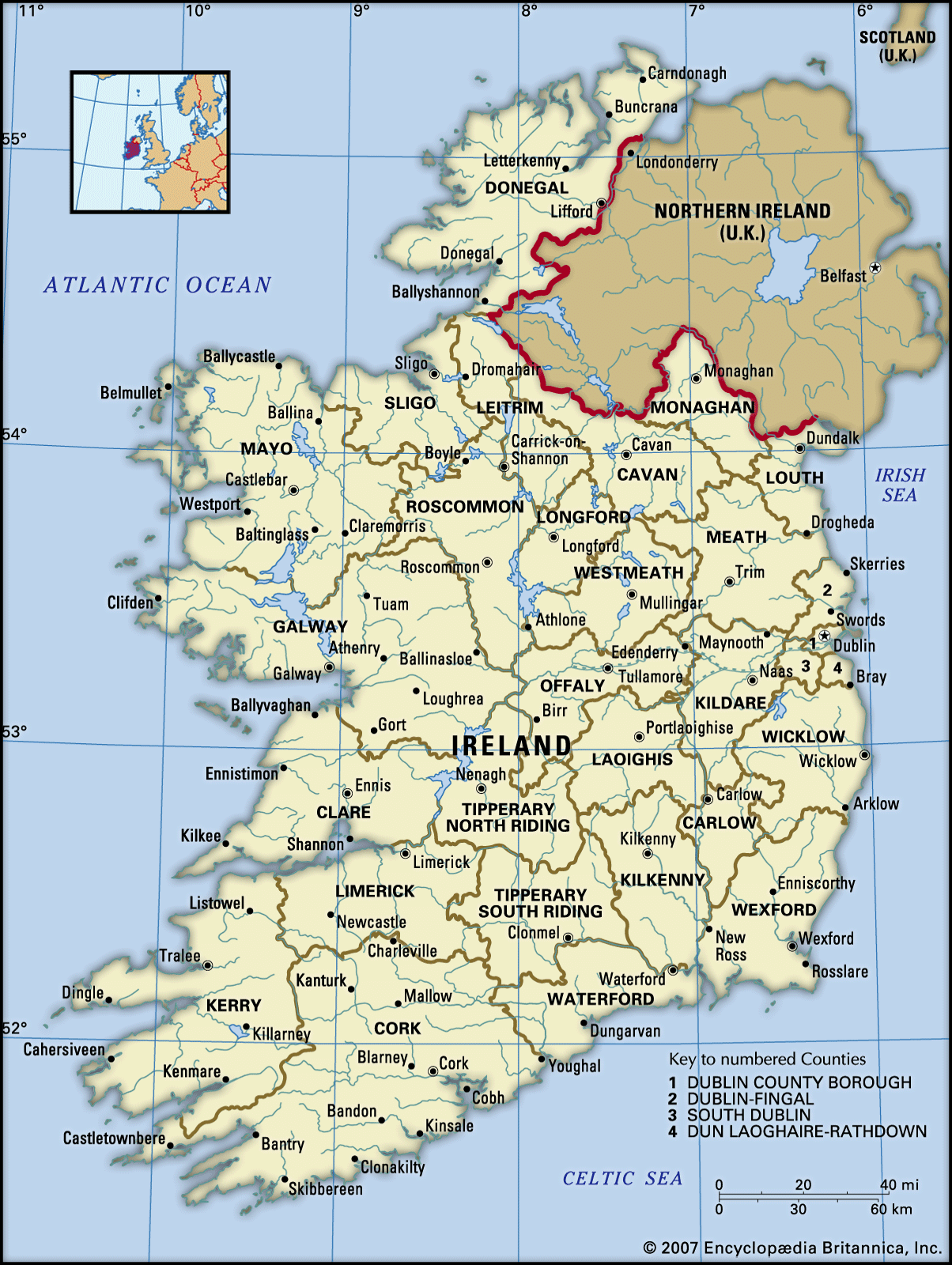
Just so you know, I’m about 3/4ths Irish so I’ve always had an interest in Ireland and Irish culture; I’ve always known it was my heritage. And I’ve been to Ireland once before, just forty years ago so I was curious to see how the country had changed.
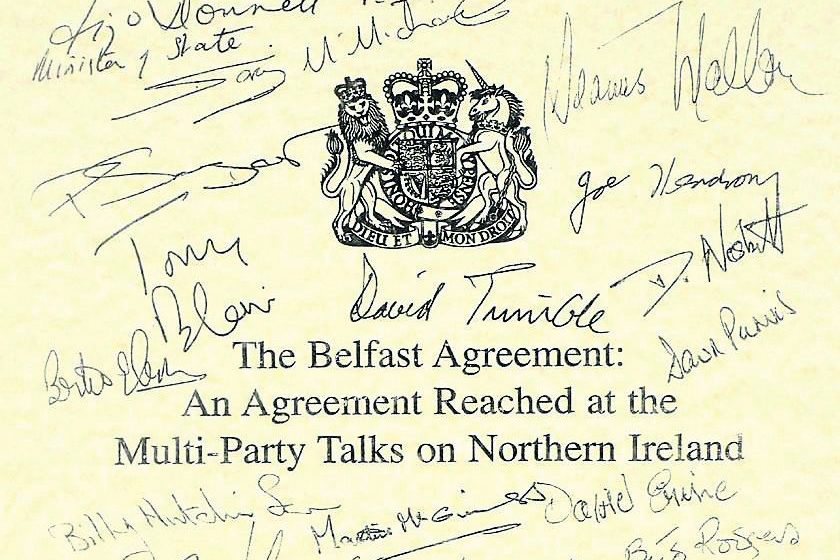
One thing that we decided even as we were planning the trip was that this time we were going to visit Northern Ireland, also known as Ulster and which is still a part of the United Kingdom (UK). Back in 1985 Ulster was the scene of ‘The Troubles’ as Protestant Unionists and Catholic Republicans waged a bloody terrorist war against each other. That violence has now subsided with the implementation of the “Good Friday Accords’ where power is being shared by both sides.
Another big political change is that the Irish Republic, the southern and western three quarters of the island, is now a part of the European Union (EU) along with 25 other nations like France, Italy and Germany. This union of nations uses a common currency, the Euro, and travel by any citizen of one nation in the union to another is exactly like going from Pennsylvania to New Jersey here in the states.
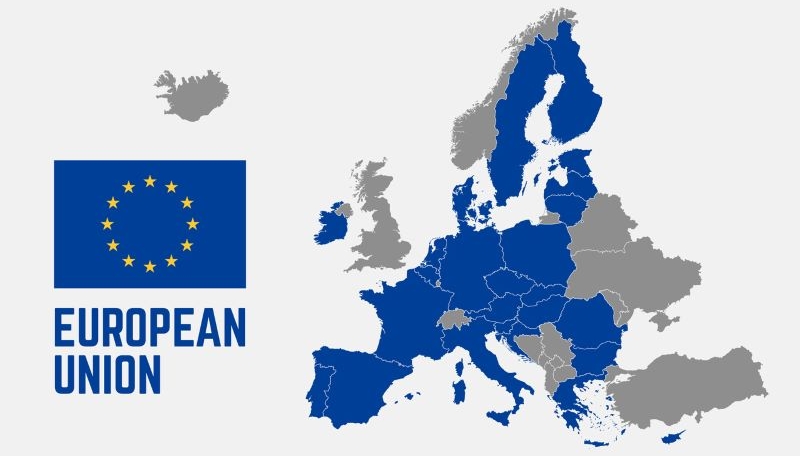
In fact it turned out that going from the Irish Republic to Northern Ireland, and hence the UK, was exactly the same despite the fact that the UK left the EU in Brexit. So far it appears that everyone realizes that putting a hard border across Ireland once more would be the quickest way to start the troubles all over again.
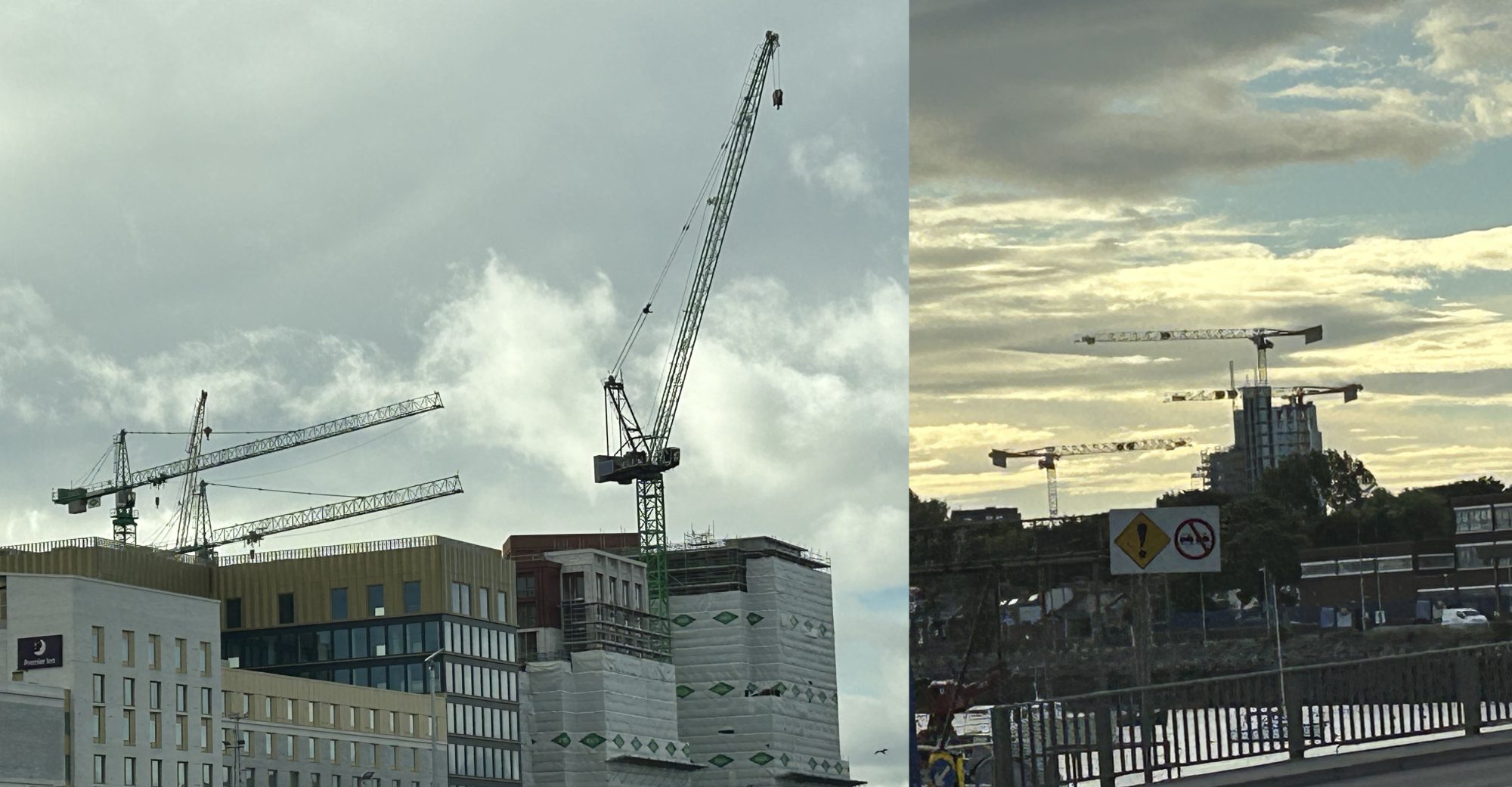
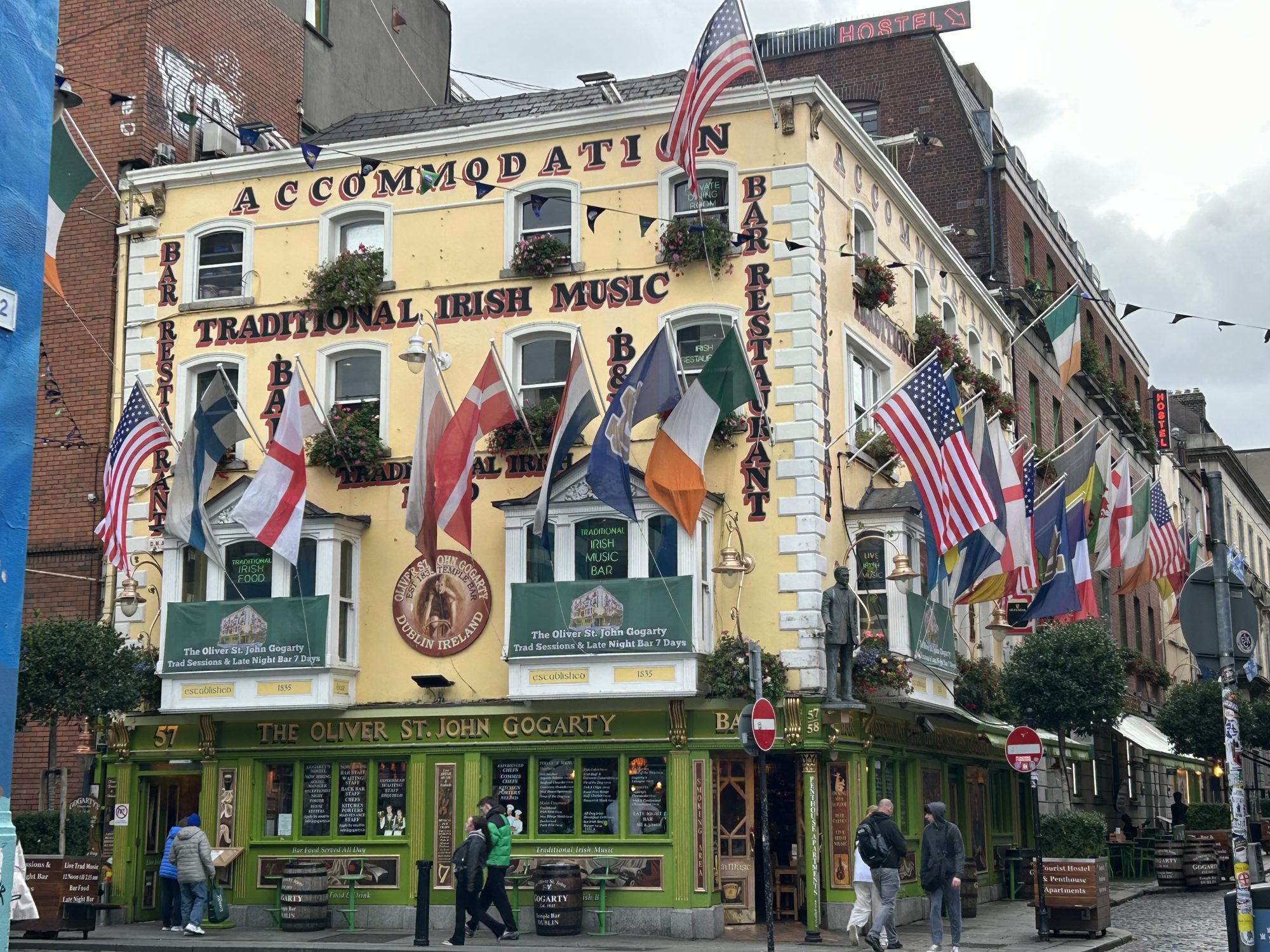
So much for politics, let’s talk about Ireland and her people. From what I could see there’s a lot more energy in Ireland today than when I was last here in the 1980s. The capital of Dublin in particular is growing rapidly with buildings going up all over the city. Still the Irish are also anxious to protect a great deal of their past, and that means from the Stone Age right up to the Rebellion that got them their independence just over a hundred years ago. The country does seem to have found a good balance between preservation and growth.
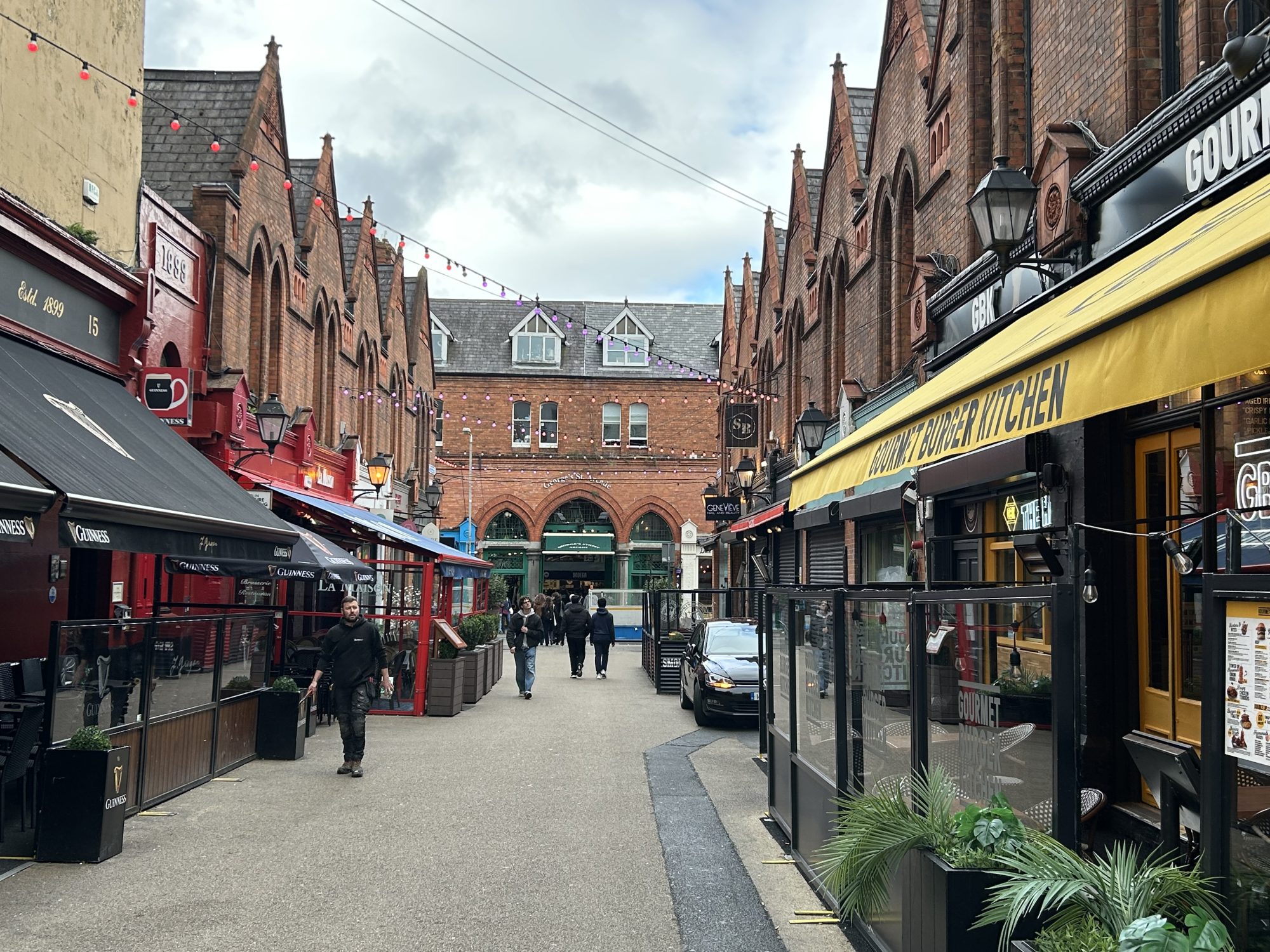
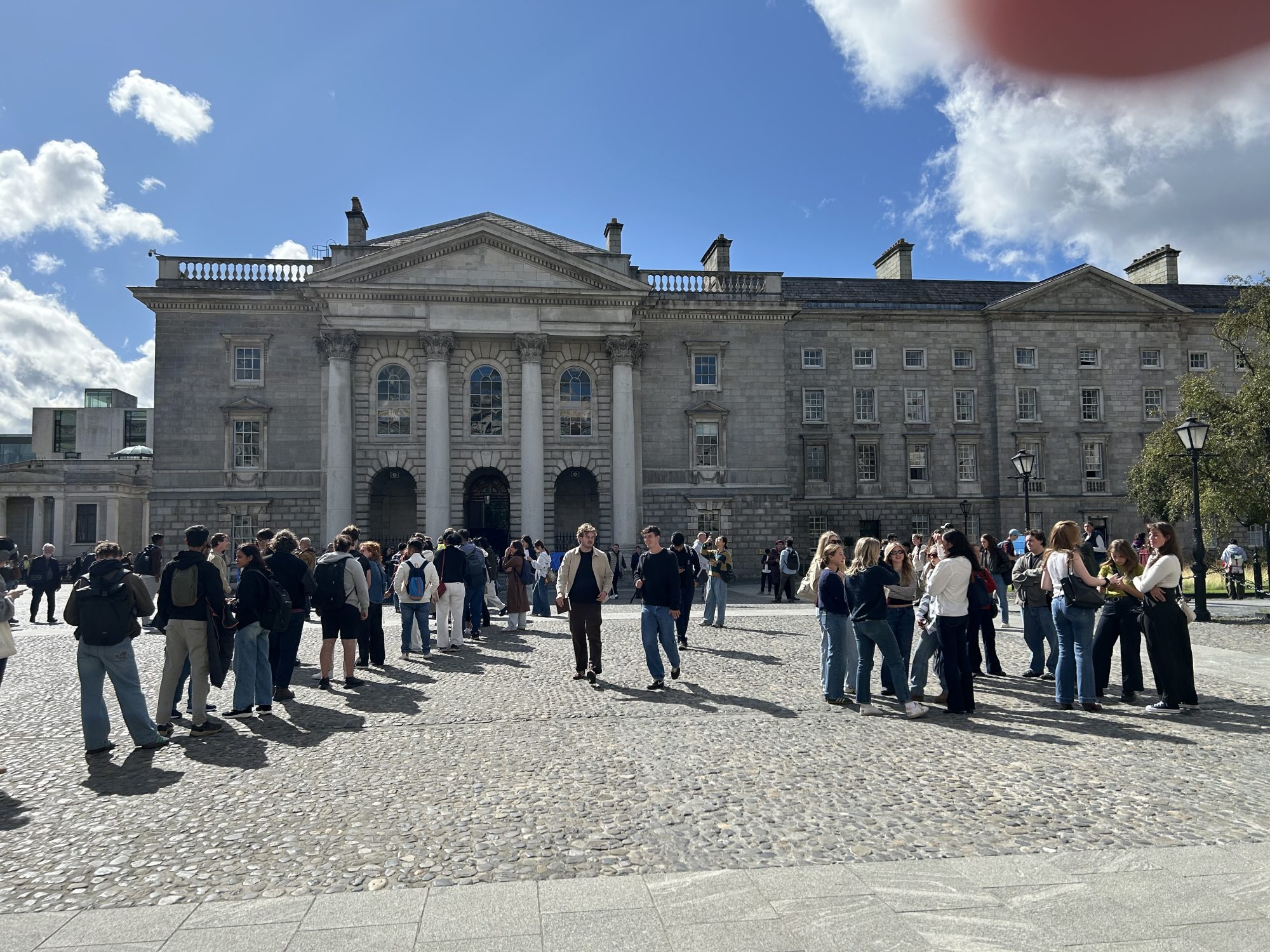
The young people of the Republic in particular seem energetic and looking forward to accomplishing great things, although I admit that view might be a bit biased because our hotel was right across from Trinity College and we saw many young people every day. Still, the hope and eagerness among people for what tomorrow brings seems to be a far cry from what I see happening in the US, where our young people see little hope of a life as good as the one their parents had.
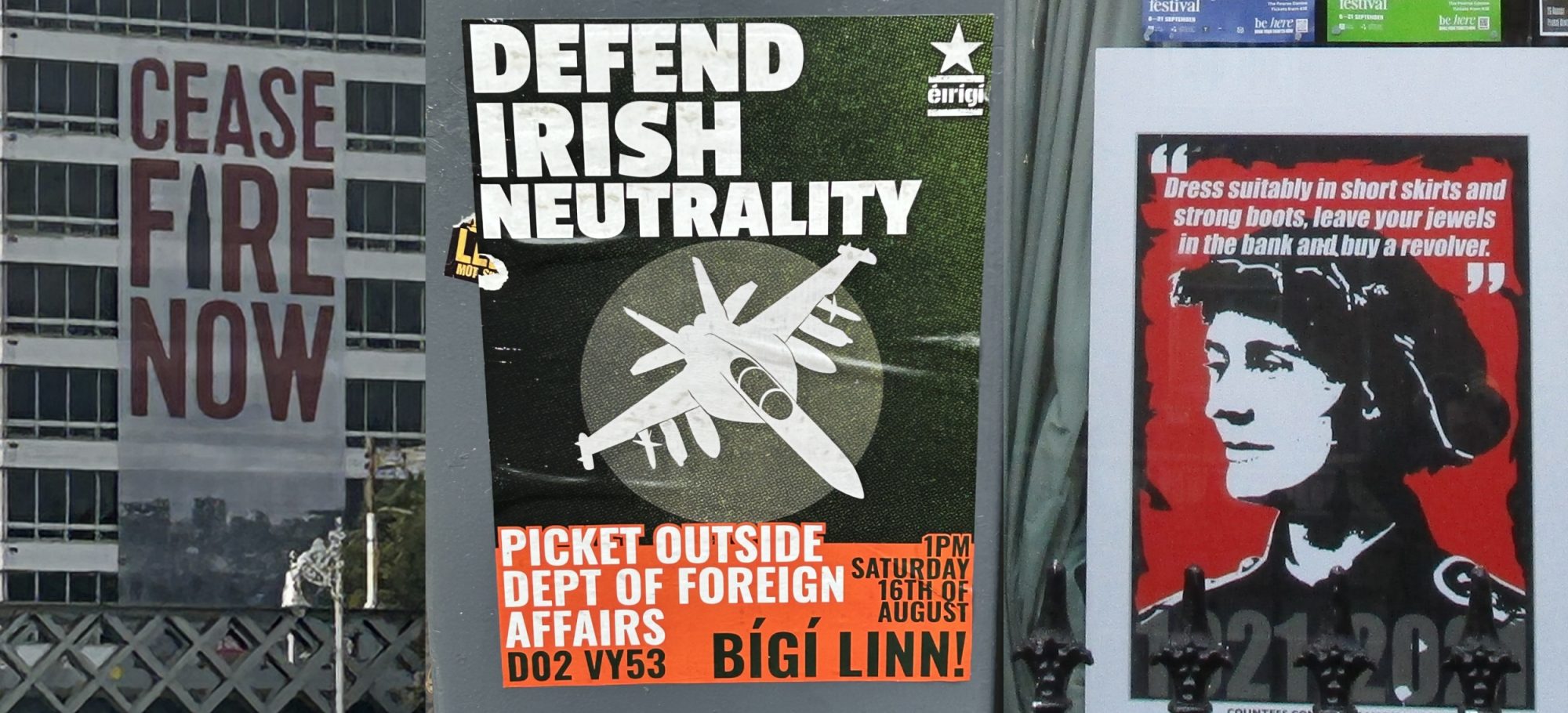
One aspect of the energy of the Irish people is the amount of political protest I saw in the streets everywhere. The wars in Ukraine and Gaza were the main topics being discussed but there was also the question of Irish neutrality, Ireland is actually not a member of NATO, along with many other issues. The willingness of the Irish government and media to allow discussion of these topics is again in stark contrast to what is currently happening in the US.
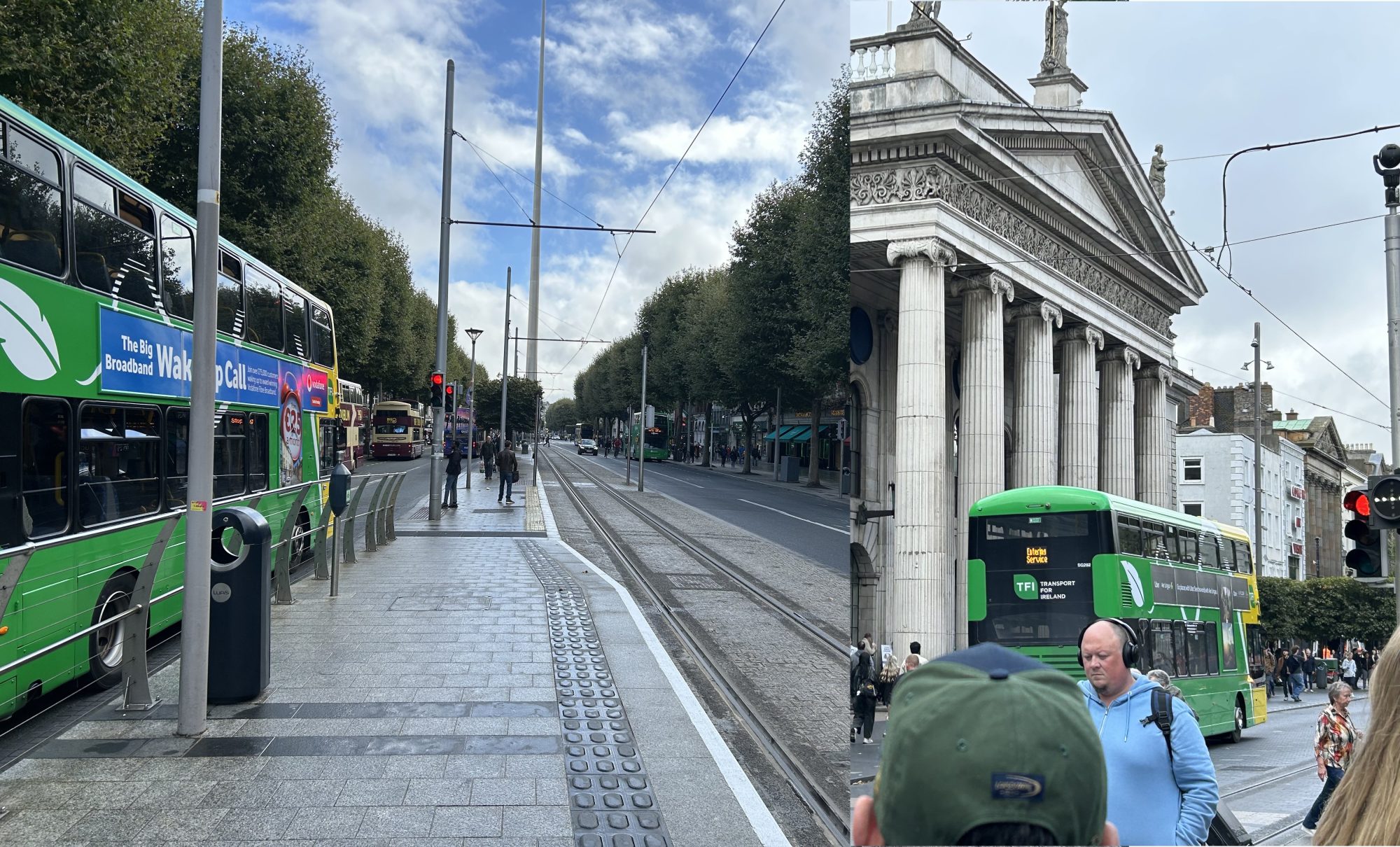
Another interesting topic in Ireland is actually the public transportation system in the capital, and indeed public services in general. Thanks to the bus and trolley lines it is possible to ride anywhere in Dublin and its suburbs in comfort and travel around the country is possible by a first rate rail service. All these methods of getting around the country are clean and modern as well as getting you to your destination quickly. Like the busses and trolleys everything in Dublin is clean and well taken care of, a tribute not only to the efficient government but to the people of Ireland who put their trash in the right receptacles and are willing to put a little effort into making their country a pleasant place to live.
Before I go on let me just take a moment to discuss the Irish weather. In the fall the weather in Ireland is constantly changing, seeming to alternate between rain and sunshine what seems like several times a day. The temperature remains pretty constant around 15ºC as a high down to 10ºC for an overnight low but you can have a clear sky one moment and an hour or two later be getting a light rain, what the Irish call a ‘soft day’. We did in fact get rained on every day we were there and still got to see the Sun every day as well so “Welcome to Ireland” as the people there told us.
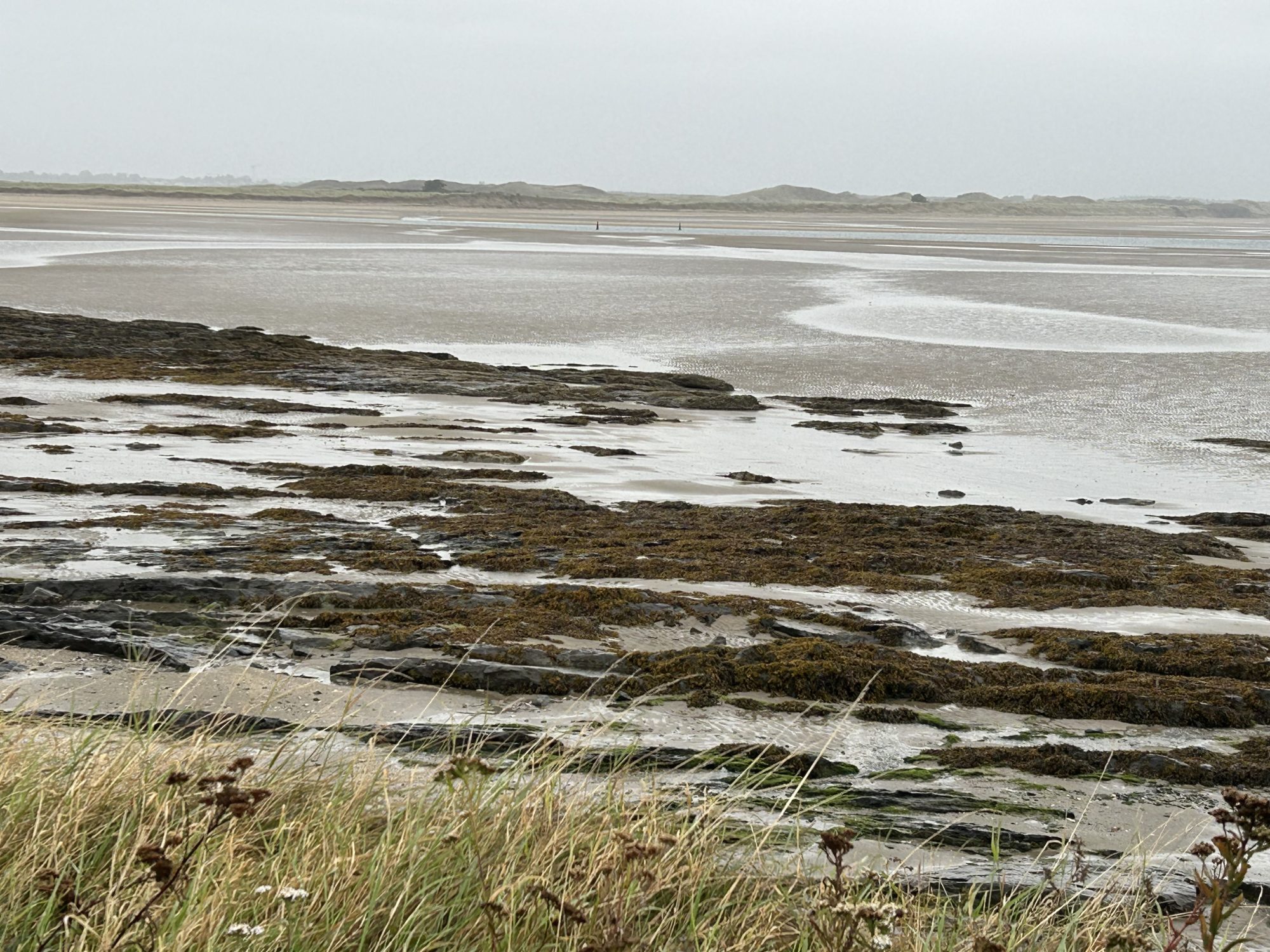
O’k, so what did I actually see while I was in Ireland. Well for the most part the trip was about the history of Ireland, both natural and human history. Geologically we visited the Giant’s Causeway, which is pretty much at the northeast tip of the island. I also got to do a little fossil hunting along the beach at a town called Malahide just north of Dublin.
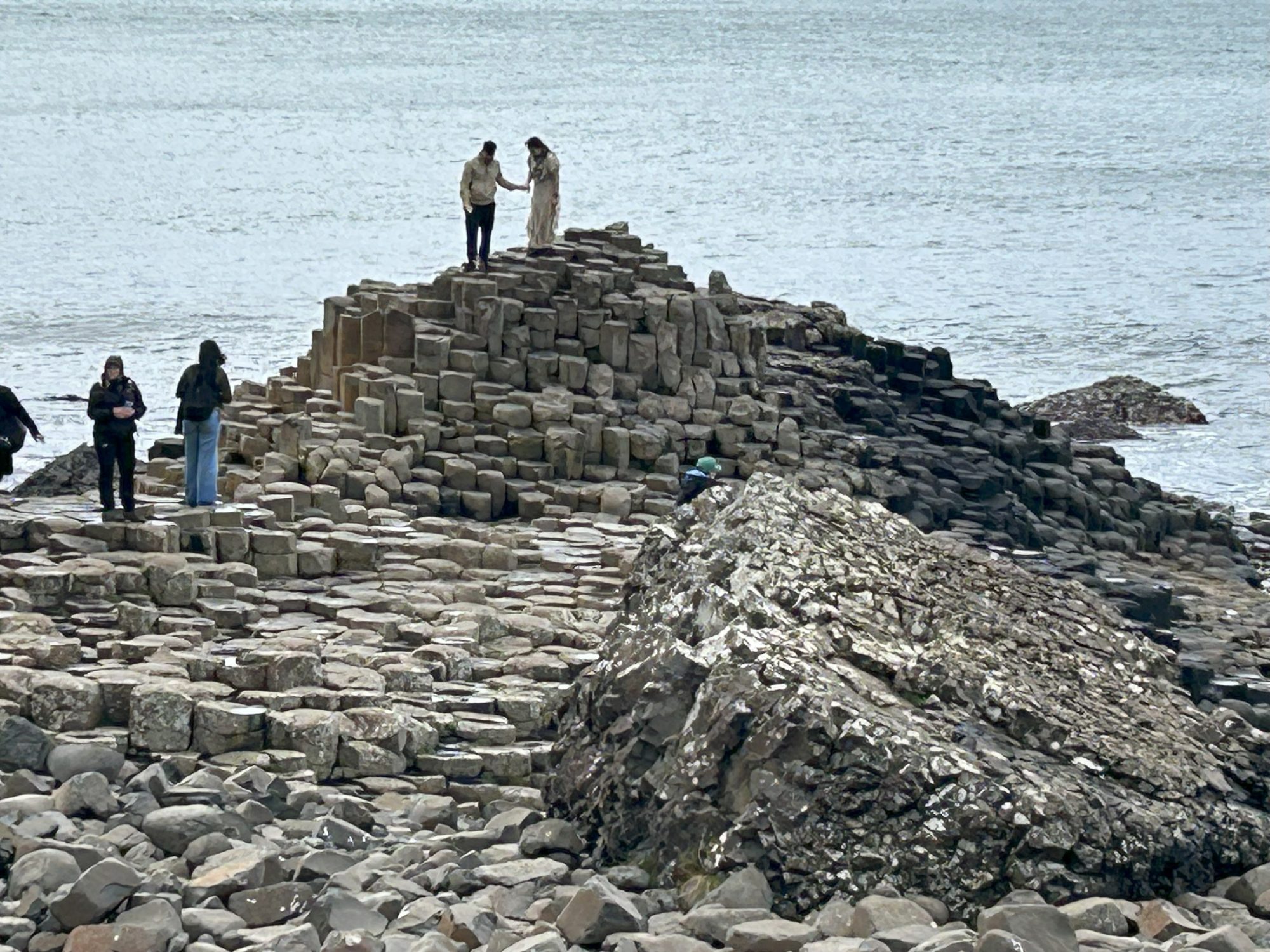
Most of the trip however dealt with human history of which Ireland has more than it’s share. Ancient history came in the form of a trip to the Neolithic site of Newgrange along with other Stone Age sites along the Boyne River. More modern history consisted of a morning spent at the Titanic museum in Belfast where the story of the most famous shipwreck in history was recounted at the very place where the Titanic was built.
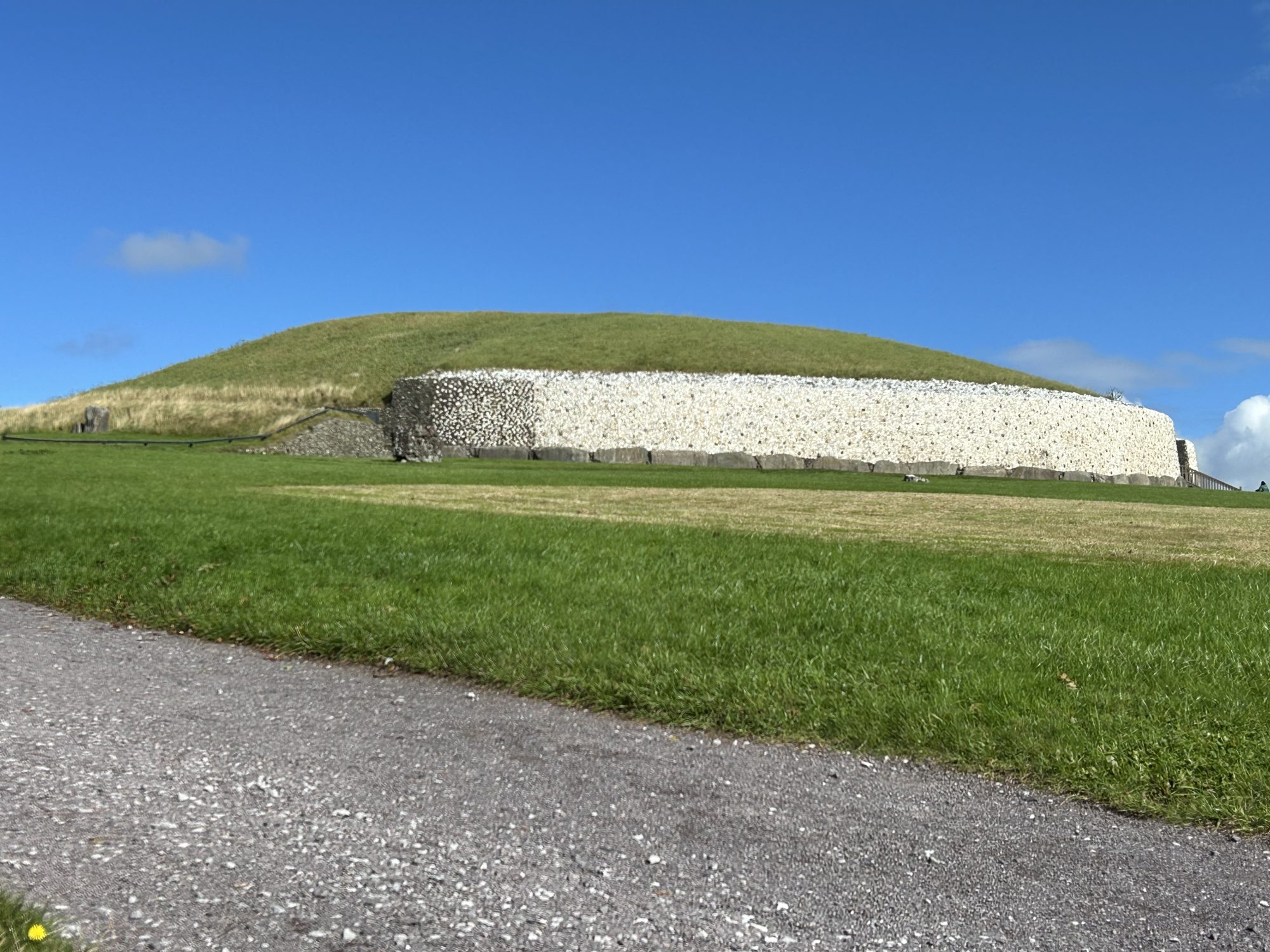
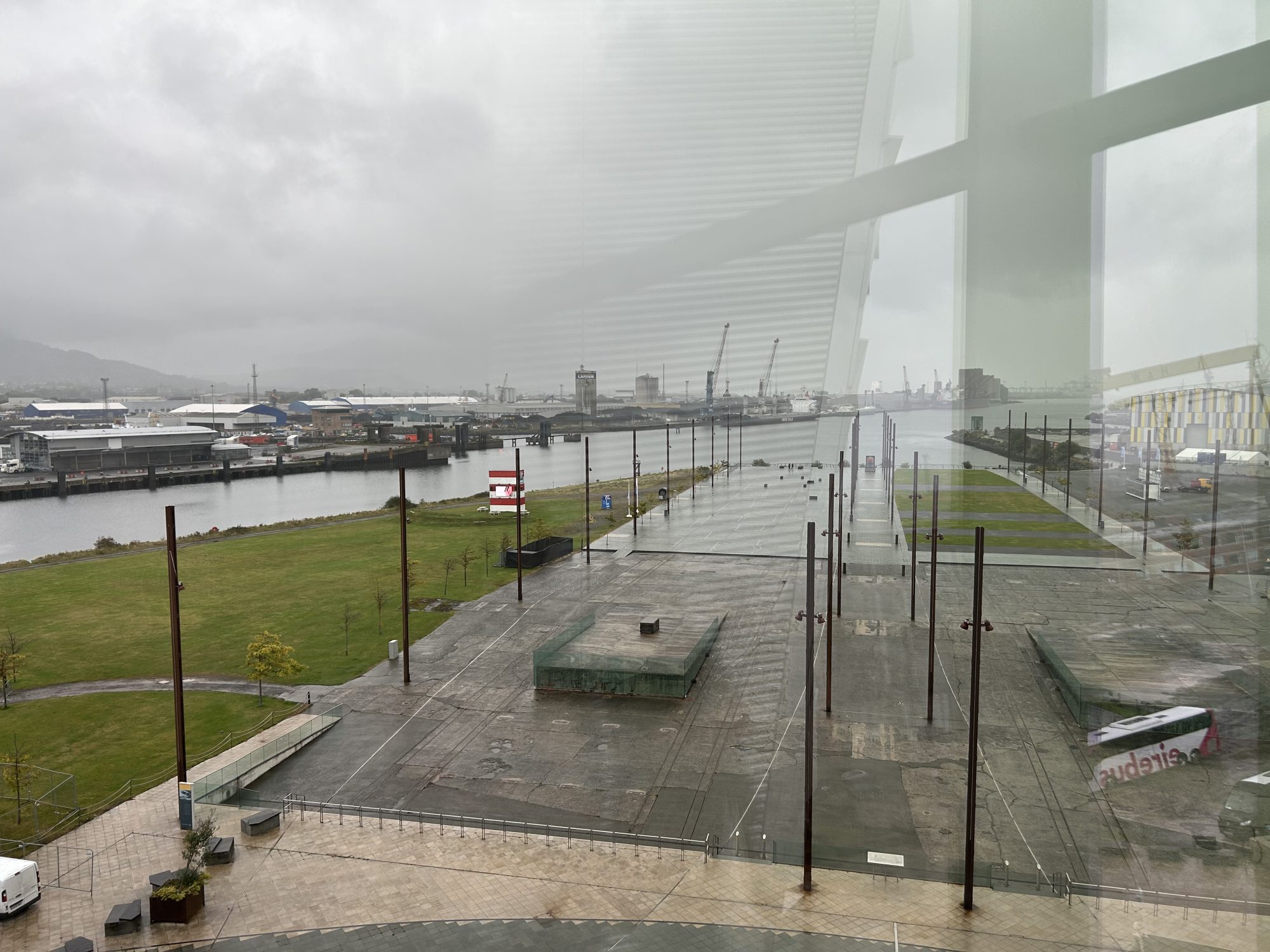
liner was constructed in Belfast. (Credit: R. A. Lawler)
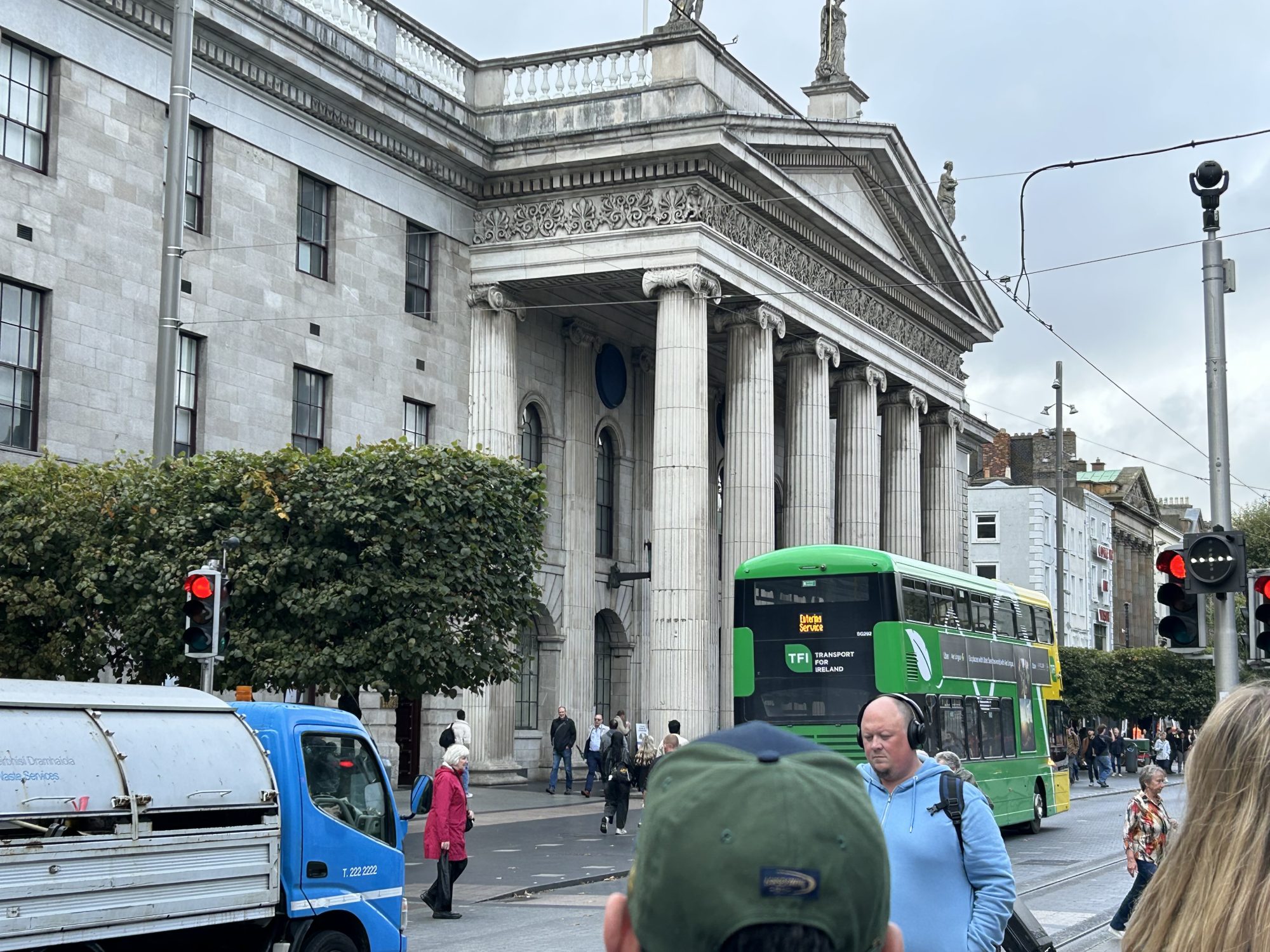
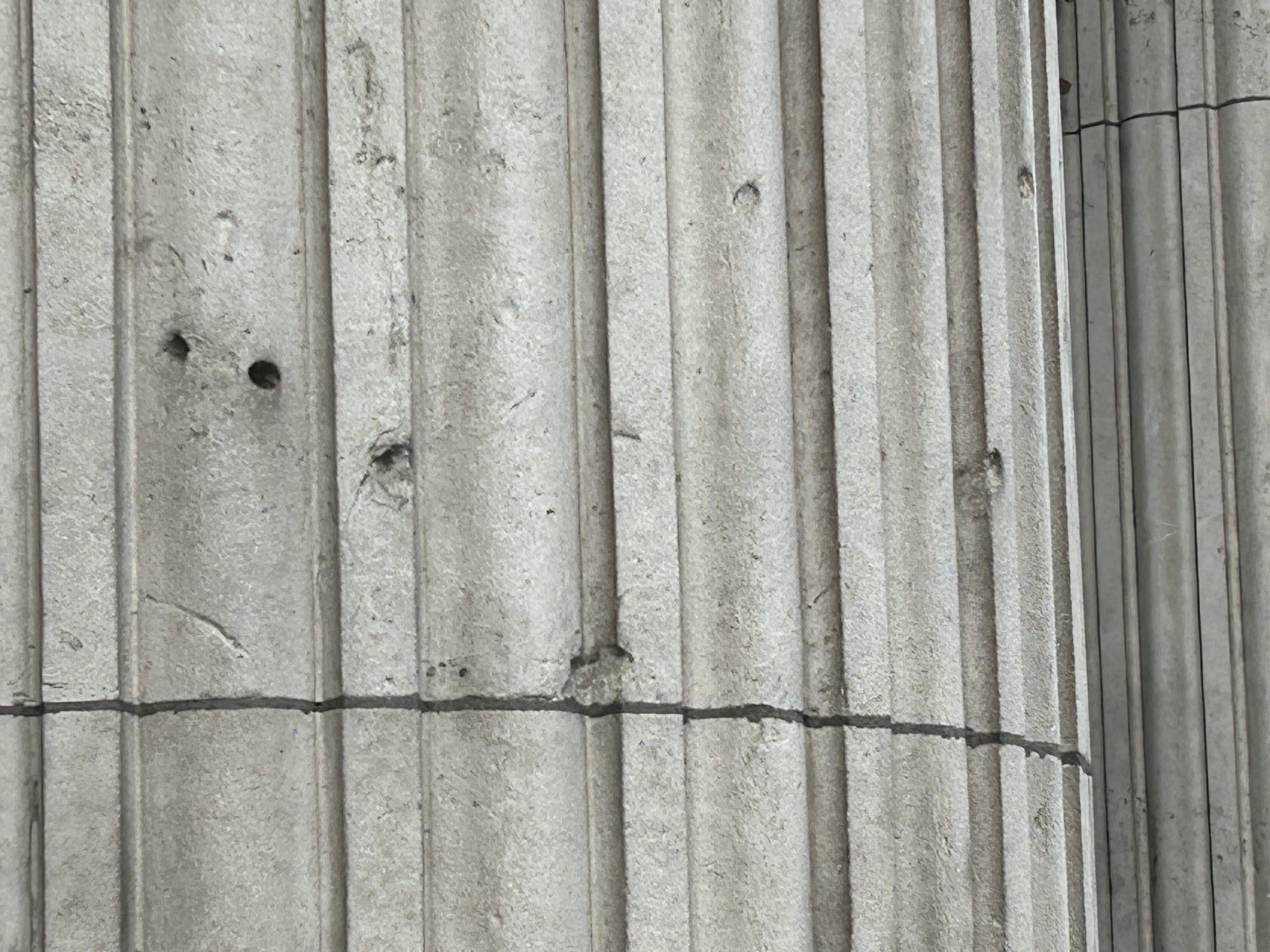
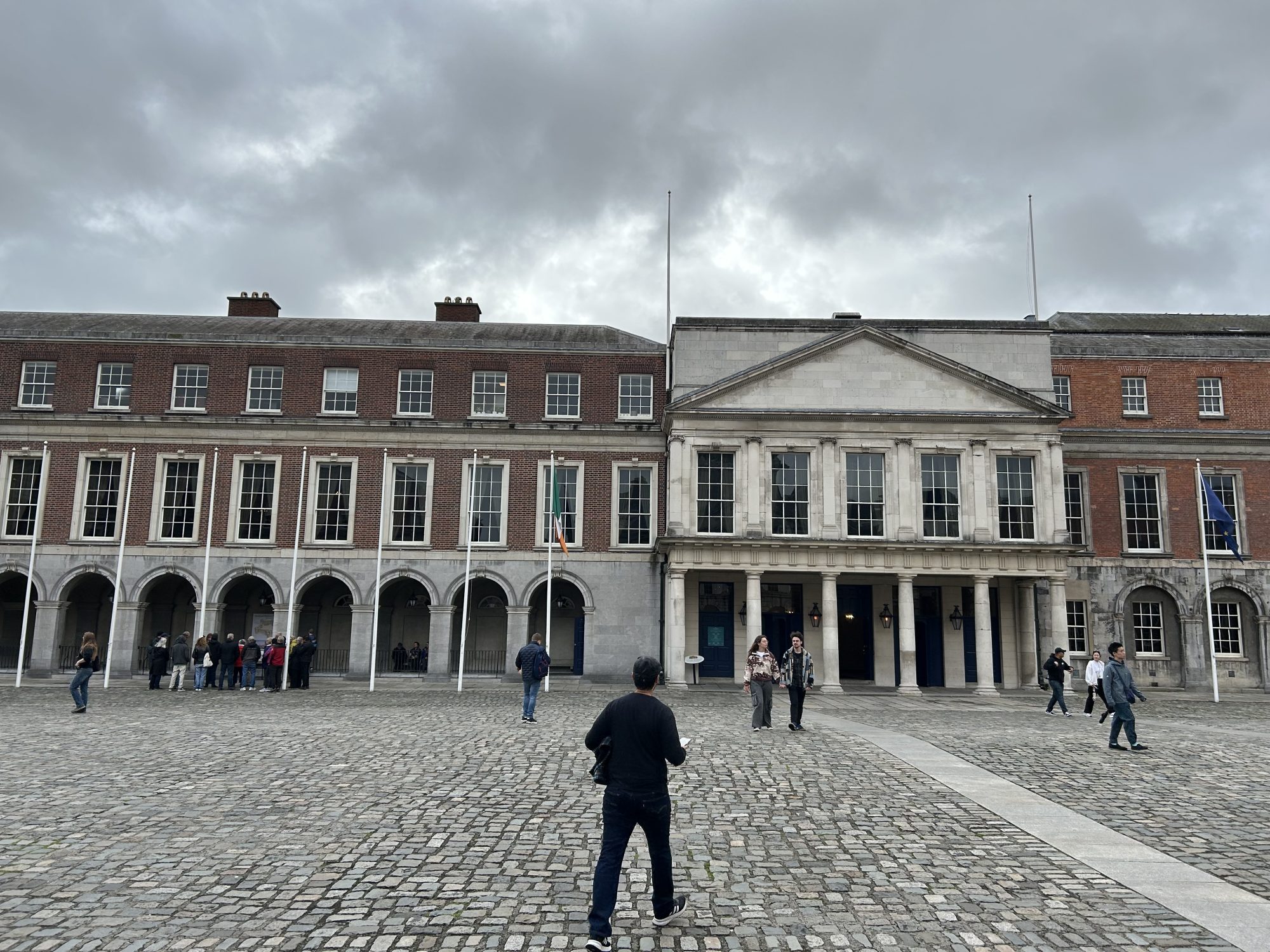
Most of the historical sites we visited however were connected with the Easter Uprising in 1916 and the rebellion that followed leading to Irish independence in 1922. We took a walking tour of many of the places in Dublin that played an important part in the Easter Uprising and visited the cemetery where many of the Irish patriots, including Michael Collins and Eamon De Valera, are buried. As a fitting final site we visited Dublin Castle, the seat of English power in Ireland for over 600 years and the place where the formal hand over of power to the Irish Free State took place in 1922.
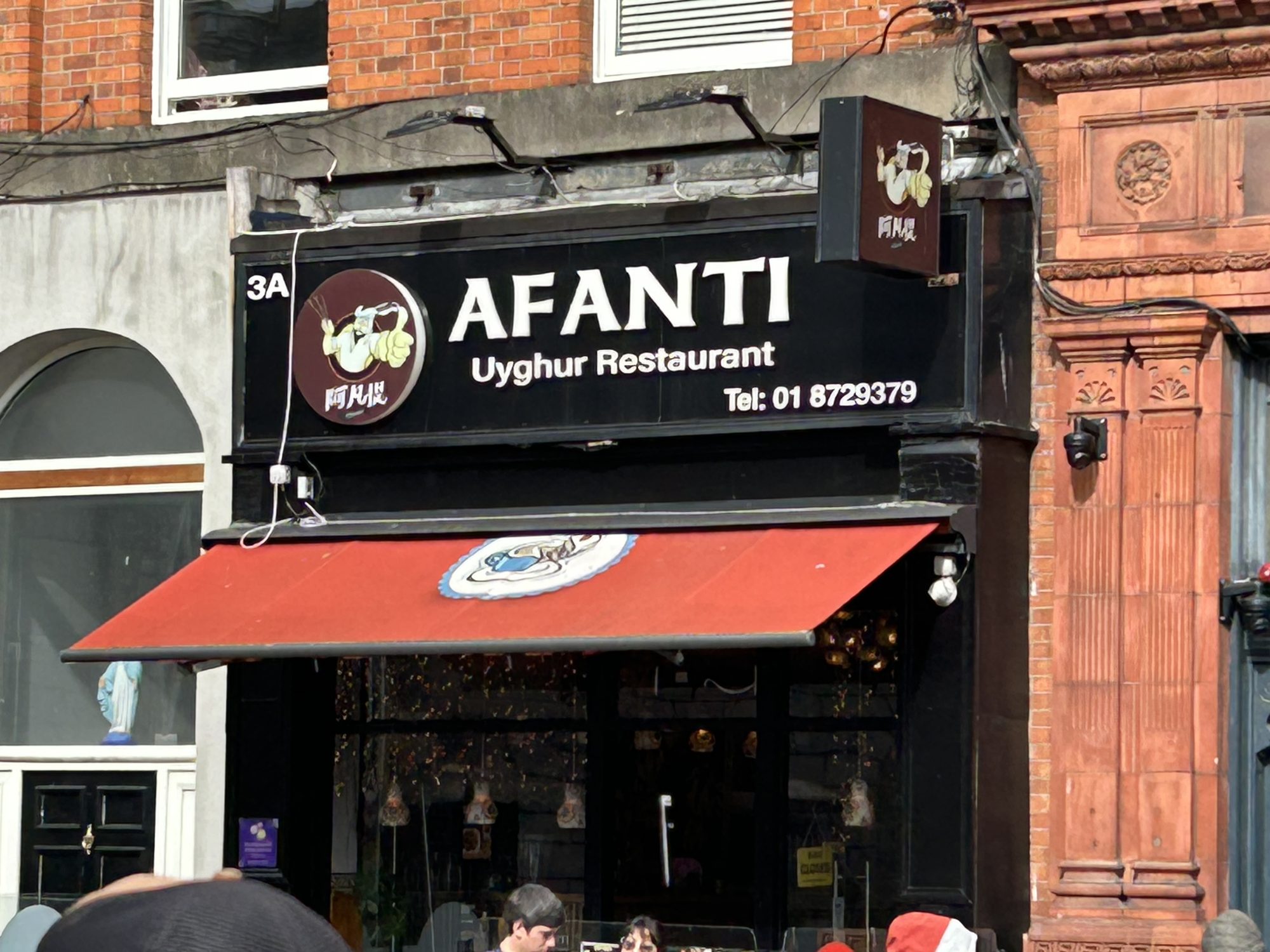
But really the best part of visiting Ireland was the people, how friendly they were, how much they appeared to enjoy their lives, basically just how happy they all seemed to be. Speaking of the people of Ireland it should be noted that many of the people we met and interacted with during our stay were not ethnically ‘Irish’, certainly more than I saw 40 years ago. Over the last 20 years or so a good many immigrants have come to the Irish Republic seeking a better life for themselves, and there’s no doubt that the republic has benefited from their energy. Now there have been a few small demonstrations by anti-immigrant protestors but so far as we saw the ‘Old Irish’ and the ‘New Irish’ are working together to make a better Ireland.
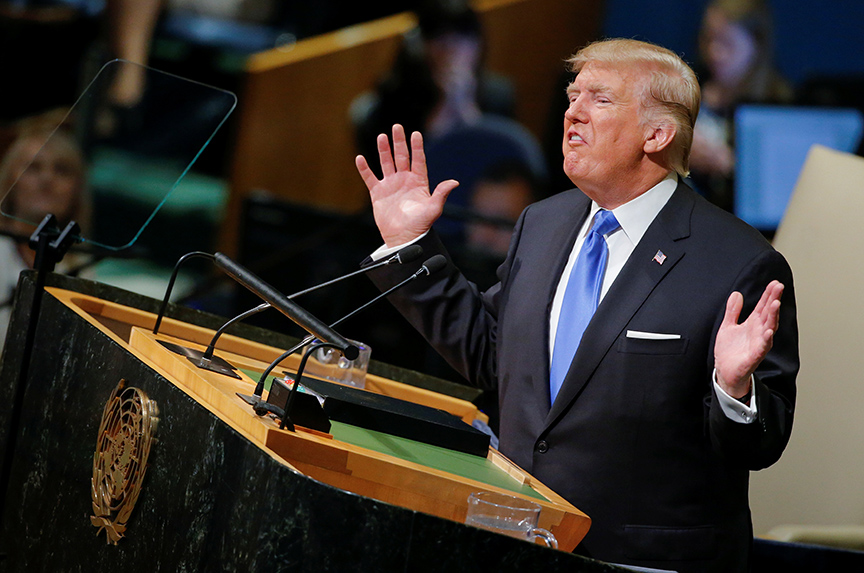
Trump, in his speech this week before the UN General Assembly told the world that if other countries didn’t follow his policies, especially about immigration, they were “all going to hell”. Living in the US and having just visited a part of the EU all I can say is that the EU may not have as many billionaires as the US does, but your people are a lot happier and looking forward to the future.
I only wish I could say the same about my country.