The Nobel prizes for 2025 in the categories of Physiology or Medicine, Physics and Chemistry have been announced and this year there’s a common theme running through the science prizes.
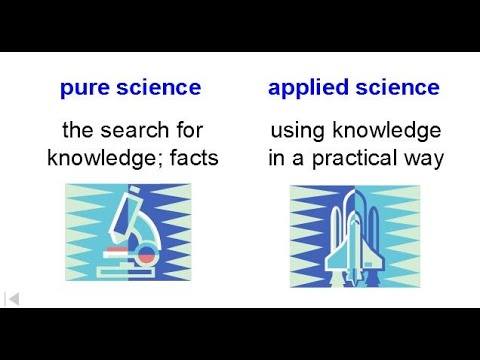
We’re all familiar with the difference between practical research, that is research that immediately yields benefits to people or that, more importantly, immediately makes money and more fundamental research, the kind of studies that are made simply for the joy of knowing and which are unlikely to ever make any money. Good examples of the practical science would be studying insecticides to help eliminate pests like locusts while pure research would be studying how locusts manage to come together in such huge numbers that they form a destructive swarm. You may have noticed in my example that the pure research may in fact discover facts about locusts that could be applied to reduce the harm they do without resorting to poisons that harm other creatures as well as locusts.
A lot of people take a dim view of fundamental research. After all science is about making all of our lives better isn’t it. Science just for the pure joy of knowing only benefits a few nerds while the rest of us never understand it anyway. Pure science isn’t worth the money it costs they feel. Of course the irony is that without the pure research there wouldn’t be any new ideas, any new discoveries for the ‘practical men of science’ to work with. Well, this year’s Nobel prizes in the sciences celebrate several examples of pure research that in the decades since they were carried out have yielded a great deal of practical benefits.
The first up this year was the Nobel prize for Physiology or Medicine which was awarded on the 6th of October to Mary E. Brunlow of the Institute for Systems Biology in Seattle, Washington, Fred Ramsdell of Sonoma Biotherapeutics in San Francisco, California and Shimon Sakaguchi of Osaka University in Osaka, Japan for their research on how the Immune System works. Specifically the trio examined the phenomenon of ‘peripheral immune tolerance’, that is how the disease fighting T-cells in the immune system of our bodies know to attack foreign cells like bacteria but not to attack our own cells.
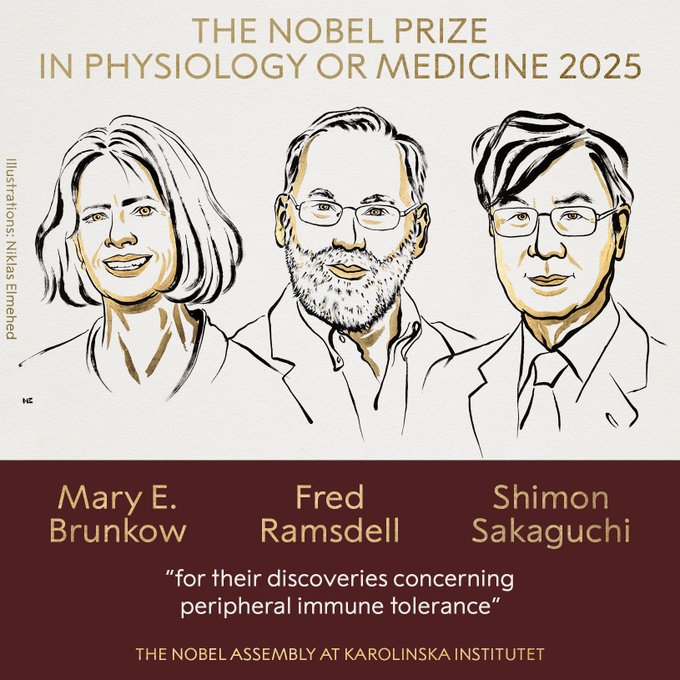
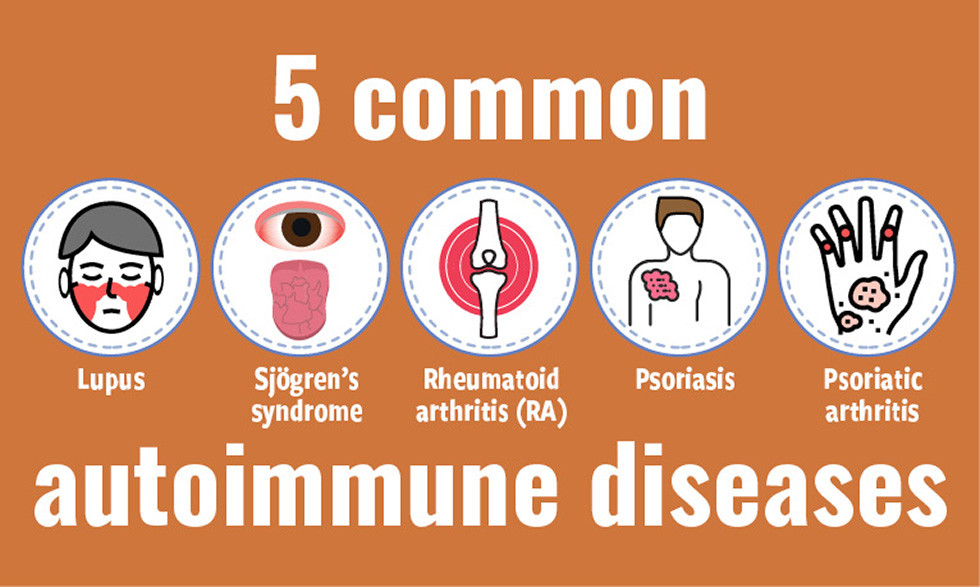
It was Dr. Sakaguchi who began the research in 1995. Working with labouratory mice Sakaguchi discovered a previously unknown type of T-cell that regulated the behavior of the more common, disease fighting T-cells that he named ‘regulatory T-cells’. Then in 2001 Doctors Brunkow and Ramsdell discovered a series of gene mutations that could result in dysfunction of the body’s T-cells resulting in autoimmune diseases like eczema or arthritis. Later Sakaguchi was able to demonstrate that the two studies were linked through his regulatory T-cells.
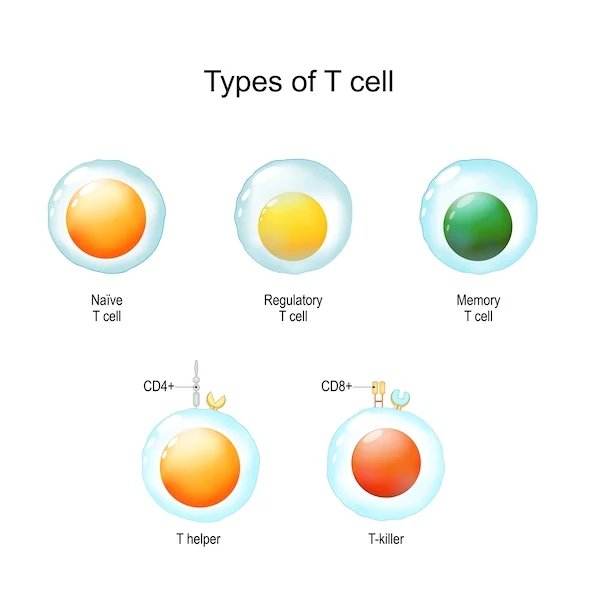
Since that time the research carried out by Sakaguchi, Brunkow and Ramsdell has led to new treatments for autoimmune diseases along with techniques to prevent the rejection of transplanted organs. There are currently over 200 clinical trials underway that are based on the science gained by the trio’s ‘fundamental study’.
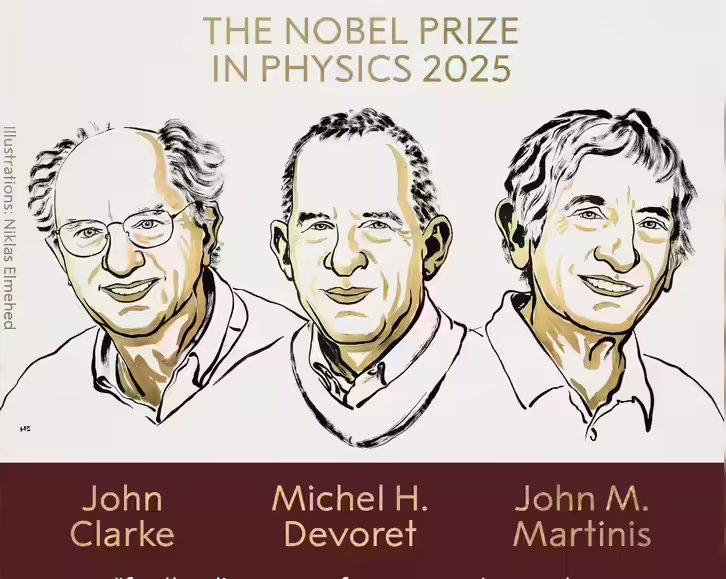
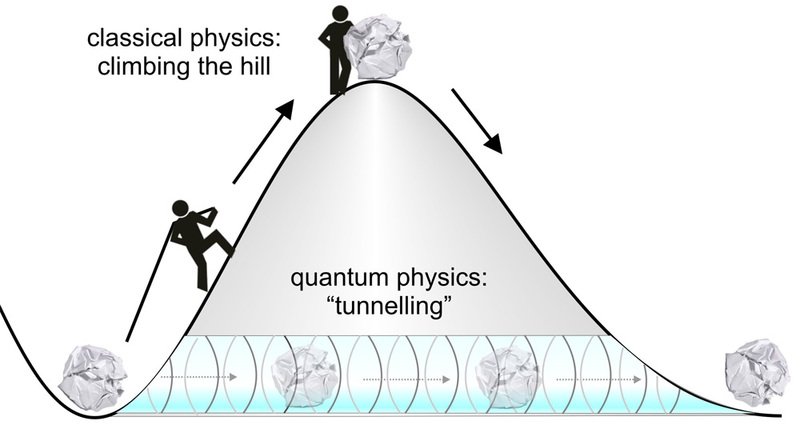
On the 7th of October it was Physics turn and this year’s Nobel was awarded to John Clarke of the University of California in Berkeley, Michel H. Devoret of Yale University and John M. Martinis the University of California at Santa Barbara for their work on quantum mechanics and in particular for research that laid the foundation for quantum computers. In research carried out in the 1980s the three scientists examined the way that energy was quantized in an electric circuit. In their work they discovered the ability of electrons to ‘tunnel’ their way through energy barriers that classically they would not be able to cross.
This phenomenon is now a key to many of the microchips that today’s technology relies upon. Everything from digital cameras to mobile phones are dependent on quantum tunneling. What’s more the development of new, more powerful quantum computers is a direct result of the work by doctors Clarke, Devoret and Martinis. Once again fundamental research, studying how energy is quantized in an electric circuit, has resulted in technology worth literally billions of dollars.
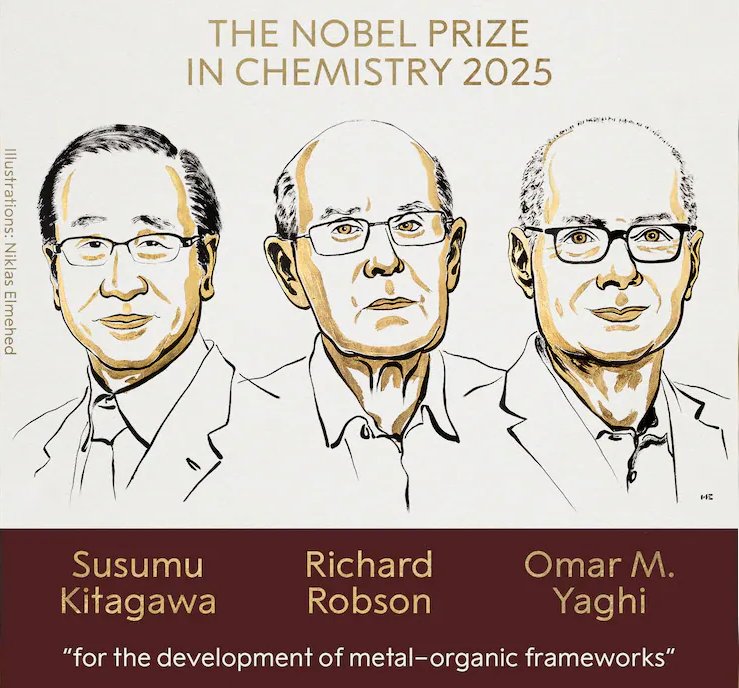
On the 8th of October the final Nobel science prize was awarded for Chemistry to Susumu Kitagawa of Kyoto University in Japan, Richard Robson of the University of Melbourne and Omar Yaghi at the University of California in Berkeley for their work on Metal-Organic Frameworks (MOFs). These are materials that are capable of soaking up large amounts of either gasses or liquids like a sponge and then releasing them so that they can be captured.
You see most chemical reactions take place at surfaces. Think about it, when you put a wooden log on a fire the combustion takes place at the intersection of the wood and the oxygen in the atmosphere, at the log’s surface in other words. MOFs are materials that contain myriad pores and channels throughout them giving them an enormous amount of surface area where chemical reactions can take place.
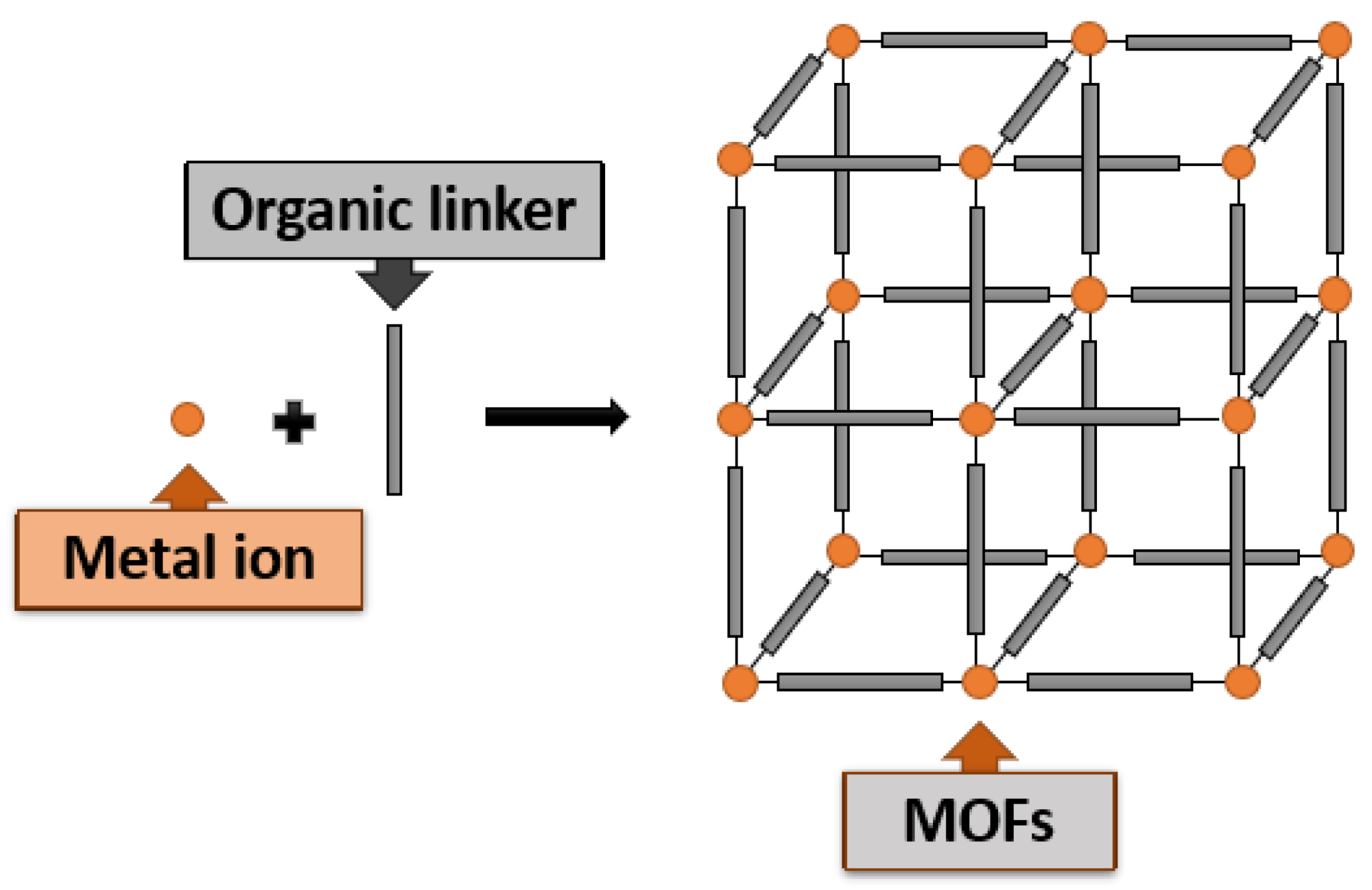
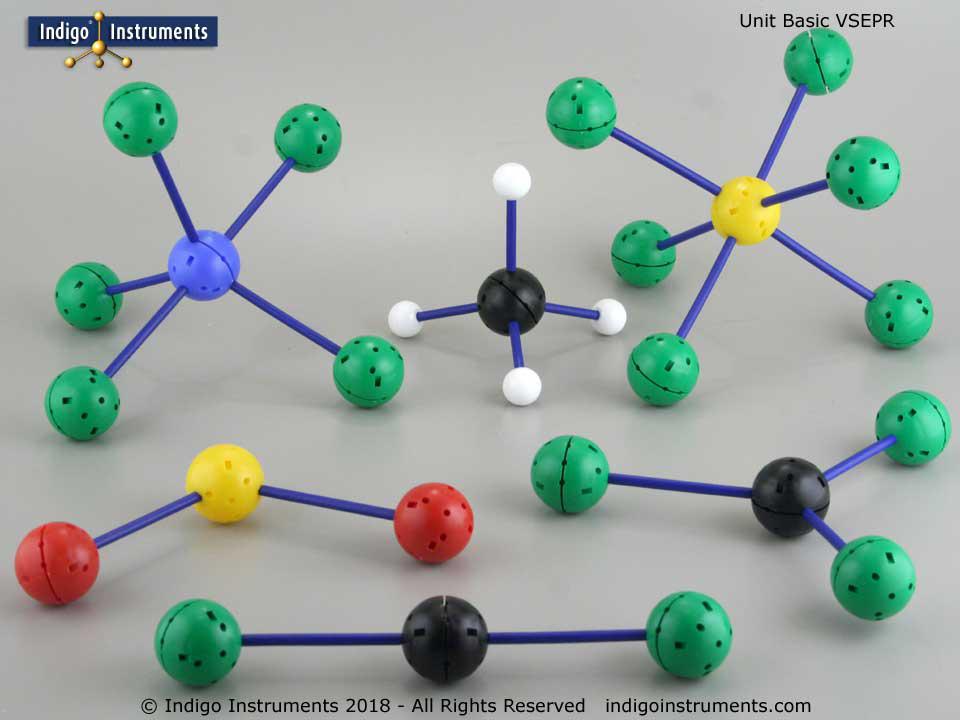
The discovery of MOFs began way back in the 1970s when Dr. Robson was using wooden balls as models of atoms for his class. In order to construct molecules out of his wooden atoms he drilled holes in them so that he could then use rods to connect them together. As he was drilling the holes he realized that a lot of chemical information was contained in where and how many holes he drilled. In a series of experiments Robson was able to produce copper compounds that contained large cavities creating a large amount of surface area per unit volume.
Doctor Kitagawa extended Robson’s ideas eventually developing materials that could absorb and then release large amounts of methane or nitrogen or even oxygen. One problem with these first MOFs was that they were rather delicate; heating in particular caused their inner surfaces to collapse.
It was Doctor Yaghi who solved this problem with MOF-5, which can be heated to 300º Celsius without degradation. Yaghi has since experimented with his MOF to capture water vapour in the desert of Arizona during the night and then releasing it during the day.
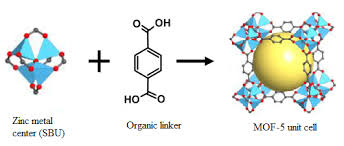
Again it can be seen how fundamental research back in the 1970s has developed into practical engineering with several companies working on producing MOFs in large quantities to absorb CO2 from the atmosphere, reducing the amounts of greenhouse gasses. All of the scientific studies that were awarded the Nobel prize this year share that idea in common, fundamental research that leads in time to practical innovation.