Pretty young actresses are a dime a dozen in Hollywood, have been for more than a century now. Anyone who dreams of making a career in acting goes to tinsel town in the hopes of being discovered and becoming a big movie star. In many ways Tilly Norwood is just another face in the crowd, she’s had a few screen tests and she’s started a video blog (vblog) where she talks about her life and the career she hopes to have. Just like a lot of other young actresses.

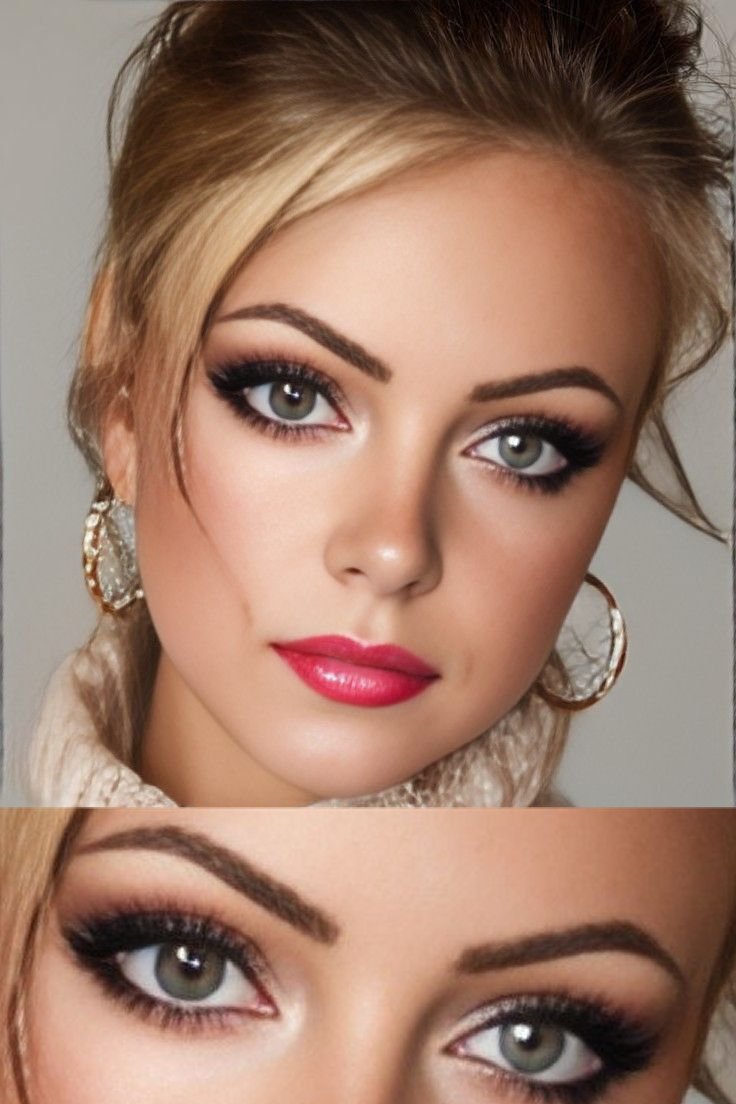
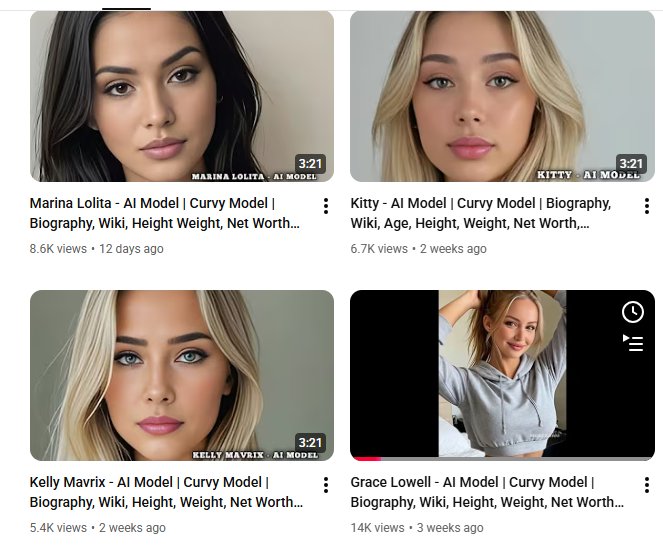
Tilly Norwood is not like other actresses however because she actually doesn’t exist except as several billion bytes of data stored on computer hard drives. You see Tilly Norwood is a creation of Artificial Intelligence (AI), a computer program that has been trained to reproduce how real actresses look and behave. Tilly is the invention of a Dutch actress with a Master’s Degree in Physics (There’s a combination for ya!) named Eline Van der Velden whose company Particle6 developed and currently holds all the rights to Tilly.
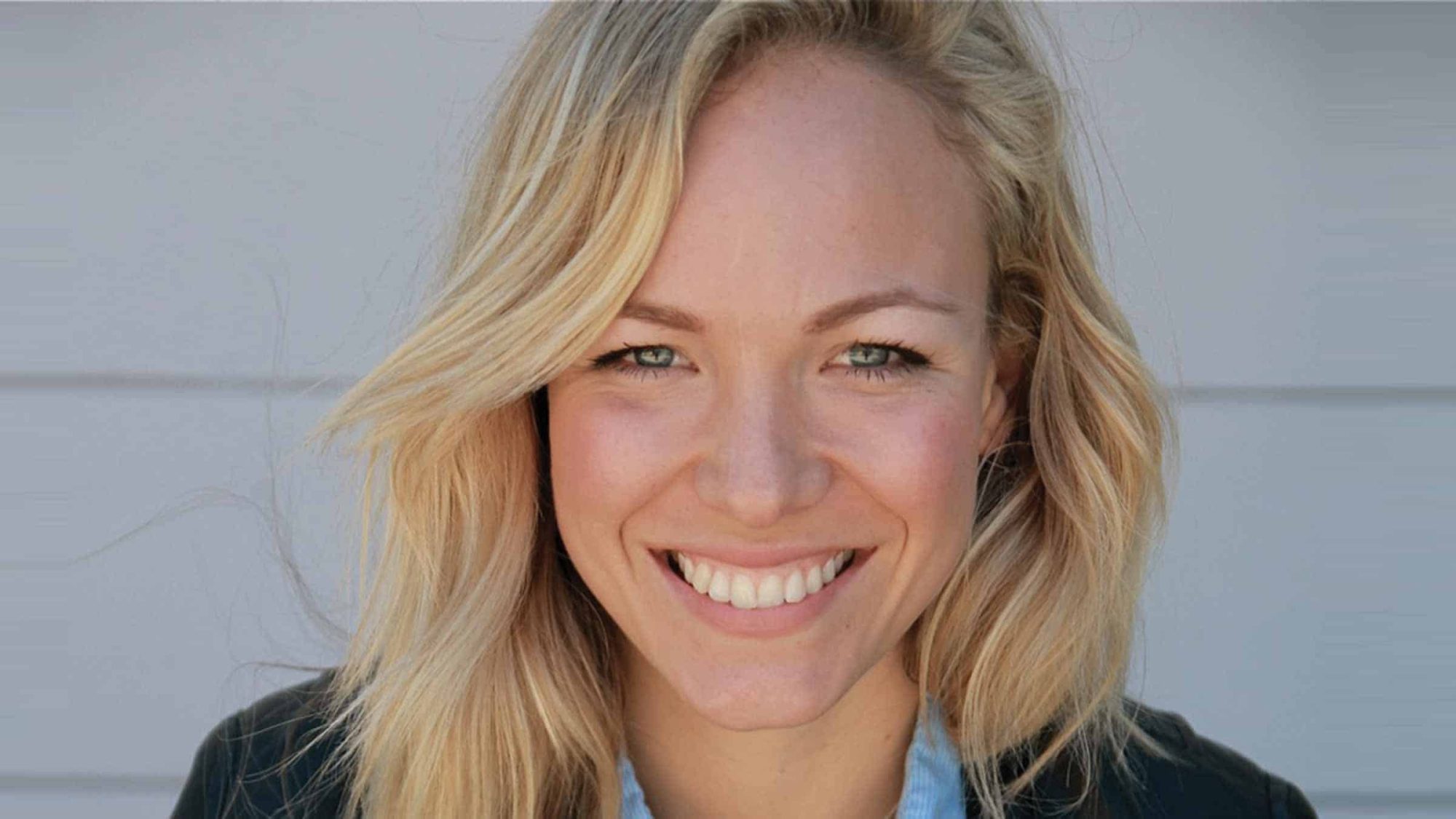
So far Tilly has only appeared as an actress in brief sketches, both comedy and drama, and only by herself. Nevertheless her creator (her Dr. Frankenstein?) hopes that Tilly will become the next Scarlett Johansson and her company hopes to develop other ‘hyperreal digital stars’ for TV, movies as well as social media. At the same time Van der Velden insists that Tilly ‘is not a replacement for a human being but a creative work – a piece of art”, something of a contradiction on her part.
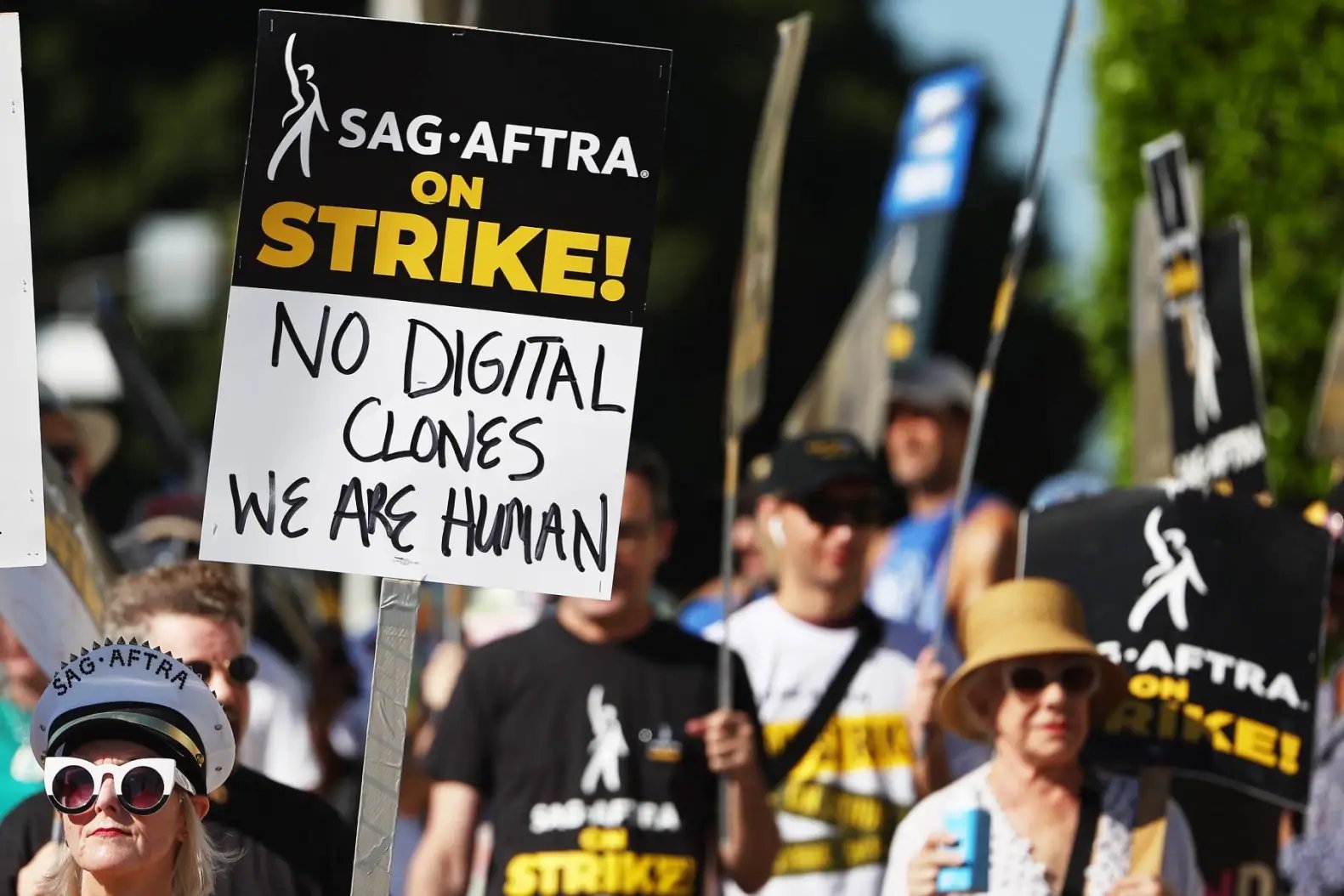
Very few real actors would agree with Van der Velden. In fact dozens of actors and actresses have criticized the whole project. The fact that Particle6 has recently announced that they are activity seeking an agent for Tilly has only made matters worse with the Screen Actors Guild (SAG-AFTRA) calling for a boycott of any agent who takes on an AI creation as a client.
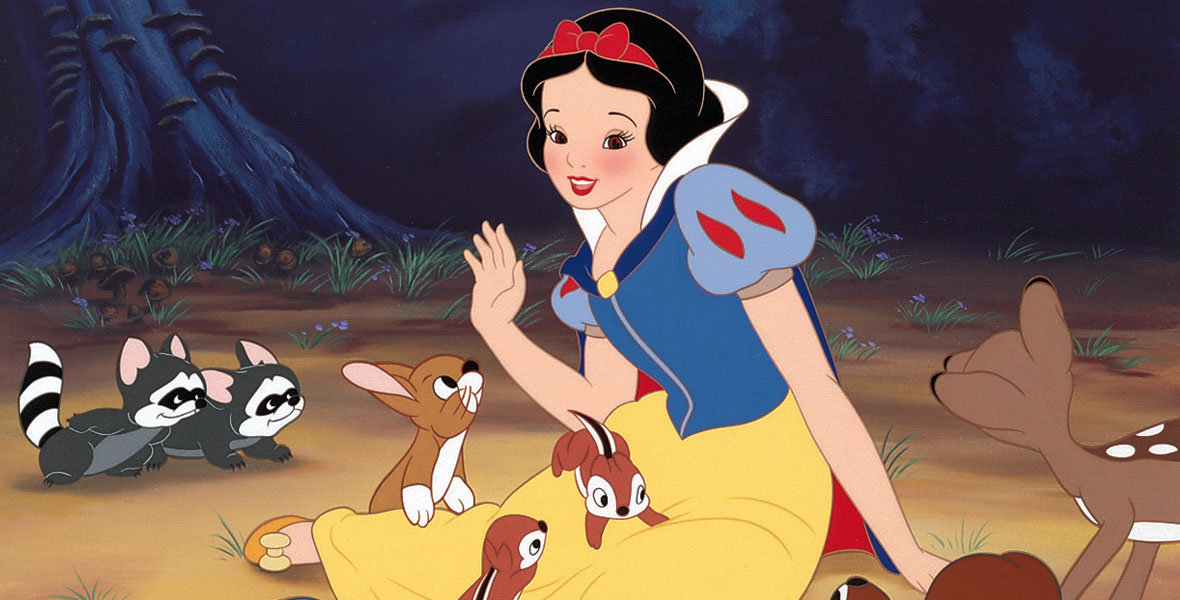
In response Particle6 points out how in the past animation and CGI opened up new possibilities in entertainment and so they say will AI. The difference is of course that with animation and CGI it is still possible to distinguish the product from reality. As the AI creations continue to get better and better however it’s becoming more and more difficult to be certain just what is reality.
You can understand how real actors feel about the possibility of AI avatars taking their jobs. We are all aware of how automation has replaced millions of blue-collar factor workers and how driverless cars are currently threatening the future of truck drivers, cab drivers and bus drivers. With the latest computer programs that can learn, that’s what an AI is, a program that can be taught how to do a job rather than having to have each step in a process carefully written out for it, a huge number of white-collar jobs are now in jeopardy. One of the big issues that caused the recent strikes by SAG-AFTRA and the Screenwriters Guild was the use of AI by Hollywood Producers.
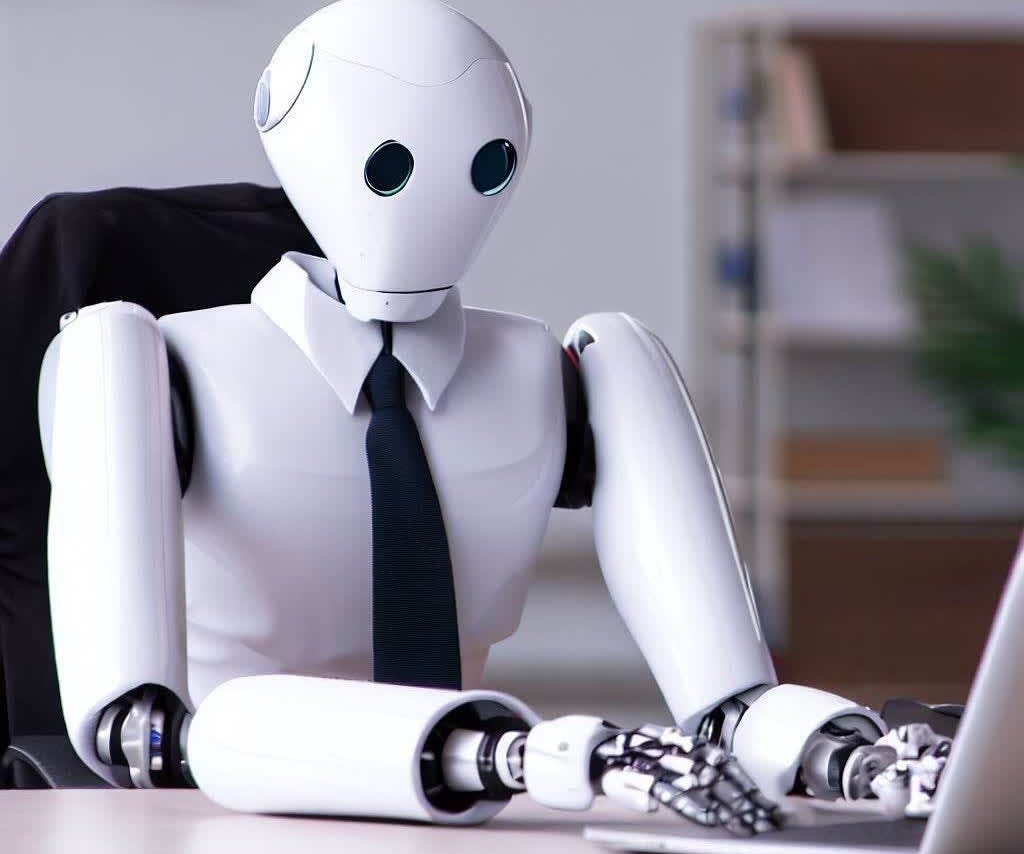
The fear of AI in Hollywood includes not only actors but also screenwriters, set designers, cameramen and even directors. Think about it, producers would no longer have to put up with temperamental actors, or actors who are getting a little too old for the part, or who have gained, or lost weight. TV audiences in particular like to see a familiar face each week so why not give them an AI whose face never changes no matter how long their show has been on. Right now there’s the difficulty of how to get an AI actor to be on the screen at the same time as a real actor but that’s a technical problem and will be solved in a few years.
There’s one more thing that gets actors very upset about AI actors. I mentioned above that the Particle6 AI learned how actors and actresses look and behave. Well how did it do that? By looking at hours and hours of real actors and actresses that’s how. Many in the entertainment field feel that AIs like Tilly are using their performances, stealing their rights and there are certainly going to be lawsuits dealing with the question of just how much of Scarlett Johnasson, or other actresses is there in Tilly and other AIs like her.
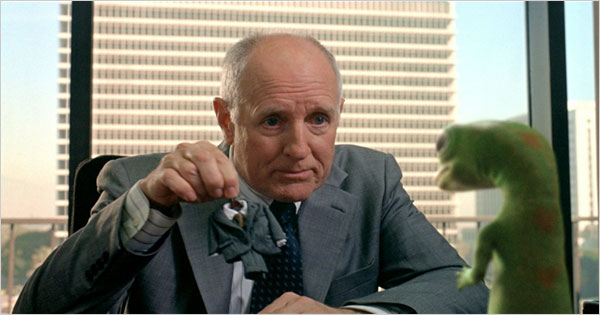
I’m betting that AI will worm its way into Hollywood through advertisements. Think about it, we already have plenty of ads with non-real characters in them like the Geico Gecko or the Liberty Mutual Emu. Producers of local commercials may not be restricted by the same contract rules as Hollywood producers and will undoubtedly be tempted to go fully AI once the technology has proven itself.
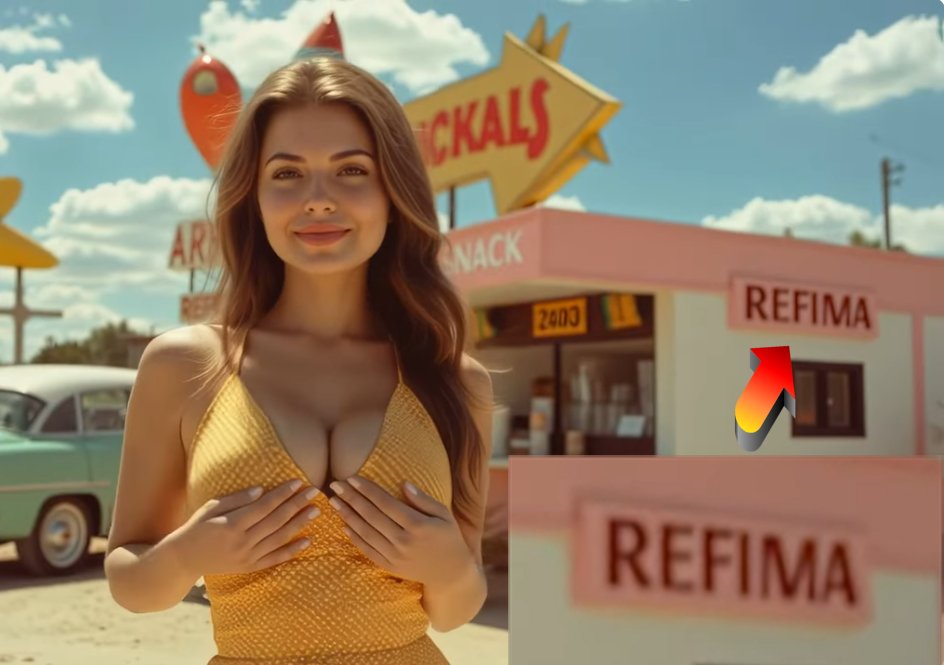
Then there’s also the question of how society will react to AI creations on our movie, TV and mobile screens. Will the perfect AI faces we can see at any time cause us to retreat further from real interactions with real humans? Hollywood has already given us celebrities whose attractiveness and exciting lives make us pay less attention to the people around us. What will happen when we have AI generated characters who are designed to be perfect!
It all just goes to show how computers are taking over the jobs that millions of human beings have relied on for generations. We have to start figuring out what kind of world are we going to have when AI has been fully integrated into society. Whether that integration will be for the good of humanity or not, is still very much in question.