We’ve all heard of autism, we all know that it is a medical condition that consists of many types of emotional and mental disorders that first appear in children. We also know that more and more children are being diagnosed with autism, and we all know that autism has become a political battleground where accusations are being hurled back and forth with conspiracy theories being accepted without any evidence.
In this post I hope to explain a few facts about autism, especially why it seems to be spreading. At the same time I’ll try to discuss at some length how autism has become a political rather than a purely medical issue. To do this I will begin with a little historical background.
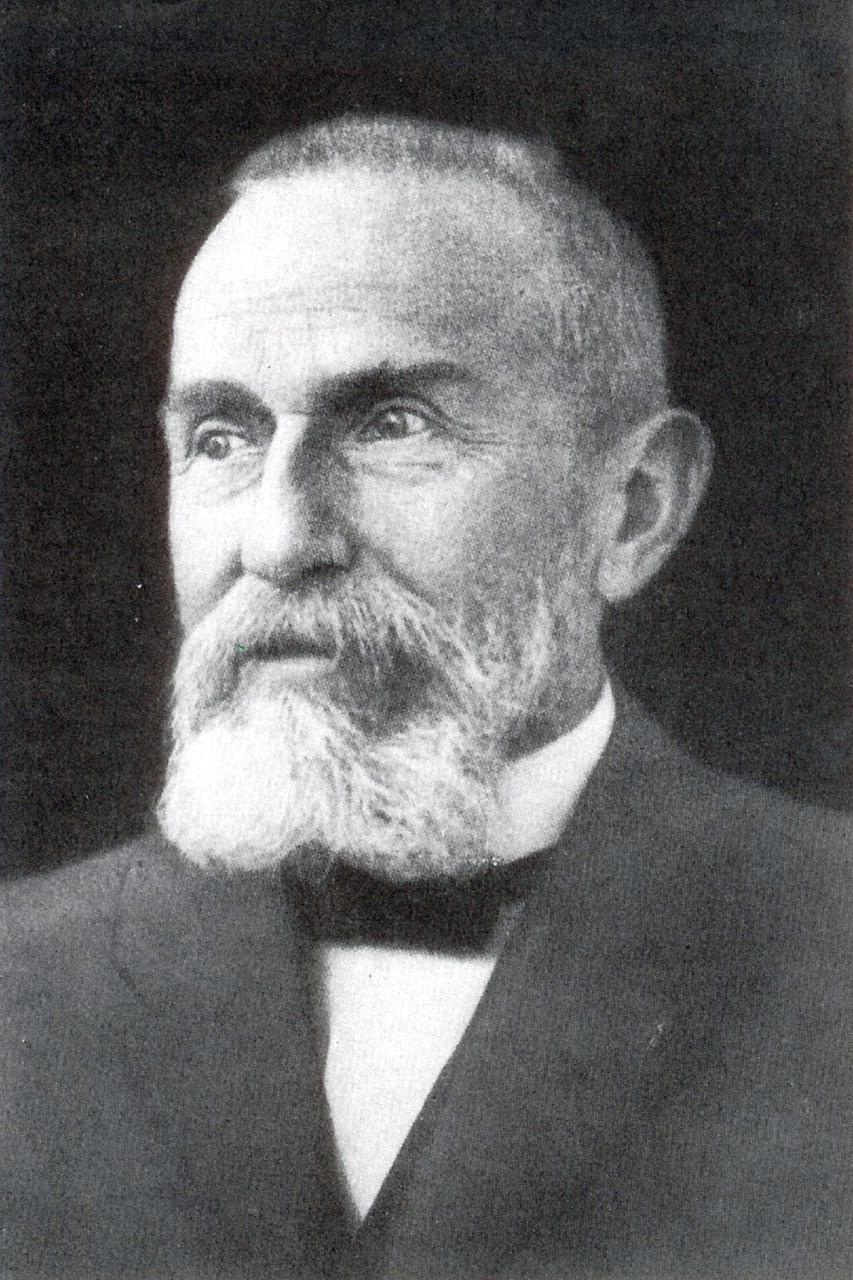
It was in 1912 that a Swiss psychiatrist named Paul Bleuler first used the term Autismus, from the Greek Autos meaning ‘self’, as a description for the social withdrawal he observed in patients suffering from schizophrenia. Bleuler’s work was further developed by a German psychiatrist named Fritz Künkel who characterized about 25% of schizophrenics as being autistic. This use of autism to describe symptoms of schizophrenia has now fallen out of favour.
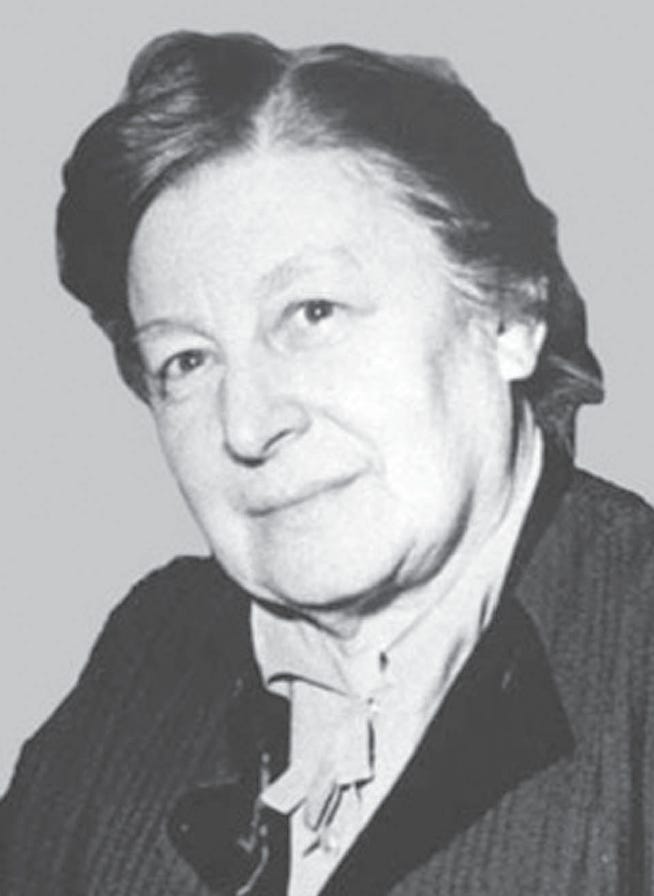
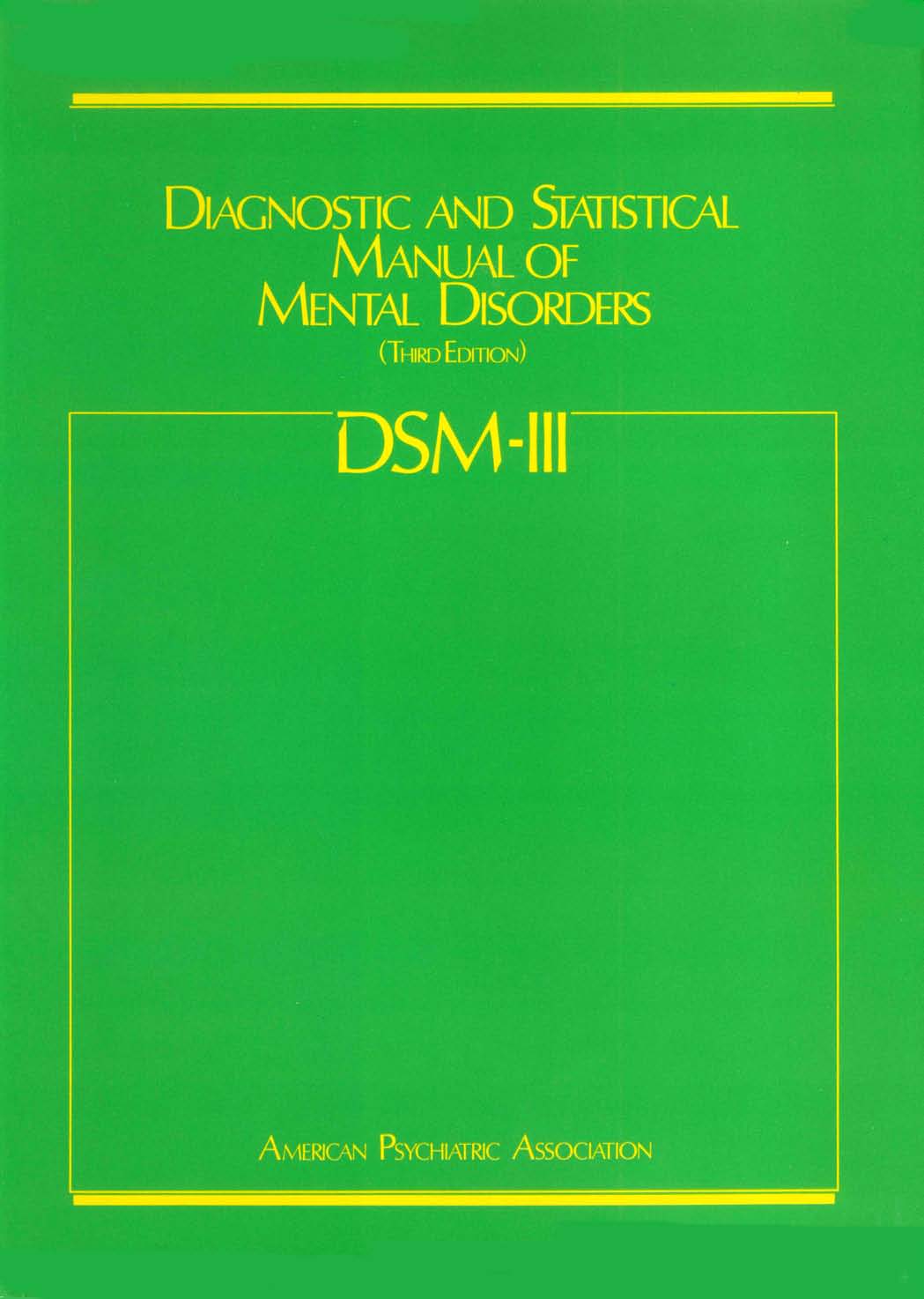
Then in 1926 a Russian psychiatrist named Grunya Sukhareva studied six young boys who were all intelligent and musically gifted but who tended to avoid social contact with other children. In her publications she referred to this behavior as an ‘autistic attitude’. Doctor Sukhareva continued her research for thirty years and is now given credit for the first modern description of autism. It was not until 1980 however, with the publication of the American Psychiatric Association’s Diagnostic and Statistical Manual of Mental Disorders, Third Edition (DSM-3) that autism was fully recognized as a mental condition separate from schizophrenia with its own symptoms and diagnosis.
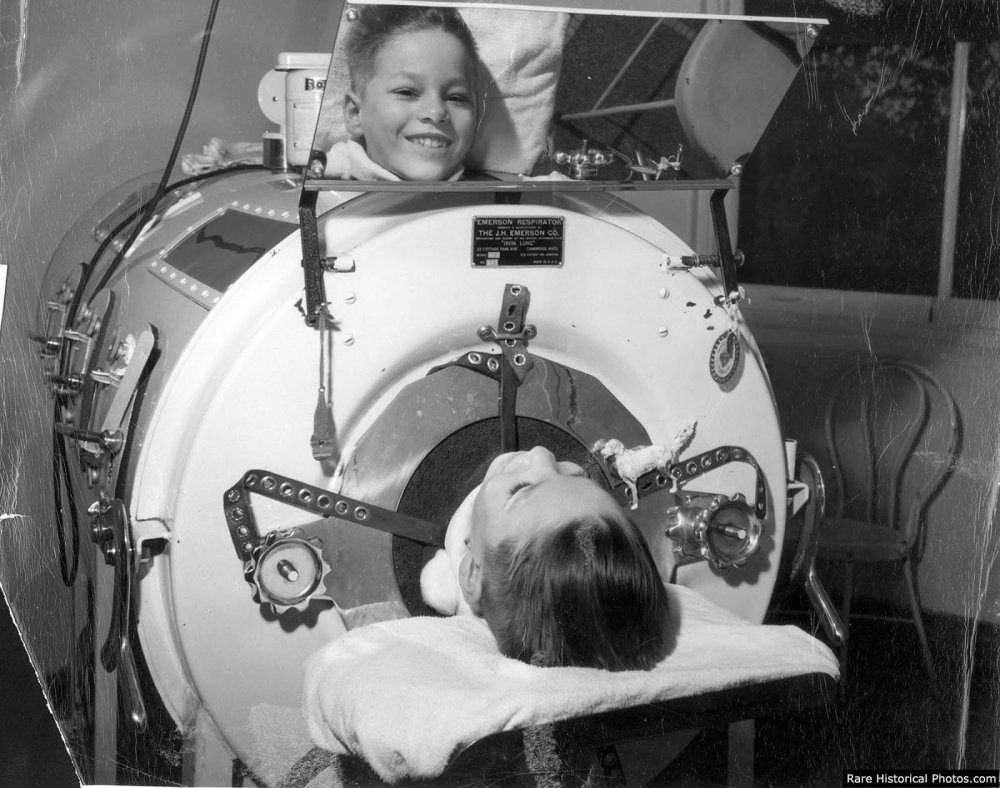
I’m going to make a brief, personal aside at this point. I grew up during the 1960s, before DSM-3 and therefore before autism was universally recognized as an actual disorder. At that time pediatricians were much more concerned with childhood diseases like polio, measles, whooping cough, even rickets. They simply didn’t have the time to even consider a child who had problems getting along with other children as having a ‘disorder’. It is the success that medical science has had with the diseases of my childhood that has allowed autism to become a medical issue. There always were autistic people but in the past the medical profession was paying more attention to infectious diseases rather than ‘behavioral issues’.
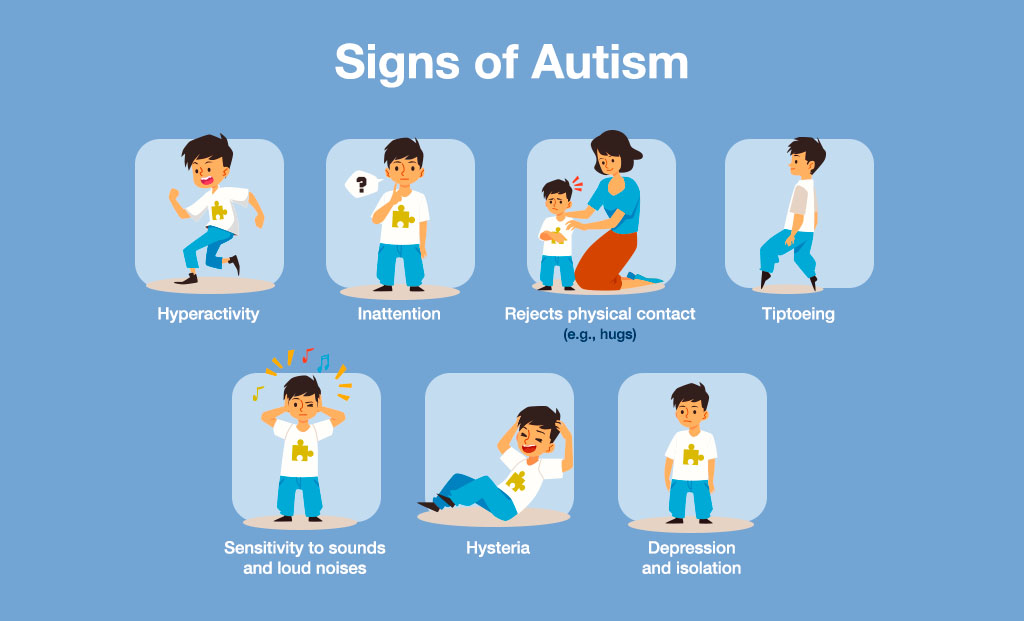
So what are the symptoms of autism, how do we know if a child is autistic and why does it seems to effect only children. That’s several big questions at once and unfortunately much of the answers are still a matter of debate within the medical establishment. First of all strictly speaking autism is formally referred to as ‘Autistic Spectrum Disorder’ (ASD) because there is a very wide range of behavioral symptoms and many patients exhibit only a few of them and the degree to which a symptom is displayed can vary greatly.
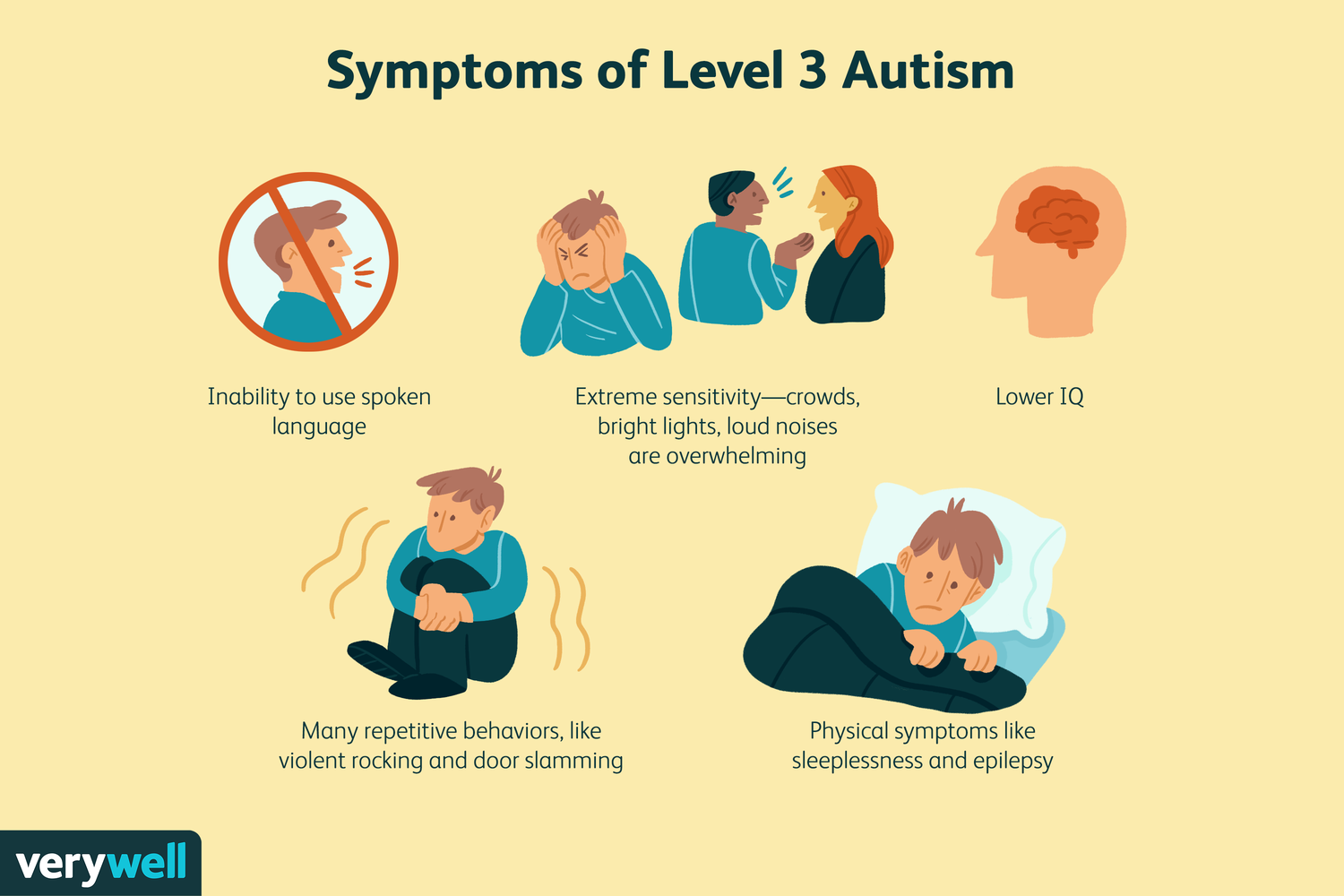
The primary behavior that an autistic person would exhibit is difficulty in communicating with other people, avoiding social interactions, not looking another person in the eye when speaking to them, etc. At the same time an autistic person may show a tendency toward repetitive behaviors and interests. This repetitive behavior is considered to be part of the reason why some autistic people become gifted in a few areas while backward in others. These symptoms would be a fair description of someone with a mild case of autism.

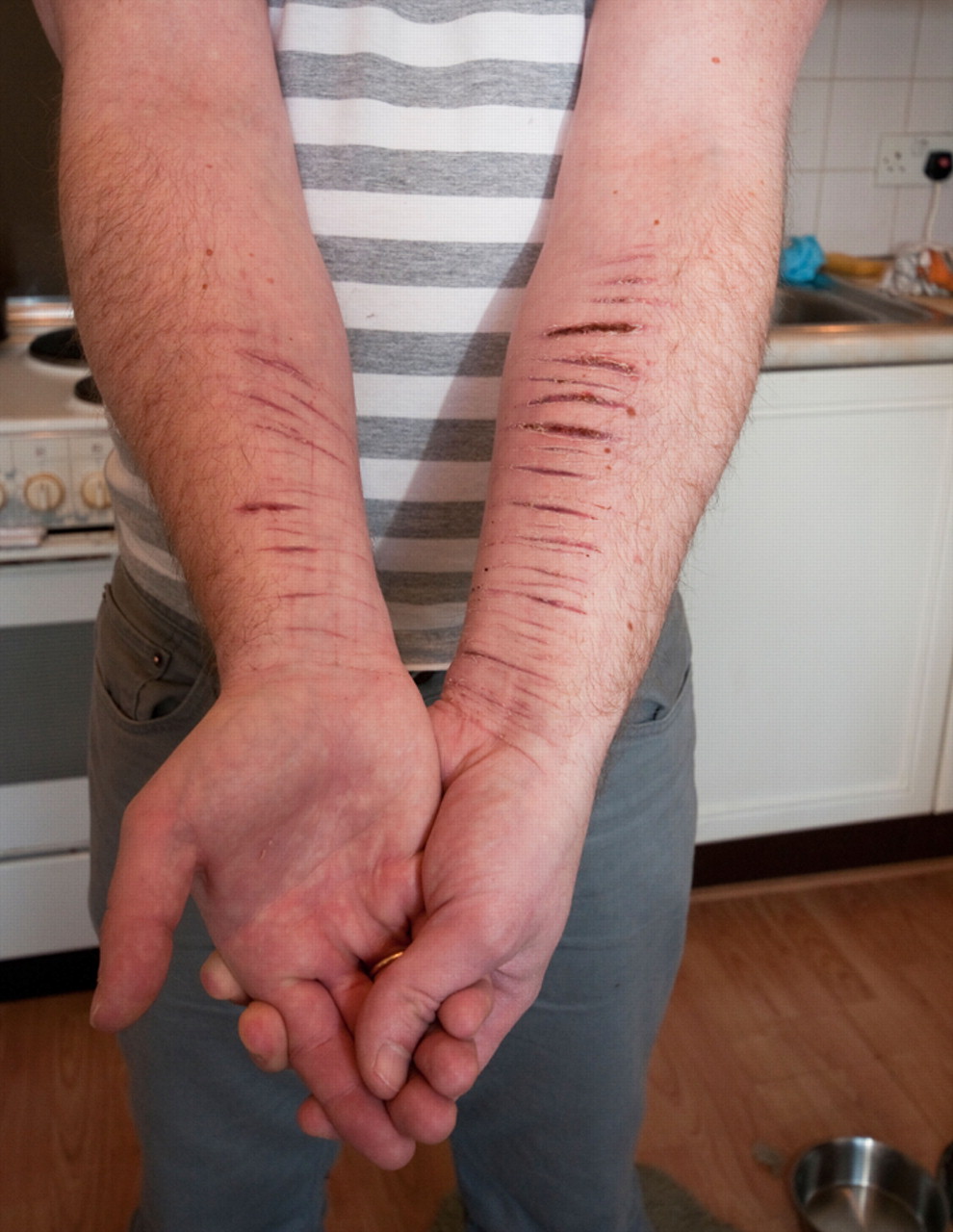
It can get a lot worst. In some severe cases of ASD the patient can become completely non-verbal, simply refusing to speak while the repetitive behavior can include such things as head banging and other forms of self-harm. Even mild cases of autism can cause a patient to become violent whenever their routine is changed and the condition can greatly increase a person’s chances of depression and suicide. These are only a few of the behaviors associated with autism, anyone interested should consult other resources, of which there are many.
The problem with having a medical condition that has so many different symptoms, and those symptoms can appear to a large varying degree is trying to figure just who has the disorder and who hasn’t. If someone likes to be alone and is good at math, as I am, does that mean they are mildly autistic? Just as autism was ignored back in the 1960s it’s quite possible that today some people are being diagnosed as autistic who are actually pretty normal! In a sense the question is, where does personality end and autism begin?
Another question, why does it seem that autism only effects the young? Is there something going on now that is making the number of autistic children grow? Well none of that is actually true. Again back in the 1960s there simply was no agreed definition of autism so no one was autistic, no one was diagnosed as having the disorder.
There certainly were people back then who had problems interacting with other people, who showed repetitive behaviors. Without a clinical definition however, they simply weren’t being diagnosed as having a disorder. There’s little doubt that many adults, baby boomers like me could have been diagnosed as autistic, if doctors back then had been able to pay more attention to behavioral issues instead of infectious diseases. That’s primarily the reason for the growing number of autism cases, more and more pediatricians are simply looking for it.

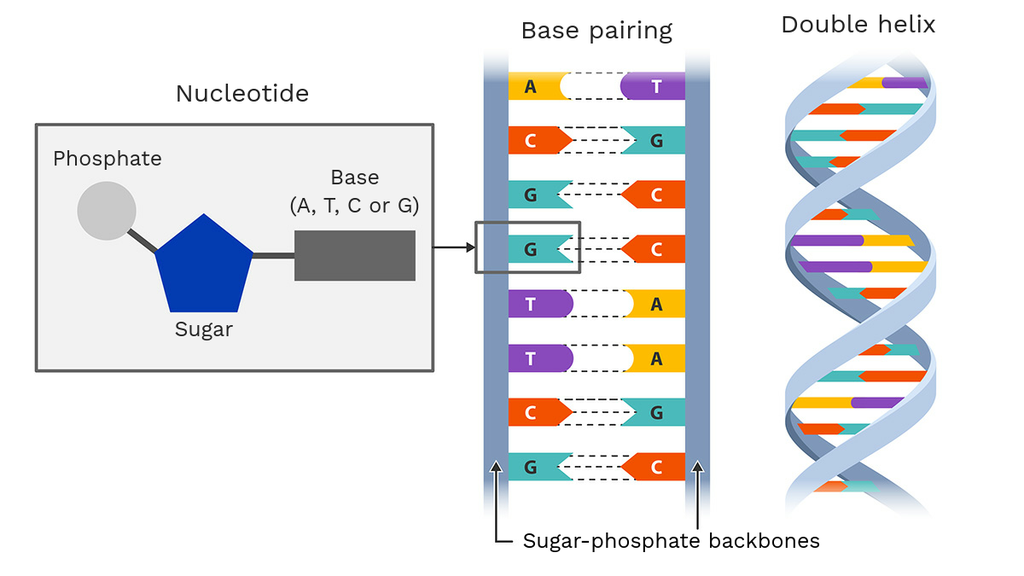
So what are the causes of autism? Well to be honest we still have a lot of work to do on finding the causes, one of the big reasons that autism is so hard to treat. The leading cause of autism is thought to be genetic but it is clear that there is no single ‘autism gene’. Rather it appears that autism develops from the interaction of a number of genes, that fits with the wide variety of symptoms. At the same time there is evidence that social factors can contribute, even trigger autistic behavior in someone who is genetically disposed to the disorder.
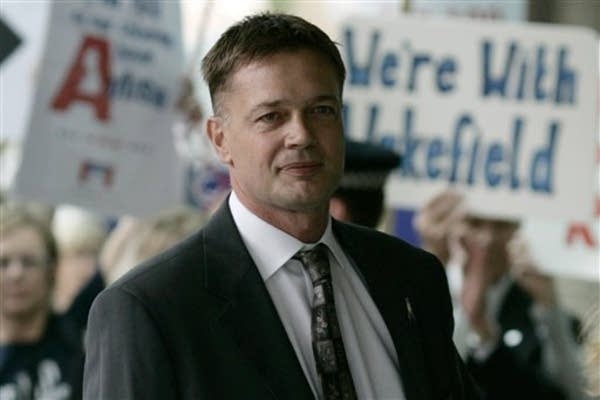
One thing is certain; autism is not caused by childhood vaccinations. The coincidence that autism in a child is usually first noticed at about the same age at which they are receiving their childhood vaccinations has resulted in untold harm both in the treatment of autism and the management of childhood diseases. Then there is the fraudulent paper by the British physician Andrew Wakefield that suggested that the Measles, Mumps and Rubella (MMR) vaccine was a cause of autism. This paper has not only been recanted by Wakefield’s co-authors but later, much larger studies involving 1.25 million children have conclusively shown that neither the MMR vaccine nor any childhood vaccination is a factor in the development of autism. Wakefield has in fact lost his medical license in the UK due to his fraud.
Despite all of the evidence indicating that autism is not caused by any kind of vaccine or drug, conspiracy based allegations continue to spread on the Internet. Worst still these baseless assertions now have a champion in the Secretary of Health and Human Services Robert F. Kennedy Jr. Back in April RFK jr. announced that he and his department would be studying Autism and would declare the cause of the condition by September.
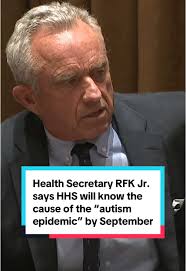
The very idea that anyone or any organization could discover the cause of any disease so quickly immediately showed that Kennedy had no intention of doing any actual science but rather the plan was to simply declare that one or more conspiracy theories was the cause of autism. True to Kennedy’s word on September 22nd Trump went on nationwide TV to tell the world that the Tylenol, chemical name acetaminophen, use by pregnant women is the main cause of autism, although we still vaccinate our children too much.
Hopefully I have convinced you my readers that Autism, ASD is a much more complicated problem that cannot be ‘cured’ by any kind of hysteric action. We need to study this behavior in a unemotional, scientific manner if we expect to ever find ways to prevent autism.