There’s been a lot of news happening in both manned and unmanned space exploration lately with the manned missions getting most of the press as usual. So let’s get to it.

The big news of course is the medical emergency with a member of the International Space Station’s (ISS) Crew 11. Owing to privacy concerns NASA has not officially announced which astronaut is ill or just what their medical condition is, but the space agency has insisted that their situation is ‘stable’. Still, the medical facilities aboard the ISS are not sufficient to treat the emergency so they are bringing the whole crew back to Earth.
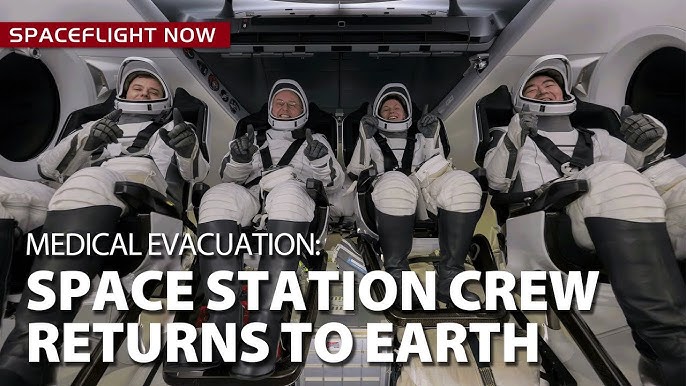
Therefore NASA has decided to take the unprecedented step of bringing Crew 11 back to Earth about a month early, this announcement was made on January 8th. The Crew 11 mission was launched back in July of 2025 as a routine crew rotation for the ISS and the crew was scheduled to return to Earth in late February or early March after being relieved by the upcoming Crew 12 launch.
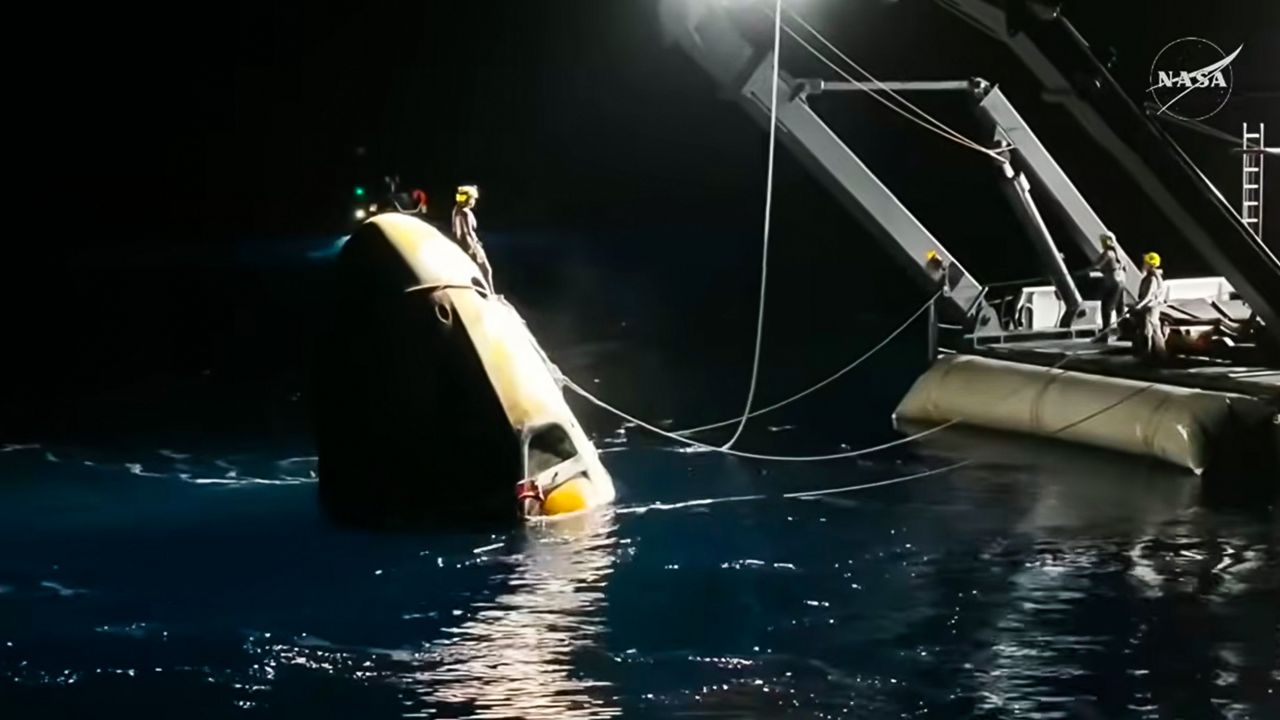
Instead Crew 11 departed from the ISS on January 14 and splashed down in the Pacific off California in the early morning hours of the 15th. Despite the rushed schedule to return the mission was completed without incident and the astronauts were safely recovered, including the one with the medical emergency. This unique situation will leave the ISS with only a crew of 3 cosmonauts for a month but that’s the way things were for the nine years between the last Space Shuttle flight and the first Space X manned missions.
February also begins the scheduled time frame for another manned mission, one that will be anything but routine. Sometime between January 31st and April 6th the Artemis II mission will be launched to carry humans back to the Moon for the first time since 1972. Now the Artemis II crew will not be landing on the Lunar surface, instead the mission will be similar to the Apollo 8 mission where humans orbited the Moon for the first time.
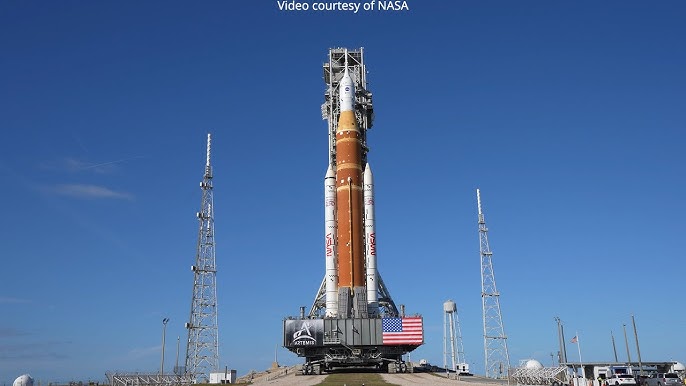
Still that means that once again the US has developed two-thirds of the systems necessary to land on the Moon. We now have a launch vehicle, the Space Launch System (SLS) capable of sending a crew capsule and service module, the Orion capsule, to Lunar orbit. All that is lacking is a lunar module (LM) to take our astronauts down to the Moon’s surface.
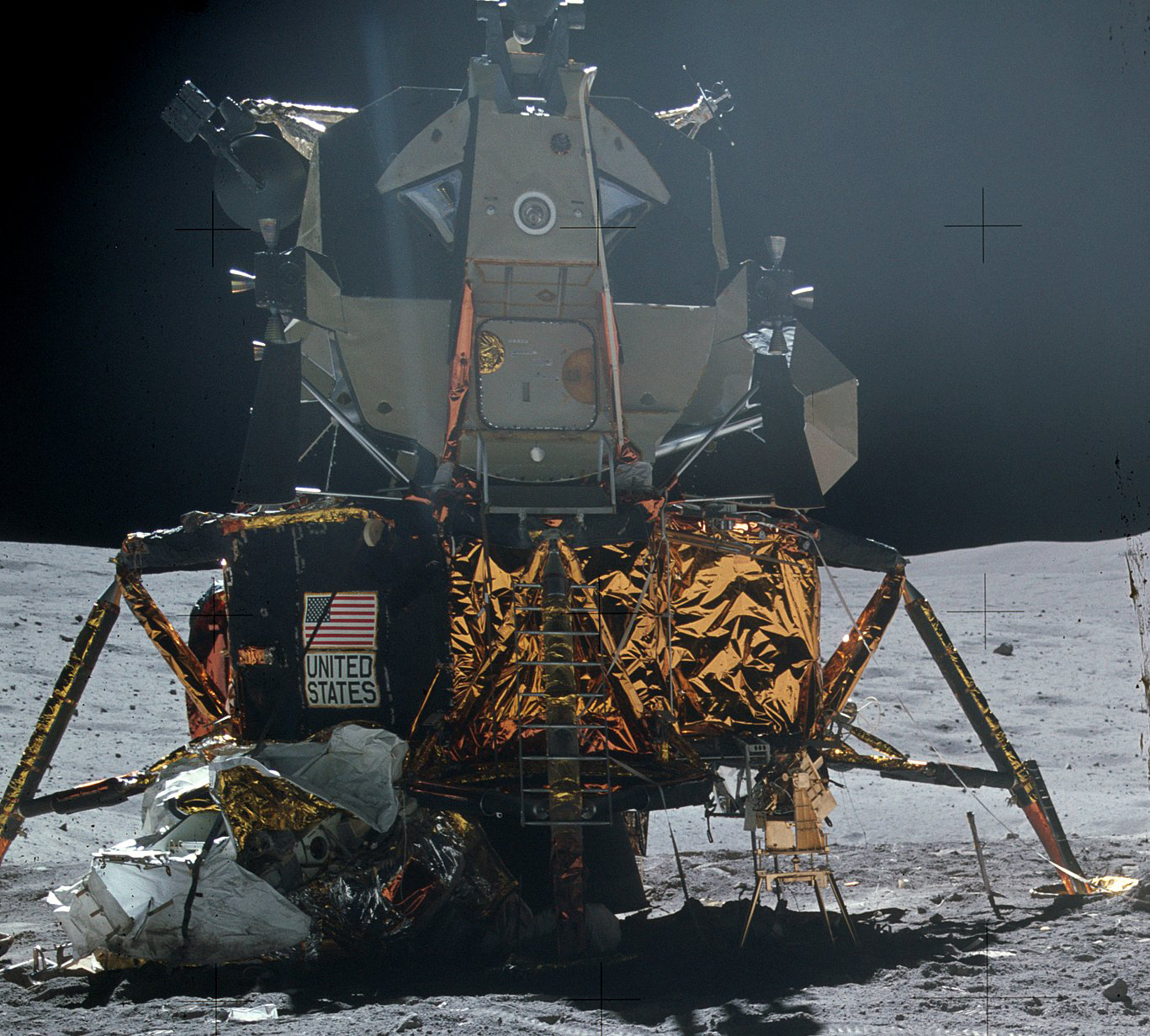
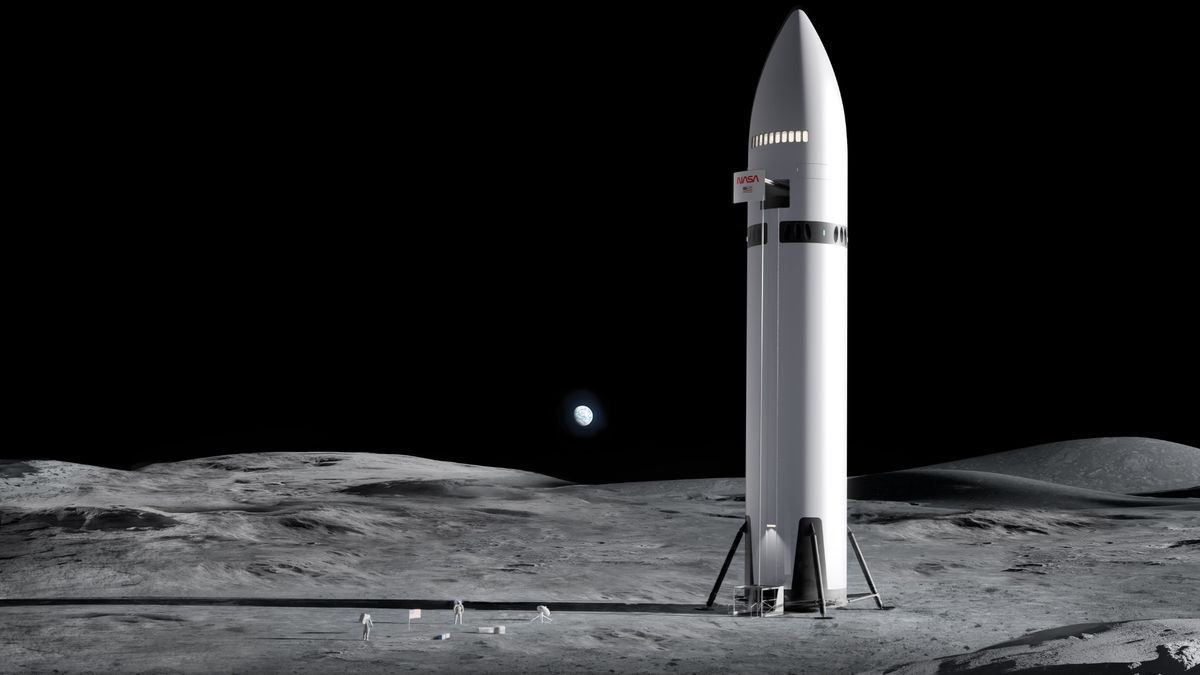
As I’ve mentioned in previous posts, see my post of 1January2025, both Space X and Blue Origin have been contracted by NASA to develop such a lander but Space X has been having problems with its Starship launch vehicle, which is supposed to be the basis of its lander design and Blue Origin’s design isn’t scheduled to be ready until about 2032. Whether either of these two companies can deliver a lander module in time to beat the Chinese to the Moon is questionable, see my post of 27 September 2025 for information about China’s progress.
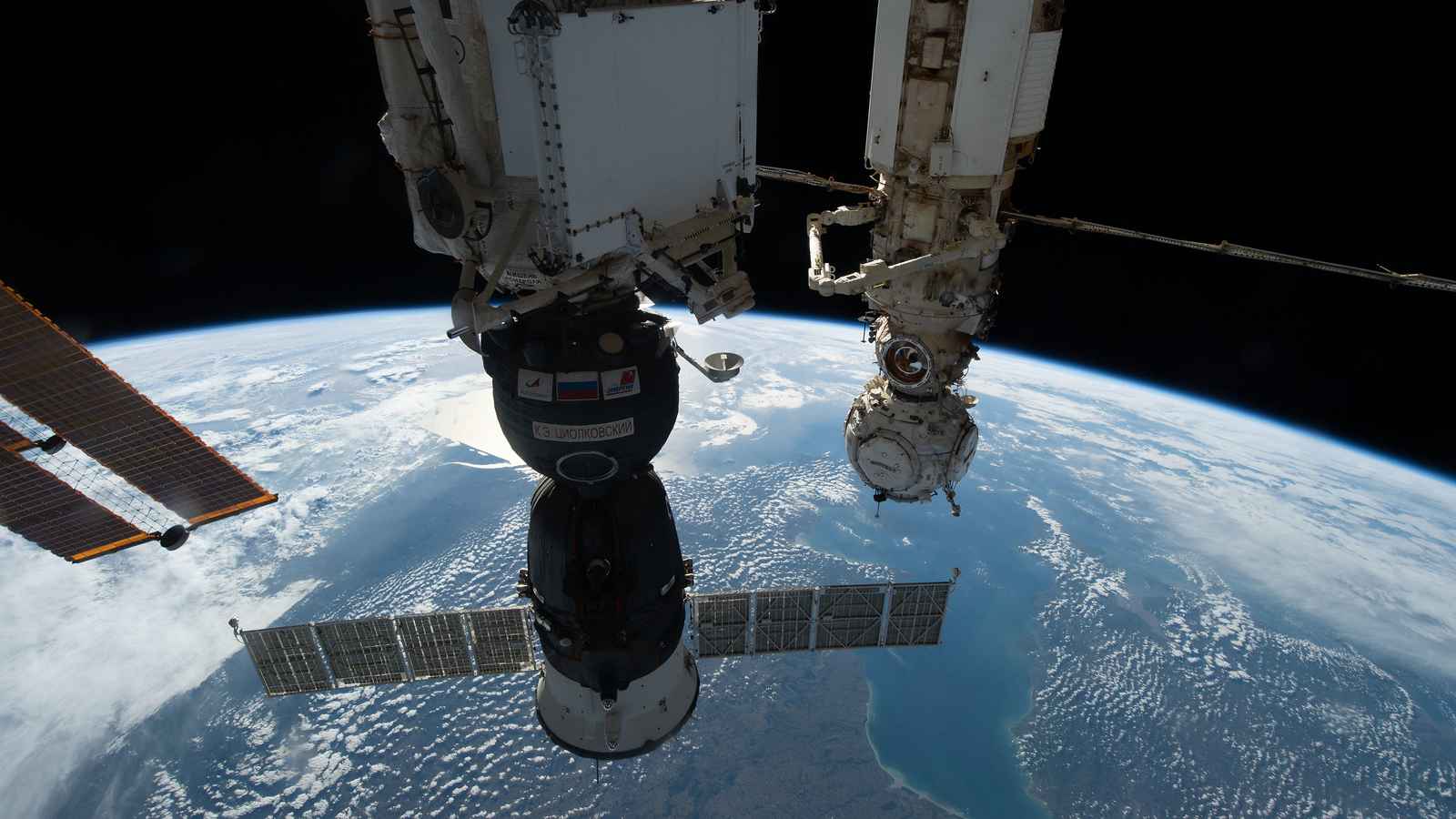
I have one more item about manned spaceflight. I mentioned above that for a month or so only three cosmonauts will remain on the ISS. Those cosmonauts were launched to the ISS aboard a Soyuz spacecraft that took off from Russia’s Baikonur Cosmodrome in the nation of Kazakhstan. The launch pad currently used for manned Soyuz launches is the same one that Russia has used since Yuri Gagarin’s flight in 1961.

In this latest launch back in November however there was ‘damage to several elements of the launch pad’ to quote Russian sources. Photos taken after the launch showed a service platform that had been shoved out of its moorings and had fallen into the flame trench where it was considerably damaged.
The official went on to state that the parts needed for repair were already available and the launch pad would be ready again ‘in the near future’. As usual the Russian’s are being tight lipped about the severity of the damage since this is the only pad they have qualified for manned launches and without it they be unable to replace their portion of the ISS crew or launch their progress cargo capsules to resupply the station.
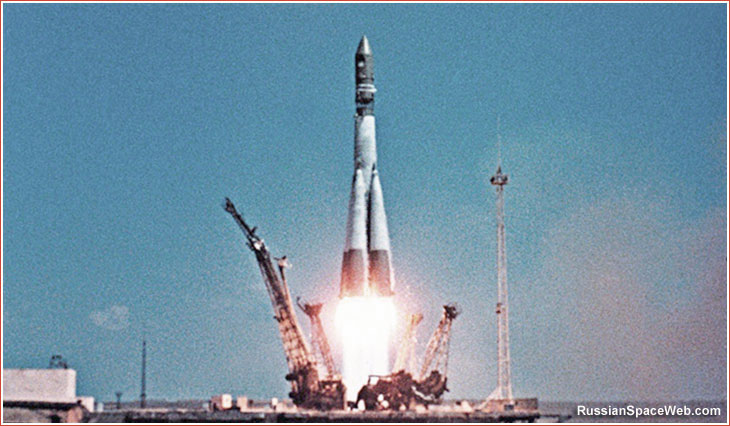
The entire Russian space program is still dependent on systems and facilities that were developed back in the 1960s and there is currently no money to upgrade anything. Russia is spending everything it has, men as well as money, on Putin’s vain attempt to conquer Ukraine. If this continues the world’s oldest space program may in a few years simply cease to exist.

One last little item about a robotic mission that NASA has spent more than a decade trying to figure how to accomplish, the Mars Sample Return (MSR) Mission. Over the last twenty years NASA has been pretty successful with its robotic rovers to the red planet and the space agency had the ambitious goal of sending a rover that could collect Martian rocks and soil, place them into a rocket and then launch that rocket back to Earth where the samples could be studied just as all of the rocks brought back from the Moon by the Apollo astronauts have been.
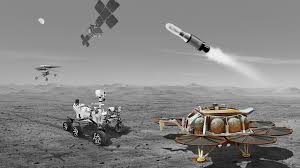
Problem was that no matter what the engineers at JPL and other NASA facilities did the cost of such a mission remained more than $11 billion dollars, a price that the Trump administration simply would not fund. So the latest NASA funding bill does not include any money for even continuing the design process of a Mars Return vehicle and there is little chance that the program will be reinstated in the near future.
All in all 2026 looks like it’s going to be an interesting one in space exploration.