
Although we travel on them every day we scarcely ever think about the roads that lay right outside our door but which can literally take us almost anyplace on Earth. The idea of roads connecting towns and cities together is so natural that we almost forget that every one of them is artificial, man-made, often at great cost and effort.
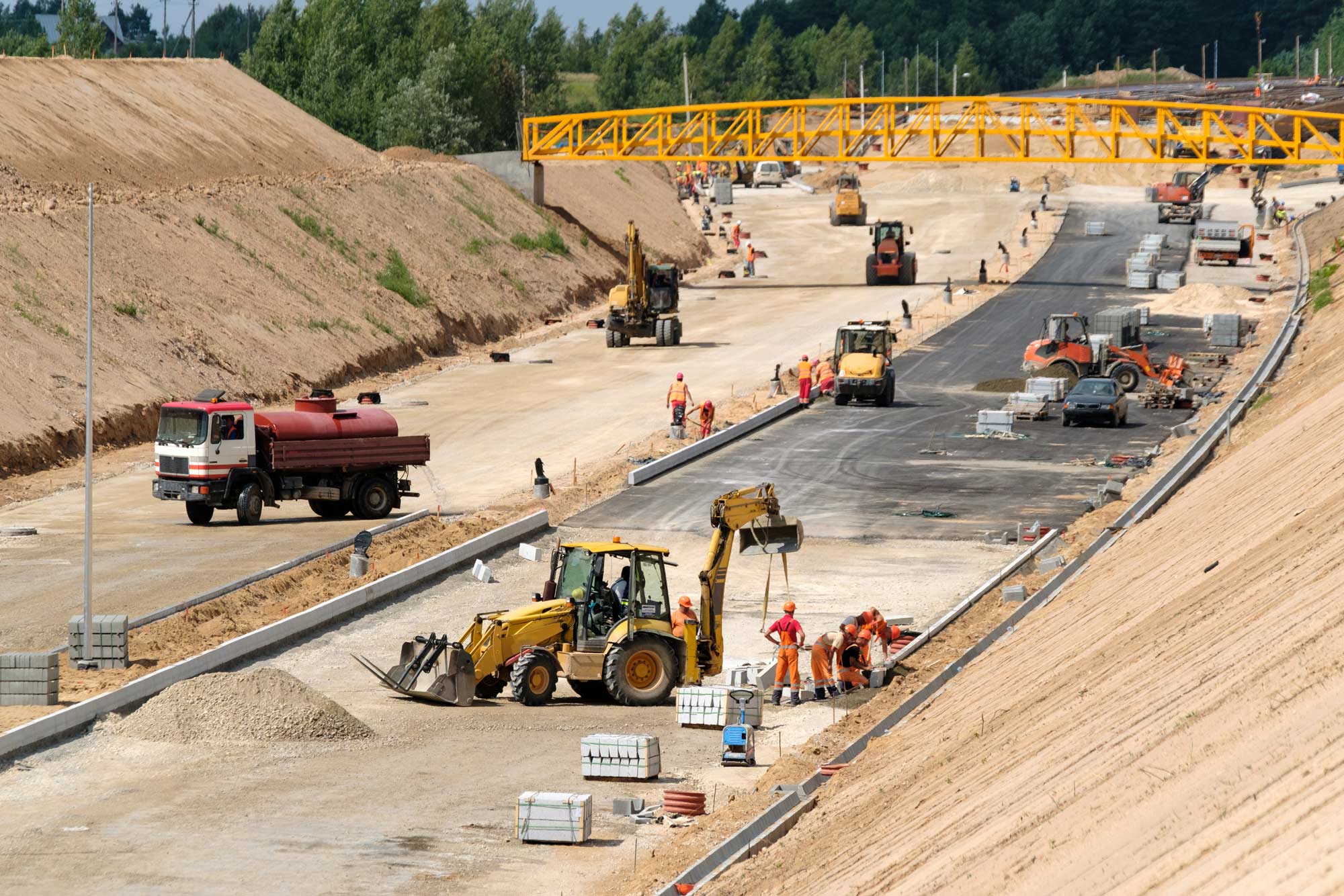
Roads are an essential part of civilization. We humans are a traveling species and whenever we choose to go someplace, or move some of our material goods someplace, roads just greatly facilitate that movement. Stone Age people followed the easiest path they could find but as soon as civilization got started people began making roads between cities to speed up travel and trade.
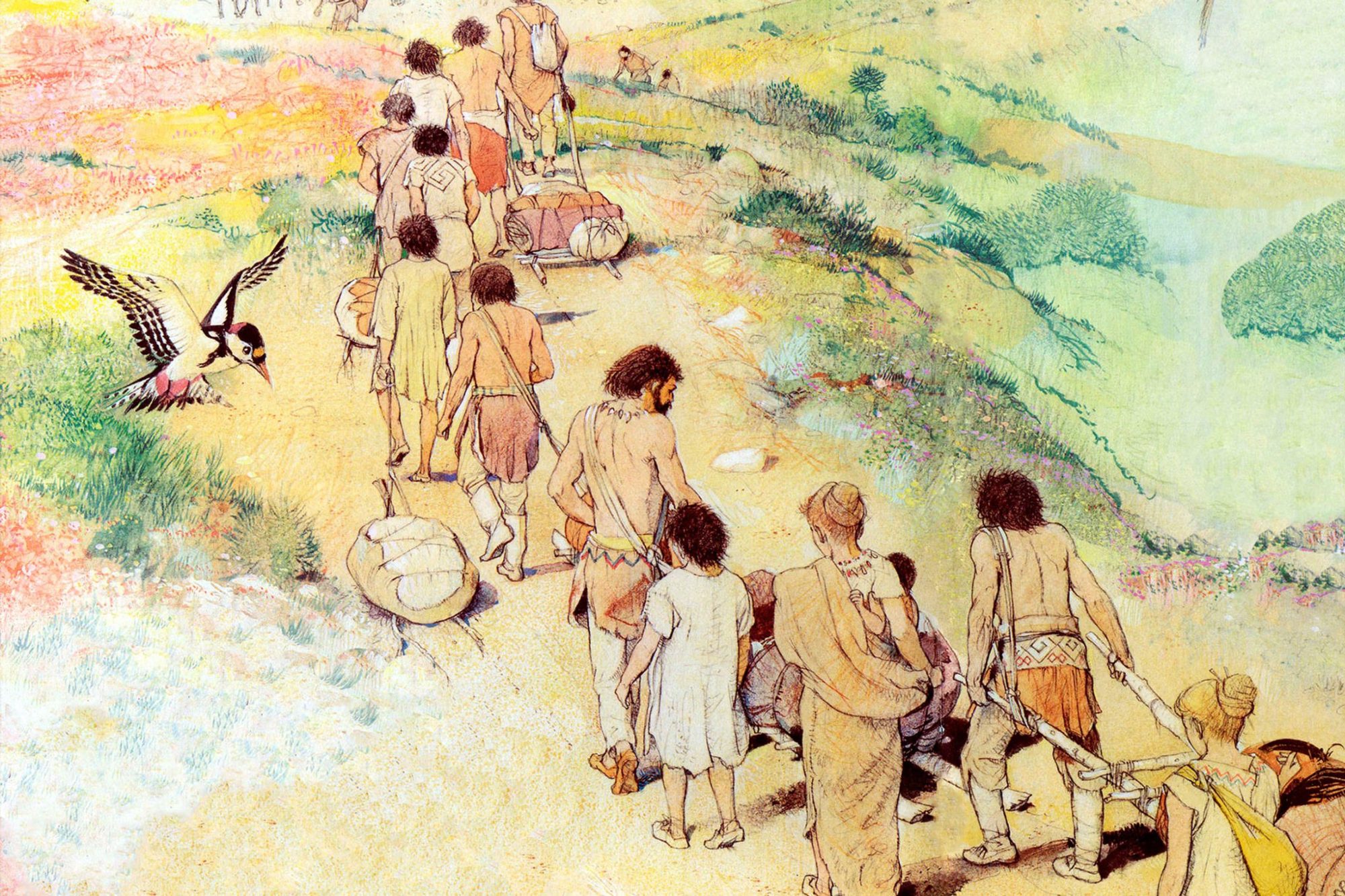
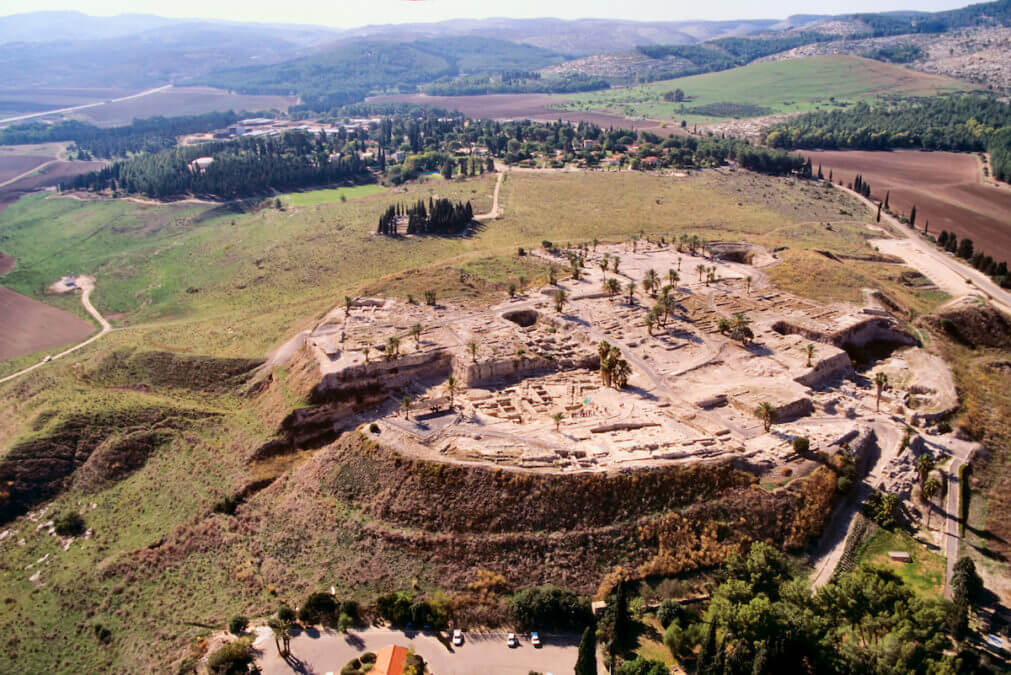
Historically we know of roads that existed from the Bronze Age. One road in particular went north out of Egypt to the town of Megiddo in northern Israel, the biblical Armageddon. There the road split with one branch continuing north to the Hittite empire in Modern Turkey while the other branch went east into ancient Mesopotamia.
The Romans were famous road builders; wherever their legions went in their conquests they built roads. Every legion possessed at least one officer who was trained as an engineer so that the army could build roads and bridges. One of the strengths of the legion was its speed and the legions got that speed by means of the roads they built throughout the empire. Now I’m not saying that the Roman foot soldiers did all the work of road building, sometimes they did but just as often they forced the local population to do most of the menial labour.
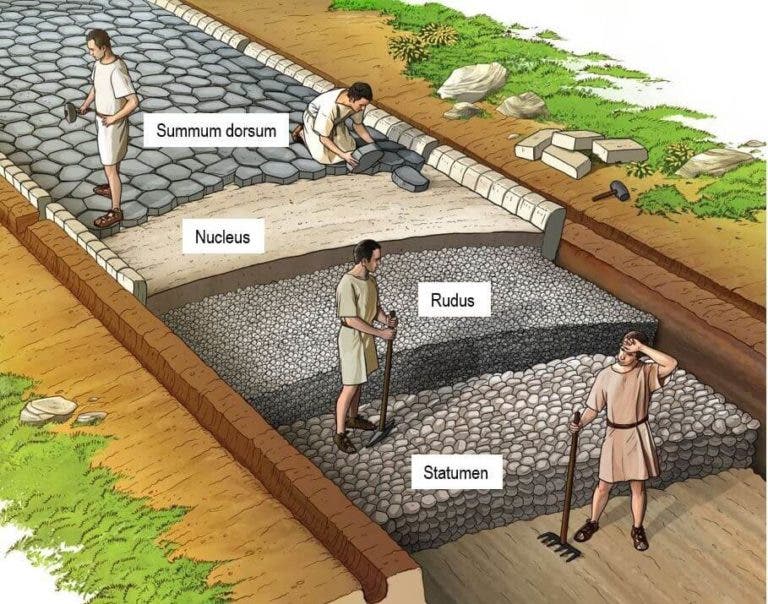
The Romans built their roads so that their army could quickly move from place to place but once built those same roads could be used to transport people and goods from place to place in the Roman Empire. In fact for much Roman period the roads away from the frontiers rarely saw a legionary’s sandal, most of the traffic consisted of the wheels of carts or the hooves of livestock.
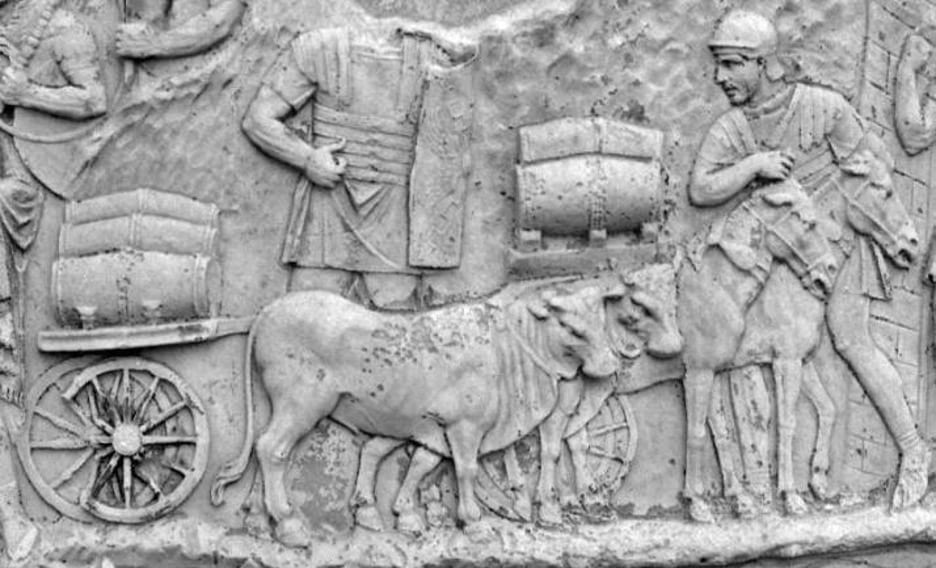
Roman roads were so well built that there are still hundreds of kilometers of Roman road remaining in various countries of Europe. At the same time many modern roads in Europe follow the same route as an old Roman road. Roman roads knitted together an empire of dozens of different ethnic groups and kept them knitted together for hundreds of years.
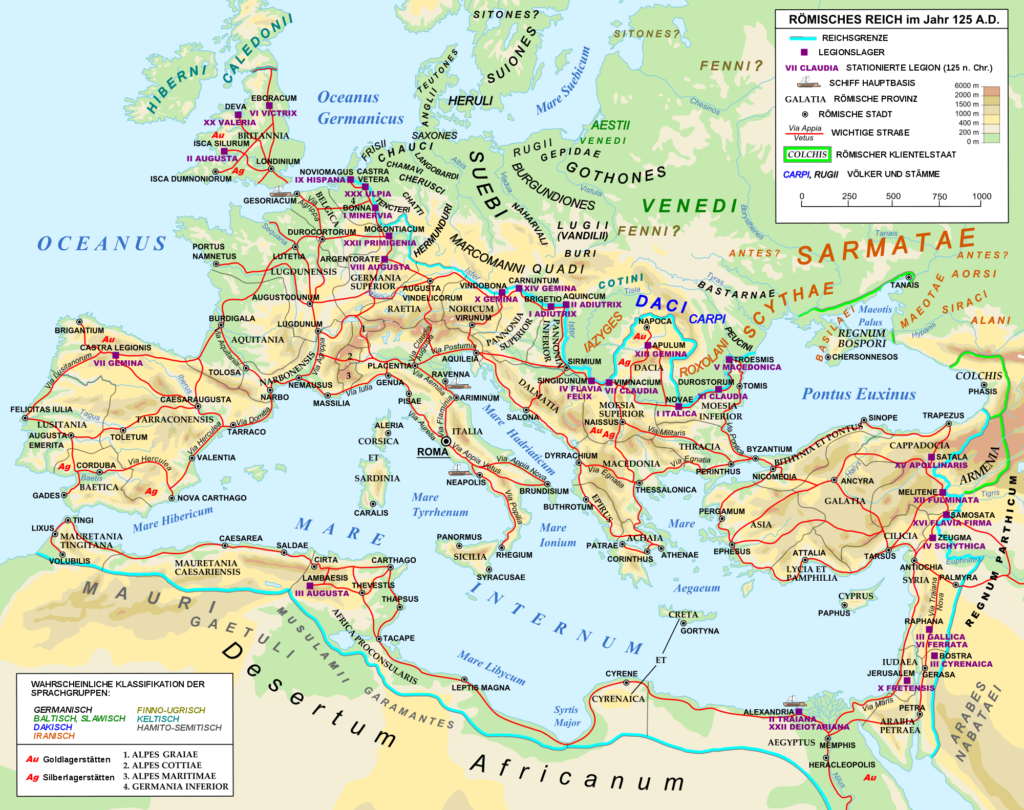
Historians and archaeologists have studied Roman roads for hundreds of years now, in some sense since the fall of Rome itself. Recently a new study in the journal Scientific Data has been published that catalogues over 300,000 km of Roman road, 100,000 more than previously known. The study was led by Dr. Pau de Soto of the Autonomous University of Barcelona in Spain and includes an interactive map of the study’s result that has been christened Itiner-e. The interactive map is available for use by the public and not only includes the map itself but also images and animations that allow students to visualize the Roman roads in the empire’s heyday about 150CE.
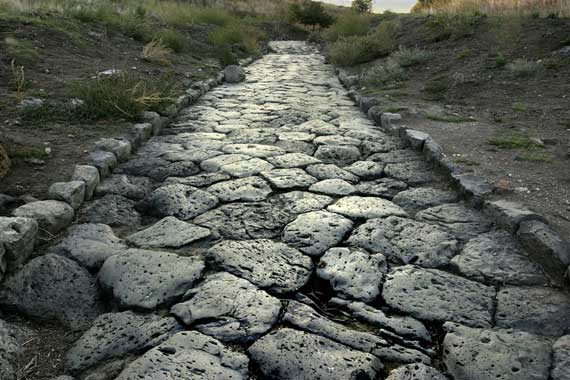
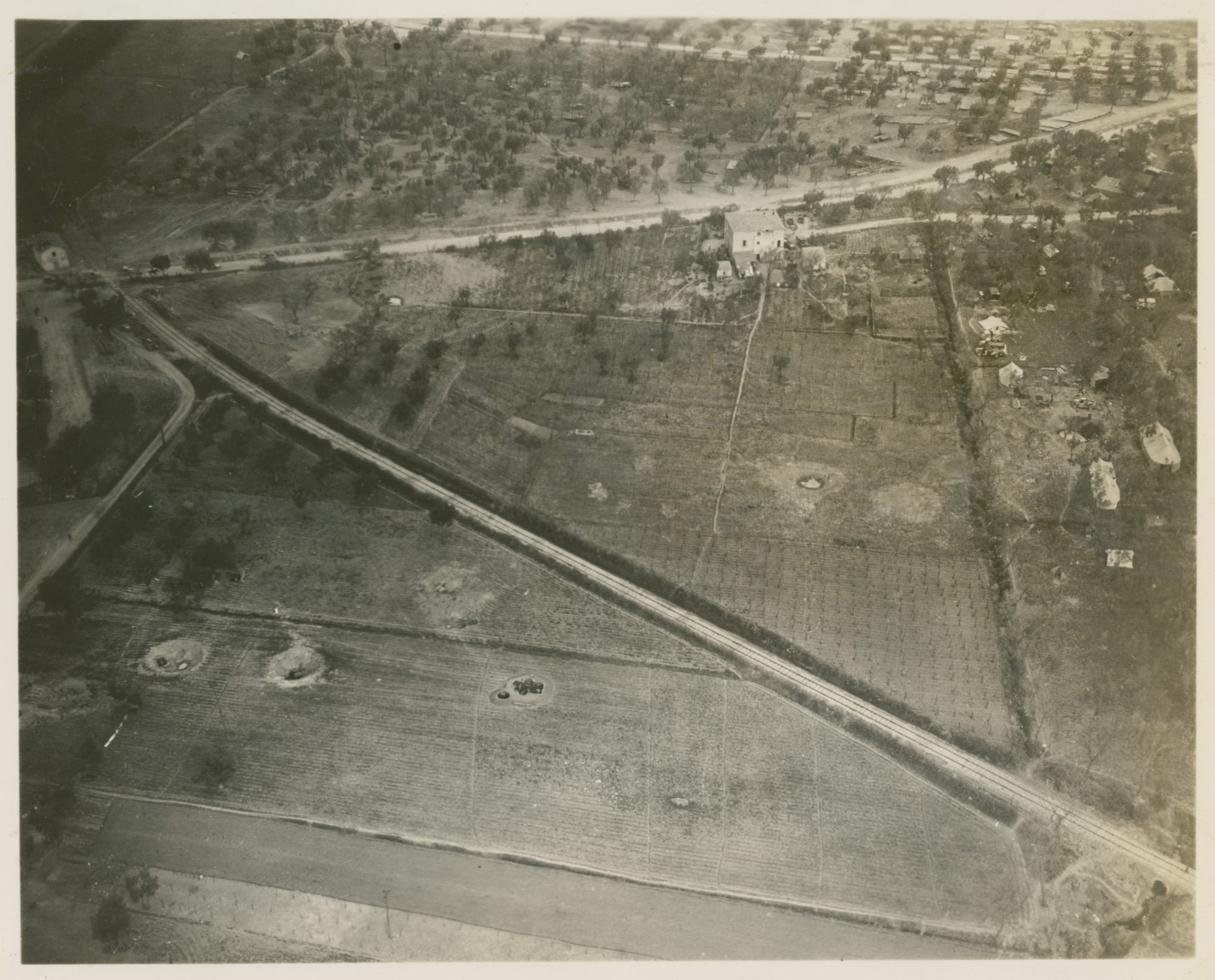
While many of the principal Roman roads, like the Appian Way in Italy were well known the study concentrated on the secondary routes connecting small towns or even individual farms and villas. Along with historical references the researchers made extensive use of satellite images and even old WW2 aerial photographs looking for traces like a roadcut through a hillside or differences in vegetation forming a linear tract. According to co-author Tom Brughmans the effort became “A massive game of connecting the dots on a continental scale.”
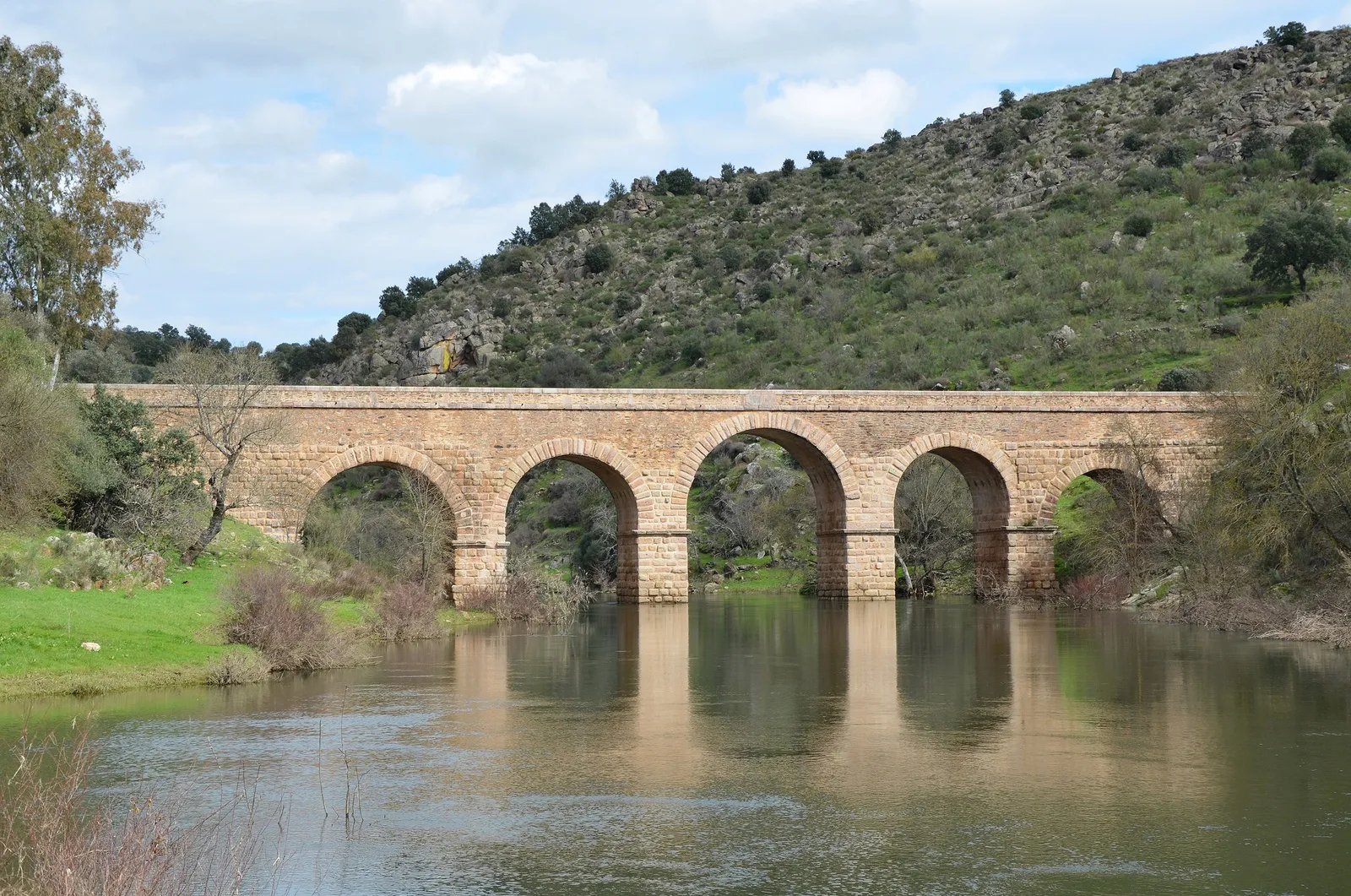
While the study dealt exclusively with Roman roads it must be remembered that Roman infrastructure also consisted of bridges, seaports, aqueducts and many other structures. Like the Roman roads some of these engineering projects still exist today and can be seen in many places in Europe. At its height the Roman Empire possessed a level of technology that the world would not see again until the 17th century. The ancient Romans were of course followed by the Dark Ages and some of the reasons why that era was so dark was because of the collapse of the Roman infrastructure, especially the Roman roads.
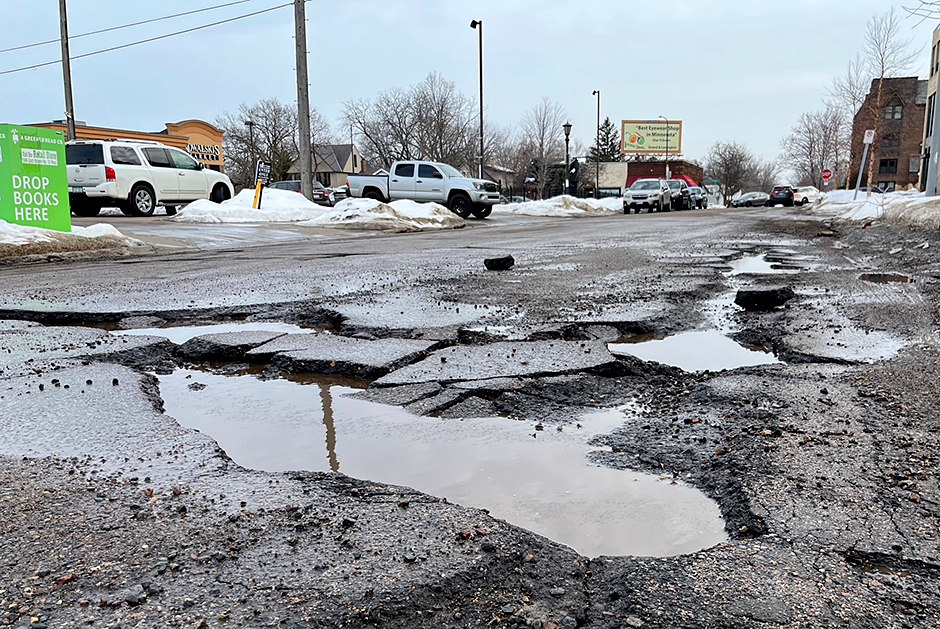
In the US today we have neglected our infrastructure for the last 50 years, allowing our roads and bridges to fall into disrepair while failing to replace water pipes and our electrical grid. If we continue on this course it’s likely that we too will fall the way the Romans did leading to another Dark Age.