We humans like to think that we’re the only truly intelligent species on this planet; the behaviour of other animals is really just instinct. Well in this post I’ll discuss two recent discoveries that highlight just how intelligent other creatures can be along with another story about how selfless one kind of animals can be, sacrificing itself for the good of its whole community.

I’ve often spoken about tool use by several different species, see posts of 16March2019 and 24August2024. Now a recent video from British Colombia has given evidence that sometimes an animal can even learn how to make use of a human tool.
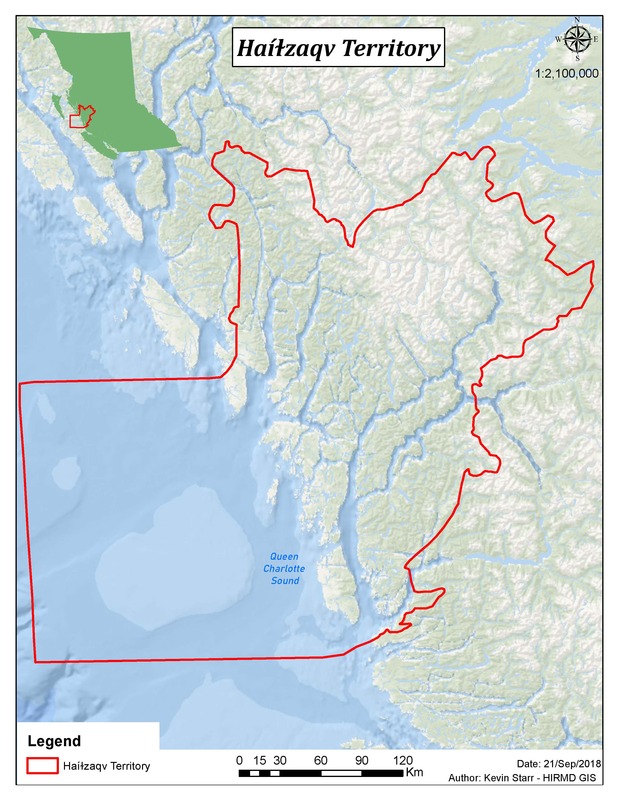
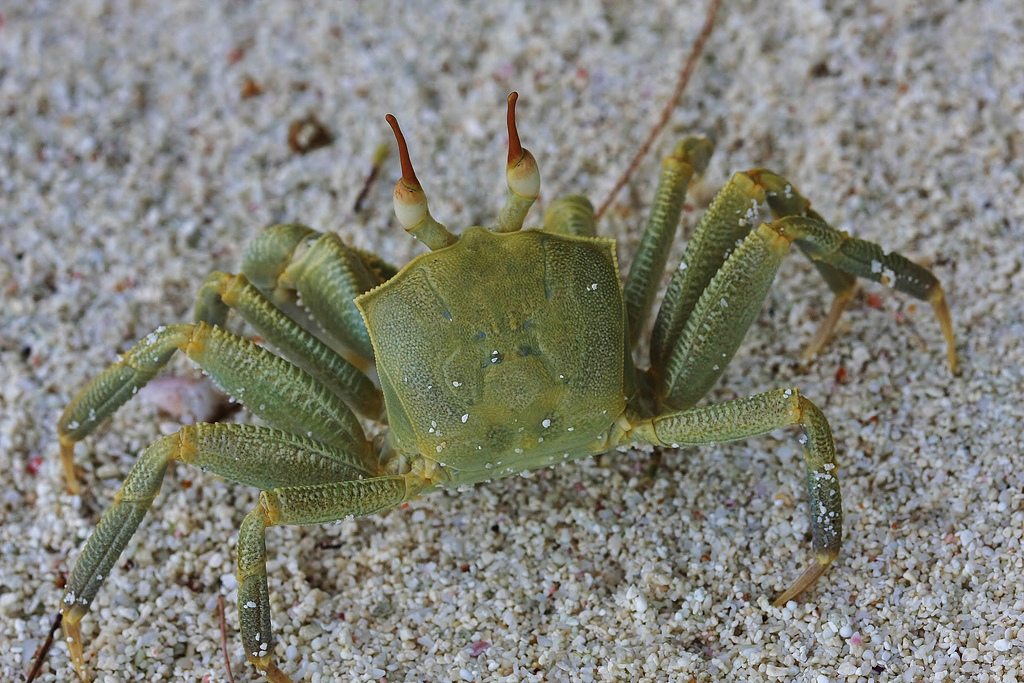
In the waters along Canada’s Pacific coastline the European Green Crab is an invasive species that the Canadian government is trying to eliminate or at least control. The indigenous Haitzaqv Nation is taking part in this effort by placing crab traps along the shorelines baited with herring and seal meat in order to catch as many green crabs as possible.
Recently the Haitzaqv have found that a number of their traps were being pulled onto the beach and the bait was being removed, and presumably eaten. In order to discover who, or what the thief was they placed motion sensitive trail cameras nearby in order to keep watch on the traps. Since many of the traps were submerged in fairly deep water it was first suspected that otters or seals might be the culprits.
Instead, what the videos showed was a wolf that waded out to the trap’s buoy, grabbed it with his teeth and then dragged the buoy back to the shore. The wolf then grabbed the rope that attached the buoy to the trap and began dragging it onto the shore until the trap was on the beach. The whole operation took less than three minutes and once the wolf had the trap completely on shore it would break into it and devour the bait.
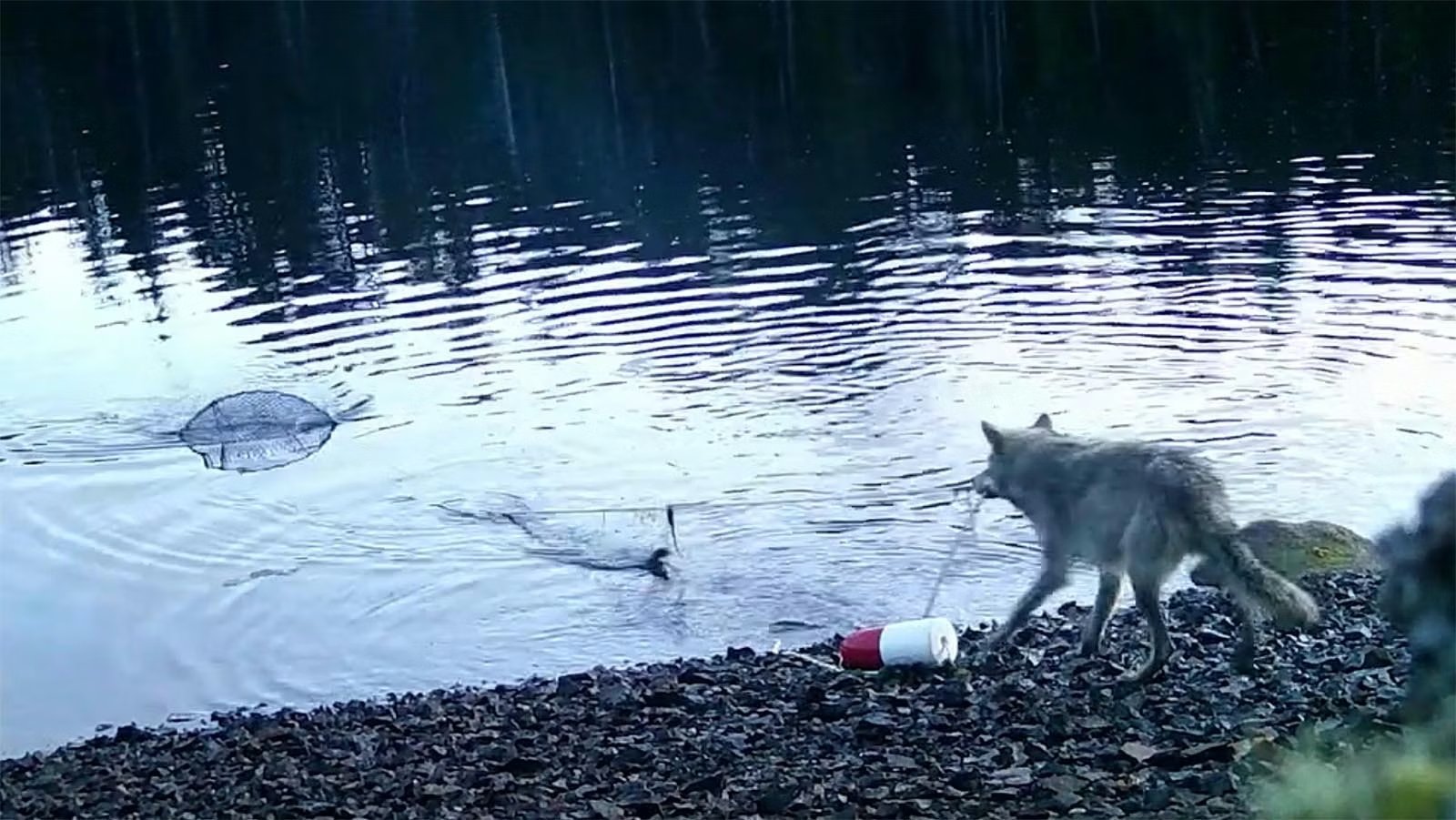
Naturalists are now debating whether this behaviour is truly ‘tool use’ since humans made the traps and all the wolf did was pull it onshore. Still, you have to admit the wolf, or perhaps wolves, are being very clever in figuring out how to get a cheap meal.
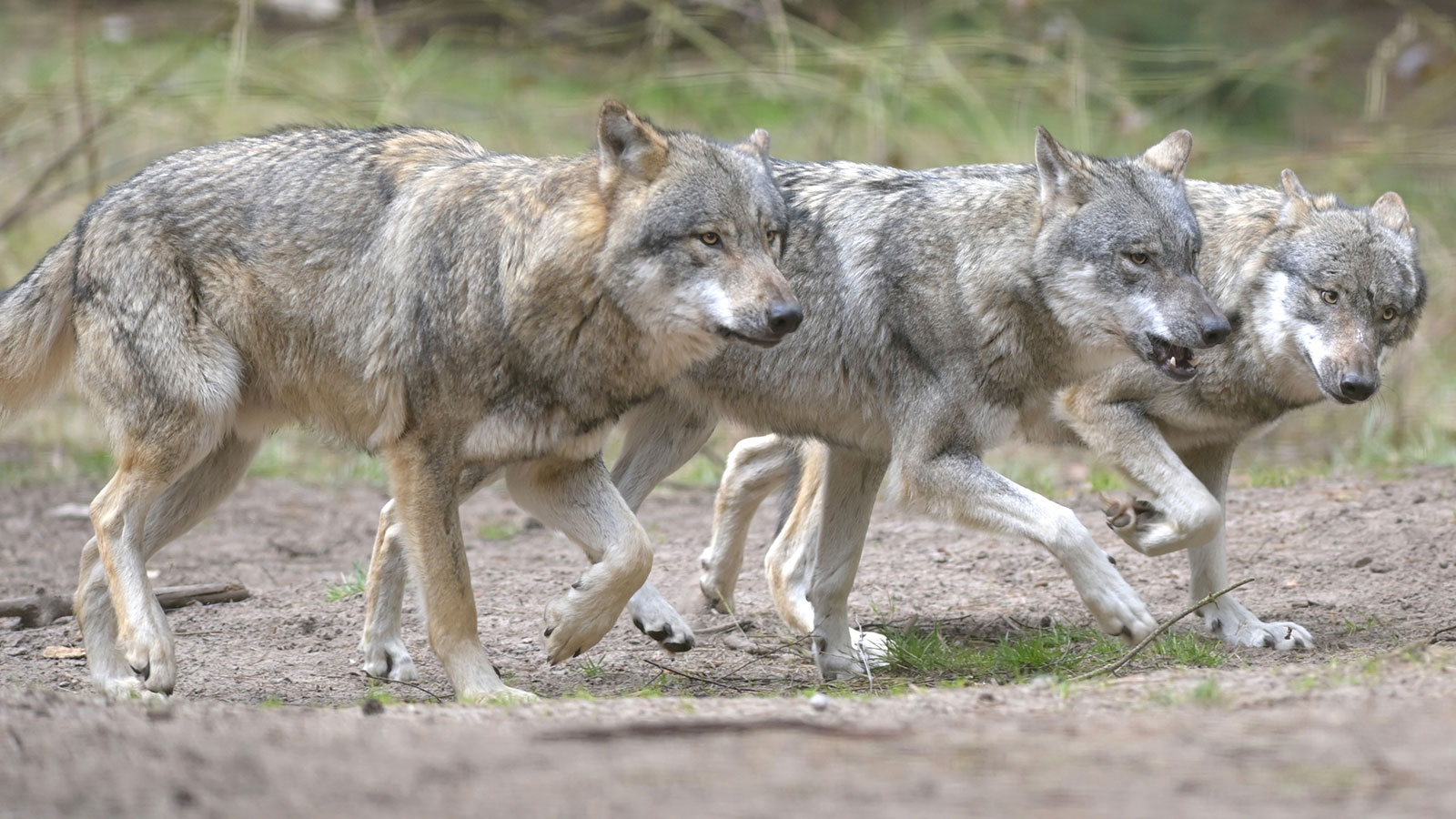
Cooperation between individuals is another good strategy for getting a meal. Now normally such team work is between members of the same species but recently another series of videos has been taken showing how on occasion even species that are sometimes known to be predator and prey may still cooperate, if it improves their chances of getting fed.
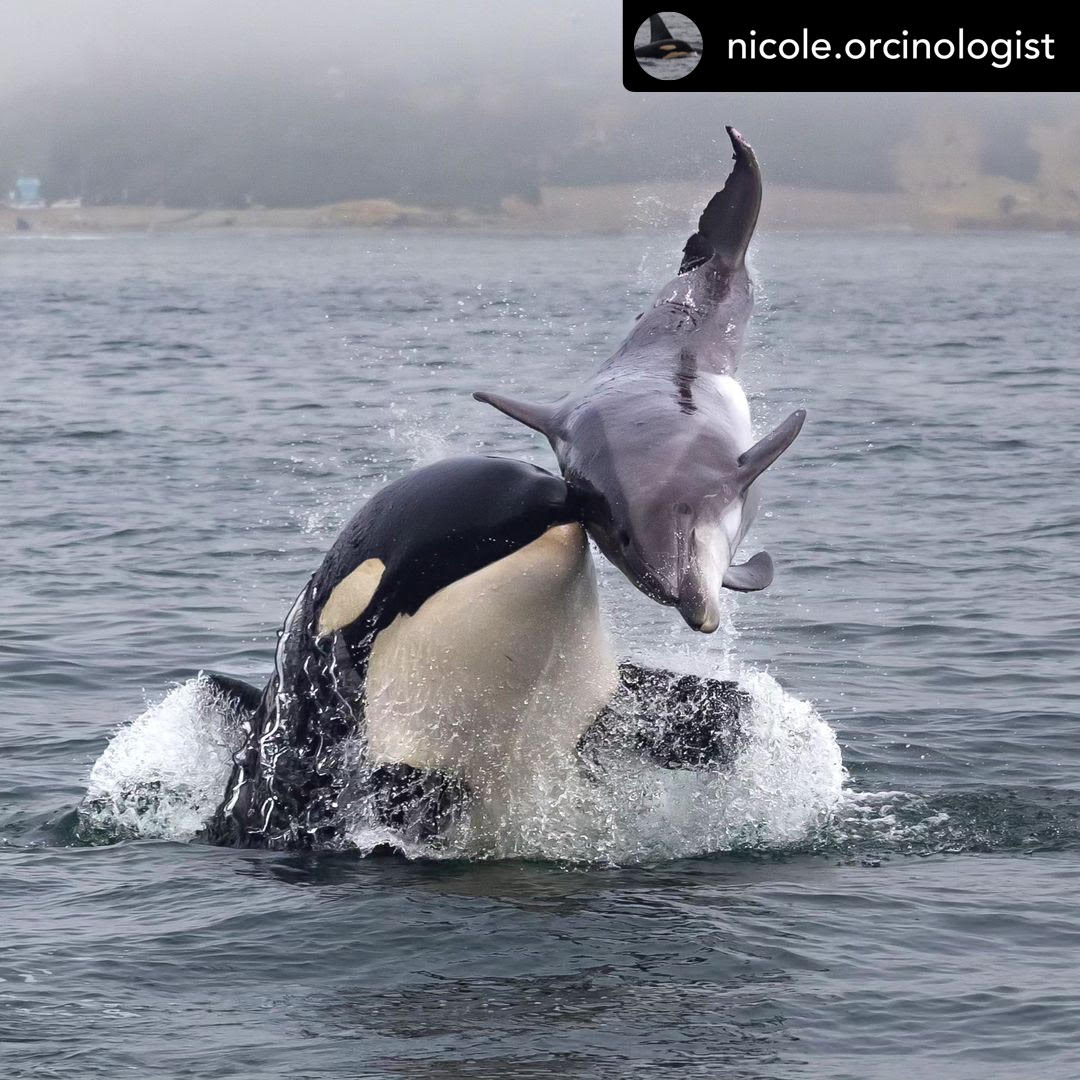
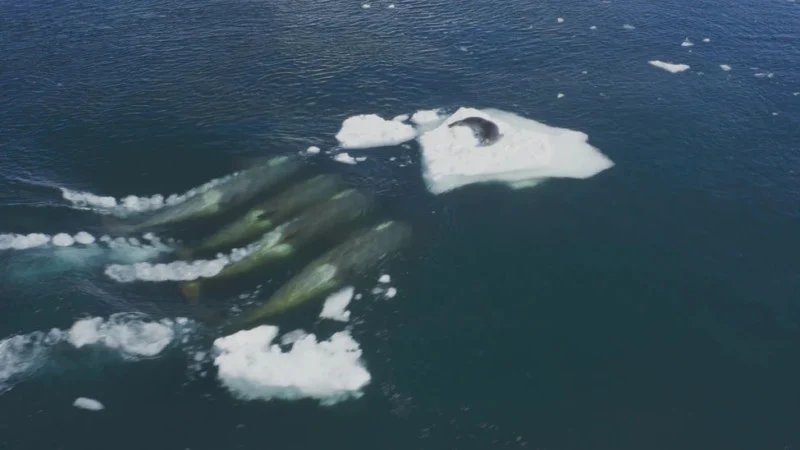
Once again the video comes from the Pacific coast of Canada where a pod of nine Orcas, or killer whales were seen teaming up with pod of Pacific white-sided dolphins to attack large schools of Chinook salmon. It was while the researchers were observing the Orcas that they found that on occasion the pod would change course in the presence of the dolphins and follow them to a large school of salmon.
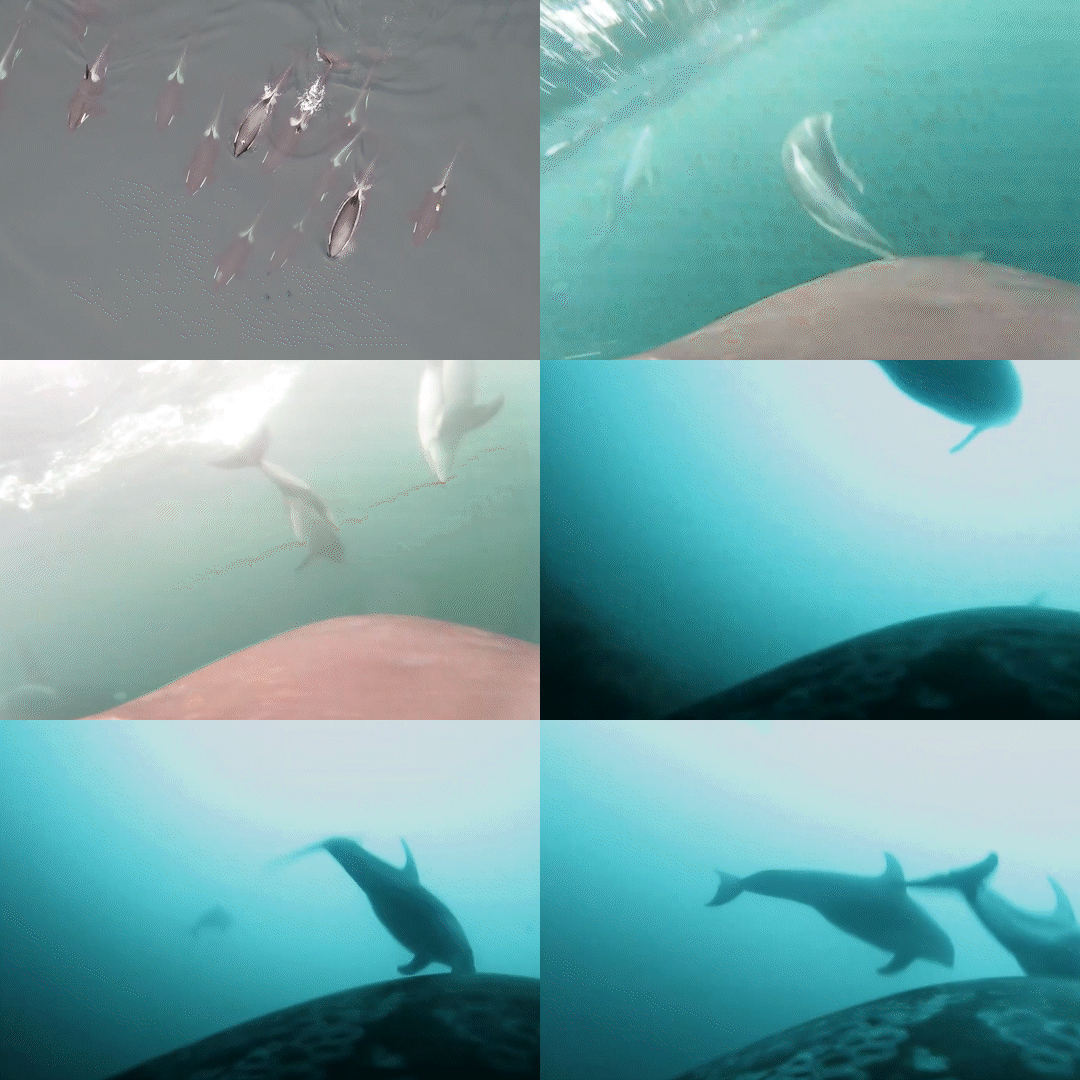
It appears that what is happening is that the dolphins are using their superior echo-location ability to find the salmon, who are too large for the dolphins to swallow whole. So the dolphins lead the Orcas to the salmon where they attack the school. Meanwhile the dolphins benefit by consuming the scraps that the killer whales don’t swallow. Teamwork indeed!
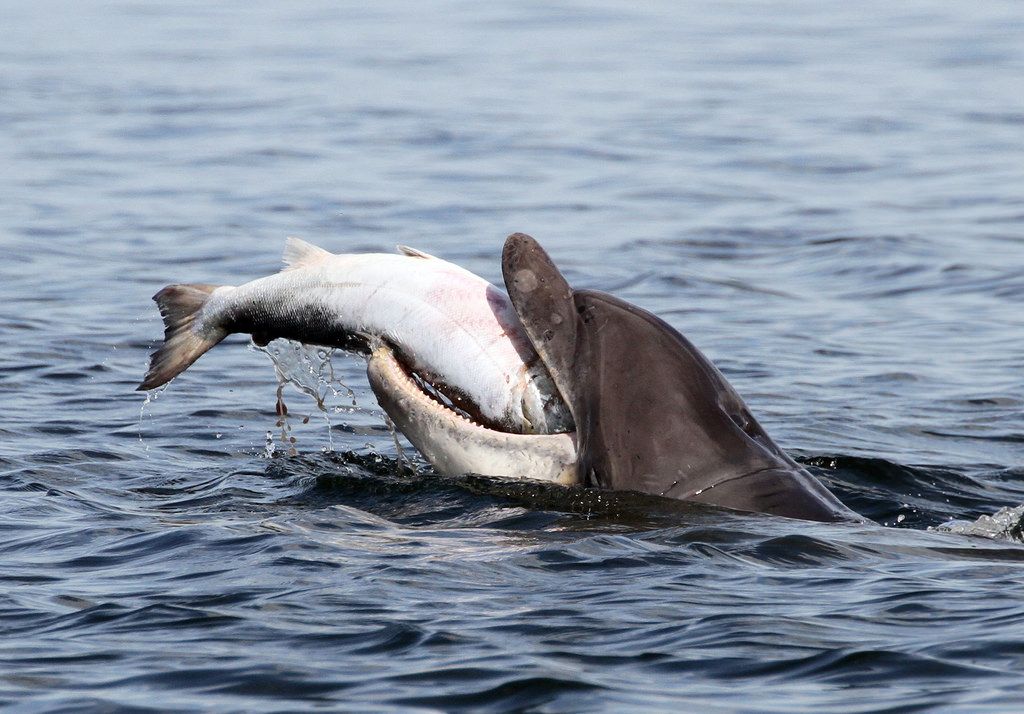
Both Orcas and dolphins are well known to possess a variety of hunting techniques and both are known to be very intelligent species. This is however the first time they have ever been seen to work together. In fact in other parts of the world killer whales have been known to sometimes attack dolphins.
My final story comes from the insect world and is a lesson in self-sacrifice, of putting the good of the many above one’s own personal interest. As you might guess the story concerns one of the social insects, the ants.
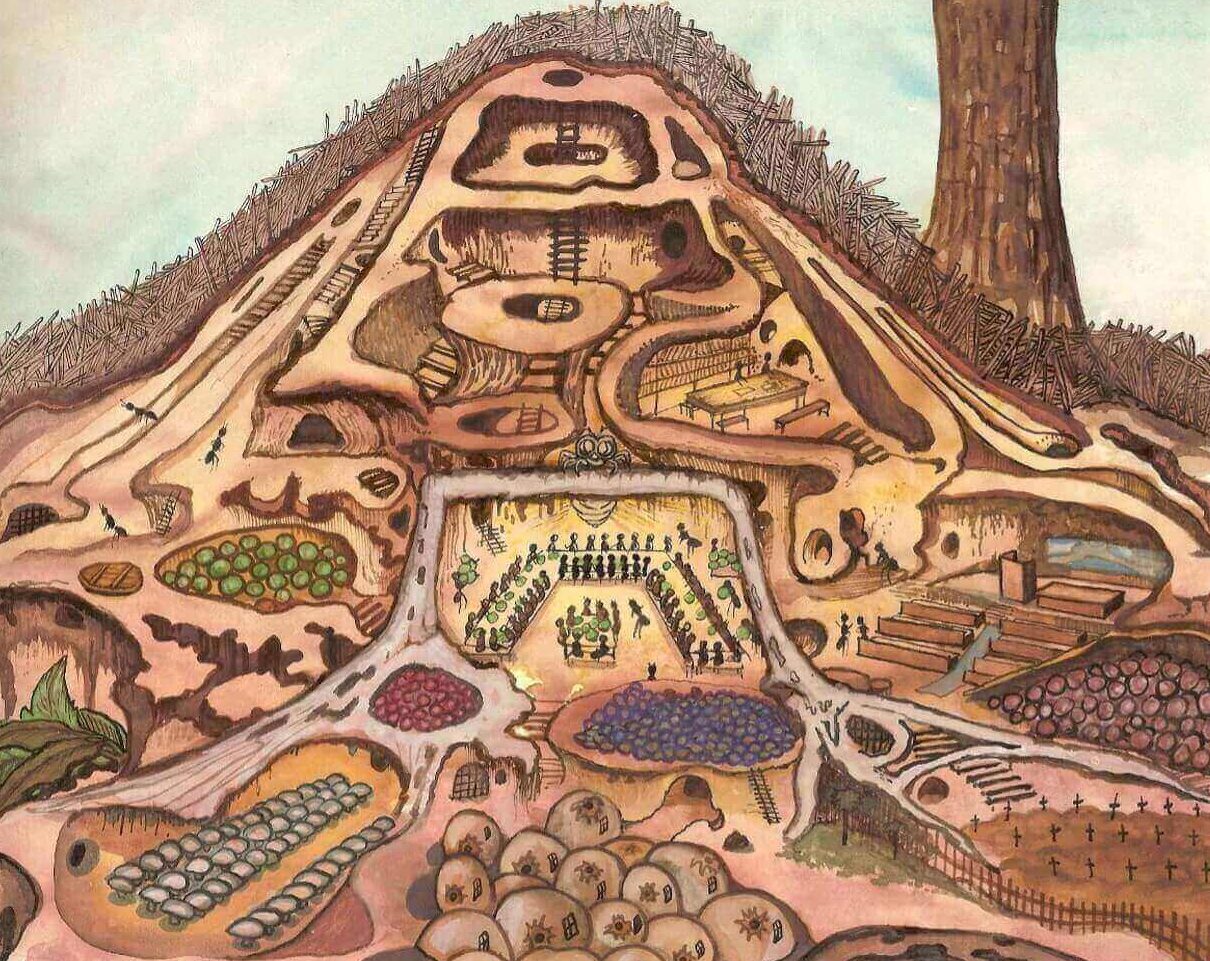
If you think about it species that live together in large numbers are much more subject to communicable diseases than those that live more solitary lives. A disease like the flu has little chance of spreading amongst mountain lions, who rarely come into contact with each other, than say a flock of geese, which is why we’re all concerned about bird flu! Ants, who can live in colonies numbering many thousands are well know to be affected by a number of infectious diseases.
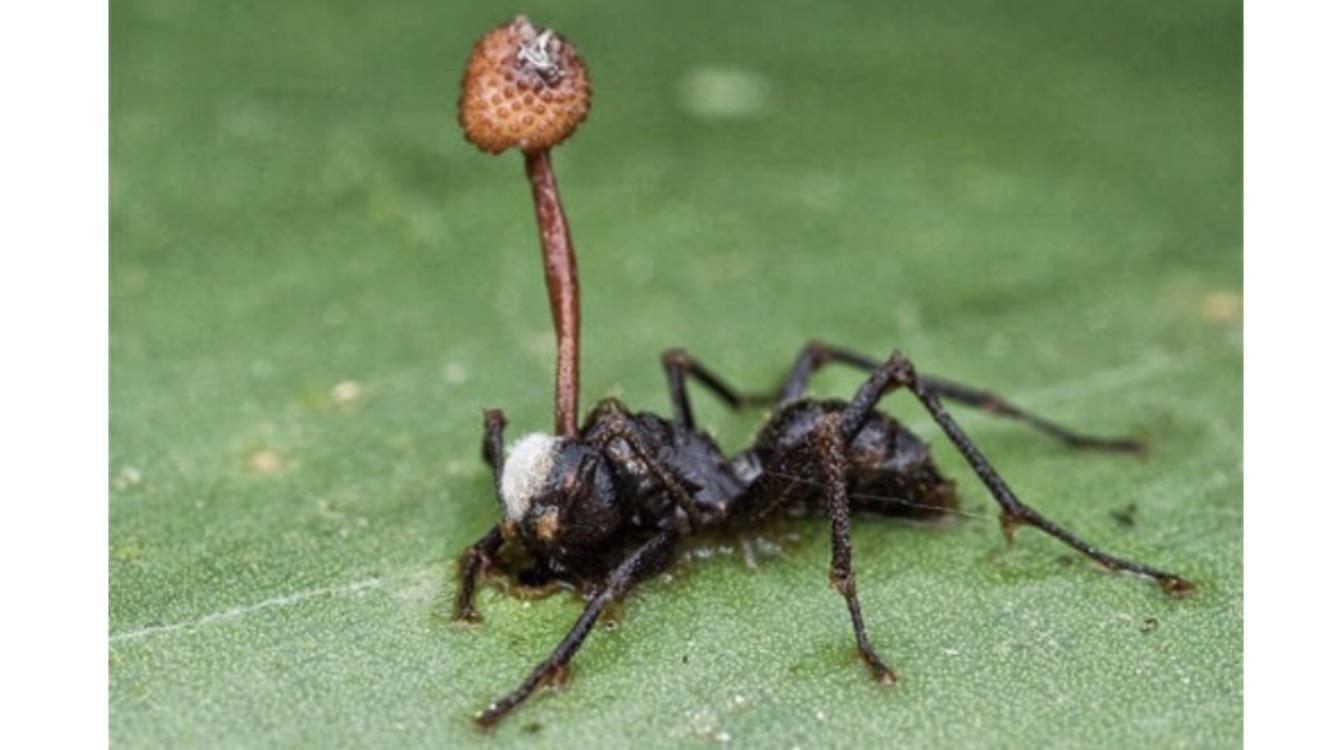
It has been know for many years that when an adult worker ant feels itself getting sick they will leave the nest and die alone in order to protect the rest of the colony from disease. Recently researchers at the Institute of Science and Technology in Austria have investigated whether infected young ants called pupae also try to protect the colony in some way. You see pupae cannot move and are confined to their cocoon so they cannot simply walk away. Do they also try to protect the colony from getting their illness?
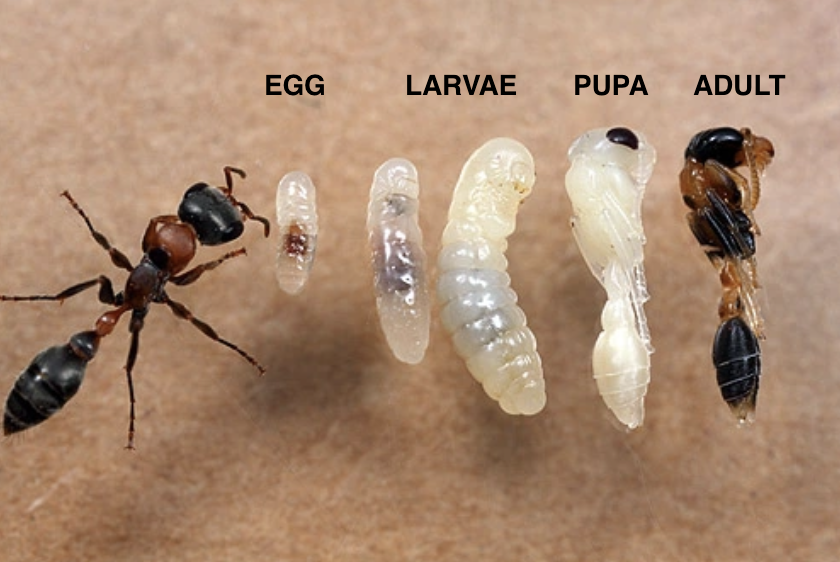
What the researchers found was that an infected pupae begins to emit a chemical smell that signals to the nearby adults that ‘I’m infected, come and kill me’ which the adults quickly do by injecting the pupae with a poison that kills both the pupae as well as the disease. One interesting exception to this behavior that the scientists discovered is young queen ants that get infected do not emit this chemical, perhaps because queen ants are known to have a better immune system enabling them to better able to fight off an infection.
Many creatures in nature will selfishly do whatever they can to survive, even if it risks others of their species. Some animals however will sacrifice themselves for the sake of their children. So far only among the insects can we find creatures who will sacrifice themselves in order to protect their community.