Back a few months ago the asteroid 2024 YR4 made quite a few headlines because the astronomers whose job it is to discover and keep track of Near Earth Objects (NEOs) calculated that there was a very small but not insignificant chance that 2024 YR4 could collide with our planet on the 22nd of December in 2032. (See my post of 8 March 2025.) At an estimated size of between 50 and 100m, 2024 YR4 was a potential ‘city killer’ so it was no wonder that there was some concern when the chance of a collision rose to about 3%.
Now 2024 YR4 had only been discovered in 2024, hence the designation 2024 YR4, and after several weeks of measurements of its position and velocity it was announced that better, more precise calculations clearly showed that while 2024 YR4 would come close to Earth on the 22nd of December 2032, it definitely would not collide with our planet.
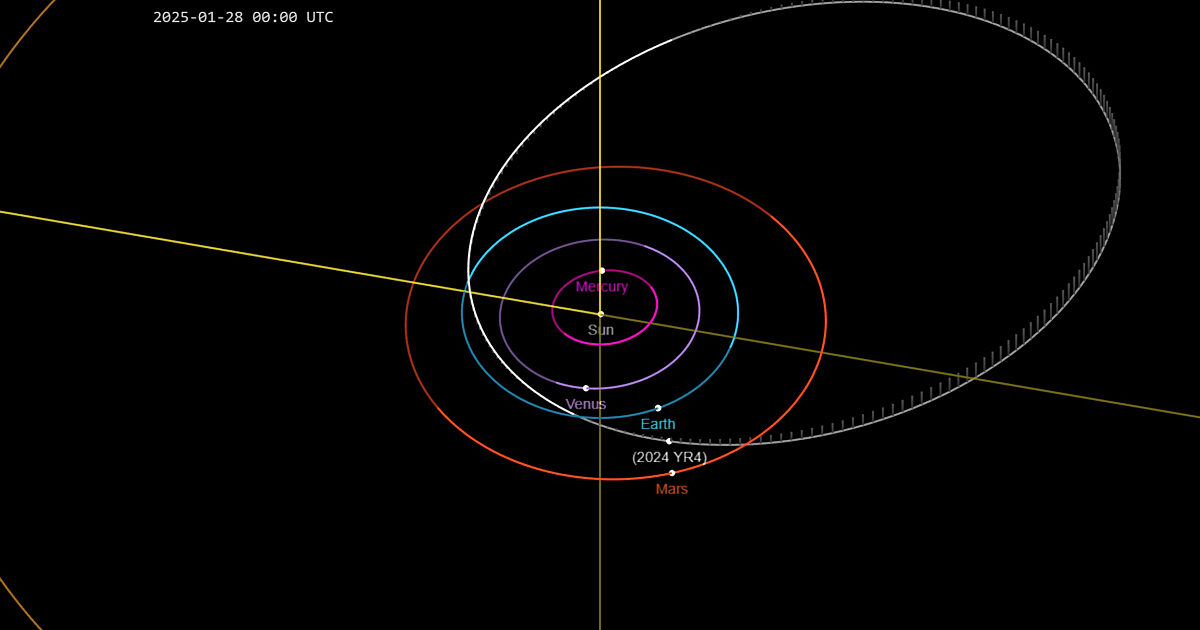
But it could still strike the Moon. In fact a recent review of the observations made of 2024 YR4 while it was close to our planet has now given a better chance of 2024 YR4 striking the Moon than it ever did of colliding with Earth, 4.3%.
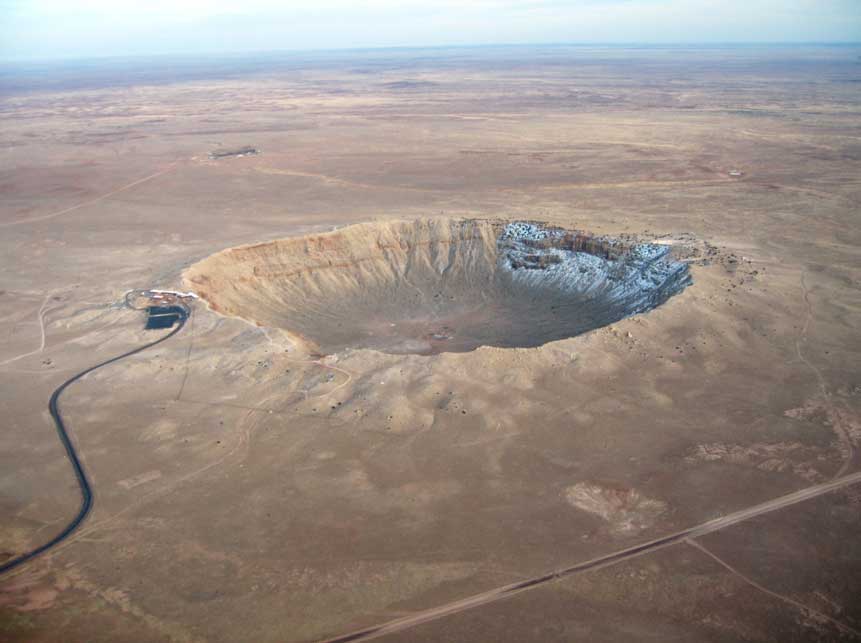
So, what would be the results of 2024 YR4’s striking the Moon? Would there be any danger to us here on Earth? A 50-100m in diameter asteroid slamming into the Moon would cause an explosion as powerful as that of an H-bomb, an estimated 6.5 megatons of explosive power. Such an explosion would create a crater that is estimated to be about a kilometer in diameter and cause as much as 200 million tons of lunar rock to be ejected.

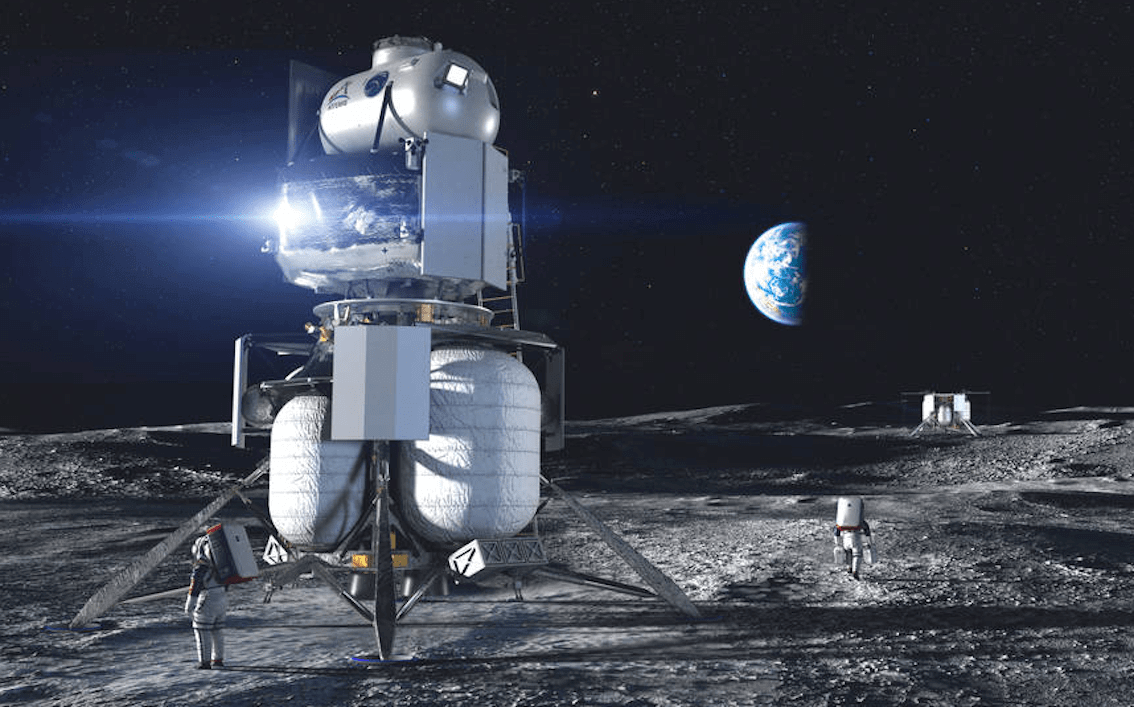
Now, the collision itself could only be a danger to someone on the Moon; an astronaut in other words and by 2032 there is the possibility that NASA or the Chinese space agency could be sending astronauts to the Moon on a regular basis. Of course if astronomers were certain that the asteroid were going to crash on the Moon you can bet that both space agencies would cancel any lunar missions until they were convinced it was safe.
Here on Earth all that we would see is a bright flash of light on the lunar surface lasting several seconds. The calculations right now indicate that 2024 YR4 would strike the visible face of the Moon so it would be a once in a lifetime viewing opportunity for the half of the world where the Moon is up.
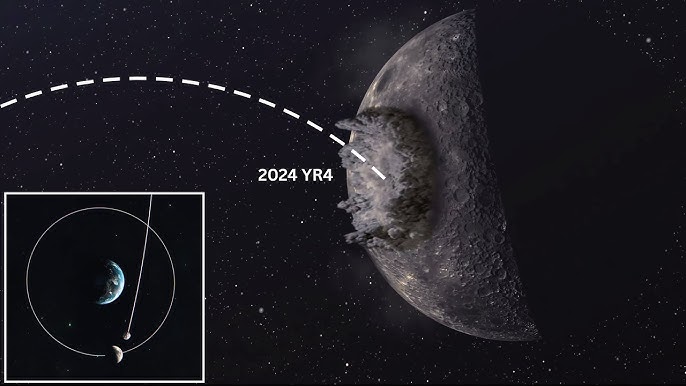
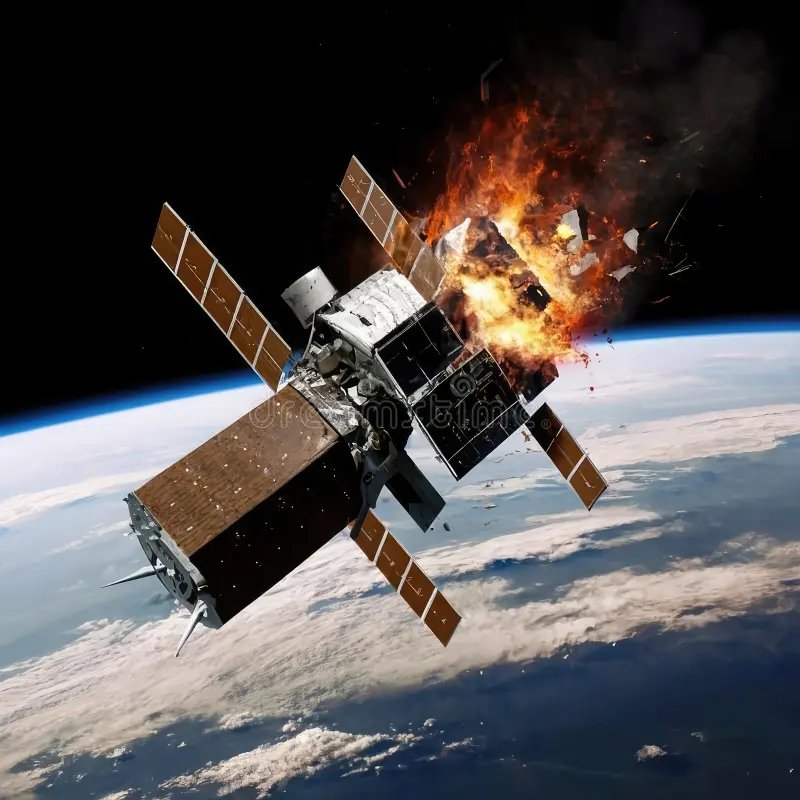
The danger comes after the actually strike with all of that Lunar material that got ejected by the collision. A small fraction of that material will actually escape the Moon’s gravity and a fraction of that will come towards Earth. Starting about a week after the collision our night skies will treat us to the most glorious meteor showers in history, and that show could continue for months.
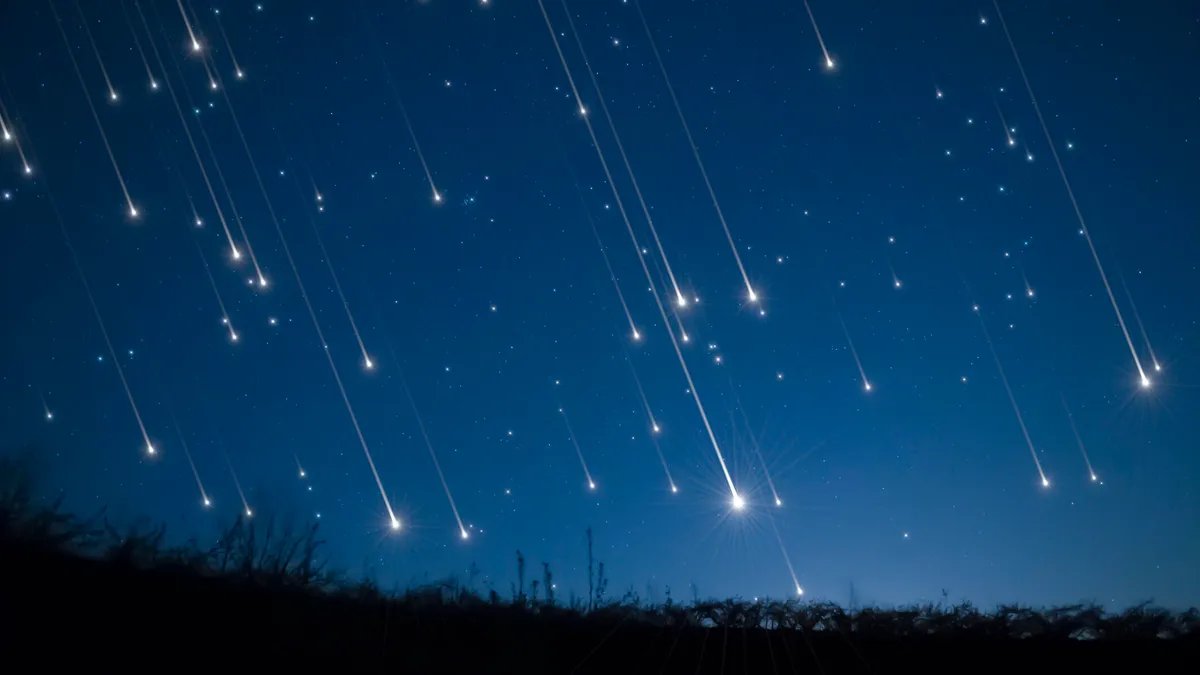
There is little chance of anyone on Earth’s surface being hurt by the meteors, virtually all of the particles will be smaller than a peanut and burn up in the atmosphere. The danger would be to astronauts in Low Earth Orbit (LOE) space stations and to the hundreds of satellites circling our planet.
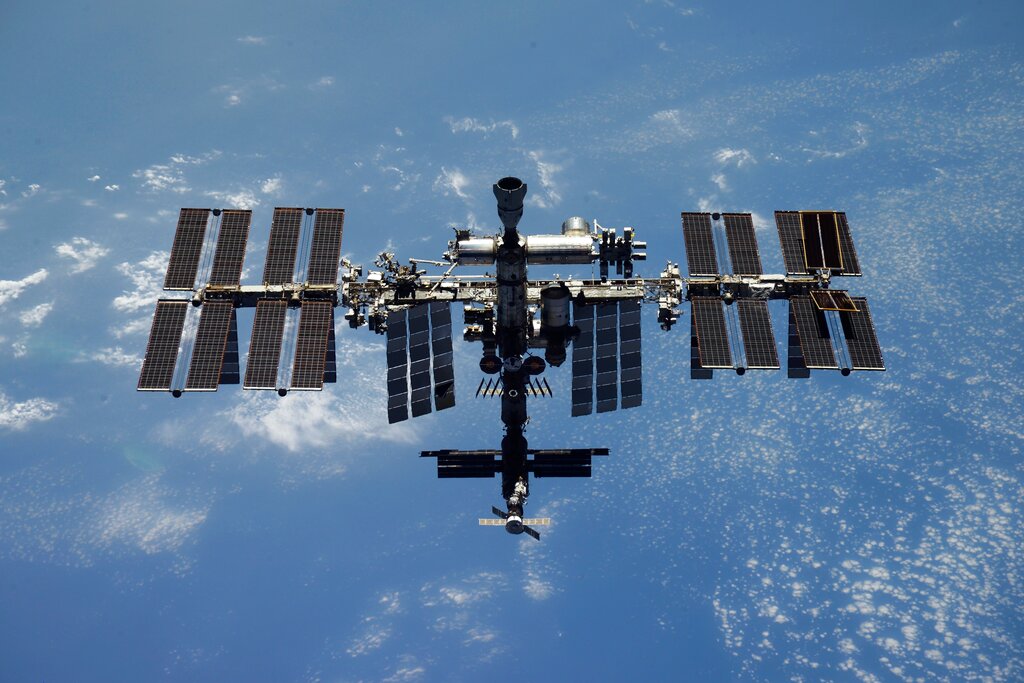
That’s the real danger because any collision with even a tiny grain of lunar dust at velocities of 10 kilometers or more per second could do serious damage to a spacecraft. Remember our increasingly technological society has become quite dependent on GPS satellites, communications satellites, weather satellites etc, etc. If 2024 YR4 should strike the Moon the danger to LOE satellites and manned stations could last for years.
So, on the whole I’m hoping that 2024 YR4 misses the Moon entirely. It would make for a spectacular show but the problems it causes could seriously impact space exploration for a long time.
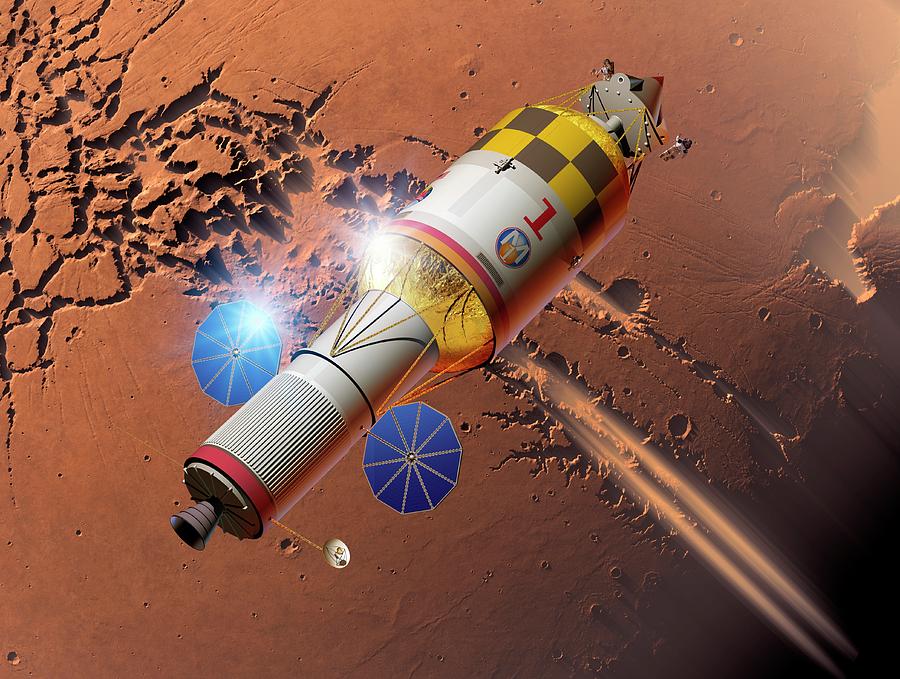
My second asteroid is not going to put on such a show, nor be as much a threat as 2024 YR4 but 3I/Atlas is in many ways more interesting. Discovered on July 1st of 2025, 3I/Atlas is the third interstellar visitor to our solar system to be discovered by astronomers and differs greatly from the first two.
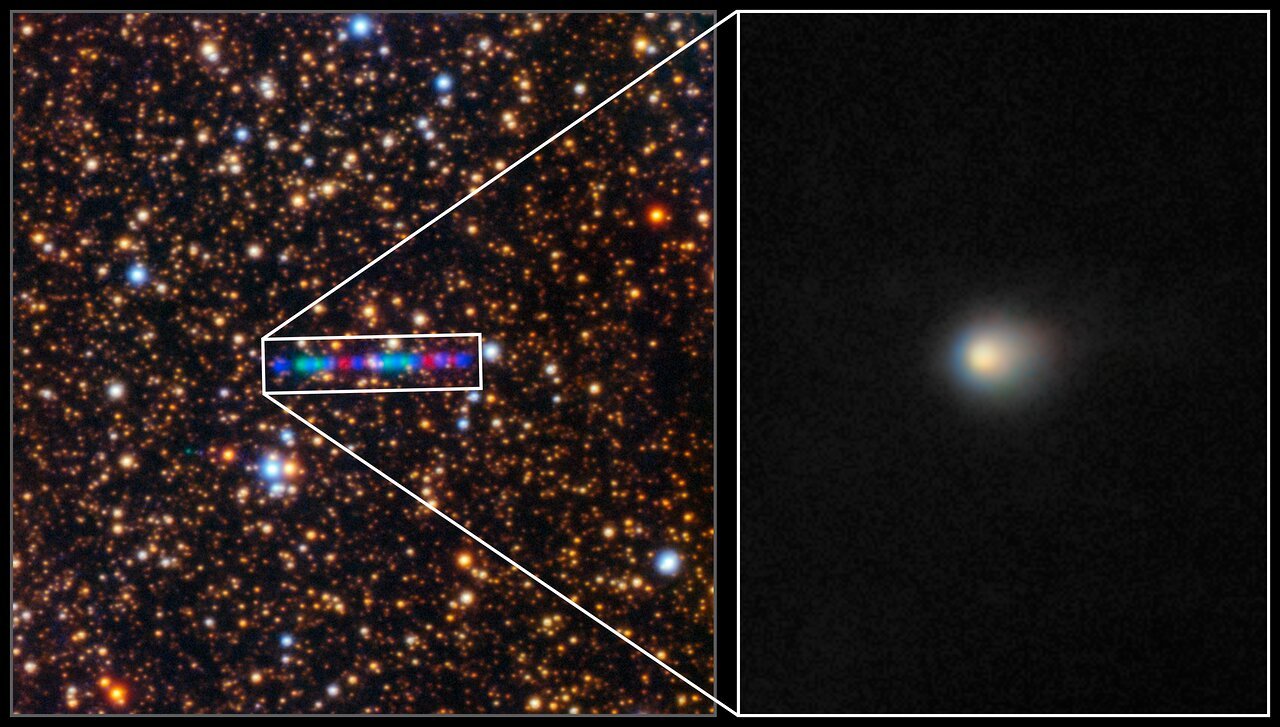
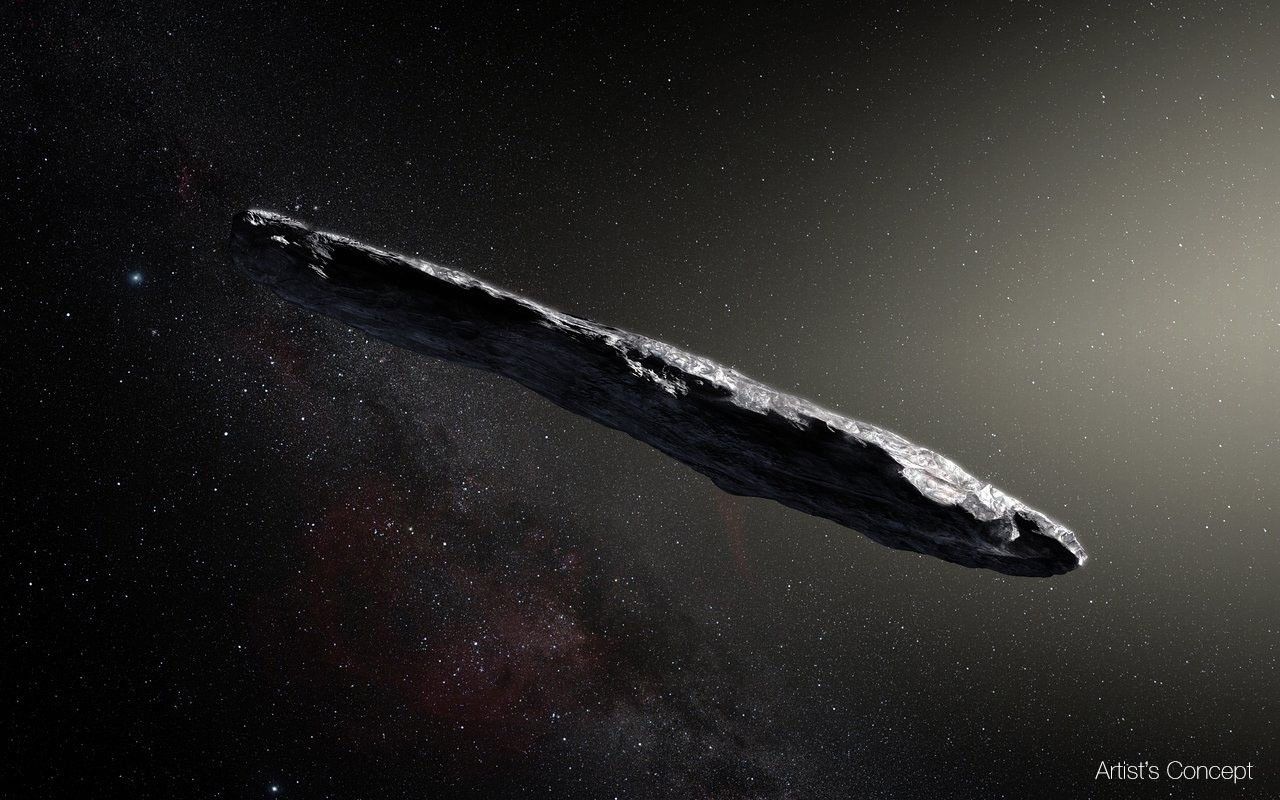
You may remember that back in 2017 there was a lot of talk about Oumuamua, the first object to be discovered in our solar system that was definitely from outside, a visitor from interstellar space. There was even suggestions back then that Oumuamua could be an alien spaceship, its shape was more like a spaceship than a normal asteroid’s. (See my post of 11 November 2017 for more information on Oumuamua). Then in 2021 a second interstellar visitor was detected and given the name 2I/Borisov. Both these two objects made one pass through our solar system and then returned to interstellar space, never to be seen again.
If you’re wondering how astronomers know that an object they’ve discovered is an interstellar visitor well it’s all a question of velocity. If an object is moving too fast for the Sun’s gravity to force it into a stable orbit then it will quickly leave the solar system, and therefore must have originally come from outside the solar system. Oumuamua was first observed to have a velocity of 26.33 kilometers per second (kps), a little more than solar escape velocity and 2I.Borisov’s velocity was a bit higher at 32.2 kps.
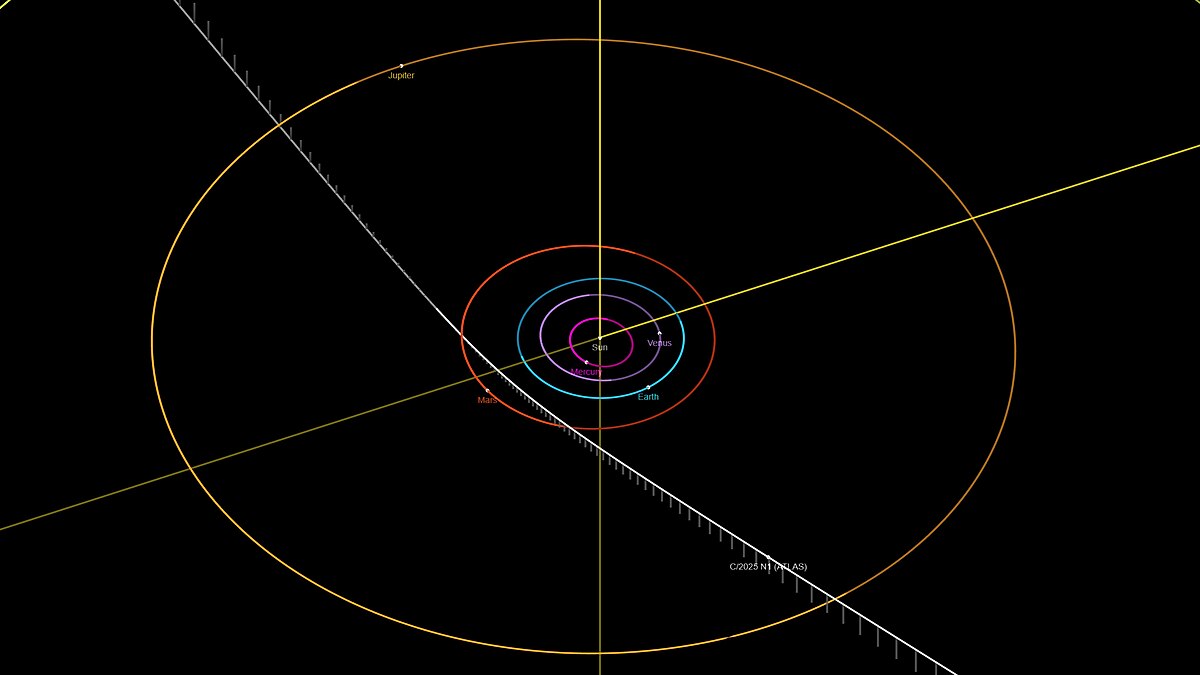
3I/Atlas has been clocked at a much faster velocity, 57 kps, nearly twice as fast as the other two. Additionally 3I/Atlas is more than twice the size of our first two interstellar visitors, its size is estimated to be 10-20 kilometers in diameter. Those facts alone would be enough to make astronomers sit up and take notice but when they projected it trajectory backwards they got another nice surprise, 3I/Atlas appears to have come from outside of the local spiral arm, from a much older region of our galaxy.
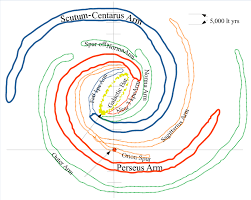
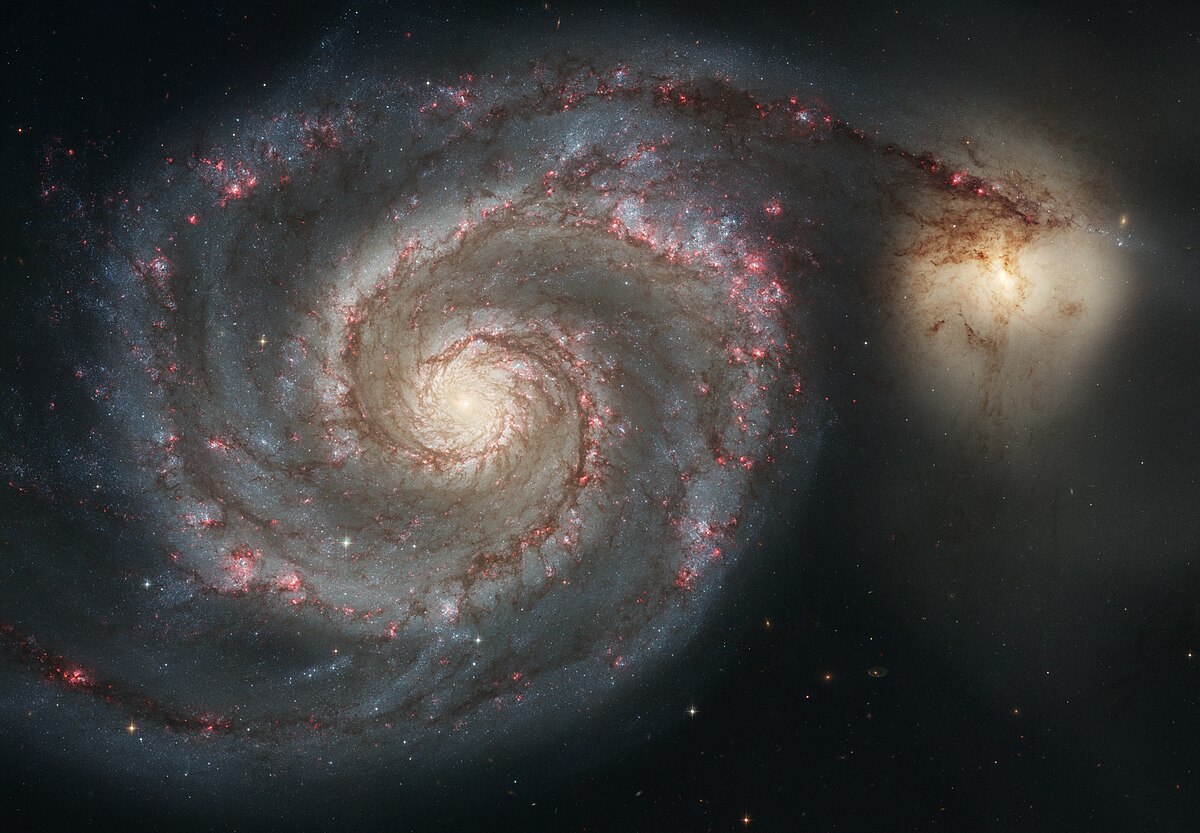
Now remember that our Sun and solar system are about 4.5 billion years old but the Universe is much older than that at 13.5 billion years. Most astronomers think that, although it has changed a great deal, our Milky Way galaxy is more than 10 billion years old, so our Sun is less than half the age of our galaxy. Another thing that astronomers know is that the spiral arms of galaxies are regions where stars are being born, and our Sun is in one of these regions. If 3I/Atlas does come from outside our spiral arm it could be twice the age of our Sun, it could be the oldest thing we have ever been able to observe close up.
Unfortunately, 3I/Atlas will come no closer to Earth than the orbit of Mars later this year and, like the first two interstellar objects will then return to the darkness between the stars. In the last eight years we’ve found three interstellar objects but in the future you can expect we will find a lot more. The new Vera C. Rubin telescope in Chile was designed to look for asteroids and has already discovered hundreds. So, astronomers expect that from time to time it will spot a new asteroid from outside our solar system.