This month I’ve got three new stories that span half a billion years in time and different aspects of how the study of ancient life is carried out. As usual I’ll start with the earliest and work my way forward in time.
The first period in Earth’s history to display a large number of different kinds of fossil species is technically known as the Cambrian period. Thanks to the fossils found in the Burgess Shale fossil site in British Columbia from 520 million years ago the Cambrian period has become well known for the many weird and wonderful creatures that existed during that period of time. Two of the best known, and weirdest of the Burgess Shale animals are Opabinia and Anomalocaris, shown below. Both possess a segmented body plan similar to that of modern arthropods but lack the jointed limbs that are the very meaning of the word arthropod. At the same time each creature has strange features unlike those of any modern animal.
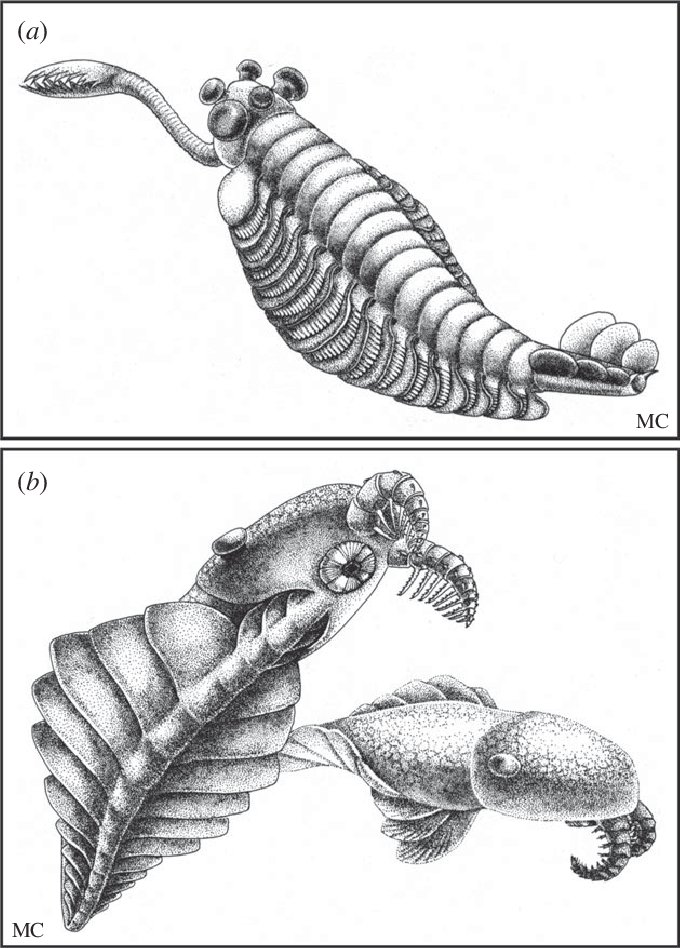
As you can see in the illustration Opabinia has a trunk like appendage with a claw at the end coming out of its face while at the same time having five (!) eyes on top of its head. Anomalocaris on the other hand has two backward curved segmented tentacles near a circular (?) mouth. Over the years many paleontologists have tried to insert both Opabinia and Anomalocaris into the phylum Arthropoda but those strange features have made the fit awkward at the very least.
But now a new species from the same period has been discovered in China that is an almost perfect ‘missing link’ between Opabinia, Anomalocaris and more familiar arthropods. In a paper published in the Journal Nature the new creature has been described and given the name Kylinxia zhangi. According to co-author Diying Huang, a professor at Nanjing Institute, Kylinxia is named for a mythological Chinese version of the Chimera, a creature that combined the heads of a lion, a goat and a snake.
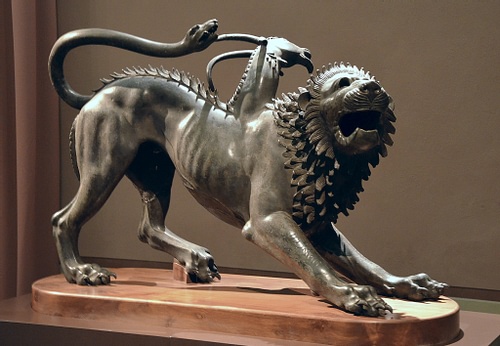
And like the Chimera, Kylinxia has a combination of the features of several other Cambrian animals. For one it has the five eyes of Opabinia along with the segmented arms of Anomalocaris, although in Kylinxia the arms are curved forward rather than backward. At the same time it has other features typical of better known arthropods such as a hard exoskeleton in addition to a large number of jointed limbs.
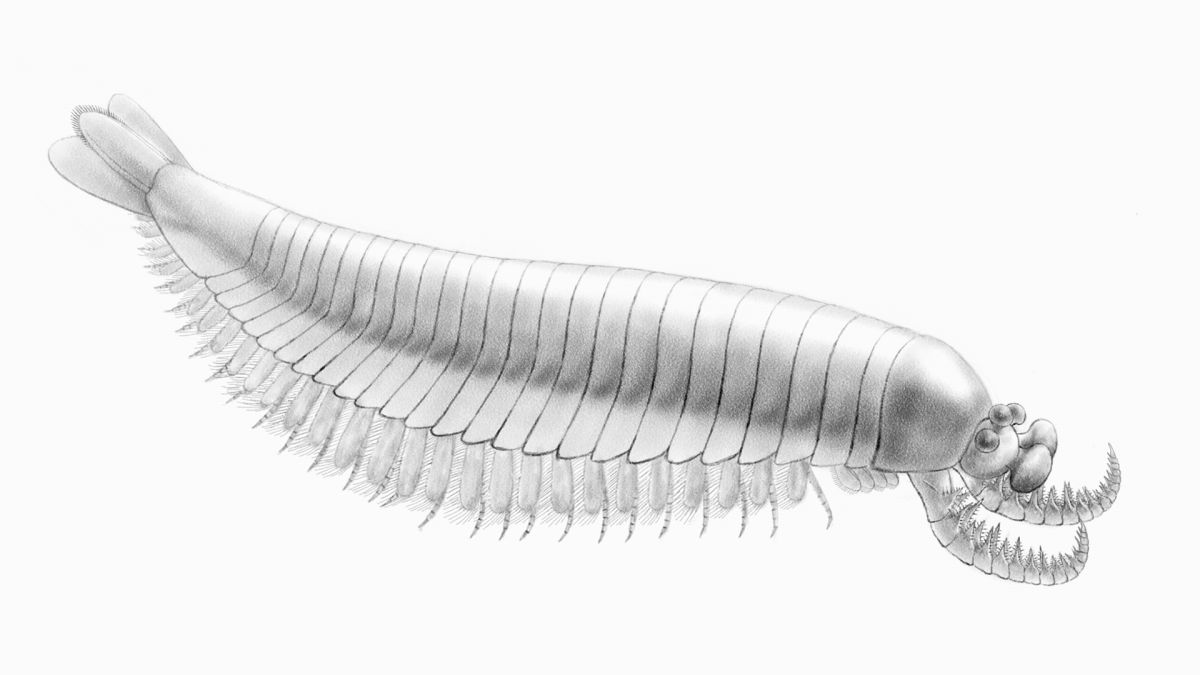
The discovery of creatures like Kylinxia zhangi is something of a Holy Grail for paleontologists, where just a few fossils, sometimes only one, can answer many of our questions about the history of life.
More often answering those questions requires the careful analysis of a large number of fossils, along with other evidence. One such question is whether or not the dinosaurs were already in decline when the asteroid struck giving them a final ‘coup de grace’ or were they in fact still flourishing and would probably still be dominating the world today if not for that asteroid?

Naturalists today have a hard enough time trying to determine whether some species are in decline or not, and if so by how much. Tigers and elephants may be easy to count but how would you decide if the numbers of honeybees or frogs are increasing or decreasing, and they’re alive today not dead for 66 million years. Doing population studies for long extinct species, let alone groups of species, is obviously a very difficult task.
Which makes a new study published in the journal Royal Society Open Science from researchers at Bath University and Natural History Museum all the more remarkable. Using statistical modeling techniques the team studied the diversity of dinosaur species and groups that were present in the late Cretaceous, the time just before the asteroid hit.

What they found was not only were most groups of dinosaurs doing quite well, in terms of number of species, but there was also clear evidence that two groups, the duck-billed Hadrosaurs and horned Ceratopsians were rapidly increasing in diversity. In fact, according to study lead author and Ph.D. candidate Joe Bonsor, “…there’s no evidence to suggest they (the dinosaurs) would have died out 66 million years ago had the extinction event not happened.”
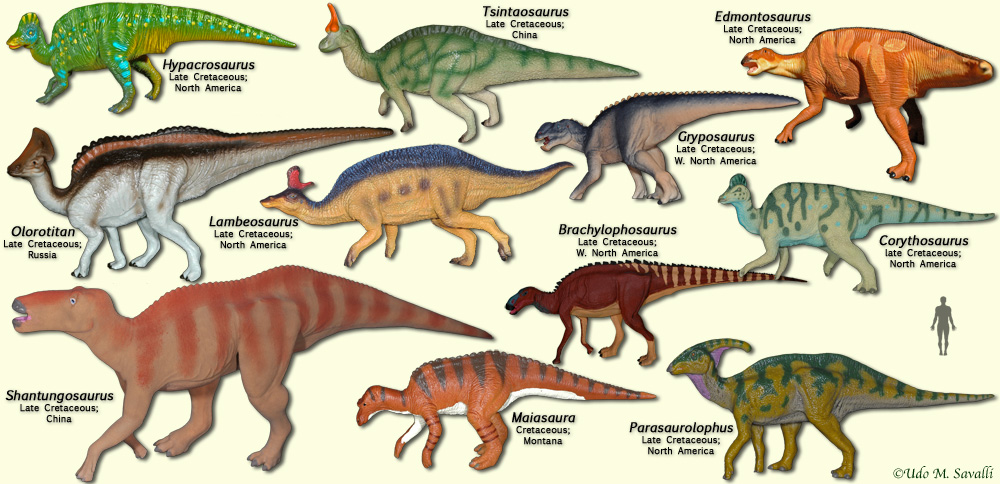
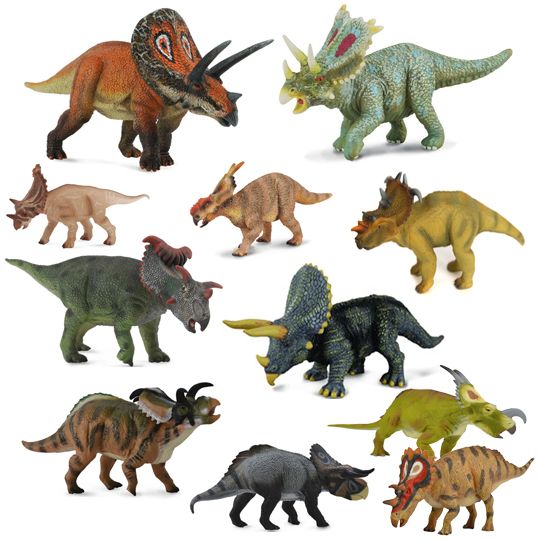
And if that assessment is accurate, where would that have left our mammalian ancestors, the largest of whom was about the size of a rabbit and who were shoved into the shadows of their world by the dominate dinosaurs? Was our very existence, the very dominance of mammals in our world today only possible because of a stray piece of space rock that just happened to collide with Earth 66 million years ago?
But it was our ancestors and not the dinosaurs that managed to somehow survive the destruction caused by that asteroid. How did they do it? What was there about those small mammals that allowed them to stay alive while all the dinosaurs died? Paleontologists have offered a lot of different explanations for what characteristics allowed the mammals to live to tell the tale.
One of the most commonly made suggestions is that, because mammals were forced to live in the ecological edges they had to live on whatever they could find. In other words the mammals were forced to become generalists while the dominant dinosaurs became specialists. Then, when the world was pushed to the edge they managed to cling to life whereas the dinosaurs couldn’t.
Another possibility is that the mammals survived because they helped each other, because they lived together and worked together. The benefits of living in a society are well known and include more eyes to help avoid predators, sharing of resources and for warm blooded animals, sharing body warmth. Those last two items would have been a big help in surviving a disaster like the asteroid strike.
Now the earliest known evidence for social behavior in mammals has been discovered and it comes from the Cretaceous period just a few million years before the asteroid. In an article published in the journal Nature Ecology and Evolution paleontologist Luke Weaver from the University of Washington describes the fossils he found at Egg Mountain in Western Montana.
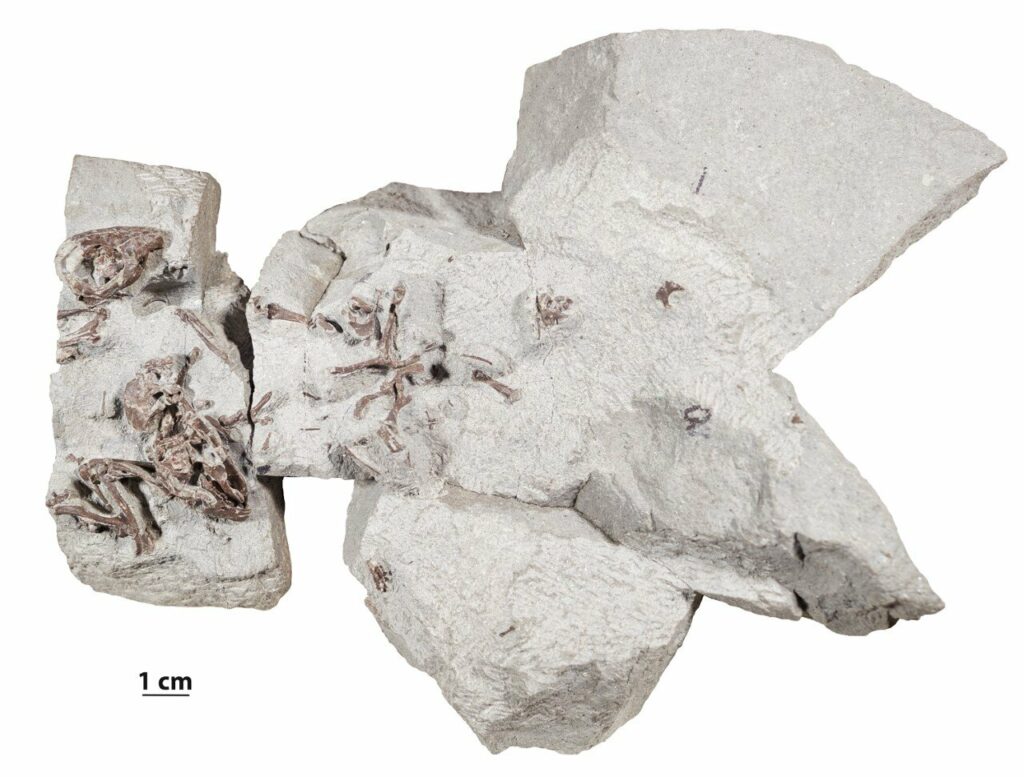
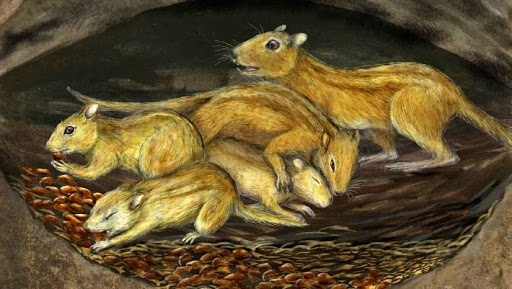
The fossils in question are of a rather familiar looking rodent-like animal named Filikomys primaevus which means ‘youthful friendly mouse” and which were dated to some 75.5 million years ago, about 10 million years before the asteroid. What the fossils discovered by Professor show is the complete remains of many individuals, both adults and young, all contained within the same chunk of rock. Because of the completeness and articulation of the remains Prof. Weaver is certain that the fossils were not accidentally brought together by water currents or some other geological force. These animals lived together, and died together.
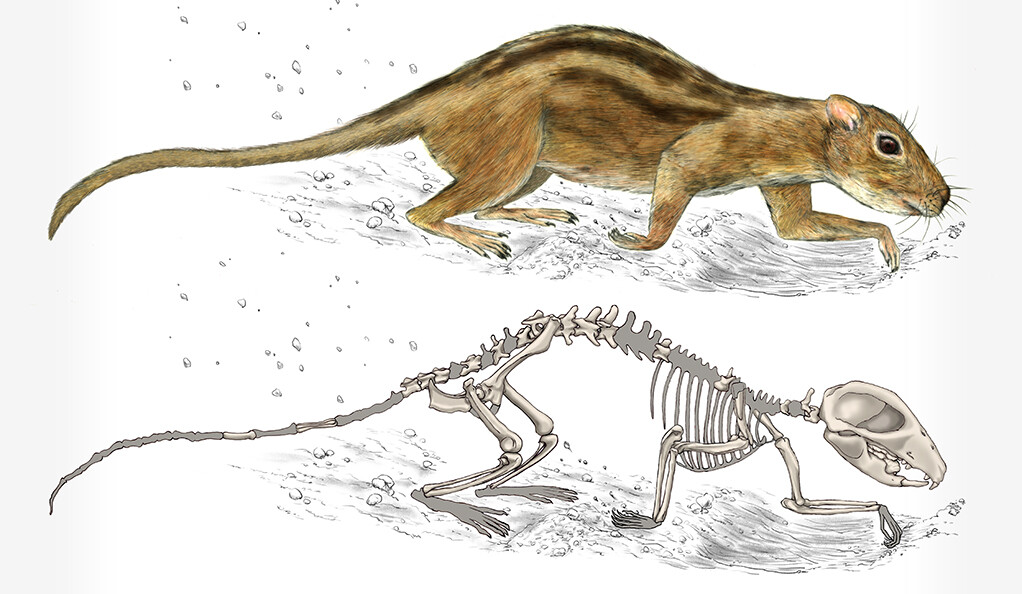
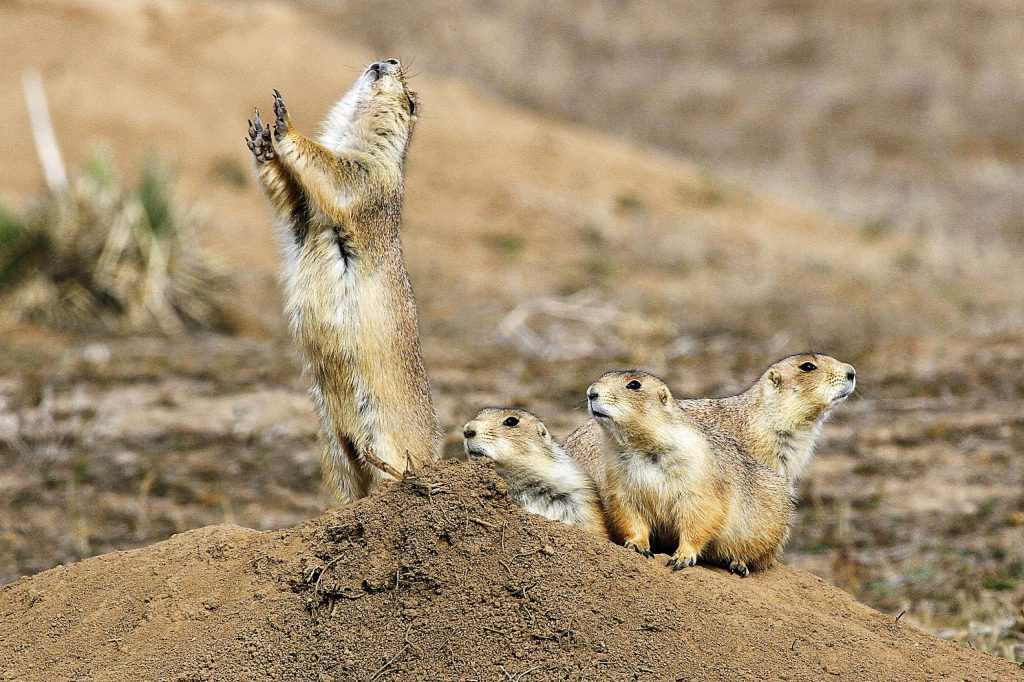
Professor Weaver interprets the fossils as being similar to an underground nest of ground squirrels or prairie dogs, which are actually squirrels not dogs. Such groups of mammals today are known to possess quite complex social relationships, see my posts of 20 January 2018 and 11 July 2020 discussing prairie dogs.
Now just how complex was the social behavior of F primaevus we may never know. The fact that these animals were living together in large groups 77 million years ago however is strong evidence that social behavior in mammals, that includes us, has been around a long time. And those social skills just might have given our ancestors an extra edge for survival when that asteroid hit. Maybe, rather than going extinct like the dinosaurs, we’re only here because our ancestors helped each other get through a big disaster. Something worth thinking about right now.