Space News for January 2026: Manned Missions are making News plus one story about an unmanned mission as well. 

There’s been a lot of news happening in both manned and unmanned space exploration lately with the manned missions getting most of the press as usual. So let’s get to it.

It does seem like we’re finally getting back to the idea of Space exploration being the most exciting thing we can do! (Credit: Walmart)

The big news of course is the medical emergency with a member of the International Space Station’s (ISS) Crew 11. Owing to privacy concerns NASA has not officially announced which astronaut is ill or just what their medical condition is, but the space agency has insisted that their situation is ‘stable’. Still, the medical facilities aboard the ISS are not sufficient to treat the emergency so they are bringing the whole crew back to Earth.

In the first ever medical emergency in space NASA had to make the decision to bring all four members of the Crew 11 mission back to Earth. (Credit: YouTube)

Therefore NASA has decided to take the unprecedented step of bringing Crew 11 back to Earth about a month early, this announcement was made on January 8th. The Crew 11 mission was launched back in July of 2025 as a routine crew rotation for the ISS and the crew was scheduled to return to Earth in late February or early March after being relieved by the upcoming Crew 12 launch.
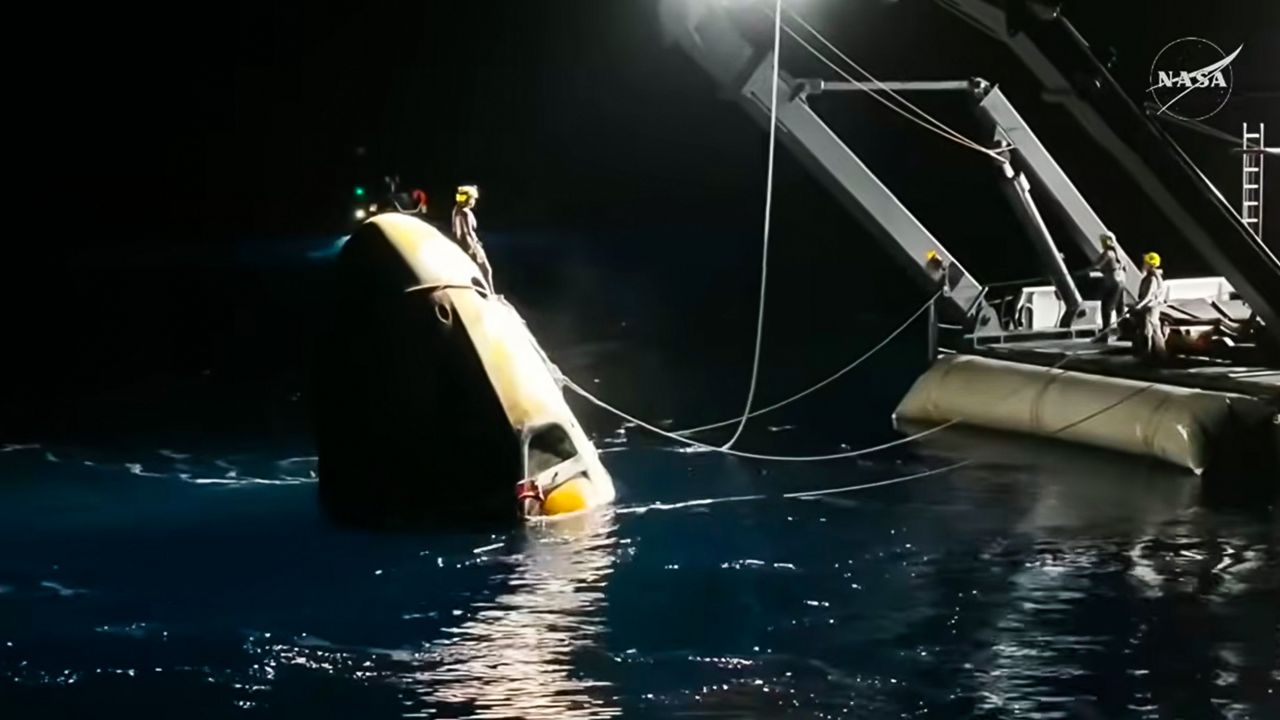
Despite the change in schedule, and the medical emergency the deorbit and splashdown of Crew 11 went off without a hitch. The capsule was safely recovered in the Pacific Ocean. (Credit: Spectrum News 13)

Instead Crew 11 departed from the ISS on January 14 and splashed down in the Pacific off California in the early morning hours of the 15th. Despite the rushed schedule to return the mission was completed without incident and the astronauts were safely recovered, including the one with the medical emergency. This unique situation will leave the ISS with only a crew of 3 cosmonauts for a month but that’s the way things were for the nine years between the last Space Shuttle flight and the first Space X manned missions.
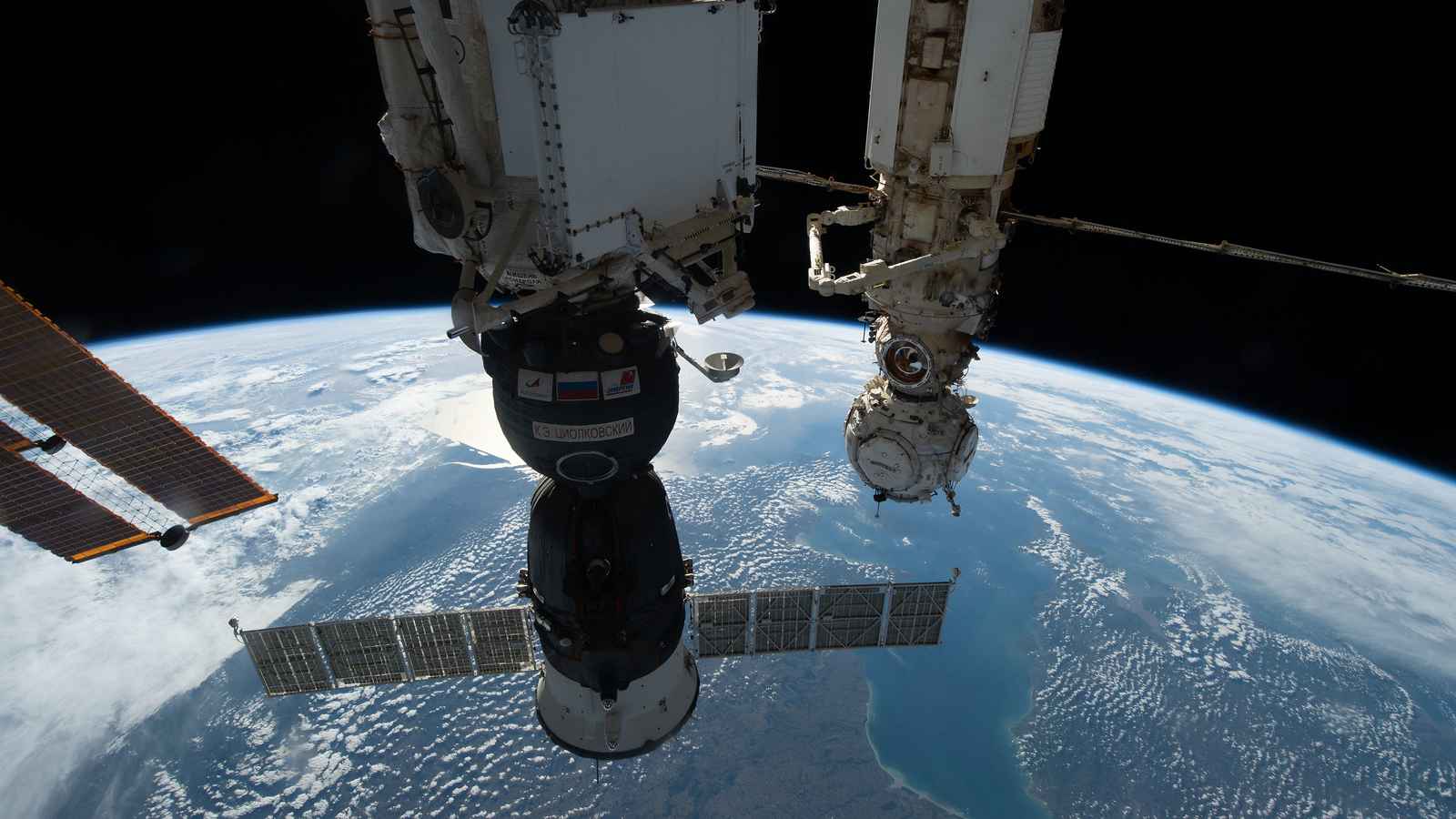
So right now there is only a crew of three cosmonauts aboard the ISS, brought there by Russia’s venerable Soyuz capsule. (Credit: Space)

February also begins the scheduled time frame for another manned mission, one that will be anything but routine. Sometime between January 31st and April 6th the Artemis II mission will be launched to carry humans back to the Moon for the first time since 1972. Now the Artemis II crew will not be landing on the Lunar surface, instead the mission will be similar to the Apollo 8 mission where humans orbited the Moon for the first time.
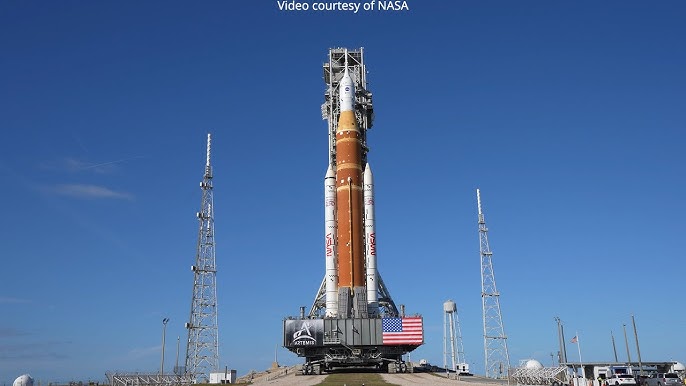
Carried by the same crawler that took the Saturn V’s to their pad, the Artemis II rocket was slowly taken to the launch pad for its upcoming mission that will take humans back to Lunar orbit for the first time in over 50 years. (Credit: YouTube)

Still that means that once again the US has developed two-thirds of the systems necessary to land on the Moon. We now have a launch vehicle, the Space Launch System (SLS) capable of sending a crew capsule and service module, the Orion capsule, to Lunar orbit. All that is lacking is a lunar module (LM) to take our astronauts down to the Moon’s surface.
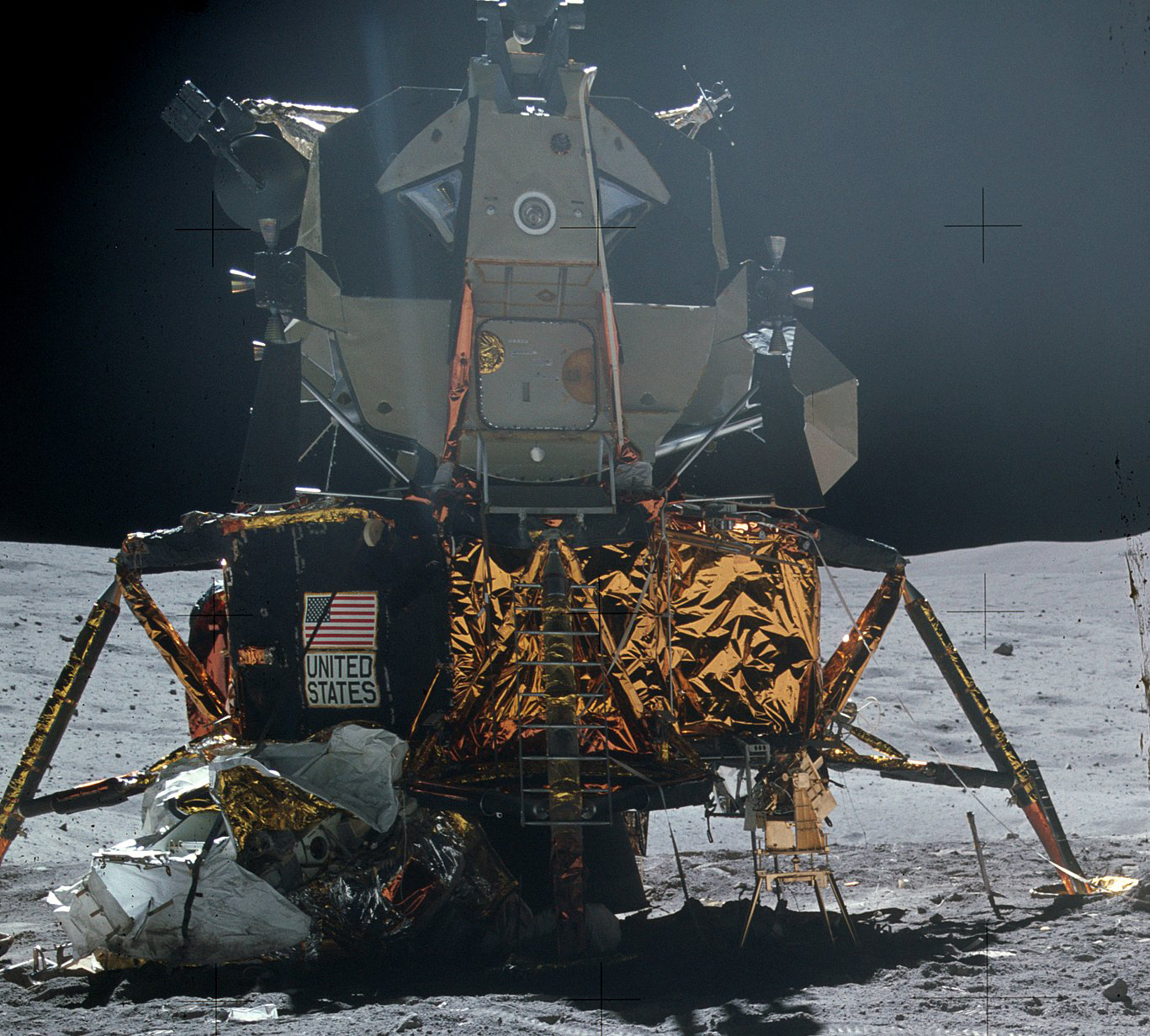
The Apollo Lunar Module (LM) sitting on the Moon’s surface. With the Space Launch System (SLS) and Orion capsule all NASA needs right now is an updated version of the LM and we’re back on the Moon! (Credit: Wikipedia)

As I’ve mentioned in previous posts, see my post of 1January2025, both Space X and Blue Origin have been contracted by NASA to develop such a lander but Space X has been having problems with its Starship launch vehicle, which is supposed to be the basis of its lander design and Blue Origin’s design isn’t scheduled to be ready until about 2032. Whether either of these two companies can deliver a lander module in time to beat the Chinese to the Moon is questionable, see my post of 27 September 2025 for information about China’s progress.
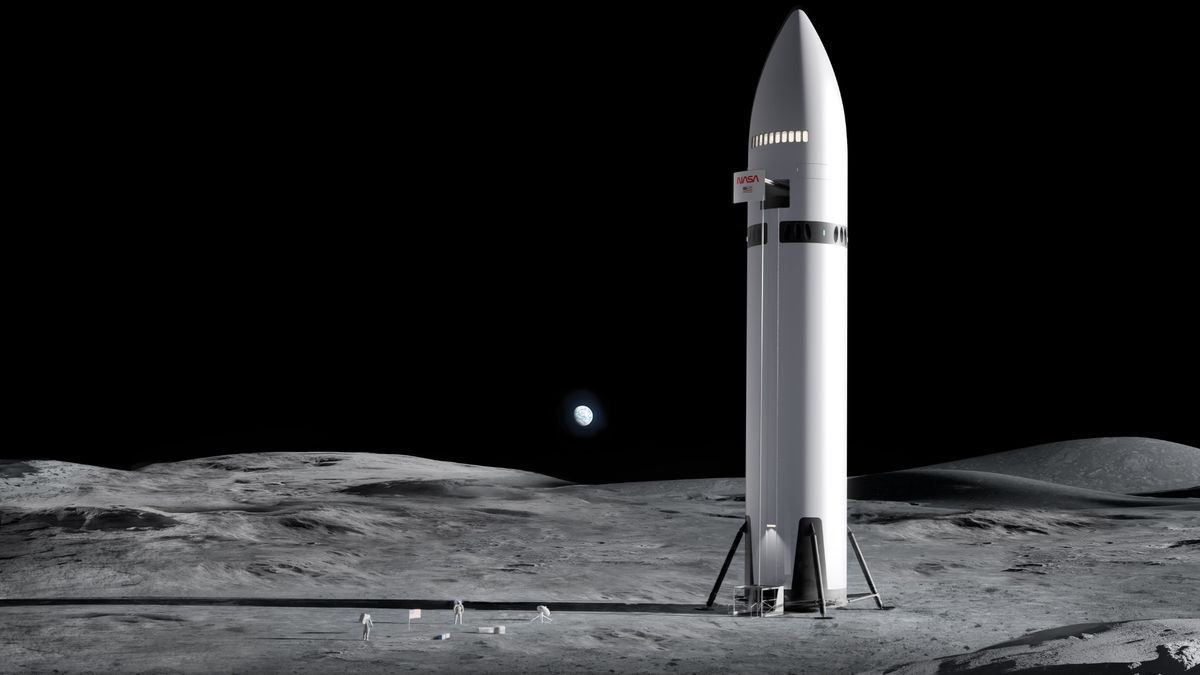
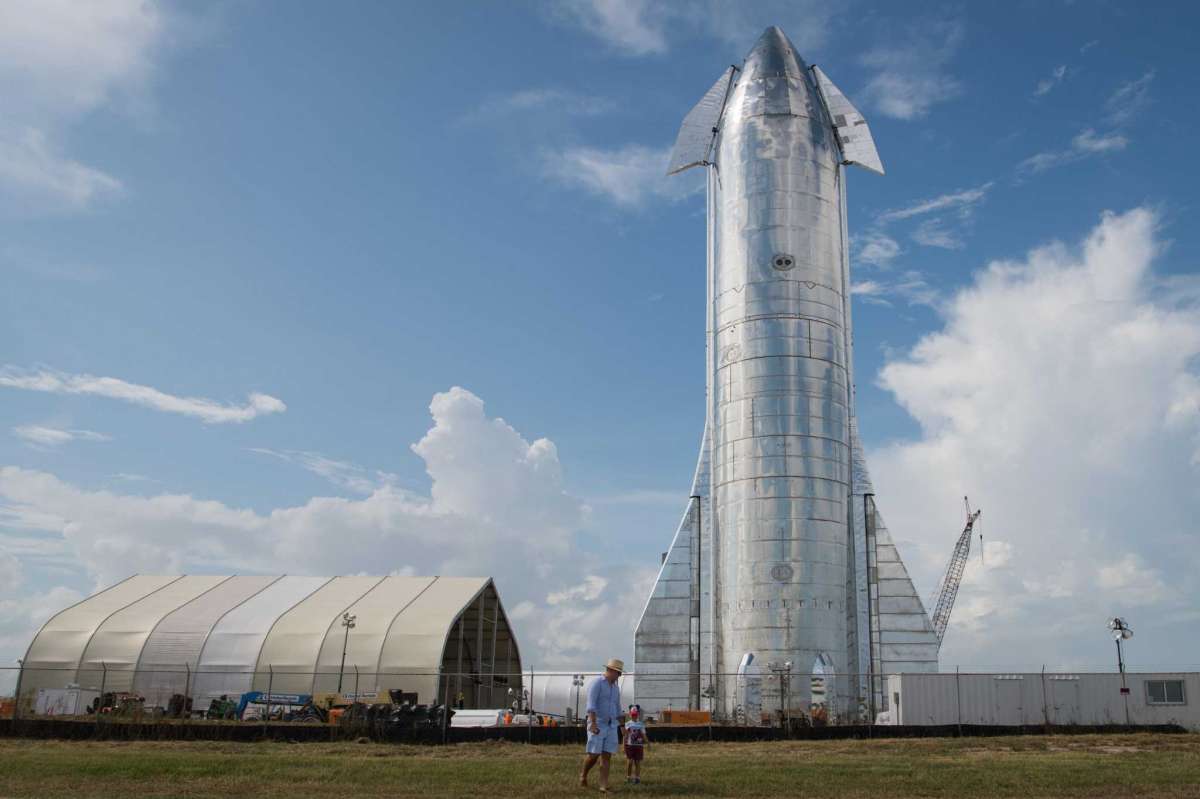
Space X is basing its Lunar Module on its Starship rocket. The company has run into a few problems with Starship however and it’s questionable whether they can be ready by Artemis 3’s scheduled launch date of 2028. (Credit: Space)

I have one more item about manned spaceflight. I mentioned above that for a month or so only three cosmonauts will remain on the ISS. Those cosmonauts were launched to the ISS aboard a Soyuz spacecraft that took off from Russia’s Baikonur Cosmodrome in the nation of Kazakhstan. The launch pad currently used for manned Soyuz launches is the same one that Russia has used since Yuri Gagarin’s flight in 1961.

The circle highlights the damaged area of Russia’s only man capable launch pad. There was a time when this damage would have been fixed ASAP but with things the way they are in Russia today, who knows! (Credit: Futurism)

In this latest launch back in November however there was ‘damage to several elements of the launch pad’ to quote Russian sources. Photos taken after the launch showed a service platform that had been shoved out of its moorings and had fallen into the flame trench where it was considerably damaged.
Russia uses the same pad to launch their progress cargo spacecraft, that looks an awful lot like Soyuz, to the ISS. Again, any delay in repairs to the pad will certainly affect ISS operations. (Credit: Wikipedia)

The official went on to state that the parts needed for repair were already available and the launch pad would be ready again ‘in the near future’. As usual the Russian’s are being tight lipped about the severity of the damage since this is the only pad they have qualified for manned launches and without it they be unable to replace their portion of the ISS crew or launch their progress cargo capsules to resupply the station.
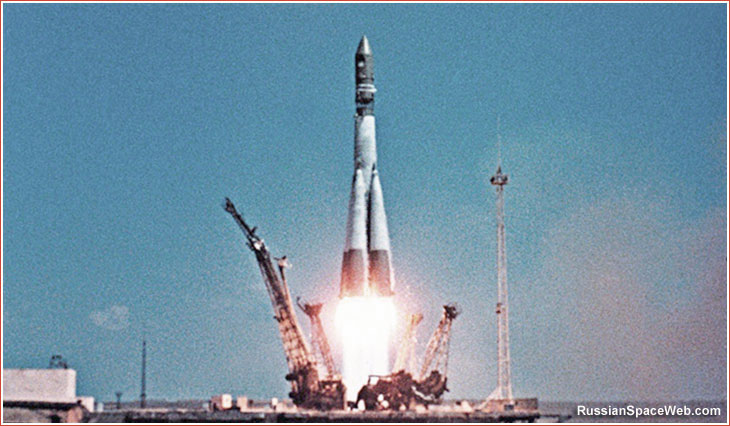
Yuri Gagarin taking off on the first manned spaceflight in 1961. Russia is still using much of the same equipment and facilities that they developed back in the first decade of the space age. (Credit: RussianSpaceWeb.com)

The entire Russian space program is still dependent on systems and facilities that were developed back in the 1960s and there is currently no money to upgrade anything. Russia is spending everything it has, men as well as money, on Putin’s vain attempt to conquer Ukraine. If this continues the world’s oldest space program may in a few years simply cease to exist.

Will Russia’s space program become a dodo! So long as Putin is in charge it’s certainly headed that way. (Credit: dlab)

One last little item about a robotic mission that NASA has spent more than a decade trying to figure how to accomplish, the Mars Sample Return (MSR) Mission. Over the last twenty years NASA has been pretty successful with its robotic rovers to the red planet and the space agency had the ambitious goal of sending a rover that could collect Martian rocks and soil, place them into a rocket and then launch that rocket back to Earth where the samples could be studied just as all of the rocks brought back from the Moon by the Apollo astronauts have been.
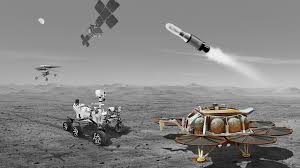
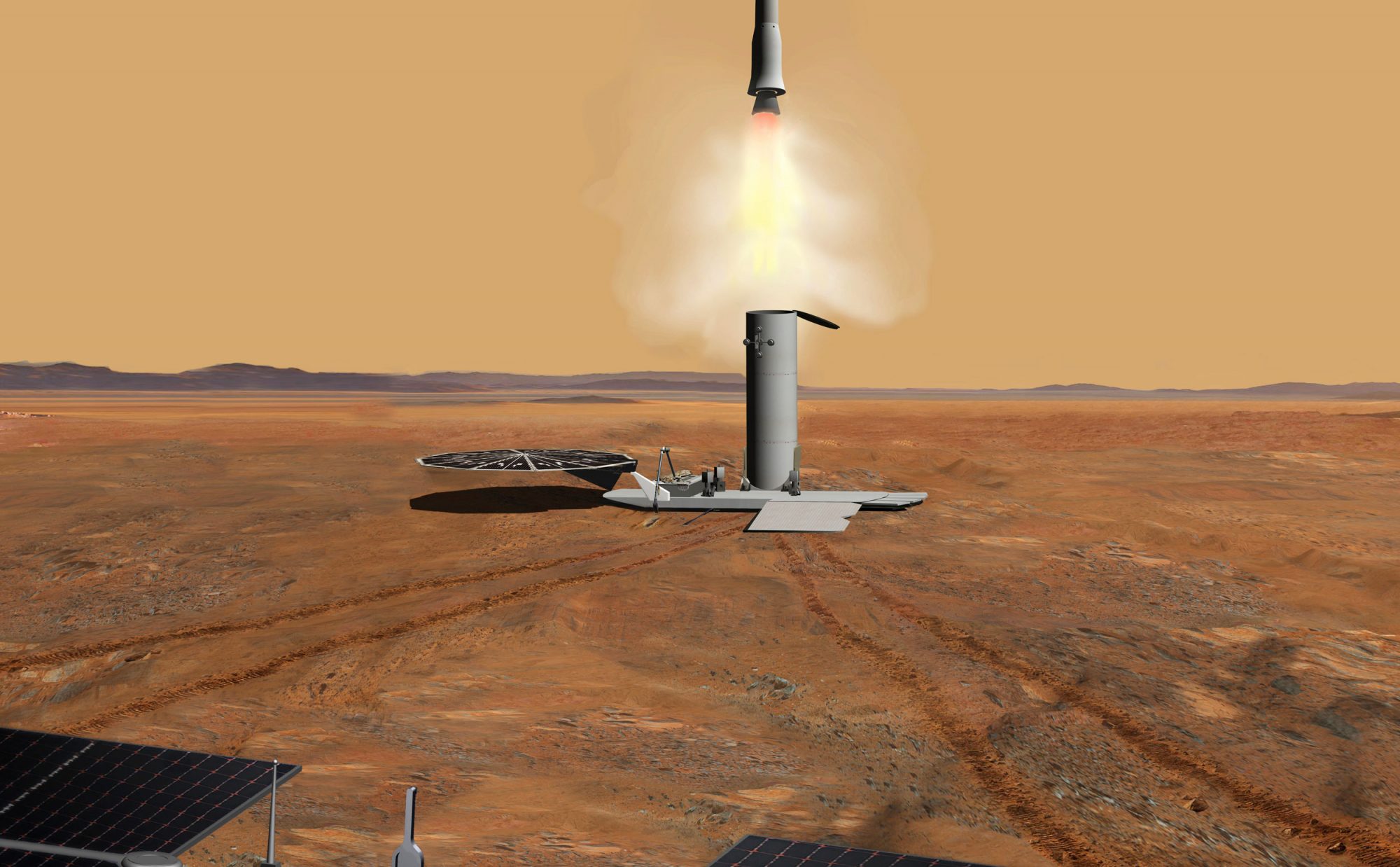
For budgetary reasons NASA has canceled the Mars Sample Return mission (MSR) which would have brought Martian rocks back to Earth for study. (Credit: NASA Science)

Problem was that no matter what the engineers at JPL and other NASA facilities did the cost of such a mission remained more than $11 billion dollars, a price that the Trump administration simply would not fund. So the latest NASA funding bill does not include any money for even continuing the design process of a Mars Return vehicle and there is little chance that the program will be reinstated in the near future.

All in all 2026 looks like it’s going to be an interesting one in space exploration.
Space News for March 2022: Plans being Finalized for the End of the International Space Station and what will come Thereafter.      

The International Space Station (ISS) has been the mainstay of manned space flight now for more than twenty years but the venerable space base is currently beginning to show its age. Occasional air leaks are becoming more and more of problem while the power system is in need of constant repair; even the smell of the station is becoming a problem. Think about how your house would smell if you couldn’t open a window for twenty years to let in some fresh air!

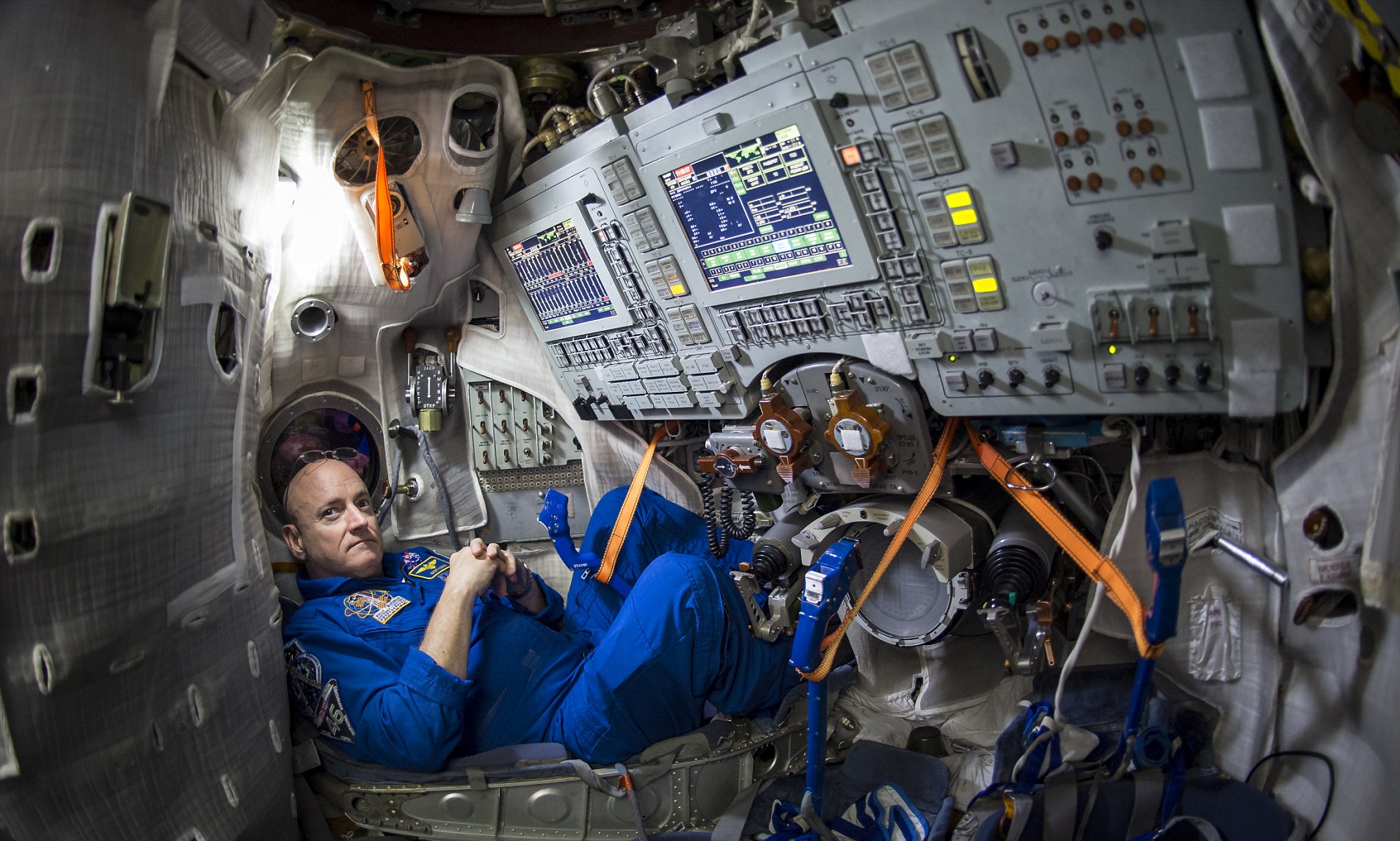
According to Astronaut Scott Kelly, who spent more than a year aboard the International Space Station (ISS), the place smells just like a jail. That’s easy to understand after twenty years of human habitation without any thing like real fresh air. (Credit: Daily Mail)

More than that NASA, the American space agency, simply wants out of the business of running a station in Low Earth Orbit, preferring instead to get back to their task of exploring the solar system. Current plans are for NASA to continue to support ISS operations through the year 2030, but like any bureaucratic organization NASA has already started the process of figuring out exactly how to terminate the ISS and what will take its place.

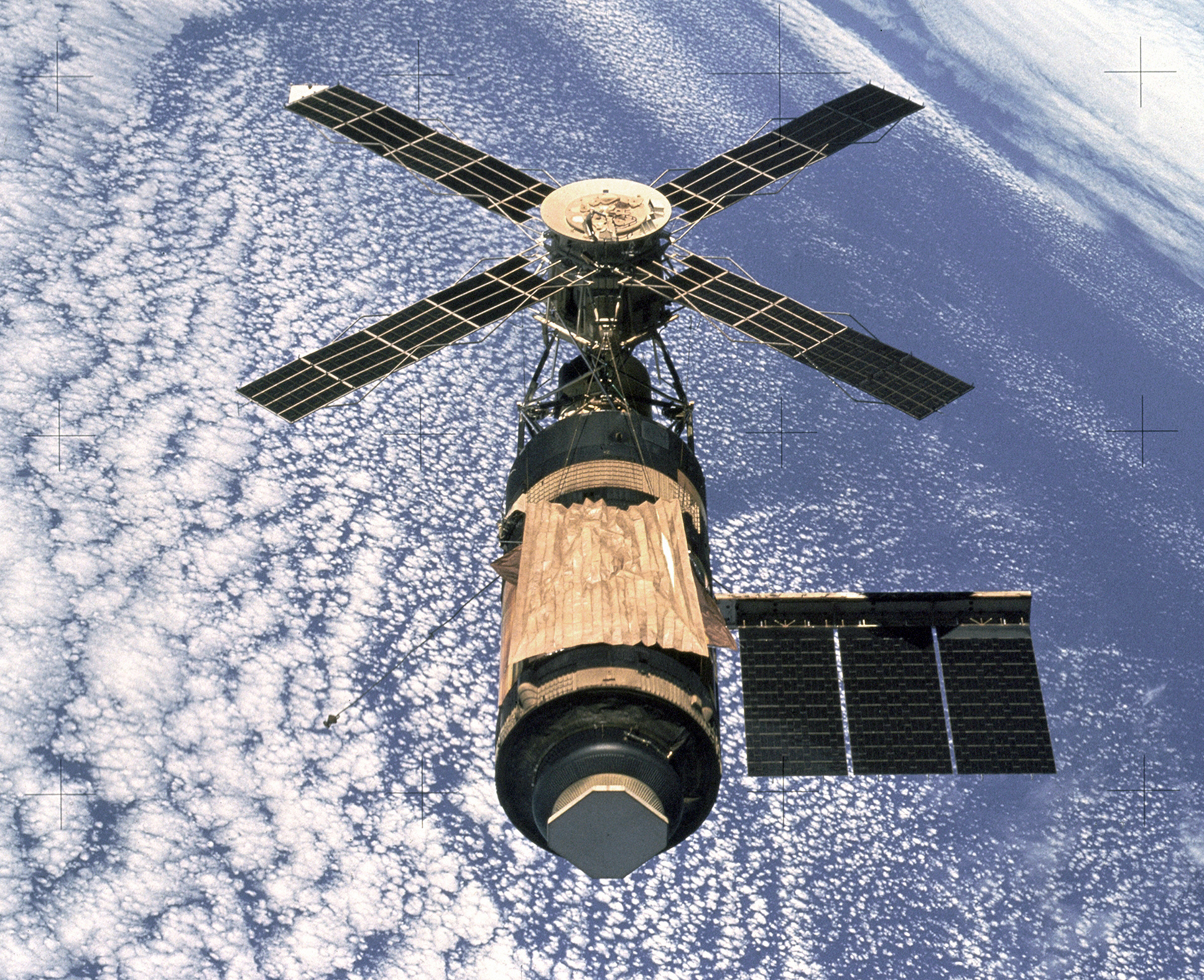
When Skylab fell out of orbit it was an an uncontrolled reentry. Pieces of America’s first space station fell on Australia and although no one was hurt it was a real danger! NASA intends to make certain that the same thing doesn’t happen with the ISS. (Credit: NASA)

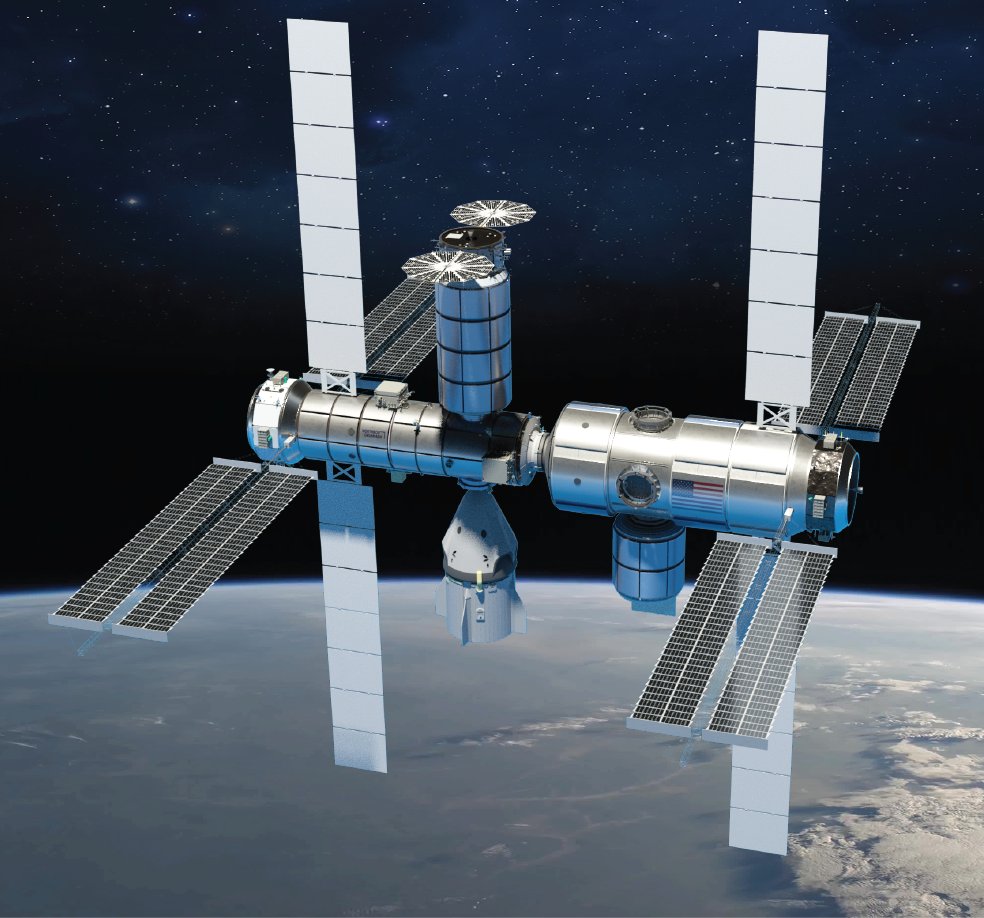
As I have mentioned in several previous posts, see posts of 29 December 2021 and 2 October 2021, NASA intends to rent space for its astronauts on future commercial space stations. Indeed the space agency is helping to fund the design phase for such a commercial space station at three aerospace corporations, Blue Origin, Northrop Grumman along with a consortium named Nanoracks that includes Lockheed Martin and Voyager Space. Once one of the designs from these corporations is chosen NASA will help fund the construction of the station, becoming the primary tenant.

Preliminary concept design for Northrup Grumman’s space station. Notice the attached Space X Dragon capsule center below and Northrup’s own unmanned cargo vessel Cygnus right above it. (Credit: Northrup Grumman)

Once that commercial station is up and operating the question then becomes what to do about the ISS, the largest and most massive structure ever placed into orbit. Since the ISS was built in pieces, one module at a time, should it be taken apart and de-orbited piece by piece? Or should it all be brought down in one piece?

Exploded view of the major components of the ISS. Since the station was built in pieces should it be brought down from orbit in pieces or in one big piece? (Credit: European Space Agency)

NASA has decided on the latter scenario with a plan to bring the station into a lower orbit slowly before using a large retro-burn to begin a re-entry designed to finally drop the whole thing into the southern Pacific Ocean. The ISS will meet it demise at a location in the ocean furthest from land called Point Nemo approximately midway between New Zealand and South America. Most of the ISS will probably burn up as it descends through the atmosphere but because it is so large undoubtedly more than a few big pieces will survive so NASA will take care to keep the falling debris as far from human habitations as possible.

Point Nemo is the name that has been given to a position in the south Pacific that is farthest from any inhabited land. (Credit: The Sun)

Now NASA will not be the only tenant in any new space station because the business of space tourism is definitely heating up. Jared Isaacman, the billionaire who funded last year’s first ever totally commercial space mission has now arranged a series of four space missions with Space X beginning with another Dragon capsule mission, perhaps as early as the end of 2022. That first mission in what Isaacman is calling the Polaris Program will last five days and take the Dragon capsule to a much higher orbit while also including the first Extravehicular Activity (EVA) for a commercial space mission.

Having funded the first all tourist space Mission Billionaire Jared Isaacman is now partnering with Space X for a series of manned mission termed the Polaris Project. (Credit: CNBC)

Details of the later three missions are sketchy at present but Isaacman hopes that the final Polaris mission will be the first manned launch of Space X’s massive Starship rocket. Funding for the Polaris Program will come from a combination of Isaacman and Space X itself and the stated goal of the missions is “…to advance long-duration spaceflight capabilities and guiding us toward the ultimate goal of facilitating Mars exploration.” According to Isaacman.

Space X is busy preparing for the first orbital test launch of their Starship rocket. (Credit: San Antonio Express)

There are a few other items of interest that I’d like to cover quickly. The schedule for NASA’s Artemis 1 mission, the first, unmanned launch of the big Space Launch System (SLS) has been pushed back once again. After years of delays and cost overruns the first launch of the SLS had originally been scheduled for late last year, only to be pushed back to the first quarter of this year. Now NASA is admitting that more time is required to complete a long list of safety checks before launch so the Artemis 1 mission is now being tentatively scheduled for sometime in the spring. Another couple of months delay in a program that is years late may seem like just a drop in the bucket but the question remains, will the SLS ever fly?

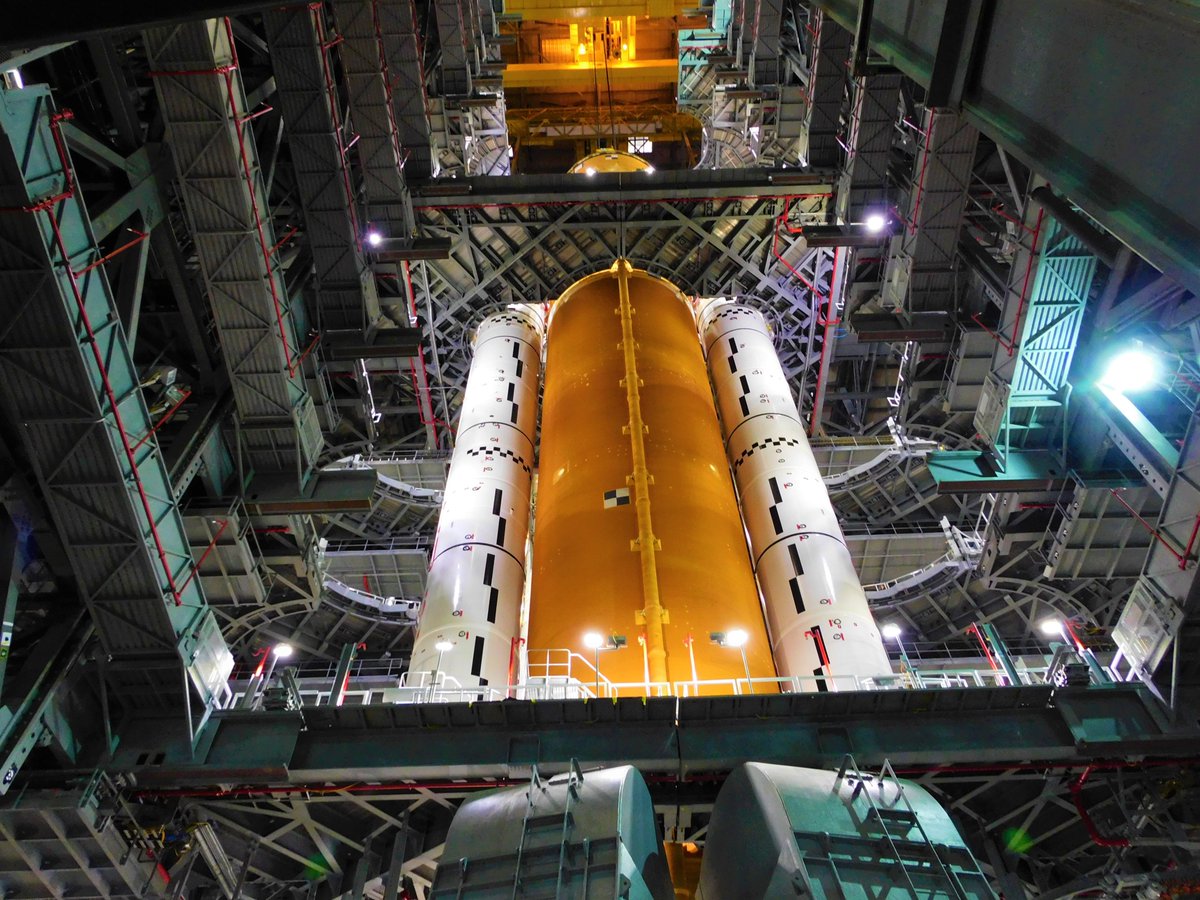
The first test vehicle of the massive Space Launch System (SLS) has been assembled in the Vehicle assembly Building at Cape Kennedy. Testing however has bee slow and the rocket is now scheduled to roll out to the launch pad before late March 2022. (Credit: Spaceflight Insider)

Mars exploration, at least robotic exploration is proceeding however. The Ingenuity helicopter, which after completing its five ‘test flights’ has since then been working as an airborne scout for the Perseverance rover. For the past several months though dust storms on the Red Planet have kept Ingenuity grounded. At the beginning of February however the skies began to clear and on February the 8th the little aircraft took off once more on a 100 second flight, its 19th flight on Mars. Not bad for a technology demonstration vehicle that was only supposed to fly five times.

It keeps going and going. An artist’s impression of the Ingenuity helicopter with the Perseverance rover in the background. After 19 flights that little aircraft shows no sign of slowing down. (Credit: SciTechDaily)

And speaking of Mars, the Perseverance Rover has been collecting rocks that NASA hopes will one day be transferred to a planned Mars Sample Return Mission, a lander on the Red Planet that will contain a rocket capable of lifting those Mars rocks off of the planet’s surface. That rocket has been given the name of the Mars Ascent Vehicle (MAV) and the current plan is for it to rendezvous in Mars orbit with the European Space Agency’s Earth Return Orbiter (ERO) spacecraft. The ERO will acquire the samples of Martian soil from the MAV and bring them back to Earth.

NASA has awarded a contract to Lockheed Martin for a rocket to take off from the Martian surface with soil samples. The rocket will then rendezvous in Mars orbit with a European spacecraft to bring the sample back to Earth. (Credit: NASA Mars Exploration Program)

Now the contract for the Mars Ascent Vehicle has been awarded to Lockheed Martin for a potential value of $194 million dollars. The contract is slated to run for about six years and Lockheed Martin will provide several test units in addition to the actual flight vehicle. It is hoped that the Mars sample return mission will take place in the late 2020s with the actual return of the samples by 2031.

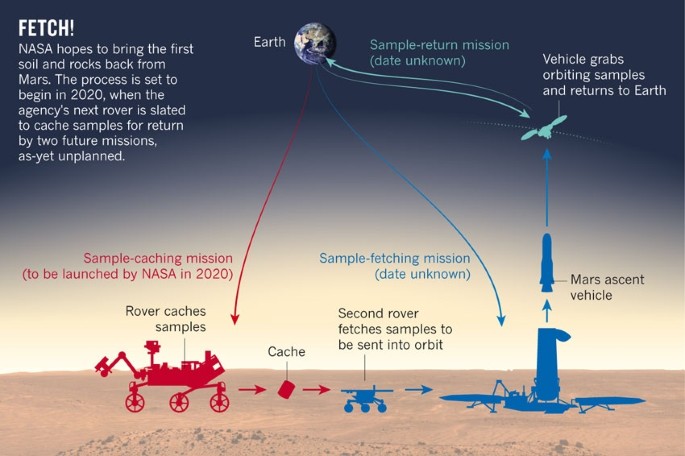
Basic Outline of the Mars Sample Return Mission. The Perseverance rover is already collecting samples that could be collected by the transfer rover shown above and brought back to Earth. If all goes according to plan we could have pieces of Mars being studied in our labouratories within the next ten years. (Credit: Nature)

Manned and unmanned there’s progress being made in man’s efforts to explore and settle our solar system.