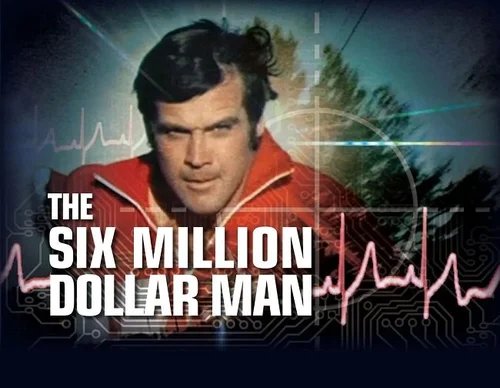
Back in the 1970s there was a popular TV show called ‘The Six Million Dollar Man’ about an astronaut named Steve Austin who suffered massive injuries during a training flight but who was ‘rebuilt’ with robotic arms, legs and an eye. The tag lines for the opening of the show were ‘we can rebuild him, we have the technology’ and ‘we can make him better, faster, stronger’. Incidentally, there was a spin off show called ‘The Bionic Woman’ where Steve Austin’s girlfriend also suffered massive injuries and was also made ‘better, faster, stronger.’
Of course back in the 1970s we didn’t have the technology, the show was just science fiction. In the last 50 years however we have made a lot of progress in prosthetic limbs at medical centers around the world. So it won’t be too long before we actually do have a ‘Bionic Man’, a patient whose missing limbs have been replaced by mechanical ones, limbs that they can control directly with their brain just like real, living ones.

To date that progress has mostly been made in creating mechanical / robotic limbs that are separate from the patient’s body and which are attached to or removed from the patient whenever required. As you can imagine it would be better for the patient if his bionic limbs were fully integrated with their body, the way Steve Austin’s were in the TV show. There are presently two reasons why this level of integration has not yet been achieved.
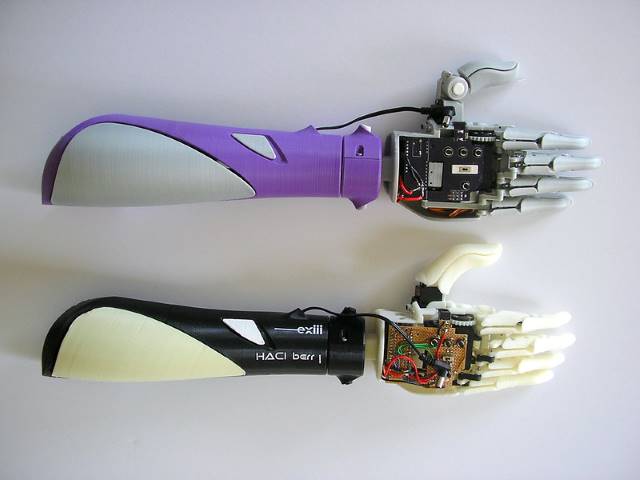
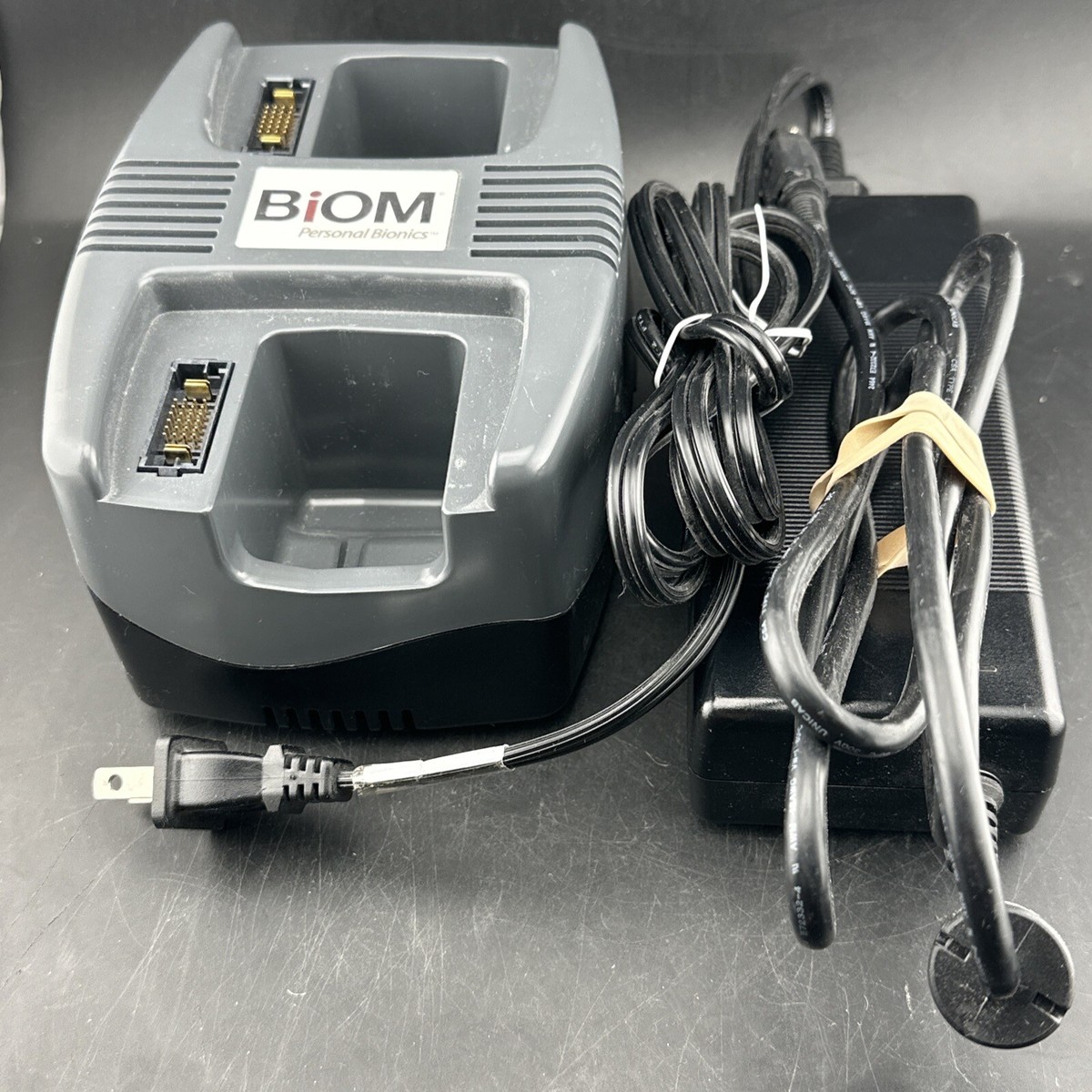
The first reason is engineering, it’s simply not easy to fit all of the motors, actuators, spring mechanisms and etc. needed to make a mechanical arm, and fit it into the volume of a living arm. We’ve made a lot of progress, just a few decades ago bionic arms or legs were massive, bulky things that you wouldn’t want to have permanently attached to you, but today mechanical limbs are much sleeker, although they still don’t look like living ones. A bigger problem is what to do with the battery pack that provides power to the bionic limb. Currently battery packs for mechanical limbs are worn on the back or as a belt. It’s gonna be a long time before we can fit the power source for a bionic limb inside the limb itself.
The second reason is simply the difficulty in getting living tissue to integrate itself with non-living metal or plastic. Considerable progress in this area has been made recently at MIT’s K. Lisa Yang’s Center for Bionics. In a small clinical study patients who have had one of their legs amputated above the knee have had a new bionic knee and leg directly integrated with their remaining leg bones and muscles. Not only are the tissues and mechanical parts attached to each other but the remaining nerves in the leg are used to control the functioning of the bionic leg. This new bone-integrated system has been given the name e-OPRA.
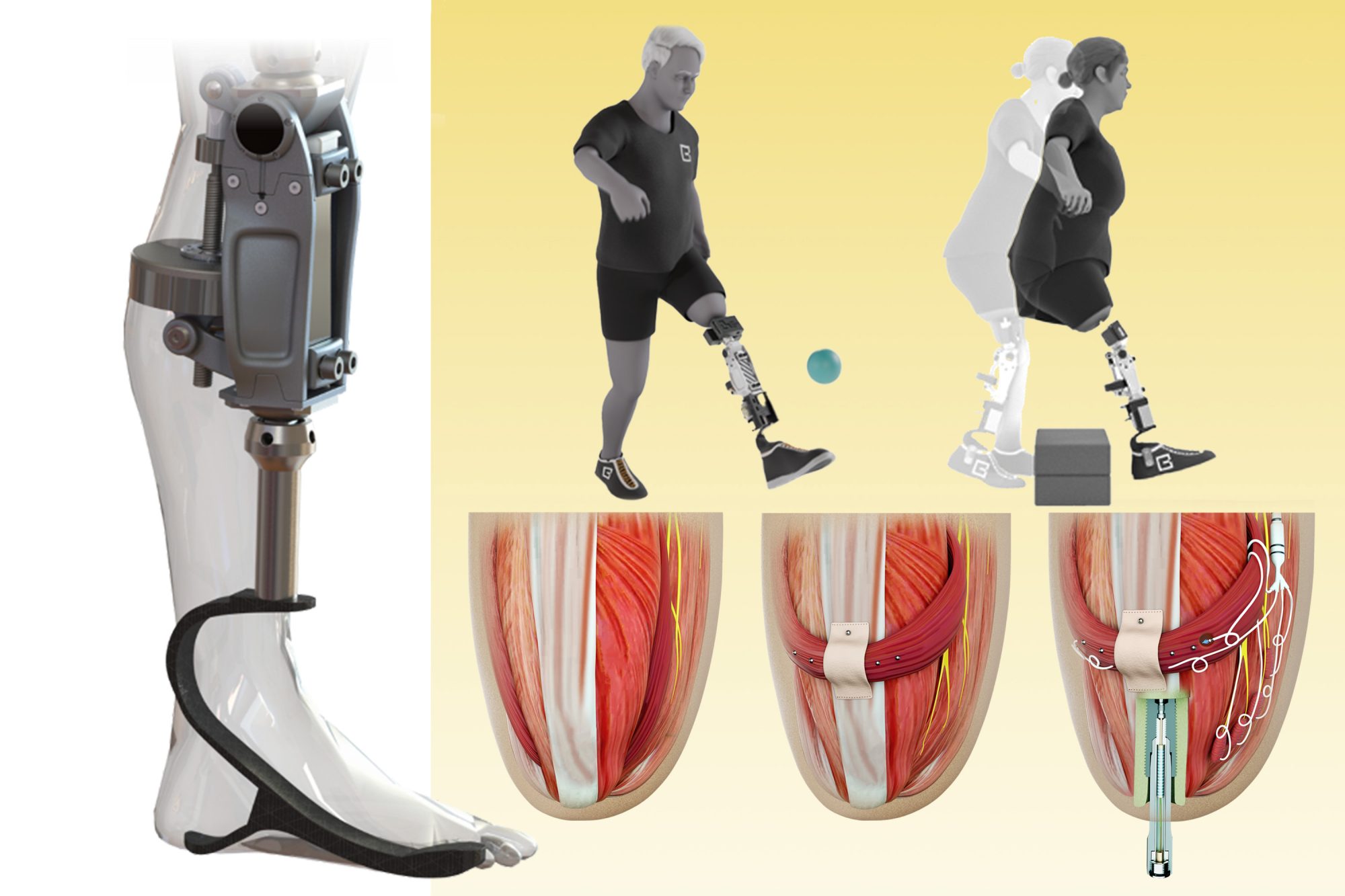
Testing of the new limbs clearly showed a considerable improvement in walking and climbing over objects than currently available prosthetics. At the same time the patients involved in the study reported that their new, fully integrated mechanical limb felt more like a part of their own body. The system also has the added benefit of directly loading the weight of the patient’s body onto the mechanical leg. This is similar to the way the body’s skeleton actually works rather than inserting the amputated leg into a socket on a prosthesis, which is less stable and can be very uncomfortable.
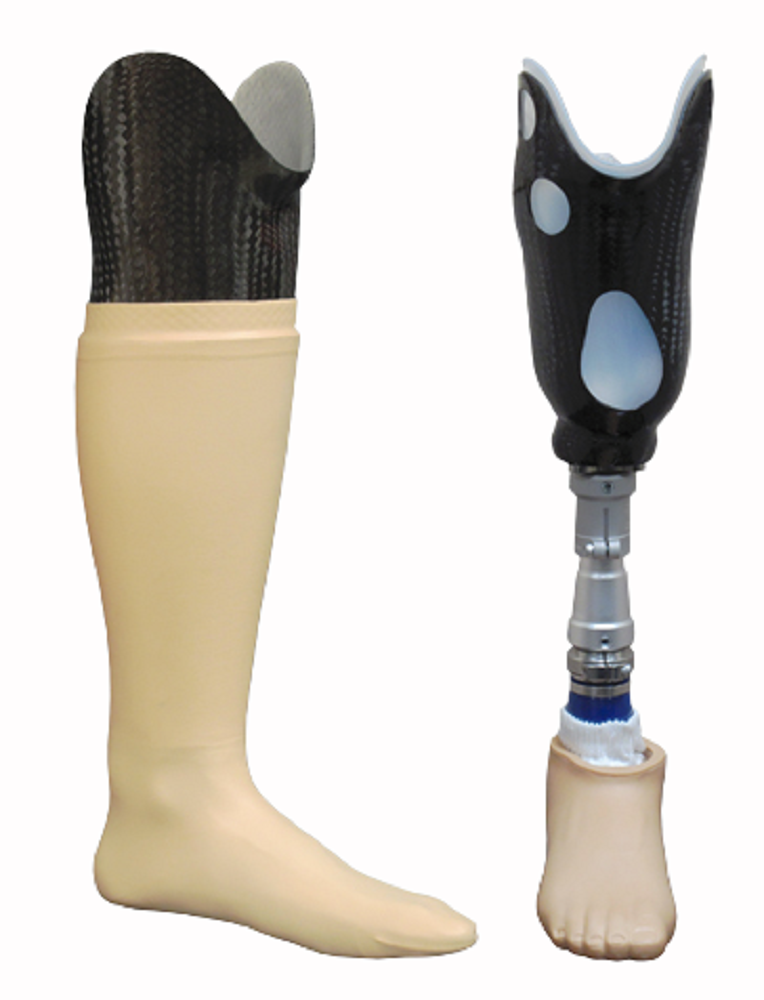
A great deal of effort around the world is being expended in studies that hopefully will one day bring the science fiction of ‘The Six Million Dollar Man’ to the lives of thousands of patients. That makes the study being conducted at MIT a very practical application of medical science. My second story is just the opposite, an esoteric investigation into one of life’s deepest mysteries, why do living creatures sleep?

All animals sleep, even plants and single celled creatures show signs of metabolic slowdowns that can be compared to sleep so in some sense all living things sleep in some way. Problem is that despite almost a century of study, and many centuries of wonder, we have no real idea of why we need to sleep, what physical reason is there that makes us need to sleep.

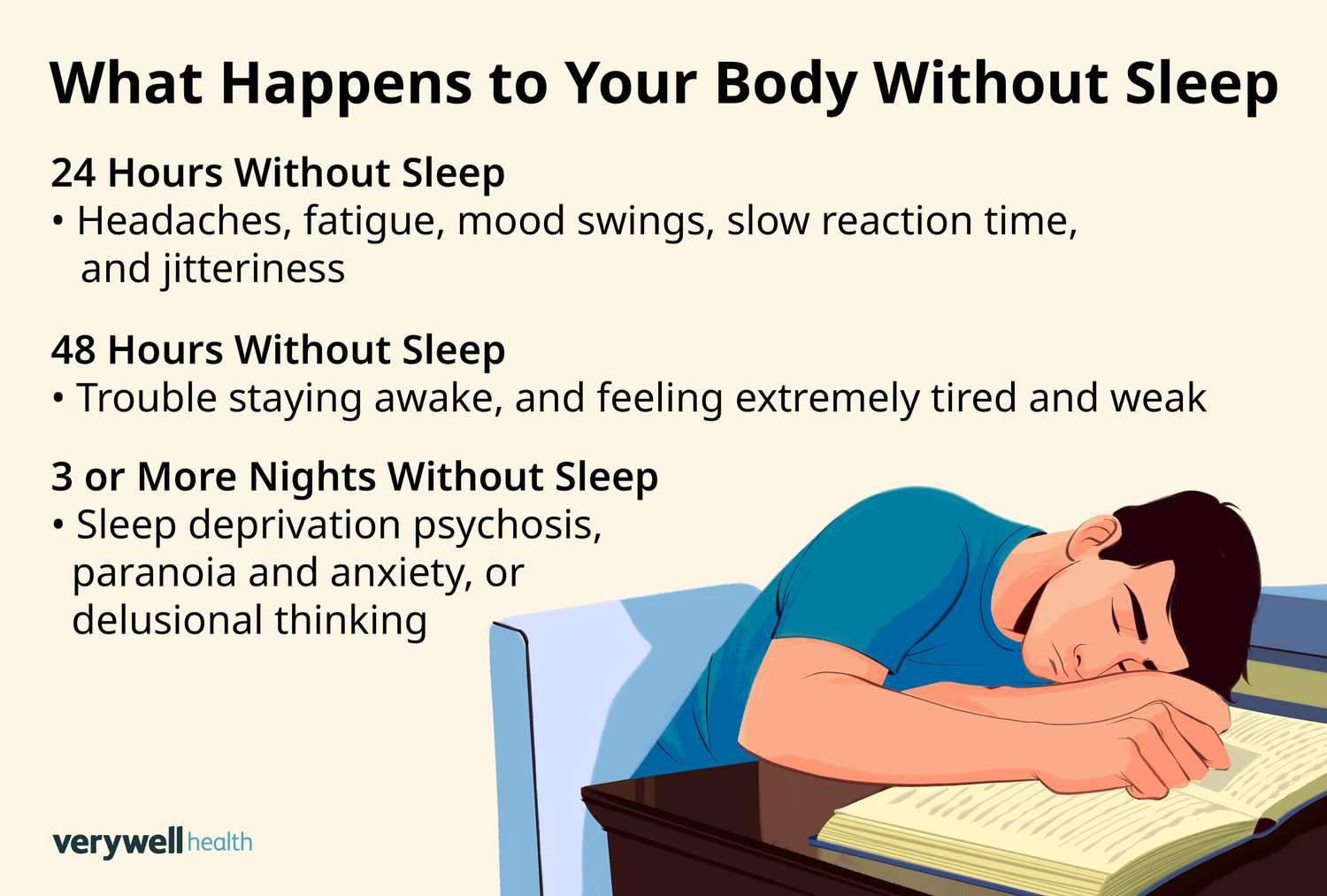
We certainly do need to sleep; just three or four nights without any sleep will make a person very sick, so sick that death is possible. Many people suffer from insomnia and over time lack of sleep or poor sleep can have a severe impact on their health.
Now a study from Oxford University’s Center for Neural Circuits and Behaviour has for the first time pointed to a precise metabolic process that they assert triggers sleep. The secret lies in the mitochondria, the energy producing ‘organelles’ inside each of the cells of our body where sugars are combined with oxygen to generate the power that our cells need. As a part of this metabolic process the mitochondria produce free electrons that ‘leak’ into the body of the cell. The build up of these free electrons can generate unwanted chemical reactions that can damage the cell, so the cell must have some means of controlling and reducing these free electrons, we call that process sleep.
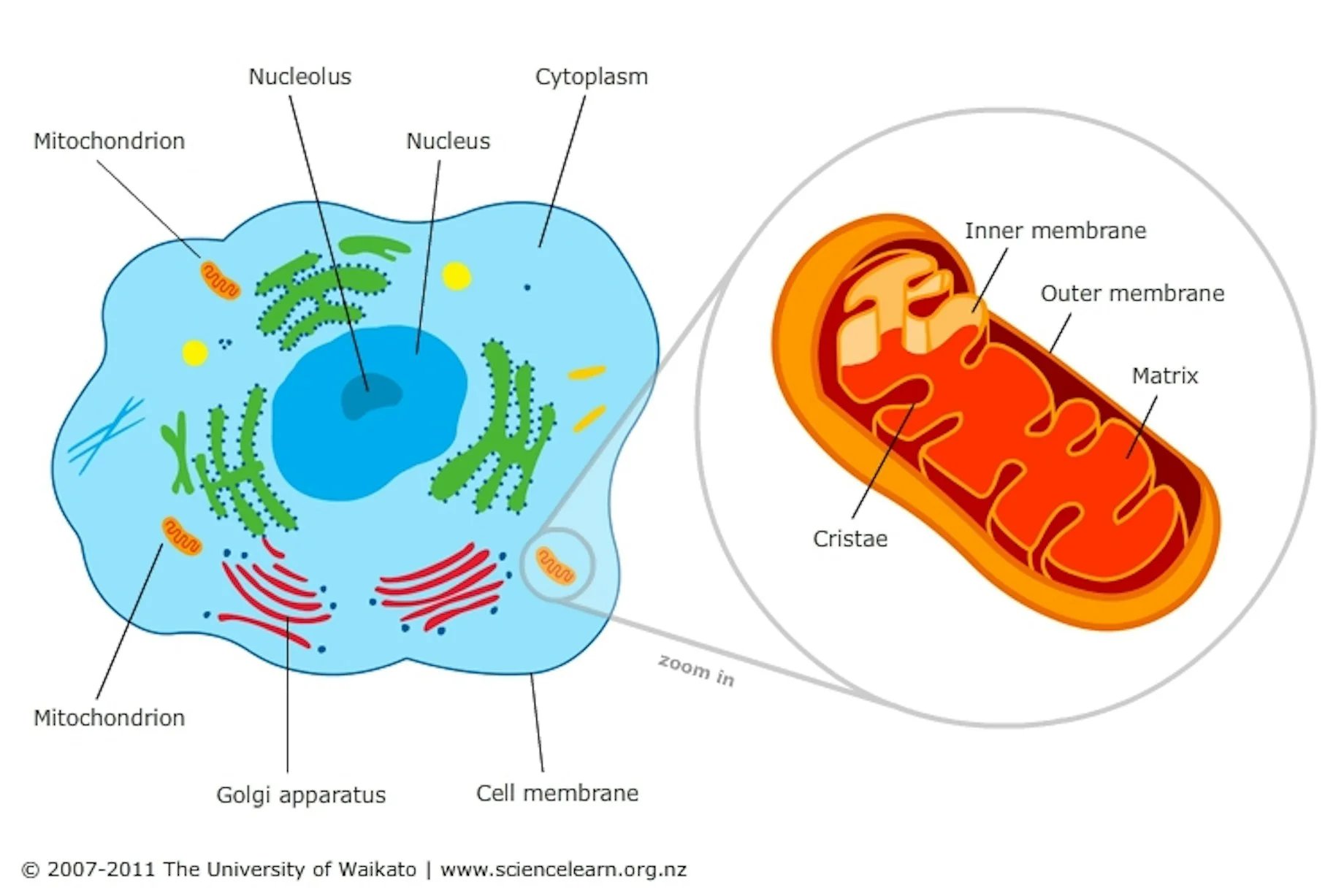
Working with fruit flies, yes the same fruit flies that you may have played with in high school biology, the researchers at Oxford succeeded in both increasing and decreasing the generation of free electrons and observed how that affected the sleep patterns of the flies. According to the scientists sleep acts as a kind of circuit breaker, switching off the generation of free electrons for a time to restore the balance of the cell’s energy flow. Since all eucaryotic cells contain mitochondria it reasonable to think that this answer to why we need sleep applies to virtually all living things.
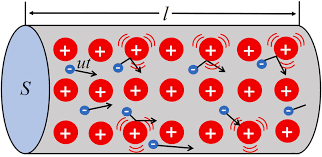
It will probably be years before this research on sleep can be turned into treatments for sleep disorders but it is a start. That’s the way progress works, some research is practical, yielding results quickly like the study on integrating prosthetics directly into the human body. Other research is to find the deeper truth to life’s mysteries and may not yield benefits for decades, if ever.