
Space News for February 2026. 

Quite a few stories of interest this month, mostly dealing with manned spaceflight. So let’s get to it!

In my last space post I talked about how the Crew 11 astronauts were forced to depart from the International Space Station (ISS) early on the 11th of January because of a medical issue with one of its four members. This emergency left the ISS with only a skeleton crew of three cosmonauts until the Crew 12 team could be readied and launched aboard their Space X Dragon capsule.
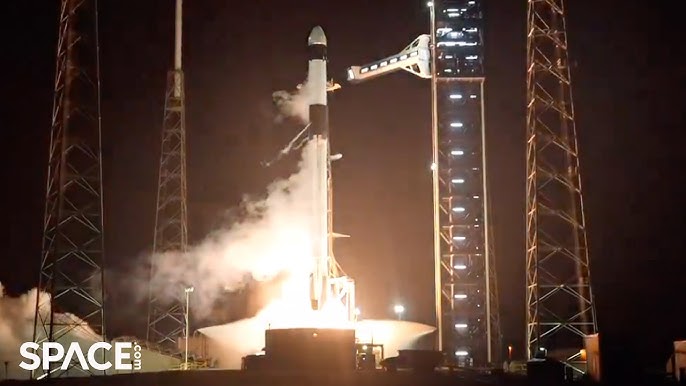
Launch of the Space X Crew 12 mission to the International Space Station (ISS) on 13 February. (Credit: YouTube)

 Working quickly NASA and Space X succeeded in moving up the launch of Crew 12 from its original planned date to February 13th. As usual the launch of the Falcon 9 rocket went off without any problem and about a day later on the 14th the Dragon capsule was docked at the ISS. Thanks to Space X and its reusable Falcon 9 rocket and Dragon manned capsule NASA’s commercial crew program is an unqualified success as manned missions to Low Earth Orbit (LOE) are becoming routine.
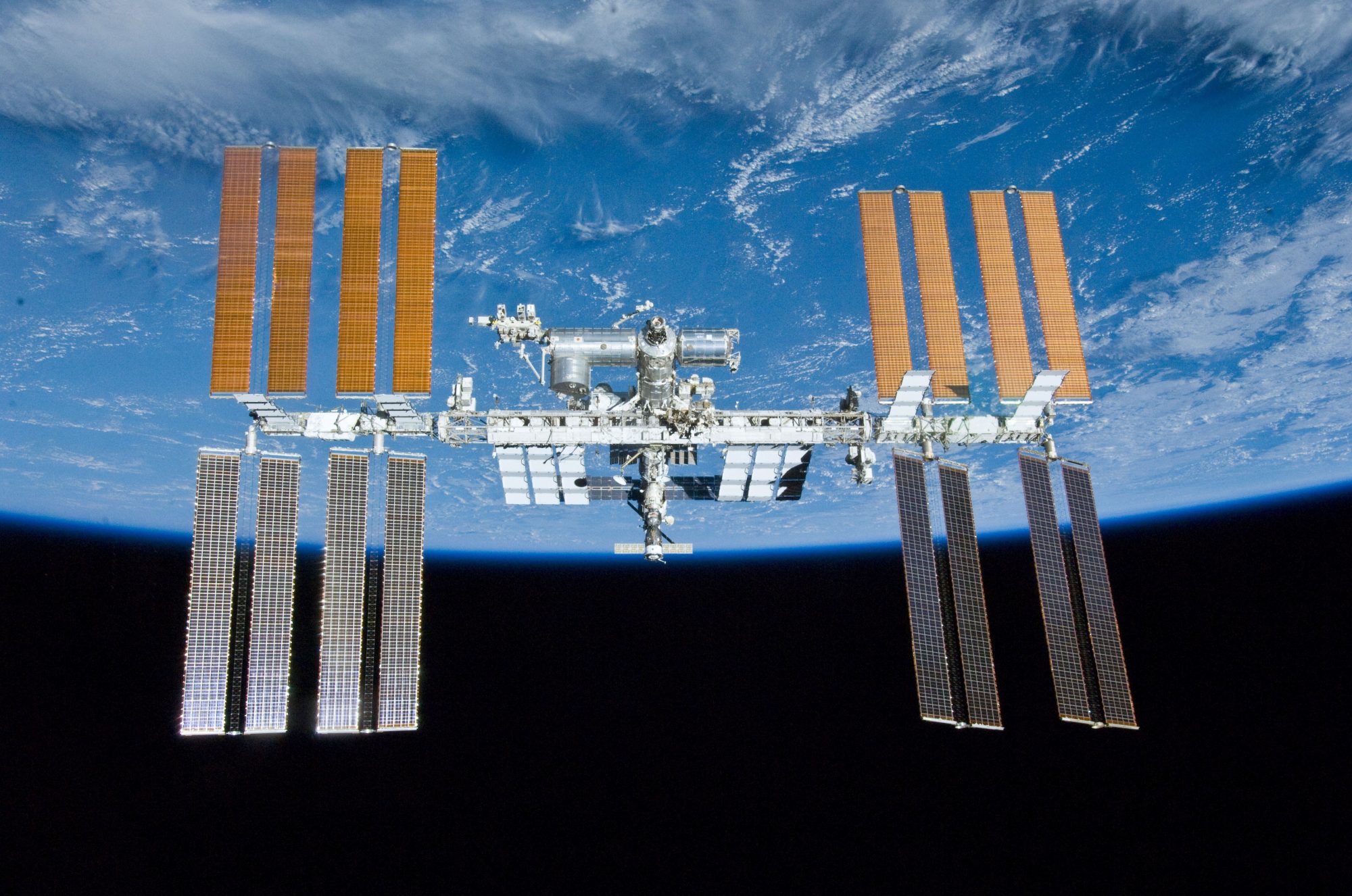
Humanity’s first long term habitat in space the ISS has been manned for more than twenty years now and thanks to Space X, crew rotations are becoming quite routine! (Credit: ESA)

In fact manned missions are becoming so routine that they are no longer solely the province of national space agencies. Private companies or even individuals can, for a large amount of money, charter a manned space mission. There have already been four such missions to the ISS and several other missions that did not go to the ISS.
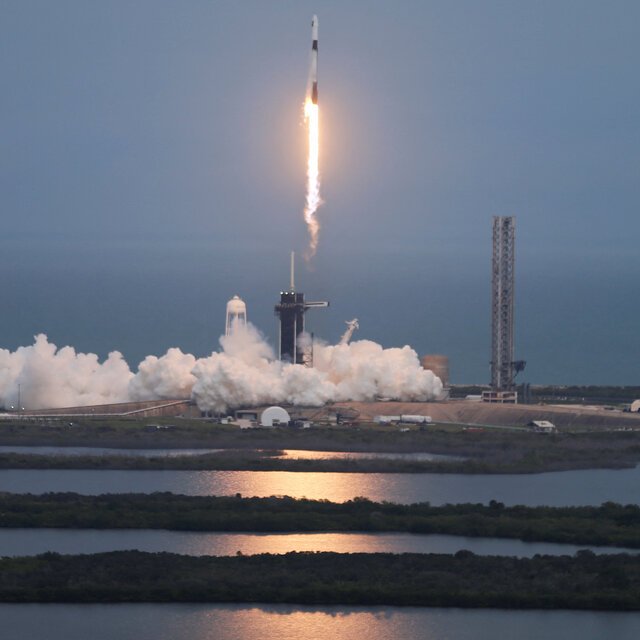
Launch of the first Axiom commercial mission to the ISS. Axiom has completed three other such missions now and has been granted a fifth mission. (Credit: The New York Times)

As a part of this growing commercialization of LOE, NASA and its partners in the ISS have signed contracts for a fifth and sixth private mission to the ISS. The fifth mission, scheduled for no earlier than January of 2027, was awarded to Axiom Space Corporation, the company that charted the first four private missions to the ISS. The sixth mission was awarded to a newcomer, Vast Corporation and is scheduled to launch no earlier than the summer of 2027.
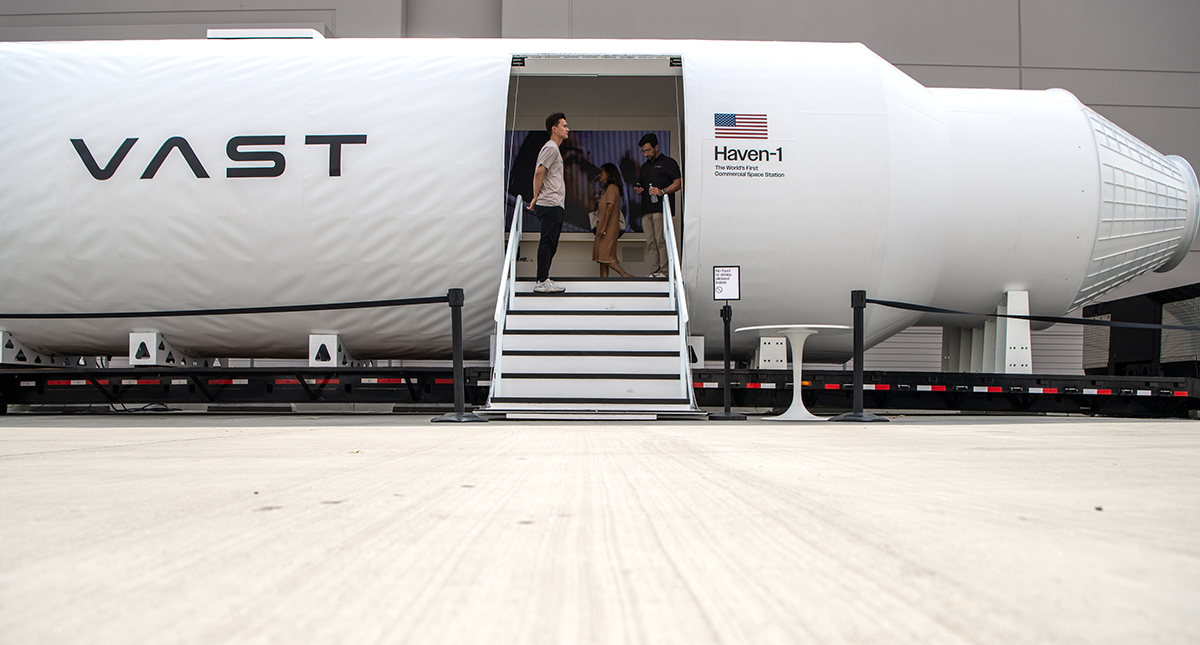
In addition to arranging missions into space, Vast Corporation has plans to construct a private Space Station once the ISS is de-orbited! (Credit: Long Beach Post)

Both of these two missions will spend about 14 days at the ISS and will consist of four crewmembers. Axiom and Vast will purchase mission services from NASA including crew consumables and cargo delivery and storage. Both companies will also have to make flight arrangements with Space X including launch and re-entry missions. In exchange Axiom and Vast will each be allowed to sell four tickets to the ISS, although the private astronauts who are selected must be approved by NASA and will be trained by both NASA and Space X.
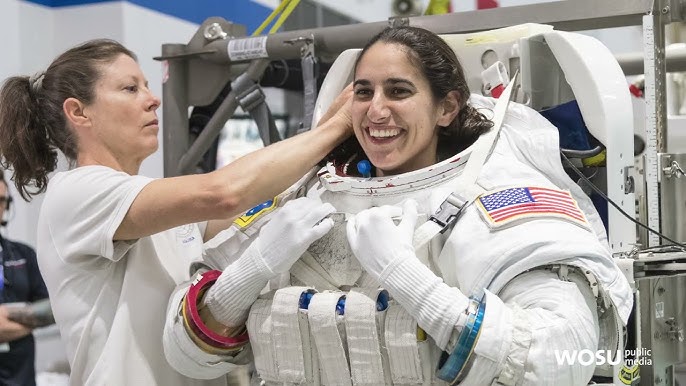
The training of a NASA astronaut can take years and even the training of a space tourist takes months! (Credit: YouTube)

NASA’s commercialization of space was not originally intended to become a Space X monopoly. The plan was for Boeing’s Starliner capsule to also transport both NASA and commercial astronauts to the ISS. However, as I have often mentioned in earlier posts, see my posts of 20July2024, and 12April2025, the Starliner capsule has suffered a seemly unending series of problems. Back in 2024 Starliner finally succeeded in getting two astronauts to the ISS but with so many issues that NASA deemed the capsule to be unsafe for the astronauts to return in. So, the Starliner astronauts Suni Williams and Butch Wilmore’s stay at the ISS went from being only a week to more than eight months before they could return to Earth aboard a Space X Dragon capsule.
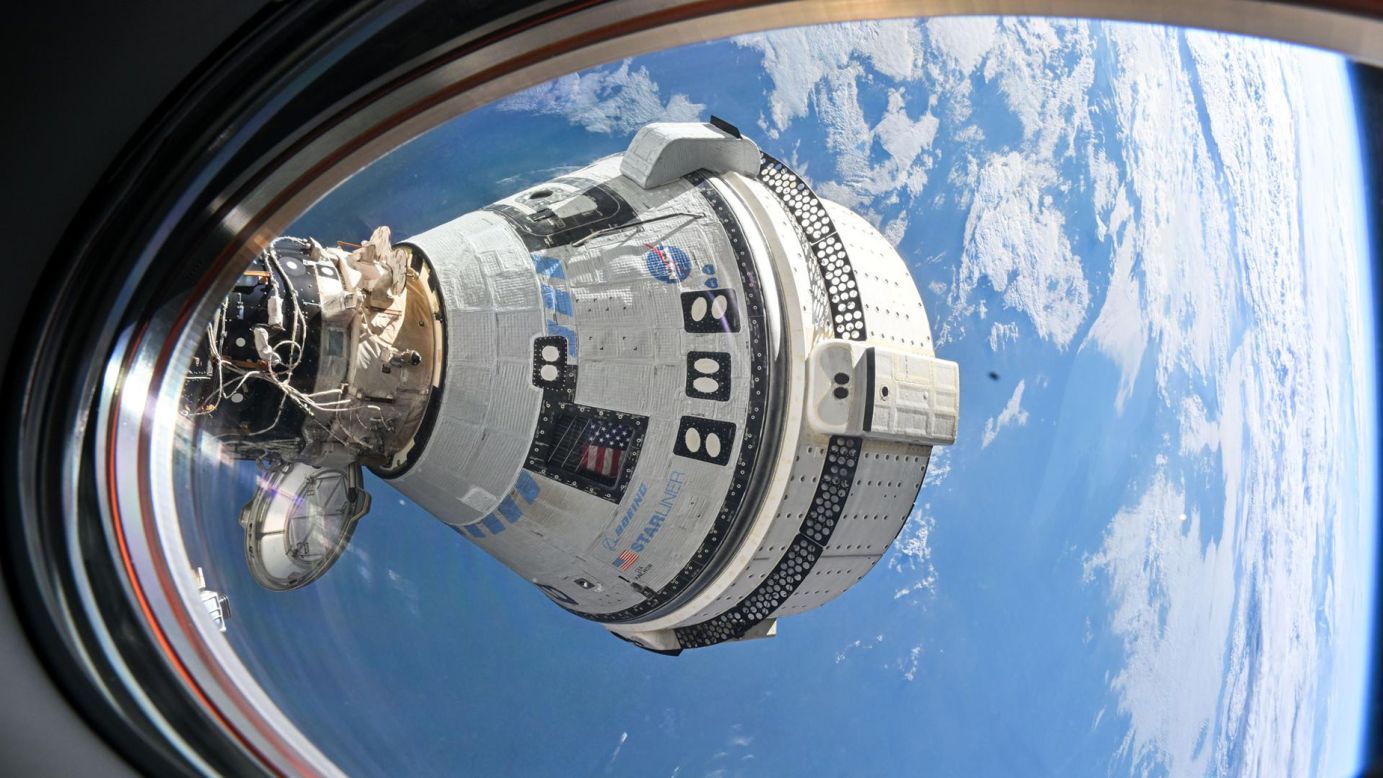
Everyone expected Boeing’s Starliner capsule to reach the ISS before Space X’s Dragon, but things just didn’t work out that way. Starliner has been plagued by problems and has yet to complete a successful mission. (Credit: CNN)

On the 19th of February NASA released its final report on Starliner’s mission and the results were not good for Boeing. Officially Starliner’s mission has been categorized as a ‘Type-A Mishap’, the worst category possible and equivalent to the Challenger and Columbia Space Shuttle disasters! The report details numerous failings that “revealed critical vulnerabilities in Starliner’s propulsion system, NASA’s oversight model, and the broader culture of commercial human spaceflight.” Hither to this report NASA’s Commercial Crew Program had been permitted to investigate itself but now that philosophy is considered to be “inconsistent with NASA safety culture.”
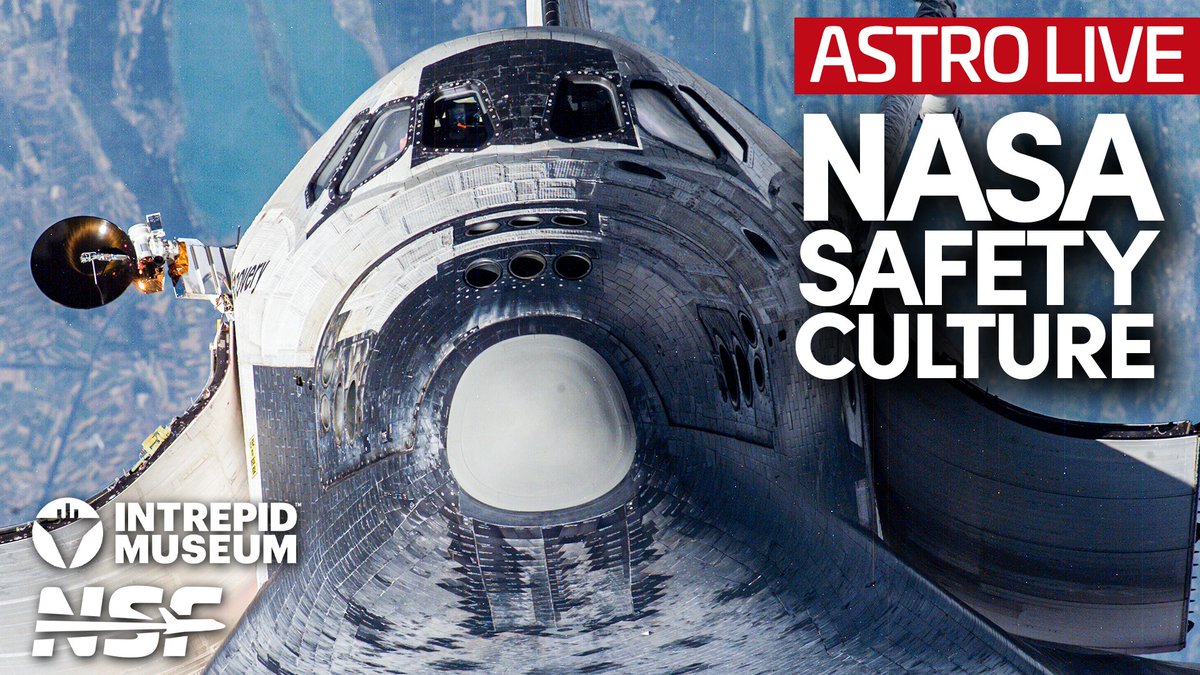
Space is trying to kill you! So anyone who goes into space has to practice a strict safety code if they want to come back alive!!! (Credit: X.com)

Nevertheless NASA still hopes that Starliner can fulfill some part of its original aspirations. The current plan is for Starliner to conduct one more test mission, to be designated Starliner-1, to the ISS. This test flight however will be unmanned; Starliner will only carry cargo to the ISS. This test flight is scheduled to be conducted no earlier than April.
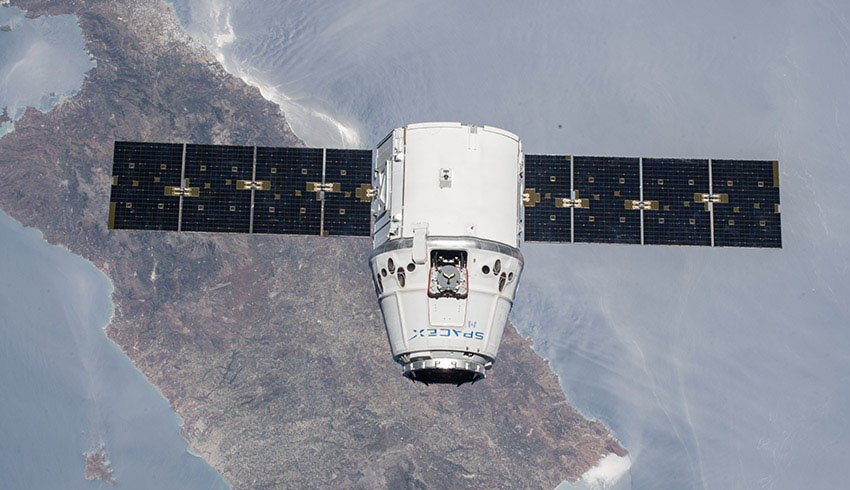
In addition to sending astronauts to the ISS Space X also has the job of sending unmanned cargo missions to the station. Starliner’s next flight could be a similar such mission. (Credit: Space Connect)

If everything goes well in this latest Starliner attempt then it is possible that the next ISS crew rotation, planned for August, may be carried out with Starliner rather than a Space X Dragon. For that reason the four astronauts assigned to the next ISS mission are training on both Dragon and Starliner capsules. Whether or not this scheduled plan will be altered because of the 19th of February report remains to be seen.
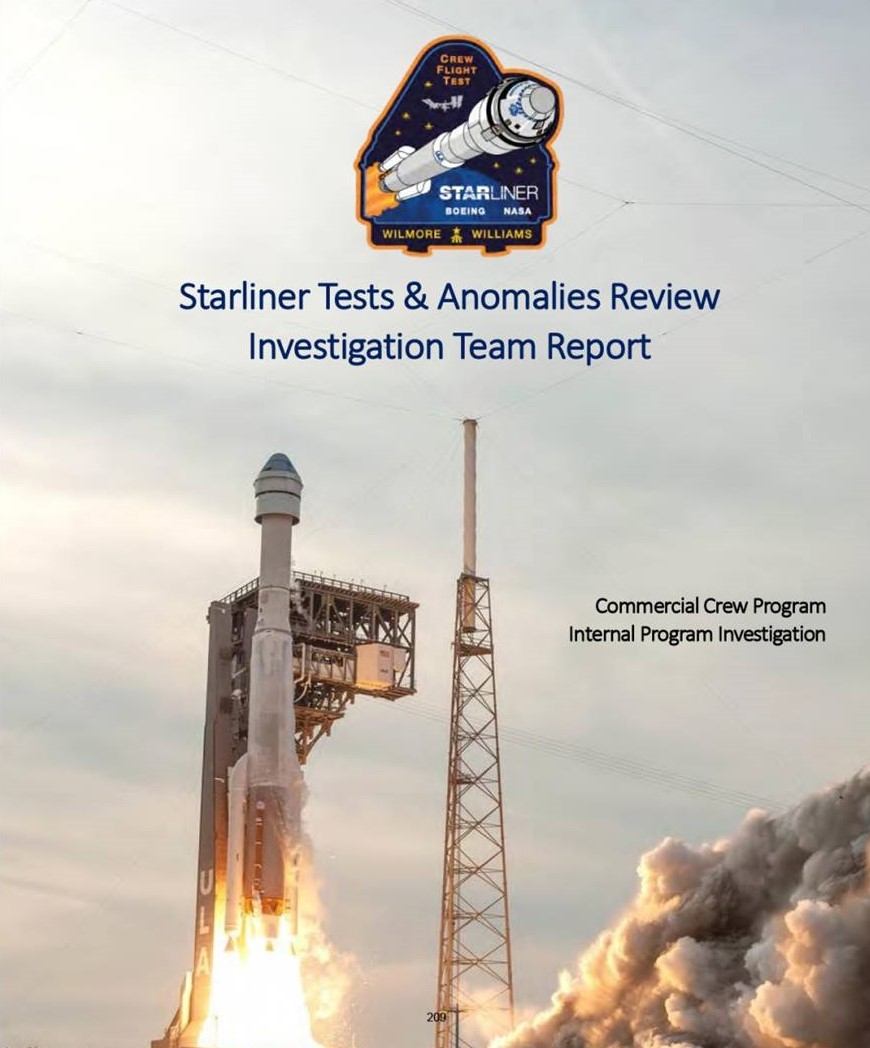
Front cover of the actual report on Starliner’s mission to the ISS. NASA pulled no punches and detailed every problem Starliner had. Assuming there is a next Starliner mission any further problems would surely kill the entire program! (Credit: NASA)

So far all of my news in this post have dealt with space flights to LOE, begging the question of when will we be getting back into deep space, getting back to the Moon and beyond. Well, the Artemis II rocket and Orion capsule are currently sitting on their launch pad undergoing final testing before launching four astronauts out of LOE for a trip around the Moon similar to Apollo eight’s mission back in 1968.
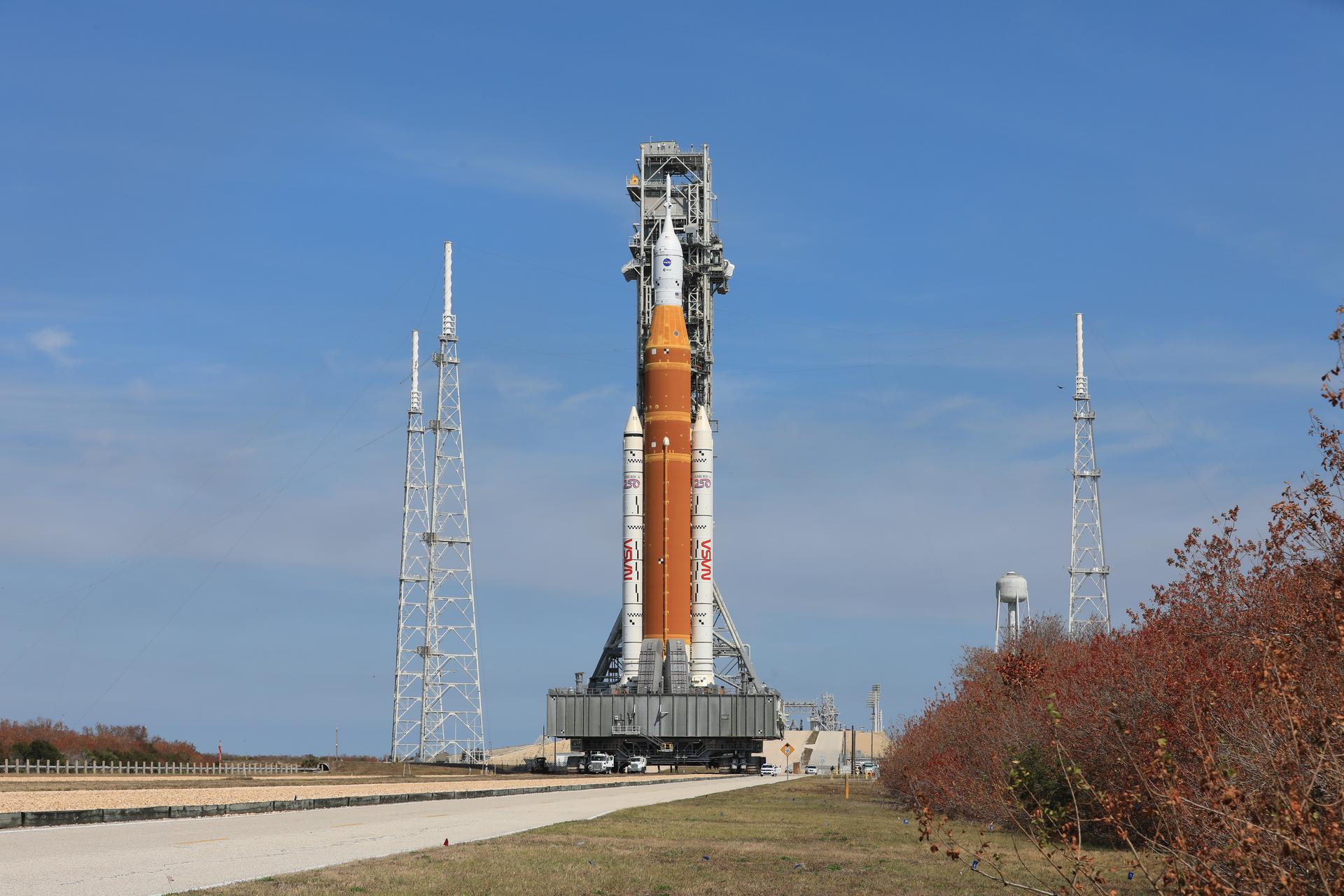
The Artemis II launch vehicle and spacecraft being rolled back to the assembly building. Problems during final testing have provoked this delay. (Credit: NASA)

As a final test before launch NASA conducted a wet dress rehearsal on February 12th, that’s a full fueling of the rocket. Unfortunately during that test a series of hydrogen leaks occurred forcing the test to be terminated early. This same problem occurred during testing of the Artemis I unmanned mission back in November of 2022.

Hydrogen is the lightest and smallest of all elements so it can leak out of any hole no matter how small!!! (Credit: BYJU’s)

A second wet dress rehearsal was carried out from February 17th to the 20th and at first it appeared that the hydrogen leak problem had been resolved, the mission was put on a schedule for a launch on March 11th. However on the very next day the leak problem reappeared in the Artemis II’s second stage and the decision has been made to roll Artemis back into the Vehicle Assembly Building for repairs. How long of a delay this will cause to the Artemis II’s launch is just guesswork at the moment.
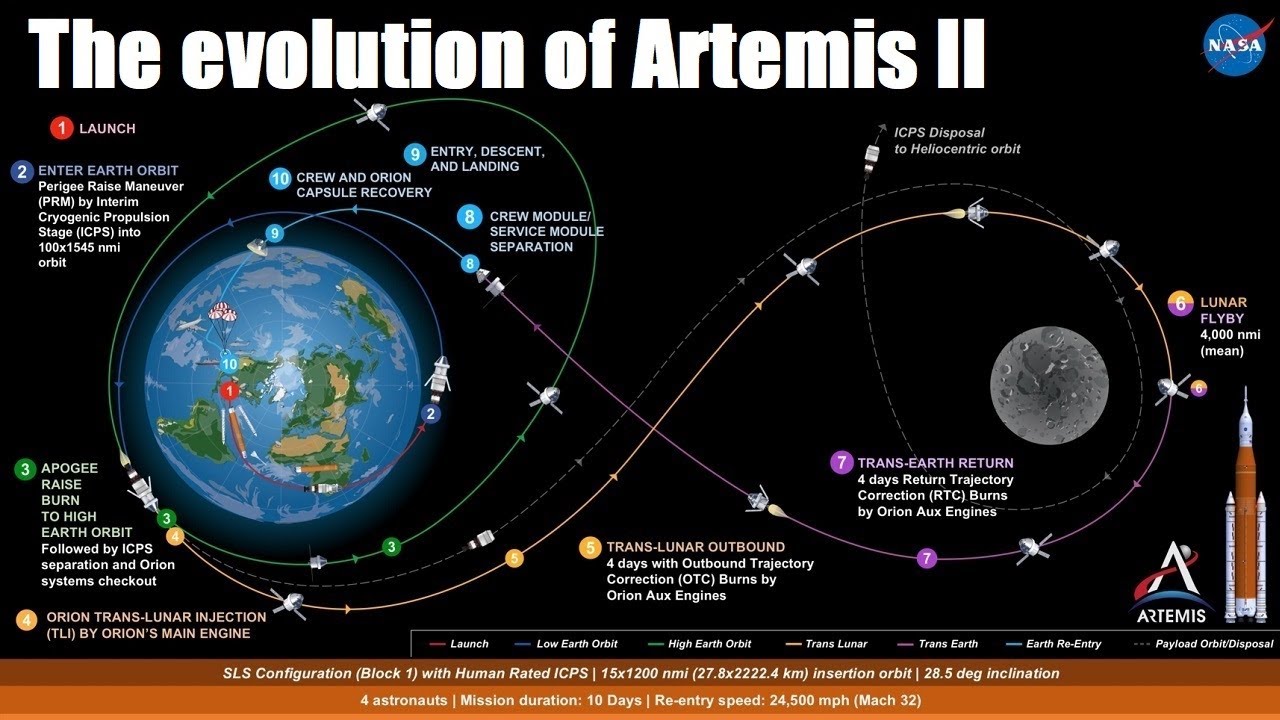
The Artemis II mission, if it ever happens, will mark to first time in more than 50 years that humans have left LOE. (Credit: YouTube)

 All of the stories above concerned either NASA or American commercial aerospace corporations but there is also news coming from China’s space agency as well. On the 12th of February China successfully tested two components of their future manned Lunar exploration missions simultaneously.

Abort test of China’s Mengzhou capsule. Chinese astronauts going to the Moon will ride in this capsule. (Credit: Facebook)

Like NASA’s Artemis program China is designing a large rocket called the Long March 10 along with a crew capsule called the Mengzhou and a Lunar lander called the Lanyue. The test conducted on the 12th consisted of an abort systems test for the Mengzhou capsule along with a test of the re-usability of a scaled down version of the Long March 10 rocket.

China’s Long March 10 rocket will come in several variants for both LOE and deep space missions. (Credit: China in Space)

The abort test of the Mengzhou capsule is a standard test for manned spacecraft, both the Space X Dragon and Artemis’ Orion capsules underwent such testing. If during a launch anything should go wrong with the first stage rocket, or if there’s a problem with jettisoning the first stage and igniting the second stage, solid fuel rockets on the capsule will fire pulling it away from the launch vehicle and allowing the capsule and crew to safely land. The test of the abort system is usually carried out during the launch at what is called ‘Max Q’ which is the moment when aerodynamic pressure on the entire launch vehicle is greatest.

As I mentioned above both the Dragon and Orion capsules underwent this test and in those tests the launch rocket was simply jettisoned after the capsule was pulled away. The Chinese however wanted to try for more than that. Currently the Chinese are working very hard to develop a re-usable rocket similar to Space X’s Falcon 9. So they decided to conduct a full flight of the Long march 10 rocket, after the Mengzhou capsule was pulled away. Therefore, about five minutes after the Mengzhou capsule had completed its test the Long March 10 rocket re-ignited its engines and was able to make a controlled splashdown in the waters off China’s Hainan Island. Two successful tests for the price of one.
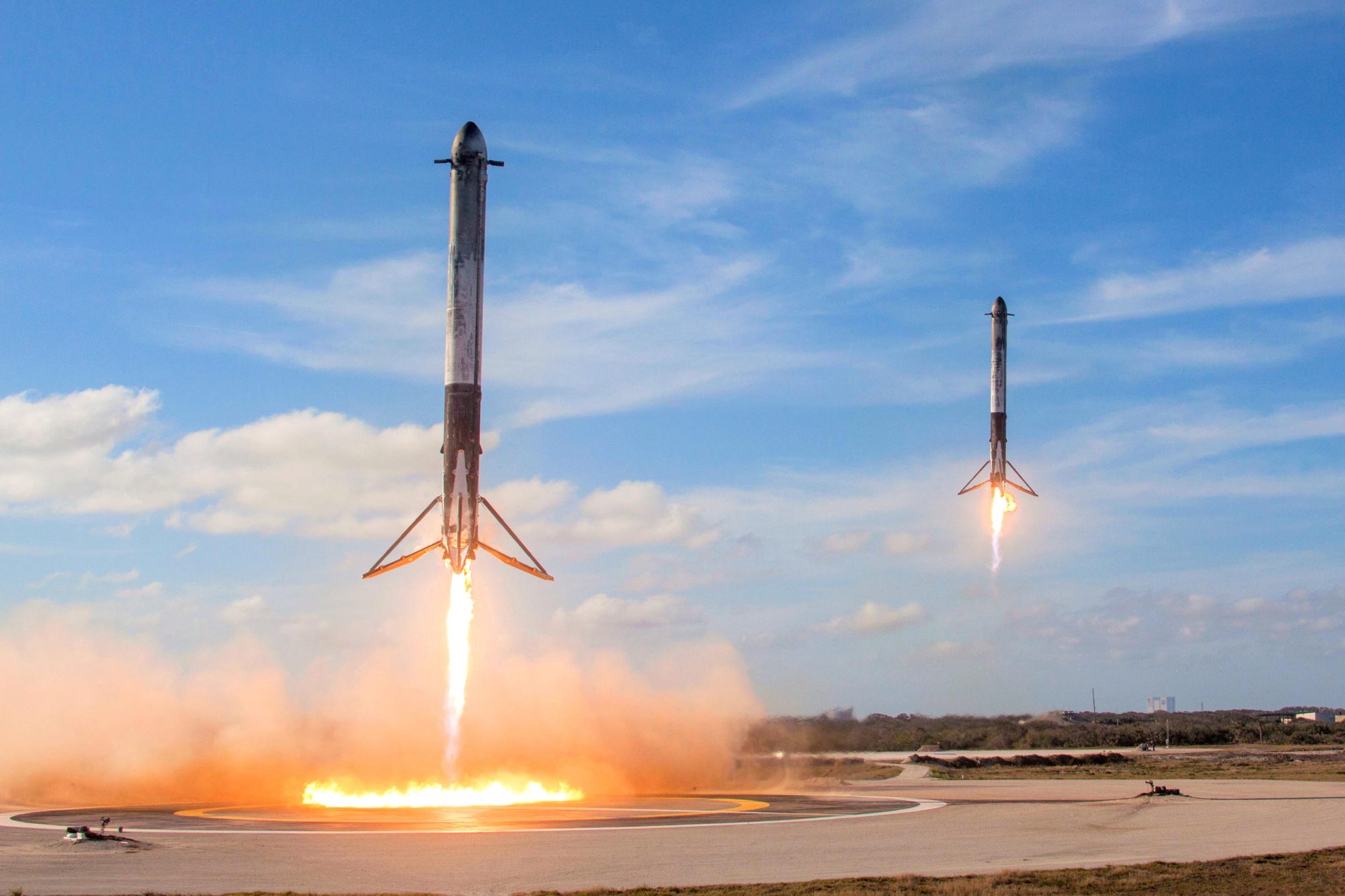
Space X has revolutionized space travel with its reusable Falcon 9 rocket. Now everybody else, especially the Chinese, want to have their own reusable rocket! (Credit: Via Satellite)

 The race to get back to the Moon is heating up, as is the effort to commercialize space. The future will belong not to whoever is first but whoever keeps going and finishes the job.

Space News for February 2025: Unmanned Probes make some News. 

It seems as though my last several space news posts have all been about manned space flight, either to the International Space Station or beyond, back to the Moon. I don’t want to give the impression that our unmanned probes haven’t been making any discoveries or advancing our ability to explore the solar system so in this post I’ll be discussing the latest news about unmanned space exploration and I’ll begin with the big news from the Parker Solar Probe.

Artist’s impression of the Parker Solar Probe making the closest ever approach to the Sun of any man made object. The thermal shield that protected Parker from the Sun’s heat is on the left facing the Sun. (Credit: Science Friday)

Launched in 2018 the Parker Solar Probe is named for Eugene Parker, a NASA astrophysicist who back in the 1950s predicted the existence of the Solar Wind. The solar wind is the never creasing stream of sub-atomic particles that flow outward from the Sun for about 20 billion kilometers creating a bubble around our solar system. See my post of 18 December 2019. During its six-year mission so far the Parker probe has crept ever closer to the Sun using gravity boosts from both the Earth and Venus to alter its orbit.

Eugene Parker discussing the solar wind whose existence he predicted. (Credit: ScienceAlert)

In its last close flyby in 2023 Parker set records for both proximity to the Sun, at a distance of 6.2 million kilometers as well as fastest speed ever attained by a human built object, 635, 266 kilometers per hour. Remember the Sun’s gravitational field is so much stronger than Earth’s that a space probe traveling close to it has to travel at an enormous speed in order to not get sucked in!

The velocity of an object orbiting a planet or star increases as the object gets closer to the planet or star. (Credit: YouTube)

But on the 24th of December 2024 Parker was scheduled to break both of those records with an even closer approach to the Sun at a distance of only 6.1 million kilometers and reaching a speed of 692,000 kilometers per hour. Getting so close to the Sun is obviously a dangerous maneuver not only because of the enormous heat, estimated at 980º C, but also because of the energy of the particles in the solar wind which can easily destroy sensitive electronics.

Sometimes the Sun erupts in massive solar flares but even when the Sun is quiet it is still constantly emitting super-heated plasma of enormous energy that could prove deadly to the electronics on a space probe. (Credit: The Wonder of Science)

To protect the spacecraft’s instruments from the worst of Sun’s energy Parker has an 11.5 cm thick carbon composite shield that is kept facing the Sun. Nevertheless as the probe makes its closest approach to the Sun the Space Agency knew that they would lose all radio contact with it, NASA did not know that Parker had survived until two days later on December 26th.

With radio antennas like this one in Madrid, Spain NASA’s deep space network maintains communication with its interplanetary probes like Parker. (Credit: Jet Propulsion Labouratory)

Even after receiving the signal that Parker was in good shape NASA still had to wait until New Year’s Day before the spacecraft could begin transmitting back the data it had collected at its closest approach to the Sun. Meanwhile Parker is scheduled to make two more flybys of our Sun, on March 22nd and June 19th of 2025 although neither will be quite as close as the one on December 24th.

Parker isn’t finished with the Sun just yet. The probe will make two more close approaches to our star this year! (Credit: NASA Science)

Meanwhile, not too far away the European Space Agency’s (ESA) BepiColombo probe made its fifth flyby of the planet Mercury, the closest planet to the Sun on the first of December 2024. Like Parker, BepiColombo is using the gravity of Mercury in order to change its trajectory so that in 2026 the spacecraft can go into a permanent orbit around the solar system’s smallest planet. Even though the encounter on the first was only a flyby the scientists at the ESA still used the occasion to check out their instruments by making detailed observations of Mercury, particularly the probe’s infrared spectrograph. 

Actually two space probes in one BepiColombo consists of the Mercury Planetary Orbiter (l) and the Mercury Magnetosphere Orbiter (r). (Credit: Space.com)

Surprisingly, BepiColombo is actually two spacecraft in one. Once in orbit around Mercury BepiColombo will split into two distinct probes. One is the Mercury Planetary Orbiter (MPO) and the other is the Mercury Magnetospheric Orbiter (MMO). Both probes will conduct different observations of the planet. Like the Parker Solar Probe, BepiColombo promises to reward us with many new discoveries in the near future.

The planet Mercury is much closer to Earth than Jupiter but because it is so close to the Sun it is more difficult to get to, so we actually know less about it. BepiColombo will hopefully teach us a great deal more. (Credit: Phys.org)

Finally I have some sad news to report, the Ingenuity helicopter, which was carried to the planet Mars aboard the Perseverance rover and which became the first human built craft to fly on another planet, see my post of 1 May 2021, crashed on its 72nd flight. Now bear in mind that Ingenuity was really just a test vehicle, intended only to see if flight of any kind was even possible in Mar’s thin atmosphere. The original NASA plan was for Ingenuity to only take five flights, tests that would be observed by Perseverance. That the little helicopter would succeed in making 72 flights over a three-year period and cover over 16 kilometers was beyond the wildest hopes of the engineers at the Jet Propulsion Labouratory who designed and built the aircraft.

The Ingenuity helicopter on Mars was the first ever man made aircraft to take flight on another planet. Originally planned to take five experimental flights the little helicopter that could made rose above the Martian surface 72 times before finally crashing. (Credit: Popular Mechanics)

Now NASA has released a report detailing what they think happened to Ingenuity, although since the accident happened over 100 million kilometers from Earth no one can visit the crash site to do a proper investigation to be certain. The trouble seemed to begin on Ingenuity’s 70th flight when the helicopter was flying over an area of flat terrain with few features. Because the ground below had so few landmarks it caused Ingenuity’s visual navigation system to become confused. The same problem occurred on the next flight, in fact the navigation system ordered an emergency landing, one that turned out to be a hard landing, a landing that NASA thinks damaged at least one of the helicopter’s blades. Ingenuity’s 72nd and final flight was intended to be just a short test to see whether any damage had been sustained but the helicopter quickly crashed, breaking off both of its rotors about midway.

When a Lear Jet recently crashed in NE Philadelphia member of the National Transportation Safety Board (NTSB) were quickly on site investigating what had happened. When Ingenuity crashed on Mars it obviously wasn’t possible for investigators to visit the site so the engineers at NASA had to figure out what happened based on the data the little aircraft had sent back to Earth. (Credit: YouTube)

Ingenuity may no longer be flying but the tiny probe is still working, acting now as a weather station on the Martial surface. And because Ingenuity was so successful NASA is now planning on a new helicopter to explore Mars. The proposed aircraft has been given the name Mars Chopper and it is a six-engine drone like helicopter that will be about the size of an SUV. Mars Chopper will carry an array of instruments to enable it to explore the Red Planet but whether it will operate in cooperation with a rover or autonomously is still to be decided.

Concept design for a possible Mars Chopper aircraft to continue Ingenuity’s mission of exploring of the red planet. (Credit: ScienceAlert)

In either case Mars Chopper will join the Parker Solar Probe and BepiColombo and all of the unmanned spacecraft that humans beings have sent into outer space to explore our solar system.