
Three interesting stories about ancient life have come to my attention so I thought I’d pass them along. As usual I’ll begin with the oldest and move forward in time.

In fact I have something of a personal interest in my first story because I have met all of the principle scientists involved in the new research. The research concerns Tiktaalik roseae, a middle Devonian aged fish, about 375 million years ago, which is our best guess at being the first fish to climb out of water and walk on land. T roseae was first discovered back in 2004 on Ellesmere Island in Canada’s far north by paleontologists Ted Daeschler of the Academy of Natural Sciences along with Neil Shubin of the University of Chicago.
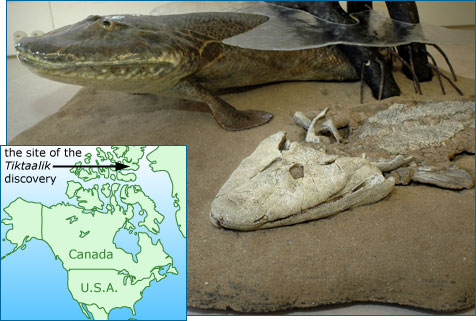
Referring to the image below T roseae is a flat-headed fish with large, muscular ‘lobe fins’. It is thought that T roseae lived in shallow, muddy streams and bogs and used its muscular fins to crawl along the bottom. It is also thought that during dry periods the fish could use those fins to crawl out of an isolated, evaporating mud hole and propel itself to a larger body of water. That’s what makes T roseae the first vertebrate creature to walk on land.
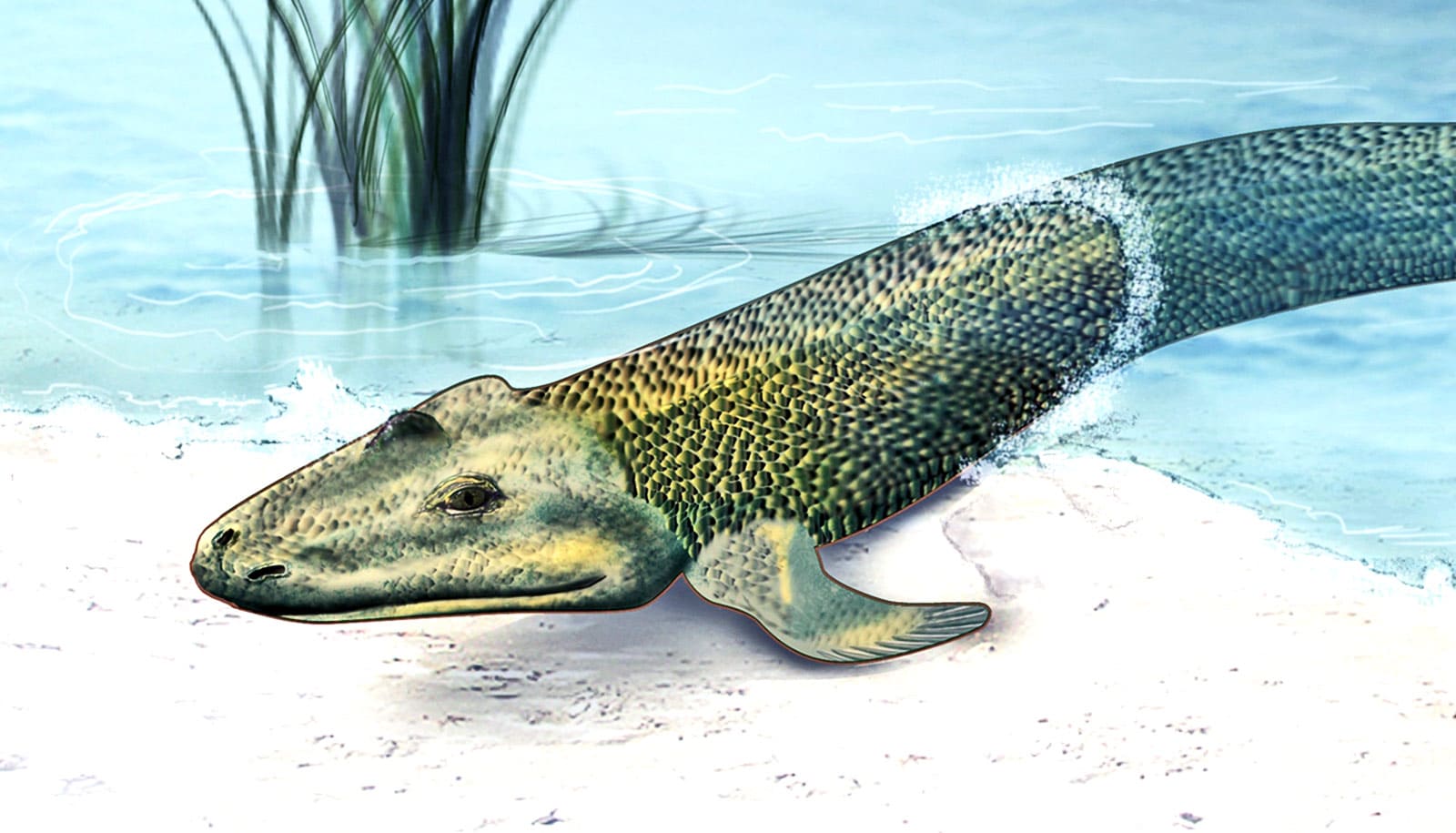
Now the first specimens of T roseae to be unearthed and analyzed were only partial skeletons of the animal’s front, the head to just past the front fins. Based on those fossils T roseae was described as having a strong, muscular rib cage with ‘shoulder like’ bones connecting to the front fin bones. The rear half of T roseae was expected to be more fishlike with a backbone comprised of a series of identical vertebrae. T roseae’s power to walk, whether on land or on a stream bottom was thought to come from the front fins.
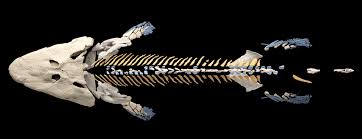
Three years ago however the researchers made another expedition up to Canada’s Artic regions and brought back several new, more complete specimens of T roseae. The new specimens have now been cleaned and analyzed by Thomas Stewart of Penn State University. Using high-resolution mico-CT scans Stewart was for the first time able to see the rear portion of T roseae and discovered bones that were different from normal vertebrae, bones which were connected to the bones of the rear fins. In other words, the bones formed a kind of early version of a pelvis, a kind of bony structure no modern fish has!

This finding makes T roseae look like it was even more capable of spending brief periods of time on land than before. With rear fins that could also supply power T roseae may have walked further and perhaps even lifted itself up onto its four ‘proto-legs’ in order to get a better look around.
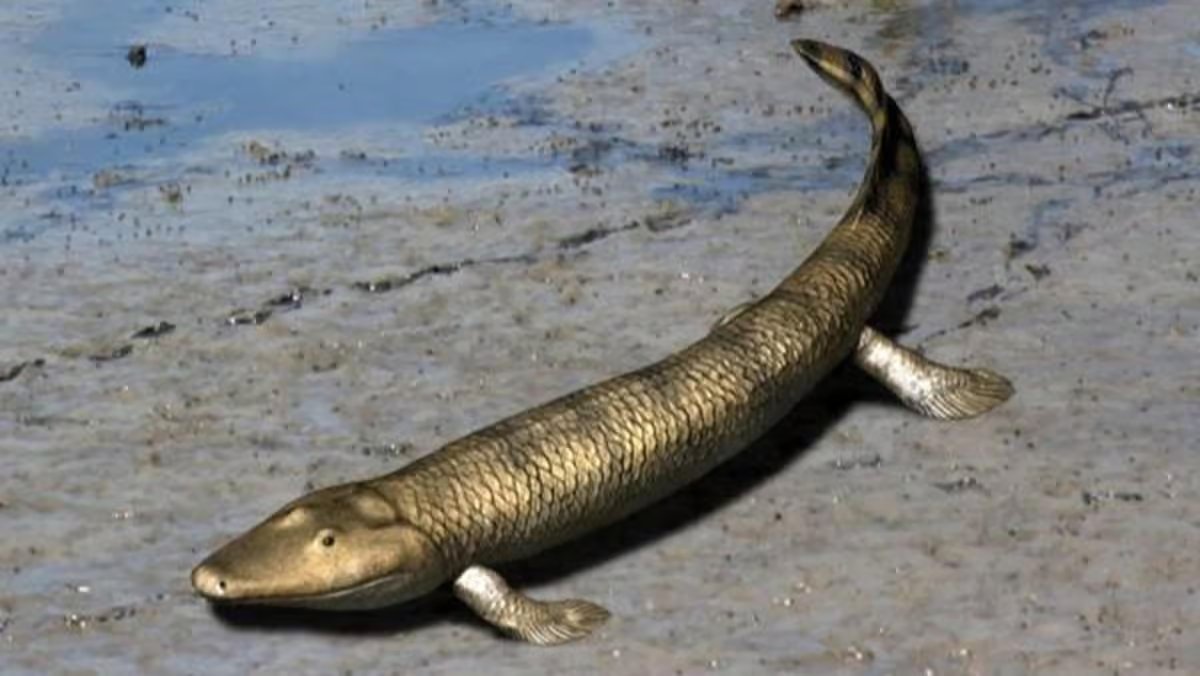
Tiktaalik may have been the first vertebrate to walk on land but millions of years before that the arthropods had already adapted to life out of the water. Then as now arthropods were the most populous and diverse of the all of the kinds of animals on Earth. Throughout our planet’s history they have evolved into a bewildering array of creatures.
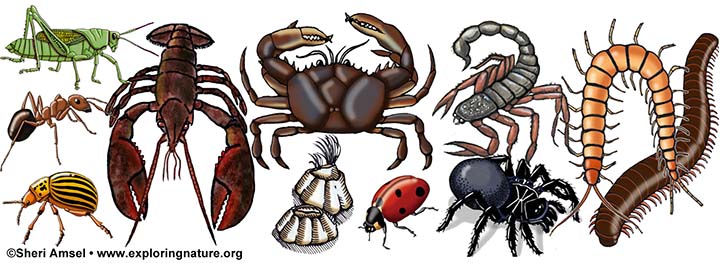
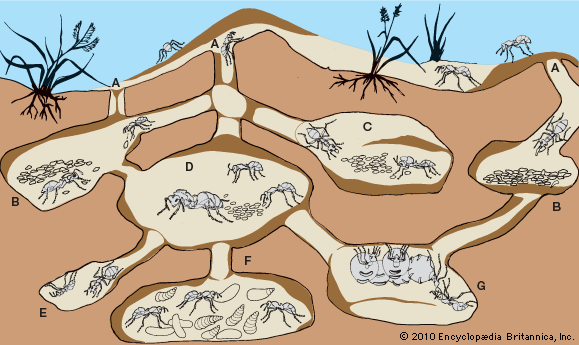
Perhaps the most successful of all of the arthropods is the common ant, which is itself a misnomer because there are an estimated 100,000 different species of ant as the animals have adapted to nearly all of our planet’s environments. Ants are of course social animals, related to both bees and wasps, all of which are thought to have evolved from a wasp like ancestor more than 100 million years ago.
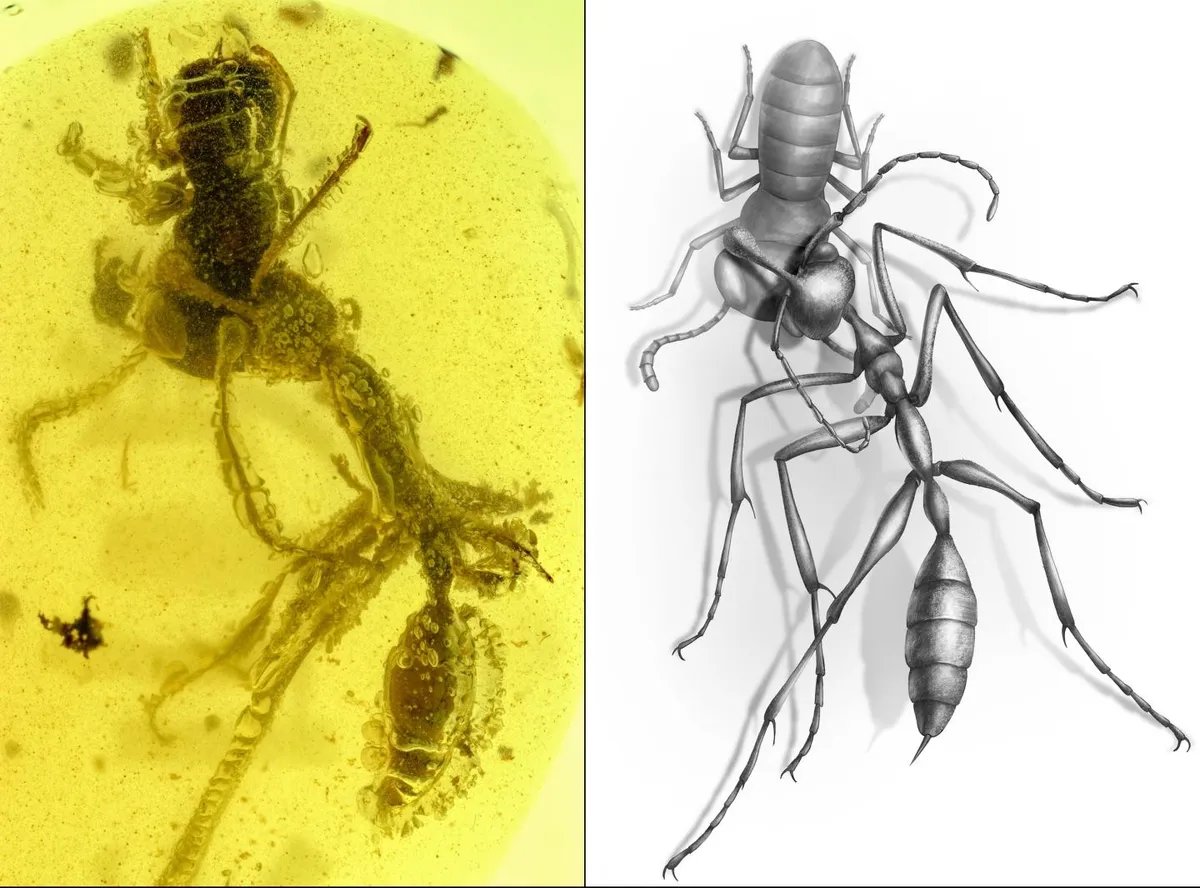
Just what part of the world ants first appeared has been a contentious issue with the oldest known specimens of ant coming from France and Myanmar indicating that ants evolved in the northern hemisphere. Those fossils were dated to just about 100 million years ago. Collectively those early ants are known as ‘Hell Ants’ because they possessed large, fearsome mandibles capable of ripping apart other insects.
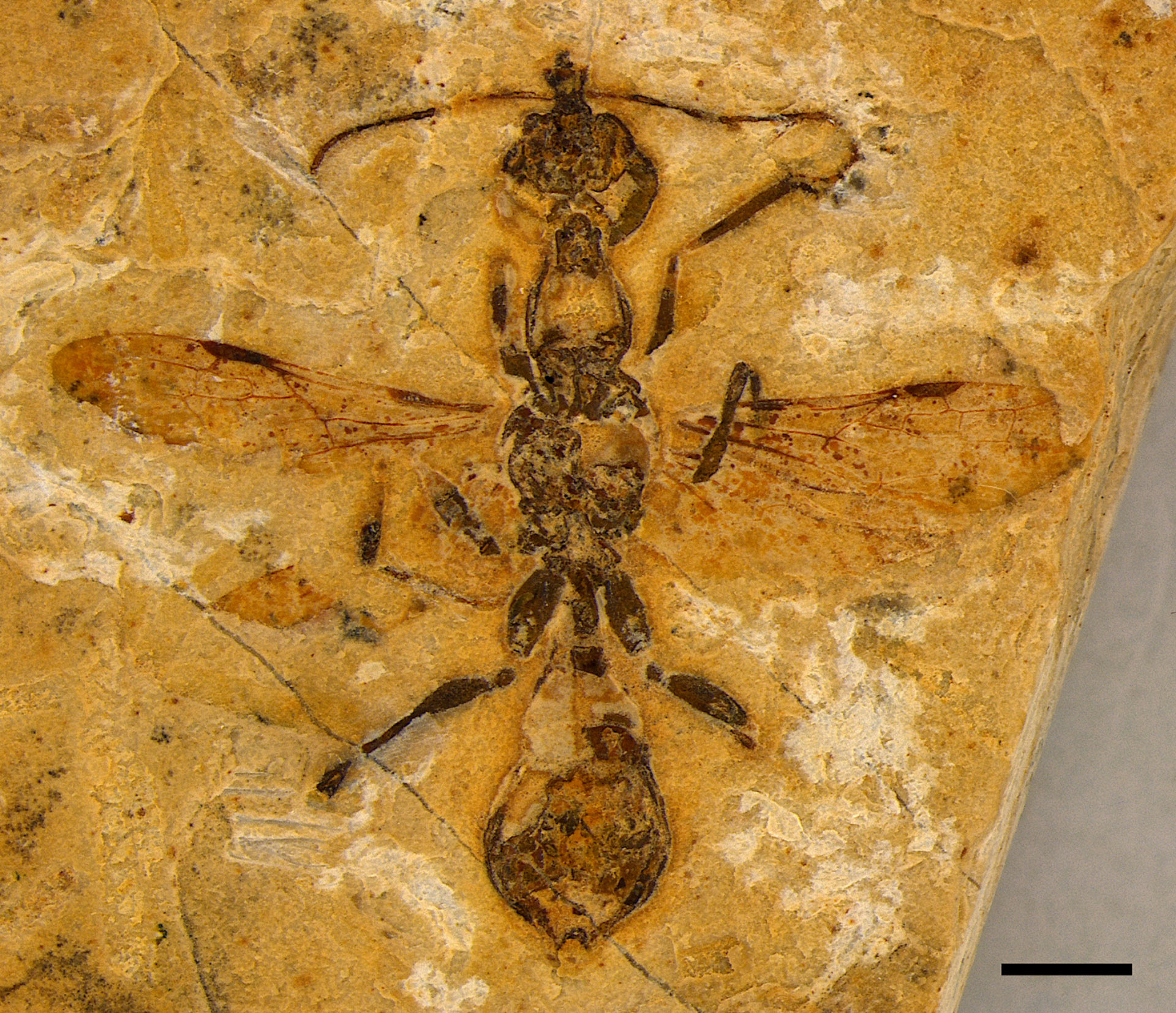
Now a new specimen of Hell ant has been discovered in Brazil from geologic strata dated to 113 million years ago by paleontologists at the University of São Paulo. This new specimen not only pushes back the evolution of ants by 13 million years but now suggests that they evolved in the southern hemisphere on the ancient super continent of Gondwana. Whether this new specimen, which has been named Vulcanidris cratensis will remain the oldest known ant remains to be seen, but you can be certain that paleontologists will keep searching for more specimens.
My final story today concerns everybody’s favourite candidate for the most fearsome beast of all time, Tyrannosaurus rex or T rex for short. As arguably the best known extinct animal ever you won’t be surprised to know that paleontologists are working hard to not only learn all the can about T rex as a species but about T rex’s ancestors as well.
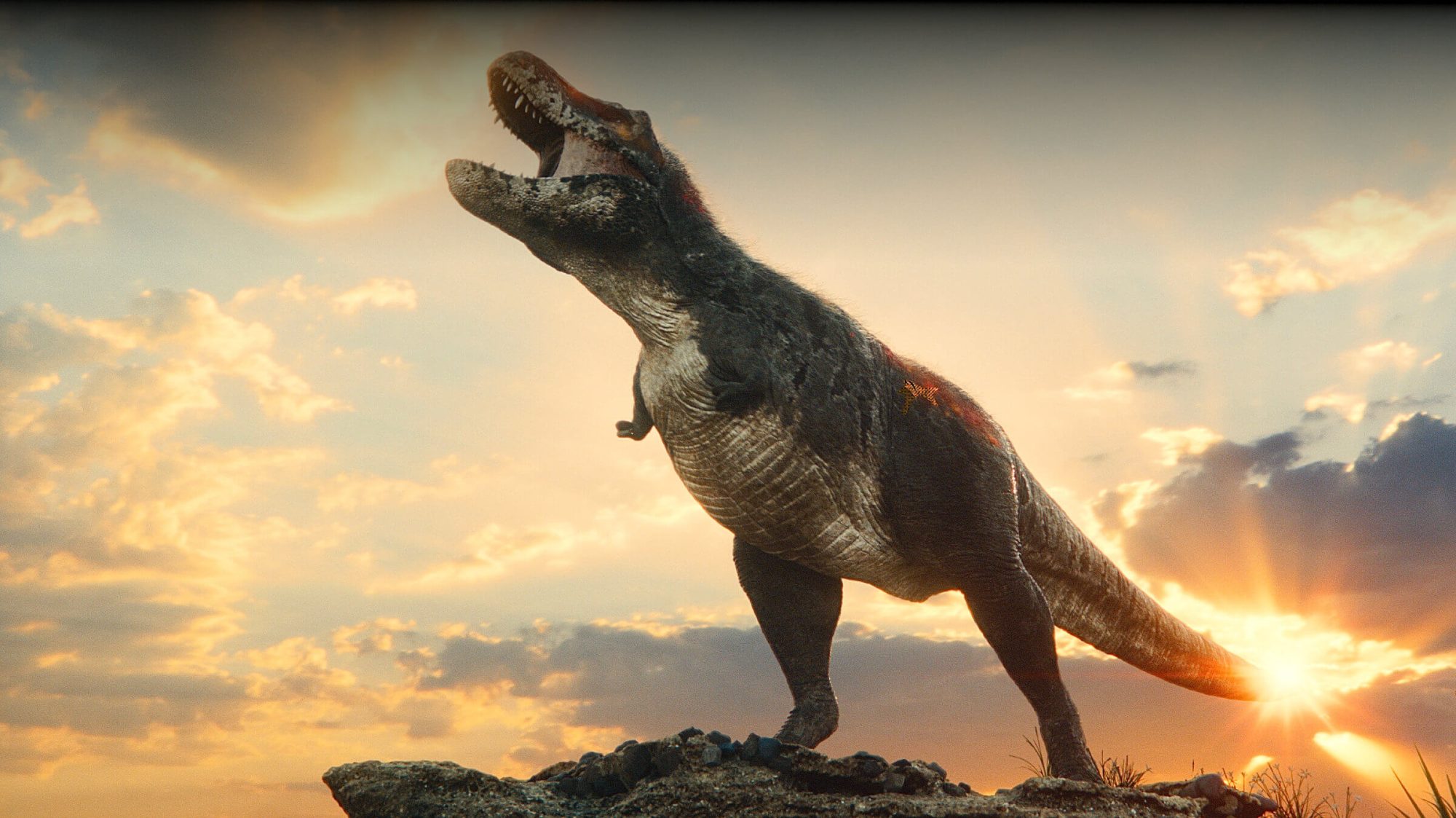
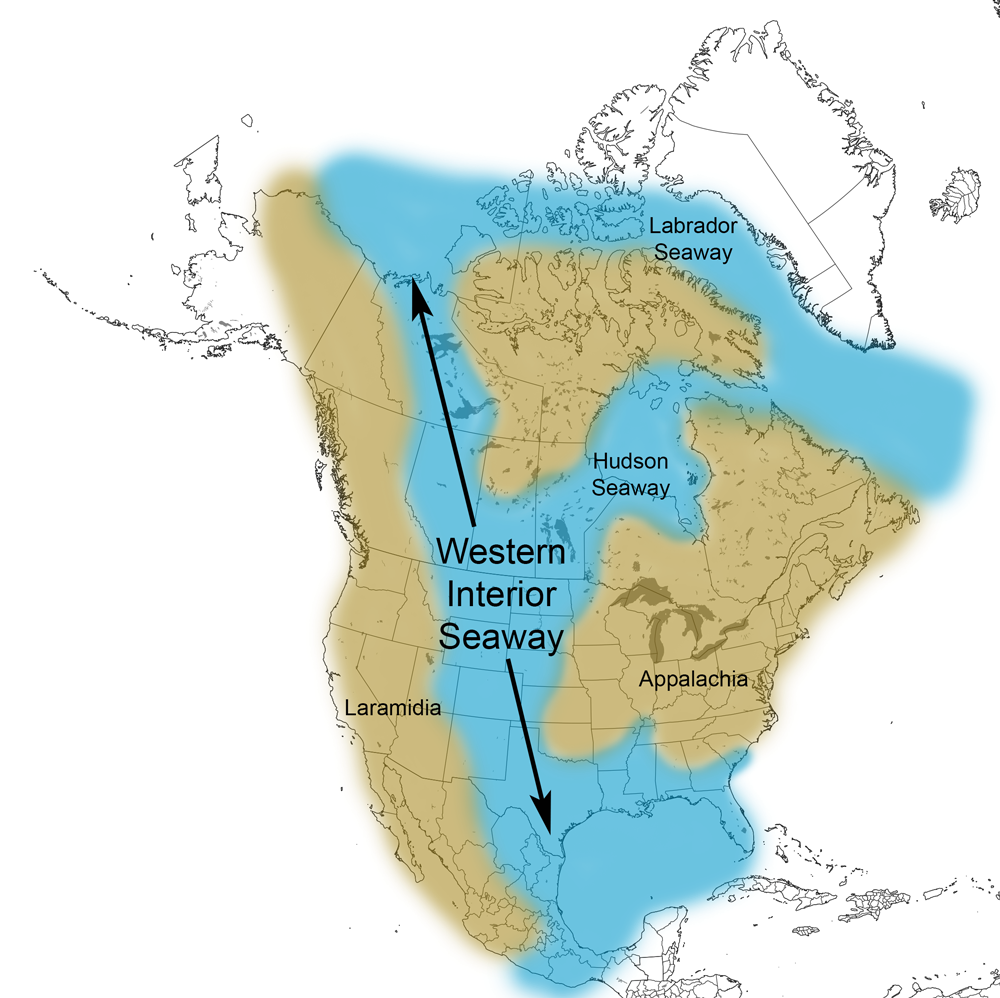
As to T rex itself, it appears that the species was confined to the continent of North America. Of the dozens of T rex fossils unearthed to date all have come from North America and most from the western part of the continent. So, it appears certain that the species T rex evolved here in North America but were its ancestors also native to our continent?
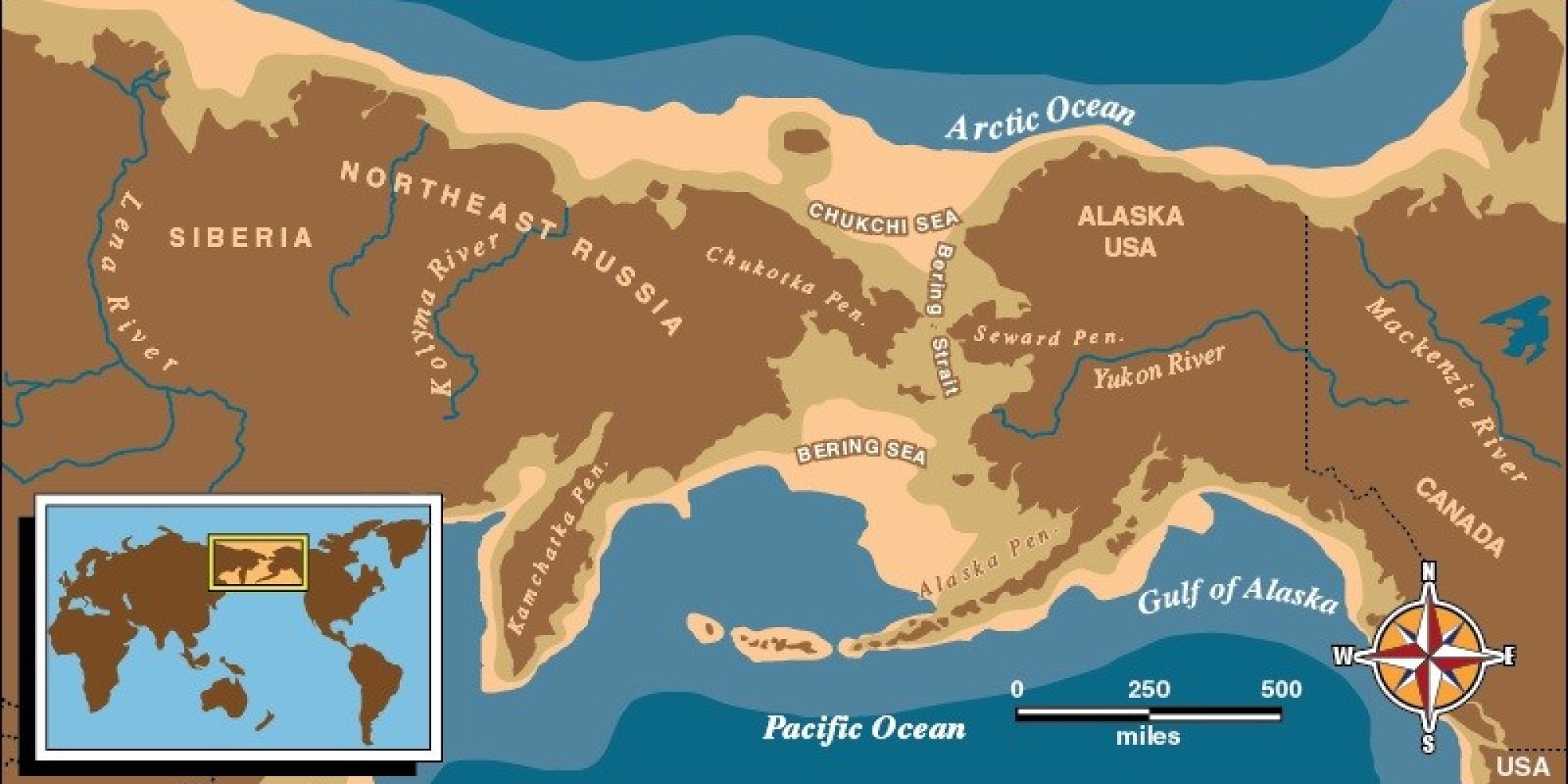
Not so according to a new survey of previous discoveries conducted by researchers at the Universities of Oxford, Pittsburgh, Aberdeen, Arizona, Anglia Ruskin, Oklahoma and Wyoming. Surveying the basic characteristics of all known late cretaceous theropod dinosaurs the paleontologists concluded that the ‘grandfather’ species for T rex arrived in North America from Asia via a land bridge connecting Alaska to Siberia. (Sounds like same path by which we think the original Native Americans came to North America.)
Another factor the scientists studied is why the tyrannosaurids and the closely related megaraptors came to dominate the late cretaceous period. About 92 million years ago, a period known as the cretaceous thermal maximum, the top predator slot was held by a group of theropods known as the carchrodontosaurids.
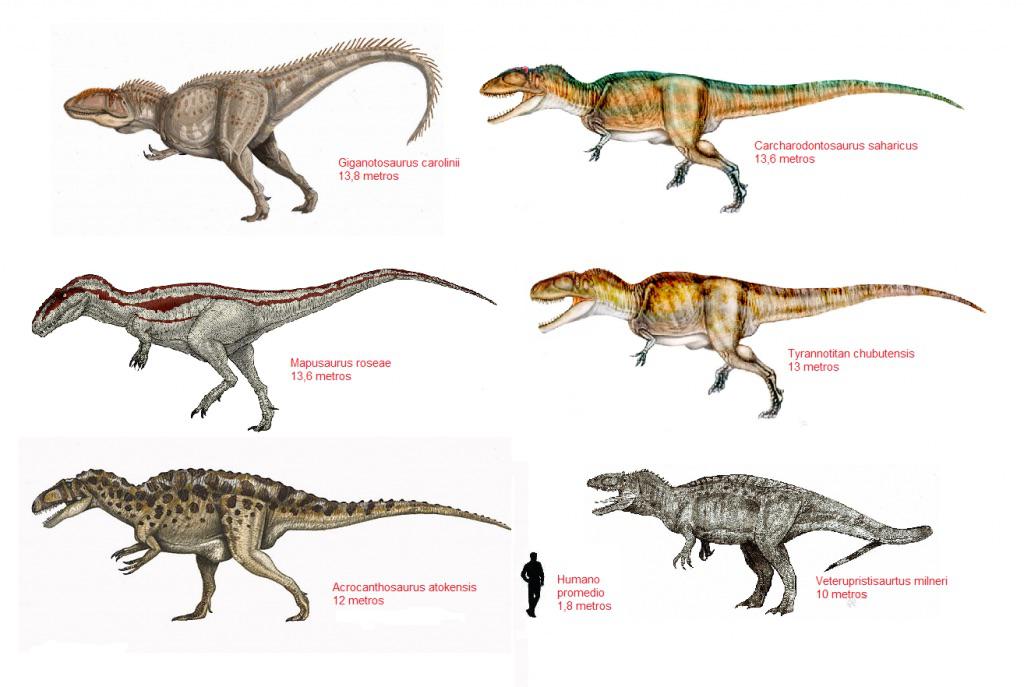
After that period of time there was a worldwide cooling of Earth’s temperature so the paleontologists theorize that the tyrannosaurids and megaraptors had some physiological advantage, possibly feathers or warm bloodiness, that allowed them to better adapt to the cooler climate. So it was that after the thermal maximum that the tyrannosaurids in the northern hemisphere and the megaraptors in the southern grew to the enormous size that makes them the killer dinosaur par excellence.
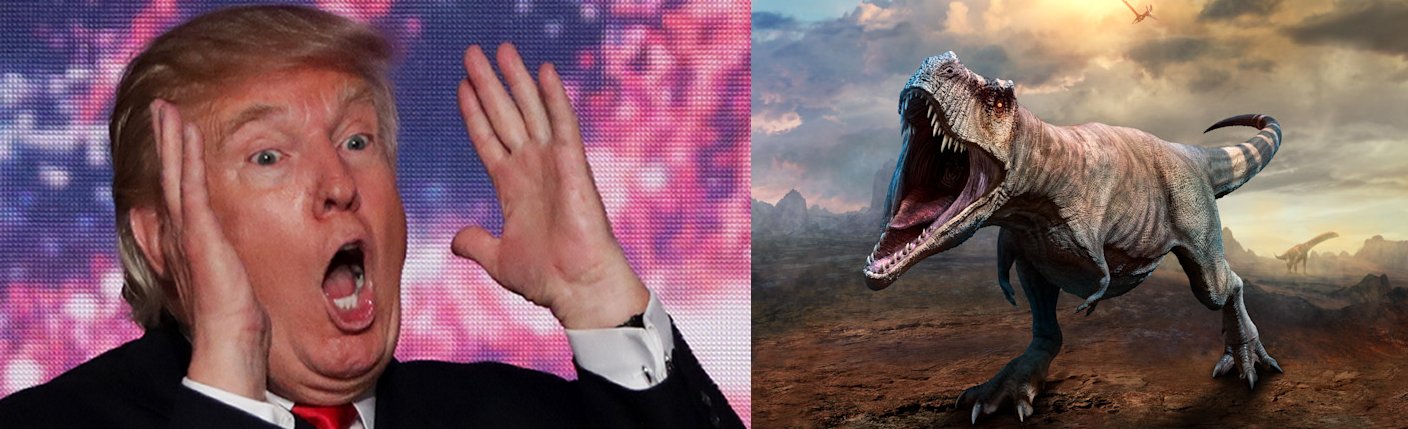
One thing about the study worries me however, if the original tyrannosaurids came from Asia, without a visa, I just hope Trump doesn’t find out that they’re illegal aliens. On the other hand I think that I’d love to see Trump try to deport a Tyrannosaurus rex!