
The United Nations sponsored international Conference of Parties (COP) for dealing with Climate Change has wrapped up its annual meeting (COP30) in Belem, Brazil and so it’s time to review what has, or has not been accomplished at this years meeting. To be short, not much.
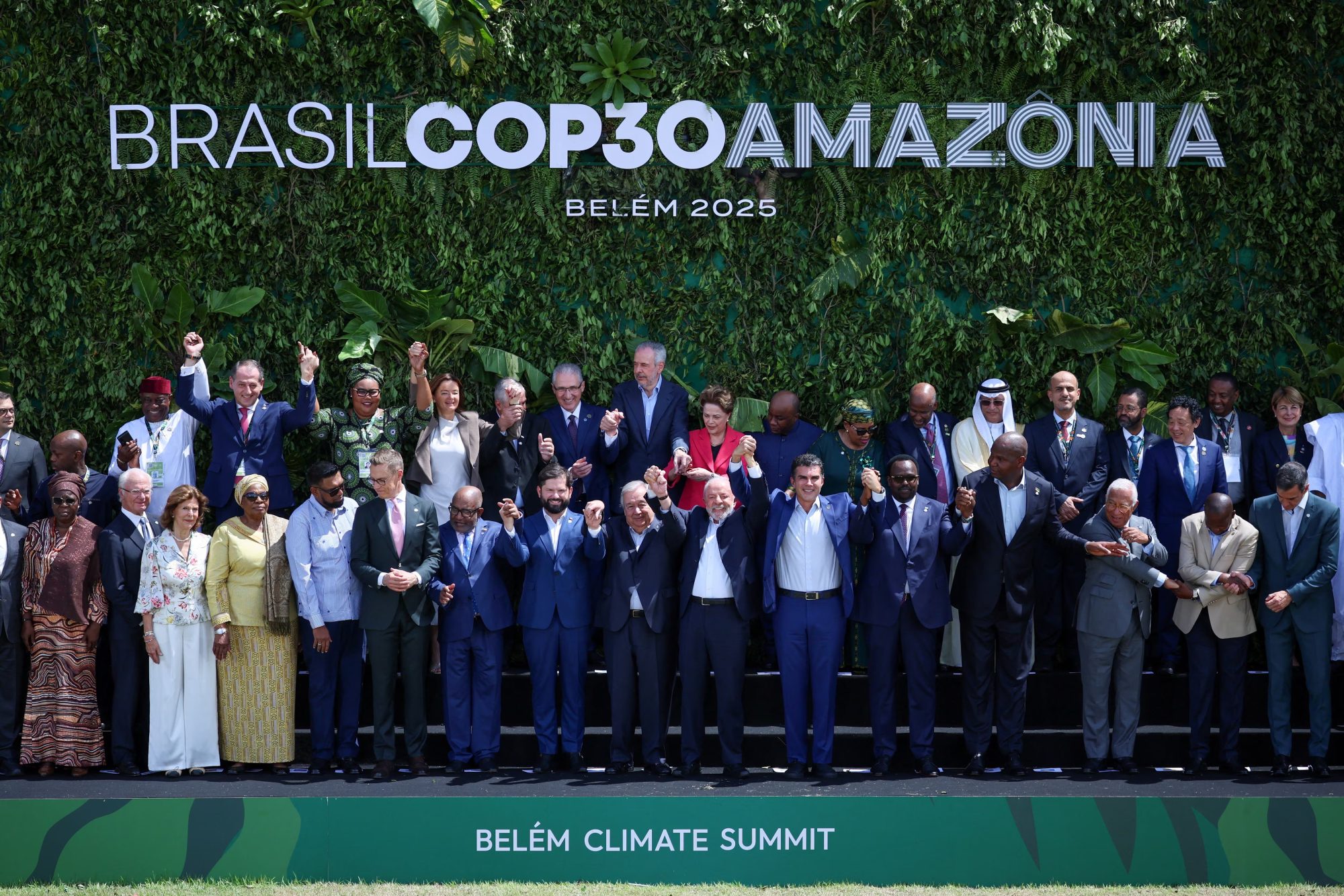
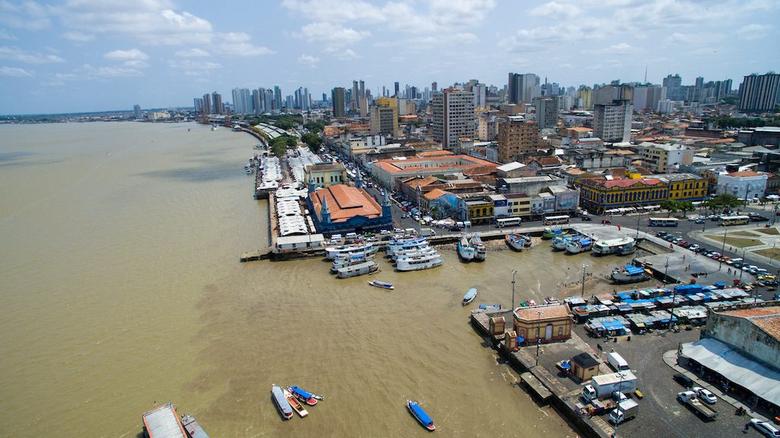
Brazil’s President and host for the summit, Lula da Silva had hoped to focus the meeting on his efforts to preserve the tropical rainforests. These vast forests like the Amazon are vital in our fight to reduce greenhouse gasses in the atmosphere thanks to their ability to absorb and store CO2. That was the rationale behind the choice of Belem as host city, because of its position at the mouth of the Amazon. Problem was that Belem was too small and remote a city for such a large gathering, over 50,000 attendees. In addition to the carbon footprint of everybody traveling to Belem there weren’t enough hotel rooms for all the delegates leading many to stay aboard palatial yachts brought to Belem harbour for just that purpose.
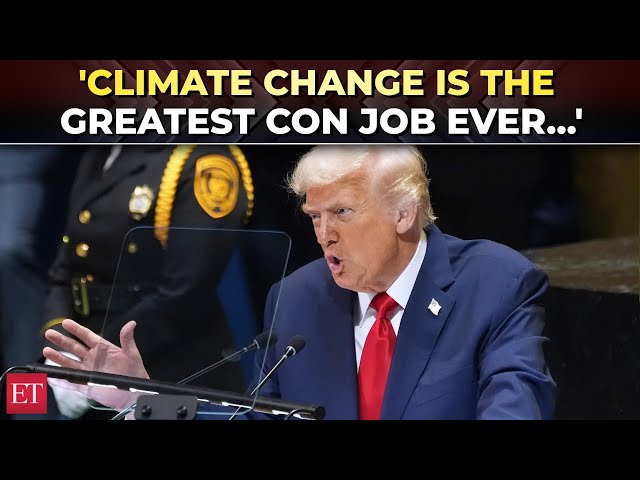
But the problems of who attended the conference were outweighed by who didn’t attend. The heads of state of China, India and Russia refused to attend but at least sent delegations. The United States on the other hand, under orders from Trump sent no official delegation at all. To have the heads of state of the four biggest greenhouse gas emitting countries not attend a conference on climate change pretty much dooms the whole affair right at the start.
Still the world leaders who did show up, headed by the UK’s Keir Starmer, France’s Emmanuel Macron, Germany’s Friedrich Merz, along with host da Silva, tried their best to salvage some results from the conference. The biggest issue to be dealt with was an attempt to develop a ‘roadmap’ for the future elimination of fossil fuels as a power source. At the conference over 80 countries, led by Colombia, pushed hard for the adoption of such a timetable where each country would announce how they intend to de-carbonize their economies. Even a few oil producing nations, like Mexico and Brazil supported the idea of a roadmap.
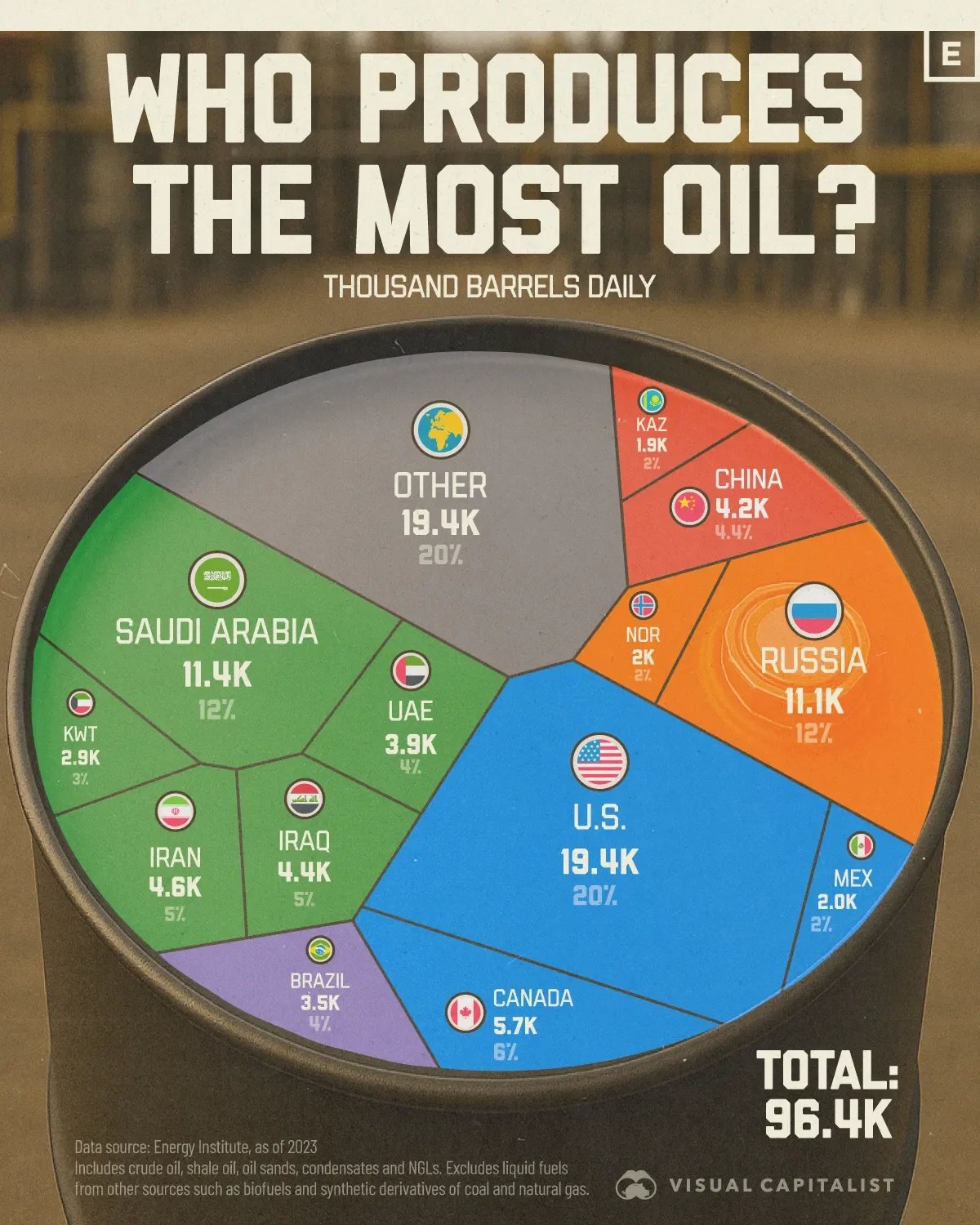
Since global fossil fuel use is the greatest contributor to greenhouse gasses eliminating coal, oil and natural gas as fuels is the surest, quickest way to reduce the amount of greenhouse gasses in the atmosphere. However, the big fossil fuel producing countries fought tooth and nails against the very idea of such a roadmap. In fact countries like Saudi Arabia, Russia and Venezuela still are fighting against any official recognition of the fact that fossil fuels generate greenhouse gasses.
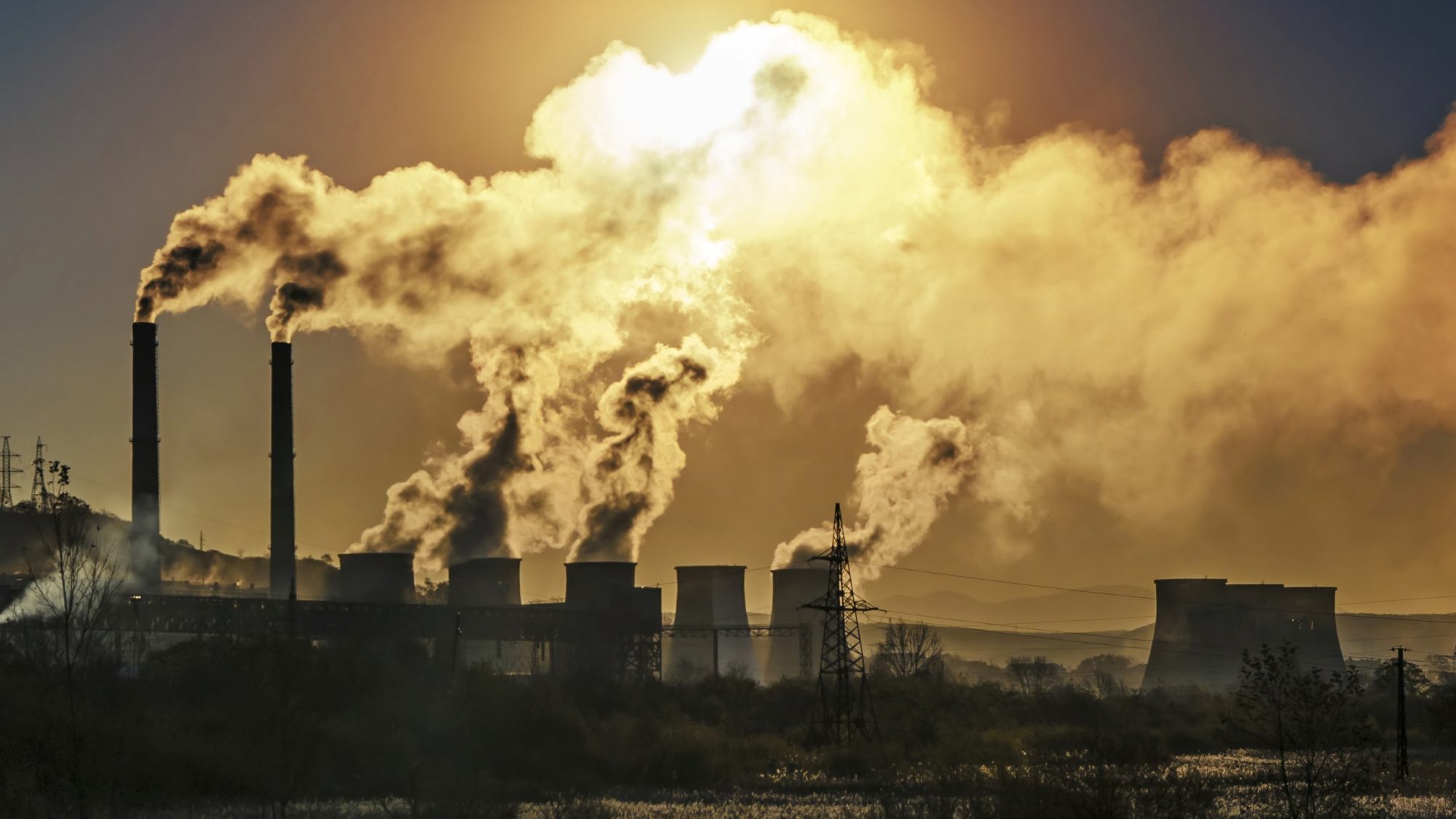
That’s true, the official communiqué agreed to at the end of COP30 called for the reduction of greenhouse gasses without explicitly mentioning fossil fuels. Without a roadmap however, without even facing the fact that fossil fuels are the driving cause of global warming there is little hope of any real progress being made in ending climate change. Countries with growing economies like China and India will simply do whatever serves their own interest, even if that means building more coal burning power plants.
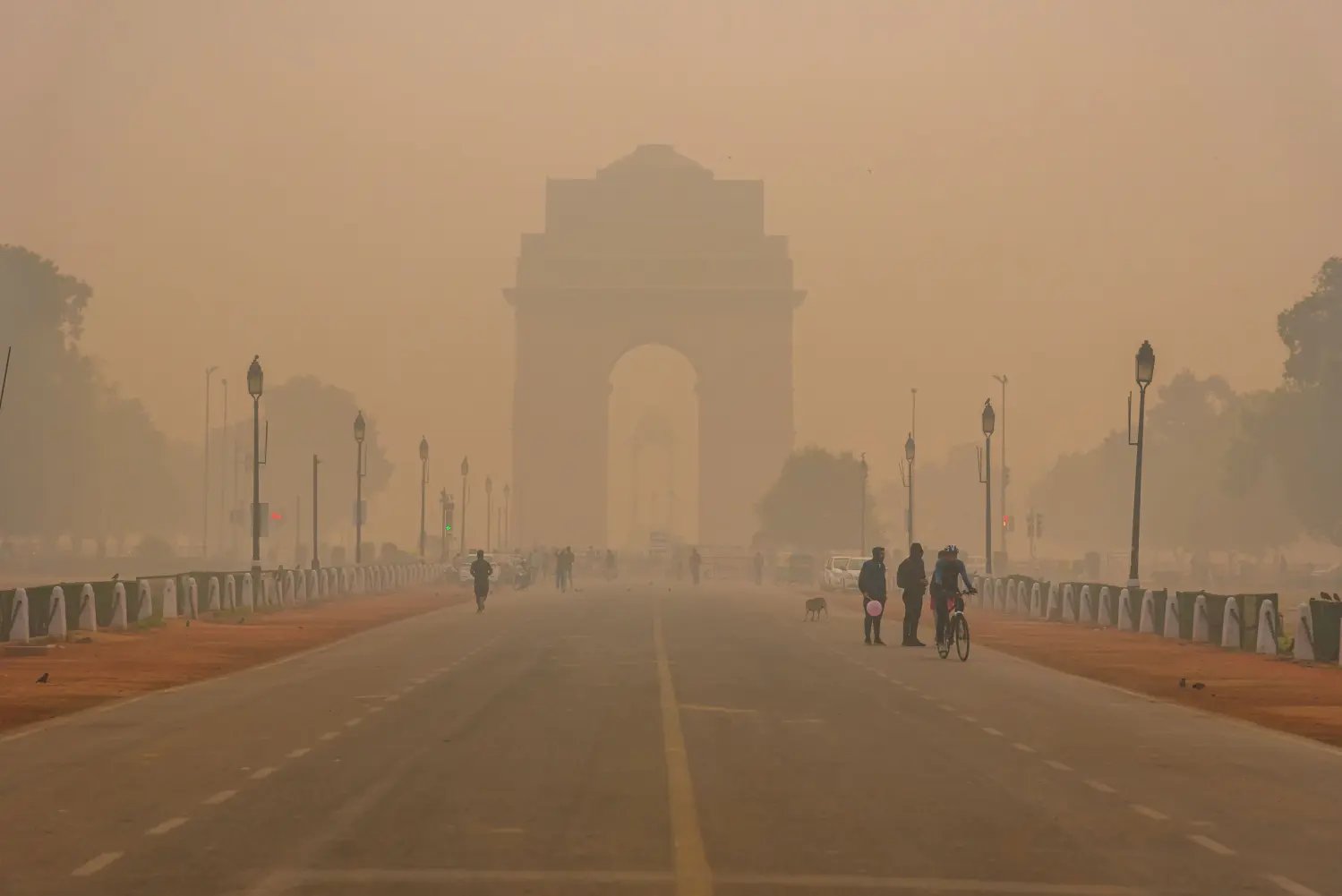
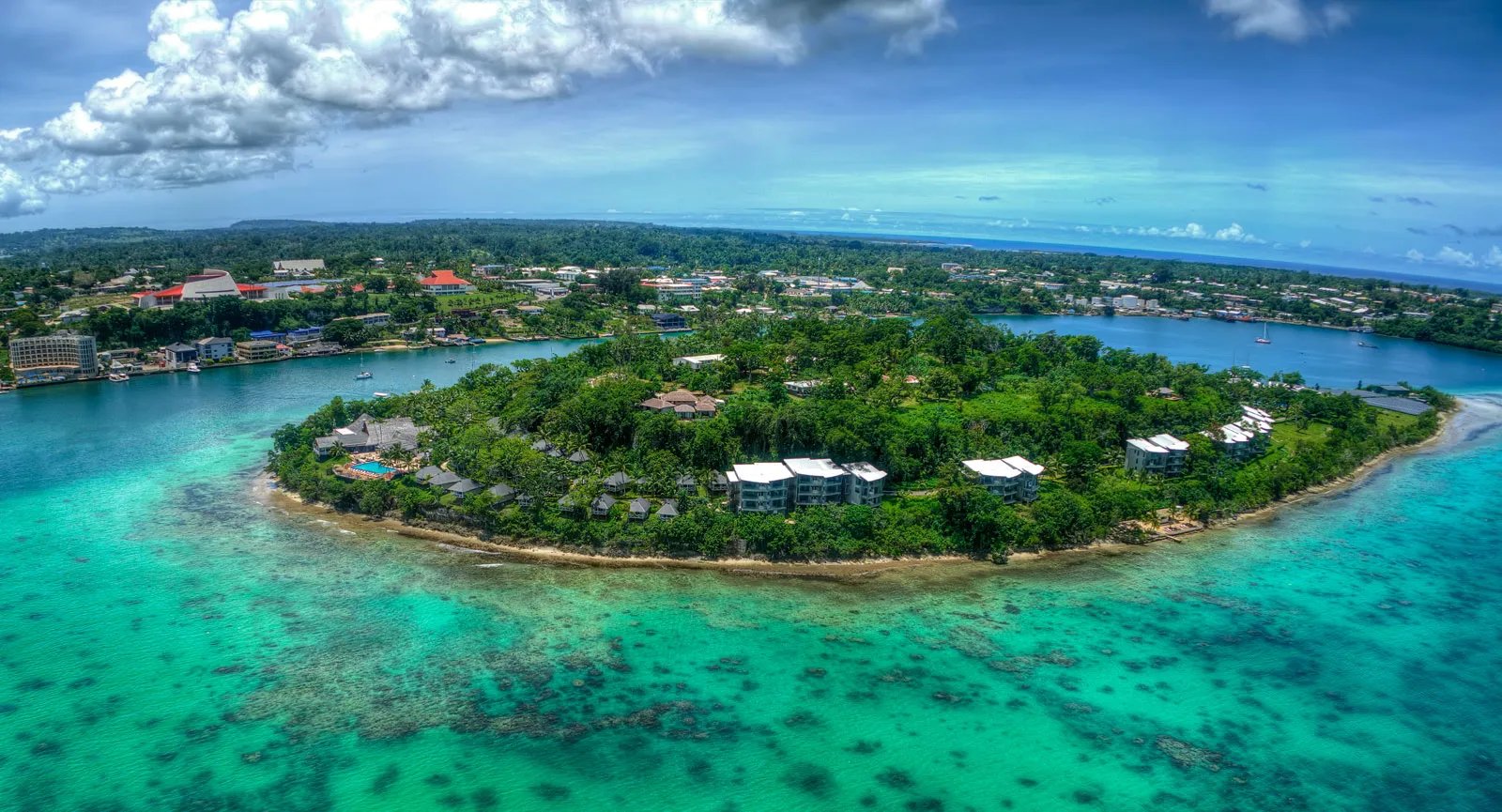
There was little progress on another front as well, that being financial aid for small countries that are already feeling the effects of climate change. These small countries are collectively responsible for only a tiny fraction of the greenhouse gasses in the atmosphere but many are already suffering greatly from global warming.
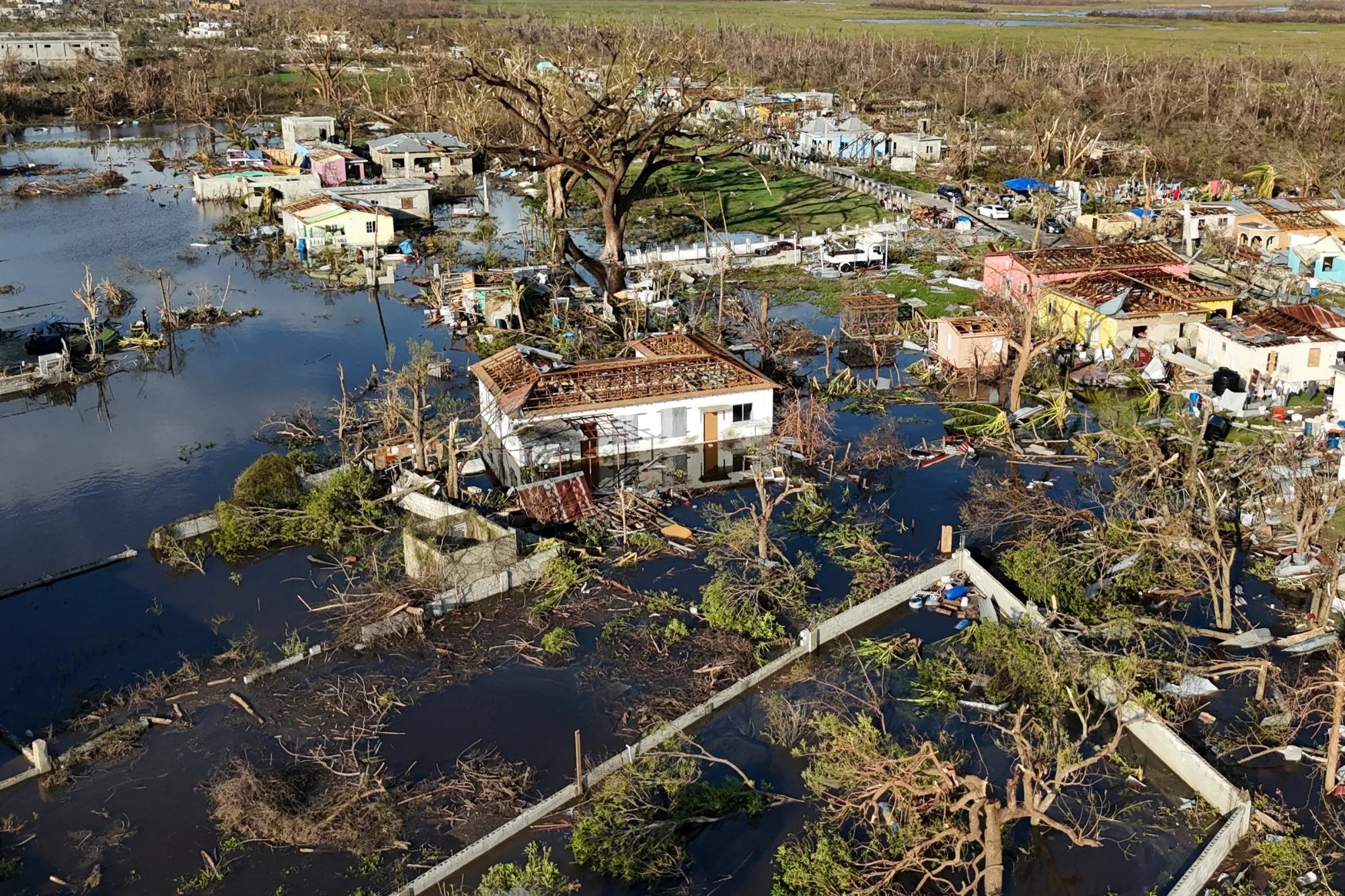
Consider Ethiopia, never an economic powerhouse, over the last hundred years the country has emitted maybe one percent as much greenhouse gas as the US does in one year. Yet Ethiopia has been dealing with both increased heat and drought conditions brought on by global warming. Or think of Jamaica, which has just been hit by the most powerful hurricane in the island’s recorded history. A recent paper has estimated that Hurricane Melissa’s winds were increased by 16% because of global warming. How much of Jamaica’s damage, how many lives were lost due to climate change? Should the richer countries of the world, countries that have emitted by far the most greenhouse gasses, compensate the smaller countries for the damage caused by climate change.

It is estimated that climate change is already causing about $1.3 Trillion dollars in damage every year, most of that being borne by small countries. At COP29 last year the richer nations promised $300 billion to help mitigate the cost of climate change but in the end only $26 billion was raised. At COP30 no definite figure was announced so it is likely that the money actually raised will be even less than last year.
Even the question of what country should hold next year’s COP31 conference turned into controversy. Both Turkey and Australia wanted the honour, actually there’s money to be made from having so many big high muckety mucks come to your country, and both had the backing of other countries. In the end it was decided that COP31 will take place in Turkey, but Australia will chair the conference, which sounds to me like a disaster waiting to happen.

But then there are many people who have decided that the entire COP process for fighting climate change has become a disaster that year after year achieves nothing. Ten years ago, in Paris the world agreed to limit temperature rise to 1.5ºC above pre-industrial levels but in the past two years we’ve already exceeded that figure and still our world leaders dither about doing anything real to keep temperatures from increasing still further.