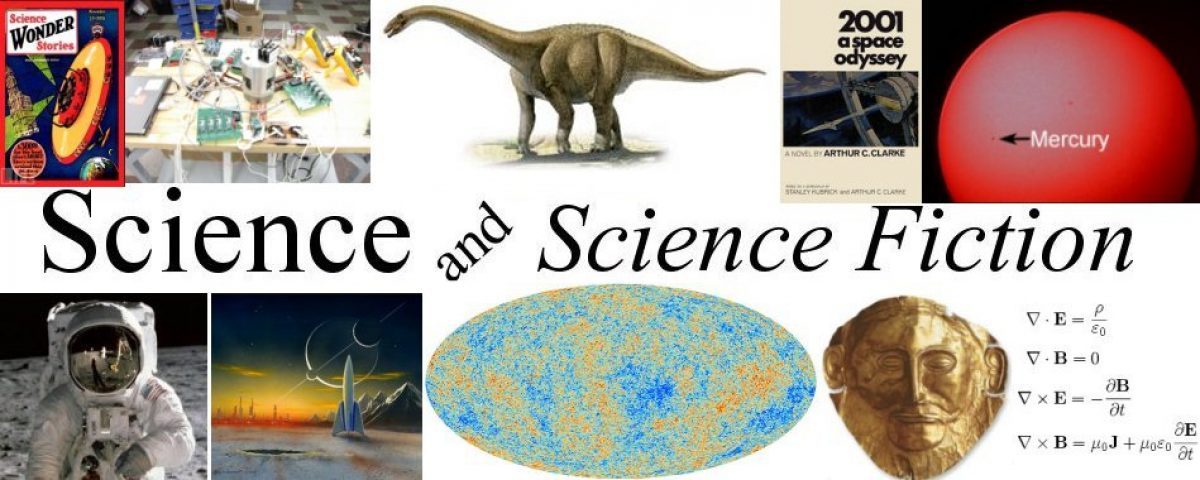
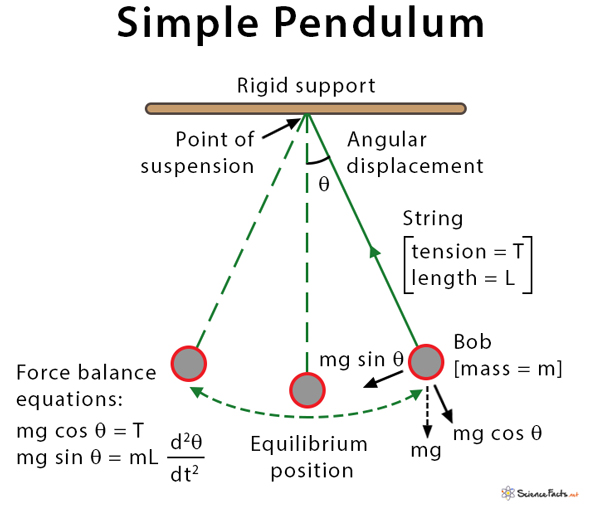
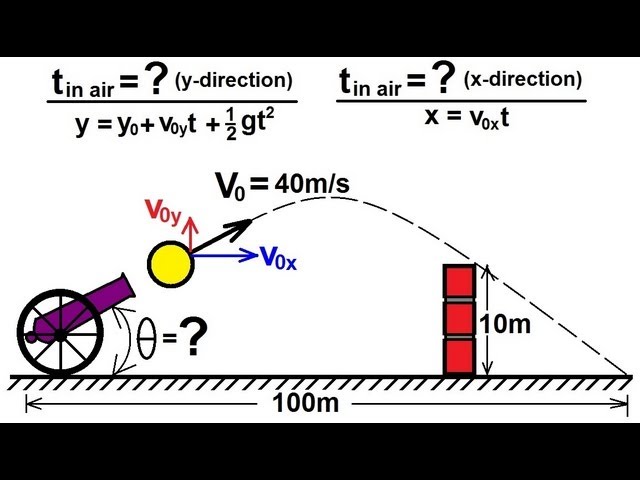
The science of physics is usually thought to be concerned with the study of strange, esoteric objects that are either very small, like sub-atomic particles, or very large, like black holes and the Universe itself. It didn’t use to be that way, back in the 18th century physicists put their efforts into investigating the behaviour of everyday phenomenon like the trajectories that cannon balls followed through the air or the swinging motion of pendulums.
Even today there are physicists who are using modern instruments to actively study the behaviour of commonplace objects under unusual circumstances or during very short periods of time. I have posted about these studies several times before, see my posts of 30 March 2024 and 5 April 2025. In this post I’ll be reviewing studies about what happens to the leaves of trees during a thunderstorm and why cellophane tape makes that loud screeching sound when you pull it off of its roll.
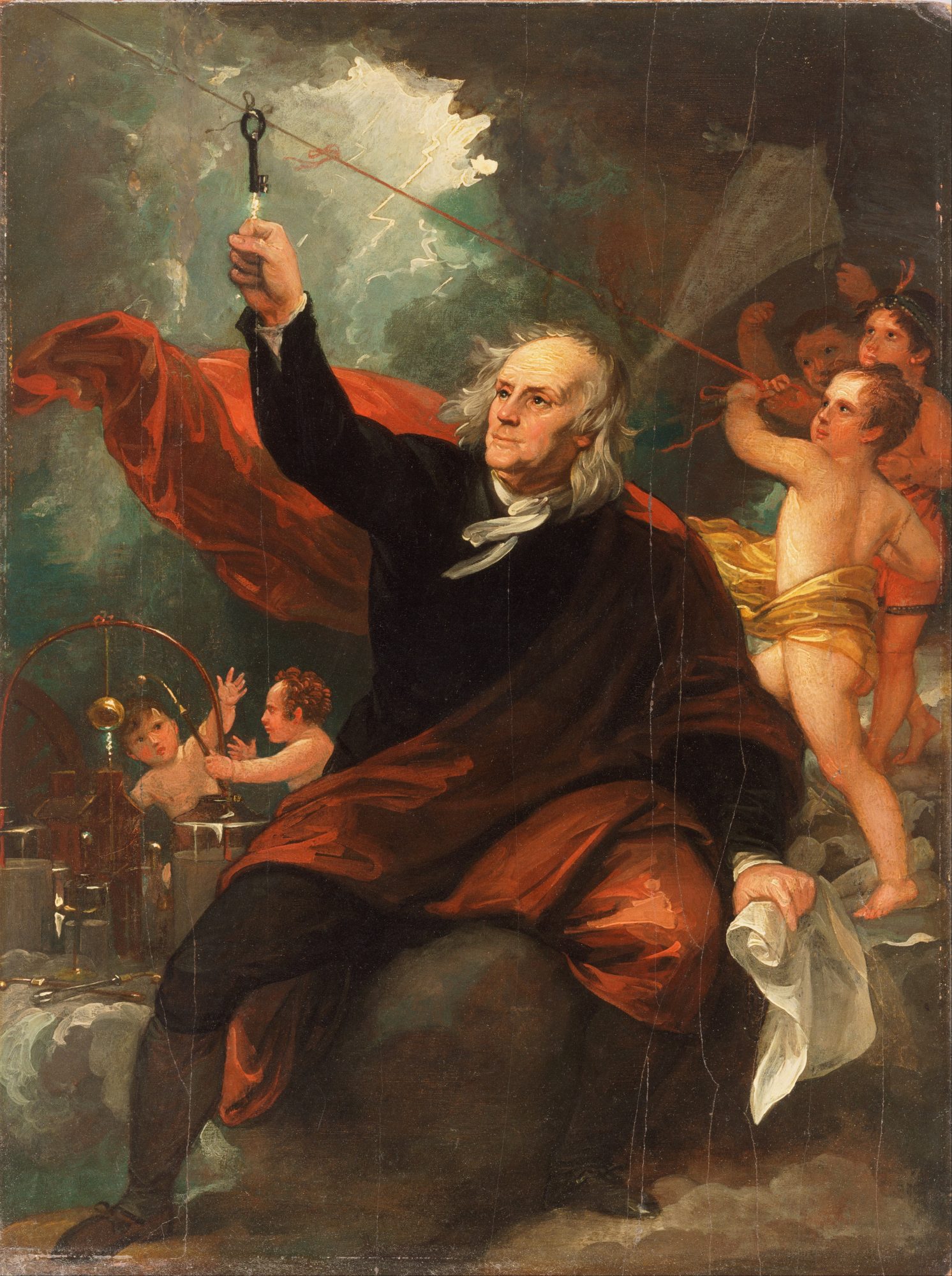
I’ll start with tree limbs during a thunderstorm. We’re all familiar with the story of how Ben Franklin demonstrated that lightning is really a massive discharge of static electricity that builds up during a severe storm. He did this by flying a kite during a thunderstorm and using the kite’s cord to capture some of the static charge onto a key.
Franklin was also one of the key proponents of the Two-Fluid theory, which is the idea that there were two forms of electricity, which he called ‘positive and negative’. Both these types of electricity were thought to be contained in many, today we know all objects.
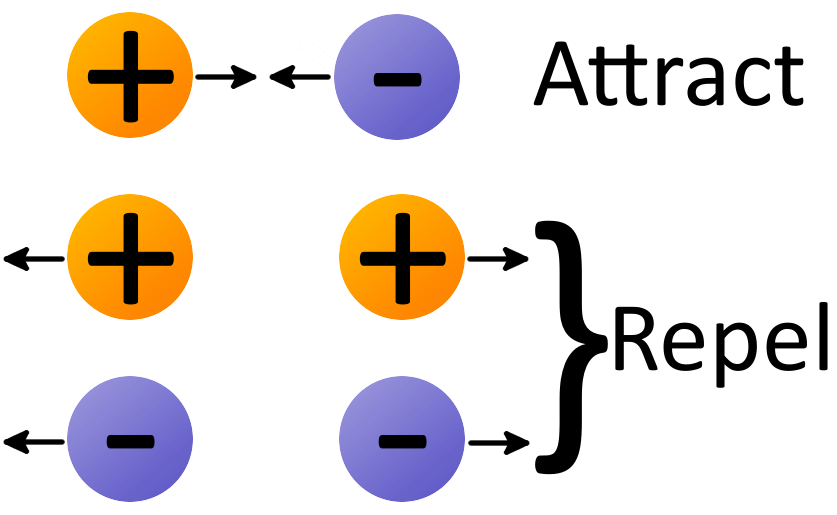
Scientists like Franklin were experimenting with electricity and discovering that similarly charged objects, both positive or both negative would repel each other while oppositely charged objects, one positive one negative, would attract each other. Franklin also argued that when you had an equal amount of positive and negative charge in an object the charges would cancel each other out and that object would be neutral.
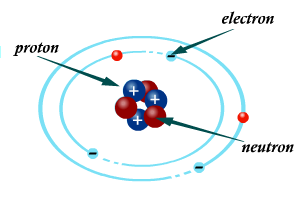
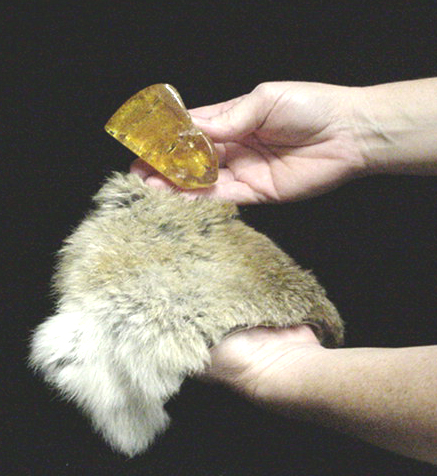
Rubbing two different objects against each other is what causes an imbalance in the electric charges. The classic example of this is amber and rabbit fur with the amber picking up a negative charge while the fur becomes positively charged. The Greek word for amber is Electra and that is how we get the word electricity. By the way Franklin could just as easily have called the amber positive and the fur negative, it made no difference to him although if he had done so today we would have to reverse the names of the sub-atomic particles electron and proton!
Getting back to what happens during a thunderstorm where the air masses are moving against each other and having different humilities. This movement generates huge amounts of electric charge, which is usually discharged by cloud to cloud lightning. Sometimes however a charged mass of air will generate an opposite charge to build up in the ground beneath it and if the buildup is enough you can get cloud to ground lightning, which often causes fires or other kinds of damage.
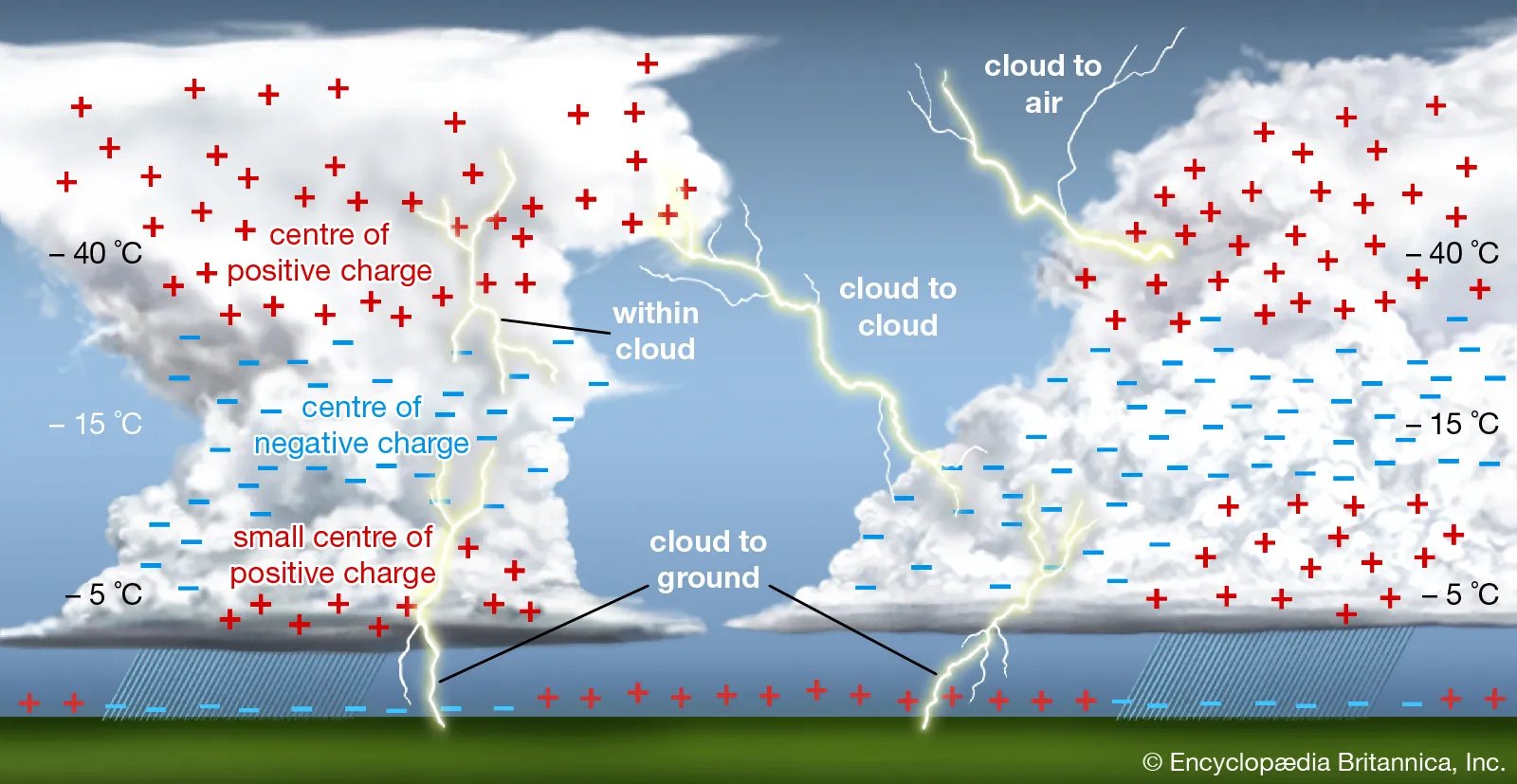
Even when there isn’t cloud to ground lightning you can still often get a charge to build up in the ground during a thunderstorm and therefore a charge to build up in anything on the ground. This is especially true of trees, because they are taller and therefore closer to the charge in the air, opposites attract remember.
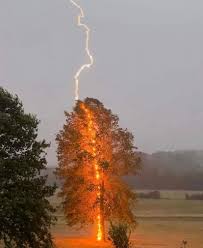
Electricity has another interesting aspect, it likes to collect near points in objects, like the needles of pine trees or the pointy ends of leaves in oak or maple trees. It has long been conjectured that this build up of charge, known as a coronae, should occur on tree leaves, especially leaves near the tree-top. The light from such coronae however is so weak that no one had ever seen it.
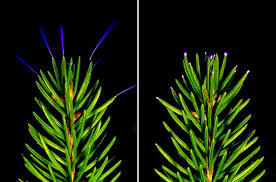
Until now that is. A research team from Penn State University led by meteorologist Patrick McFarland has put together an observational setup in a 2013 Toyota Sienna and has traveled from Florida to Pennsylvania confirming that many different species of trees do have electric buildup in their leaves during a thunderstorm. The equipment assembled included a portable weather station, an electric field detector, a laser rangefinder and an ultra-violet (UV) camera with a periscope lens.

Even as the team watched the live picture on the UV camera it was hard to see anything happening. On their first attempt the coronae were only discovered later when they reviewed their results and detected 41 coronae appearing on tree leaves during a 90 minute thunderstorm. The glows usually lasted only about 3 seconds and were often observed to dance from leaf to leaf.
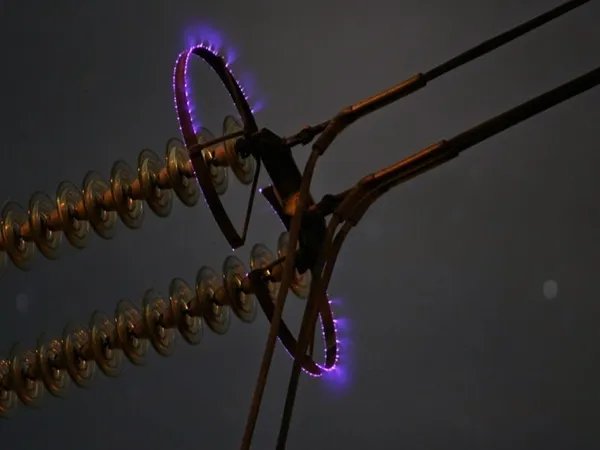
The meteorologists speculate that these coronae occur on trees frequently and could involve thousands of trees during severe weather events. According to McFarland, “With superhuman vision I believe you’d see this swath of glow on the top of every tree under the thunderstorm.”
Meanwhile at King Abdullah University of Science and Technology in Saudi Arabia, a team of researchers led by Professor Sigurdur Thoroddsen has been investigating another strange phenomenon that everyone of us is familiar with, the loud screech that happens when we pull a piece of cellophane tape off of its roll. We’ve all heard that sound, but it all happens so fast that we don’t really understand what’s actually causing it.

The physicists set up an experimental apparatus consisting of a pair of high speed cameras along with a synchronized sound recording apparatus. The first camera was pointed at the underside of the cellophane tape as it was being pulled. The second camera took a side view but it used a technique known as schlieren imaging to record tiny deflections in light rays caused by density changes in the air. This is the technique often used to photograph the shockwaves radiating out from explosions.
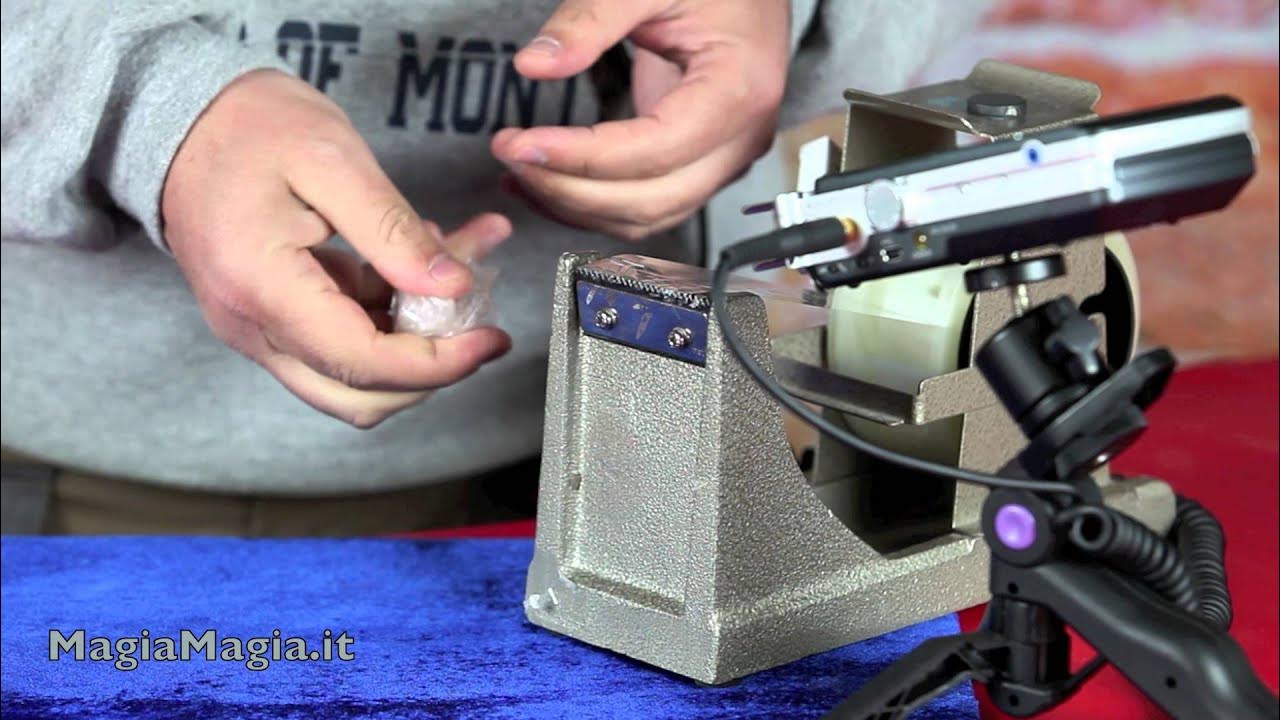
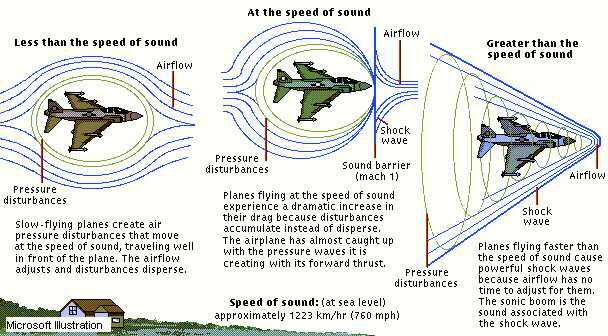
What the researchers found was that the tape separated in a large series of slip-stick events. That is, a tiny area of tape, say a square micrometer, peals off the roll so quickly that parts of it actually exceed the speed of sound, causing a tiny sonic boom. Once that small piece breaks away the whole process comes to a halt for less than a microsecond before it is repeated with the next tiny area of tape. Hundreds if not thousands of such events take place in less than a second resulting in the unmistakable sound of cellophane tape being pulled off of a roll.
So you see that not all physicists are working with atom-smashers or cosmic-ray telescopes trying to discover the ultimate nature of reality. Some are still working to try an understand the behaviour of the everyday objects around us.