The COP26 Climate Change Conference closes with an Agreement. Is it all just a lot of Promises or are the Nations of the World ready to begin the hard work of saving the Planet we all live on?
The international conference on combating climate change known as COP26 has ended and so now the question can be asked, how much was accomplished? Was it enough to keep the increase in global temperature below the +1.5ºC agreed that was upon at the 2015 Paris conference? That figure of +1.5ºC happens to be the maximum value that scientists think will allow us to avoid catastrophic environment damage. Was anything accomplished in Glasgow at all?

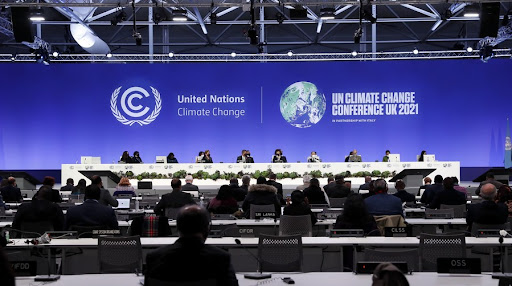
The Main Hall of the COP26 Climate Conference. (Credit: Reuters)

In my pre-COP26 post of 3 November 2021 I wasn’t too optimistic. The very fact that the heads of state for two of the world’s biggest polluters, China and Russia, weren’t even going to Glasgow to attend the conference certainly didn’t bode well. And the Prime Minister of India, another big emitter of greenhouse gasses, seemed to come to the conference with the full intention of preventing any meaning full progress.

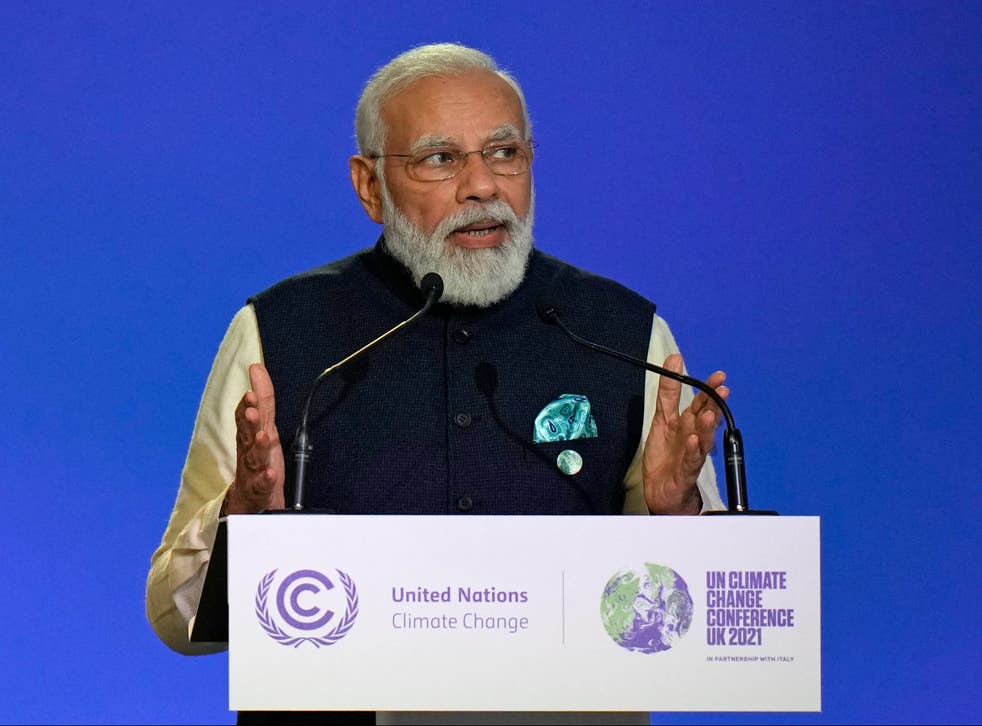
India’s PM Modi announced that his nation will not reach net-zero emissions until 2070. Not a good start to the conference. (Credit: India Today)

If there was going to be any progress it would all depend on how much pressure the smaller countries, especially those Island nations like the Marshall Islands and Grenada whose very existence depends on curtailing the rise of sea level due to global warming, could impose on the big polluters. Some of the big economies, the big emitters of the past like Great Britain, Germany and France supported the smaller nations and perhaps most importantly this time the United States took a leading role pushing for meaningful commitments towards reducing greenhouse gasses. Other nations like China and India however were determined to resist any threat to their growing economies.

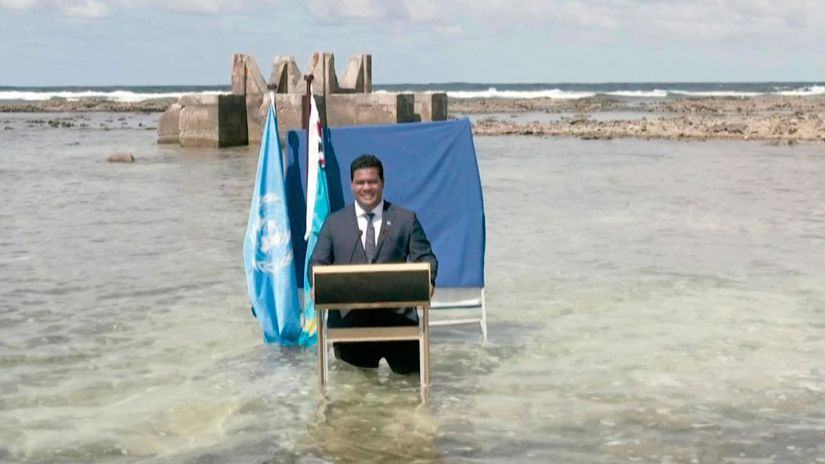
To dramatize his nation’s plight the Minister of the small Island Nation of Tuvalu gave his opening address while standing in the Pacific Ocean. (Credit: Today in 24 English)

So what was actually accomplished, anything? Yes, believe it or not at least there were some meaningful, and surprising agreements made at the conference. Halfway through the conference, even as the final, big climate pact was being negotiated it was announced that a group of 30 nations had made a separate agreement to reduce deforestation by half within their collective borders by 2030. The biggest surprise about this agreement was that one of the signatories was Brazil whose Amazon rainforest has over the last decade suffered a greater amount of deforestation than anywhere else on Earth. The Amazon jungle has been christened ‘the world’s lungs’ because of its ability to remove carbon dioxide from the atmosphere and replace it with oxygen so Brazil’s agreement is a big deal.

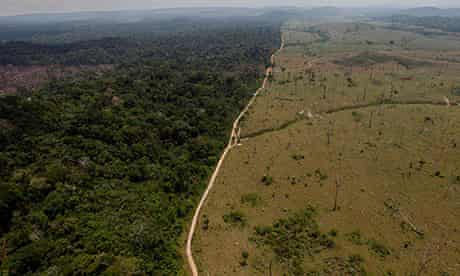
Piece by piece the Amazon rain forest, the largest forest in the world is being converted into grassland for cattle production. Will the new agreement at COP26 do anything to bring this destruction to a halt? (Credit: The Guardian)

The most important part of the conference however was the final agreement, the final climate pact that had to be signed off by all of the 197 countries that participated at the conference. One major achievement in that pact was that for the first time fossil fuels were explicitly called out as being the cause of climate change. (Makes you sort of wonder how it was possible to have 25 previous climate change / global warming conferences without ever mentioning the cause!)

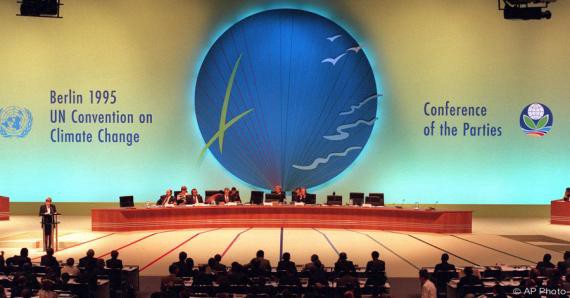
The main hall at COP1, the first worldwide conference on dealing with global warming. The meeting took place in Berlin in 1995. 26 Conferences and what has been accomplished? (Credit: Medium)

Another positive result was the promise by the world’s wealthier nations to double the amount of money they would provide to poorer nations. This money is intended to both help the small economies mitigate the effects of climate change as well as develop greener sources of energy so that they not further increase the amount of CO2 being released into the atmosphere. The new agreed amount is $200 billion per year by 2024.

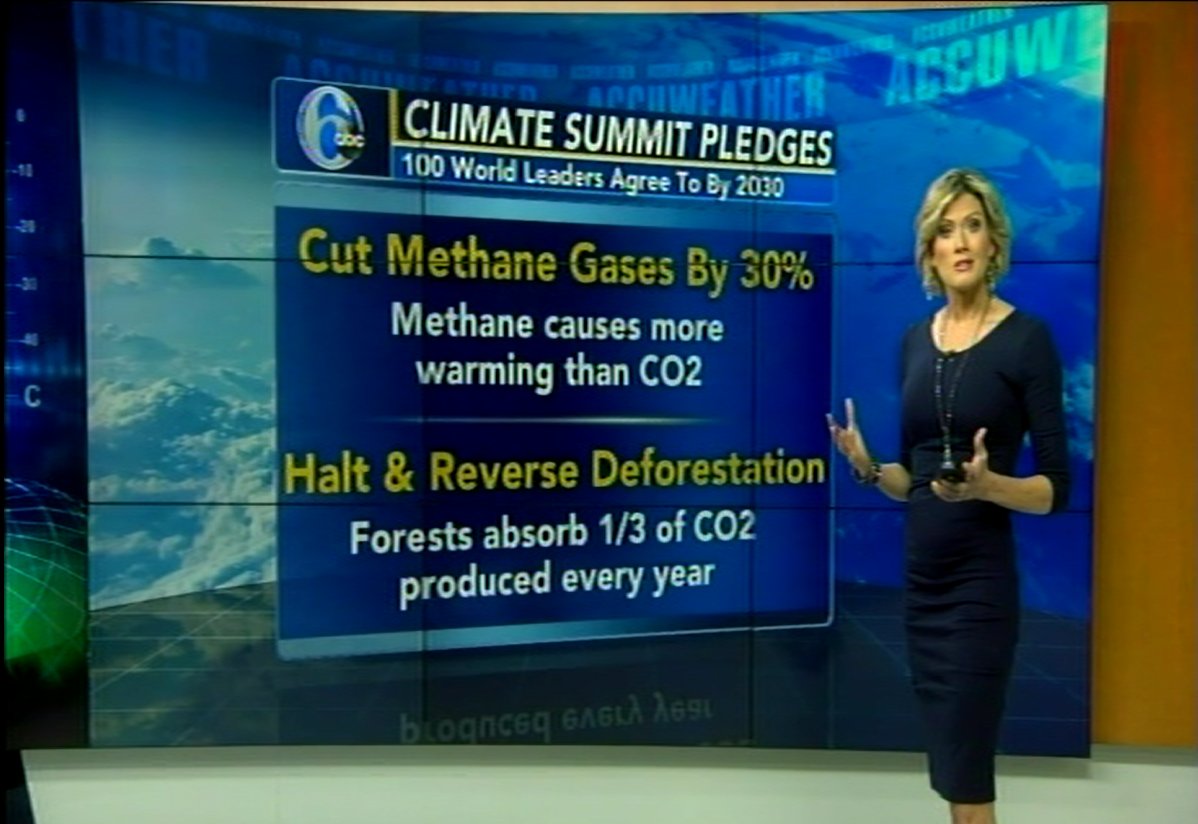
Even my local Weather reporter mentioned the progress at COP-26. If these pledges are kept they could be actually help. (Credit: WPVI)

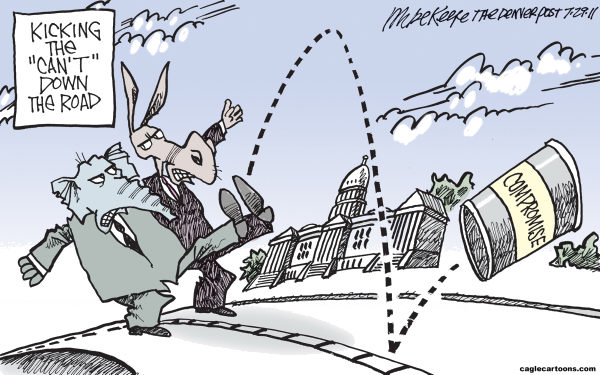
Nevertheless the final document feel well short of the hopes of climate scientists because it did not explicitly call out any actual cuts in greenhouse gas emissions from any country. Instead each country made a commitment to prepare such a concrete plan of action that will be submitted at the COP27 conference next year. The metaphor ‘kicking the can down the road’ was used several times in media reports.

The one thing Politicians are able to agree on is to not solve a problem. Just kick that can down the Road and let Someone else solve it! (Credit: The Argotist)

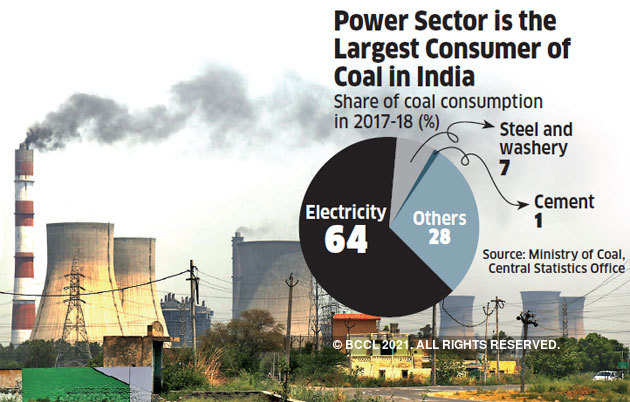
The last two days of intense negotiations actually came down to a conflict over a single word. The draft pact that had been prepared by Conference President Alok Sharma of the host nation the UK stated that the use of coal, the source of the greatest part of greenhouse gas emissions, was to be ‘cut out’ by all nations although no definite date was given. Several nations objected to the word ‘out’ and wanted it to be replaced by the word ‘down’. In the end India and Iran simply refused to accept the pact without the change so the final pact agreed upon by all the participating nations does not even call for an eventual end to the use of coal for energy!

India needs cheap power from coal to grow its economy and lift it’s 1.3 billion citizens out of poverty. Currently the Indian government is simply ignoring the harm that does to both India and the World. (Credit: The Economic Times)

Of course the real problem is that the entire agreement is just promises, there are no consequences for any nation that fails to live up to the pact. All of which means that literally nothing could come from the COP26 climate change conference, CO2 emissions could keep on rising along with sea level, deforestation could continue unabated while wild fires destroy the rest of the trees, severe storms could continue to grow both in number and intensity.

Climate Change really isn’t so bad right now so doesn’t that make it her problem? And shouldn’t we just leave it for her to solve? (Credit: CTV News)

Some of you out there may be familiar with an old British comedy series called “Yes Minister / Yes Prime Minister”. The premise of the show was that a Minister in Her Majesty’s Government, Prime Minister in the second year of the show, named James Hacker matches wits with his chief Civil Servant named Sir Humphrey Appleby. The politician Hacker wants to achieve great things so that he can get re-elected while the bureaucrat Appleby wants to slow everything down with red tape. It was without doubt one of the most intelligent TV shows ever written.

If you’ve never seen the BBC comedy ‘Yes Minister / Yes Prime Minister’ I can only recommend it as the most intelligent comedy I’ve ever seen. (Credit: Amazon.com)

In one episode the two are arguing over exactly what constitutes efficient government. A local city council has been providing services to their people without high taxes, Minister Hacker calls that efficient. “But they haven’t been filling out their forms and submitting them,” Sir Humphrey complains, “So we don’t know what they’re doing.” The best line comes when Sir Humphrey proclaims. “We don’t measure our success by our accomplishments but by our activity!”

The Right Honourable James Hacker MP (l) with his department’s permanent Secretary Sir Humphrey Appleby (r). You’ll learn a lot about how government functions while laughing your head off! (Credit: BritBox)

On that basis COP26 has been a great success because there was certainly an enormous amount of activity by hundreds of bureaucrats who did finally manage to get everyone to sign on to a massive agreement. Whether that agreement actually accomplishes anything at all only time will tell.

The ‘Remnants’ of Hurricane Ida cause Catastrophic Destruction in Pennsylvania, New Jersey and New York. Once again Climate Change is making once in a thousand years Weather Events ‘The New Normal’.

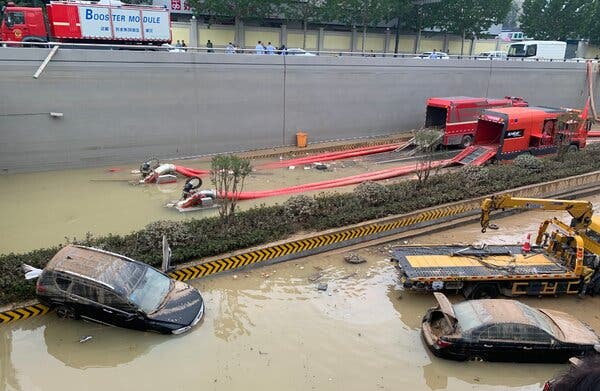
Just a few weeks ago, 11August 2021, I published a post describing the massive flooding that had hit the cities of Zhengzhou in central China and London in the UK. The rainstorms that caused the flood events in both cities would have been considered to have been once in a thousand years deluges were it not for the way that climate change is making extreme weather much more common. In that post I wondered how the infrastructure in cities, especially older cities like London, were going to cope with ‘The New Normal’.

Aftermath of the flooding in Zhengzhou China only a month ago. (Credit: New York Times)

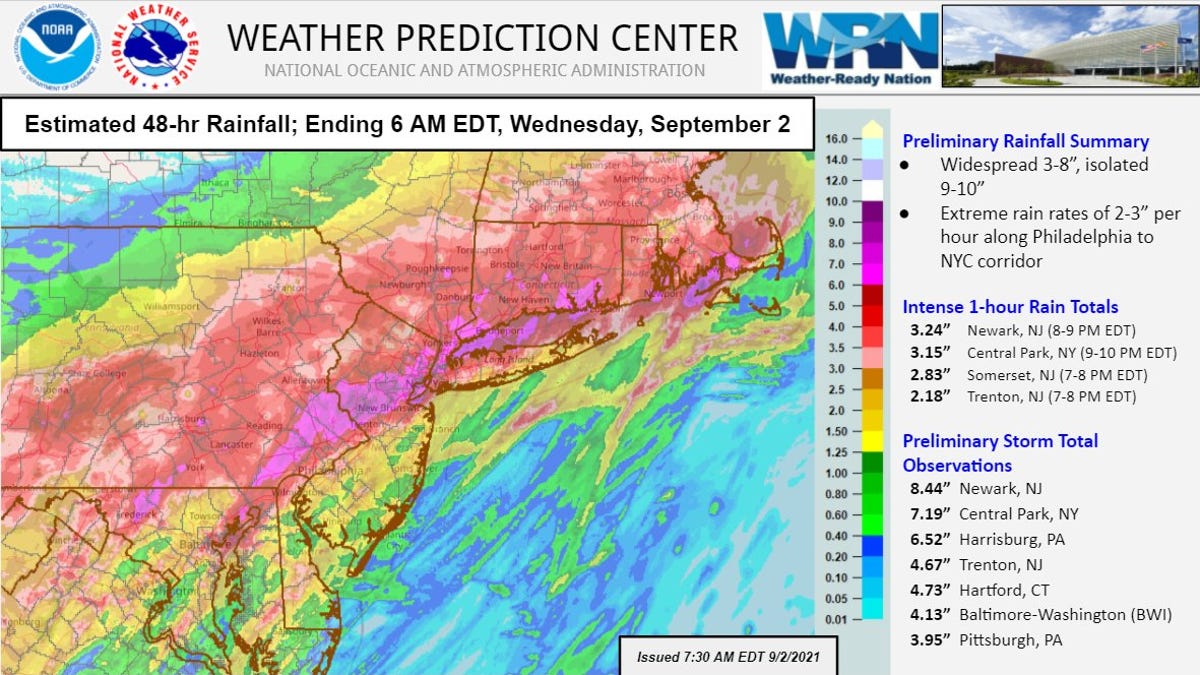
When I wrote that post I had no idea that I was soon to become a witness to the very predicament I had written about. That’s because, on the first of September 2021 the remnants of Hurricane Ida, the leftovers that is, unleashed its destructive power on my home state of Pennsylvania along with New Jersey and New York.

As Ida, now a tropical depression, passed through the mid-Atlantic states it released one last disaster. (Credit: Bucks County Courier Times)

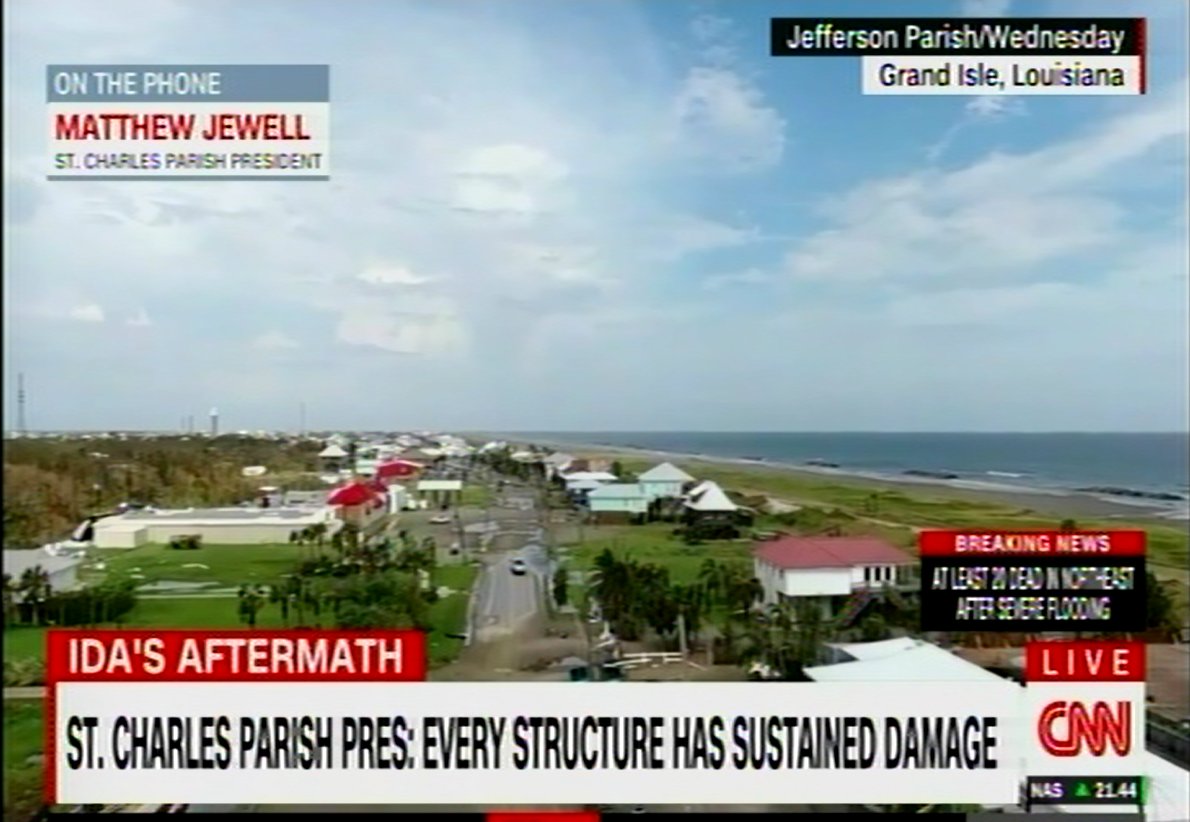
Now Ida had already caused more than enough damage to the state of Louisiana and southern Mississippi when it came ashore on the 29th of August, the 16th anniversary of Hurricane Katrina. The storm hit as a strong category 4 with winds over 240 kph causing terrific damage. Whole communities were destroyed with more than a dozen dead while over 1 million people lost their electrical power due to downed power lines and uprooted trees.

Just a bit of the destruction wrought by Ida in Louisiana. (Credit: CNN)

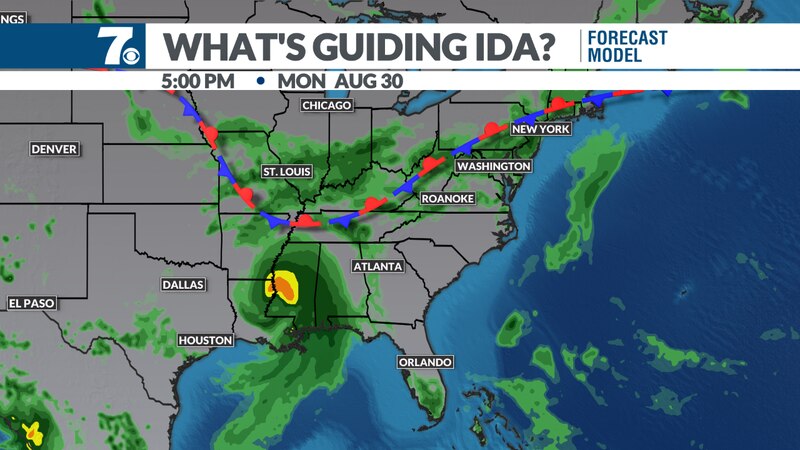
Turning to the northeast over the next several days Ida brought heavy rains to the states of Alabama, Tennessee, Kentucky West Virginia and Virginia before entering the Mid-Atlantic States. It was here that the now tropical depression collided with a cold front coming down from Canada. That front squeezed Ida like a sponge releasing its remaining moisture and causing the storm to regain some of her strength.

Even as Ida was coming ashore in the gulf states a front was moving down from Canada. The two would meet over Pennsylvania. (Credit: WDBJ)

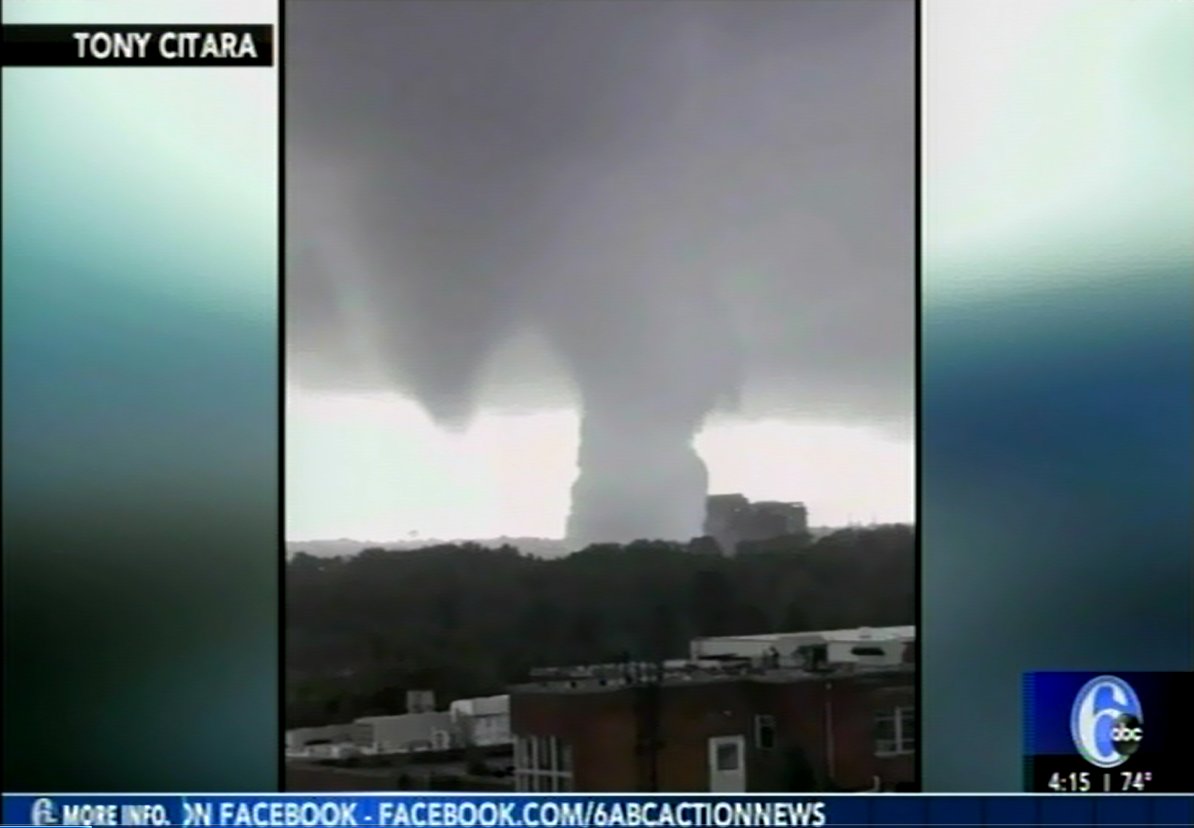
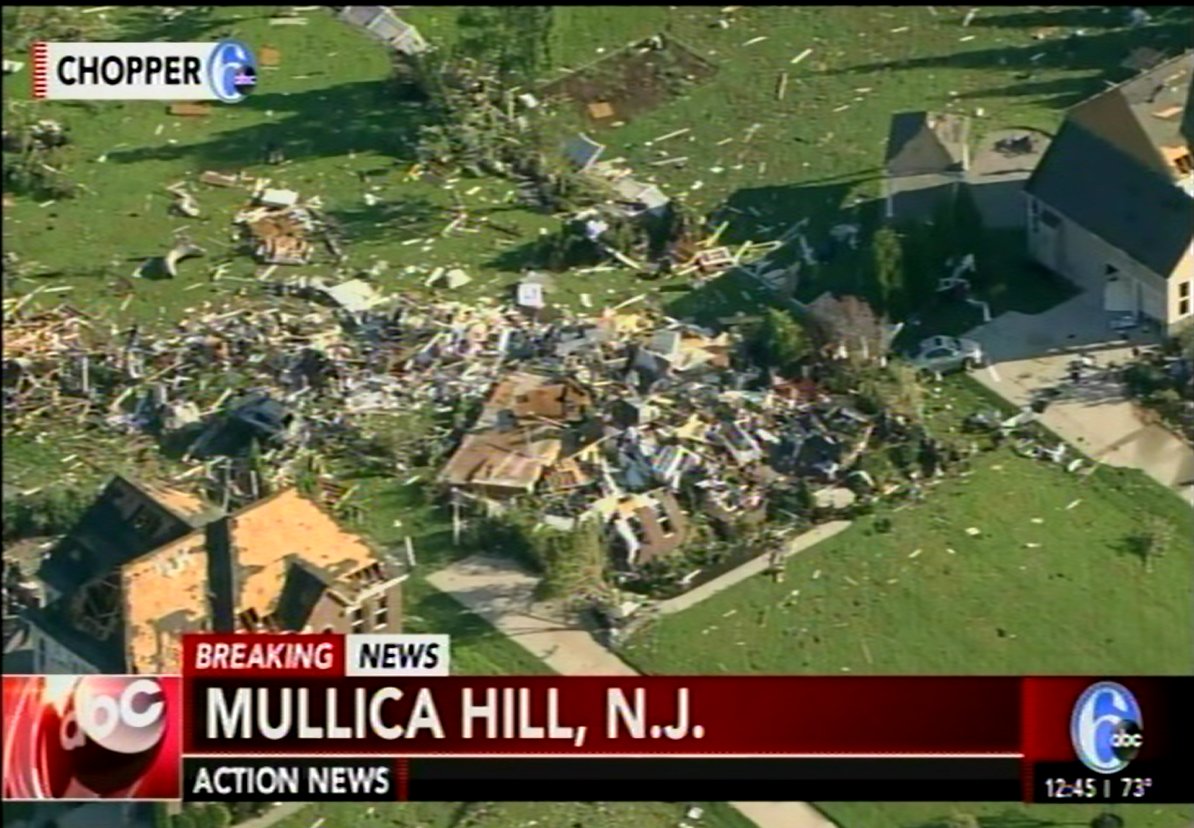
If you draw a line from Baltimore through Philadelphia to New York City to the northwest of that line there were historic amounts of rainfall that caused unprecedented flooding. To the southeast a series of supercell storms dropped strong tornadoes that ripped up trees and flattened homes.

One of the Tornadoes generated by Ida in New Jersey. (Credit: Tony Citara / WPVI)
Some of the damage done by Tornadoes in Mullica Hill New Jersey. (Credit: WPVI)

The period of the strongest storms began a little after 4PM EDT when Philadelphia’s three local news stations had begun their evening broadcasts. As the destruction unfolded all other news was forgotten and the meteorologists at those three stations continuously stayed on the air for the next four hours while the National Weather Service issued tornado warning after tornado warning, flash flood warning after flash flood warning.

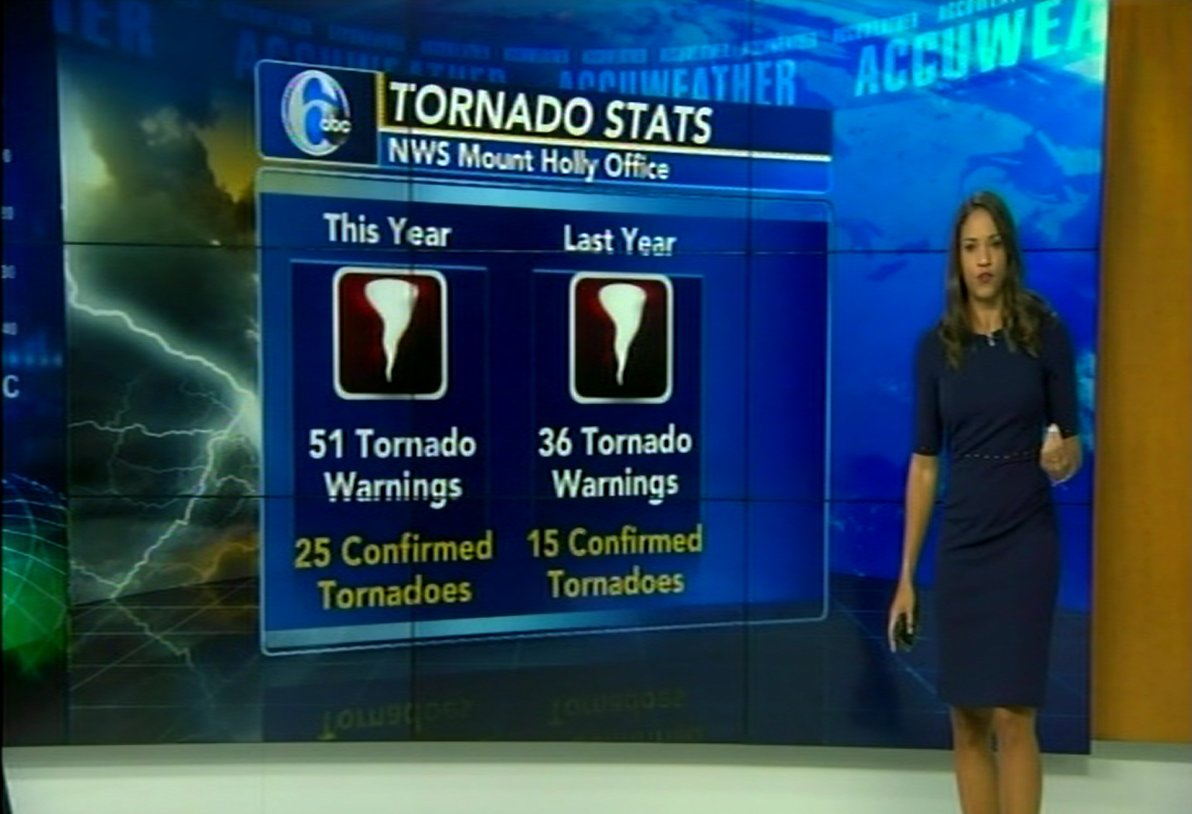
Last Year’s total of Tornadoes and warnings smashed all previous records for the Delaware Valley region. This year has already smashed last year’s records. (Credit: WPVI)

Several of the weatherpersons who have lived all their lives in the Philadelphia area were simply stunned by the enormity of the storm’s power. “Philadelphia doesn’t get weather like this” they continually stated, “This is historic”. And it was; 20 record rainfall totals were set along with record flooding in many creeks and rivers. And so far this year the Delaware valley has seen 25 tornadoes. I don’t think we had 25 tornadoes in the first sixty years of my life!

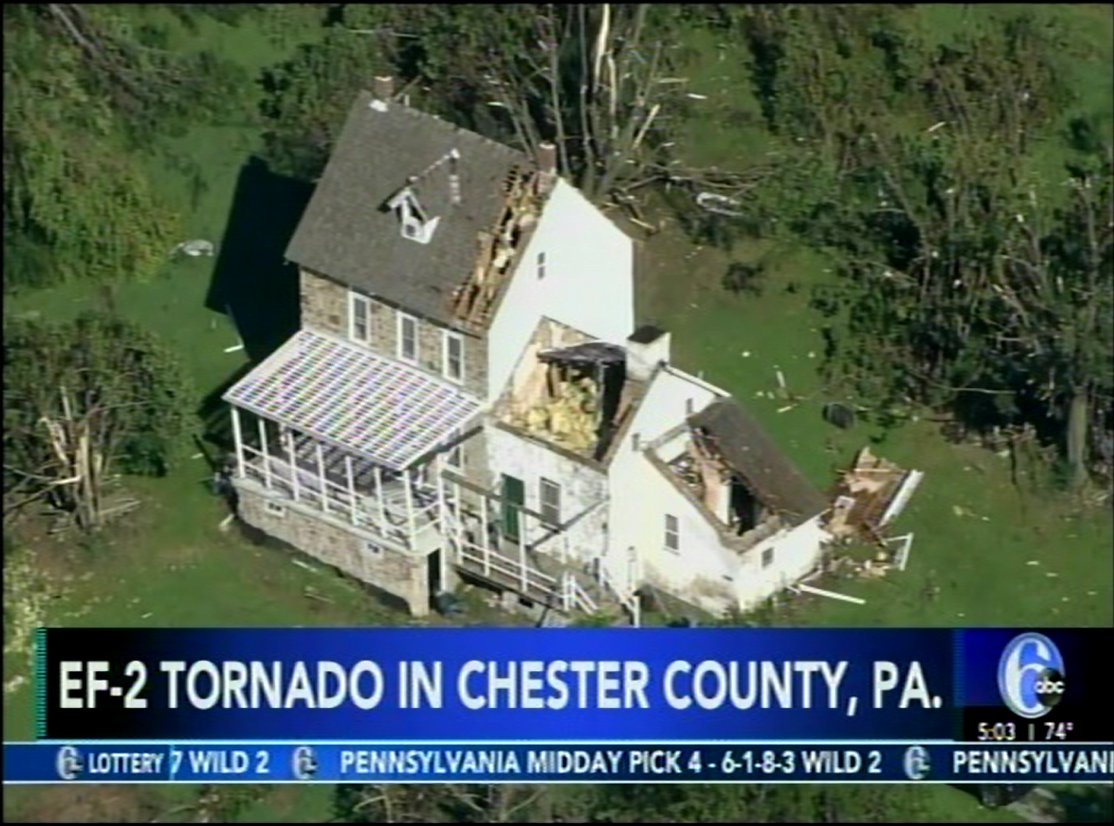
The Tornadoes weren’t just confined to New Jersey, here’s a damaged home in Chester County Pa. (Credit: WPVI)

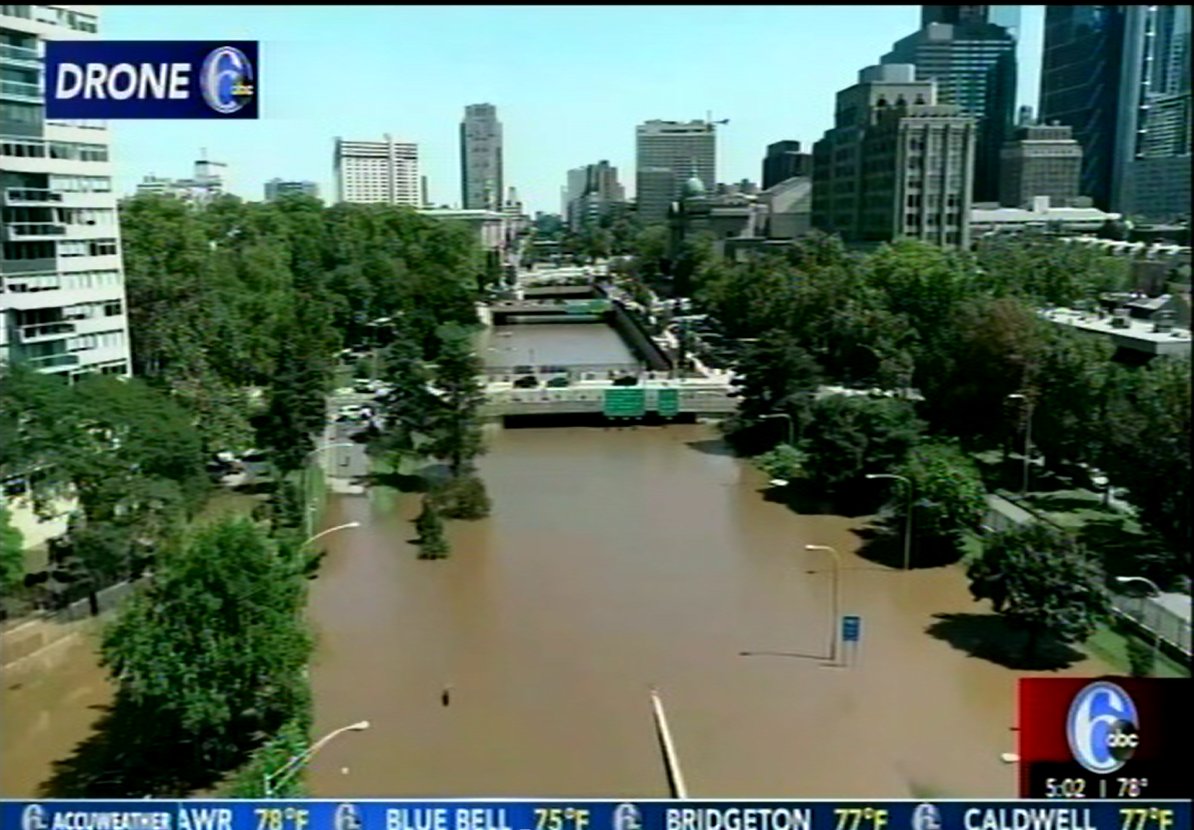
I almost feel guilty to say it but I was safe throughout the entire ordeal, my neighborhood got 10Cm of rain but fortunately nothing worse. Many people were not so lucky. As I write these words 50 people are known to have died and thousands more have lost their homes or automobiles. Indeed the number of cars that were simply abandoned by their drivers because they were stuck on crowded highways while the waters rose around them is simply unbelievable. Many areas of Philadelphia and the surrounding communities that I known very well are currently underwater and will remain so for days, and only then can the cleanup effort begin.

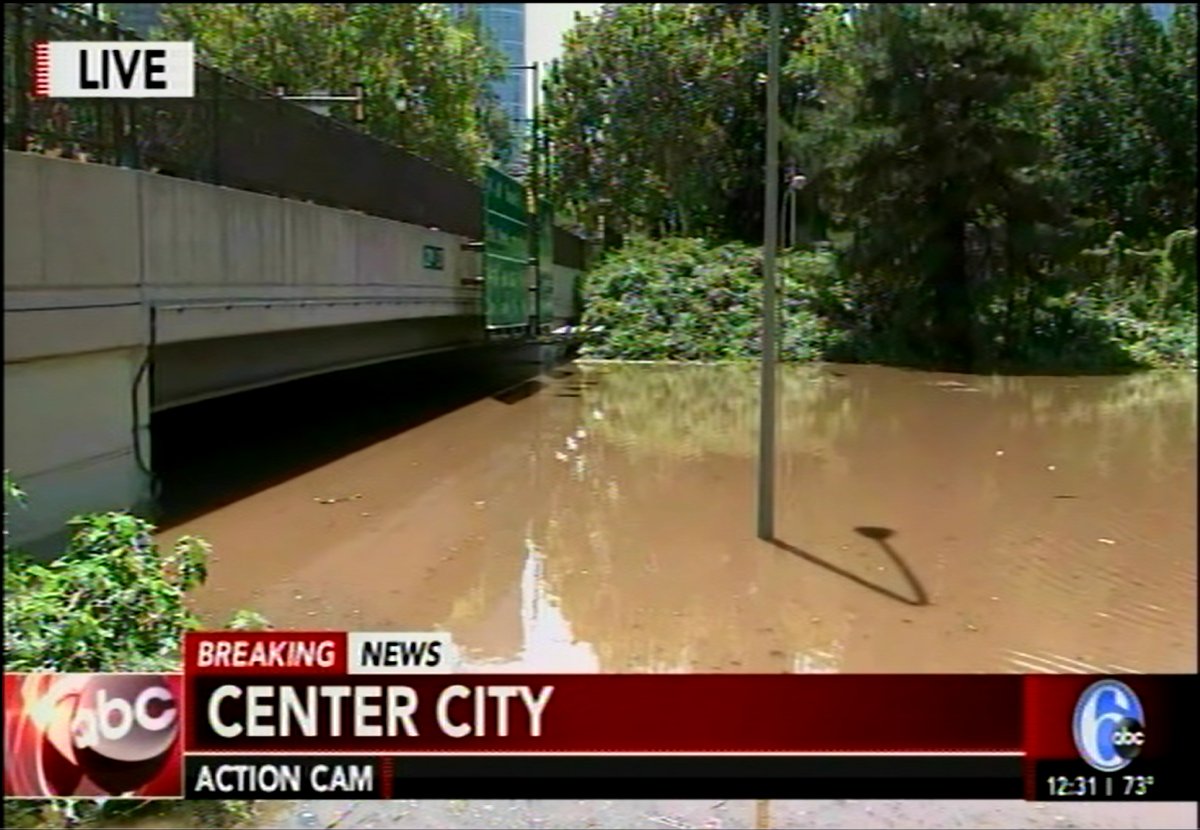
An underpass of the Vine Street Expressway, the major route through center city Philadelphia. Well, it’s certainly under something now! (Credit: WPVI)
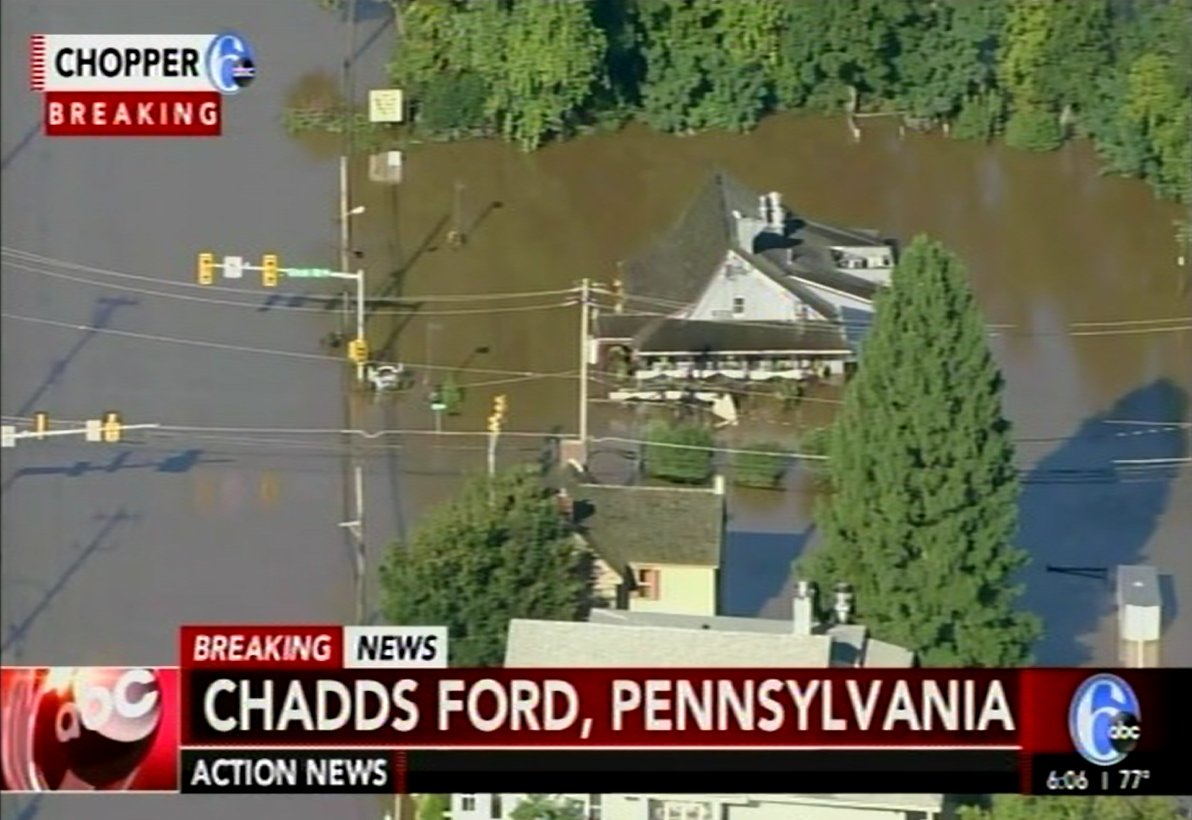
Some of the flooding caused by the Brandywine Creek in Chadds Ford Pennsylvania. (Credit: WPVI)

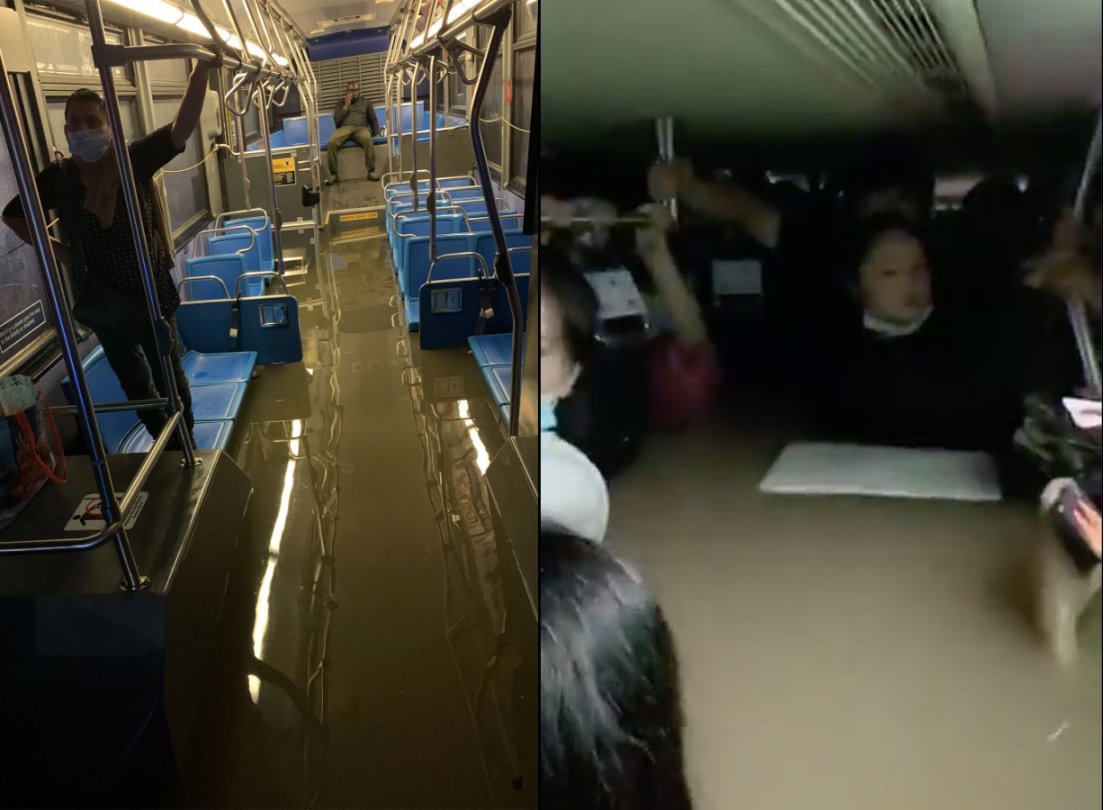
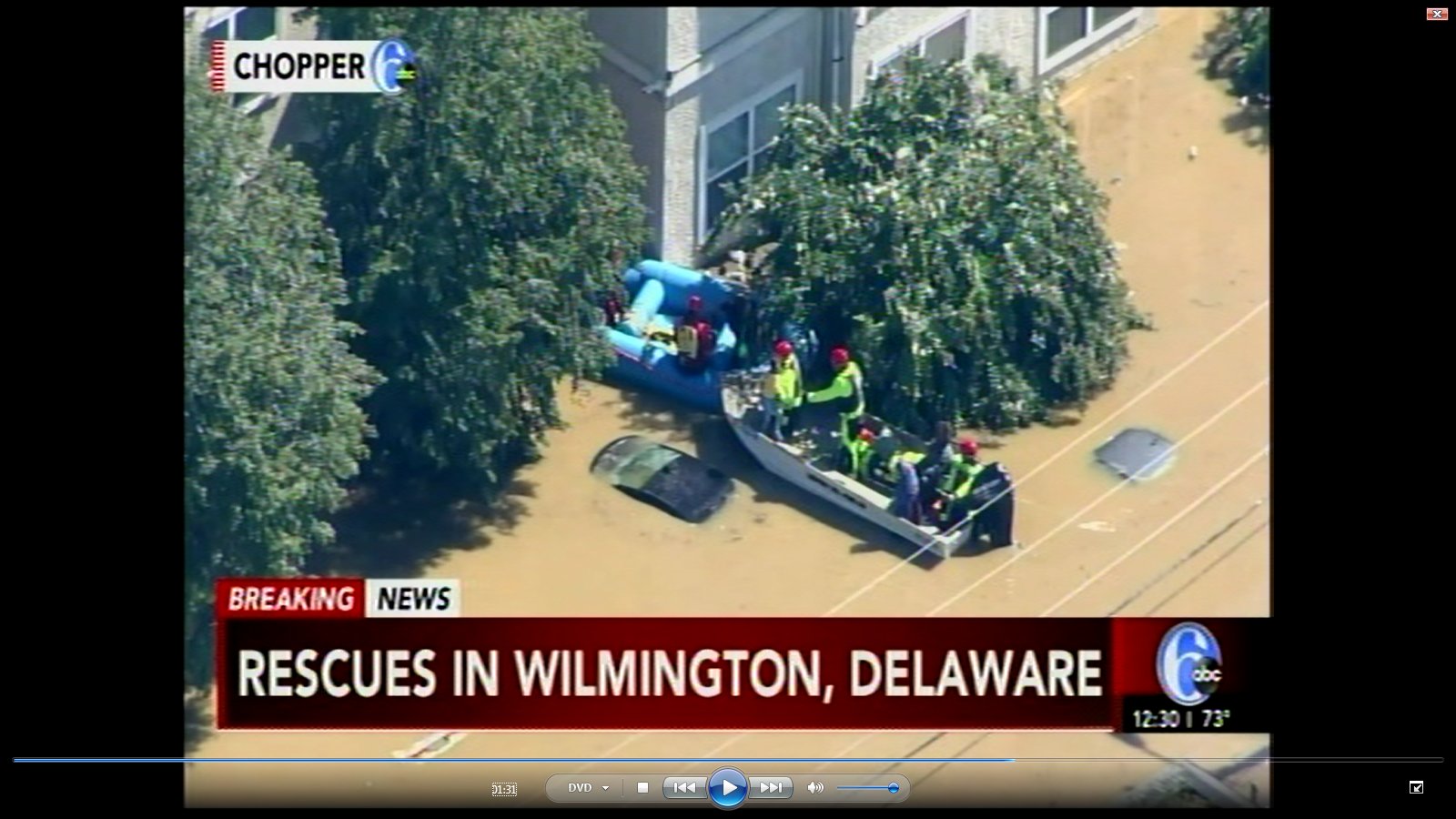
The city of New York suffered similarly with the heaviest rain ever measured falling on Central Park and many of the city’s subway stations closed due to flooding. Of course its not just the big cities that suffered, smaller cities like Wilmington, Delaware and Trenton, New Jersey also saw major flooding along with scores of smaller towns. In all three states there were hundreds of water rescues of people whom the waters had trapped in their cars or homes.

On the left a New York City bus is flooded, on the right a subway car in Zhengzhou. Several times during Ida I was struck by a feeling of deja vu. (Credit: New York Post and Insider)
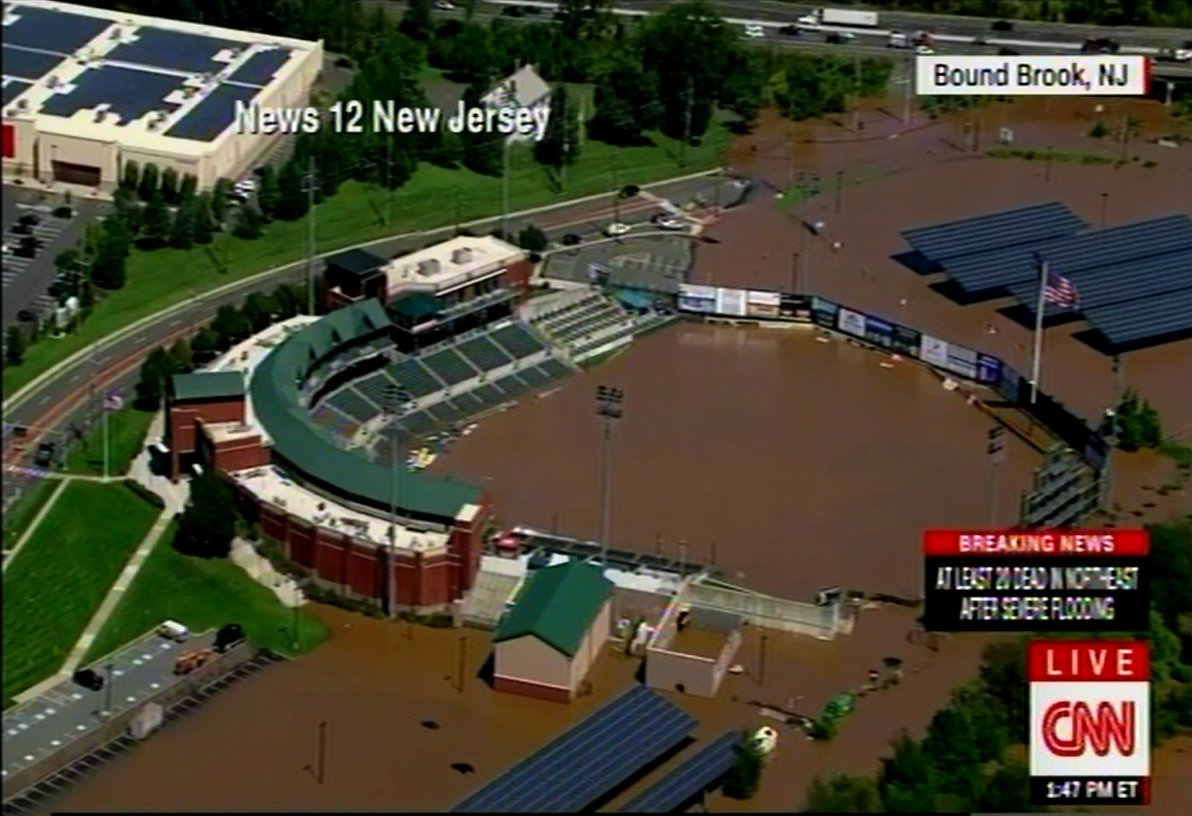
Play Ball! Not for awhile as the minor league park in Bound Brook in New Jersey is flooded out. (Credit: CNN)
Water rescues underway in Wilmington Delaware. Scenes like this occurred in eight states. (Credit: WPVI)

With such extreme weather of course climate change was bought up and I suppose it’s a sign of some progress that all of the weathercasters and most of the newspersons I watched that night have accepted global warming as a major factor in the strength of these storms. After all global warming is heating our atmosphere and oceans, and since heat is just a form of energy that warming just makes the storms that develop over the oceans much more energetic, that much more deadly. It’s that extra energy that is turning once in a hundred, once in five hundred year weather events into the new normal.

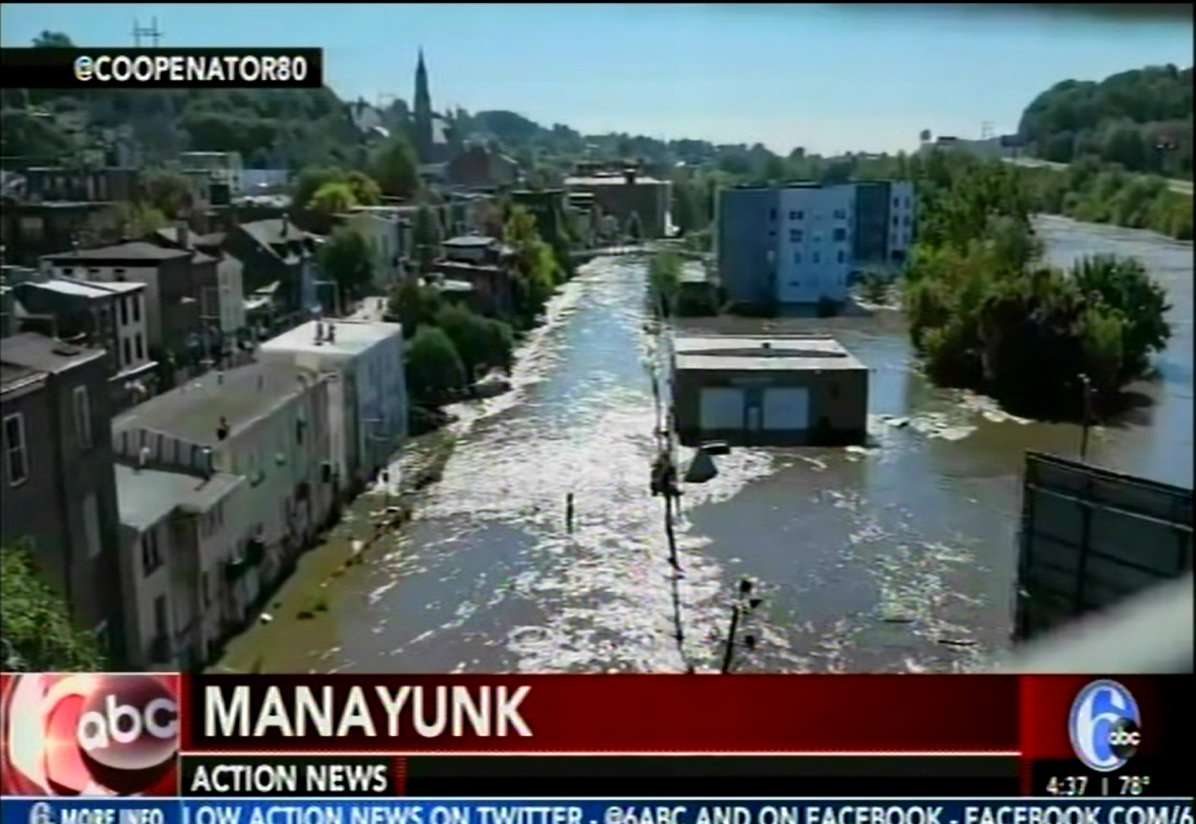
Arial view of the Vine Street Expressway. Compare this image to the first image above from Zhengzhou, again eerily similar. (Credit: WPVI)
The Manayunk section of Philadelphia along the Schuylkill River is known for occasional flooding, but not like this. (Credit: WPVI)

However it still seems that there are plenty of politicians who will do anything and everything in their power to keep on burning fossil fuels. The battle isn’t won yet; let’s be honest, it’s only just started.

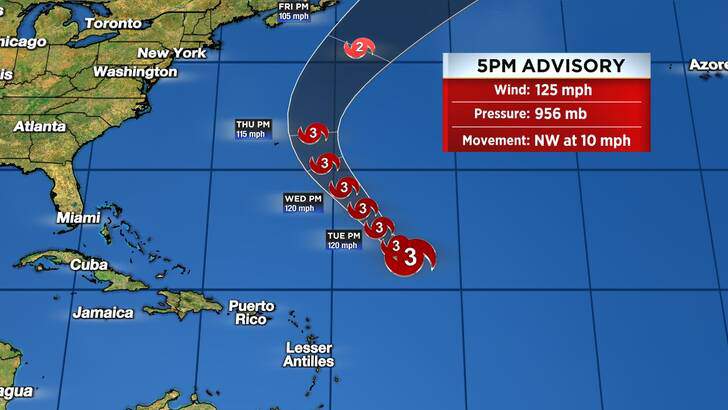
Fortunately it looks like Hurricane Larry will stay out in the Atlantic. We won’t always be so lucky! (Credit: WPLG)

   Oh, and Hurricane Larry has formed out in the Atlantic, its expected to grow into a big one! 

The Intergovernmental Panel on Climate Change (IPCC) has released its long awaited 2021 report on the Physical Science behind climate change. Guess what, it’s all our fault.

Under the auspices of the United Nations a panel of 234 of climatologists, meteorologists and other scientists have prepared an exhaustive and comprehensive assessment of the effect of human activity on the Earth’s climate, primarily due to the release of greenhouse gasses into the atmosphere. The report was released on the 9th of August 2021 in the form of two documents, the first is a 159 page technical summary that gathers together and analyses an unprecedented amount of data collected from every part of our planet.

Released in August of 2021 the Summary for Policymakers is a dire warning of the damage we are doing to the only planet we have to live on. (Credit: Lawrence Livermore National Labouratory)

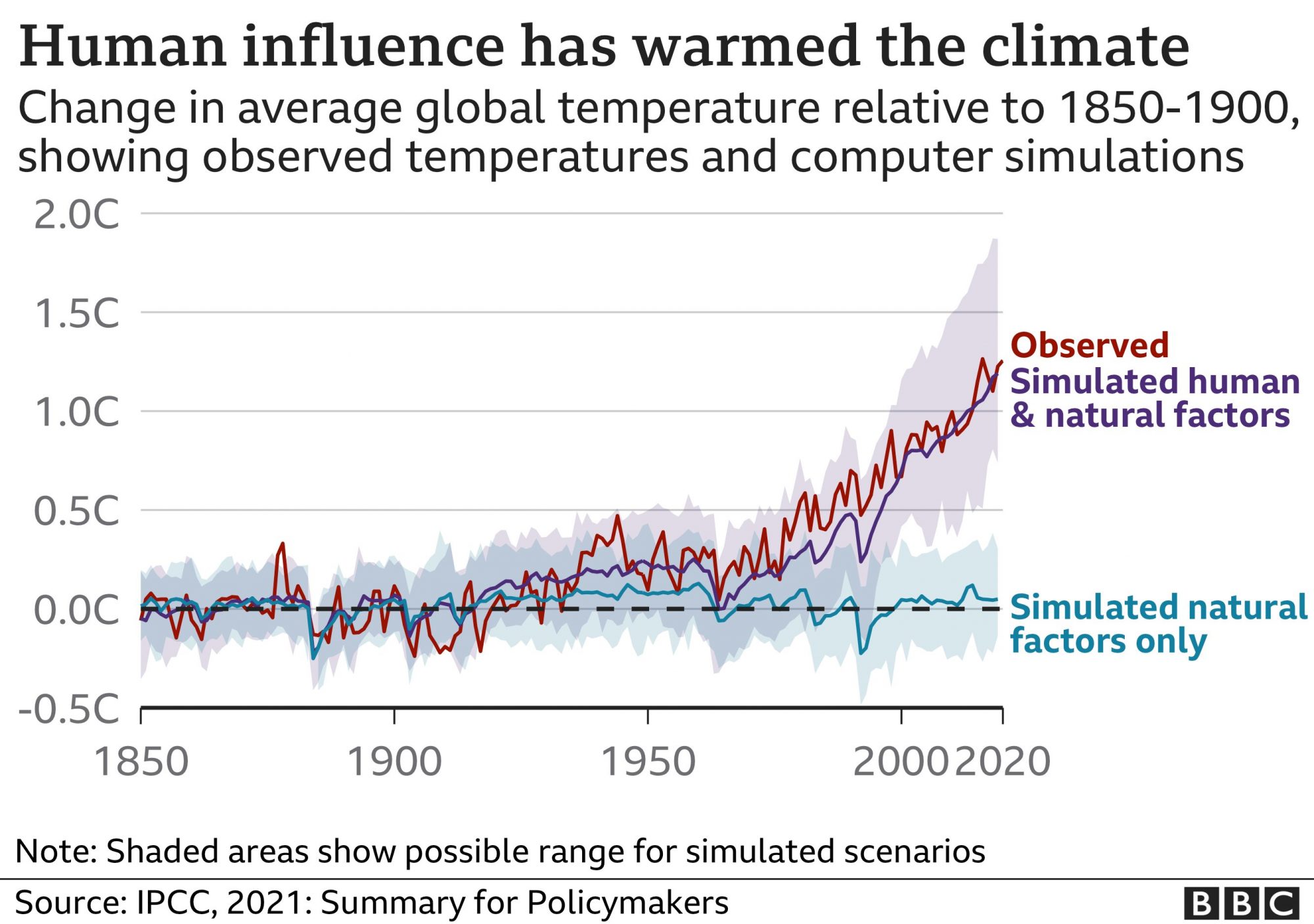
The second report is a 42 page non-technical summary for policymakers, in other words the politicians. This is the report that you’ll be seeing charts from and hearing quotations from on the news programs in the days, weeks and years to come. The main headline is quite simple, the Earth’s temperature has risen by an unprecedented amount over the last fifty years and that rise has been in a linear relationship with the amount of greenhouse gasses (GHGs) that we have released into our atmosphere. In other words the more fossil fuels we burned the hotter the Earth has gotten.

Years of data collected by thousands of scientists from locations around the globe all summed up in a single chart. The Earth is warming up because of our irresponsible use of fossil fuels! (Credit: BBC)

Now scientists in general always try to be restrained in their rhetoric. They only make definitive statements when they feel they have overwhelming evidence to support those statements and even then they include error bars as an indication of any possible uncertainty.

The statements made in the summaries and agreed to by those 234 scientists are unequivocal however, both the rise in temperature over the last 50 years and the extreme weather events that are becoming more and more common are solely due to human activity, to our ever increasing reliance on fossil fuels. So stark is the conclusion reached by the panel of scientists that UN General Secretary Antonio Guterres has declared the report to be “a code red for humanity”.

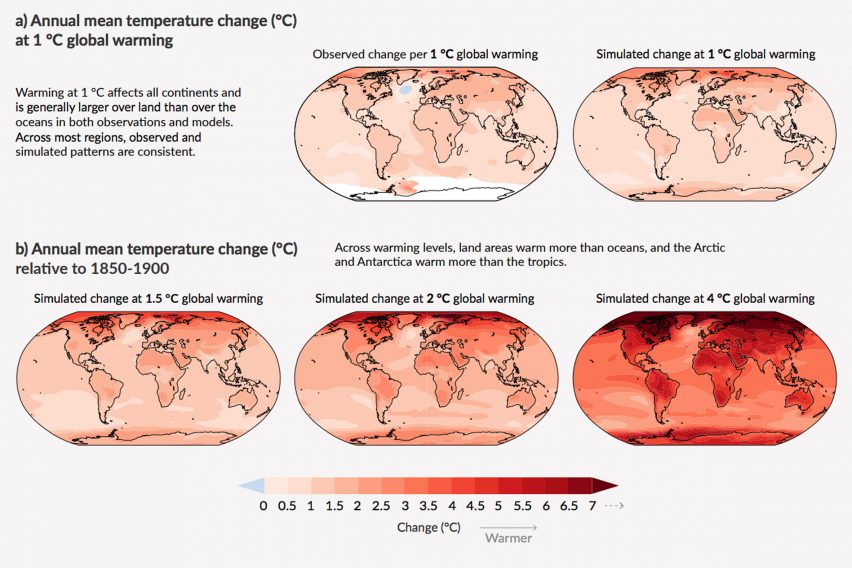
Currently we are sitting at the top center model, with all of the climate disasters now occurring. Without drastic measures the most probable futures are bottom center and bottom right! (Credit: Dezeen)

Indeed the findings detailed in the report are dire. The goal of limiting the global rise in temperature to 1.5ºC that was made at the Paris climate conference in 2015 has pretty much already been broken. If the Earth hasn’t gone past that 1.5ºC it will in the next few years even if we were to completely stop our carbon emissions today. Also unavoidable is a 15-20 cm rise in sea level, again that’s regardless of what measures we take now.

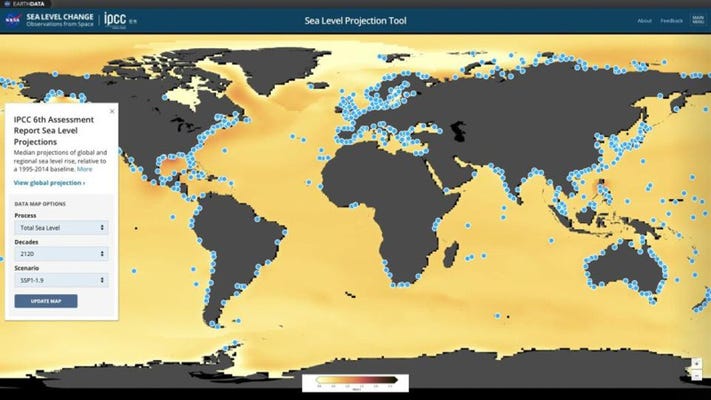
Those areas of the world that are under threat due to sea level rise just happen to be the most densely populated place! (Credit: Forbes)

The temperature will continue to rise even without more carbon emissions because of what scientists call hysteresis, that simply means that we have put enough GHGs into the air to warm the Earth by several degrees but it hasn’t done so yet simply because it hasn’t had enough time to do so. Any chef will tell you that putting something in the over doesn’t immediately cook it, it takes time to thoroughly heat it all the way through. If we left things as they are the planet would still get a bit warmer, the droughts would get a little worse, the torrential rainstorms would cause more flooding, to say nothing about more hurricanes and permafrost melting.

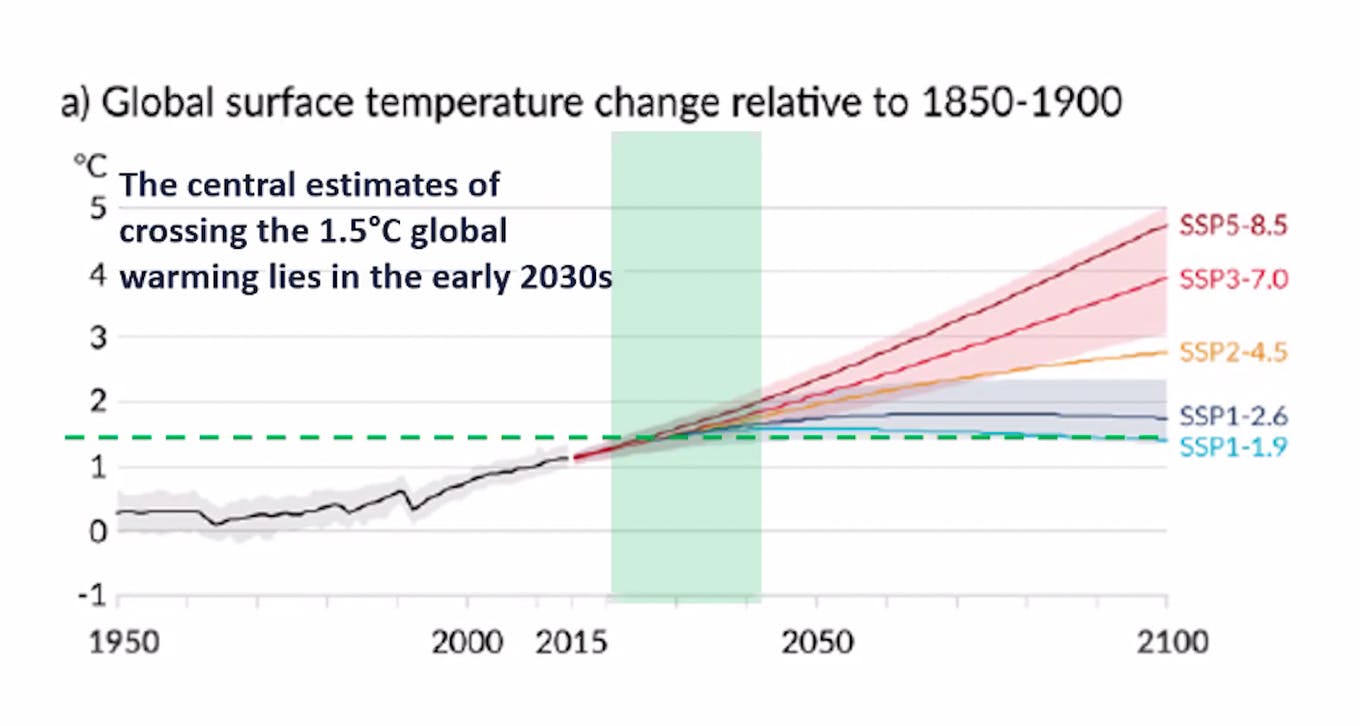
Predicted rise in global temperatures based upon five scenarios of future fossil fuel use. Even the best cases lead to considerable more harm to our climate over the next fifty years. (Credit: Eco-Business.com)

But of course we’re not going to just stop emitting GHGs. Let’s be honest our carbon emissions are more likely to increase over at least the next decade than decline. In order to make science based predictions about what the future holds for the climate the scientists extrapolated from current conditions using five basic scenarios for human activity. The first scenario is based upon an actual increase in GHG emission such that we double the amount of CO2 in the atmosphere by 2050. The second scenario assumes a slower increase so that CO2 levels double by 2100. Both these scenarios suppose that we do little or nothing to reduce the amounts of fossil fuels we burn.

Let’s admit it, we all know someone this stupid. (Credit: www.cagle.com)

The third scenario assumes that GHG emissions remain at current levels until around 2250 and only then begin to decrease slightly. The final two scenarios are based upon immediate steps being taken to reduce GHG emissions so that the entire planet reaches net zero carbon emissions sometime after 2050 or, best of all cases, sometime before that year.

For each of these five scenarios estimates were then made for global temperature rise in the near term, 2021-2040, mid-term, 2041-2060 and long-term, 2061-2100. In none of these scenarios does the temperature rise remain below that 1.5ºC goal, even the best-case scenario it goes to 1.6ºC, and only the best case has temperature starting to go down by the long-term time frame. All the other four scenarios have the temperature continuing to rise throughout the century with the temperature in the worst-case scenario reaching a horrifying 4.4ºC rise by 2100. 

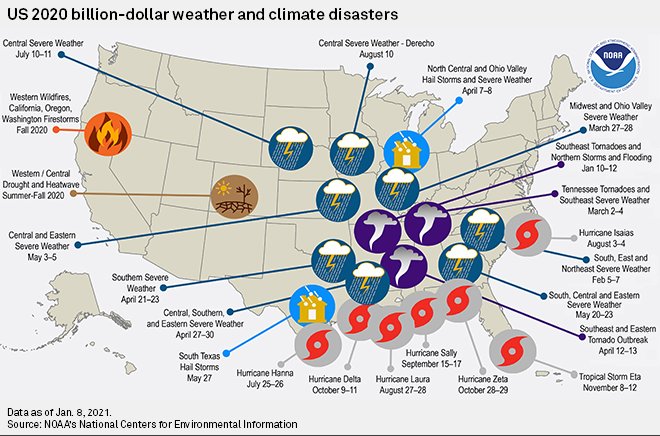
The billion dollar weather disasters that occurred in the USA just last year. This year looks to be even worse and we can be confident that trend is going to continue. (Credit: S&P Global)

Think of that for a minute, currently we are sitting just below that 1.5ºC rise and we are witnessing increased tropical storm activity, an increase in droughts, in flooding. We are seeing more severe weather in many forms. We are seeing glaciers melting throughout the Polar Regions causing a rise in sea levels.

A vision of our future? Not a pretty one to be sure. (Credit: The Guardian)

A 4.4ºC temperature rise would be triple what we have already seen. The consequences of that simply don’t bear thinking about. Nevertheless our children and grandchildren may have to face those consequences if we don’t do something soon. The reports from the IPCC aren’t without hope however; in fact they detail many of the steps we can take to limit climate change by limiting our GHG emissions. The choice is simply ours, do we have the will to do whatever is necessary to achieve net zero carbon emissions or will we simply walk with our eyes closed into a hellish future.

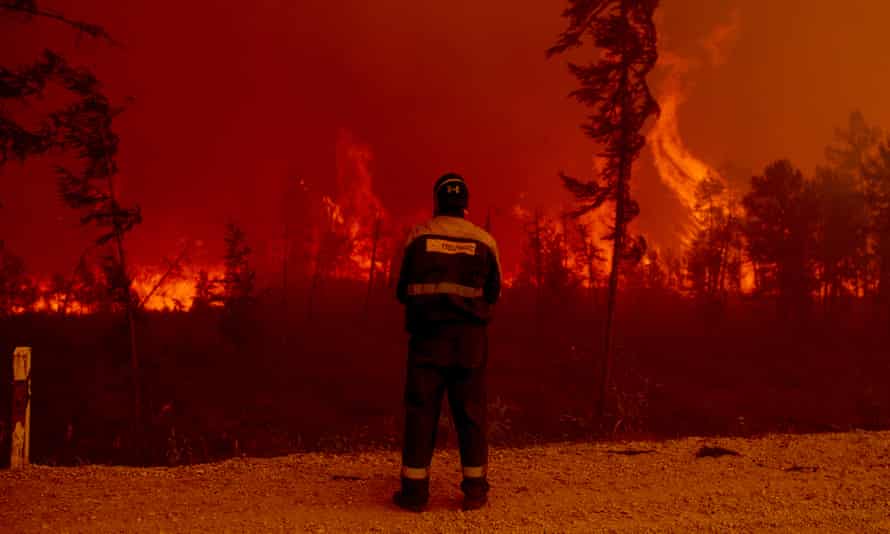
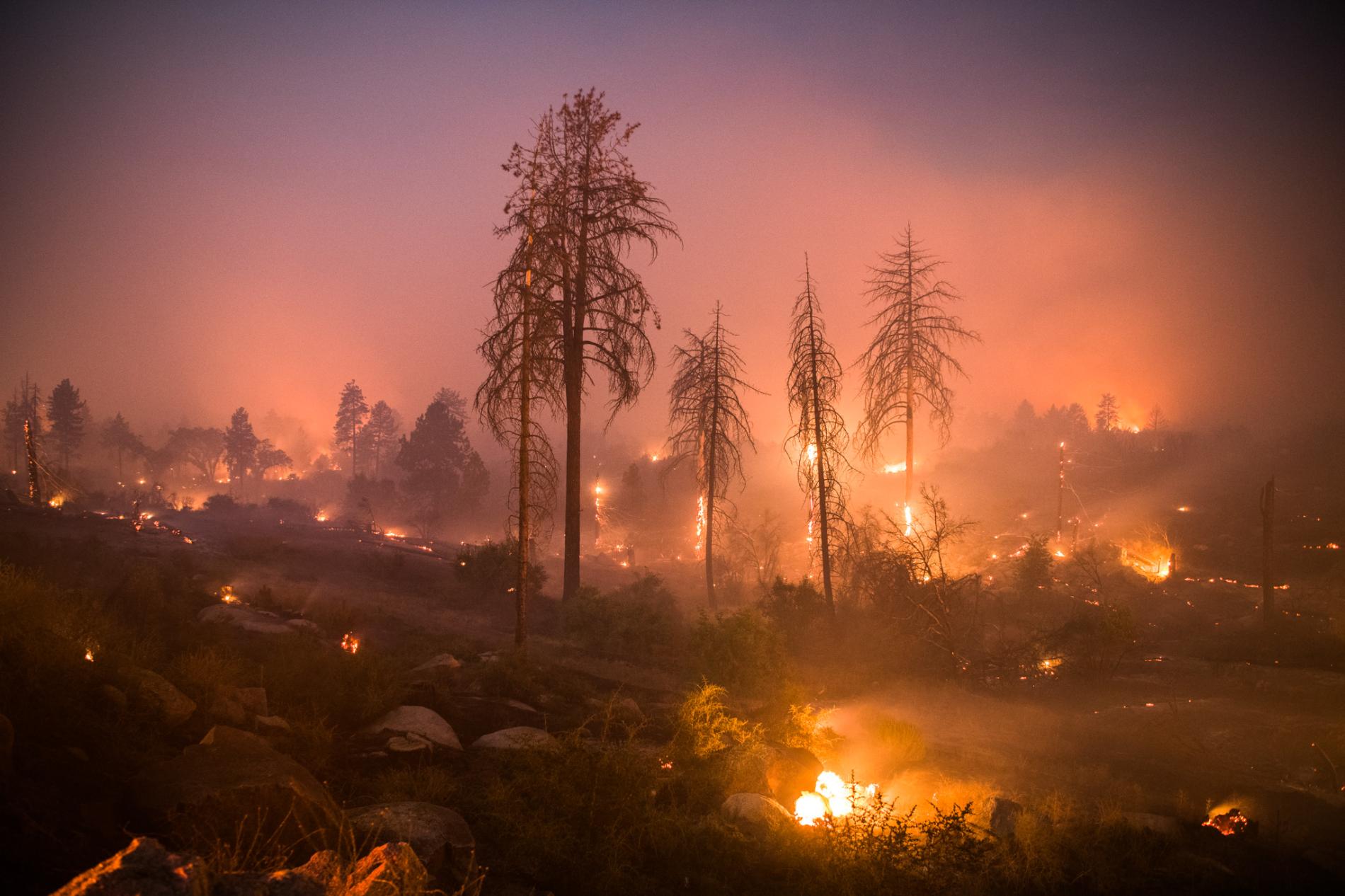
Western Wildfires, yet another disastrous result of Climate Change.

Let me just take a moment before we start to address the nonsensical issue of whether we should be calling the damage done to our environment by the emission of huge amounts of greenhouse gasses global warming or climate change. I look at it this way; the greenhouse gasses are causing the Earth to warm, that’s global warming. That warming then directly causes a large variety of different problems, everything from sea level rise, more intense tropical storms to excessive droughts. That’s climate change.

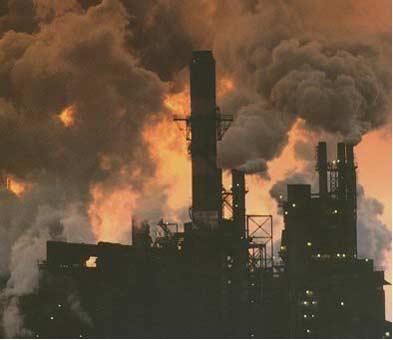
Multiply this image tens of thousands of times to get an idea of the pollution we’re just pouring into the atmosphere. Can anyone really believe it’s not having any effect on our planet? (Credit: Save Our Eco)

In other words, greenhouse gasses cause global warming. Global warming then causes the different aspects of climate change.

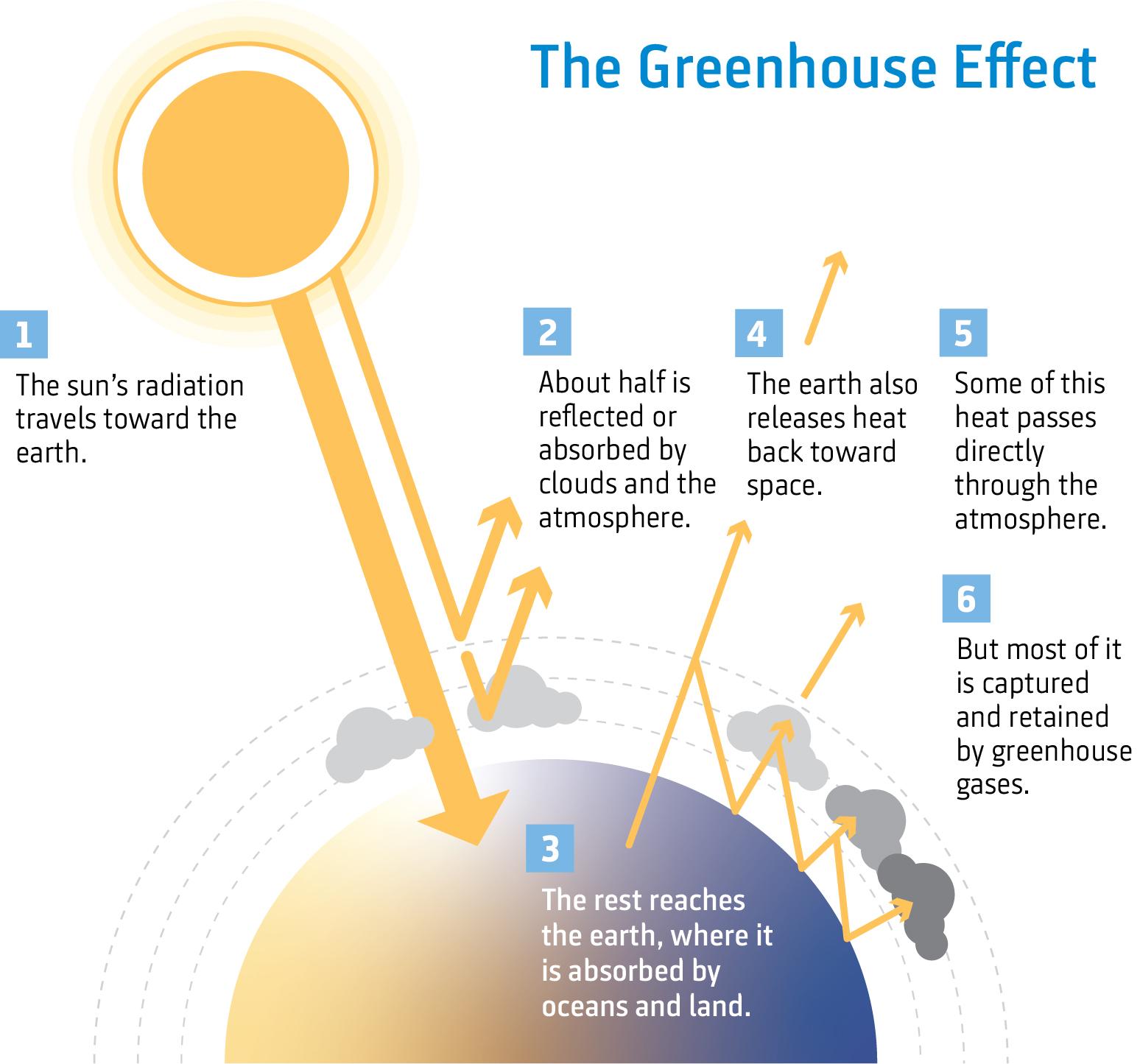
The greenhouse effect in a nutshell. The warming of the Earth by CO2 and other gasses hs been known now for almost two centuries, and is easy to verify in a lab, so how can anyone deny it? (Credit: NIWA)

Honestly though, it really doesn’t matter what you call it so long as you recognize the damage that we are doing to the only planet we have and are willing to do something to solve the problem. Whether you call it global warming or climate change it’s still an ever growing danger that we have to face.

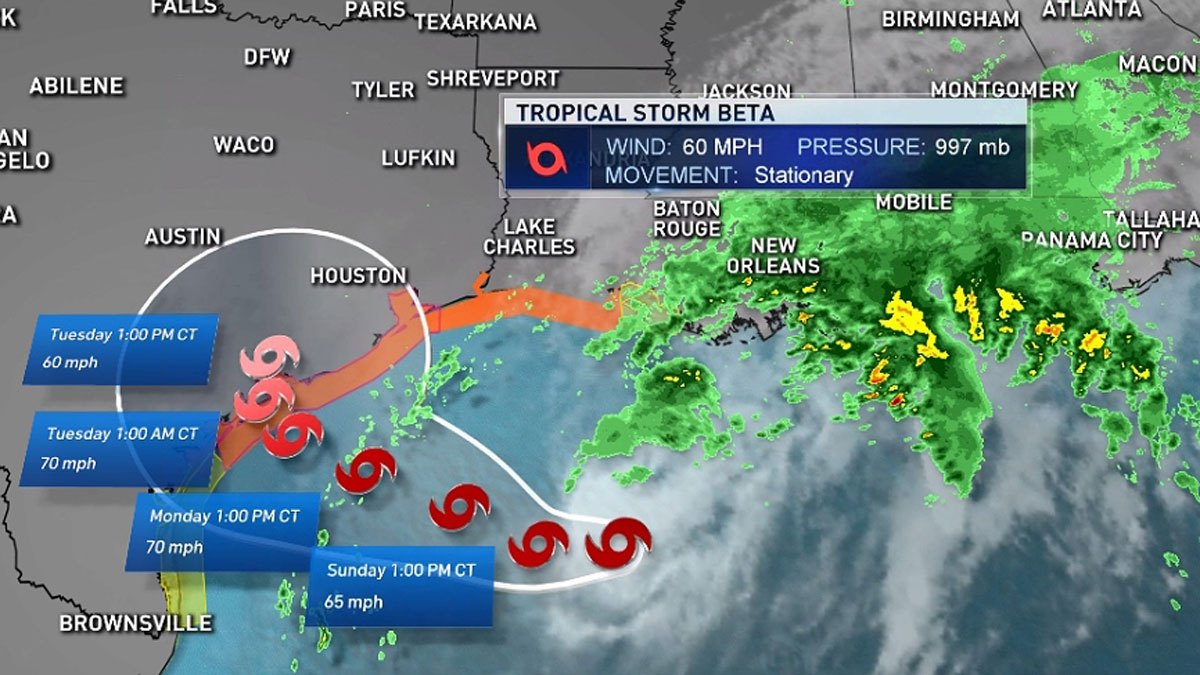
This year’s Atlantic Hurricane season has been so severe that we’ve already run out of names for storms and had to resort to used the Greek alphabet, and there’s still a month left go! (Credit: NBC DWF)

And the evidence of how dangerous the situation is becoming grows every day. This year’s Atlantic hurricane season is demolishing all previous records for the number of storms but today I’d like to talk about the crisis in the western part of the US due to the unprecedented number and intensity of wildfires.

Like the hurricanes in the Atlantic the number of wildfires in the western US this year is simply unprecedented. (Credit: National Geographic)

Now I used to live in California’s silicon valley, also known as the San Francisco Bay Area, during the 1980s so I am personally familiar with how large areas of California can go from March to November without a single drop of rainfall. I can remember being warned about the dangers of drought conditions, I have seen how square kilometers of grass and brush will turn brown because of lack of water and I have myself witnessed several, small wildfires. I know from personal experience that wildfires are just a natural part of California’s ecology.

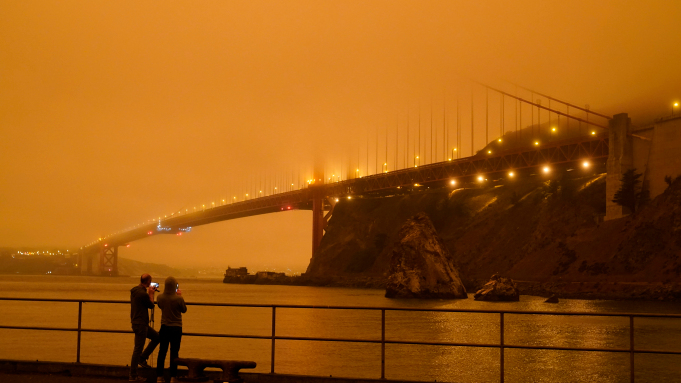
I have driven across the Golden Gate Bridge in San Francisco more than a hundred times but because of the smoke and glow of the wildfires I can barely recognize it. (Credit: Deadline)

However the extent of the fires now burning not just in California but throughout the western half of the US is far beyond anything in human experience. When I see some of the images coming out of San Francisco, coming from places I know very well, turned orange by the smoke and distant glow of massive fires I’m chilled. That hellscape is not the California I knew.

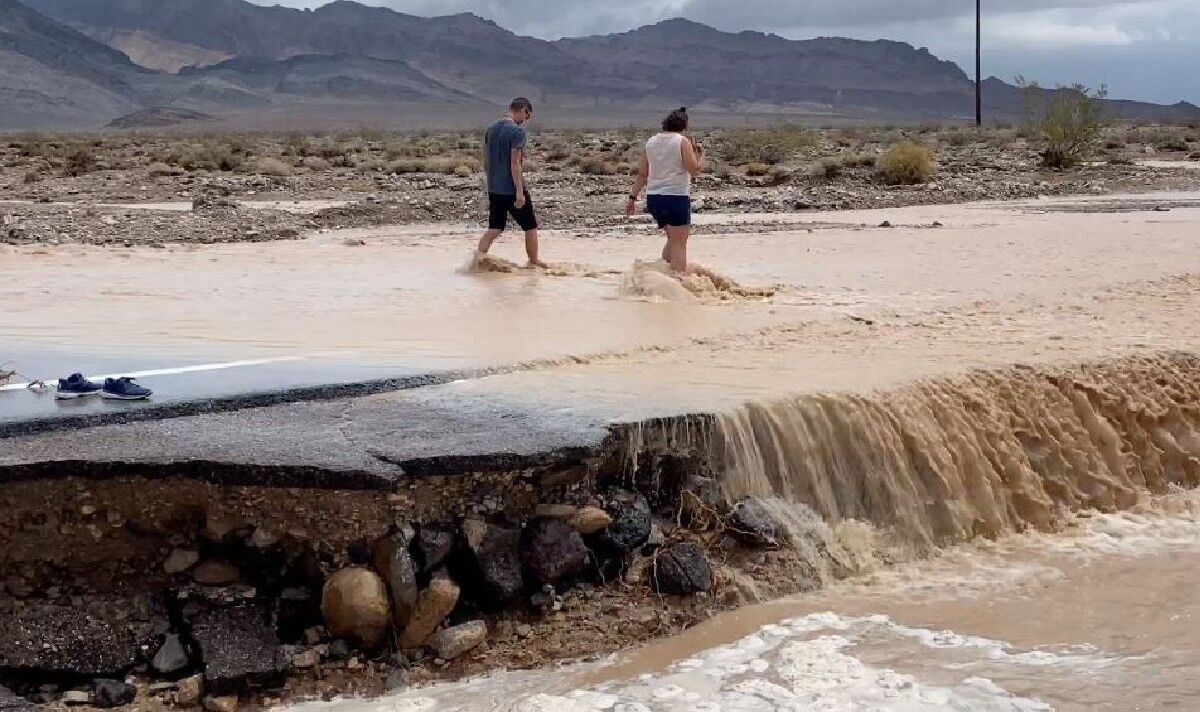
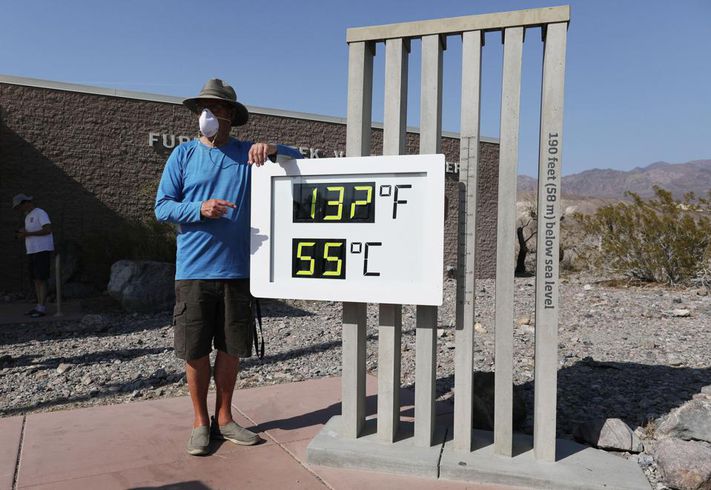
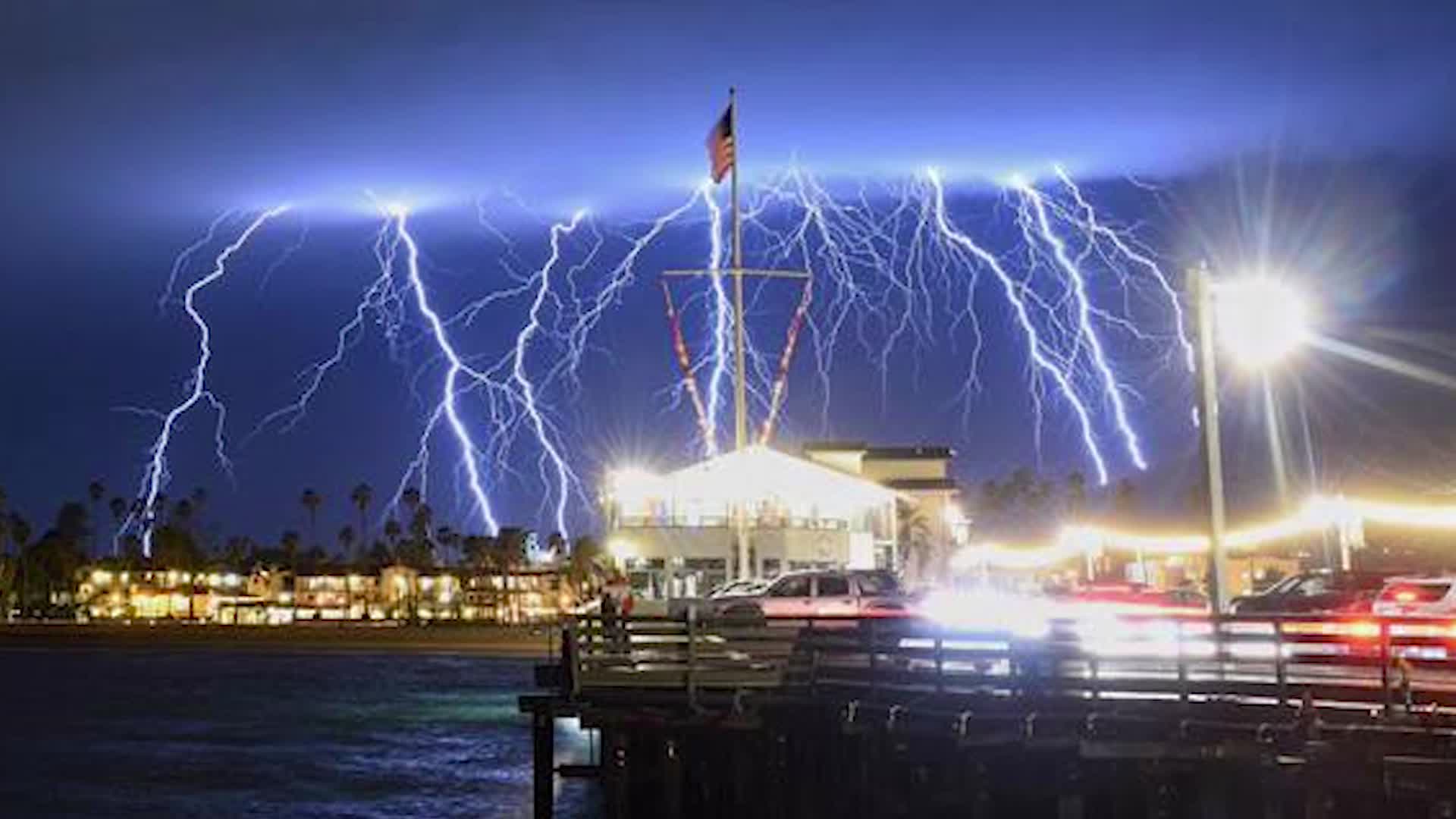
In just the past month of August the western US has seen a number of unprecedented weather and fire conditions. A fire tornado was observed for the first time ever just north of Lake Tahoe. The hottest temperature ever reliably recorded on Earth’s surface, 54.5ºC (130ºF), was measured in Death Valley. A dry thunderstorm swept across Northern California sparking 11,000 lightning strikes that ignited over 300 fires, two of which grew to become the largest even seen in the state. So far this year over 7 million acres of forest land has been burned, a staggering amount far surpassing any previous year’s total, and the fire season isn’t over yet.

The highest temperature ever recorded just recently occured in California’s Death Valley. (Credit: Forbes)
Dry lightning, lightning without rain, is another feature of California’s extreme weather. (Credit: CNN.com)

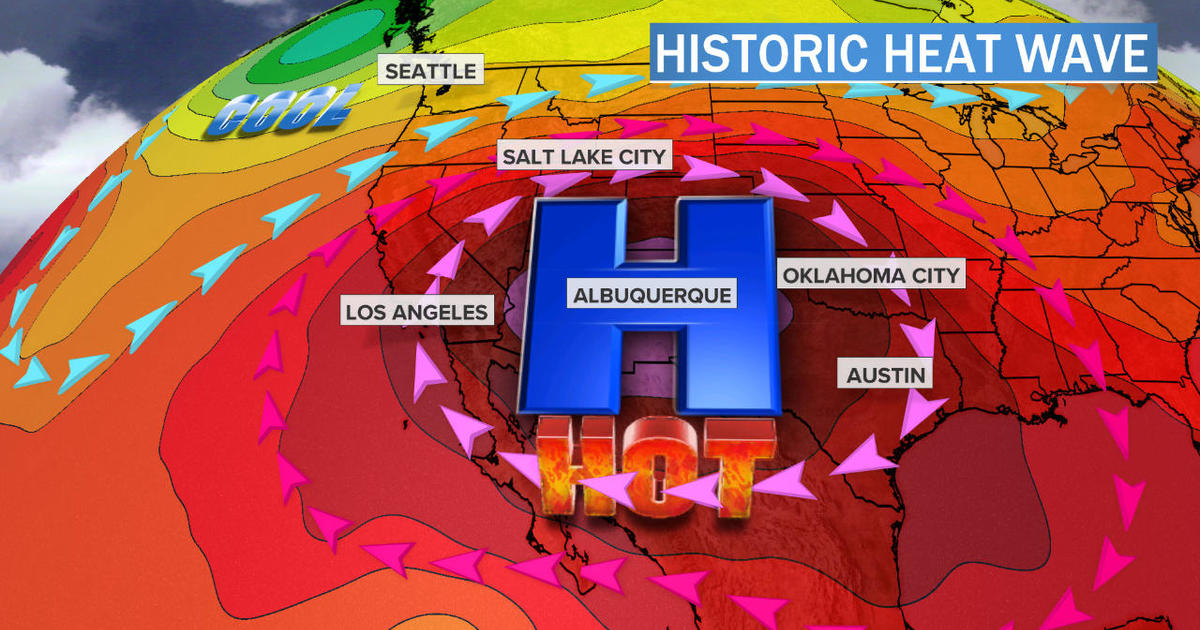
Meteorologically what is happening out west is that the increasing temperatures are leading to the growth of a massive ‘heat dome’, a high pressure system that becomes stuck in the same region of the Earth due to the jet streams. These heat domes have led to severe drought conditions causing the death of millions of trees that provide even more fuel for the fires triggered by the heat.

A Massive high pressure system has parked itself over the western US causing a historic heat wave. (Credit: CBS News)

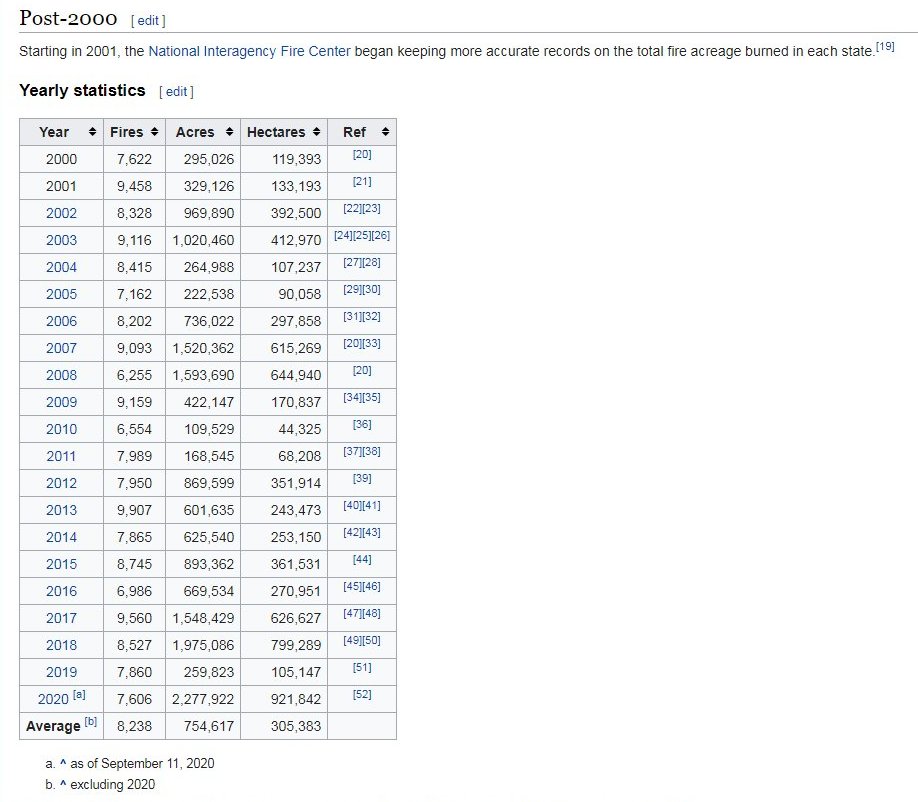
The statistics back up the idea that what we are seeing is an ongoing trend rather than a singular, extraordinary season. Although the National Interagency Fire Center only began keeping more accurate records in 2000 those 20 years of records for California are enough to illustrate the alarming increase in the number of acres of forest burnt each year.

Acres of California woodlands destroyed by fire over the last 20 years.. (Credit: Wikipedia)

And remember the total for 2020 was as of the 11th of September and has grown considerably since then. Adding in the land area burnt in the other western states and the total area of forest destroyed now comes to something larger than the entire state of New Jersey.

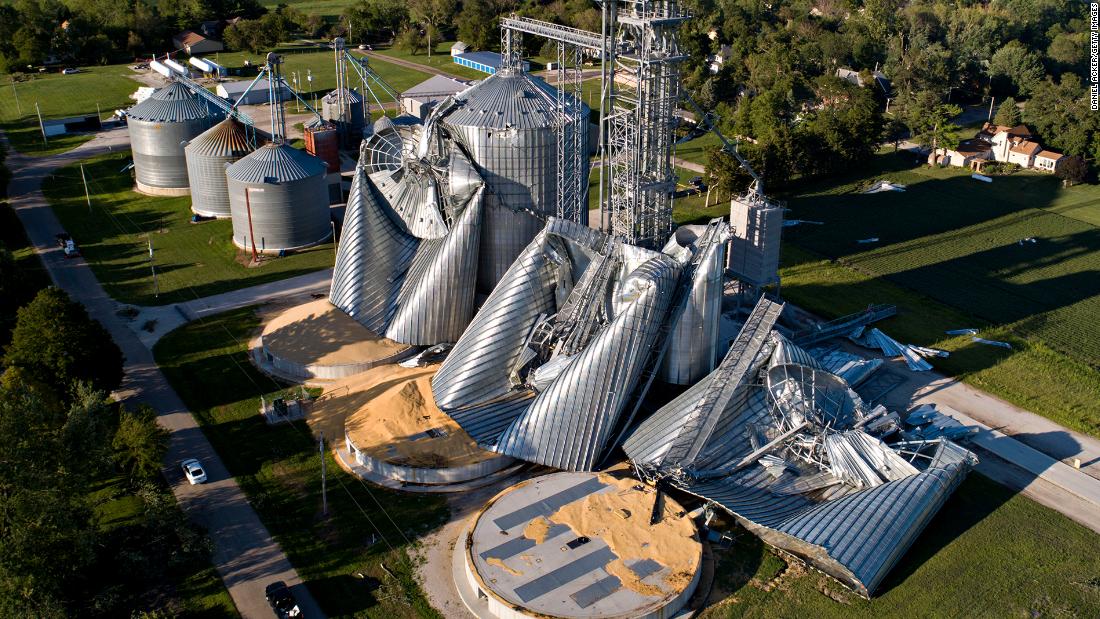
But California isn’t unique; the golden state is just a bit out in front of the rest of us in the changes happening due to climate change. Back in August the Midwest States, especially Iowa, suffered badly from a rare storm system known as a derecho, a wall of storms hundreds of kilometers in width. The straight line winds developed in a derecho can be as strong as those in a tornado but the damage caused is spread out over a much wider path. In addition to massive destruction to homes and other structures several hundred square kilometers of crops were destroyed, a real tragedy in the agricultural heartland of America.

Just some of the destruction caused by the derecho storm that swept across the plains states in August. (Credit: CNN.com)

Once more we know what is happening, Earth’s rising temperatures simply means that more energy is being pumped into the weather systems around the world. More energy means more severe weather of all kinds, more severe hurricanes and more sever droughts, more and stronger tornadoes and just stronger storms in general.

And all just because we refuse to shift our energy production from quick, easy, cheap fossil fuels, which will run out eventually anyway, to longer lasting, sustainable forms of energy production. We all know that the long term cost of staying on our present path will be enormously greater than any short term savings. When will we finally find the strength of will to do what we must?

Meteorologists update their estimate for the 2020 Hurricane season. Hold onto your hat, stormy weather’s a headin’ our way.

It was only three months ago, 27May2020, that I published a post discussing how the 2020 hurricane season was shaping up to be a very active one. The official estimates at that time from both Colorado State University’s Tropical Meteorology Project and the National Oceanographic and Atmospherics Administration (NOAA) were predicting around 15-20 named storms with 8-10 becoming hurricanes and 3-5 turning into major hurricanes.

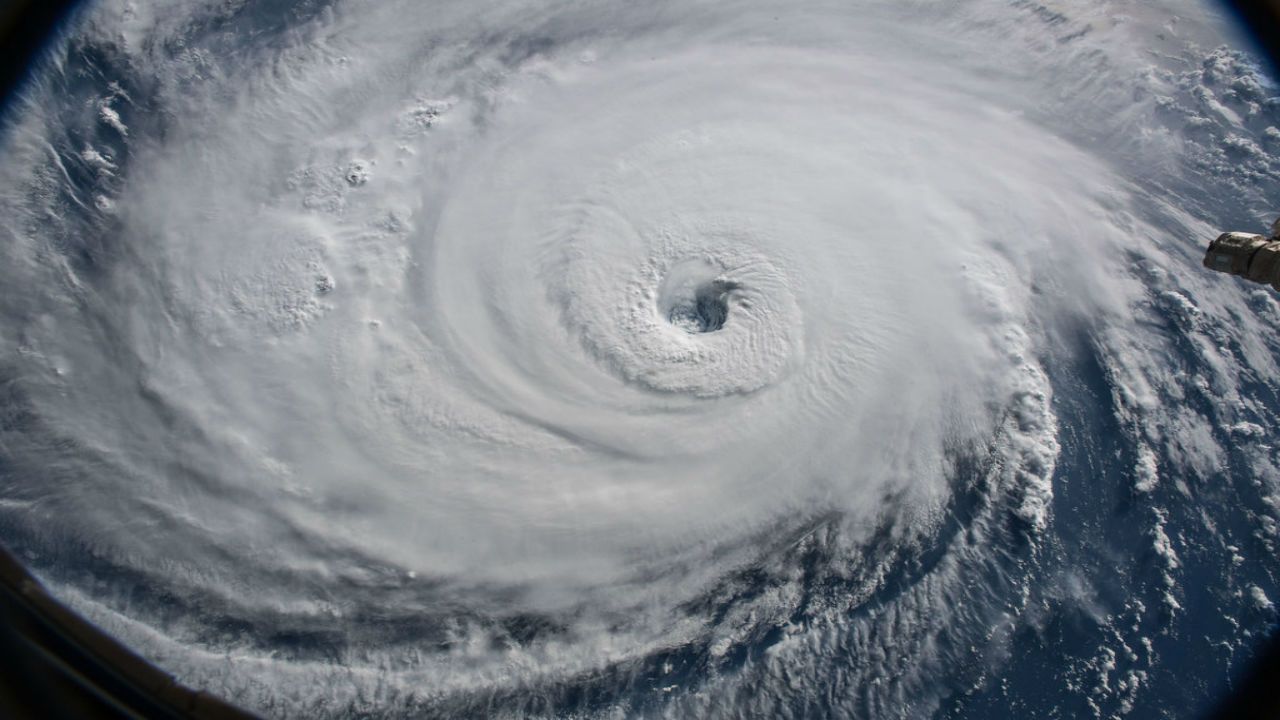
Beautiful but deadly. Hurricane Florence in 2018 as seen from Earth orbit. (Credit: Spectrum News)

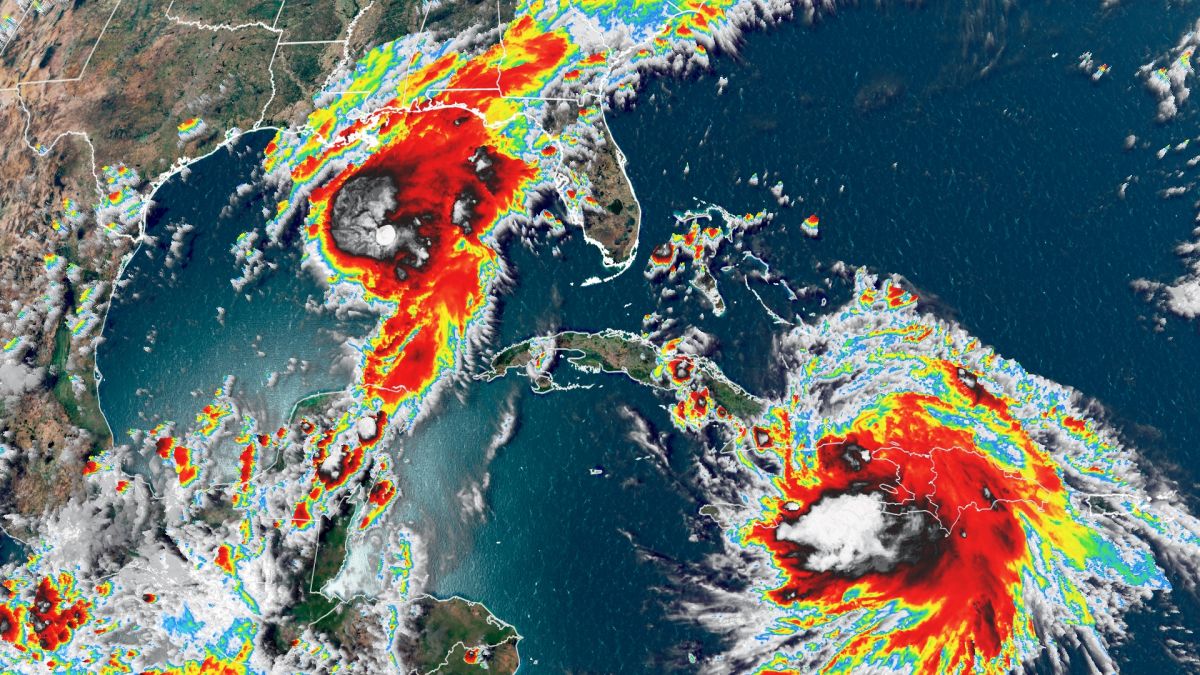
Those predictions have already been proven to be conservative. We are still not through August and there have already been 12 tropical storms, five of which have developed into hurricanes. As I write these words Tropical Storm Marco, downgraded from a Cat1 hurricane, has battering the state of Louisiana while hurricane Laura, just upgraded to Cat3, is headed for almost the exact same area of the gulf coast. And the next month and a half is usually the busiest part of the Atlantic hurricane season.

Even as Marco (upper left) dumps rain on the Gulf States Laura is headed towards the very same region for a one-two punch that’s unprecedented. (Credit: CNN.com)

It’s not surprising therefore that the same institutes that made those predictions three months ago have reevaluated their estimates and are now publishing the most dire forecast in the history of hurricane studies. The meteorological team at Colorado State University now estimates that the 2020 hurricane season will consist of 24 named tropical storms of which 12 are likely to become hurricanes with 5 developing into major hurricanes.

If that forecast turns out to be accurate it would make the 2020 season the second most active in recorded history, surpassed only by the 2005 season which saw 28 named storms, including hurricanes Katrina and Wilma. And since hurricane forecasters only select 21 names for storms each year, the letters Q, U, X, Y and Z are not used to name storms, if there are 24 named storms meteorologists will be forced to use Greek letters to identify the last three instead of names, again something that has only ever happened once back in 2005.

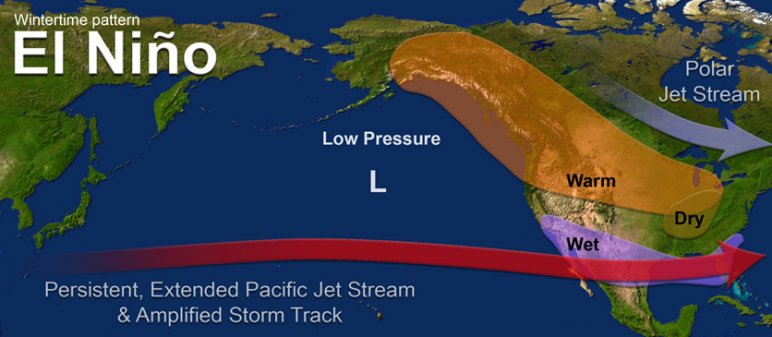
So why is this year already so active, and what conditions are the meteorologists seeing that made them redo their forecasts. Well one factor that often inhibits the formation of hurricanes is a strong El Niño in the eastern Pacific Ocean. The strong winds developed by El Niño can produce wind shear that disperse low pressure systems in the Atlantic before they can even develop into tropical storms. This year however there is absolutely no trace of El Niño, a condition that will allow storms to grow unchecked.

A strong El Nino in the Pacific sends winds into the Atlantic that can break up hurricane’s before they become dangerous. There is no El Nino this year. (Credit: NOAA)

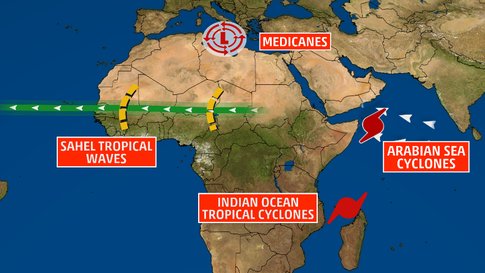
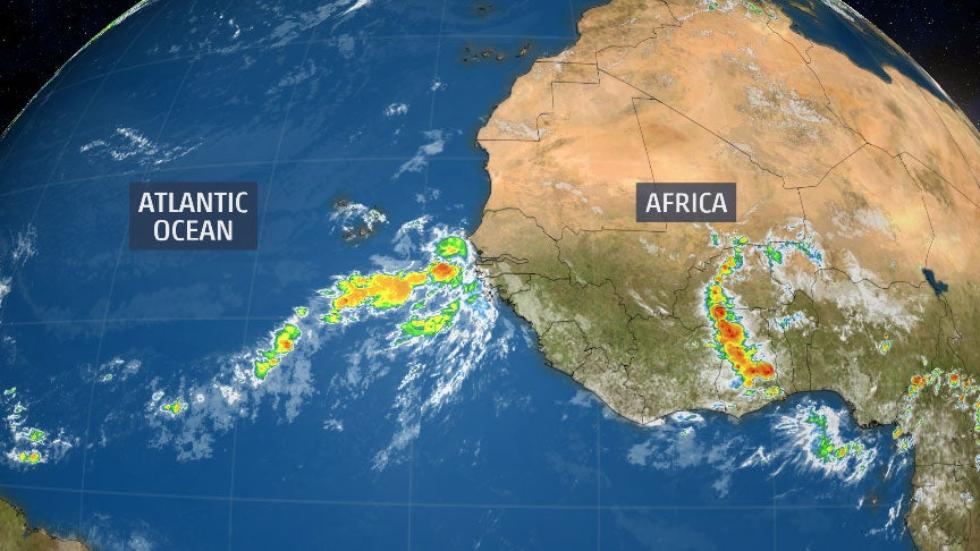
At the same time low-pressure systems moving westward off of North Africa are stronger than usual because of exceptional rainfall amounts in the Sahel region of Africa between the Sahara Desert and the Congo rainforest. This region generates almost 90% of the low-pressure systems that develop into tropical Atlantic storms and this year the excess rainfall is making them particularly intense.

Pressure waves moving west off of the Sahel region of North Africa often grow into Atlantic hurricanes. Sahel waves are especially strong this year. (Credit: The Weather Channel)
Those pressure waves often become the seeds that turn into deadly hurricanes like Laura! (Credit: The Weather Channel)

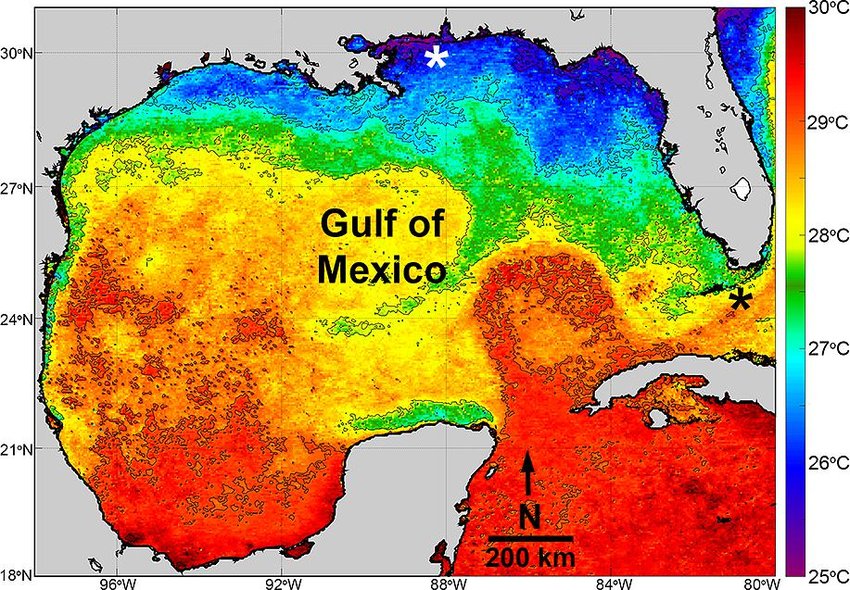
But of course the biggest factor in generating tropical storms is simply the temperature of the waters of the Atlantic Ocean and Gulf of Mexico both of which are at or even beyond historic levels. Warm tropical waters evaporate more quickly, putting not only more water but more energy into those low-pressure systems coming from Africa, leading to more, and more powerful storms. 

Surface water temperature in the Gulf of Mexico is becoming higher every year thanks to Global Warming! This increase in energy is reflected in more and more powerful Gulf hurricanes. (Credit: ResearchGate)

And what is it that’s making the waters of the Atlantic and Gulf warmer than ever observed before? Well if you haven’t already guessed Global Warming where have you been the last 20 years? Seriously the conditions caused by our continued, reckless emissions of carbon dioxide have grown beyond the point of causing ‘Slightly Higher Averages’ so that now nearly every year is noticeably hotter they were just 20 years ago.

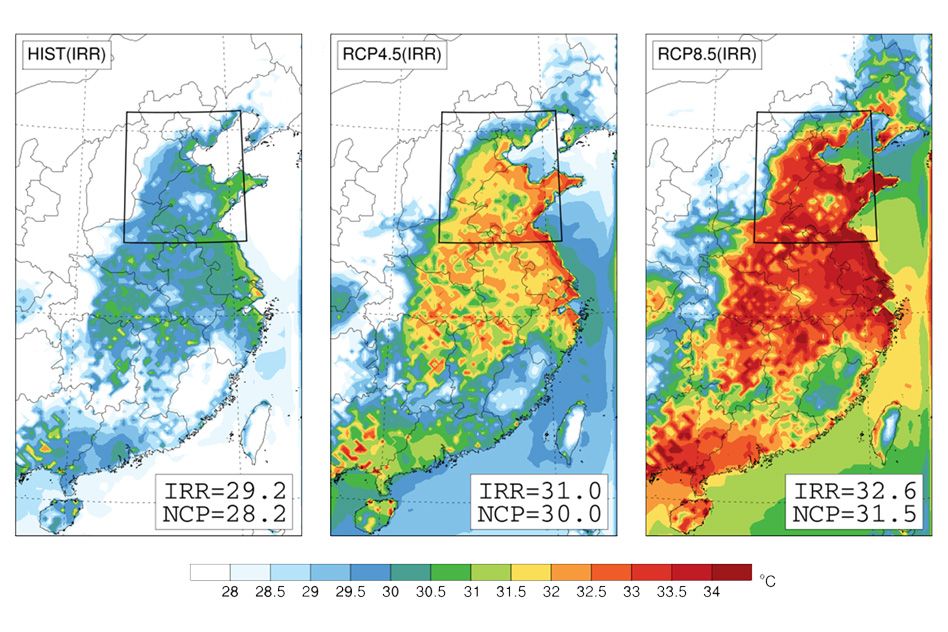
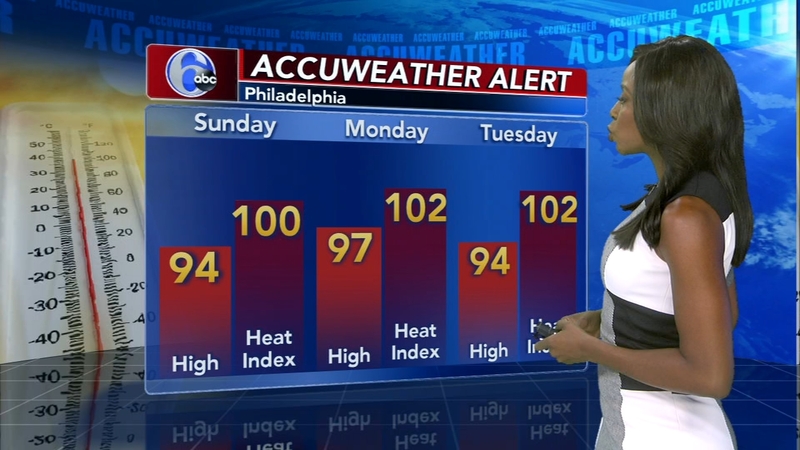
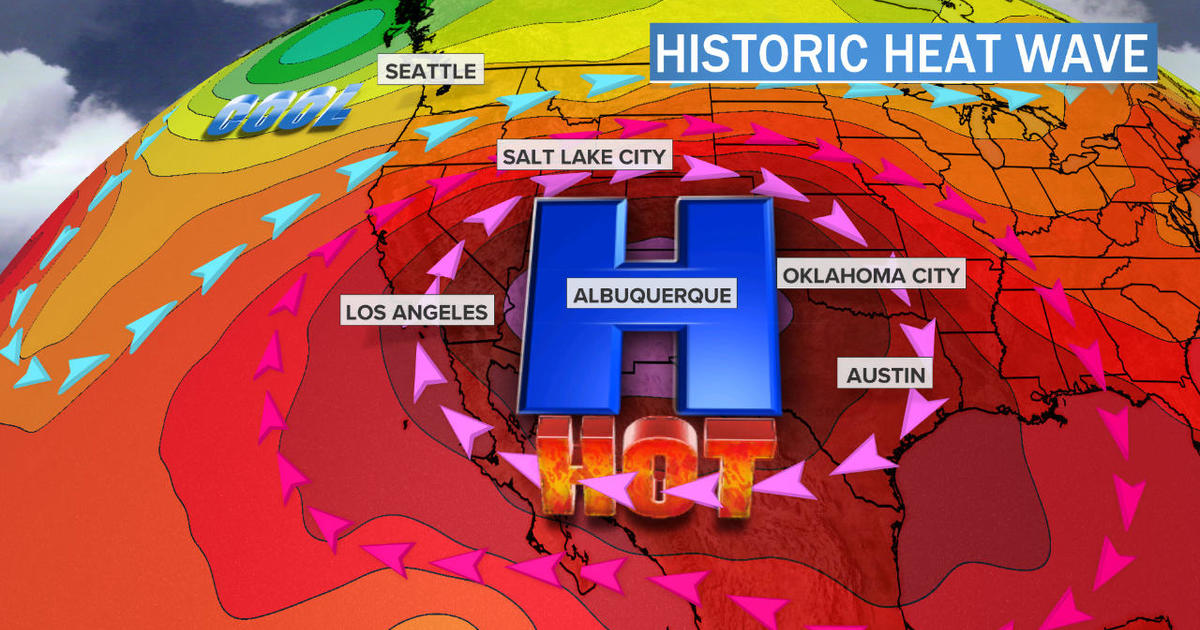
This increase is occurring both globally and locally. For example, here in Philadelphia this past winter we had a very warm winter with no snow accumulation at all and right now we are enduring our 34nd day of +32ºC (+90º F) temperatures, our average is 22 days. The entire west coast of the US is currently suffering through a heat wave on a scale never seen before, hundreds of all time high records are expected to be broken while the wild fire season is already turning out to be especially destructive. In fact the National Weather Service has for the first time ever issued a warning for ‘Fire-Nadoes’, tornadoes generated by the extreme winds in a massive. Meanwhile the temperature in Death Valley was recently measured at 54.4ºC (130º F), the highest reliably recorded temperature ever in the entire world.

This summer in Philadelphia has been excessively hot, with stronger than normal storms added in. (Credit: 6ABC)
Meanwhile the western US is suffering under an historic heat wave. (Credit: CBS News)

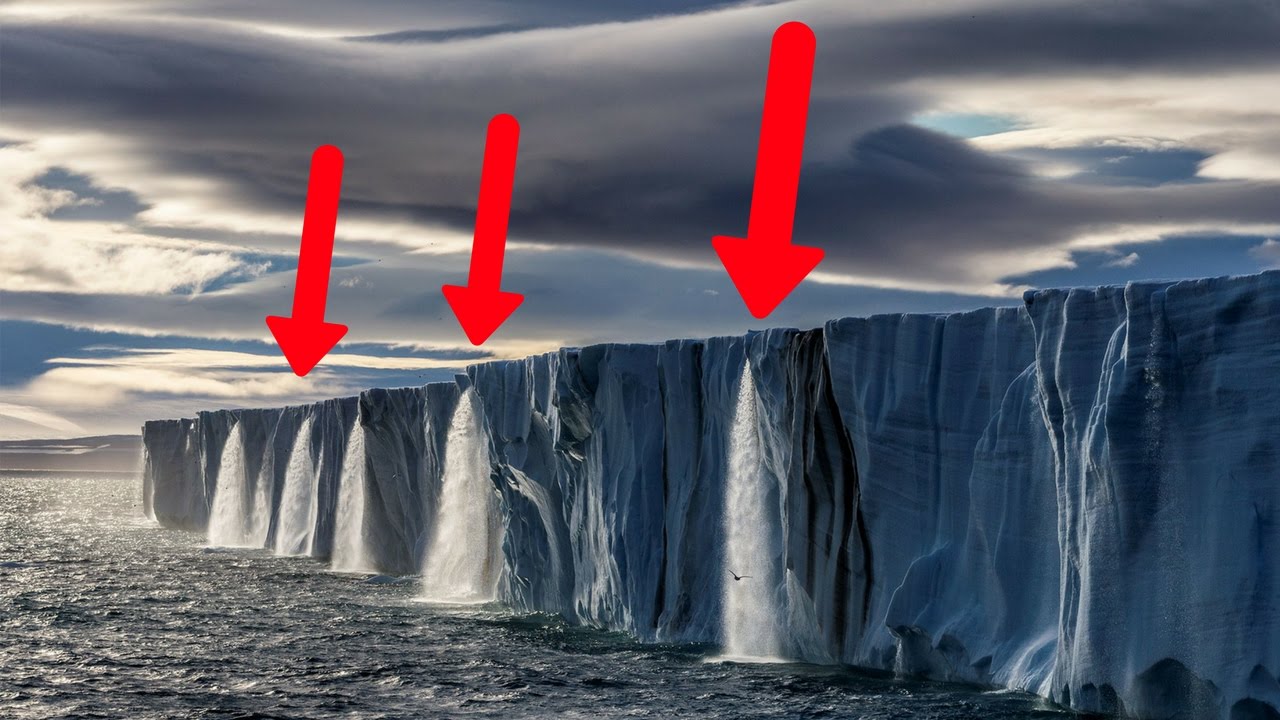
Globally last year, 2019 was the second hottest ever recorded, coming in only slightly below 2016. In fact according to NOAA 9 out of the ten hottest years ever recorded have come in the last 15 years. A team of climatologists working in Greenland have recently announced that, in their opinion the glaciers there are beyond the point of no return. 

Greenland is melting while we watch, and all of that water is rising sea levels! (Credit: YouTube)

So I guess the question is how much more destruction is the environment going to have to cause before we’ll finally start to pay attention. Personally I’m beginning to fear that even a disaster on the scale of the sinking of Miami might not be enough, after all Katrina and New Orleans in 2005 weren’t. Currently millions of Americans are doing everything they can to ignore the worst epidemic to hit this country in 100 years. I’m almost certain they can find excuses to keep on ignoring climate change even as it’s blowing down their homes!

Donald Trump on Climate Change, “a dumb brute that simply smote thee from blindest instinct.”

As everyone now knows, this week Donald Trump decided to pull the United States out of the Paris accord on fighting global warming. This disastrous decision could severely reduce humanity’s ability to limit the rise in the world’s temperature caused by greenhouse gas emissions to 2 degrees Celsius. We are already seeing the effects of our reckless abuse of the planet in which we live and if the nations of the world do not succeed in achieving the goals set out in the Paris accord then global warming will be a grave threat to our species for the foreseeable future.

Now I don’t intent to defend climate science here. Other scientists have done a much better job than I am capable of. However, for anymore who is still unsure of the reality of climate change I cannot do better than to recommend the sites listed below. The ‘Union of Concerned Scientists’, The ‘American Association for the Advancement of Science’ and the peer reviewed journal ‘Nature’ are all a part of the foundation of what we call SCIENCE!

http://www.ucsusa.org/global_warming#.WTK4CWcku71

http://whatweknow.aaas.org/

http://www.nature.com/nclimate/index.html

Before I go any further the quote in the title is from the novel “Moby Dick” or “The Whale” by Herman Melville, and I’ll bet you didn’t know Moby Dick was one of those books with two titles. Now, by that quotation do I mean to imply that Donald Trump is like Moby Dick? Well he is undeniably a larger than life figure, one that arouses passions of both abhorrence and it must be admitted admiration. And I think even most of his supporters would agree that Trump is a creature capable of much chaos and destruction, after all they voted for him to shake up Washington.

My main focus however is on the phrase ‘ blindest instinct’ because I think that is the best way to understand not only Trump but climate change deniers in general. It’s all about instinct over reason.

Look at it this way; throughout a billion years of evolution living creatures had no real control over the world around them, they adapted to their environment not their environment to them. Even animals like the beaver or social insects can only make minor changes to their environment.

This impotence, this ‘Fact’ that the world is what it is and nothing can change it is built into our genetic makeup and despite all the evidence that this is no longer true for our species it is nevertheless still our automatic, instinctive response to the idea that we are causing climate change. I’ve personally known otherwise intelligent engineers who deny global warming simply because “the world is so big it can take a lot more abuse than we can give it”.

As I sit here writing this post all the 24 hour news channels are falling over themselves asking the question ‘does Donald Trump believe in climate change’ and the White House is working to avoid answering the question. The answer is simple, you can’t just see climate change happening so of course Donald Trump does not believe in it. If he cannot instinctively react to something then it just doesn’t exist.

Understanding global warming requires either surveying enormous amounts of data taken over decades from thousands of locations and then corroborating that data with the known properties of greenhouse gasses or else accepting the judgment of someone who has done that work, someone who knows more than you do. Donald Trump is capable of neither of these mental efforts.

This is the hallmark of the anti-intellectualism growing in the United States at the present. “I will not make the mental effort to understand this complex subject,” the new Neanderthals say. “And don’t you think you’re smarter than me because you have.”

These are just a few of my reasons for considering Donald Trump to be ‘a dumb brute’ whose behavior is ruled by ‘blindest instinct’. Of course however there is one way in which Donald Trump is very different from Moby Dick. Unfortunately Donald Trump is not a fictional character.

To those of my frequent readers who may disapprove of this post’s rather political theme I can only beg your pardon and remind you that climate change is a scientific problem as well as a political issue. I would much prefer for the blog ‘Science and Science Fiction’ to remain true to its name and I assure you that my next post will do so.